.webp)
.webp)
Best Spots for Birdwatching in Mamunta Mayosso Wildlife Sanctuary 2026
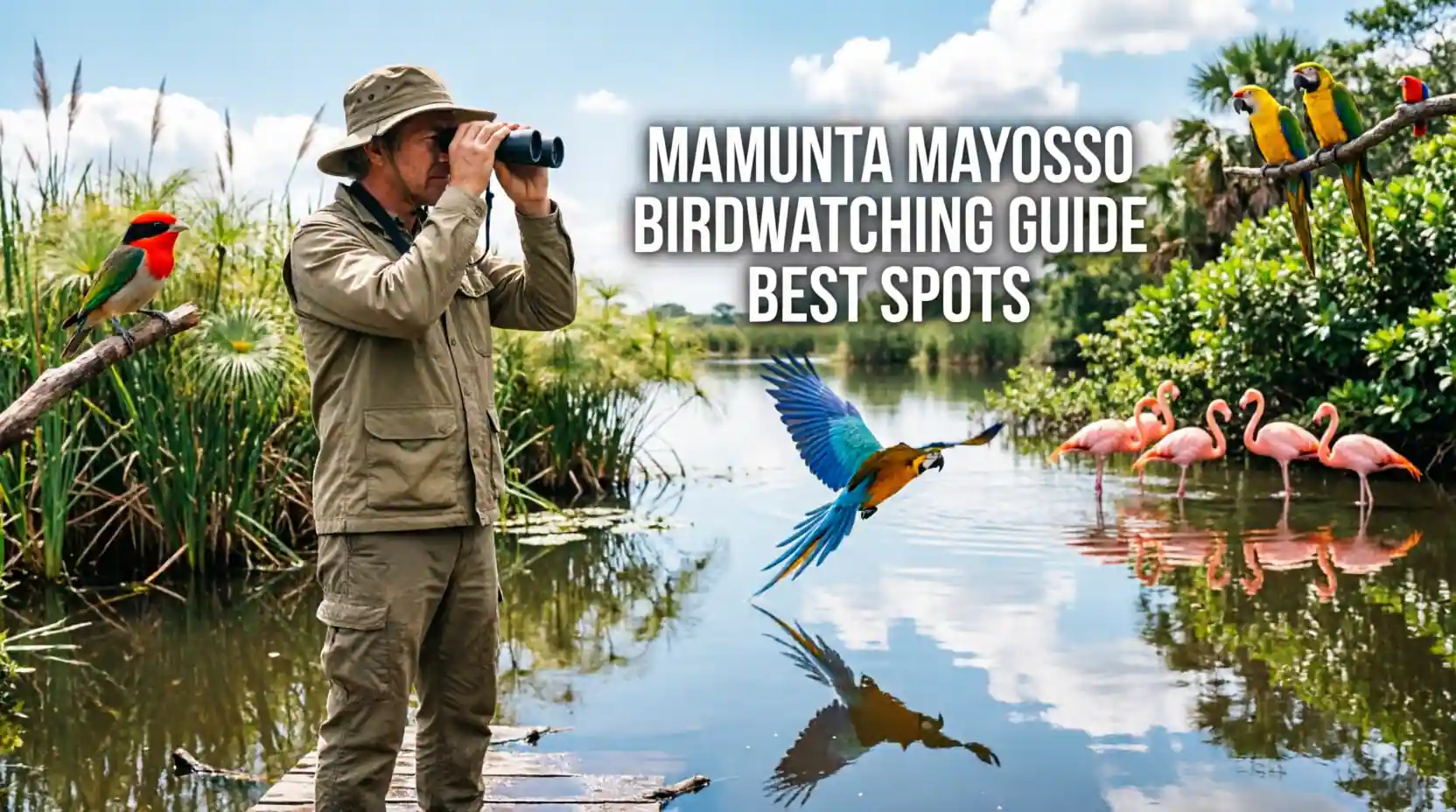
Best Spots for Birdwatching in Mamunta Mayosso Wildlife Sanctuary 2026
The Mamunta Mayosso Wildlife Sanctuary stands as one of Sierra Leone's most important wetland areas for birdwatching. This protected sanctuary harbors exceptional avian diversity including resident species, migratory visitors, and rare waterbirds.
Located in the Northern Province near the town of Makari, the sanctuary encompasses wetlands, grasslands, and forest patches that create ideal habitats for numerous bird species. Over 200 bird species have been recorded within the sanctuary boundaries.
Birdwatching in Mamunta Mayosso offers unique opportunities to observe West African wetland specialists, Palaearctic migrants, and species of conservation concern. The sanctuary's relatively undeveloped status provides authentic wilderness birding experiences.
This comprehensive 2026 guide reveals the best birdwatching spots within Mamunta Mayosso, optimal visiting times, target species, access information, and practical tips for maximizing your birding experience in this important Sierra Leonean sanctuary.
Understanding Mamunta Mayosso Wildlife Sanctuary

Mamunta Mayosso Wildlife Sanctuary covers approximately 45 square kilometers of diverse habitats in Sierra Leone's Northern Province. The sanctuary centers around seasonal wetlands and floodplains that attract abundant birdlife.
The area features a mosaic of habitats including open water, marsh vegetation, seasonally flooded grasslands, woodland patches, and agricultural areas. This habitat diversity supports correspondingly diverse bird communities throughout the year.
The sanctuary plays a crucial role in the conservation of West African wetland birds. It serves as an important site for both resident species and Palaearctic migrants traveling between Europe and Africa.
Community-based conservation initiatives manage the sanctuary with support from international organizations. Local communities participate in protection efforts while benefiting from sustainable tourism and resource use.
Geographic Location and Access
Mamunta Mayosso Wildlife Sanctuary lies approximately 100 kilometers northeast of Freetown in the Northern Province. The sanctuary is accessible via the main road to Makeni with a turnoff toward Makari.
The journey from Freetown takes approximately 3-4 hours by vehicle depending on road conditions. The final approach to the sanctuary involves smaller roads that may require 4WD vehicles during wet seasons.
Public transportation reaches Makari town but does not extend directly to the sanctuary. Visitors using public transport must arrange local guides and transportation from Makari to sanctuary entry points.
The sanctuary has multiple access points around its perimeter. Different entry points provide access to different habitat types and birdwatching areas within the protected zone.
Best Birdwatching Seasons and Timing

Birdwatching in Mamunta Mayosso varies significantly between dry and wet seasons. Each season offers distinct advantages for observing different bird species and behaviors.
The dry season from November through April provides optimal birdwatching conditions. Water levels recede, concentrating waterbirds in remaining pools and wetlands. Vegetation becomes less dense, improving visibility.
November to February represents peak season for Palaearctic migrants. European and Asian species arrive to escape northern winters, dramatically increasing species diversity and bird numbers.
The wet season from May to October transforms the landscape with flooding and lush vegetation. While birdwatching becomes more challenging, this season offers opportunities to observe breeding behaviors and resident species.
Dry Season Birdwatching Advantages
Dry season concentrates waterbirds around shrinking water sources, creating spectacular aggregations. Large numbers of ducks, waders, and other waterbirds gather in predictable locations.
Reduced vegetation improves visibility for spotting and photographing birds. Woodland species become easier to observe as leaves drop and undergrowth thins.
Comfortable temperatures and minimal rainfall facilitate extended field time. Birdwatchers can spend full days in the field without weather interruptions.
Access roads remain passable throughout the dry season, reaching areas inaccessible during wet months. This expanded access opens additional birdwatching opportunities.
Wet Season Birdwatching Opportunities
Wet season brings breeding plumage and courtship displays for many resident species. Behavioral observations become particularly rewarding during this period.
Migrant species depart but resident birds remain active and visible. Endemic West African species and year-round residents provide consistent birdwatching opportunities.
Lush landscapes create stunning photographic backdrops despite greater challenges spotting birds. The green scenery offers aesthetic rewards alongside birding.
Fewer visitors during wet season means undisturbed birding experiences. Solitary birdwatchers may enjoy exclusive access to prime locations.
Prime Birdwatching Locations Within the Sanctuary

Mamunta Mayosso Wildlife Sanctuary contains several distinct birdwatching areas, each offering unique habitats and target species. Understanding these locations helps plan effective birding itineraries.
The main wetland complex forms the sanctuary's heart, attracting the highest concentrations of waterbirds. This area provides the most reliable birdwatching throughout the year.
Woodland patches scattered around the wetlands support forest species and provide roosting sites for waterbirds. These areas reward patient observation with woodland specialties.
Grassland areas between wetlands and woodlands harbor grassland specialists and raptors. Open habitats facilitate spotting birds of prey and ground-dwelling species.
Main Wetland Complex
The central wetland area represents the sanctuary's premier birdwatching location. Seasonal flooding creates ideal conditions for diverse waterbird communities.
Early morning visits yield the best results as birds actively feed in shallow waters. Dawn light also provides optimal photography conditions with calm water surfaces.
Multiple viewing points around the wetland perimeter allow observation from different angles. Moving between viewpoints reveals different species and behaviors.
During dry season, receding waters create mudflats attracting large numbers of waders. These areas become critical feeding grounds for migratory shorebirds.
Woodland and Forest Patches
Scattered woodland areas throughout the sanctuary support forest-dwelling species. These patches provide important habitat for insectivores, frugivores, and woodland specialists.
Early morning proves best for woodland birdwatching as species sing from perches and actively forage. Dawn chorus offers excellent opportunities for locating birds by sound.
Look for mixed-species flocks moving through the canopy. Following these flocks often reveals multiple species in a single observation period.
Dead trees and snags attract woodpeckers and cavity-nesting species. Scan standing deadwood for these often-overlooked birds.
Grassland and Edge Habitats
Transitional zones between wetlands and woodlands support distinctive bird communities. These edge habitats often harbor the highest species diversity.
Grassland specialists including larks, cisticolas, and buntings frequent open areas. Patient observation reveals these often-subtle species.
Raptors patrol grassland areas hunting small mammals and birds. Elevated perches provide vantage points for spotting these predators.
Seasonal flooding creates temporary wetlands within grasslands, attracting additional waterbird species. These ephemeral habitats prove particularly productive during transition periods.
Target Bird Species to Observe

Mamunta Mayosso Wildlife Sanctuary hosts over 200 recorded bird species including resident birds, Palaearctic migrants, and species of conservation concern. Knowing target species enhances birdwatching success.
Waterbirds dominate the sanctuary's avifauna, particularly during dry season when concentrations peak. Ducks, geese, herons, storks, and waders provide spectacular viewing opportunities.
Raptors occur throughout the sanctuary with several species of conservation interest. Eagles, hawks, and falcons patrol skies and perch in trees hunting prey.
Passerines including warblers, flycatchers, and weavers inhabit various habitats. These smaller species require careful observation but reward patience with diversity.
Waterbirds and Waders
African Fish Eagle occurs regularly around the wetlands, often seen perched in tall trees or soaring overhead. Their distinctive calls frequently announce their presence.
Goliath Heron, the world's largest heron, frequents shallow waters hunting fish. These impressive birds stand motionless before striking prey with lightning speed.
Saddle-billed Stork, with its striking black, white, and red plumage, represents a spectacular sighting. These large waders probe wetlands for fish and amphibians.
Various duck species including White-faced Whistling Duck, Egyptian Goose, and migratory Eurasian Wigeon utilize the wetlands. Numbers peak during dry season and northern winter.
Waders including Wood Sandpiper, Common Sandpiper, and various stilt and plover species exploit mudflats and shallow waters. Migration periods bring additional Palearctic species.
Raptors and Birds of Prey
Palm-nut Vulture, specialized feeders on palm fruits and crustaceans, occur in small numbers. These unusual raptors represent interesting observations for visiting birders.
African Marsh Harrier hunts over wetlands and grasslands, particularly during morning and evening hours. Their quartering flight patterns make them distinctive in flight.
Bateleur Eagle, with its distinctive silhouette and acrobatic flight, patrols sanctuary skies. These charismatic raptors provide exciting sightings for birdwatchers.
Various hawk and falcon species including African Goshawk, Lizard Buzzard, and Lesser Kestrel utilize sanctuary habitats. Each species prefers different hunting strategies and habitats.
Passerines and Woodland Species
Kingfishers including Giant Kingfisher, Pied Kingfisher, and Malachite Kingfisher frequent wetland areas. Their bright colors and distinctive calls make them favorites among birdwatchers.
Weaver species including Village Weaver, Northern Red Bishop, and various forest weavers build elaborate nests. Breeding season displays provide entertaining observations.
Hornbills including African Grey Hornbill and Yellow-casqued Hornbill inhabit woodland areas. Their loud calls and impressive bills make them unmistakable.
Sunbirds, warblers, and flycatchers add to passerine diversity. These smaller species require careful observation but contribute significantly to overall species counts.
Essential Birdwatching Equipment

Proper equipment significantly enhances birdwatching experiences in Mamunta Mayosso. The sanctuary's habitats and target species require specific gear for optimal observation.
Quality binoculars form the foundation of birdwatching equipment. Magnification of 8x or 10x with adequate light gathering capability proves essential for identifying distant or poorly lit birds.
Spotting scopes benefit waterbird observation, particularly when birds concentrate at distance. Scopes with 20-60x magnification reveal details impossible to see with binoculars alone.
Field guides specific to West African or African birds aid identification. Regional guides prove more useful than continental guides that include irrelevant species.
Recommended Gear Checklist
Binoculars with 8x42 or 10x42 specifications balance magnification, light gathering, and portability. Waterproof models withstand tropical humidity and unexpected rain.
Spotting scope with tripod for extended waterbird observation. While heavier than binoculars, scopes reveal critical identification features on distant birds.
Field guide such as "Birds of Western Africa" by Borrow and Demey. This comprehensive guide covers all species likely encountered in Sierra Leone.
Notebook and pen for recording observations, or smartphone apps for digital note-taking. Documentation enhances learning and creates lasting records of sightings.
Clothing and Personal Equipment
Neutral-colored clothing in greens, browns, or khaki helps birdwatchers blend into surroundings. Bright colors alert birds to human presence, reducing observation opportunities.
Lightweight, breathable fabrics suit tropical climates while providing sun and insect protection. Long sleeves and pants prove more practical than shorts despite heat.
Sturdy, comfortable footwear essential for walking uneven terrain and potentially wet conditions. Waterproof boots benefit wet season visits when trails become muddy.
Wide-brimmed hat protects against intense equatorial sun while reducing glare that interferes with observation. Polarized sunglasses similarly reduce glare and eye strain.
Working with Local Guides

Local bird guides significantly enhance birdwatching experiences in Mamunta Mayosso Wildlife Sanctuary. Their knowledge of bird locations, behaviors, and calls proves invaluable for visitors.
Guides know seasonal patterns and preferred habitats for target species. This expertise dramatically increases sighting probabilities compared to independent birdwatching.
Local guides speak multiple languages including English, Krio, and local languages. They facilitate communication with community members and sanctuary staff.
Employing local guides supports community-based conservation and provides economic incentives for protecting the sanctuary. Your guide fees contribute directly to local livelihoods.
Finding and Hiring Guides
Arrange guides through sanctuary management or local tourism offices in Makeni or Makari. Advance booking ensures guide availability, particularly during peak seasons.
Guesthouses and lodges near the sanctuary often maintain relationships with local guides. Ask accommodation providers for recommendations when booking your stay.
Guide rates typically range 30-50 USD per day depending on experience and group size. Multi-day arrangements may receive discounted rates.
Verify guide knowledge and experience before committing. Experienced bird guides should demonstrate familiarity with target species and effective spotting techniques.
Maximizing Guide Services
Communicate your birding interests and target species before starting. Guides can then prioritize locations and habitats most likely to yield desired sightings.
Respect guide expertise while asking questions about bird behavior, ecology, and local conservation. Educational exchanges enhance the experience for both parties.
Tip guides appropriately for excellent service, typically 10-20 percent of the daily rate. Generous tipping supports guide livelihoods and encourages quality service.
Provide feedback to sanctuary management about guide performance. Positive reviews help good guides build reputations while constructive criticism improves services.
Accommodation Options Near the Sanctuary

Accommodation near Mamunta Mayosso Wildlife Sanctuary remains basic but adequate for birdwatchers prioritizing field time over luxury. Options range from simple guesthouses to camping.
Makari town offers the closest accommodation to the sanctuary, though facilities remain limited. Basic guesthouses provide beds, meals, and local hospitality at affordable prices.
Makeni, approximately 50 kilometers from the sanctuary, provides more comfortable accommodation options. This larger town offers hotels, restaurants, and services for travelers preferring more amenities.
Camping within or near the sanctuary proves possible with advance arrangement. This option maximizes birding time but requires self-sufficiency and appropriate equipment.
Staying in Makari
Guesthouses in Makari provide basic rooms with beds, mosquito nets, and shared facilities. Expect simple accommodations at 10-20 USD per night.
Meals typically feature local staples like rice, cassava, and vegetables with occasional fish or meat. Communicate dietary needs in advance when possible.
Electricity may be limited or unavailable. Bring flashlights, headlamps, and power banks for charging devices.
Book accommodation in advance during peak birding season (November-February) when capacity fills quickly.
Camping Considerations
Camping requires permission from sanctuary authorities and local community leaders. Arrange permissions in advance through sanctuary management.
Bring complete camping equipment including tent, sleeping bag, cooking gear, and food. No camping facilities or supplies exist within the sanctuary.
Select campsites carefully considering safety, water access, and proximity to birding areas. Avoid low-lying areas that may flood during wet season.
Practice Leave No Trace principles, packing out all trash and minimizing environmental impact. Respect local customs and wildlife.
Conservation and Responsible Birdwatching

Mamunta Mayosso Wildlife Sanctuary depends on responsible tourism and conservation practices to protect its important bird populations. Birdwatchers play crucial roles in supporting these efforts.
The sanctuary faces threats including habitat degradation, hunting pressure, and climate change impacts. Sustainable tourism provides economic alternatives that incentivize conservation.
Respectful birdwatching practices minimize disturbance to birds and habitats. Following ethical guidelines ensures birds remain for future visitors to enjoy.
Supporting local conservation initiatives through guide fees, donations, and advocacy helps protect the sanctuary long-term. Your visit can contribute to positive conservation outcomes.
Ethical Birdwatching Practices
Maintain appropriate distances from birds to avoid causing stress or altering behavior. Use optical equipment rather than approaching too closely.
Avoid playback of bird calls excessively or near nesting sites. Call playback can stress birds and disrupt natural behaviors when overused.
Stay on established trails and respect habitat boundaries. Trampling vegetation damages bird habitats and may disturb ground-nesting species.
Never chase birds or disturb nesting colonies for photographs or better views. Bird welfare always takes priority over observer desires.
Supporting Conservation Efforts
Pay all required sanctuary fees and permits. These funds support management activities, anti-poaching patrols, and community programs.
Purchase local goods and services to demonstrate economic benefits of conservation to communities. Your spending helps justify protecting the sanctuary.
Report illegal activities like hunting or habitat destruction to sanctuary authorities. Your observations can help protect the area from threats.
Share positive experiences and conservation messages with other travelers. Advocacy amplifies the sanctuary's profile and support.
Safety Considerations for Birdwatchers

Birdwatching in Mamunta Mayosso Wildlife Sanctuary requires awareness of safety considerations including health risks, wildlife encounters, and remote area challenges.
Malaria prevention proves essential throughout Sierra Leone including the sanctuary area. Prophylactic medications, mosquito avoidance, and prompt treatment of symptoms protect your health.
Remote locations mean limited access to medical care. Carry comprehensive medical kits and ensure travel insurance covers emergency evacuation.
Inform others of your birdwatching plans including expected locations and return times. This precaution ensures someone will notice if you fail to return as planned.
Health Precautions
Yellow fever vaccination is mandatory for entry into Sierra Leone. Carry your International Certificate of Vaccination as officials check this document.
Additional recommended vaccinations include hepatitis A and B, typhoid, and meningitis. Consult travel medicine specialists before departure.
Carry medications for common travel illnesses including diarrhea, respiratory infections, and malaria. Local pharmacies have limited supplies.
Stay hydrated and protect against sun exposure. Tropical heat and humidity can cause heat-related illness without proper precautions.
Wildlife and Environmental Safety
Avoid approaching or provoking wildlife including snakes, hippos, or other potentially dangerous animals. Maintain safe distances and respect animal space.
Be aware of your surroundings when birdwatching near water. Hippos and crocodiles may inhabit sanctuary wetlands though they remain uncommon.
Watch for snakes when walking through grass or moving logs and rocks. Most snakes avoid humans but may bite if threatened or stepped on.
Check for ticks after birdwatching in grassland or woodland areas. Tick-borne diseases occur in West Africa and prevention proves important.
Photography Tips for Birdwatchers
Bird photography in Mamunta Mayosso Wildlife Sanctuary offers opportunities to capture West African avifauna in natural settings. Proper preparation and techniques improve results significantly.
Early morning and late afternoon provide optimal lighting for bird photography. Harsh midday sun creates difficult contrast and unflattering shadows.
Telephoto lenses of 300mm or longer prove essential for photographing most bird species. Closer approaches often disturb birds and alter natural behaviors.
Patience yields better photographs than pursuit. Waiting for birds to exhibit natural behaviors creates more compelling images than chased subjects.
Essential Photography Equipment
DSLR or mirrorless camera with fast autofocus suits bird photography. Modern cameras with bird-detection autofocus significantly improve success rates.
Telephoto zoom lenses like 100-400mm or 150-600mm provide flexibility for varying distances. Prime telephoto lenses offer superior image quality but less versatility.
Tripod or monopod stabilizes heavy lenses and improves image sharpness. Handheld photography with long lenses often results in motion blur.
Extra batteries and memory cards essential for extended field sessions. Remote locations offer no opportunities to recharge or offload images.
Photography Techniques
Use fast shutter speeds (1/1000 second or faster) to freeze bird motion. Slow shutter speeds create motion blur unless intentionally used for artistic effect.
Focus on the bird's eye for compelling portraits. Sharp eyes create connection between viewer and subject even when other features show slight softness.
Consider background composition when framing shots. Clean, uncluttered backgrounds make birds stand out while busy backgrounds distract from subjects.
Shoot in RAW format when possible to maximize post-processing flexibility. RAW files retain more information than JPEGs for adjusting exposure and color.
Final Thoughts on Birdwatching in Mamunta Mayosso
Mamunta Mayosso Wildlife Sanctuary offers exceptional birdwatching opportunities for visitors willing to embrace its remote character and basic infrastructure. The sanctuary's avian diversity and relatively undisturbed habitats reward patient birdwatchers with memorable experiences.
Success requires proper planning including timing visits for optimal seasons, arranging local guides, preparing appropriate equipment, and maintaining realistic expectations about facilities and access.
Your visit supports community-based conservation efforts that protect this important wetland ecosystem. Responsible tourism demonstrates the economic value of preserving bird habitats and wildlife.
Mamunta Mayosso represents Sierra Leone's commitment to conservation and sustainable development. By visiting and supporting this sanctuary, you contribute to protecting West Africa's important bird populations for future generations.
0 Comments