.webp)
.webp)
The "Boga Lake" Mystery: Myths and facts about the highest lake in Bangladesh.
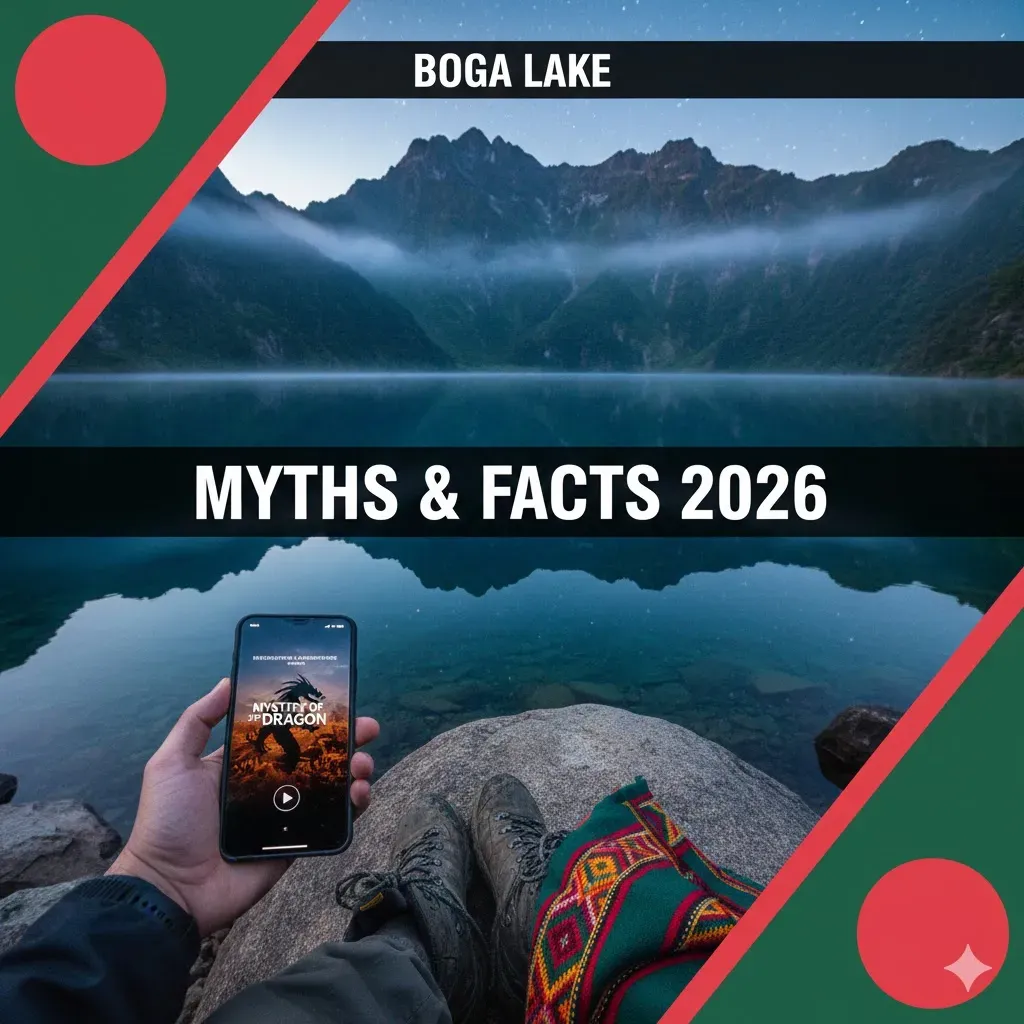
Unveiling the Enigma of Bangladesh's Highest Alpine Lake
Nestled in the remote mountains of Bandarban's Ruma Upazila, Boga Lake stands as one of Bangladesh's most intriguing natural wonders. Perched at an elevation that makes it the country's highest lake, this pristine body of water has captivated travelers, researchers, and storytellers for generations. Surrounded by mist-shrouded peaks, dense bamboo forests, and indigenous villages that have existed for centuries, Boga Lake exists at the intersection of natural beauty, cultural heritage, and mysterious folklore.
The lake's remote location, accessible only after a challenging trek through mountainous terrain, has preserved both its ecological integrity and the rich tapestry of myths that surround it. Local indigenous communities, primarily the Bawm and Tripura people, have woven elaborate stories about the lake's origins, its supposed supernatural properties, and the spirits that allegedly inhabit its depths. These tales, passed down through oral tradition, blend seamlessly with the lake's very real geological and ecological significance.
In recent years, as adventure tourism in Bangladesh has grown, Boga Lake has emerged from obscurity to become a coveted destination for trekkers and nature enthusiasts. However, this increased attention has also brought questions about the lake's true characteristics versus the legends that surround it. Is it truly Bangladesh's highest lake? What natural phenomena might have inspired the supernatural stories? And what does modern science tell us about this remarkable high-altitude ecosystem?
This comprehensive exploration separates fact from fiction, examining the geological reality of Boga Lake while respecting the cultural significance of the myths that have protected this precious resource for generations. Whether you're planning a visit or simply curious about one of Bangladesh's most fascinating natural features, understanding both the scientific truths and the cultural narratives provides a complete picture of why Boga Lake continues to captivate all who learn of it.
Geographic Reality: Location, Altitude, and Physical Characteristics

Understanding Boga Lake begins with establishing the concrete facts about its location and physical properties. Situated in the Ruma Upazila of Bandarban District, the lake lies approximately 900-1,000 meters (2,950-3,280 feet) above sea level, though exact measurements vary slightly depending on the source and measurement methodology. This elevation makes it one of the highest lakes in Bangladesh, though the claim of being "the highest" requires careful examination.
Precise Location and Accessibility
Boga Lake sits in a mountain valley surrounded by peaks that rise even higher, creating a natural bowl that collects rainfall and spring water. The lake is located near the villages of Boga Para and Thanchi, inhabited primarily by the Bawm ethnic community. Reaching the lake requires a significant commitment: travelers must first reach Ruma Bazar, then trek for 3-4 hours through steep, forested terrain, crossing streams and navigating mountain trails that can be challenging, especially during the monsoon season.
The journey itself is part of the lake's mystique. The trail passes through dense bamboo groves, past traditional jhum (slash-and-burn) cultivation plots, and alongside small waterfalls that cascade down moss-covered rocks. This relative inaccessibility has protected the lake from mass tourism and development, preserving its pristine condition but also contributing to the mystery surrounding it.
Physical Dimensions and Water Source
Boga Lake covers approximately 2-3 acres during the dry season, expanding somewhat during monsoon months when rainfall is abundant. The lake's depth varies, with estimates ranging from 15-30 feet at its deepest point, though no comprehensive scientific survey has been conducted. The water is remarkably clear and cold, fed primarily by natural springs that emerge from the surrounding hillsides and by direct rainfall.
The lake has no visible outlet, which has sparked speculation about underground drainage systems. Water levels fluctuate seasonally but the lake never completely dries up, suggesting a complex hydrological system involving both surface and groundwater. The water remains fresh and potable, and local villagers occasionally collect it for drinking and cooking, though they generally treat it with respect and caution.
Climate and Seasonal Variations
The high altitude gives Boga Lake a distinctly different climate from the lowland areas of Bangladesh. Temperatures range from 10-15°C (50-59°F) during winter months to 20-25°C (68-77°F) in summer, significantly cooler than the tropical heat of the plains. Morning mist frequently shrouds the lake, creating an ethereal atmosphere that has undoubtedly inspired many of the supernatural stories associated with it.
During the monsoon season (June-September), the area receives heavy rainfall, and the lake can become surrounded by cascading waterfalls as the hillsides release their accumulated water. Winter months (November-February) offer the clearest views and most comfortable trekking conditions, making this the preferred season for visitors.
The Height Debate: Is Boga Lake Truly Bangladesh's Highest?

One of the most persistent claims about Boga Lake is that it holds the title of Bangladesh's highest lake. While this statement appears frequently in travel literature and tourism promotions, the reality is more nuanced and requires careful examination of Bangladesh's diverse topography.
Competing Claims and Measurement Challenges
Bangladesh's mountainous regions, particularly in the Chittagong Hill Tracts, contain numerous small water bodies, ponds, and seasonal lakes at various elevations. Some sources suggest that smaller water bodies in the higher reaches of the Garo Hills or near Bangladesh's highest peak, Keokradong (1,230 meters), might technically sit at higher elevations than Boga Lake. However, many of these are seasonal pools that dry up completely during certain times of year, raising questions about whether they qualify as permanent lakes.
The definition of "lake" itself becomes important in this debate. Boga Lake is a permanent, year-round water body of significant size, distinguishing it from temporary rainwater pools or small mountain springs. By this definition, Boga Lake likely does hold the title of Bangladesh's highest permanent natural lake, though the lack of comprehensive hydrological surveys means absolute certainty remains elusive.
Comparison with Other Highland Water Bodies
Other notable high-altitude water bodies in Bangladesh include:
- Nilgiri area ponds: Small water collections near the Nilgiri tourist area at approximately 700-800 meters elevation
- Thanchi region springs: Various mountain springs and small pools at elevations potentially exceeding 1,000 meters
- Remote Ruma valleys: Undocumented water bodies in the least-explored regions that might rival Boga Lake's elevation
- 👉 The 2026 Digital Arrival Registration: Mandatory entry rules for all foreign travelers.
- 👉 Nusantara 2026: A First Look at Indonesia’s Emerging Forest Capital
- 👉 SOUTH KOREA VISA REQUIREMENTS 2026: OFFICIAL K-ETA AND TOURIST GUIDE
However, none of these alternatives match Boga Lake's combination of permanent water, significant size, and documented elevation. Until systematic surveys are conducted, Boga Lake reasonably claims the title of Bangladesh's highest lake, with the caveat that absolute certainty requires more comprehensive study.
Myths and Legends: The Supernatural Stories of Boga Lake

The indigenous communities living near Boga Lake have developed a rich body of folklore explaining the lake's origins and attributing various supernatural qualities to it. These stories, while not scientifically accurate, serve important cultural functions and reveal how local people understand and relate to their environment.
The Origin Story: Tears of the Mountain Spirit
According to Bawm legend, Boga Lake was formed from the tears of a mountain spirit who wept for a lost love. The story tells of a powerful spirit who fell in love with a mortal woman from a nearby village. When the woman died, the spirit's grief was so profound that his tears filled the mountain valley, creating the lake. This myth explains both the lake's existence in an otherwise dry mountain area and the exceptional clarity and purity of its water, said to be the crystallized essence of divine sorrow.
This origin story serves multiple purposes: it sacralizes the lake, encouraging respectful treatment; it explains natural features through narrative; and it connects the human community to the spiritual landscape they inhabit.
The Guardian Spirits and Forbidden Activities
Local tradition holds that Boga Lake is guarded by protective spirits who watch over the water and punish those who show disrespect. Specific taboos include:
- No swimming: Traditional belief forbids swimming in the lake, claiming that the spirits will drag violators beneath the surface
- No fishing: Taking fish from the lake is strictly prohibited and believed to bring misfortune
- No loud noises: Shouting or making excessive noise near the lake angers the spirits
- No pollution: Contaminating the water invites spiritual retribution
- 👉 The 2026 Digital Arrival Registration: Mandatory entry rules for all foreign travelers.
- 👉 Nusantara 2026: A First Look at Indonesia’s Emerging Forest Capital
- 👉 SOUTH KOREA VISA REQUIREMENTS 2026: OFFICIAL K-ETA AND TOURIST GUIDE
While these restrictions are framed in supernatural terms, they serve practical conservation purposes, protecting the lake's ecosystem from overuse and pollution. The spiritual framework ensures compliance in a way that secular environmental regulations might not.
The Disappearing and Reappearing Lake
One of the most intriguing legends claims that Boga Lake occasionally disappears completely, only to reappear days or weeks later. According to elders, this phenomenon occurred several times in the past, with the lake vanishing during times of great social discord or moral decline in the surrounding villages.
From a scientific perspective, this myth likely stems from seasonal variations in water level, combined with heavy mist that can obscure the lake from view. During dry periods, the lake shrinks significantly, and dense fog can make it seem to vanish entirely. However, the myth persists because it reinforces the lake's mystical character and the belief that it responds to human behavior.
The Healing Waters
Another widespread belief attributes healing properties to Boga Lake's water. Local tradition claims that drinking from the lake or applying its water to ailments can cure various illnesses, particularly skin diseases and fevers. Some villagers report miraculous recoveries after using the water, though these accounts are anecdotal and lack medical verification.
The water's actual purity and mineral content might provide some health benefits, but the placebo effect and the psychological power of belief likely play significant roles in reported cures. Regardless, the belief in healing properties reinforces the lake's sacred status and encourages people to treat it with reverence.
Scientific Facts: What Research Reveals

While myths and legends provide cultural meaning, scientific investigation offers a different kind of understanding. Though Boga Lake has not been the subject of extensive research, available data and comparable studies of similar high-altitude lakes provide insights into its actual characteristics.
Hydrology and Water Quality
Boga Lake's water quality is exceptional, with low levels of pollution and high clarity resulting from minimal human impact and natural filtration through mountain soils. The lake's primary water sources are:
- Natural springs: Underground water emerges from hillsides, filtered through rock and soil
- Rainfall: Direct precipitation contributes significantly, especially during monsoon
- Surface runoff: Water flows down from surrounding slopes, carrying minimal sediment due to forest cover
- 👉 The 2026 Digital Arrival Registration: Mandatory entry rules for all foreign travelers.
- 👉 Nusantara 2026: A First Look at Indonesia’s Emerging Forest Capital
- 👉 SOUTH KOREA VISA REQUIREMENTS 2026: OFFICIAL K-ETA AND TOURIST GUIDE
Water temperature remains consistently cool year-round, typically 15-18°C (59-64°F), due to the high altitude and spring sources. The lake likely has some underground outflow that balances inflow, preventing it from overflowing despite having no visible surface outlet.
Ecological Significance
Boga Lake supports a unique high-altitude ecosystem that differs significantly from Bangladesh's lowland aquatic environments. The cold water temperature limits the diversity of aquatic life compared to warmer lowland lakes, but specialized species have adapted to these conditions:
- Aquatic invertebrates: Various insect larvae and crustaceans adapted to cool, oxygen-rich water
- Amphibians: Frogs and possibly salamanders use the lake for breeding
- Birds: The lake attracts various bird species for drinking and bathing
- Surrounding flora: Unique high-altitude plant communities thrive in the moist microclimate
- 👉 The 2026 Digital Arrival Registration: Mandatory entry rules for all foreign travelers.
- 👉 Nusantara 2026: A First Look at Indonesia’s Emerging Forest Capital
- 👉 SOUTH KOREA VISA REQUIREMENTS 2026: OFFICIAL K-ETA AND TOURIST GUIDE
The lake serves as a crucial water source for local wildlife and domestic animals, making it an important node in the regional ecosystem.
Geological Formation
Boga Lake occupies a depression formed by a combination of geological processes. The Chittagong Hill Tracts resulted from tectonic activity as the Indian subcontinent collided with Asia, creating folded and faulted rock formations. The specific valley holding Boga Lake likely formed through:
- Tectonic activity: Earth movements created the basic valley structure
- Erosion: Water and weathering deepened and shaped the depression
- Landslides: Possible ancient landslides may have dammed the valley, creating a natural basin
- 👉 The 2026 Digital Arrival Registration: Mandatory entry rules for all foreign travelers.
- 👉 Nusantara 2026: A First Look at Indonesia’s Emerging Forest Capital
- 👉 SOUTH KOREA VISA REQUIREMENTS 2026: OFFICIAL K-ETA AND TOURIST GUIDE
Over time, this basin filled with water from springs and rainfall, creating the permanent lake that exists today.
Cultural Significance to Indigenous Communities

Beyond myths and natural features, Boga Lake holds profound cultural importance for the indigenous communities who have lived in the area for generations. Understanding this cultural dimension is essential to appreciating the lake's full significance.
Spiritual and Religious Importance
For the Bawm and Tripura people, Boga Lake is not merely a natural feature but a sacred site integral to their spiritual worldview. The lake features in various rituals and ceremonies:
- Annual festivals: Community celebrations sometimes include offerings or prayers at the lake
- Rites of passage: Important life transitions may involve visits to the lake
- Community gatherings: The lake serves as a meeting place for inter-village discussions
- 👉 The 2026 Digital Arrival Registration: Mandatory entry rules for all foreign travelers.
- 👉 Nusantara 2026: A First Look at Indonesia’s Emerging Forest Capital
- 👉 SOUTH KOREA VISA REQUIREMENTS 2026: OFFICIAL K-ETA AND TOURIST GUIDE
The spiritual significance ensures the lake's protection through community enforcement of traditional rules, demonstrating how cultural beliefs can serve conservation goals.
Economic and Practical Uses
While the lake is treated with reverence, it also serves practical functions for local communities:
- Water source: Villagers collect water for drinking and cooking, especially during dry seasons
- Agricultural use: Some water is diverted for small-scale irrigation
- Livestock: Domestic animals drink from the lake
- Tourism income: Growing visitor numbers provide economic opportunities for guides and homestays
- 👉 The 2026 Digital Arrival Registration: Mandatory entry rules for all foreign travelers.
- 👉 Nusantara 2026: A First Look at Indonesia’s Emerging Forest Capital
- 👉 SOUTH KOREA VISA REQUIREMENTS 2026: OFFICIAL K-ETA AND TOURIST GUIDE
Balancing these practical uses with conservation and spiritual values requires careful community management, which traditional governance structures have historically provided.
Oral History and Identity
Stories about Boga Lake form part of the oral history that defines indigenous identity in the region. Elders pass down knowledge about the lake's history, the proper ways to interact with it, and lessons learned from past experiences. This oral tradition maintains cultural continuity and ensures that each generation understands its relationship to the land.
Visiting Boga Lake: Practical Information and Responsible Tourism

For travelers interested in experiencing Boga Lake firsthand, proper preparation and respectful behavior are essential. The lake's remote location and cultural significance require visitors to approach the journey thoughtfully.
How to Reach Boga Lake
The journey to Boga Lake involves multiple stages:
Step 1: Reach Bandarban
From Dhaka or Chittagong, travel to Bandarban town by bus or private vehicle. The journey from Chittagong takes approximately 3-4 hours.
Step 2: Travel to Ruma Bazar
From Bandarban, take a jeep or Chander Gari (local off-road vehicle) to Ruma Bazar. This 2-3 hour journey traverses rough mountain roads and requires a sturdy vehicle.
Step 3: Trek to Boga Lake
From Ruma Bazar, hire a local guide and trek for 3-4 hours through mountain trails. The trek involves steep sections, stream crossings, and forest paths. A guide is essential for navigation and cultural mediation.
Best Time to Visit
The optimal visiting season is November through March, when weather is cool and dry, trails are stable, and visibility is best. Avoid the monsoon season (June-September) when trails become dangerous and landslides are possible.
Essential Preparations
- Hire a local guide: Mandatory for navigation and cultural respect
- Physical fitness: The trek requires moderate fitness and stamina
- Equipment: Bring proper hiking shoes, rain gear, water, food, and camping equipment if staying overnight
- Permits: Check if special permits are required for the area
- Respect local customs: Dress modestly and follow guide's instructions
- 👉 The 2026 Digital Arrival Registration: Mandatory entry rules for all foreign travelers.
- 👉 Nusantara 2026: A First Look at Indonesia’s Emerging Forest Capital
- 👉 SOUTH KOREA VISA REQUIREMENTS 2026: OFFICIAL K-ETA AND TOURIST GUIDE
Responsible Tourism Practices
Visitors must minimize their impact on this fragile ecosystem:
- Pack out all trash; leave no waste behind
- Do not swim in or pollute the lake
- Respect cultural taboos and spiritual significance
- Use established camping areas
- Support local economy by hiring local guides and purchasing local goods
- Keep noise levels respectful
- Do not disturb wildlife or remove plants
- 👉 The 2026 Digital Arrival Registration: Mandatory entry rules for all foreign travelers.
- 👉 Nusantara 2026: A First Look at Indonesia’s Emerging Forest Capital
- 👉 SOUTH KOREA VISA REQUIREMENTS 2026: OFFICIAL K-ETA AND TOURIST GUIDE
The Future of Boga Lake: Conservation and Development Challenges

As tourism grows and development pressures increase, Boga Lake faces both opportunities and threats. Balancing conservation with community needs and visitor access requires thoughtful planning and enforcement.
Conservation Priorities
Key conservation needs include:
- Water quality protection: Preventing pollution from increasing visitor numbers
- Forest preservation: Maintaining the watershed that feeds the lake
- Waste management: Developing systems to handle tourist-generated waste
- Carrying capacity: Determining sustainable visitor numbers
- 👉 The 2026 Digital Arrival Registration: Mandatory entry rules for all foreign travelers.
- 👉 Nusantara 2026: A First Look at Indonesia’s Emerging Forest Capital
- 👉 SOUTH KOREA VISA REQUIREMENTS 2026: OFFICIAL K-ETA AND TOURIST GUIDE
Community Benefits
Tourism can provide economic benefits to indigenous communities if managed properly:
- Guide services and porter employment
- Homestay and food service income
- Cultural exchange opportunities
- Incentives for conservation
- 👉 The 2026 Digital Arrival Registration: Mandatory entry rules for all foreign travelers.
- 👉 Nusantara 2026: A First Look at Indonesia’s Emerging Forest Capital
- 👉 SOUTH KOREA VISA REQUIREMENTS 2026: OFFICIAL K-ETA AND TOURIST GUIDE
Sustainable Development
The challenge is developing tourism infrastructure that serves visitors without degrading the lake's natural and cultural values. This requires:
- Community involvement in planning and decision-making
- Environmental impact assessments
- Cultural sensitivity training for tour operators
- Enforcement of conservation regulations
- Education programs for visitors
- 👉 The 2026 Digital Arrival Registration: Mandatory entry rules for all foreign travelers.
- 👉 Nusantara 2026: A First Look at Indonesia’s Emerging Forest Capital
- 👉 SOUTH KOREA VISA REQUIREMENTS 2026: OFFICIAL K-ETA AND TOURIST GUIDE
Conclusion: Where Myth and Reality Converge
Boga Lake stands as a testament to the complex relationship between natural features and human culture. The myths and legends that surround it are not merely false stories to be debunked by science, but meaningful narratives that have protected this precious resource for generations. The supernatural tales of guardian spirits and healing waters have accomplished what secular conservation laws often struggle to achieve: they have kept the lake pristine, limited exploitation, and maintained community stewardship.
At the same time, scientific understanding reveals the lake's genuine ecological and geological significance. Its high altitude, exceptional water quality, and unique ecosystem make it worthy of protection for reasons that transcend folklore. The fact that Boga Lake likely holds the title of Bangladesh's highest permanent lake adds to its importance, though this claim requires more rigorous verification.
For visitors, Boga Lake offers more than a scenic destination or a challenging trek. It provides an opportunity to engage with both natural beauty and living culture, to witness how indigenous communities maintain their relationship with the land, and to reflect on the different ways humans understand and value natural places. The lake's misty waters reflect not just the surrounding mountains, but also the intersection of myth and reality, tradition and modernity, conservation and development.
As Bangladesh continues to develop and tourism grows, places like Boga Lake face uncertain futures. The challenge is to honor both the scientific facts and the cultural meanings, to protect the ecosystem while respecting the communities who have been its guardians, and to allow visitors to experience this remarkable place without destroying what makes it special. In Boga Lake, we find not just Bangladesh's highest lake, but a microcosm of the broader challenges and opportunities facing natural and cultural heritage in the modern world.
Whether you believe in the guardian spirits or prefer geological explanations, whether you drink the water for its supposed healing properties or simply for its purity, Boga Lake rewards those who make the journey with beauty, mystery, and a deeper understanding of how humans and nature intertwine. That, perhaps, is the greatest mystery and the most important fact of all.
0 Comments