.webp)
.webp)
Sea Kumgang Rock Formations Photography Guide for Travelers
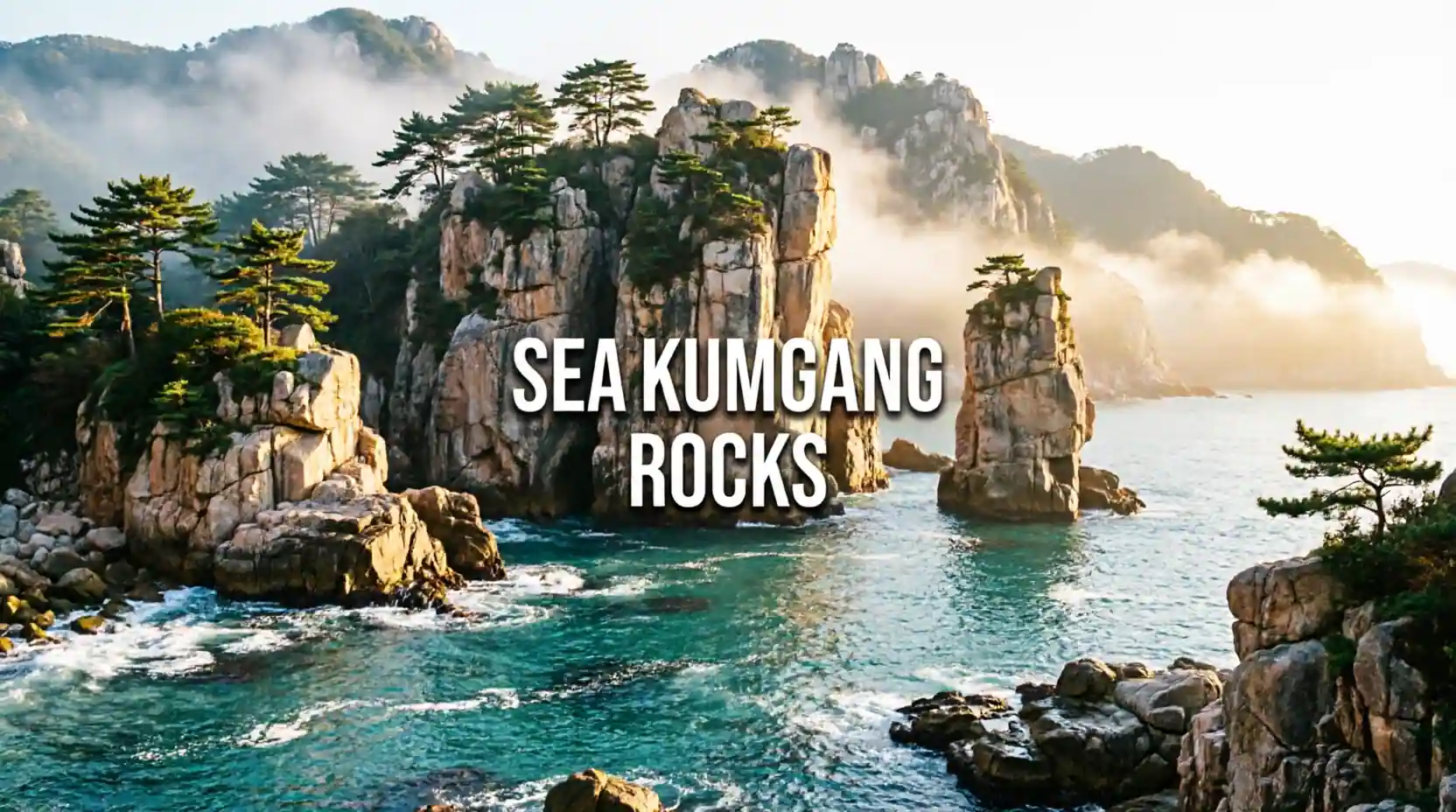
Introduction to Sea Kumgang Rock Formations
Sea Kumgang represents one of the most spectacular coastal geological formations on the Korean peninsula. This dramatic landscape showcases millions of years of geological history through its towering granite cliffs and intricate rock formations.
The name Kumgangsan translates to Diamond Mountain, reflecting the brilliant sparkle of granite peaks when sunlight strikes their weathered surfaces. Sea Kumgang specifically refers to the coastal section where these ancient granite formations meet the East Sea.
Photographers and geologists alike are drawn to this remarkable location for its unique combination of geological diversity and stunning visual appeal. The area features classic granite landforms including domes, tors, needle-like spires, and deeply eroded coastal cliffs .
Understanding the geological processes that created these formations enhances your ability to capture their essence through photography. The granite batholith that forms the core of Mount Kumgang intruded during the mid-Cretaceous period between 92 and 112 million years ago .
This comprehensive guide provides everything you need to know about photographing these extraordinary rock formations, from technical camera settings to the best times and locations for capturing stunning images.
Geological History and Formation Process

The Kŭmgang geological layer is composed of several types of rocks from ancient geological periods, with granites being the most widely distributed rock type . These massive granite formations tell a story spanning over 100 million years.
During the Cretaceous period, molten magma pushed upward through the Earth's crust but cooled before reaching the surface. This slow cooling process created the coarse-grained granite that characterizes the entire Kumgang region.
Over millions of years, erosion stripped away the overlying rock layers, exposing the granite batholith beneath. The result is the dramatic landscape we see today, with towering peaks and coastal formations rising directly from the sea.
Sea Kumgang features a unique seashore landscape with granite basement extending below sea level . This creates the spectacular vertical cliffs and sea stacks that make the area so photogenic.
Weathering processes continue to shape these formations today. Freeze-thaw cycles, wave action, and chemical weathering all contribute to the ongoing evolution of the landscape.
The different colors visible in the rock faces result from mineral composition variations and weathering patterns. Iron oxidation creates reddish-brown tones, while lichen growth adds gray and green hues to the granite surfaces.
Understanding the Three Kumgang Zones

Kumgang is divided into three distinct tourist areas: Outer Kumgang, Inner Kumgang, and Sea Kumgang . Each zone offers unique photographic opportunities and geological features.
Outer Kumgang features the most dramatic mountain peaks and is known for its sharp, jagged formations. This area showcases the raw power of geological uplift and erosion.
Inner Kumgang presents a gentler landscape with forested valleys and smaller rock formations. The contrast between lush vegetation and exposed granite creates compelling compositional opportunities.
Sea Kumgang, also called Haegeumgang, represents where the granite massifs meet the ocean . This coastal section features the most accessible rock formations for photography, with dramatic sea cliffs and isolated rock pillars rising from turquoise waters.
The trail systems link up on foot, but the three scenery sections sit 30-40 kilometers apart . Plan your photography itinerary accordingly to allow sufficient time at each location.
Each zone exhibits different characteristics depending on the season, time of day, and weather conditions . This variability means multiple visits can yield completely different photographic results.
Iconic Rock Formations to Photograph

Sea Kumgang contains numerous named rock formations, each with distinct characteristics and photographic appeal. Knowing these specific locations helps you plan your shooting schedule effectively.
Sipja Cave represents one of the most photographed features in the area. This natural arch formation creates dramatic framing opportunities, especially during sunrise when light streams through the opening.
Lion Rock gets its name from its resemblance to a seated lion when viewed from specific angles. The formation demonstrates how weathering creates recognizable shapes in granite.
Candle Rock stands as a tall, narrow pillar that appears to glow orange and red during golden hour. This formation is particularly striking when photographed against storm clouds or sunset skies.
The landscape setting includes steep granite peaks, rock formations, waterfalls and pools that are integral to the area's natural heritage . These water features add dynamic elements to your compositions.
Around the half-moon-shaped Samil Lagoon, you'll find fantastic rocks such as Tanam and Tanhyol formations . The lagoon was formed as a result of rock formations blocking a bay of the East Sea .
Vertical cliffs dominate the southeastern sections, creating dramatic backdrops for seascape photography . These cliffs showcase the full extent of the granite basement extending into the ocean.
Best Time to Visit for Photography

Timing your visit correctly makes the difference between good photos and extraordinary images. Sea Kumgang offers different photographic opportunities throughout the year.
Mid-September through late October represents the absolute peak season for photography . During this period, the foliage ignites across the entire mountain zone, creating stunning contrast between autumn colors and gray granite.
Autumn is often considered the most photogenic season overall . The combination of clear skies, comfortable temperatures, and vibrant colors creates ideal conditions for extended photography sessions.
Spring brings cherry blossoms and fresh green foliage that contrast beautifully with the ancient rock formations. Mild temperatures and longer daylight hours provide ample shooting time.
Summer offers lush vegetation and dramatic storm clouds that add mood to your images. However, humidity and afternoon thunderstorms can challenge photographers.
Winter presents unique opportunities with snow-covered granite formations creating striking monochromatic scenes . The low angle of winter sun creates long shadows that emphasize rock textures.
Early morning provides the best conditions for fewer crowds and optimal lighting . The soft light of dawn enhances the natural colors of the granite while creating atmospheric mist around the rock formations.
Sunrise and sunset offer the most dramatic lighting conditions. The low angle of light creates long shadows and warm tones that bring out the texture and dimension of the rock faces.
Essential Photography Equipment

Choosing the right equipment ensures you can capture Sea Kumgang's diverse landscapes effectively. The varied terrain and lighting conditions demand versatile gear.
Camera Body: A DSLR or mirrorless camera with good dynamic range handles the high contrast scenes common in coastal mountain photography. Full-frame sensors provide better low-light performance for dawn and dusk shooting.
Wide-Angle Lens (14-24mm): Essential for capturing the massive scale of the granite cliffs and sea stacks. This focal range allows you to include foreground interest while showing the full extent of the formations.
Standard Zoom (24-70mm): Provides versatility for general landscape photography and isolating specific rock features. This lens handles most daytime shooting situations effectively.
Telephoto Lens (70-200mm or longer): Crucial for compressing distant peaks and isolating details on far-off rock faces. Telephoto lenses also help capture wildlife that may inhabit the coastal cliffs.
Tripod: Absolutely essential for long exposures, sunrise and sunset photography, and ensuring sharp images in low light. Choose a sturdy model that can withstand coastal winds.
Polarizing Filter: Reduces reflections on wet rocks and water surfaces while enhancing sky contrast. This filter is particularly useful for cutting through atmospheric haze.
Neutral Density Filters: Allow long exposures even in bright conditions, creating smooth water effects and dramatic cloud movement. A 6-stop or 10-stop ND filter provides maximum versatility.
Graduated ND Filters: Balance exposure between bright skies and darker foreground rocks. These filters are essential for sunrise and sunset photography.
Bring extra batteries and memory cards, as cold temperatures and extensive shooting drain power quickly. Weather-sealed equipment provides protection against sea spray and sudden weather changes.
Camera Settings for Rock Formation Photography

Optimal camera settings depend on your specific creative goals and the prevailing light conditions. Understanding fundamental settings helps you adapt to changing situations quickly.
Aperture Priority Mode: Works well for most landscape photography situations. Set your aperture between f/8 and f/16 for maximum depth of field from foreground rocks to distant peaks.
Manual Mode: Essential for sunrise, sunset, and long exposure photography. Manual control ensures consistent exposure when light conditions change rapidly.
ISO Settings: Keep ISO as low as possible (100-400) for maximum image quality. Increase ISO only when necessary to maintain proper shutter speed in low light or when handholding.
Shutter Speed: Use fast shutter speeds (1/250s or faster) to freeze wave action and eliminate camera shake. For smooth water effects, use slow shutter speeds (1 second to several minutes) with ND filters.
Focus Strategy: Use manual focus for precise control over hyperfocal distance. Focus approximately one-third into the scene to maximize depth of field from near to far.
Focus Stacking: For maximum sharpness from foreground to background, take multiple images focused at different distances and blend them in post-processing.
Bracketing: Shoot exposure brackets (typically 3-5 exposures at 1-2 stop intervals) to capture the full dynamic range of high-contrast scenes. Combine these in post-processing for HDR images.
White Balance: Shoot in RAW format and adjust white balance in post-processing. For JPEG shooting, use daylight or cloudy preset to enhance warm tones during golden hour.
Image Format: Always shoot in RAW format when possible. RAW files contain maximum image data, providing greater flexibility in post-processing.
Composition Techniques for Dramatic Images

Strong composition transforms a simple snapshot into a compelling photograph. Sea Kumgang's dramatic landscape provides endless opportunities for creative compositions.
Leading Lines: Use natural lines in the rock formations, shorelines, or wave patterns to guide the viewer's eye through the image. Cracks in granite faces often create natural leading lines.
Foreground Interest: Include interesting rocks, tide pools, or vegetation in the foreground to create depth and scale. This technique helps convey the massive size of the cliff formations.
Rule of Thirds: Position key rock formations or the horizon along the thirds grid lines rather than centering them. This creates more dynamic and visually appealing compositions.
Framing: Use natural arches, cave openings, or gaps between rocks to frame distant peaks or ocean views. Sipja Cave provides excellent natural framing opportunities.
Scale and Perspective: Include human figures or recognizable objects to show the immense scale of the granite formations. Small figures against massive cliffs create dramatic impact.
Patterns and Textures: Look for repeating patterns in the rock layers, weathering patterns, or lichen growth. Close-up shots of granite textures can create abstract, artistic images.
Negative Space: Use empty sky or water to emphasize the isolation and drama of individual rock pillars. Minimalist compositions can be powerfully effective.
Vertical Compositions: Don't limit yourself to horizontal frames. Vertical compositions work exceptionally well for tall sea stacks and cliff faces.
Reflections: Capture rock formations reflected in tide pools or calm water surfaces. Reflections add symmetry and visual interest to your compositions.
Lighting Strategies for Different Conditions

Understanding how light interacts with granite formations helps you plan your shooting schedule and adapt to changing conditions.
Golden Hour: The hour after sunrise and before sunset provides warm, directional light that enhances rock textures and creates long, dramatic shadows. This is the optimal time for photography.
Blue Hour: The period just before sunrise and after sunset offers cool, even lighting that creates a moody atmosphere. Long exposures during blue hour can produce ethereal images.
Overcast Conditions: Cloudy skies provide soft, diffused light that eliminates harsh shadows and reveals subtle colors in the rock. Overcast conditions work well for photographing waterfalls and forest scenes.
Stormy Weather: Dramatic clouds and changing light create dynamic, moody images. Storm conditions can produce the most memorable photographs, though they require extra equipment protection.
Midday Sun: Harsh overhead light creates strong contrasts and deep shadows. Use this time for photographing abstract details or seek out shaded areas and rock overhangs.
Backlighting: Position yourself with the sun behind rock formations to create silhouettes or rim lighting. Backlighting emphasizes shapes and creates dramatic atmosphere.
Side Lighting: Light coming from the side accentuates textures and three-dimensional form. Side lighting reveals the intricate weathering patterns on granite surfaces.
Fog and Mist: Atmospheric conditions create layers and depth in your images. Fog simplifies compositions and adds mystery to the landscape.
Safety Considerations for Coastal Photography

Photographing coastal rock formations involves inherent risks that require careful attention and preparation. Your safety must always come before getting the shot.
Tide Awareness: Always check tide tables before venturing onto rocky shores or into sea caves. Incoming tides can trap you against cliffs or cut off your return route.
Wave Action: Never turn your back on the ocean. Sneaker waves can sweep across seemingly safe areas without warning. Maintain a safe distance from the water's edge.
Unstable Terrain: Granite may appear solid but can be slippery when wet or covered with algae. Test footholds carefully and use trekking poles for stability.
Falling Rocks: Be aware of loose rocks above you, especially after heavy rain or freeze-thaw cycles. Avoid lingering directly beneath steep cliffs.
Weather Changes: Coastal weather can change rapidly. Monitor forecasts and be prepared to abandon your photography plans if conditions deteriorate.
Equipment Protection: Sea spray can damage camera equipment. Use rain covers and lens hoods, and clean salt spray from gear immediately.
Emergency Preparedness: Carry a first aid kit, emergency blanket, and fully charged phone. Inform someone of your photography location and expected return time.
Photography Restrictions: Be aware that photography is strictly prohibited at military checkpoints and certain sensitive installations . Always follow local regulations and guide instructions.
Seasonal Photography Opportunities

Each season at Sea Kumgang offers unique photographic characteristics that reward photographers who understand seasonal variations.
Spring (March-May): Cherry blossoms and azaleas create colorful foreground elements against gray granite. Fresh green foliage provides vibrant contrast. Mild temperatures allow comfortable extended shooting sessions.
Spring brings longer daylight hours and generally stable weather patterns. Morning mist frequently forms around the rock formations, adding atmospheric depth to images.
Summer (June-August): Lush vegetation reaches peak growth, creating maximum contrast with exposed rock. Dramatic thunderstorms provide opportunities for moody, atmospheric images.
Summer sunrises occur early, requiring pre-dawn starts. Afternoon heat and humidity can be challenging, making early morning and evening the most productive shooting times.
Coastal fog frequently forms during summer mornings, creating ethereal conditions perfect for minimalist compositions. The fog typically burns off by midday.
Autumn (September-November): This season represents the absolute peak for photography at Sea Kumgang. The foliage ignites across the entire mountain zone in a spectacular display of color .
Red maple, yellow ginkgo, and orange persimmon trees create a stunning palette against the gray granite and blue ocean. Clear autumn skies provide excellent visibility for distant peaks.
Stable weather patterns and comfortable temperatures make autumn ideal for hiking to remote photography locations. The angle of autumn sun creates excellent side-lighting conditions.
Winter (December-February): Snow-covered granite formations create striking monochromatic scenes with exceptional visual impact . Ice formations on sea stacks add unique textural elements.
Winter provides the clearest air and best visibility for distant mountain views. Low-angle sunlight creates long shadows that emphasize rock textures throughout the day.
Fewer tourists mean unobstructed access to popular photography locations. Cold temperatures require extra battery management and equipment protection.
Post-Processing Techniques for Granite Landscapes

Effective post-processing enhances your Sea Kumgang images while maintaining the natural beauty of the landscape. The goal is to reveal what you saw, not create an artificial version.
RAW Processing: Start with basic adjustments to exposure, contrast, and white balance. RAW files provide maximum flexibility for recovering shadow and highlight detail.
Dynamic Range: Use graduated filters and adjustment brushes to balance exposure between bright skies and darker rock formations. Avoid over-processing that creates halos or unnatural transitions.
Color Correction: Enhance the natural warm tones of granite while maintaining realistic colors. Slight increases in vibrance work better than saturation adjustments.
Clarity and Texture: Moderate increases in clarity and texture enhance the weathered surfaces of granite without creating an oversharpened, artificial look. Apply selectively to rock faces.
Dodge and Burn: Selective lightening and darkening guides the viewer's eye and adds dimension to your images. Subtle dodging of highlight areas on rock faces adds drama.
Noise Reduction: Apply noise reduction carefully to maintain detail while eliminating grain from high ISO images. Luminance noise reduction works well for granite textures.
Sharpening: Apply output sharpening appropriate for your intended use (web or print). Use masking to sharpen rock textures while leaving sky areas smooth.
Black and White Conversion: Granite landscapes often work beautifully in monochrome. Convert to black and white to emphasize texture, form, and dramatic lighting.
Practical Travel Information

Planning your Sea Kumgang photography expedition requires understanding practical logistics and travel requirements for the region.
Access and Permits: The Mount Kumgang area has specific access requirements and may require special permits. Travel arrangements typically must be made through authorized tour operators.
Accommodation: Limited lodging options exist in the Kumgang Tourist Zone. The area was developed as a major inter-Korean tourism destination with specific facilities .
Transportation: Access to Sea Kumgang typically requires organized transportation. Private vehicle access may be restricted, so plan accordingly.
Guides: Local guides provide valuable knowledge about photography locations, safety considerations, and cultural context. Guides also ensure compliance with local regulations.
Best Time to Visit: Spring and autumn offer milder conditions suitable for outdoor photography activities . Summer can be warmer and winters colder, requiring appropriate preparation.
Packing List: Bring camera equipment, sunscreen, and a light jacket for variable mountain weather conditions . Sturdy hiking boots with good traction are essential for rocky terrain.
Food and Water: Carry sufficient water and snacks for extended photography sessions. Remote coastal locations may not have convenient access to supplies.
Currency: Understand local currency requirements and payment methods. Some areas may have limited banking facilities.
Advanced Photography Techniques

Once you've mastered basic landscape photography, advanced techniques can elevate your Sea Kumgang images to professional levels.
Focus Stacking: Combine multiple images focused at different distances to achieve front-to-back sharpness impossible in a single exposure. This technique is essential when foreground rocks are very close to your position.
Exposure Blending: Merge multiple exposures to capture the full dynamic range of high-contrast scenes. This produces more natural results than HDR tone mapping.
Panoramas: Create sweeping panoramic views of the coastal landscape by stitching multiple vertical or horizontal frames. Overlap images by 30-40% for best results.
Long Exposure Seascapes: Use neutral density filters to create exposures of 30 seconds to several minutes. This technique smooths water movement and creates dramatic cloud streaks.
Time-Lapse Photography: Document changing light and weather conditions over time. Time-lapse sequences reveal the dynamic nature of the coastal environment.
Light Painting: Use artificial light sources to illuminate rock formations during twilight or night photography. Light painting adds creative control over lighting.
Infrared Photography: Convert your camera or use infrared filters to capture surreal landscapes with white foliage and dramatic skies. Infrared reveals a different perspective on familiar scenes.
Aerial Photography: If drone use is permitted, aerial perspectives reveal patterns and relationships invisible from ground level. Always verify local drone regulations before flying.
Environmental Responsibility

Photographers have a responsibility to preserve the natural beauty of Sea Kumgang for future generations. Ethical photography practices protect both the environment and your access to these locations.
Leave No Trace: Pack out everything you pack in. Do not leave any trash, equipment, or other items behind. Remove any litter you encounter, even if it's not yours.
Stay on Designated Paths: Avoid trampling vegetation or disturbing fragile coastal ecosystems. Established trails protect both the environment and your safety.
Respect Wildlife: Maintain safe distances from birds and other animals that inhabit the coastal cliffs. Do not disturb nesting sites or feeding areas.
Do Not Damage Formations: Never climb on fragile rock formations or remove rocks, plants, or other natural materials. The geological features are irreplaceable.
Minimize Impact: Use established viewing areas and photography locations. Avoid creating new paths or disturbing soil and vegetation.
Share Responsibly: When sharing your images, avoid geotagging exact locations of fragile or sensitive areas. Popular photography spots can suffer from overuse.
Educate Others: Share your knowledge of responsible photography practices with fellow photographers. Lead by example in your behavior at photography locations.
Creating a Photography Itinerary

A well-planned itinerary maximizes your photography opportunities while accounting for travel time, lighting conditions, and physical limitations.
Day 1 - Arrival and Scouting: Use your first day to familiarize yourself with the area and identify potential photography locations. Scout compositions during midday light and note sunrise and sunset positions.
Day 2 - Sunrise at Sea Cliffs: Wake before dawn to capture sunrise at the most dramatic coastal formations. Use the middle of the day for rest or scouting additional locations.
Day 3 - Rock Formation Details: Focus on close-up photography of interesting textures, patterns, and geological features. Explore tide pools and smaller formations.
Day 4 - Sunset and Blue Hour: Dedicate this day to evening photography, capturing sunset colors on the granite faces and blue hour atmosphere.
Day 5 - Panoramic Vistas: Hike to elevated viewpoints for sweeping panoramic images of the entire Sea Kumgang area. Capture the relationship between mountains and ocean.
Day 6 - Weather Dependent: Keep this day flexible to revisit locations in different weather conditions or explore areas discovered during the week.
Day 7 - Final Images and Departure: Use your final morning to capture any missed shots or return to favorite locations for additional images.
Adjust this itinerary based on your specific interests, physical abilities, and weather conditions. Flexibility allows you to take advantage of unexpected opportunities.
Conclusion and Final Tips

Sea Kumgang offers extraordinary photographic opportunities for those who come prepared and respect the power of nature. The combination of ancient granite formations, dramatic coastal scenery, and ever-changing light creates images that captivate viewers.
Remember that the mountain has been called by various names throughout history because of the variation of its scenes by season, time of day, and weather . This variability means every visit produces unique results.
Success in photographing Sea Kumgang requires technical skill, creative vision, and patience. The best images often come to photographers who are willing to wait for the right light and return to locations multiple times.
Always prioritize safety over getting the shot. No photograph is worth risking your life or damaging irreplaceable natural features. Make sure you return before dark because trails can become treacherous at night .
Bring your camera, maintain an open mind, and allow the magnificent landscape of Sea Kumgang to inspire your creativity. The rock formations have stood for millions of years, and with proper planning and respect, they will continue to inspire photographers for generations to come.
Your photographs serve as ambassadors for this remarkable place, sharing its beauty with those who may never have the opportunity to visit in person. Capture these images responsibly and share them in ways that promote appreciation and conservation of this unique geological heritage.
0 Comments