.webp)
.webp)
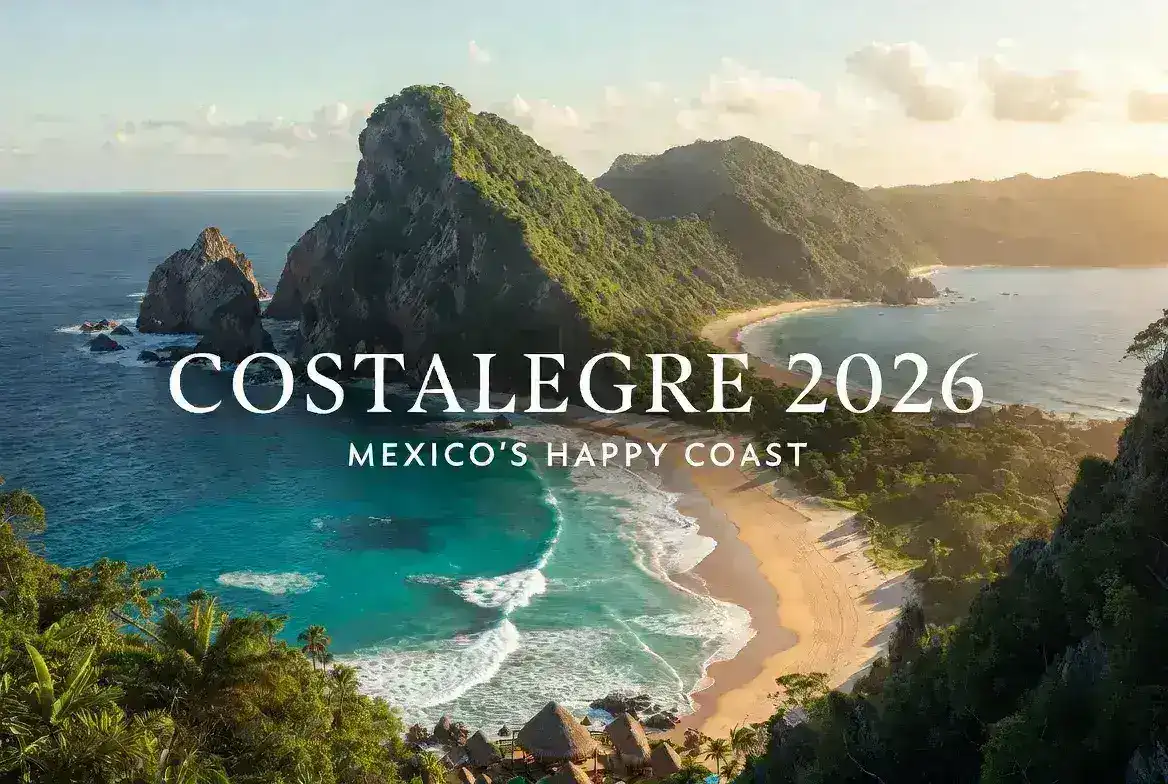
Costalegre 2026: Why the "Happy Coast" is Mexico's newest ultra-luxury sustainable frontier.
Introduction: Discovering Mexico's Best-Kept Secret
While millions of travelers flock to Cancún's resort corridors and Los Cabos' luxury enclaves, a quieter revolution is unfolding along Mexico's Pacific coast. Welcome to Costalegre, the "Happy Coast" – a 170-kilometer stretch of pristine shoreline in southern Jalisco that represents Mexico's most exciting new frontier in ultra-luxury sustainable tourism.
Nestled between the well-trodden paths of Puerto Vallarta to the north and the rugged wilderness of Michoacán to the south, Costalegre has long remained Mexico's best-kept secret. Its name, which translates to "Happy Coast," wasn't chosen by marketing executives but earned organically through generations of visitors who discovered something special in this untouched corner of the Pacific: a rare combination of raw natural beauty, authentic Mexican culture, and the space to simply breathe.
As we enter 2026, Costalegre stands at a pivotal moment. Thoughtful development, visionary hospitality concepts, and a genuine commitment to environmental stewardship are transforming this hidden gem into a globally recognized destination – but without sacrificing the very qualities that made it special in the first place. This isn't mass tourism repackaged as luxury; it's a fundamentally different approach to travel that prioritizes preservation, community, and meaningful experiences over volume and velocity.
For discerning travelers seeking something beyond the all-inclusive resort formula, Costalegre offers a compelling alternative: ultra-luxury accommodations that blend seamlessly with nature, immersive cultural encounters with local communities, world-class wellness experiences rooted in Mexican traditions, and the profound satisfaction of knowing your visit supports conservation and sustainable development.
This comprehensive guide explores everything you need to know about Costalegre in 2026, from understanding what makes this region unique to planning your perfect sustainable luxury escape along Mexico's happiest coast.
What Is Costalegre? Geography, Culture, and Identity

Costalegre isn't an official administrative region but a cultural and geographical designation encompassing the southern coast of Jalisco state, stretching approximately 170 kilometers from the town of Barra de Navidad in the north to the Michoacán border in the south. This rugged coastline features dramatic cliffs, secluded coves, pristine beaches, tropical jungles, and charming fishing villages that have changed little over decades.
Key Communities Along Costalegre
Understanding Costalegre requires knowing its distinctive communities, each offering unique character:
Chamela: The northern gateway to Costalegre, Chamela is home to a renowned biological research station operated by UNAM (Mexico's national university). This scientific presence has helped protect the area's extraordinary biodiversity while fostering a culture of environmental awareness. The bay offers calm waters ideal for swimming and kayaking.
San Patricio-Melaque: A pair of connected towns offering authentic Mexican coastal life. Melaque features a working fishing harbor, colorful local markets, and traditional restaurants serving fresh seafood. San Patricio adds colonial charm with its central plaza and historic church. Together, they provide a genuine alternative to resort-town artificiality.
Barra de Navidad: Historically significant as the departure point for Spanish expeditions to the Philippines in the 16th century, Barra de Navidad today combines history with laid-back beach culture. Its lagoon is perfect for birdwatching and paddleboarding, while the town maintains a relaxed, unpretentious atmosphere.
Careyes: The crown jewel of Costalegre's luxury development, Careyes represents a visionary approach to sustainable tourism. This 3,000-hectare eco-reserve features boutique accommodations, a championship golf course designed to minimize environmental impact, art installations, and extensive conservation programs. Careyes pioneered the concept of luxury that enhances rather than exploits its surroundings.
Tecolotlán and surrounding villages: Inland communities that supply Costalegre's resorts with fresh produce, artisanal goods, and cultural experiences. Visiting these villages offers travelers authentic connections with rural Mexican life and traditional crafts.
Why "Happy Coast"?
The nickname "Costa Alegre" (Happy Coast) emerged organically from visitors who experienced something distinctive here: a sense of ease, authenticity, and connection that felt increasingly rare in more developed destinations. Several factors contribute to this atmosphere:
- Unhurried pace: Without the pressure of mass tourism, life moves at a more relaxed rhythm
- Authentic interactions: Local residents welcome visitors as guests rather than customers
- Natural beauty: Pristine environments inspire joy and wonder
- Cultural richness: Traditional music, cuisine, and crafts remain vibrant and accessible
- Space and solitude: With fewer visitors, there's room for reflection and genuine connection
- 👉 Grenada National Resort at Levera 2026: A complete guide to the $2 billion luxury opening.
- 👉 7 Hidden Gems in Azuero Peninsula for Adventure Photographers
- 👉 Vincy Mas 2026: Complete guide to "The Great Escape" Carnival dates (June 26 - July 7).
This happiness isn't manufactured through entertainment complexes or curated experiences; it emerges naturally from the region's character and the mindful approach to development that has preserved it.
The Sustainable Luxury Revolution: How Costalegre Redefines High-End Travel

Costalegre's emergence as an ultra-luxury destination represents a fundamental rethinking of what luxury travel can and should be. Rather than importing generic five-star formulas, the region's most innovative properties have developed a distinctly Mexican approach to high-end hospitality that prioritizes sustainability, authenticity, and transformation.
Architecture That Honors Place
Leading Costalegre resorts reject the international style that dominates many luxury destinations. Instead, they embrace architectural principles rooted in Mexican tradition and environmental sensitivity:
- Natural materials: Local stone, sustainably harvested wood, palm thatch, and clay tiles replace concrete and steel
- Passive design: Strategic orientation, natural ventilation, and shading reduce energy needs while enhancing comfort
- Low-impact construction: Buildings follow the land's contours rather than flattening it; foundations minimize soil disruption
- Cultural references: Design elements draw from regional vernacular architecture, creating spaces that feel authentically Mexican
- 👉 Grenada National Resort at Levera 2026: A complete guide to the $2 billion luxury opening.
- 👉 7 Hidden Gems in Azuero Peninsula for Adventure Photographers
- 👉 Vincy Mas 2026: Complete guide to "The Great Escape" Carnival dates (June 26 - July 7).
The result is accommodations that feel like natural extensions of their environment rather than imposed structures. Guests wake to ocean views framed by native vegetation, dine in spaces that blur the boundary between indoors and out, and experience luxury that enhances rather than obscures the beauty of place.
Conservation as Core Business
What truly distinguishes Costalegre's luxury offerings is their integration of conservation into operational DNA. Leading properties don't treat sustainability as a marketing add-on but as fundamental to their mission:
Marine Protection: Several resorts actively protect sea turtle nesting beaches, employing biologists to monitor nests, relocate eggs when necessary, and educate guests about conservation. Some properties fund research on local marine ecosystems and support sustainable fishing practices in surrounding communities.
Terrestrial Conservation: With over 3,000 hectares of protected land, Careyes serves as a corridor for wildlife including jaguars, ocelots, and numerous bird species. Reforestation programs restore native vegetation, while invasive species management protects ecosystem balance.
Water Stewardship: Advanced treatment systems ensure that all wastewater is purified to irrigation standards before returning to the environment. Rainwater harvesting and greywater recycling reduce demand on local water resources.
Energy Innovation: Solar installations, energy-efficient design, and smart building management systems minimize carbon footprints while maintaining guest comfort.
Community Partnership
Authentic sustainable luxury recognizes that environmental protection and social equity are inseparable. Costalegre's leading properties invest in local communities through:
- Fair employment: Priority hiring from nearby villages with competitive wages and benefits
- Skills development: Training programs in hospitality, conservation, and artisanal crafts
- Local sourcing: Purchasing food, materials, and services from regional producers
- Cultural preservation: Supporting traditional arts, music, and cuisine through guest experiences and marketplace opportunities
- Infrastructure investment: Contributing to schools, healthcare, and community facilities
- 👉 Grenada National Resort at Levera 2026: A complete guide to the $2 billion luxury opening.
- 👉 7 Hidden Gems in Azuero Peninsula for Adventure Photographers
- 👉 Vincy Mas 2026: Complete guide to "The Great Escape" Carnival dates (June 26 - July 7).
This approach creates a virtuous cycle: thriving communities become partners in conservation, while conservation protects the natural assets that support both tourism and local livelihoods.
Where to Stay: Costalegre's Most Extraordinary Properties

Costalegre's accommodation landscape ranges from intimate boutique hotels to expansive eco-reserves, all united by commitment to sustainability and exceptional guest experiences.
Careyes: The Pioneer of Sustainable Luxury
No discussion of Costalegre luxury is complete without Careyes, the region's most ambitious and influential development. Founded in 1968 by Italian entrepreneur Gian Franco Brignone, Careyes has evolved into a model for how tourism can enhance rather than degrade fragile environments.
Accommodation Options:
- Villas: Private residences ranging from one to seven bedrooms, each uniquely designed with local materials and artisanal details. Many feature private pools, ocean views, and dedicated staff.
- Hotel Suites: Boutique accommodations at Careyes Hotel, offering luxury amenities with easy access to resort facilities.
- Castillo Careyes: The iconic clifftop castle offers exclusive accommodations with panoramic ocean views, representing the pinnacle of the Careyes experience.
- 👉 Grenada National Resort at Levera 2026: A complete guide to the $2 billion luxury opening.
- 👉 7 Hidden Gems in Azuero Peninsula for Adventure Photographers
- 👉 Vincy Mas 2026: Complete guide to "The Great Escape" Carnival dates (June 26 - July 7).
Experiences: Careyes offers an extraordinary range of activities: championship golf on an environmentally sensitive course, equestrian programs, surfing lessons, yoga and wellness retreats, art workshops with resident artists, and guided nature excursions. The resort's cultural programming includes film screenings, concerts, and exhibitions that celebrate Mexican and international creativity.
Conservation Impact: Careyes' 3,000-hectare reserve protects critical habitat for numerous species. The resort's sea turtle program has helped stabilize local nesting populations, while reforestation efforts have restored thousands of hectares of native forest.
Boutique Alternatives
For travelers seeking more intimate experiences, Costalegre offers exceptional smaller properties:
Hotel Villa Montana (near San Patricio): Perched on a hillside overlooking the Pacific, this boutique hotel features just 12 suites, each with private terraces and ocean views. The property emphasizes personalized service, farm-to-table dining, and connection with local culture.
Las Hadas (Barra de Navidad): While larger than true boutique properties, Las Hadas maintains a distinctive character with its fairy-tale architecture and commitment to preserving the natural beauty of its setting. Recent renovations have enhanced sustainability features while maintaining the property's magical atmosphere.
Eco-Lodges and Retreat Centers
For travelers prioritizing environmental immersion, several eco-lodges offer minimalist luxury with maximum connection to nature:
- Chamela Biological Station guest accommodations: Simple but comfortable lodging for visitors interested in the region's extraordinary biodiversity. Guided research experiences available.
- Wellness retreats: Several properties specialize in yoga, meditation, and holistic health, offering programs that combine personal transformation with environmental education.
- 👉 Grenada National Resort at Levera 2026: A complete guide to the $2 billion luxury opening.
- 👉 7 Hidden Gems in Azuero Peninsula for Adventure Photographers
- 👉 Vincy Mas 2026: Complete guide to "The Great Escape" Carnival dates (June 26 - July 7).
Private Villa Rentals
Costalegre's real estate market includes stunning private villas available for short-term rental. These properties offer ultimate privacy and customization, often with dedicated staff, private chefs, and curated experiences. Working with reputable rental agencies ensures properties meet sustainability standards and support local communities.
Experiences That Define Costalegre: Beyond the Beach

While Costalegre's beaches are undeniably spectacular, the region's true magic lies in the diversity of experiences it offers. Here are the unmissable ways to engage with this extraordinary destination.
Marine Adventures
Sea Turtle Encounters: Between July and December, several species of sea turtles nest on Costalegre beaches. Responsible resorts offer guided night tours where guests can witness nesting females or (with proper permits) baby turtle releases. These experiences combine wonder with education about marine conservation.
Snorkeling and Diving: The rocky coastline creates diverse underwater habitats teeming with tropical fish, rays, and occasional reef sharks. Sites near Chamela and Careyes offer excellent visibility and accessible entry points for all skill levels.
Whale Watching: From December through March, humpback whales migrate through Costalegre waters. Small-group boat tours provide intimate encounters with these magnificent creatures while supporting research and conservation efforts.
Kayaking and Paddleboarding: Calm bays and protected coves offer ideal conditions for exploring the coastline from the water. Many resorts provide equipment and guided tours that highlight coastal ecology and birdlife.
Cultural Immersion
Artisan Workshops: Costalegre's communities maintain rich traditions in pottery, weaving, woodcarving, and other crafts. Leading resorts facilitate visits to local artisans, offering guests opportunities to learn techniques and purchase authentic pieces that directly support traditional livelihoods.
Culinary Experiences: Jalisco is the birthplace of tequila and mariachi, and Costalegre celebrates both while showcasing the region's distinctive coastal cuisine. Cooking classes with local chefs teach traditional recipes using ingredients sourced from nearby farms and fisheries. Tequila tastings explore the nuances of small-batch producers who prioritize quality over quantity.
Mariachi and Traditional Music: Evening performances in resort courtyards or village plazas offer authentic encounters with Mexico's most iconic musical tradition. Some properties arrange visits to mariachi families, providing deeper understanding of this living cultural heritage.
Nature and Wellness
Jungle Treks: Guided hikes through tropical dry forest reveal extraordinary biodiversity: howler monkeys, iguanas, tropical birds, and countless plant species. Knowledgeable naturalists share insights about ecosystem dynamics and conservation challenges.
Yoga and Meditation: Oceanfront platforms and jungle clearings provide serene settings for wellness practices. Many properties offer daily classes as well as multi-day retreats combining physical practice with mindfulness and environmental education.
Stargazing: With minimal light pollution, Costalegre's night skies offer spectacular views of the Milky Way. Some resorts provide telescopes and guided astronomy sessions that connect guests with the cosmos.
Practical Planning: Getting to and Around Costalegre

Costalegre's relative remoteness is part of its charm, but it requires thoughtful planning to access this hidden gem.
Arriving in the Region
By Air: The closest major airport is Puerto Vallarta International Airport (PVR), approximately 2.5-3 hours drive from northern Costalegre destinations like Barra de Navidad. For southern Costalegre properties like Careyes, the drive extends to 3.5-4 hours.
Many luxury properties offer private transfer services from Puerto Vallarta airport, providing the most convenient and comfortable arrival experience. These transfers typically cost $200-400 USD depending on destination and vehicle type.
By Road: Renting a car provides maximum flexibility for exploring Costalegre. The coastal highway (Federal Highway 200) is well-maintained but winding, with occasional narrow sections. Driving times should be estimated conservatively; a 100-kilometer journey may take 2+ hours due to road conditions and village traffic.
Major rental agencies operate at Puerto Vallarta airport. Consider vehicles with higher clearance for accessing some rural properties. Always purchase full insurance coverage.
Getting Around Locally
Once in Costalegre, transportation options vary by location:
- Resort shuttles: Most luxury properties provide complimentary transportation to nearby attractions, restaurants, and beaches
- Taxis: Available in larger towns like Melaque and Barra de Navidad; negotiate fares in advance
- Rental cars: Ideal for independent exploration; book in advance during peak season
- Bicycles: Many resorts offer complimentary bikes for local exploration
- Boat transfers: Some coastal properties offer water taxi services for accessing remote beaches or neighboring communities
- 👉 Grenada National Resort at Levera 2026: A complete guide to the $2 billion luxury opening.
- 👉 7 Hidden Gems in Azuero Peninsula for Adventure Photographers
- 👉 Vincy Mas 2026: Complete guide to "The Great Escape" Carnival dates (June 26 - July 7).
Best Time to Visit
Costalegre's tropical climate offers year-round appeal, but different seasons bring distinct advantages:
Dry Season (November-May): Peak tourist season with minimal rainfall, comfortable temperatures (24-32°C / 75-90°F), and optimal conditions for outdoor activities. December through March brings whale watching opportunities. This is also the busiest and most expensive period; book accommodations well in advance.
Green Season (June-October): Afternoon rains refresh the landscape, creating lush vegetation and dramatic skies. Temperatures remain warm (26-34°C / 79-93°F) with higher humidity. Fewer visitors mean better availability and potential discounts. Sea turtle nesting season peaks during these months. Some rural roads may become challenging during heavy rains.
Shoulder Months (May, November): Often ideal for travelers seeking good weather with fewer crowds and moderate prices.
What to Pack
- Lightweight, breathable clothing for warm days
- Light jacket or sweater for cooler evenings
- Rain jacket or poncho (especially June-October)
- Sturdy walking shoes for trails and rocky beaches
- Water shoes for snorkeling and tide pools
- High-SPF sunscreen and reef-safe formulations
- Insect repellent for evening hours
- Binoculars for birdwatching and whale watching
- Camera with waterproof protection
- 👉 Grenada National Resort at Levera 2026: A complete guide to the $2 billion luxury opening.
- 👉 7 Hidden Gems in Azuero Peninsula for Adventure Photographers
- 👉 Vincy Mas 2026: Complete guide to "The Great Escape" Carnival dates (June 26 - July 7).
Costalegre vs. Other Mexican Destinations: Why Choose the Happy Coast?

Travelers considering Costalegre often compare it to more established Mexican destinations. Understanding these distinctions helps clarify Costalegre's unique value proposition.
Costalegre vs. Riviera Nayarit/Puerto Vallarta
Just north of Costalegre, Riviera Nayarit offers beautiful beaches and well-developed tourism infrastructure. Key differences:
- Development density: Riviera Nayarit features extensive resort corridors; Costalegre maintains low-density, scattered development
- Atmosphere: Riviera Nayarit caters to mainstream luxury tourism; Costalegre appeals to travelers seeking authenticity and solitude
- Environmental impact: Costalegre's newer developments benefit from decades of sustainable tourism learning
- Price: Comparable luxury accommodations may cost less in Costalegre due to lower land values and operating costs
- 👉 Grenada National Resort at Levera 2026: A complete guide to the $2 billion luxury opening.
- 👉 7 Hidden Gems in Azuero Peninsula for Adventure Photographers
- 👉 Vincy Mas 2026: Complete guide to "The Great Escape" Carnival dates (June 26 - July 7).
Costalegre vs. Los Cabos
Los Cabos represents the pinnacle of Mexican resort luxury but with a very different character:
- Landscape: Cabo's desert-meets-ocean drama contrasts with Costalegre's tropical jungle coastline
- Culture: Cabo feels international and cosmopolitan; Costalegre maintains stronger connections to traditional Mexican coastal life
- Activities: Cabo emphasizes golf, spas, and nightlife; Costalegre prioritizes nature, wellness, and cultural immersion
- Crowds: Cabo attracts large numbers of visitors; Costalegre remains relatively undiscovered
- 👉 Grenada National Resort at Levera 2026: A complete guide to the $2 billion luxury opening.
- 👉 7 Hidden Gems in Azuero Peninsula for Adventure Photographers
- 👉 Vincy Mas 2026: Complete guide to "The Great Escape" Carnival dates (June 26 - July 7).
Costalegre vs. Tulum
Tulum's bohemian-luxury aesthetic shares some similarities with Costalegre, but important distinctions exist:
- Development stage: Tulum has experienced rapid, sometimes chaotic growth; Costalegre's development has been more deliberate and controlled
- Infrastructure: Tulum faces challenges with water, waste, and traffic; Costalegre's lower density avoids many of these pressures
- Authenticity: Tulum's "boho" aesthetic has become somewhat commercialized; Costalegre's cultural experiences remain more organic
- Accessibility: Tulum is easier to reach from Cancún; Costalegre's relative remoteness preserves its character but requires more planning
- 👉 Grenada National Resort at Levera 2026: A complete guide to the $2 billion luxury opening.
- 👉 7 Hidden Gems in Azuero Peninsula for Adventure Photographers
- 👉 Vincy Mas 2026: Complete guide to "The Great Escape" Carnival dates (June 26 - July 7).
Who Should Choose Costalegre?
Costalegre is ideal for travelers who:
- Value authenticity over convenience
- Prioritize environmental sustainability in their travel choices
- Seek meaningful cultural connections rather than curated entertainment
- Appreciate natural beauty and outdoor experiences
- Prefer intimate, personalized service over large-scale resort amenities
- Are willing to invest time in travel planning to access a less-developed destination
- 👉 Grenada National Resort at Levera 2026: A complete guide to the $2 billion luxury opening.
- 👉 7 Hidden Gems in Azuero Peninsula for Adventure Photographers
- 👉 Vincy Mas 2026: Complete guide to "The Great Escape" Carnival dates (June 26 - July 7).
Costalegre may be less suitable for travelers who:
- Require extensive nightlife and entertainment options
- Prefer the predictability of large international resort brands
- Need immediate access to extensive shopping or urban amenities
- Have very limited time and want to minimize travel logistics
- 👉 Grenada National Resort at Levera 2026: A complete guide to the $2 billion luxury opening.
- 👉 7 Hidden Gems in Azuero Peninsula for Adventure Photographers
- 👉 Vincy Mas 2026: Complete guide to "The Great Escape" Carnival dates (June 26 - July 7).
The Future of Costalegre: Balancing Growth and Preservation

As Costalegre gains international recognition, the region faces the classic challenge of sustainable destinations: how to welcome visitors and generate economic benefits without compromising the qualities that make it special.
Thoughtful Development Principles
Leading stakeholders in Costalegre have embraced principles designed to guide responsible growth:
- Carrying capacity limits: Establishing maximum visitor numbers based on environmental and social thresholds
- Design standards: Requiring new developments to meet rigorous sustainability and aesthetic criteria
- Community consent: Ensuring local residents have meaningful input into development decisions
- Conservation financing: Directing a portion of tourism revenue to environmental protection and restoration
- Monitoring and adaptation: Regularly assessing impacts and adjusting practices based on evidence
- 👉 Grenada National Resort at Levera 2026: A complete guide to the $2 billion luxury opening.
- 👉 7 Hidden Gems in Azuero Peninsula for Adventure Photographers
- 👉 Vincy Mas 2026: Complete guide to "The Great Escape" Carnival dates (June 26 - July 7).
Emerging Opportunities
Several developments promise to enhance Costalegre's appeal while reinforcing sustainability commitments:
Improved Infrastructure: Road improvements and expanded airport capacity in Puerto Vallarta will make Costalegre more accessible without requiring development within the region itself.
Technology Integration: Smart resort systems can optimize resource use while enhancing guest experiences. Digital platforms can connect travelers with local guides, artisans, and experiences that support community livelihoods.
Climate Resilience: Investments in coastal protection, water management, and renewable energy prepare Costalegre for climate challenges while demonstrating leadership in sustainable tourism.
Regenerative Tourism: Beyond minimizing harm, forward-thinking properties are exploring how tourism can actively restore ecosystems and strengthen communities – creating net positive impacts.
How Travelers Can Support Sustainable Costalegre
Visitors play a crucial role in ensuring Costalegre's long-term viability:
- Choose responsible operators: Prioritize properties and tour providers with demonstrated sustainability commitments
- Respect local customs: Learn basic Spanish phrases, ask permission before photographing people, and honor cultural traditions
- Minimize environmental impact: Conserve water, avoid single-use plastics, stay on designated trails, and follow wildlife viewing guidelines
- Support local economies: Purchase from local artisans, eat at family-owned restaurants, and hire community guides
- Share thoughtfully: When posting about Costalegre on social media, emphasize responsible travel practices and respect for the destination
- 👉 Grenada National Resort at Levera 2026: A complete guide to the $2 billion luxury opening.
- 👉 7 Hidden Gems in Azuero Peninsula for Adventure Photographers
- 👉 Vincy Mas 2026: Complete guide to "The Great Escape" Carnival dates (June 26 - July 7).
Conclusion: The Happy Coast Awaits

Costalegre represents something increasingly rare in global travel: a destination where luxury and sustainability aren't contradictory but complementary, where development enhances rather than diminishes natural beauty, and where visitors leave not just with memories but with a deeper understanding of their role in preserving extraordinary places.
As Mexico's newest ultra-luxury sustainable frontier, Costalegre offers a compelling vision for the future of travel – one that recognizes that the most meaningful experiences emerge not from escaping reality but from engaging more deeply with the places we visit and the communities that call them home.
The "Happy Coast" earned its name through authenticity, not marketing. Its joy comes from pristine beaches where sea turtles still nest undisturbed, from villages where traditional ways of life remain vibrant, from resorts that measure success not just in occupancy rates but in hectares restored and livelihoods supported.
For travelers seeking something beyond the familiar formulas of mass luxury tourism, Costalegre invites you to rediscover what travel can be: transformative, responsible, and genuinely joyful. In 2026, as the world increasingly recognizes the importance of sustainable tourism, Mexico's Happy Coast stands ready to welcome those who understand that the greatest luxury is a world worth preserving.
Plan your visit thoughtfully, travel with intention, and discover why Costalegre isn't just Mexico's newest luxury frontier – it may well be a model for travel's future.
0 Comments