.webp)
.webp)
Mexico Domestic Flights Guide for Safe Inter-City Travel
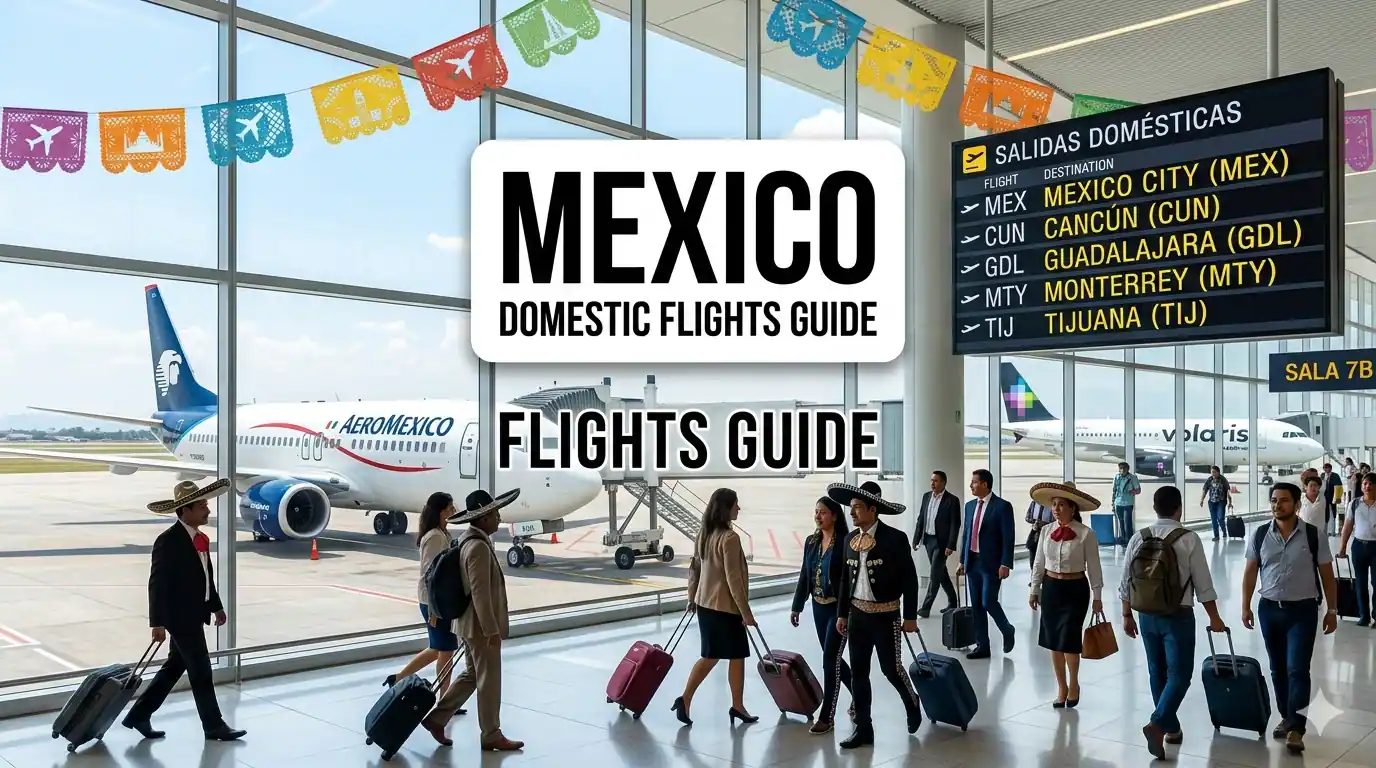
Complete Guide to Domestic Flights in Mexico for Safe Travel
Mexico's domestic flight network offers an efficient and safe way to travel between cities, connecting major destinations like Mexico City, Cancun, Guadalajara, Los Cabos, and Monterrey. With multiple airlines operating modern fleets and competitive pricing, flying domestically saves significant time compared to bus travel.
Understanding how to safely navigate Mexico's domestic aviation system ensures smooth journeys and peace of mind. This comprehensive guide covers airline selection, booking strategies, airport procedures, safety protocols, and practical tips for first-time and experienced travelers alike.
Mexico's aviation industry maintains strong safety standards regulated by the Federal Civil Aviation Agency. Major airports feature modern infrastructure, security screening, and English-speaking staff in tourist areas, making domestic air travel accessible for international visitors.
Why Choose Domestic Flights for Mexico Travel

Domestic flights dramatically reduce travel time between Mexican cities. A flight from Mexico City to Cancun takes approximately 2 hours compared to 20+ hours by bus. This time efficiency allows travelers to maximize vacation days and visit multiple destinations.
Competitive pricing makes flying affordable, especially when booking in advance. Budget carriers like Volaris and VivaAerobus offer fares starting around $30-50 USD for domestic routes, while full-service airlines like Aeromexico provide premium amenities for $80-150 USD.
Comfort and convenience appeal to travelers with limited time or those covering long distances. Air-conditioned cabins, onboard services, and direct routes eliminate the fatigue associated with extended bus journeys through mountainous terrain.
Safety records for Mexican commercial aviation remain strong, with major airlines maintaining international safety certifications. Regular aircraft maintenance, trained crews, and regulated operations ensure reliable transportation across the country.
Extensive route networks connect major cities and tourist destinations, with hubs in Mexico City, Cancun, Guadalajara, and Monterrey providing connections to smaller regional airports throughout the country.
Major Mexican Airlines and Their Services

Aeromexico operates as Mexico's flag carrier and largest full-service airline, offering extensive domestic and international routes. The airline provides complimentary snacks, beverages, checked baggage, and entertainment on most flights. Aeromexico Connect serves smaller destinations with regional jets.
Volaris functions as Mexico's leading ultra-low-cost carrier, offering competitive base fares with optional add-ons for baggage, seat selection, and refreshments. The airline operates modern Airbus aircraft and serves over 50 domestic destinations with frequent flights.
VivaAerobus provides budget-friendly options as another major low-cost carrier, featuring competitive pricing and a growing route network. The airline focuses on point-to-point service with efficient operations and modern Airbus A320 family aircraft.
Magnicharters operates charter and scheduled services primarily for vacation packages and group travel. The airline serves popular tourist routes with competitive pricing for all-inclusive vacation travelers.
Tar Aerolineas and other regional carriers connect smaller cities and provide service to destinations with lower passenger volumes. These airlines often operate turboprop aircraft suitable for shorter regional routes.
International carriers like United, American Airlines, and Delta also operate domestic flights within Mexico as part of their broader networks, providing additional options for connecting travelers.
How to Book Domestic Flights in Mexico Safely

Book directly through airline official websites to ensure secure transactions and accurate information. Aeromexico.com, Volaris.com, and VivaAerobus.com offer English language options and accept international credit cards securely.
Use reputable travel booking platforms like Expedia, Kayak, or Google Flights to compare prices across multiple airlines. These platforms provide price alerts and flexible date searches to find optimal deals.
Book 2-3 months in advance for domestic routes to secure the best prices, especially for peak season travel during December-April and major holidays. Last-minute bookings typically cost significantly more.
Verify all booking details including passenger names exactly as they appear on passports, travel dates, departure airports, and terminal information. Mexico City has multiple terminals requiring careful verification.
Review baggage policies carefully before booking. Budget airlines charge separately for carry-on and checked bags, with fees increasing at airport counters compared to online pre-purchase.
Consider purchasing travel insurance covering flight cancellations, delays, and lost baggage. Credit cards often provide travel protection benefits when used for booking.
Save confirmation emails and booking references on your phone and print copies as backup. Download airline mobile apps for easy check-in and real-time flight updates.
Mexico Domestic Flight Safety Standards and Regulations

The Federal Civil Aviation Agency, known as AFAC, regulates all civil aviation operations in Mexico and enforces international safety standards established by the International Civil Aviation Organization.
Mexican airlines undergo regular safety audits and must maintain certifications to operate. Major carriers like Aeromexico hold IATA Operational Safety Audit certification, demonstrating compliance with global safety benchmarks.
Aircraft maintenance follows strict schedules mandated by aviation authorities. Airlines operate modern fleets with average ages under 10 years for major carriers, ensuring up-to-date safety features and technology.
Pilot training programs require extensive flight hours, simulator training, and regular recertification. Mexican pilots meet international licensing standards and undergo continuous professional development.
Air traffic control systems at major Mexican airports utilize modern radar and communication technology. Mexico City, Cancun, and Guadalajara airports feature advanced navigation systems supporting safe operations in various weather conditions.
Safety records show Mexican commercial aviation maintains accident rates comparable to international standards. Millions of domestic flights operate safely each year, transporting passengers reliably across the country.
Tourist routes between major destinations like Mexico City-Cancun, Mexico City-Los Cabos, and Guadalajara-Puerto Vallarta operate multiple daily flights with excellent safety histories.
Mexico City Airport Terminals and Navigation

Mexico City International Airport, officially Benito Juarez International Airport, operates two main terminals for domestic flights. Terminal 1 handles most domestic carriers while Terminal 2 serves primarily Aeromexico and SkyTeam alliance flights.
Verify your airline and terminal before traveling to avoid confusion. Allow extra time if transferring between terminals, which requires exiting security and using shuttle buses or the Aerotrén monorail connection.
Terminal 1 features check-in areas organized by airline, with domestic departures on the upper level. Security screening leads to gate areas with dining, shopping, and comfortable waiting areas.
Terminal 2 offers modern facilities with efficient layouts, featuring Aeromexico's premium lounges and extensive dining options. The terminal connects to domestic and international gates through centralized security areas.
Arrive at least 2 hours before domestic flights to allow time for check-in, baggage drop, and security screening. Peak travel times during mornings and evenings may require additional time.
Signage throughout both terminals appears in Spanish and English, facilitating navigation for international travelers. Airport staff and information desks provide assistance when needed.
Ground transportation options include metro, metrobus, taxis, and ride-sharing services connecting the airport to Mexico City. Official airport taxis provide fixed-rate service to various city zones.
Airport Security Procedures for Domestic Flights

Mexican airport security follows procedures similar to international standards, requiring passengers to remove shoes, belts, and metal objects before passing through screening equipment.
Liquids in carry-on bags must comply with 100ml per container limits, placed in clear plastic bags. Security officers may request additional screening of electronic devices and personal items.
Present government-issued photo identification for domestic flights. International travelers should use passports as primary ID, though some airlines accept other official identification.
Boarding passes can be printed at home, obtained at airport kiosks, or displayed on mobile devices through airline apps. Ensure barcodes remain clear and scannable.
Security screening typically takes 15-30 minutes during normal periods, extending to 45-60 minutes during peak travel times. Arrive early to accommodate potential delays.
Prohibited items include weapons, sharp objects over certain lengths, and flammable materials. Check airline websites for complete lists of restricted items in carry-on and checked baggage.
TSA PreCheck and Global Entry do not apply to Mexican domestic flights, though some airlines offer expedited screening for premium passengers or frequent flyers.
Baggage Allowances and Packing Tips

Baggage policies vary significantly between full-service and budget airlines. Aeromexico typically includes one carry-on bag plus one personal item, along with one checked bag on most fares.
Volaris and VivaAerobus charge separately for all baggage beyond a small personal item. Purchase baggage allowances online during booking or before airport arrival to save 30-50% compared to counter prices.
Carry-on dimensions typically cannot exceed 22 x 16 x 10 inches including handles and wheels. Weight limits range from 15-22 pounds depending on airline and fare class.
Checked baggage usually allows up to 55 pounds per bag on domestic flights. Excess weight fees apply for bags exceeding limits, charged per pound over the allowance.
Pack valuables, medications, important documents, and one change of clothes in carry-on bags in case of delayed or lost checked luggage. Never pack irreplaceable items in checked bags.
Use TSA-approved locks on checked luggage to allow security inspection without damage. Tag bags with contact information inside and outside for identification if separated from owners.
Consider shipping bulky items like sports equipment or souvenirs via courier services rather than paying excess baggage fees. Compare costs before deciding.
Check-In Procedures and Timing Recommendations

Online check-in opens 24-48 hours before departure for most airlines, allowing seat selection and mobile boarding pass download. This saves time at the airport and ensures preferred seating.
Airport check-in counters typically close 45-60 minutes before domestic flight departure. Arrive at least 2 hours before scheduled departure to complete check-in, baggage drop, and security screening.
Self-service kiosks expedite check-in for passengers with carry-on bags only. Print boarding passes and bag tags, then proceed directly to baggage drop or security if traveling without checked bags.
Premium passengers and frequent flyers often access priority check-in lines and expedited security screening. Verify eligibility based on ticket class or airline loyalty program status.
Group bookings and passengers requiring special assistance should arrive earlier and use designated check-in counters. Airlines provide wheelchair service and other accommodations when requested in advance.
International travelers connecting to domestic flights must collect baggage, clear customs, and re-check bags for domestic segments. Allow 3-4 hours minimum for international-to-domestic connections in Mexico City.
Keep boarding passes and identification easily accessible throughout the airport journey. Digital boarding passes on phones work at most Mexican airports, but printed backups prevent technology issues.
Popular Domestic Flight Routes and Durations

Mexico City to Cancun represents one of Mexico's busiest domestic routes, with flight times of approximately 2 hours. Multiple airlines operate 20+ daily flights, offering frequent departure options throughout the day.
Mexico City to Los Cabos flights take about 2.5 hours, connecting the capital with this popular Pacific coast destination. Morning and evening flights provide flexibility for vacation scheduling.
Mexico City to Guadalajara requires just 1 hour and 15 minutes of flight time, making this an efficient connection between Mexico's two largest metropolitan areas.
Mexico City to Monterrey flights last approximately 1 hour and 30 minutes, serving business and leisure travelers between these major northern cities.
Cancun to Mexico City return flights operate frequently throughout the day, with 2-hour durations. Evening departures allow full final vacation days before returning home.
Guadalajara to Puerto Vallarta takes only 45 minutes by air compared to 4+ hours by road, making flying the preferred option for beach access from this inland city.
Regional routes like Mexico City to Oaxaca, Merida, or San Cristobal de las Casas typically range 1-1.5 hours, opening access to cultural and historical destinations.
Multi-city itineraries combining destinations like Mexico City, Cancun, and Los Cabos work efficiently with domestic flights, maximizing vacation time across diverse regions.
Flight Costs and Budget Planning Strategies

Domestic flight prices in Mexico vary based on route, season, booking timing, and airline choice. Budget carriers offer base fares from $30-80 USD for most domestic routes when booked in advance.
Full-service airlines like Aeromexico charge $80-200 USD for domestic flights, including checked baggage, seat selection, and refreshments in the base fare.
Peak season pricing during December-April, Semana Santa, and summer holidays increases fares 30-50% compared to low season. Book 3-4 months ahead for peak travel to secure reasonable prices.
Mid-week flights on Tuesday, Wednesday, and Thursday typically cost less than weekend departures. Early morning and late evening flights also offer lower fares than prime-time departures.
Hidden fees on budget airlines add significantly to base fares. Calculate total costs including baggage, seat selection, and refreshments when comparing airlines.
Set price alerts on Google Flights, Kayak, or airline apps to monitor fare fluctuations and book when prices drop. Flexible travel dates increase savings opportunities.
Consider alternative airports for major cities. Mexico City's secondary airport, Felipe Angeles International, sometimes offers lower fares on specific routes.
Round-trip tickets often cost less than two one-way bookings. Compare both options before purchasing, especially when mixing airlines.
In-Flight Services and What to Expect

Full-service carriers like Aeromexico provide complimentary snacks, non-alcoholic beverages, and sometimes hot meals on longer domestic routes. Entertainment systems offer movies, TV shows, and music on equipped aircraft.
Budget airlines sell food and beverages onboard at prices ranging $3-10 USD for snacks and drinks. Purchase water bottles after security to stay hydrated without paying premium prices.
Seat selection fees apply on budget carriers, with standard seats costing $5-15 USD and extra-legroom seats $15-30 USD. Pre-select seats during booking for best availability.
Aircraft on domestic routes typically include Airbus A320 family, Boeing 737 series, and Embraer regional jets. All feature air conditioning and modern safety equipment.
Flight attendants provide safety demonstrations in Spanish and English on most routes. Pay attention to emergency procedures and locate nearest exits upon boarding.
Wi-Fi availability remains limited on Mexican domestic flights, though Aeromexico offers connectivity on select aircraft. Download entertainment before boarding for offline enjoyment.
Turbulence occurs occasionally, especially during rainy season June-October. Keep seatbelts fastened when seated and follow crew instructions during rough air.
Domestic flights rarely provide blankets or pillows. Bring layers for temperature changes as cabin air conditioning can feel cold during flight.
Arrival Procedures and Ground Transportation

Domestic arrivals in Mexico require collecting checked baggage from carousels in the arrivals hall. Monitor flight information displays for correct baggage claim assignments.
No customs inspection applies to domestic flights within Mexico. Passengers exit directly to the public arrivals area after collecting luggage.
Ground transportation options include official airport taxis with fixed-rate zones, ride-sharing apps like Uber operating at most airports, rental car counters, and public transit connections.
Airport taxis provide safest and most reliable service, especially for first-time visitors. Purchase tickets at authorized counters inside terminals rather than accepting offers from individuals.
Ride-sharing pickup locations vary by airport and may require walking to designated areas. Follow app instructions and verify driver details before entering vehicles.
Rental car counters operate in arrivals areas of major airports. Book in advance for better rates and vehicle availability, especially during peak seasons.
Public transportation like metro or bus connections offer budget-friendly options in Mexico City, Guadalajara, and Monterrey. Research routes before arrival for efficient journeys.
Hotel shuttles and private transfers provide convenient door-to-door service. Arrange through accommodations or tour operators before arrival for smooth transitions.
Common Challenges and How to Avoid Them

Flight delays occur during peak travel times and weather events. Build buffer days into itineraries when connecting to international flights or time-sensitive activities.
Overbooking happens occasionally on popular routes. Check in early and arrive at gates on time to minimize bumping risks. Know your rights regarding compensation for involuntary denied boarding.
Lost or delayed baggage affects a small percentage of flights. Pack essentials in carry-on bags and keep baggage claim tickets for tracking purposes.
Language barriers may challenge non-Spanish speakers at smaller airports. Major tourist airports feature English-speaking staff, but learning basic Spanish phrases helps in all situations.
Terminal confusion at Mexico City causes missed flights. Verify terminal assignments when booking and allow extra time for terminal transfers if needed.
Hidden baggage fees surprise budget airline passengers. Calculate total costs including all add-ons before booking and pre-purchase baggage online for savings.
Transportation scams target arriving passengers at airports. Use only authorized taxi services from official counters or pre-arranged transfers through reputable companies.
Dehydration and discomfort affect travelers on longer flights. Drink water regularly, avoid excessive alcohol or caffeine, and move around the cabin when safe to do so.
Travel Insurance and Passenger Rights

Travel insurance covering flight cancellations, delays, and lost baggage provides financial protection for domestic air travel. Policies typically cost 4-10% of total trip expenses.
Credit cards offering travel protection benefits may cover delays, cancellations, and lost luggage when used for booking. Review card benefits before purchasing separate insurance.
Mexican aviation regulations require airlines to provide compensation for significant delays and cancellations within their control. Delays over 4 hours may qualify for meal vouchers and hotel accommodations.
Document all disruptions with photos, receipts, and written communications. File claims promptly with airlines and insurance providers using proper documentation.
Know your rights regarding denied boarding, cancellations, and significant schedule changes. Airlines must offer rebooking or refunds for cancellations regardless of fare type.
File complaints with AFAC if airlines fail to resolve issues satisfactorily. The aviation authority investigates passenger complaints and enforces regulations.
Keep copies of all travel documents including tickets, boarding passes, baggage receipts, and correspondence. Digital and physical copies ensure access if originals are lost.
Tips for First-Time Domestic Flyers in Mexico

Download airline mobile apps before traveling for easy check-in, boarding pass access, and real-time flight updates. Apps often provide gate change notifications faster than airport displays.
Arrive at airports earlier than you think necessary, especially for first flights. Extra time reduces stress and accommodates unexpected delays in traffic or check-in lines.
Keep pesos available for small purchases, baggage fees, and transportation. While credit cards work at most airports, cash provides backup payment options.
Charge electronic devices fully before leaving for airports. Bring portable chargers for phones and tablets to maintain connectivity during travel days.
Wear comfortable clothing and shoes suitable for security screening and varying temperatures. Layers allow adjustment to air conditioning and climate differences between cities.
Stay hydrated by carrying empty water bottles through security and filling them at water fountains in gate areas. Airport prices for bottled water exceed $3-5 USD.
Learn basic Spanish phrases for airport interactions. Simple greetings and questions demonstrate respect and facilitate communication with airport staff.
Remain patient and flexible when facing delays or changes. Mexican airports handle millions of passengers annually, and occasional disruptions occur despite best efforts.
Conclusion and Final Recommendations

Domestic flights in Mexico provide safe, efficient, and affordable transportation between cities, enabling travelers to maximize vacation time and explore diverse destinations. Following proper booking procedures, understanding airline policies, and allowing adequate airport time ensures smooth journeys.
Prioritize booking through official airline websites or reputable platforms, purchasing baggage allowances in advance, and arriving at airports 2 hours before domestic departures. These practices prevent common problems and reduce stress.
Mexico's aviation safety standards meet international requirements, with modern aircraft, trained crews, and regulated operations maintaining excellent safety records. Millions of passengers fly domestically each year without incident.
Budget airlines offer competitive pricing for cost-conscious travelers willing to pay separately for extras, while full-service carriers provide inclusive fares with added conveniences. Choose based on individual priorities and total cost calculations.
Domestic air travel opens Mexico's incredible diversity to exploration, from ancient ruins and colonial cities to pristine beaches and vibrant cultural centers. Safe, efficient flights make multi-destination itineraries practical and enjoyable for all travelers.
0 Comments