.webp)
.webp)
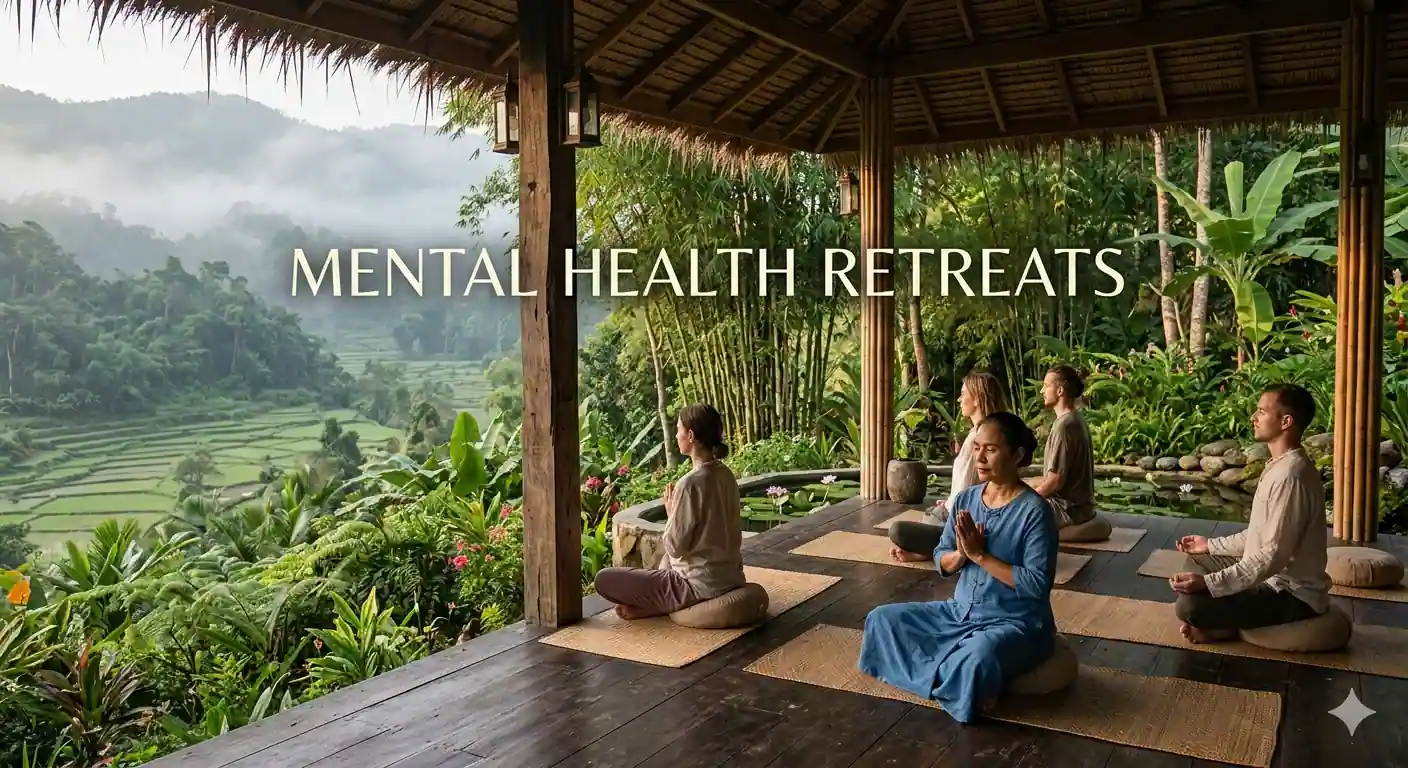
The Rise of Wellness Tourism and Chiang Mai Mental Health Retreats
Chiang Mai has emerged as one of the world's leading destinations for mental health and wellness retreats, offering a unique blend of evidence-based psychological therapies, traditional healing practices, and immersive natural environments. In 2026, wellness tourism in Northern Thailand continues to experience exponential growth, with mental health-focused programs attracting over 420,000 international visitors annually. These retreats provide structured programs ranging from 7-day digital detox experiences to 21-day clinical burnout recovery programs, all designed to address modern psychological stressors like anxiety, depression, workplace exhaustion, and emotional fatigue.
Whether you are navigating professional burnout, seeking trauma-informed therapy, or simply prioritizing preventive mental wellness, Chiang Mai offers an unmatched combination of affordability, expert facilitation, and culturally rich healing traditions. This comprehensive guide walks you through everything you need to know about mental health retreats in Chiang Mai, including program types, realistic costs, daily schedules, booking strategies, and cultural etiquette, ensuring you can make an informed decision that aligns with your wellness goals.
What Are Mental Health Retreats in Chiang Mai
Mental health retreats in Chiang Mai are structured residential programs designed to support psychological well-being through a combination of clinical therapy, holistic practices, mindfulness training, and nature immersion. Unlike conventional vacations, these retreats follow curated daily schedules that integrate professional counseling, group therapy, meditation, yoga, nutritional support, and digital detox protocols. Programs typically range from 5 to 28 days, with licensed psychologists, certified wellness coaches, and traditional Thai healing practitioners facilitating sessions in English and other major languages.
These retreats are strategically located in Chiang Mai's mountainous regions, such as Mae Rim, San Kamphaeng, and the Doi Suthep foothills, where elevation, clean air, and natural quiet create an optimal environment for nervous system regulation and psychological recovery.
Why Chiang Mai Is the Global Epicenter for Mental Wellness
Chiang Mai's dominance in the wellness tourism sector stems from a convergence of environmental, cultural, and economic factors. The city's elevation of approximately 310 meters above sea level, combined with cooler mountain temperatures averaging 24-28 degrees Celsius during the cool season, creates a naturally soothing climate. The surrounding national parks, waterfalls, and ancient temple complexes provide accessible nature immersion opportunities proven to reduce cortisol levels by up to 16 percent according to environmental psychology studies.
Culturally, Northern Thailand has maintained a deeply ingrained tradition of mindfulness and community-based healing for over 700 years. Buddhist meditation practices, Thai herbal medicine, and indigenous massage therapies seamlessly integrate with modern psychological frameworks, creating hybrid programs that address both mind and body. Additionally, Chiang Mai's cost of living remains 60 to 70 percent lower than Western equivalents, allowing retreat centers to offer high-quality clinical and holistic programming at accessible price points without compromising therapeutic standards.
For travelers planning their broader Thai itinerary, understanding regional wellness offerings can enhance your overall experience. Review The Ultimate Thailand Travel Guide 2026 for comprehensive destination planning, and explore why 2026 is the year of quietcations in Thailand to understand the shift toward intentional, low-stimulation travel.
Types of Mental Health and Wellness Programs Available
Chiang Mai's retreat landscape is highly diversified, catering to different psychological needs, clinical requirements, and personal preferences. Understanding the distinctions between program types ensures you select an environment that aligns with your specific wellness objectives.
Clinical and Therapeutic Retreats:
These programs are facilitated by licensed psychologists, psychiatrists, and certified therapists. They utilize evidence-based modalities such as Cognitive Behavioral Therapy (CBT), Eye Movement Desensitization and Reprocessing (EMDR), trauma-informed counseling, and group psychotherapy. Clinical retreats are ideal for individuals managing diagnosed anxiety, depression, PTSD, or severe burnout. Programs typically require pre-intake assessments and maintain strict confidentiality standards.
Holistic and Integrative Wellness Retreats:
These centers blend psychological coaching with somatic healing, nutritional therapy, breathwork, sound healing, and traditional Thai medicine. While not replacements for clinical treatment, holistic retreats excel at nervous system regulation, stress reduction, and preventive mental wellness. They attract professionals experiencing chronic fatigue, creative burnout, or life transition stress.
Spiritual and Mindfulness-Focused Retreats:
Rooted in Theravada Buddhist practices, these programs emphasize vipassana meditation, loving-kindness (metta) practice, ethical living frameworks, and monastic-style discipline. They are particularly effective for individuals seeking clarity, emotional resilience, and philosophical grounding. Many centers offer silent retreat formats ranging from 3 to 10 days.
Digital Detox and Tech Recovery Programs:
Designed specifically for screen fatigue and dopamine dysregulation, these retreats enforce strict technology surrender policies upon arrival. Participants engage in nature walks, analog journaling, group conversations, and manual crafts. Programs typically last 7 to 14 days and show measurable improvements in sleep quality and attention span within the first week.
Cost Breakdown: Budget vs Mid-Range vs Luxury
Understanding realistic pricing prevents financial stress and ensures transparent expectations. Retreat costs vary significantly based on accommodation type, clinical staffing ratios, program length, and included services.
| Tier | Average Cost Per Night | 7-Day Program Total | What Is Included |
| Budget | $60-$120 USD | $420-$840 USD | Shared dormitory, group meditation, basic meals, self-guided journaling |
| Mid-Range | $150-$300 USD | $1,050-$2,100 USD | Private room, daily therapy sessions, holistic treatments, full meal plan, airport transfer |
| Luxury | $350-$800+ USD | $2,450-$5,600+ USD | Private villa, 1-on-1 clinical therapy, spa treatments, chef-prepared meals, personal wellness concierge |
Budget Programs: Best suited for solo travelers, students, or those seeking extended stays. Facilities are simple but clean, with strong community atmospheres and peer-supported healing environments.
Mid-Range Programs: The most popular tier, offering balanced clinical support, comfortable accommodations, and structured daily programming. Ideal for professionals taking time off work.
Luxury Programs: Feature high staff-to-guest ratios, private clinical consultations, premium spa facilities, and personalized nutrition planning. Best for executives, high-net-worth individuals, or those requiring intensive privacy.
For travelers exploring premium accommodations beyond retreat settings, The Zenith of Thai Hospitality provides detailed insights into Thailand's exclusive resort landscape.
What to Expect: Daily Schedules and Therapeutic Modalities
Structure is fundamental to mental health retreats. Predictable routines reduce decision fatigue, regulate circadian rhythms, and create safe psychological containers for emotional processing. While each center has unique programming, most follow a consistent daily framework.
Typical Daily Itinerary:
- 6:00 AM - 6:30 AM: Wake up and hydrate. Light stretching or breathwork in your room.
- 6:30 AM - 7:30 AM: Group meditation, yoga, or guided forest bathing session.
- 7:30 AM - 8:30 AM: Nutrient-dense breakfast focusing on gut-brain health (fermented foods, omega-3s, adaptogens).
- 8:30 AM - 11:00 AM: Clinical or therapeutic block. Individual counseling, group therapy, EMDR, or somatic experiencing.
- 11:00 AM - 12:00 PM: Free time for journaling, nature walks, or rest.
- 12:00 PM - 1:00 PM: Lunch with mindfulness practices (silent eating, gratitude reflections).
- 1:00 PM - 3:00 PM: Afternoon workshop or holistic treatment (sound bath, Thai massage, art therapy, nutritional counseling).
- 3:00 PM - 5:00 PM: Outdoor activity (hiking, cycling, gardening) or structured peer sharing circles.
- 5:30 PM - 6:30 PM: Evening meditation, loving-kindness practice, or gentle restorative yoga.
- 6:30 PM - 7:30 PM: Light dinner and reflective group discussion.
- 8:00 PM onwards: Digital curfew. Sleep hygiene protocols, optional tea ceremony, or quiet reading.
This structured approach ensures participants engage multiple therapeutic pathways daily while maintaining adequate rest and integration time. Programs adjust intensity based on individual assessments, with clinical staff monitoring emotional responses and modifying schedules as needed.
Evidence-Based Therapies vs Traditional Practices
Chiang Mai's wellness centers uniquely integrate Western psychological science with Eastern healing traditions. Understanding how these modalities work together helps set realistic expectations.
Western Clinical Modalities:
- Cognitive Behavioral Therapy (CBT): Identifies and restructures negative thought patterns. Highly effective for anxiety and depression.
- EMDR: Processes traumatic memories through bilateral stimulation. Typically requires 6-12 sessions for measurable results.
- Somatic Therapy: Addresses how trauma manifests physically through breathwork, movement, and body awareness.
- Group Psychotherapy: Builds social connection, reduces isolation, and provides peer validation.
Traditional and Holistic Practices:
- Vipassana Meditation: Cultivates present-moment awareness and emotional regulation through sustained observation.
- Thai Herbal Compress Therapy: Uses heated medicinal herbs to release muscular tension and stimulate nervous system calm.
- Sound Healing and Gong Baths: Utilizes resonant frequencies to shift brainwave states from beta (stress) to alpha and theta (relaxation).
- Adaptogenic Nutrition: Incorporates local herbs like ashwagandha, holy basil, and moringa to support adrenal function and cognitive clarity.
For first-time visitors navigating cultural nuances, 50 Essential Tips for First-Time Travelers to Thailand provides foundational guidance for respectful and smooth cultural integration.
How to Choose the Right Retreat for Your Mental Health Needs
Selecting the appropriate program requires honest self-assessment and careful research. Rushing into a mismatched retreat can trigger frustration or emotional overwhelm, whereas aligned programming accelerates healing and personal growth.
Assessment Checklist:
- Primary Goal: Are you seeking clinical intervention, stress prevention, spiritual exploration, or digital recovery?
- Duration: 7 days suits detox and initial reset; 14-21 days enables deeper therapeutic processing and habit formation.
- Staff Credentials: Verify licenses, years of experience, and ongoing supervision. Legitimate centers publish facilitator credentials transparently.
- Group Size: Smaller groups (8-12 people) enable personalized attention. Larger groups (15-25) offer diverse peer dynamics but less individual focus.
- Language Support: Confirm English-speaking facilitators if needed. Some centers offer multilingual therapy sessions.
Essential Questions to Ask Before Booking:
- What intake assessment process do you use to match participants with appropriate programming?
- Are clinical staff licensed and insured? Can you provide credentials?
- What is your emergency medical protocol? Where is the nearest hospital?
- Can you share a typical daily schedule and sample menu?
- What is your cancellation and rescheduling policy for mental health emergencies?
- Do you offer post-retreat integration support or follow-up sessions?
Reputable centers answer these questions transparently and provide detailed pre-arrival questionnaires. Avoid programs that guarantee "cures" or dismiss clinical diagnoses, as ethical mental health work requires realistic expectations and professional boundaries.
Practical Planning Guide: Visas, Logistics, and Preparation
Thailand's accessibility makes it ideal for wellness travel, but proper planning ensures smooth transitions from high-stress environments to restorative retreat settings.
Visa Requirements and Long-Stay Options:
Most visitors from visa-exempt countries receive 30-day entry stamps, extendable for 30 additional days at immigration offices for approximately $30 USD. For extended retreats or digital nomads, the Destination Thailand Visa (DTV) allows up to 180 days of stay with remote work authorization. Review Thailand Visa Requirements 2026 for official documentation requirements, and explore The Destination Thailand Visa (DTV) 2026 Guide if you plan to combine retreat recovery with remote work integration.
Transportation and Airport Transfers:
Chiang Mai International Airport (CNX) receives direct flights from Bangkok, Singapore, Kuala Lumpur, and regional hubs. Most retreat centers arrange airport pickup for $15-$25 USD. Independent travelers can use official airport taxis ($8-$12 USD to city center) or pre-booked private vans ($20-$40 USD depending on retreat location). Mountain-based retreats are typically 30-90 minutes from the airport, with winding roads that may cause motion sickness for sensitive travelers.
Packing Essentials for Wellness Travel:
Retreat centers provide linens, toiletries, and yoga equipment, but personal items enhance comfort and therapeutic engagement.
- Clothing: Lightweight, breathable fabrics; loose pants for meditation; light jacket for cool evenings (November-February)
- Journaling Supplies: Notebook, pens, optional art supplies for creative therapy
- Health Items: Prescription medications (with doctor's note), probiotics, melatonin for jet lag, reusable water bottle
- Footwear: Comfortable walking shoes, sandals for indoor use, lightweight hiking shoes if exploring trails
- Technology: If permitted, e-reader only; most programs surrender phones upon arrival
For comprehensive packing strategies, review Packing for Thailand: Essential Gear for Jungles, Beaches, and Cities to ensure you're prepared for varying climates and retreat requirements.
Navigating Thai Culture and Wellness Etiquette
Respecting local customs enhances your retreat experience and fosters meaningful connections with facilitators and host communities. Thai culture emphasizes harmony, respect, and non-confrontation, principles that align beautifully with mental wellness practices.
Key Cultural Guidelines:
- Modest Dress: Cover shoulders and knees when visiting temple areas or attending spiritual workshops. Retreat centers typically provide guidelines.
- Respectful Communication: Avoid loud voices, aggressive gestures, or public criticism. Thai culture values "kreng jai" (consideration), which supports group healing environments.
- Monastic Interactions: If visiting monk-led meditation centers, women should avoid physical contact with monks and offer items indirectly.
- Gift Giving: Small tokens like quality tea, books, or handwritten notes are appreciated by staff and facilitators.
Digital Detox and Mindful Communication:
Many participants initially struggle with device surrender, experiencing phantom vibrations or anxiety about missed messages. Successful retreats provide transitional support, such as pre-departure auto-responders, emergency contact protocols, and structured reintegration plans. Embrace the discomfort as part of nervous system recalibration; most participants report significant relief within 48-72 hours.
For travelers prioritizing personal safety and cultural navigation, Solo Female Travel in Thailand: 2026 Safety and Empowerment Guide offers practical frameworks for confident, respectful exploration.
Wellness Tourism Trends Shaping 2026 and Beyond
The wellness tourism sector is experiencing rapid evolution, with mental health retreats leading industry innovation. Several trends define the 2026 landscape:
Integration of Telehealth and Post-Retreat Care:
Leading centers now offer 3-month follow-up programs combining virtual therapy, accountability check-ins, and digital mindfulness apps. This continuity bridges the gap between retreat immersion and daily life integration, significantly improving long-term outcomes.
Corporate Burnout Partnerships:
Companies increasingly fund employee wellness retreats as preventive healthcare measures. Thailand's cost efficiency makes it attractive for multinational corporations, with group packages ranging from $1,500-$4,000 USD per employee for 10-day programs.
Bio-Individualized Programming:
Advanced retreats utilize DNA testing, microbiome analysis, and cortisol monitoring to customize nutrition, therapy modalities, and activity schedules. While premium-priced ($5,000-$8,000 USD for 14 days), these programs represent the future of precision wellness.
Regenerative Travel Models:
Retreat centers increasingly partner with local reforestation, clean water, and mental health awareness initiatives. Participants engage in community service, creating purpose-driven healing that extends beyond personal benefit to societal impact.
For broader economic context, Value Over Volume: How Thailand's 2026 Tourism Shift Impacts Your Budget explains how premium wellness offerings align with national tourism strategies.
Seasonal Considerations and Best Times to Visit
Chiang Mai's climate significantly impacts retreat experiences. Aligning your booking with seasonal patterns optimizes comfort and therapeutic outcomes.
| Season | Months | Weather | Retreat Experience |
| Cool and Dry | November-February | 15-28 degrees Celsius, low humidity | Ideal for outdoor meditation, hiking, and nature therapy. Peak booking season. |
| Hot and Dry | March-May | 28-38 degrees Celsius, high sun exposure | Best for indoor programs, spa-focused retreats, and early morning sessions. Lower prices. |
| Rainy and Lush | June-October | 24-32 degrees Celsius, afternoon showers | Excellent for forest bathing, reflective writing, and budget travel. Fewer crowds. |
For detailed seasonal planning, consult The Best Time to Visit Thailand: Month-by-Month Weather Guide to align your retreat timing with optimal conditions.
Step-by-Step Booking and Preparation Checklist
Organized preparation reduces pre-travel anxiety and ensures seamless retreat integration. Follow this systematic approach:
- Define Objectives (4-8 weeks before): Clarify primary goals, desired duration, and budget range. Complete self-assessment questionnaires.
- Research and Shortlist (3-6 weeks before): Verify credentials, read independent reviews, and compare programming. Contact centers with specific questions.
- Intake Assessment (2-4 weeks before): Complete medical and psychological intake forms. Disclose medications, diagnoses, and trauma history honestly.
- Secure Travel Documents (2-4 weeks before): Verify passport validity (6+ months), apply for visas if required, and purchase comprehensive travel insurance covering mental health evacuation.
- Financial Preparation (2-4 weeks before): Notify banks of travel, exchange USD to THB gradually, and budget for extras ($200-$400 USD for tips, optional treatments, souvenirs).
- Pre-Departure Setup (1-2 weeks before): Set email auto-responders, arrange pet/house care, download offline maps, and pack according to retreat guidelines.
- Travel Day: Hydrate well, wear compression socks for flights, practice breathwork during transit, and keep emergency contact information accessible.
- Arrival and Integration (Days 1-3): Surrender devices, establish sleep routines, engage gently in programming, and communicate openly with facilitators about adjustment needs.
Following this structured approach minimizes logistical friction, allowing you to focus entirely on therapeutic engagement from day one.
Budget Travel Strategies for Extended Wellness Stays
Extended retreat participation requires financial sustainability. Strategic planning enables meaningful engagement without financial strain.
Cost-Saving Approaches:
- Off-Season Booking: Rainy season (July-September) offers 30-40 percent discounts while maintaining therapeutic quality.
- Community-Supported Programs: Volunteer-assisted retreats exchange 2-3 hours daily maintenance work for reduced rates ($40-$70 USD/day).
- Long-Stay Negotiation: 14+ day bookings often qualify for 15-25 percent discounts. Inquire directly via email.
- Local Sourcing: Purchase snacks, supplements, and journals in Chiang Mai city markets rather than retreat boutiques.
For travelers optimizing overall expenses, The Master Guide to Thailand Budget Travel provides comprehensive strategies for maximizing value across accommodations, food, and transportation.
Post-Retreat Integration and Long-Term Wellness
The true measure of retreat success lies in sustained integration. Without intentional follow-through, participants often revert to pre-retreat stress patterns within weeks.
Integration Strategies:
- Gradual Re-Entry: Schedule 2-3 buffer days post-retreat before returning to work. Avoid back-to-back high-stress commitments.
- Daily Micro-Practices: Maintain 15-minute morning meditation, evening journaling, and weekly therapy check-ins.
- Environmental Design: Create a dedicated wellness space at home with meditation cushions, plants, and digital boundaries.
- Community Accountability: Join online wellness groups, local meditation circles, or peer support networks for ongoing connection.
- Professional Follow-Up: Continue therapy with a practitioner familiar with your retreat work. Many centers offer telehealth referrals.
Intentional integration transforms temporary retreat experiences into lasting lifestyle shifts, ensuring your investment yields compounding mental health returns.
Conclusion Prioritizing Mental Wellness Through Intentional Travel
Chiang Mai's mental health retreat ecosystem represents a convergence of ancient wisdom, modern psychology, and intentional living. As wellness tourism continues evolving, these programs offer increasingly sophisticated, evidence-based, and culturally grounded pathways to psychological restoration. Whether you seek clinical intervention, burnout recovery, or preventive mindfulness training, Northern Thailand provides accessible, high-quality environments where healing occurs naturally through structure, community, and nature immersion.
The growth of wellness tourism reflects a broader cultural shift toward proactive mental health care, recognizing that psychological well-being is not a luxury but a foundational requirement for sustainable living. By approaching retreat travel with realistic expectations, thorough preparation, and respectful engagement, you position yourself for meaningful transformation that extends far beyond your time in Thailand.
Plan thoughtfully, invest wisely, and embrace the journey. Your mental wellness deserves intentional space, and Chiang Mai offers some of the world's most supportive environments to claim it. For comprehensive travel planning and regional wellness exploration, explore Asia Travel Guide: Best Countries to Visit 2026 to expand your wellness journey across the continent.
0 Comments