.webp)
.webp)
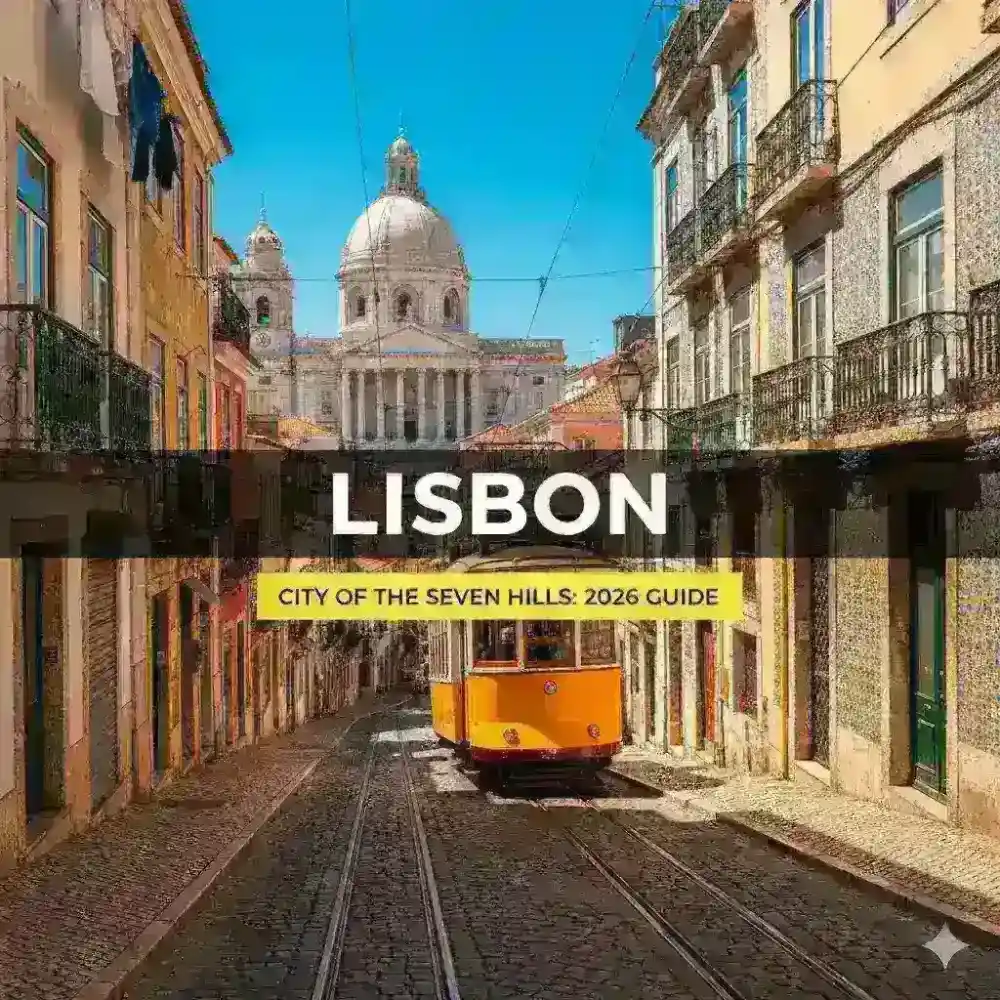
LISBON: EXPLORING THE CITY OF THE SEVEN HILLS
Lisbon stands as one of Europe's most enchanting capitals, a city of light, color, and soul that cascades dramatically down seven historic hills to meet the Tagus River and the Atlantic Ocean beyond. Known as the "City of Seven Hills" (Cidade das Sete Colinas), Lisbon offers travelers an unforgettable journey through winding cobblestone streets, colorful traditional buildings, panoramic viewpoints, and a rich maritime heritage that shaped the Age of Discoveries. In 2026, as international travelers seek destinations that combine authentic culture, stunning landscapes, historic charm, and exceptional value, Lisbon continues to captivate with its unique blend of old-world character and contemporary energy.
This comprehensive guide invites you to explore Lisbon with deeper understanding and greater appreciation. We will journey through the city's historic neighborhoods, discover iconic landmarks and hidden gems, experience traditional Fado music and world-class cuisine, navigate the famous hills and trams with confidence, and provide practical information for visiting in 2026. Whether you are a history enthusiast drawn by Portugal's maritime legacy, a culture lover seeking authentic Fado and azulejo artistry, a foodie inspired by pastéis de nata and fresh Atlantic seafood, a photography enthusiast chasing golden light on colorful facades, or simply a curious traveler inspired by Lisbon's legendary warmth, this guide will help you prepare for an unforgettable encounter with this remarkable hillside city.
Understanding Lisbon requires more than visiting famous landmarks; it demands engaging with the complex tapestry of cultures, histories, and traditions that have shaped this Atlantic capital. By approaching Lisbon with curiosity and respect, you will discover not just spectacular sights but a living dialogue between tradition and modernity, between maritime heritage and contemporary innovation, between local identity and European connection.
THE SEVEN HILLS: NAVIGATING LISBON'S UNIQUE TOPOGRAPHY
Lisbon's famous seven hills are not just a poetic description—they define the city's character, charm, and navigation. Understanding these hills helps you plan your exploration and appreciate Lisbon's unique urban landscape.
The Historic Seven Hills:
While the exact list has varied over centuries, the traditional seven hills of Lisbon are:
1. São Jorge (Castle Hill):
- Location: Highest point in historic center, home to São Jorge Castle
- Character: Medieval atmosphere, narrow streets, panoramic views
- Highlights: Castle, Alfama district, Miradouro de Santa Luzia
- Navigation: Steep climbs; use Elevador de Santa Justa or Tram 28 to reduce walking
2. Sant'Ana:
- Location: Northwest of São Jorge, near Bairro Alto
- Character: Residential neighborhood with local atmosphere
- Highlights: Traditional shops, local restaurants, authentic Lisbon life
- Navigation: Moderate hills; walkable from Chiado and Bairro Alto
3. Santo André:
- Location: Eastern hill, bordering Alfama and Graça
- Character: Mix of historic and residential areas
- Highlights: Graça neighborhood, Miradouro da Graça, local markets
- Navigation: Steep in parts; Tram 28 provides access
4. São Vicente:
- Location: Eastern hill near Alfama and Santa Apolónia
- Character: Historic churches, traditional architecture
- Highlights: São Vicente de Fora Church, National Pantheon
- Navigation: Moderate hills; accessible by tram and bus
5. Chagas (or Santa Catarina):
- Location: Western hill overlooking Tagus River
- Character: Trendy neighborhood with river views
- Highlights: Miradouro de Santa Catarina, Bairro Alto nightlife
- Navigation: Moderate to steep; funiculars and elevators help
6. Santa Catarina:
- Location: Adjacent to Chagas, near Cais do Sodré
- Character: Vibrant area with bars, restaurants, river access
- Highlights: Pink Street nightlife, Time Out Market, riverfront walks
- Navigation: Relatively flat near river; hills increase inland
7. Castelo (sometimes combined with São Jorge):
- Location: Castle hill area, overlapping with São Jorge
- Character: Medieval core, tourist-friendly, panoramic
- Highlights: Castle, Alfama, Fado houses, viewpoints
- Navigation: Very steep; use public transport or allow extra time
Practical Hill Navigation Tips:
Footwear is Essential:
- Wear comfortable, sturdy shoes with good grip for cobblestone streets
- Avoid heels or smooth-soled shoes; hills and stones can be slippery
- Consider shoes with ankle support for steep descents
Use Public Transport Strategically:
- Tram 28: Historic route connecting multiple hills; scenic but crowded
- Elevators and Funiculars: Elevador de Santa Justa, Ascensor da Glória, Ascensor da Bica help conquer steep hills
- Metro: Efficient for longer distances; stations often at hill bases
- Walking Strategy: Plan routes that go downhill when possible; save energy for uphill returns
Pace Yourself:
- Lisbon's hills are demanding; don't try to see everything in one day
- Build in rest stops at miradouros (viewpoints) for breaks and photos
- Stay hydrated, especially in summer; carry water bottle
ALFAMA: LISBON'S OLDEST AND MOST AUTHENTIC NEIGHBORHOOD
Alfama, Lisbon's oldest district, is a labyrinth of narrow cobblestone streets, traditional houses, and soulful Fado music that captures the city's timeless character.
Exploring Alfama:
Wandering the Streets:
- Get delightfully lost: Alfama's maze-like layout is part of its charm; allow time to explore without a strict itinerary
- Admire traditional architecture: Whitewashed houses, colorful facades, laundry hanging between buildings, and iconic azulejo (tile) decorations
- Listen for Fado: The melancholic strains of Portugal's traditional music echo through alleyways, especially in the evening
Key Landmarks in Alfama:
São Jorge Castle (Castelo de São Jorge):
- History: Moorish fortress dating to the 11th century; later royal residence
- Views: Panoramic vistas of Lisbon, Tagus River, and 25 de Abril Bridge
- Experience: Walk ancient ramparts, explore archaeological site, watch peacocks in gardens
- Practical Tips:
- Tickets: Approximately €15-20; purchase online to skip queues
- Timing: Arrive at opening (9 AM) or late afternoon for fewer crowds and best light
- Duration: Allow 2-3 hours for castle, gardens, and views
- Footwear: Uneven surfaces; wear sturdy shoes
Lisbon Cathedral (Sé de Lisboa):
- History: Romanesque cathedral built in 12th century on site of former mosque
- Architecture: Fortress-like exterior, cloister with archaeological exhibits
- Visiting: Free entry to main church; small fee for cloister and treasury
- Tip: Climb cathedral roof for unique city views (seasonal availability)
Miradouros (Viewpoints) of Alfama:
- Miradouro de Santa Luzia: Iconic viewpoint with azulejo panels, bougainvillea, and Tagus views; perfect for sunset photos
- Miradouro das Portas do Sol: Adjacent to Santa Luzia; café terrace with panoramic views
- Miradouro de Santa Catarina: Slightly west of Alfama; popular with locals for sunset drinks
Fado Experience in Alfama:
Understanding Fado:
- Origin: Traditional Portuguese music expressing saudade (longing, melancholy)
- Style: Solo vocalist accompanied by Portuguese guitar; themes of love, loss, and the sea
- Venues: Intimate restaurants and clubs in Alfama; reservations essential
Choosing a Fado Venue:
- Authentic vs. Tourist: Look for venues where locals attend; ask hotel staff for recommendations
- Dinner Shows: Most Fado venues require dinner reservation; prices €30-60+ including meal
- Standalone Performances: Some venues offer Fado-only tickets; more affordable option
- Etiquette: Arrive on time; remain quiet during performances; applause after each song
Recommended Alfama Fado Venues:
- Clube de Fado: Intimate setting, respected performers, traditional atmosphere
- Mesa de Frades: Historic venue with authentic decor and excellent acoustics
- A Baiuca: Small, local favorite; cash only, no reservations, arrive early
Practical Alfama Tips:
- Visit Early Morning: Fewer crowds, better light for photography, peaceful atmosphere
- Wear Comfortable Shoes: Steep, cobblestone streets require sturdy footwear
- Learn Basic Portuguese: "Bom dia" (good morning), "Obrigado/a" (thank you) appreciated by locals
- Respect Residential Areas: Alfama is a living neighborhood; keep noise down, especially evenings
BAIXA AND CHIADO: THE HEART OF MODERN LISBON
Baixa (downtown) and Chiado represent Lisbon's elegant, reconstructed heart—a grid of grand squares, neoclassical architecture, and vibrant street life that emerged after the 1755 earthquake.
Baixa: Pombaline Lisbon
Historical Context:
- 1755 Earthquake: Devastating earthquake, tsunami, and fire destroyed much of Lisbon
- Pombaline Reconstruction: Prime Minister Marquês de Pombal rebuilt Baixa with earthquake-resistant "Pombaline" architecture
- Grid Layout: Rational street grid, wide avenues, uniform building heights—revolutionary for 18th century
Key Squares and Streets:
- Praça do Comércio (Terreiro do Paço): Grand riverside square with triumphal arch, yellow buildings, and Tagus views
- Rua Augusta: Pedestrian shopping street connecting Praça do Comércio to Rossio; street performers, shops, cafes
- Rossio Square (Praça de Dom Pedro IV): Heart of Baixa with wave-pattern cobblestones, National Theatre, and bustling atmosphere
- Praça da Figueira: Market square with food vendors, flower stalls, and local life
Shopping and Dining in Baixa:
- Traditional Shops: Look for historic shops selling gloves, hats, books, and traditional goods
- Modern Retail: International brands, Portuguese designers, and local crafts
- Dining: Mix of traditional tascas (taverns), upscale restaurants, and casual cafes
- Tip: Avoid restaurants with touts on Rua Augusta; venture side streets for authentic options
Chiado: Elegant Cultural Quarter
Character and Atmosphere:
- Literary Heritage: Historic cafés frequented by poets and writers; intellectual atmosphere
- Elegant Architecture: Neoclassical and Art Nouveau buildings, upscale boutiques, cultural venues
- Contemporary Energy: Mix of traditional shops, modern galleries, and vibrant street life
Must-Visit Chiado Landmarks:
- Bertrand Bookstore: World's oldest operating bookstore (since 1732); literary history and charming atmosphere
- Café A Brasileira: Historic café with bronze statue of poet Fernando Pessoa; perfect for coffee and people-watching
- Convento do Carmo: Gothic church ruins destroyed in 1755 earthquake; now atmospheric archaeological museum
- São Carlos Theatre: Elegant 18th-century opera house; check schedule for performances
Shopping and Culture in Chiado:
- Boutique Shopping: Portuguese designers, artisan crafts, bookstores, and specialty shops
- Art Galleries: Contemporary and traditional Portuguese art in intimate gallery settings
- Cultural Venues: Theatres, cinemas, and cultural centers hosting performances and exhibitions
Practical Baixa/Chiado Tips:
- Walking Tour: Start at Praça do Comércio, walk Rua Augusta to Rossio, explore Chiado's side streets
- Elevador de Santa Justa: Historic iron elevator connecting Baixa to Bairro Alto; scenic but often crowded; consider walking up for exercise and views
- Metro Access: Baixa-Chiado station connects multiple metro lines; convenient hub for city exploration
BELEM: WHERE PORTUGAL'S AGE OF DISCOVERIES BEGAN
Belém, located west of central Lisbon along the Tagus River, is the historic departure point for Portugal's great explorers and home to iconic monuments celebrating the Age of Discoveries.
Iconic Belém Landmarks:
Belém Tower (Torre de Belém):
- History: 16th-century fortified tower that guarded Lisbon's harbor; UNESCO World Heritage Site
- Architecture: Manueline style with maritime motifs, ornate stonework, and river views
- Visiting:
- Tickets: Approximately €6-8; combined ticket with Jerónimos Monastery available
- Timing: Arrive early (10 AM opening) to avoid crowds; exterior photos best in morning light
- Experience: Climb narrow stairs to battlements; appreciate river views and architectural details
- Duration: Allow 45-60 minutes for tower visit
Jerónimos Monastery (Mosteiro dos Jerónimos):
- History: Magnificent 16th-century monastery built to commemorate Vasco da Gama's voyage to India; UNESCO World Heritage Site
- Architecture: Masterpiece of Manueline style with intricate stone carvings, cloisters, and church
- Highlights:
- Church Interior: Tomb of Vasco da Gama, ornate chapels, and soaring vaulted ceilings
- Cloisters: Two-story arcaded courtyard with exquisite stone carvings and peaceful atmosphere
- Maritime Museum: Adjacent museum showcasing Portugal's naval history (separate ticket)
- Visiting Tips:
- Tickets: Approximately €10-12; purchase online to skip queues
- Timing: Visit early morning or late afternoon for best light and fewer crowds
- Dress Code: Modest attire required (cover shoulders and knees)
- Duration: Allow 1.5-2 hours for monastery and cloisters
Monument to the Discoveries (Padrão dos Descobrimentos):
- History: Modern monument (1960) honoring Portuguese explorers, navigators, and figures of the Age of Discoveries
- Design: Ship-shaped structure with statues of Henry the Navigator, Vasco da Gama, and other historical figures
- Experience:
- Exterior: Walk around monument, appreciate statues and river views
- Interior: Small exhibition on Portuguese exploration (optional)
- Top Platform: Elevator to top for panoramic views of Belém and Tagus River (small additional fee)
- Practical Tips:
- Tickets: Monument exterior free; interior exhibition and top platform small fee
- Timing: Sunset visits offer spectacular lighting and river views
- Duration: 30-45 minutes for exterior; add 20 minutes for interior and top
Pastéis de Belém: The Original Custard Tarts
The Legendary Bakery:
- History: Family-run bakery since 1837; original recipe for Portugal's famous pastéis de nata (custard tarts)
- Location: Rua de Belém, near Jerónimos Monastery; always busy but worth the wait
- Experience:
- The Tarts: Warm, flaky pastry with caramelized custard; best enjoyed fresh with cinnamon and powdered sugar
- Atmosphere: Bustling bakery with traditional tiles, marble tables, and efficient service
- Ordering: Counter service; point to display or say "dois pastéis de nata, por favor" (two custard tarts, please)
- Practical Tips:
- Timing: Visit early morning or late afternoon to avoid longest queues
- Quantity: Tarts are small; order multiple to share or enjoy with coffee
- Takeaway: Tarts travel well; buy extra for later or as gifts
- Price: Very affordable (approximately €1.20-1.50 per tart)
Other Belém Attractions:
Belém Cultural Center (CCB):
- Modern Arts Complex: Contemporary art exhibitions, concerts, and cultural events
- Architecture: Striking modern design contrasting with historic Belém monuments
- Visiting: Check current exhibitions; many free or low-cost events
Belém Gardens and Riverfront:
- Jardim da Praça do Império: Formal gardens with fountains, perfect for relaxation and photos
- Tagus River Promenade: Scenic walkway along river; popular for jogging, cycling, and sunset views
- Bike Rentals: Explore Belém and riverfront by bike; rental shops near Belém Tower
Practical Belém Tips:
- Transportation: Tram 15E or bus 728 from city center; approximately 20-30 minutes
- Combined Ticket: Consider Belém monument pass for savings on multiple attractions
- Walking Route: Start at Belém Tower, walk to Monument to Discoveries, visit Pastéis de Belém, end at Jerónimos Monastery
- Timing: Allow half-day (3-4 hours) for comprehensive Belém exploration
BAIRRO ALTO AND MADRAGOA: NIGHTLIFE, VIEWS, AND LOCAL LIFE
West of Chiado, Bairro Alto and Madragoa offer vibrant nightlife, panoramic viewpoints, and authentic Lisbon neighborhood atmosphere.
Bairro Alto: Bohemian Heart of Lisbon
Character and Atmosphere:
- Historic Neighborhood: Traditional buildings, narrow streets, and local character
- Nightlife Hub: Transforms after dark with bars, Fado houses, and lively street atmosphere
- Daytime Charm: Quiet residential streets, traditional shops, and local cafes
Bairro Alto Highlights:
- Miradouro de São Pedro de Alcântara: Panoramic viewpoint with gardens, café, and views of São Jorge Castle and downtown
- Traditional Shops: Look for old-fashioned shops selling gloves, hats, books, and traditional goods
- Street Art: Vibrant murals and graffiti adding contemporary energy to historic streets
- Fado Venues: Intimate Fado houses offering authentic performances in neighborhood setting
Nightlife in Bairro Alto:
- Bar Scene: Hundreds of small bars in narrow streets; casual, affordable, and social atmosphere
- Music: Mix of traditional Portuguese music, international hits, and live performances
- Crowd: Diverse mix of locals, students, and visitors; lively but generally safe
- Practical Tips:
- Timing: Bars open late (10 PM+); street atmosphere builds after midnight
- Drinks: Affordable beers and wines; try local varieties like Vinho Verde
- Safety: Generally safe; stay aware of belongings in crowded areas
Madragoa: Authentic Local Neighborhood
Character and Atmosphere:
- Residential Charm: Traditional Lisbon neighborhood with local markets, family-run shops, and authentic atmosphere
- Riverside Location: Near Cais do Sodré and Tagus River; convenient for transportation
- Emerging Appeal: Increasingly popular with visitors seeking authentic Lisbon experience
Madragoa Highlights:
- Local Markets: Traditional markets with fresh produce, fish, and local specialties
- Traditional Tascas: Authentic taverns serving Portuguese comfort food at local prices
- Riverside Walks: Scenic paths along Tagus River; perfect for sunset strolls
- Local Life: Observe daily Lisbon life away from tourist crowds
Practical Bairro Alto/Madragoa Tips:
- Day vs. Night: Visit Bairro Alto during day for peaceful exploration; return evening for nightlife
- Footwear: Cobblestone streets require comfortable shoes; avoid heels
- Dining: Try traditional Portuguese dishes at local tascas; ask staff for recommendations
- Transportation: Metro Baixa-Chiado or Cais do Sodré; buses and trams connect to other neighborhoods
MIRADOUROS: LISBON'S BEST VIEWPOINTS
Lisbon's hills offer spectacular panoramic viewpoints (miradouros) that showcase the city's beauty, architecture, and river setting. These viewpoints are essential for photography, relaxation, and appreciating Lisbon's unique landscape.
Top Miradouros in Lisbon:
Miradouro de Santa Luzia (Alfama):
- Views: Alfama district, Tagus River, São Jorge Castle, and traditional boats
- Features: Iconic azulejo panels, bougainvillea-covered pergolas, and café terrace
- Best Time: Sunset for golden light on Alfama's rooftops; early morning for peaceful atmosphere
- Accessibility: Easy access from Tram 28 stop; short walk from Sé Cathedral
Miradouro das Portas do Sol (Alfama):
- Views: Adjacent to Santa Luzia; panoramic views of Alfama, river, and 25 de Abril Bridge
- Features: Café terrace, outdoor seating, and photo opportunities
- Best Time: Sunset for dramatic lighting; weekday mornings for fewer crowds
- Tip: Combine with Santa Luzia visit; viewpoints are adjacent
Miradouro da Graça (Graça neighborhood):
- Views: Panoramic vista of Lisbon, São Jorge Castle, Tagus River, and Atlantic horizon
- Features: Large terrace, café, and local atmosphere; popular with residents
- Best Time: Sunset for spectacular views; weekday evenings for authentic local experience
- Access: Tram 28 or bus to Graça; short walk from tram stop
Miradouro de Santa Catarina (Bairro Alto):
- Views: Tagus River, 25 de Abril Bridge, and Cais do Sodré neighborhood
- Features: Popular with young locals; casual atmosphere with street performers and musicians
- Best Time: Sunset and early evening for vibrant atmosphere; weekday afternoons for relaxed experience
- Access: Walk from Cais do Sodré or Bairro Alto; moderate uphill walk
Miradouro do Castelo (near São Jorge Castle):
- Views: Close-up views of castle walls, Alfama rooftops, and river beyond
- Features: Less crowded than castle viewpoint; free access without castle ticket
- Best Time: Morning light for castle photos; late afternoon for warm tones on buildings
- Access: Short walk from castle entrance; follow signs for "Miradouro"
Miradouro de São Pedro de Alcântara (Bairro Alto):
- Views: Downtown Lisbon, São Jorge Castle, and Tagus River
- Features: Formal gardens, azulejo map of Lisbon, and café terrace
- Best Time: Late afternoon for golden light on downtown; weekday mornings for peaceful experience
- Access: Elevador da Glória funicular from Baixa; short walk from Bairro Alto
Photography Tips for Miradouros:
- Golden Hour: Sunrise and sunset provide warm, directional light ideal for cityscape photography
- Wide-Angle Lens: Captures expansive views; essential for panoramic cityscapes
- Tripod Considerations: Some viewpoints crowded; handheld often more practical
- Composition: Include foreground elements (tiles, gardens, people) for depth and context
- Weather: Clear days offer best visibility; misty mornings can create atmospheric shots
Practical Miradouro Tips:
- Footwear: Comfortable shoes essential; viewpoints often involve stairs and uneven surfaces
- Timing: Visit popular viewpoints early morning or late afternoon to avoid crowds
- Facilities: Some viewpoints have cafés and restrooms; others are basic; plan accordingly
- Safety: Viewpoints generally safe; stay aware of belongings in crowded areas
TRAM 28 AND LISBON'S UNIQUE TRANSPORTATION
Lisbon's historic trams, funiculars, and elevators are both practical transportation and charming attractions that help navigate the city's famous hills.
Tram 28: The Iconic Yellow Tram
Route and Experience:
- Historic Route: Winds through Alfama, Baixa, Chiado, Graça, and Estrela neighborhoods
- Scenic Highlights: Narrow cobblestone streets, historic architecture, panoramic viewpoints
- Tram Type: Vintage Remodelado trams (wooden interiors, classic charm) or modern trams (more comfortable)
Practical Tram 28 Tips:
- Boarding Strategy:
- Start at Martim Moniz or Campo de Ourique: Avoid longest queues at tourist-heavy stops
- Travel Off-Peak: Mid-morning (10 AM-12 PM) or early afternoon (2-4 PM) for more comfortable experience
- Weekday vs. Weekend: Weekdays generally less crowded than weekends
- Ticketing:
- Viva Viagem Card: Rechargeable card for all public transport; purchase at metro stations or kiosks
- Single Ticket: Approximately €3.00 on tram; more expensive than card
- Day Pass: Approximately €6.50 for unlimited travel on trams, metro, and buses
- Onboard Experience:
- Hold On: Tram rides can be bumpy on cobblestone streets; hold handrails securely
- Pickpockets: Be aware of belongings in crowded trams; keep bags closed and in front
- Photography: Windows offer great photo opportunities; be respectful of other passengers
Other Historic Transport:
Elevador de Santa Justa:
- Description: Historic iron elevator connecting Baixa to Bairro Alto; Neo-Gothic design by Gustave Eiffel's apprentice
- Experience: Scenic ride with panoramic views from top platform; small café at summit
- Practical Tips:
- Tickets: Approximately €5.50 one-way; purchase at base or with Viva Viagem card
- Crowds: Often long queues; consider walking up (steep but scenic) or using alternative routes
- Views: Top platform offers excellent city views; allow time for photos
Ascensor da Glória and Ascensor da Bica:
- Description: Historic funiculars connecting Baixa to Bairro Alto; colorful cars on steep tracks
- Experience: Charming short rides with local atmosphere; great for photos
- Practical Tips:
- Tickets: Same Viva Viagem card or single ticket (approximately €3.00)
- Timing: Less crowded than Santa Justa elevator; good alternative for hill navigation
- Photography: Colorful trams against Lisbon backdrop make iconic photos
Metro and Modern Transportation:
- Metro Network: Four lines (blue, yellow, green, red) connecting major districts and airport
- Efficiency: Fast, clean, and reliable; ideal for longer distances or avoiding hills
- Tickets: Same Viva Viagem card works for metro, trams, and buses
- Navigation: Metro maps in English; stations clearly signed
Walking Lisbon:
- Feasibility: Many central neighborhoods walkable; hills require planning and good footwear
- Strategy: Plan routes that go downhill when possible; use public transport for uphill returns
- Footwear: Essential—comfortable, sturdy shoes with good grip for cobblestone streets
PORTUGUESE CUISINE IN LISBON: SEAFOOD, PASTRIES, AND TRADITIONAL FLAVORS
Lisbon's culinary scene reflects Portugal's maritime heritage, agricultural traditions, and cultural influences, offering travelers a delicious journey through fresh Atlantic ingredients and time-honored recipes.
Must-Try Lisbon Dishes:
Seafood Specialties:
- Bacalhau (Salt Cod): Portugal's national dish, prepared in hundreds of ways; try bacalhau à brás (shredded cod with eggs, potatoes, and onions) or bacalhau com natas (cod with cream)
- Amêijoas à Bulhão Pato: Clams steamed with garlic, cilantro, white wine, and olive oil; perfect with crusty bread
- Grilled Sardines: Simple, fresh, and delicious; especially popular during summer festivals (June)
- Arroz de Marisco: Creamy seafood rice similar to paella but with Portuguese flavors and saffron
Traditional Main Courses:
- Cozido à Portuguesa: Hearty stew with various meats, sausages, vegetables, and beans; comfort food at its best
- Bifana: Marinated pork sandwich on crusty roll; simple, flavorful, and ubiquitous
- Francesinha: Porto's iconic sandwich (also available in Lisbon) with layers of meat, cheese, and spicy beer sauce; indulgent and satisfying
- Leitão Assado: Suckling pig roasted to crispy perfection; specialty of central Portugal, available in Lisbon restaurants
Soups and Starters:
- Caldo Verde: Classic kale and potato soup with chorizo; simple, comforting, and found everywhere
- Pastéis de Nata: Iconic custard tarts with crispy pastry and caramelized tops; best enjoyed warm with cinnamon and powdered sugar
- Queijo da Serra: Creamy sheep's cheese from Serra da Estrela; pair with quince paste (marmelada) and bread
Where to Eat in Lisbon:
Traditional Tascas (Taverns):
- Character: Small, family-run establishments serving authentic Portuguese home cooking at local prices
- Atmosphere: Casual, lively, and welcoming; often with daily specials (prato do dia)
- Recommendations:
- Tasca do Chico (Bairro Alto/Alfama): Traditional atmosphere, live Fado some evenings
- Cervejaria Ramiro (near Marquês de Pombal): Famous for seafood, especially crab and shrimp; expect queues
- A Cevicheria (Príncipe Real): Creative takes on Portuguese and Peruvian ceviche; trendy but authentic
Upscale Dining:
- Character: Refined Portuguese cuisine with contemporary presentation; reservations essential
- Atmosphere: Elegant settings, attentive service, and wine pairings
- Recommendations:
- Belcanto (Chiado): Two Michelin stars; innovative Portuguese cuisine by chef José Avillez
- Alma (Chiado): Michelin-starred contemporary Portuguese with seasonal ingredients
- Feitoria (Belém): Michelin-starred restaurant with Tagus views and creative tasting menus
Casual and Street Food:
- Character: Quick, affordable, and delicious options perfect for exploring the city
- Options:
- Pastéis de Belém: Original custard tarts (see Belém section)
- Time Out Market (Cais do Sodré): Food hall featuring top Lisbon chefs and traditional dishes; great for sampling multiple options
- Street Markets: Feira da Ladra (Tuesday/Saturday) and other markets offer local snacks and specialties
Wine and Beverages:
Portuguese Wines:
- Vinho Verde: Light, slightly sparkling white wine from northern Portugal; perfect for seafood and summer
- Lisbon Region Wines: Colares, Bucelas, and Carcavelos offer unique local varieties
- Douro Reds: Full-bodied reds from Douro Valley; excellent value and quality
- Port Wine: Fortified wine from Douro Valley; enjoy as aperitif or with dessert
Other Beverages:
- Ginjinha: Cherry liqueur, especially popular in Óbidos and Lisbon; often served in chocolate cups at A Ginjinha bar near Rossio
- Portuguese Coffee: Strong espresso-style coffee; try bica (Lisbon term) or cimbalino (Porto term)
- Super Bock and Sagres: Portugal's popular local beers; refreshing with seafood and petiscos (tapas)
Dining Culture and Etiquette:
Meal Times:
- Lunch (Almoço): Main meal of day, typically 12:30-2:30 PM; many restaurants offer fixed-price menus (prato do dia) with excellent value
- Dinner (Jantar): Lighter than lunch, typically 7:30-10:00 PM; reservations recommended for popular restaurants
- Petiscos: Portuguese tapas; perfect for sharing and sampling multiple dishes
Tipping and Service:
- Tipping: Not obligatory but appreciated; round up or leave 5-10% for good service
- Service Charge: Some restaurants include service charge; check bill before adding tip
- Water: Bottled water typically charged; ask for "água da torneira" (tap water) if preferred; tap water safe to drink
PRACTICAL VISITOR INFORMATION FOR LISBON IN 2026
Planning a visit to Lisbon requires consideration of logistics, timing, and cultural norms. This section provides essential information for traveling responsibly in Lisbon in 2026.
Best Times to Visit Lisbon:
Lisbon has a Mediterranean climate with mild, rainy winters and warm, dry summers. Timing significantly impacts your experience:
Spring (April-May):
- Weather: Mild temperatures (15-22°C / 59-72°F), blooming flowers, occasional rain
- Pros: Ideal for sightseeing; fewer crowds than summer; beautiful light for photography
- Cons: Unpredictable rain; some outdoor cafes may not be fully operational early in season
- Ideal For: First-time visitors, photography enthusiasts, cultural exploration
Summer (June-August):
- Weather: Warm to hot (25-30°C / 77-86°F), dry, occasional heat waves
- Pros: Long daylight hours; all attractions and outdoor venues fully operational; vibrant street life
- Cons: Crowded at major sites; higher accommodation prices; can be uncomfortably hot for extensive hill walking
- Ideal For: Beach trips (nearby Cascais), evening activities, travelers who don't mind crowds
Autumn (September-October):
- Weather: Pleasant temperatures (18-24°C / 64-75°F), clear skies, occasional rain later in season
- Pros: Ideal sightseeing weather; fewer crowds than summer; excellent for photography; cultural events
- Cons: Daylight hours decreasing; occasional rain in late October
- Ideal For: All travelers; particularly good for photography and cultural experiences
Winter (November-March):
- Weather: Cool to mild (10-15°C / 50-59°F), occasional rain, rare frost
- Pros: Fewest tourists; lowest accommodation prices; authentic local atmosphere; cozy Fado evenings
- Cons: Shorter daylight hours; some outdoor attractions limited; rain gear essential
- Ideal For: Budget travelers, photography enthusiasts (dramatic winter light), travelers seeking authentic local experience
Getting to and Around Lisbon:
Arrival in Lisbon:
- Airport: Lisbon Portela Airport (LIS) located 7 km from city center; 15-20 minutes by taxi/Uber, 20 minutes by metro
- Metro from Airport: Red line connects airport to city center; purchase Viva Viagem card at airport station
- Taxi/Uber: Readily available at airport; fixed fare to city center approximately €15-20
- Aerobus: Shuttle bus connecting airport to city center and major hotels; approximately €4-6
Public Transportation in Lisbon:
- Viva Viagem Card: Rechargeable card for metro, trams, buses, and funiculars; purchase at metro stations, kiosks, or tobacco shops
- Metro: Four lines (blue, yellow, green, red) connecting major districts; clean, efficient, English-friendly
- Trams and Buses: Historic trams (like Tram 28) and modern buses cover city; same Viva Viagem card works for all
- Ride-Hailing: Uber, Bolt, and Free Now widely available; often more convenient than taxis for tourists
Walking Lisbon:
- Feasibility: Many central neighborhoods walkable; hills require planning and good footwear
- Strategy: Plan routes that go downhill when possible; use public transport for uphill returns
- Footwear: Essential—comfortable, sturdy shoes with good grip for cobblestone streets and steep hills
Accommodation by Neighborhood:
Choosing the right base significantly impacts your Lisbon experience:
Alfama:
- Pros: Historic atmosphere, authentic Fado venues, walking distance to castle and Sé Cathedral
- Cons: Steep hills, narrow streets challenging for luggage, can be noisy at night with Fado venues
- Best For: First-time visitors, history enthusiasts, travelers seeking authentic atmosphere
- Price Range: €60-150+ per night
Baixa/Chiado:
- Pros: Central location, flat terrain, excellent shopping and dining, metro access
- Cons: Can be touristy, higher prices, less neighborhood character than Alfama or Bairro Alto
- Best For: First-time visitors, shoppers, travelers prioritizing convenience
- Price Range: €70-200+ per night
Bairro Alto/Madragoa:
- Pros: Vibrant nightlife, local atmosphere, good dining options, hilltop views
- Cons: Can be noisy at night, hills require good footwear, less central than Baixa
- Best For: Nightlife enthusiasts, foodies, travelers seeking local experience
- Price Range: €50-150+ per night
Belém:
- Pros: Close to major monuments (Belém Tower, Jerónimos Monastery), riverside location, quieter than center
- Cons: Further from central attractions, limited evening dining/nightlife, requires tram/bus to center
- Best For: History enthusiasts, travelers prioritizing Belém monuments, those seeking quieter base
- Price Range: €60-180+ per night
Budgeting for Lisbon:
Lisbon offers excellent value compared to many Western European capitals:
Daily Budget Estimates:
- Budget Travelers: €40-70 per day for hostels/budget hotels, casual dining, public transportation, free/low-cost attractions
- Mid-Range Travelers: €70-150 per day for boutique hotels, restaurant meals, guided tours, regional day trips
- Luxury Travelers: €150+ per day for five-star hotels, fine dining, private guides, premium experiences
Money-Saving Tips:
- Lisbon Card: Offers discounted entry to multiple attractions and free public transport; calculate if worthwhile for your itinerary
- Eat Like a Local: Lunch menus (prato do dia) offer excellent value; avoid tourist-trap restaurants near major attractions
- Public Transportation: Use Viva Viagem card for discounted fares; walking is free and rewarding
- Free Attractions: Many churches, viewpoints, and neighborhoods offer rich experiences at no cost
- Off-Peak Travel: Visit shoulder seasons (April-May, September-October) for lower prices and fewer crowds
Currency and Payments:
Euro (EUR):
- Currency Code: EUR; symbol: €
- Exchange: Exchange currency at banks or official exchange offices; avoid street exchanges
- ATMs: Widely available; notify your bank of travel plans to avoid card blocks
- Credit Cards: Widely accepted in cities and tourist areas; carry cash for markets, small vendors, and rural areas
Tipping Customs:
- Restaurants: 5-10% if service charge not included; round up or leave small change for casual meals
- Hotels: €1-2 per night for housekeeping; €2-5 for porters
- Guides and Drivers: 10% of tour cost for exceptional service
- Taxis: Round up fare or add 5-10% for good service; not mandatory but appreciated
Health and Safety:
Health Considerations:
- Vaccinations: Routine vaccines should be current; no specific vaccinations required for Portugal from most countries
- Healthcare: High-quality medical facilities available in Lisbon; travel insurance with medical coverage is recommended
- Food and Water: Tap water is safe to drink in Lisbon; food hygiene standards generally high in tourist areas
- Sun Protection: Portugal has strong sun, especially in summer; use high-SPF sunscreen and protective clothing
Safety Tips:
- General Safety: Lisbon is one of Europe's safest cities; exercise standard precautions as in any international destination
- Pickpockets: Be aware of pickpockets in crowded tourist areas, Tram 28, and major attractions; keep bags closed and in front
- Scams: Rare but be cautious of overly friendly strangers offering deals that seem too good to be true
- Emergency Numbers: 112 for all emergencies (police, ambulance, fire); English-speaking operators available
Cultural Etiquette:
Portugal is a predominantly Catholic country with warm, hospitable culture; cultural sensitivity enhances your experience:
Greetings and Social Interaction:
- Greetings: Handshakes common; close friends may kiss on cheeks (twice, starting with right); follow local lead
- Politeness: "Por favor" (please) and "Obrigado/a" (thank you) go a long way; Portuguese appreciate polite interaction
- Personal Space: Respectful distance in conversations; avoid overly familiar behavior with strangers
Dining and Social Customs:
- Meal Times: Lunch is main meal; dinner typically later than in northern Europe (8-10 PM)
- Wine Culture: Wine is integral to meals; ask for recommendations; moderate consumption appreciated
- Tipping: Not obligatory but appreciated for good service; round up or leave small percentage
Religious and Cultural Sensitivity:
- Churches: Dress modestly when visiting religious sites; cover shoulders and knees
- Photography: Ask permission before photographing people, especially in residential areas and religious settings
- Fado Music: Show respect during Fado performances; avoid talking or moving during performances
SUSTAINABLE AND RESPONSIBLE TOURISM IN LISBON
Visiting Lisbon carries responsibility to protect its cultural heritage and urban environment. In 2026, sustainable tourism practices enhance the experience for all.
Protecting Cultural Heritage:
Lisbon's historic sites face challenges from visitor pressure and environmental factors:
How You Can Help:
- Follow Guidelines: Respect posted rules regarding photography, touching, and access at historic sites and churches
- Stay on Designated Paths: Protect archaeological contexts and prevent erosion at ancient sites
- Support Conservation: Choose tour operators and attractions that contribute to preservation efforts
- Report Concerns: Notify site staff if you observe damage or inappropriate behavior
Supporting Local Communities:
Tourism can be a powerful force for economic development when benefits reach local people:
Ways to Support:
- Choose Local: Stay in locally-owned accommodations, eat at family-run restaurants, purchase crafts directly from artisans
- Fair Compensation: Tip appropriately for services; tips are an important part of income for many workers in hospitality and tourism
- Cultural Exchange: Engage respectfully with local people; learn about their lives and perspectives
- Language Effort: Learning basic Portuguese phrases (Bom dia = Good morning, Obrigado/a = Thank you, Por favor = Please) is greatly appreciated
Minimizing Environmental Impact:
Lisbon faces environmental challenges including urban density, water management, and coastal preservation:
Reduce Your Footprint:
- Water Conservation: Portugal has faced drought conditions; reuse towels in hotels, take shorter showers, report leaks
- Waste Reduction: Carry reusable water bottles and shopping bags; participate in recycling programs where available
- Marine Protection: When enjoying coastal activities, respect marine environments; avoid touching coral or disturbing wildlife
- Transportation: Use public transportation, walking, or cycling when possible to reduce carbon emissions; Tram 28 is charming but crowded—consider walking or metro for some routes
Engaging with Cultural Heritage Respectfully:
Lisbon's heritage belongs to the Portuguese people and to humanity:
Respectful Engagement:
- Learn First: Understand the history and significance of sites before visiting; knowledge deepens appreciation and respect
- Listen to Local Voices: Prioritize Portuguese guides, scholars, and businesses that interpret their own heritage and culture
- Avoid Exploitation: Be wary of activities that exploit cultural traditions or vulnerable communities
- Share Responsibly: When sharing experiences on social media, promote accurate information and cultural respect
CONCLUSION: LISBON'S TIMELESS CHARM AND HILLTOP MAGIC
Lisbon offers an extraordinary journey through light, color, and soul—a city where Atlantic breezes carry the echoes of maritime explorers, where Fado music expresses the Portuguese heart, and where every cobblestone street tells a story of resilience and beauty. The City of Seven Hills invites travelers to slow down, climb with purpose, and savor moments of connection with a culture that values hospitality, heritage, and the simple pleasures of life.
In 2026, as travelers seek meaningful connections to history, culture, and community, Lisbon stands ready to welcome you with legendary warmth, breathtaking viewpoints, and endless opportunities for discovery. Whether you ride Tram 28 through Alfama's narrow streets, sip pastéis de nata with morning coffee in a Chiado café, listen to Fado under moonlit skies, or simply watch the sunset from a miradouro with the Tagus River sparkling below, Lisbon invites you to embrace the art of living well.
May your journey through Lisbon deepen your appreciation for the richness of human culture and the beauty of the Atlantic coast, and inspire your commitment to protecting the treasures that make our world extraordinary. As the explorers, artists, and everyday Lisboetas who have shaped this city understood, true legacy lies not just in monuments of stone but in the connections, understanding, and joy we create across cultures and generations. May you carry that understanding forward, wherever your journey leads.
Useful resources include the Lisbon Tourism Board at visitlisbon.com for official travel information, Carris at carris.pt for public transportation, and your country's travel advisory service for safety updates. Emergency services in Portugal can be reached at 112 for all emergencies. Disclaimer: Information is accurate as of early 2026. Entry requirements, attraction hours, and policies may change; verify details before travel. This guide is for informational purposes only and does not constitute professional travel advice.
0 Comments