.webp)
.webp)
Buckingham Palace: A Master Guide to the Changing of the Guard and Royal Splendor
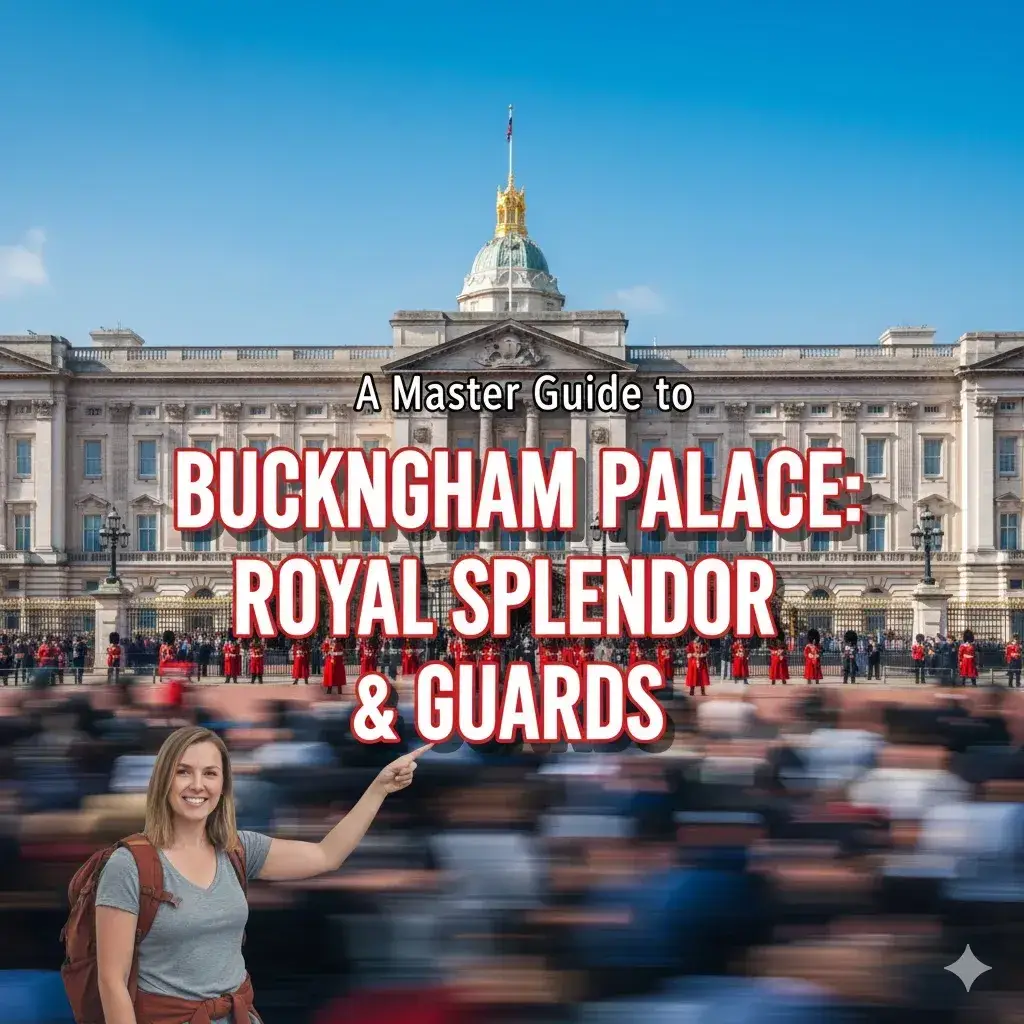
Buckingham Palace: A Master Guide to the Changing of the Guard and Royal Splendor
Standing at the heart of London, framed by the grandeur of The Mall and the serene beauty of St. James's Park, Buckingham Palace serves as the official London residence of the British monarch and one of the world's most iconic symbols of royal heritage. For over 170 years, this magnificent neoclassical palace has been the backdrop to coronations, royal weddings, state ceremonies, and the daily rhythms of monarchy, captivating millions of visitors with its architectural splendor, ceremonial pageantry, and enduring connection to British history. As we explore this extraordinary landmark in 2026, Buckingham Palace continues to function as both a working royal residence and a carefully curated window into the traditions, art, and pageantry that define the British monarchy.
At the center of Buckingham Palace's public allure lies the Changing of the Guard, a spectacular ceremony that has entertained spectators for over 350 years. With scarlet tunics, bearskin hats, precision marching, and the stirring sounds of military bands, this ritual embodies the pomp and circumstance that many associate with British royalty. Yet the palace offers far more than ceremonial spectacle: its State Rooms, open to visitors during summer months, showcase masterpieces from the Royal Collection; the Royal Mews houses historic carriages and royal vehicles; and the Queen's Gallery presents rotating exhibitions of art and treasures from the monarch's private collection. Together, these experiences offer an unparalleled glimpse into the art, history, and living traditions of one of the world's oldest continuous monarchies.
This comprehensive master guide invites you to explore Buckingham Palace not merely as a tourist attraction, but as a portal to understanding British royal heritage, ceremonial tradition, and the complex interplay of public duty and private life that defines modern monarchy. We'll delve into the palace's fascinating history, explain the choreography and significance of the Changing of the Guard, provide practical insights for experiencing the State Rooms and royal collections, and reveal lesser-known stories that bring this iconic residence to life. Whether you're planning your first visit to London or seeking to deepen your appreciation for royal tradition, this guide will help you experience Buckingham Palace with curiosity, context, and wonder.
Royal Residence: The Evolution of Buckingham Palace
The story of Buckingham Palace begins not as a royal home, but as a private townhouse. In 1703, the Duke of Buckingham commissioned a large townhouse on the site, known as Buckingham House. Its strategic location—close to St. James's Palace but with expansive grounds—made it an attractive property for aristocratic London life.
In 1761, King George III purchased the house as a private residence for his wife, Queen Charlotte. Known as "The Queen's House," it served as a comfortable family home away from the formality of court life at St. James's Palace. Over the following decades, successive monarchs expanded and modified the building, but it was not until the reign of Queen Victoria that Buckingham House became the official royal palace we recognize today.
Key Historical Transformations:
- 1820s-1830s - George IV's Vision: King George IV commissioned architect John Nash to transform Buckingham House into a grand palace. Nash designed the iconic U-shaped structure with a central courtyard, though financial constraints limited completion during his reign.
- 1837 - Victoria's Accession: When Queen Victoria ascended the throne in 1837, Buckingham Palace became the official royal residence. She was the first monarch to live and rule from the palace, establishing traditions that continue today.
- 1840s-1850s - East Wing Addition: Architect Edward Blore added the famous East Wing, creating the palace's public facade and the balcony from which the royal family appears during major celebrations.
- 1913 - Present Facade: The palace's distinctive Portland stone front was completed, giving Buckingham Palace its final neoclassical appearance. The Victoria Memorial, erected in 1911, anchors the palace's ceremonial approach.
- World War II - Resilience: During the Blitz, the palace was bombed nine times. King George VI and Queen Elizabeth famously declared, "The children can't leave without me, I can't leave the King, and the King will never leave," symbolizing royal solidarity with the British people.
- Modern Era - Working Palace: Today, Buckingham Palace serves as both the administrative headquarters of the monarchy and the London home of King Charles III. It hosts state banquets, investitures, royal receptions, and the daily business of constitutional monarchy.
- 👉 Luxembourg Free Transport 2026: Travel Countrywide for $0
- 👉 Zakopane Coolcations 2026: Escape Heat in Tatra Mountains
- 👉 The Blue Lagoon: Relaxing in Milky-Blue Geothermal Waters
Understanding this evolution enriches your visit: every wing, room, and garden reflects centuries of adaptation, reflecting the monarchy's response to changing times while preserving continuity and tradition.
The Changing of the Guard: Ceremony, Tradition, and Spectacle
No visit to Buckingham Palace is complete without experiencing the Changing of the Guard, one of the world's most famous military ceremonies. This precisely choreographed ritual, performed by the Foot Guards of the British Army, has entertained visitors since the 17th century and remains a powerful symbol of royal tradition and military discipline.
Historical Origins: The ceremony dates to the reign of King Charles II in the 1660s, when the monarch established a permanent guard to protect royal residences. The tradition evolved over centuries, incorporating elements from various regiments and adapting to changing military practices while preserving its ceremonial core.
Who Participates: The ceremony is performed by one of five regiments of the Household Division: the Grenadier Guards, Coldstream Guards, Scots Guards, Irish Guards, and Welsh Guards. Each regiment is distinguished by subtle uniform details, such as button spacing and cap badges. The guards wear iconic scarlet tunics and tall bearskin hats—traditions dating to the Napoleonic Wars, when bearskins were adopted to make soldiers appear taller and more imposing.
Ceremony Structure: The Changing of the Guard typically follows this sequence:
- Inspection: The New Guard marches from Wellington Barracks to Buckingham Palace, led by a military band playing traditional marches and popular tunes.
- Handover: At the palace forecourt, the Old Guard and New Guard perform a precise exchange of duties. The Captain of the Guard hands over the palace keys, symbolizing transfer of responsibility.
- Marching and Music: The guards execute complex marching maneuvers in time with the band's music, showcasing military precision and discipline.
- Departure: The Old Guard marches to St. James's Palace to complete their duties, while the New Guard assumes responsibility for protecting Buckingham Palace.
- 👉 Luxembourg Free Transport 2026: Travel Countrywide for $0
- 👉 Zakopane Coolcations 2026: Escape Heat in Tatra Mountains
- 👉 The Blue Lagoon: Relaxing in Milky-Blue Geothermal Waters
Timing and Schedule: The ceremony typically occurs at 11:00 AM and lasts approximately 45 minutes. However, schedules vary by season:
- Summer (June-August): Usually held daily
- Winter (September-May): Typically held on alternate days (Monday, Wednesday, Friday, Sunday)
- Weather Cancellations: The ceremony may be cancelled in extreme weather; check the official Household Division website for daily updates
- 👉 Luxembourg Free Transport 2026: Travel Countrywide for $0
- 👉 Zakopane Coolcations 2026: Escape Heat in Tatra Mountains
- 👉 The Blue Lagoon: Relaxing in Milky-Blue Geothermal Waters
Viewing Tips:
- Arrive Early: Secure a spot at the palace gates by 10:00-10:15 AM for the best views. Crowds can be substantial, especially in summer.
- Alternative Vantage Points: Consider watching from The Mall or St. James's Park for less crowded perspectives of the guards' march.
- Photography: Bring a zoom lens for close-ups; respect barriers and avoid blocking other visitors' views.
- Etiquette: Remain quiet and respectful during the ceremony. Guards maintain strict discipline and do not react to spectators.
- 👉 Luxembourg Free Transport 2026: Travel Countrywide for $0
- 👉 Zakopane Coolcations 2026: Escape Heat in Tatra Mountains
- 👉 The Blue Lagoon: Relaxing in Milky-Blue Geothermal Waters
Symbolic Significance: Beyond spectacle, the Changing of the Guard represents continuity, duty, and the monarchy's connection to Britain's armed forces. For the guards, it is a serious responsibility; for visitors, it offers a living connection to centuries of royal tradition.
The State Rooms: Treasures of the Royal Collection
During summer months (typically late July through September, dates vary annually), Buckingham Palace opens its State Rooms to the public, offering a rare glimpse into the grand spaces used for official royal entertaining and ceremonial occasions.
Architectural Grandeur: The State Rooms comprise 19 opulent spaces designed for receptions, banquets, and investitures. Highlights include:
- The Grand Staircase: A sweeping marble staircase adorned with gilt bronze balustrades and portraits of royal ancestors, setting the tone for the palace's grandeur.
- The Throne Room: Home to the Chairs of Estate used at coronations, with a magnificent canopy and portraits of Queen Victoria and Prince Albert.
- The Picture Gallery: A long gallery displaying masterpieces from the Royal Collection, including works by Rembrandt, Rubens, Van Dyck, and Canaletto.
- The Ballroom: The palace's largest room, used for state banquets and investitures. Its gilded ceiling and crystal chandeliers create a breathtaking setting for royal ceremonies.
- The White Drawing Room: A delicate, elegant space often used by the monarch to receive guests before formal events.
- The Music Room: Site of royal christenings and musical performances, featuring a grand piano used by composers like Mendelssohn.
- 👉 Luxembourg Free Transport 2026: Travel Countrywide for $0
- 👉 Zakopane Coolcations 2026: Escape Heat in Tatra Mountains
- 👉 The Blue Lagoon: Relaxing in Milky-Blue Geothermal Waters
Royal Collection Highlights: The State Rooms showcase selected treasures from the Royal Collection, one of the world's largest and most important art collections. Notable pieces include:
- Sèvres Porcelain: Exquisite French porcelain commissioned by royal patrons, displayed in the Blue Drawing Room.
- Rococo Furniture: Gilded chairs, tables, and cabinets crafted by master artisans for royal residences.
- Chandelier Collections: Massive crystal chandeliers, some weighing over a ton, illuminate the palace's grandest spaces.
- Tapestries and Textiles: Historic woven artworks depicting mythological and historical scenes.
- 👉 Luxembourg Free Transport 2026: Travel Countrywide for $0
- 👉 Zakopane Coolcations 2026: Escape Heat in Tatra Mountains
- 👉 The Blue Lagoon: Relaxing in Milky-Blue Geothermal Waters
Visiting the State Rooms: Tours are self-guided with an optional multimedia guide available in multiple languages. Photography is prohibited inside the State Rooms to protect the artworks and maintain the dignity of the royal setting. Allow 2-2.5 hours to fully experience the exhibition, including the special annual display that changes each year.
The Royal Mews and Queen's Gallery: Extended Royal Experiences
Beyond the palace itself, two adjacent attractions offer deeper insights into royal life and heritage.
The Royal Mews: Located on the palace grounds, the Royal Mews houses the royal fleet of vehicles, from historic state coaches to modern cars used by the royal family. Highlights include:
- Gold State Coach: Built in 1762, this gilded masterpiece has been used for every coronation since 1831. Its elaborate carvings, paintings, and ceremonial fittings make it one of the world's most significant historic vehicles.
- Diamond Jubilee State Coach: A modern coach commissioned for Queen Elizabeth II's Diamond Jubilee, incorporating materials and symbols from across the Commonwealth.
- Royal Cars: View the vehicles used by the royal family for official duties, including bentleys and range rovers adapted for ceremonial use.
- Working Stables: Meet the Windsor Grey and Cleveland Bay horses that pull royal carriages, and learn about their training and care.
- 👉 Luxembourg Free Transport 2026: Travel Countrywide for $0
- 👉 Zakopane Coolcations 2026: Escape Heat in Tatra Mountains
- 👉 The Blue Lagoon: Relaxing in Milky-Blue Geothermal Waters
The Queen's Gallery: This purpose-built exhibition space presents rotating displays from the Royal Collection, focusing on specific themes, artists, or historical periods. Past exhibitions have showcased royal weddings, Renaissance art, and photographic archives. The gallery's intimate scale allows for close appreciation of delicate artworks, and its changing program encourages repeat visits.
Combined Tickets: Purchasing a combined ticket for Buckingham Palace State Rooms, Royal Mews, and Queen's Gallery offers significant savings and a comprehensive royal experience. Allow a full day to explore all three attractions without rushing.
The Palace Gardens: A Secret Oasis in Central London
Behind Buckingham Palace lies one of London's largest private gardens—a 39-acre oasis of lawns, flowerbeds, and mature trees that serves as both a royal retreat and a carefully managed ecosystem.
Garden Features:
- The Lake: A serene body of water home to wildfowl and water lilies, created in the 1820s and fed by the Serpentine in Hyde Park.
- Herbaceous Borders: Over 325 types of wildflowers and native plants create seasonal displays of color and fragrance.
- Rose Garden: More than 1,000 roses bloom in summer, including varieties named for royal family members.
- Plane Trees: Majestic London plane trees, some over 150 years old, provide shade and structure to the landscape.
- Waterloo Vase: A monumental marble vase, originally commissioned by Napoleon, now stands as a garden centerpiece.
- 👉 Luxembourg Free Transport 2026: Travel Countrywide for $0
- 👉 Zakopane Coolcations 2026: Escape Heat in Tatra Mountains
- 👉 The Blue Lagoon: Relaxing in Milky-Blue Geothermal Waters
Garden Tours: Guided walking tours of the gardens are available on select dates during summer, offering insights into horticultural practices, wildlife conservation, and the garden's role in royal life. Advance booking is essential due to limited capacity.
Summer Garden Parties: Each year, the monarch hosts three garden parties at Buckingham Palace, inviting over 30,000 guests from public service, charity, and community sectors. While not open to tourists, these events reflect the palace's role in recognizing civic contribution.
Practical Guide: Visiting Buckingham Palace in 2026
Planning your visit ensures you make the most of this extraordinary royal experience.
Opening Hours:
- State Rooms (Summer Only): Typically late July through September; exact dates announced annually. Daily 9:30 AM to 7:30 PM (last admission 5:15 PM).
- Royal Mews: Daily 10:00 AM to 6:00 PM (last admission 5:00 PM), year-round except December 24-26.
- Queen's Gallery: Daily 10:00 AM to 6:00 PM (last admission 5:00 PM), year-round except December 24-26.
- Changing of the Guard: Typically 11:00 AM; check official schedule for seasonal variations and weather cancellations.
- 👉 Luxembourg Free Transport 2026: Travel Countrywide for $0
- 👉 Zakopane Coolcations 2026: Escape Heat in Tatra Mountains
- 👉 The Blue Lagoon: Relaxing in Milky-Blue Geothermal Waters
Ticket Prices (2026):
- State Rooms (Adult): £35.00
- Royal Mews (Adult): £12.50
- Queen's Gallery (Adult): £16.50
- Combined Ticket (All Three): £54.50 (significant savings)
- Concessions: Discounts available for students, seniors, and children; family tickets offer additional value
- Changing of the Guard: Free to watch from public areas
- 👉 Luxembourg Free Transport 2026: Travel Countrywide for $0
- 👉 Zakopane Coolcations 2026: Escape Heat in Tatra Mountains
- 👉 The Blue Lagoon: Relaxing in Milky-Blue Geothermal Waters
Booking Tips:
- Book State Rooms Early: Summer opening dates are limited and popular; reserve tickets weeks or months in advance.
- Official Website: Purchase tickets through the Royal Collection Trust website (rct.uk) to avoid third-party markups.
- Timed Entry: State Rooms use timed entry slots to manage crowds; arrive at your assigned time for smooth entry.
- Audio Guides: Included with State Rooms admission; available in multiple languages with expert commentary.
- 👉 Luxembourg Free Transport 2026: Travel Countrywide for $0
- 👉 Zakopane Coolcations 2026: Escape Heat in Tatra Mountains
- 👉 The Blue Lagoon: Relaxing in Milky-Blue Geothermal Waters
Getting There:
- Tube: Victoria, St. James's Park, or Green Park stations (all within 5-10 minutes' walk)
- Bus: Routes 11, 211, C1, C10 serve the palace area
- Walking: Buckingham Palace is easily reached on foot from Westminster, Trafalgar Square, or Hyde Park
- 👉 Luxembourg Free Transport 2026: Travel Countrywide for $0
- 👉 Zakopane Coolcations 2026: Escape Heat in Tatra Mountains
- 👉 The Blue Lagoon: Relaxing in Milky-Blue Geothermal Waters
Best Time to Visit:
- State Rooms: Weekday mornings offer smaller crowds; avoid weekends and school holidays if possible
- Changing of the Guard: Arrive by 10:00 AM for good viewing positions; consider watching from The Mall for less crowded perspectives
- Royal Mews/Queen's Gallery: Year-round attractions; winter months see fewer visitors
- 👉 Luxembourg Free Transport 2026: Travel Countrywide for $0
- 👉 Zakopane Coolcations 2026: Escape Heat in Tatra Mountains
- 👉 The Blue Lagoon: Relaxing in Milky-Blue Geothermal Waters
Accessibility: Buckingham Palace attractions are accessible for visitors with reduced mobility. Wheelchair access, loaner wheelchairs, accessible toilets, and hearing loops are available. Check the official website for detailed accessibility information before your visit.
Photography and Viewing Tips
Capturing Buckingham Palace's beauty requires strategy and respect for site rules.
State Rooms: Photography is strictly prohibited inside the State Rooms to protect artworks and maintain the dignity of the royal setting. Focus on experiencing these remarkable spaces up close rather than photographing them.
Exterior Shots: Best angles include:
- Victoria Memorial: Frame the palace with the golden statue and fountain in the foreground.
- The Mall: Walk down this ceremonial avenue for a classic approach view with Union Jack flags.
- St. James's Park: Capture the palace across the lake with ducks and swans for a picturesque composition.
- Sunset: Golden hour light enhances the palace's Portland stone facade and creates atmospheric shadows.
- 👉 Luxembourg Free Transport 2026: Travel Countrywide for $0
- 👉 Zakopane Coolcations 2026: Escape Heat in Tatra Mountains
- 👉 The Blue Lagoon: Relaxing in Milky-Blue Geothermal Waters
Changing of the Guard: Use a zoom lens to capture details of uniforms and marching precision. Position yourself near the palace gates for close-ups, or further back on The Mall for wider compositions including the band.
Etiquette: Be mindful of other visitors when taking photos. Avoid blocking pathways or ceremonial areas. Respect signage regarding photography restrictions, particularly during official events.
Royal Protocol and Cultural Etiquette
Visiting Buckingham Palace involves engaging with living royal traditions. Understanding basic protocol enhances your experience and shows respect for the monarchy.
During the Changing of the Guard: Remain quiet and respectful during the ceremony. Guards maintain strict discipline and do not react to spectators; avoid calling out or attempting to interact with them.
Inside the State Rooms: Speak in hushed tones, follow the designated route, and refrain from touching any objects or furnishings. Photography is prohibited to protect delicate artworks and maintain the formal atmosphere.
Royal Appearances: If you're fortunate to witness a royal appearance on the palace balcony (typically during Trooping the Colour in June or major national celebrations), maintain respectful behavior. Applause is appropriate; avoid shouting or attempting to attract royal attention.
Dress Code: While no formal dress code applies to visitors, smart casual attire is appreciated, particularly when touring the State Rooms. Avoid overly casual clothing like beachwear or clothing with offensive slogans.
Family-Friendly Experiences and Educational Value
Buckingham Palace offers engaging activities for visitors of all ages, making it an ideal destination for families and school groups.
Interactive Elements: The State Rooms multimedia guide includes family-friendly commentary and activities that make royal history accessible to children. The Royal Mews offers hands-on opportunities to learn about horse care and carriage driving.
Educational Resources: The Royal Collection Trust website provides downloadable activity sheets, curriculum-linked resources for teachers, and virtual tours for remote learning. School groups can book guided tours focused on royal history, art appreciation, or British heritage.
Family Facilities: Baby changing facilities, family-friendly dining options nearby, and stroller-accessible routes make visiting with young children manageable. The palace's self-guided format allows families to proceed at their own pace.
Engaging Young Visitors: Encourage children to spot details like royal monograms, heraldic symbols, and historical artifacts. The Changing of the Guard's music and pageantry naturally captivate young audiences.
Sustainable Tourism and Preservation Efforts
Visiting Buckingham Palace responsibly helps preserve this irreplaceable heritage for future generations.
Protecting the Collection: Follow posted guidelines: don't touch artworks or furnishings, stay on designated paths, and respect barriers protecting sensitive areas. The palace's historic interiors require careful conservation.
Environmental Considerations: Use public transportation to reach the palace. Dispose of waste properly and recycle where facilities exist. Buckingham Palace is working to reduce its environmental impact through energy-efficient lighting, sustainable gardening practices, and waste reduction initiatives.
Supporting Conservation: Consider purchasing official guidebooks or merchandise, with proceeds supporting the palace's ongoing preservation. Membership programs and donations to the Royal Collection Trust directly fund conservation work and educational outreach.
Cultural Respect: Approach the palace's history with curiosity and empathy. Exhibits present multiple perspectives on monarchy, empire, and British history, inviting visitors to reflect on complex historical narratives with nuance and understanding.
Conclusion: A Living Symbol of Royal Heritage
Buckingham Palace is far more than a picturesque landmark or a ceremonial stage—it is a living testament to the endurance, adaptation, and symbolic power of the British monarchy. From its origins as a private townhouse to its current role as the administrative heart of a modern constitutional monarchy, the palace embodies centuries of history, art, and tradition that continue to shape British identity and captivate the world.
As you stand before its neoclassical facade, witness the precision of the Changing of the Guard, or walk through the gilded State Rooms, you're not merely observing history—you're connecting with the rituals, values, and artistic achievements that have defined a nation. Buckingham Palace reminds us that tradition and modernity can coexist, that ceremony can carry meaning across generations, and that beauty crafted with care can endure as a source of inspiration and wonder.
Whether you're fascinated by the choreography of royal ceremony, moved by the masterpieces of the Royal Collection, or simply awed by the grandeur of a working palace, Buckingham Palace offers experiences that enrich the mind and touch the soul. It invites us to reflect on the role of monarchy in contemporary society, the power of art to transcend time, and the human stories behind the symbols we admire.
As you plan your visit to London in 2026, make time to experience Buckingham Palace not as a checklist item, but as a journey through royal heritage and living history. Allow its stories to unfold at their own pace. Watch the guards march. Marvel at the State Rooms. Stand where kings and queens have welcomed the world. These moments of connection transform a visit into a memory, and a memory into a deeper appreciation for the traditions that bind past and present.
Buckingham Palace awaits. Step into royal splendor. Witness the ceremony. Discover the treasures. Your journey through British monarchy begins now.
0 Comments