.webp)
.webp)
Is Mexico Safe for American Tourists? Full Safety Guide
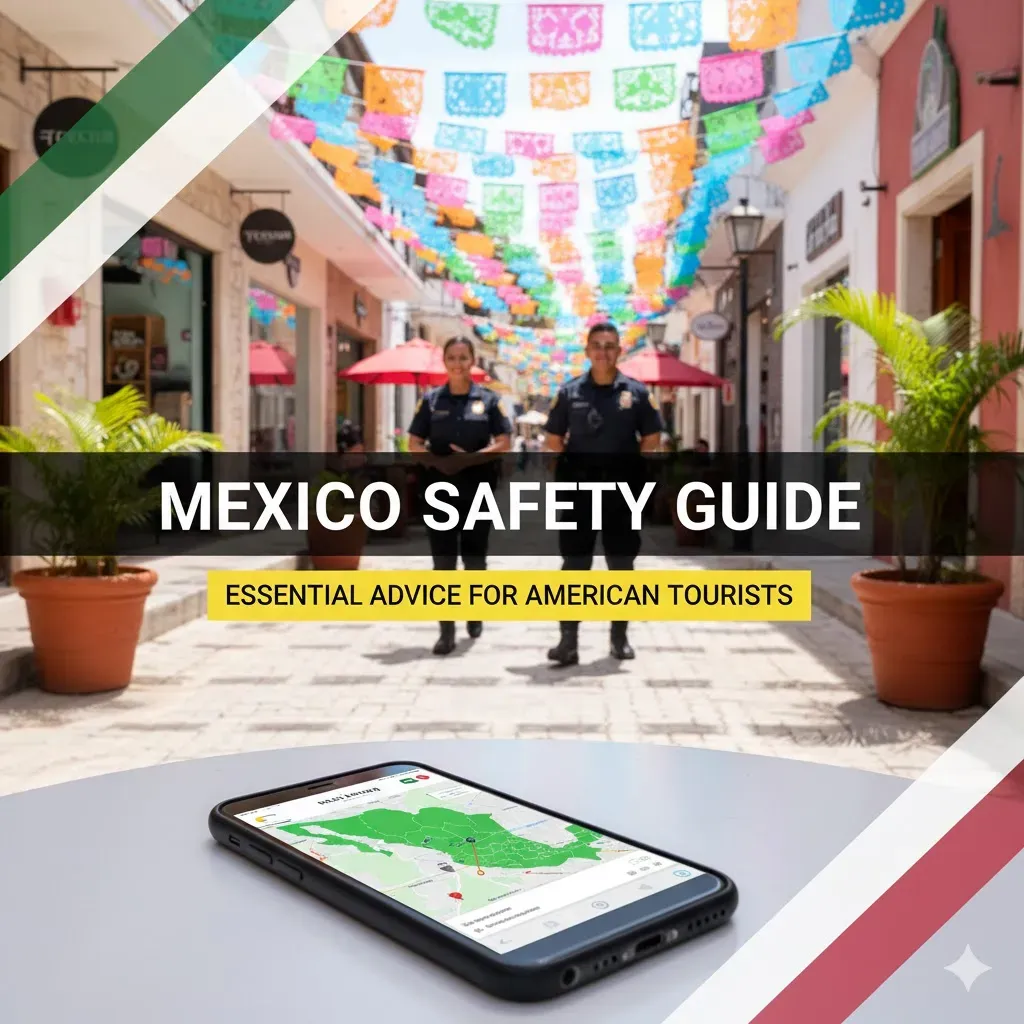
Is Mexico Safe for American Tourists? Complete Safety Guide for 2026
One of the most common questions American travelers ask before booking a trip to Mexico is simple yet profound: Is Mexico safe? The answer, like Mexico itself, is nuanced, layered, and depends heavily on where you go, how you travel, and what precautions you take. With over 30 million international visitors annually—including millions of US citizens—Mexico remains one of the world's most popular travel destinations. Yet media coverage of crime, drug-related violence, and travel advisories can create understandable concern.
This comprehensive, evidence-based safety guide for American tourists traveling to Mexico in 2026 provides the facts, context, and practical strategies you need to make informed decisions and travel with confidence. We'll examine official travel advisories, regional safety variations, crime statistics relevant to tourists, practical safety strategies, transportation guidance, health considerations, and emergency resources—all grounded in current data from the US State Department, Mexican authorities, and experienced travel professionals.
Key Takeaway Up Front: Millions of American tourists visit Mexico safely every year. By staying in established tourist areas, using common-sense precautions, and staying informed about your specific destination, you can significantly minimize risks and enjoy all that Mexico has to offer—from pristine beaches and ancient ruins to vibrant cities and world-class cuisine.
Understanding the Safety Landscape: Context Matters

Mexico Is Not a Monolith
First and most importantly: Mexico is a vast, diverse country of 32 states and over 1.9 million square kilometers—roughly three times the size of Texas. Safety conditions vary dramatically by region, city, and even neighborhood. Generalizing about "Mexico's safety" is like generalizing about safety across the entire United States—it simply doesn't reflect reality.
Regional Safety Spectrum
- Highly Tourist-Friendly Areas: Cancún, Playa del Carmen, Tulum, Los Cabos, Puerto Vallarta, Mérida, San Miguel de Allende, Guanajuato—these destinations have robust tourist police, well-established infrastructure, and safety records comparable to many US cities.
- Generally Safe Urban Centers: Mexico City (polanco, Roma, Condesa neighborhoods), Guadalajara, Monterrey—major cities with normal urban precautions advised.
- Areas Requiring Increased Caution: Certain border regions, rural areas in specific states—where travel advisories recommend heightened awareness.
- Areas with Elevated Risk: Specific municipalities in states like Sinaloa, Tamaulipas, Michoacán—where the US State Department advises reconsidering or avoiding travel.
- 👉 Metropolitan Cathedral: A Stunning Example of Colonial Architecture
- 👉 Cuba D'Viajeros 2026: Step-by-step guide to the mandatory digital entry form.
- 👉 Saint Vincent for Digital Nomads: Best Coastal Towns with Fiber Optic Hubs and Remote Work Infrastructure in 2026
Crime Statistics: Tourists vs. General Population
It's critical to distinguish between crime affecting local populations and crime affecting tourists:
- Tourists Are Rarely Targets: Violent crime against tourists in major resort areas is statistically rare. Most incidents involving tourists are non-violent: petty theft, scams, or transportation issues.
- Drug-Related Violence: While Mexico faces challenges with organized crime, this violence is overwhelmingly targeted at criminal groups, not tourists. Tourist zones are generally insulated from these conflicts.
- US State Department Data: In 2023, fewer than 0.1% of the millions of US citizens who visited Mexico reported being victims of violent crime.
- 👉 Metropolitan Cathedral: A Stunning Example of Colonial Architecture
- 👉 Cuba D'Viajeros 2026: Step-by-step guide to the mandatory digital entry form.
- 👉 Saint Vincent for Digital Nomads: Best Coastal Towns with Fiber Optic Hubs and Remote Work Infrastructure in 2026
Comparative Context
Putting risks in perspective:
- Homicide Rates: While Mexico's national homicide rate is higher than the US average, rates in major tourist destinations are often lower than in many US cities.
- Tourist Police: Popular destinations employ dedicated tourist police (Policía Turística) trained to assist visitors and patrol high-traffic areas.
- Resort Security: All-inclusive resorts and major hotels invest heavily in security measures, including gated access, surveillance, and on-site personnel.
- 👉 Metropolitan Cathedral: A Stunning Example of Colonial Architecture
- 👉 Cuba D'Viajeros 2026: Step-by-step guide to the mandatory digital entry form.
- 👉 Saint Vincent for Digital Nomads: Best Coastal Towns with Fiber Optic Hubs and Remote Work Infrastructure in 2026
Official Travel Advisories: What the US State Department Says

Understanding the Advisory System
The US State Department issues travel advisories using a four-level system:
| Level | Meaning | Mexico Context |
|---|---|---|
| Level 1: Exercise Normal Precautions | Lowest risk level | Applies to some Mexican states like Yucatán, Campeche |
| Level 2: Exercise Increased Caution | Be aware of heightened risks | Applies to most tourist states: Quintana Roo (Cancún), Baja California Sur (Los Cabos), Jalisco (Puerto Vallarta) |
| Level 3: Reconsider Travel | Avoid due to serious risks | Applies to some states with higher crime rates |
| Level 4: Do Not Travel | Highest risk; avoid all travel | Applies to specific high-risk states (not major tourist destinations) |
Current Advisory for Popular Tourist Destinations (2026)
As of early 2026, major tourist destinations generally fall under Level 2: Exercise Increased Caution, with advisories citing:
- Crime: Petty crime, occasional violent crime in certain areas
- Recommendations: Stay in tourist areas, avoid traveling at night in unfamiliar areas, use authorized transportation
- 👉 Metropolitan Cathedral: A Stunning Example of Colonial Architecture
- 👉 Cuba D'Viajeros 2026: Step-by-step guide to the mandatory digital entry form.
- 👉 Saint Vincent for Digital Nomads: Best Coastal Towns with Fiber Optic Hubs and Remote Work Infrastructure in 2026
Important: Advisories are updated regularly. Always check the current advisory for your specific destination at travel.state.gov before travel.
How to Use Advisories Wisely
- Read the Details: Don't just look at the level; read the specific concerns and recommendations for your destination.
- Check State-by-State: Mexico's advisory is issued by state, not country-wide.
- Enroll in STEP: Smart Traveler Enrollment Program (step.state.gov) provides safety updates and emergency assistance.
- Consult Multiple Sources: Also review Mexican tourism authority guidance and reputable travel resources.
- 👉 Metropolitan Cathedral: A Stunning Example of Colonial Architecture
- 👉 Cuba D'Viajeros 2026: Step-by-step guide to the mandatory digital entry form.
- 👉 Saint Vincent for Digital Nomads: Best Coastal Towns with Fiber Optic Hubs and Remote Work Infrastructure in 2026
Practical Safety Strategies for American Tourists

Before You Go: Preparation Is Key
- Research Your Specific Destination: Safety varies by city and neighborhood. Research your exact hotel location and surrounding area.
- Register with STEP: Enroll in the Smart Traveler Enrollment Program for emergency alerts and consular assistance.
- Purchase Comprehensive Travel Insurance: Ensure coverage for medical emergencies, evacuation, trip cancellation, and theft. Verify that your policy covers Mexico.
- Share Your Itinerary: Provide family/friends with your travel plans, accommodation details, and emergency contacts.
- Learn Basic Spanish Phrases: Even simple phrases like "Ayuda" (help) or "Necesito un médico" (I need a doctor) can be invaluable.
- Download Helpful Apps: Google Maps (offline), WhatsApp (widely used in Mexico), emergency contact apps.
Accommodation Safety
- Choose Reputable Lodging: Book established hotels, resorts, or verified vacation rentals with good reviews.
- Use Room Safes: Store passports, extra cash, and valuables in your room safe or hotel safe.
- Verify Locks and Security: Check that doors/windows lock properly; use additional door stops if concerned.
- Avoid Ground-Floor Rooms: If safety is a concern, request a room above the ground floor.
- Know Emergency Exits: Familiarize yourself with hotel emergency procedures upon arrival.
- 👉 Metropolitan Cathedral: A Stunning Example of Colonial Architecture
- 👉 Cuba D'Viajeros 2026: Step-by-step guide to the mandatory digital entry form.
- 👉 Saint Vincent for Digital Nomads: Best Coastal Towns with Fiber Optic Hubs and Remote Work Infrastructure in 2026
Transportation Safety
Getting Around Safely
- Airport Transfers: Use official airport taxi services, pre-booked private transfers, or ride-hailing apps (Uber/Didi operate in many Mexican cities).
- Ride-Hailing Apps: Uber and DiDi are generally safe, trackable, and cashless options in major cities. Confirm license plate and driver name before entering.
- Avoid Unmarked Taxis: Never hail taxis on the street; use authorized taxi stands or app-based services.
- Rental Cars: If driving, stick to toll highways (cuotas), avoid driving at night, and never leave valuables visible in the vehicle.
- Public Transportation: Metro and buses in major cities are generally safe during daylight; be mindful of belongings in crowded spaces.
- 👉 Metropolitan Cathedral: A Stunning Example of Colonial Architecture
- 👉 Cuba D'Viajeros 2026: Step-by-step guide to the mandatory digital entry form.
- 👉 Saint Vincent for Digital Nomads: Best Coastal Towns with Fiber Optic Hubs and Remote Work Infrastructure in 2026
Inter-City Travel
- First-Class Buses: Mexico's first-class bus lines (ADO, ETN, Primera Plus) are safe, comfortable, and reliable for inter-city travel.
- Domestic Flights: Efficient and safe for longer distances; major airports have good security.
- Avoid Night Travel: When possible, schedule travel during daylight hours.
- 👉 Metropolitan Cathedral: A Stunning Example of Colonial Architecture
- 👉 Cuba D'Viajeros 2026: Step-by-step guide to the mandatory digital entry form.
- 👉 Saint Vincent for Digital Nomads: Best Coastal Towns with Fiber Optic Hubs and Remote Work Infrastructure in 2026
Personal Safety Practices
Daily Precautions
- Stay Aware: Practice situational awareness—avoid excessive phone use while walking, especially in crowded areas.
- Secure Valuables: Use a money belt or hidden pouch for passport and extra cash; carry only what you need for the day.
- Avoid Flashy Displays: Don't display expensive jewelry, cameras, or electronics unnecessarily.
- Use Hotel Safes: Leave unnecessary valuables, including your passport (carry a photocopy instead), in your hotel safe.
- Trust Your Instincts: If a situation feels uncomfortable, remove yourself from it.
- 👉 Metropolitan Cathedral: A Stunning Example of Colonial Architecture
- 👉 Cuba D'Viajeros 2026: Step-by-step guide to the mandatory digital entry form.
- 👉 Saint Vincent for Digital Nomads: Best Coastal Towns with Fiber Optic Hubs and Remote Work Infrastructure in 2026
Nighttime Safety
- Stick to Well-Lit Areas: Avoid poorly lit streets or unfamiliar neighborhoods after dark.
- Use Authorized Transportation: Never walk alone late at night; use ride-hailing apps or hotel-arranged transport.
- Travel in Groups: There's safety in numbers, especially when exploring nightlife.
- Moderate Alcohol Consumption: Drink responsibly; never leave drinks unattended.
- 👉 Metropolitan Cathedral: A Stunning Example of Colonial Architecture
- 👉 Cuba D'Viajeros 2026: Step-by-step guide to the mandatory digital entry form.
- 👉 Saint Vincent for Digital Nomads: Best Coastal Towns with Fiber Optic Hubs and Remote Work Infrastructure in 2026
Scams and Petty Crime: How to Avoid Common Pitfalls
Common Tourist Scams
- Overcharging: Agree on taxi fares beforehand or use meters/apps; verify menu prices before ordering.
- Timeshare Presentations: High-pressure sales tactics at resorts; politely decline if not interested.
- Police Impersonation: Rare but possible; ask to see official ID and request to go to a police station if concerned.
- Distraction Thefts: Be wary of commotions, spills, or overly friendly strangers—common tactics for pickpocketing.
- 👉 Metropolitan Cathedral: A Stunning Example of Colonial Architecture
- 👉 Cuba D'Viajeros 2026: Step-by-step guide to the mandatory digital entry form.
- 👉 Saint Vincent for Digital Nomads: Best Coastal Towns with Fiber Optic Hubs and Remote Work Infrastructure in 2026
Prevention Strategies
- Research Prices: Know approximate costs for taxis, tours, and meals to avoid overpaying.
- Use Reputable Vendors: Book tours through your hotel or established companies with good reviews.
- Keep Copies: Photocopy your passport and important documents; store separately from originals.
- Be Polite but Firm: Most vendors are honest; a polite "No, gracias" is usually sufficient to decline unwanted offers.
- 👉 Metropolitan Cathedral: A Stunning Example of Colonial Architecture
- 👉 Cuba D'Viajeros 2026: Step-by-step guide to the mandatory digital entry form.
- 👉 Saint Vincent for Digital Nomads: Best Coastal Towns with Fiber Optic Hubs and Remote Work Infrastructure in 2026
Health and Wellness Safety

Food and Water Safety
Water Precautions
- Drink Bottled Water: Tap water is generally not safe for visitors; use bottled or purified water for drinking and brushing teeth.
- Ice: Ice in reputable restaurants and hotels is typically made from purified water and safe.
- Fruits/Vegetables: Eat fruits you can peel yourself; avoid raw vegetables unless at established restaurants.
- 👉 Metropolitan Cathedral: A Stunning Example of Colonial Architecture
- 👉 Cuba D'Viajeros 2026: Step-by-step guide to the mandatory digital entry form.
- 👉 Saint Vincent for Digital Nomads: Best Coastal Towns with Fiber Optic Hubs and Remote Work Infrastructure in 2026
Food Safety
- Street Food: Generally safe if the vendor is busy (high turnover = fresh food); look for clean preparation areas.
- Restaurant Selection: Choose establishments with good hygiene practices; busy restaurants often have fresher ingredients.
- Traveler's Diarrhea: Pack over-the-counter remedies; stay hydrated; most cases resolve within 1-2 days.
- 👉 Metropolitan Cathedral: A Stunning Example of Colonial Architecture
- 👉 Cuba D'Viajeros 2026: Step-by-step guide to the mandatory digital entry form.
- 👉 Saint Vincent for Digital Nomads: Best Coastal Towns with Fiber Optic Hubs and Remote Work Infrastructure in 2026
Medical Preparedness
Before Travel
- Consult Your Doctor: Discuss travel health recommendations, including vaccinations (Hepatitis A, Typhoid often recommended).
- Prescription Medications: Bring adequate supply in original containers with prescription copies.
- Travel Insurance: Ensure your policy covers medical emergencies and evacuation; US health insurance rarely covers international care.
- 👉 Metropolitan Cathedral: A Stunning Example of Colonial Architecture
- 👉 Cuba D'Viajeros 2026: Step-by-step guide to the mandatory digital entry form.
- 👉 Saint Vincent for Digital Nomads: Best Coastal Towns with Fiber Optic Hubs and Remote Work Infrastructure in 2026
During Travel
- Know Emergency Numbers: 911 works throughout Mexico for police, ambulance, and fire.
- Locate Medical Facilities: Identify reputable hospitals or clinics near your accommodation upon arrival.
- Carry Basic First Aid: Include remedies for common travel ailments.
- 👉 Metropolitan Cathedral: A Stunning Example of Colonial Architecture
- 👉 Cuba D'Viajeros 2026: Step-by-step guide to the mandatory digital entry form.
- 👉 Saint Vincent for Digital Nomads: Best Coastal Towns with Fiber Optic Hubs and Remote Work Infrastructure in 2026
Sun and Environmental Safety
- Sun Protection: Mexico's sun is intense; use reef-safe SPF 30+ sunscreen, wear hats and sunglasses.
- Hydration: Drink plenty of water, especially in hot climates or at altitude.
- Altitude Awareness: Mexico City is at 7,350 ft (2,240m); allow time to acclimate, avoid heavy exertion initially.
- Marine Safety: Heed warning flags at beaches; be cautious of strong currents, especially on Pacific coast.
- 👉 Metropolitan Cathedral: A Stunning Example of Colonial Architecture
- 👉 Cuba D'Viajeros 2026: Step-by-step guide to the mandatory digital entry form.
- 👉 Saint Vincent for Digital Nomads: Best Coastal Towns with Fiber Optic Hubs and Remote Work Infrastructure in 2026
Destination-Specific Safety Guidance

Yucatán Peninsula (Cancún, Playa del Carmen, Tulum, Mérida)
- Safety Profile: Generally very safe for tourists; heavy police presence in hotel zones.
- Precautions: Stay in established tourist areas; use authorized transportation; be mindful of belongings on beaches.
- Regional Note: Quintana Roo state (Cancún/Tulum) is Level 2; Yucatán state (Mérida) is often Level 1.
- 👉 Metropolitan Cathedral: A Stunning Example of Colonial Architecture
- 👉 Cuba D'Viajeros 2026: Step-by-step guide to the mandatory digital entry form.
- 👉 Saint Vincent for Digital Nomads: Best Coastal Towns with Fiber Optic Hubs and Remote Work Infrastructure in 2026
Los Cabos (Baja California Sur)
- Safety Profile: Resort areas are well-protected and generally safe.
- Precautions: Avoid isolated areas; use resort transportation or authorized taxis; be cautious when exploring beyond resort zones.
- 👉 Metropolitan Cathedral: A Stunning Example of Colonial Architecture
- 👉 Cuba D'Viajeros 2026: Step-by-step guide to the mandatory digital entry form.
- 👉 Saint Vincent for Digital Nomads: Best Coastal Towns with Fiber Optic Hubs and Remote Work Infrastructure in 2026
Puerto Vallarta (Jalisco)
- Safety Profile: Popular tourist destination with good safety record in hotel zones and Malecón area.
- Precautions: Stick to well-traveled areas; use authorized transportation; normal urban precautions apply.
- 👉 Metropolitan Cathedral: A Stunning Example of Colonial Architecture
- 👉 Cuba D'Viajeros 2026: Step-by-step guide to the mandatory digital entry form.
- 👉 Saint Vincent for Digital Nomads: Best Coastal Towns with Fiber Optic Hubs and Remote Work Infrastructure in 2026
Mexico City
- Safety Profile: Like any major global city, safety varies by neighborhood. Polanco, Roma, Condesa, and Historic Center (daytime) are generally safe with normal precautions.
- Precautions: Use ride-hailing apps rather than street taxis; avoid displaying valuables; be extra cautious in crowded areas like metro.
- Neighborhood Guidance: Research your specific accommodation location; avoid certain areas after dark.
- 👉 Metropolitan Cathedral: A Stunning Example of Colonial Architecture
- 👉 Cuba D'Viajeros 2026: Step-by-step guide to the mandatory digital entry form.
- 👉 Saint Vincent for Digital Nomads: Best Coastal Towns with Fiber Optic Hubs and Remote Work Infrastructure in 2026
Colonial Cities (San Miguel de Allende, Guanajuato, Oaxaca)
- Safety Profile: Generally very safe, popular with international visitors; walkable historic centers.
- Precautions: Normal precautions for tourist areas; be mindful of belongings in crowded markets.
- 👉 Metropolitan Cathedral: A Stunning Example of Colonial Architecture
- 👉 Cuba D'Viajeros 2026: Step-by-step guide to the mandatory digital entry form.
- 👉 Saint Vincent for Digital Nomads: Best Coastal Towns with Fiber Optic Hubs and Remote Work Infrastructure in 2026
Special Considerations for Specific Travelers

Traveling with Children
- Supervision: Keep children close in crowded areas; establish meeting points in case of separation.
- Documentation: Carry copies of children's passports and parental consent letters if traveling with one parent.
- Health: Ensure children stay hydrated; pack child-appropriate medications.
- 👉 Metropolitan Cathedral: A Stunning Example of Colonial Architecture
- 👉 Cuba D'Viajeros 2026: Step-by-step guide to the mandatory digital entry form.
- 👉 Saint Vincent for Digital Nomads: Best Coastal Towns with Fiber Optic Hubs and Remote Work Infrastructure in 2026
Solo Female Travelers
- Accommodation: Choose well-reviewed hotels in safe neighborhoods; consider female-only hostel dorms if budget travel.
- Transportation: Use ride-hailing apps rather than walking alone at night; share your location with trusted contacts.
- Trust Instincts: Mexican culture is generally respectful; if a situation feels uncomfortable, remove yourself.
- Connect with Other Travelers: Join group tours or stay in social accommodations to meet fellow travelers.
- 👉 Metropolitan Cathedral: A Stunning Example of Colonial Architecture
- 👉 Cuba D'Viajeros 2026: Step-by-step guide to the mandatory digital entry form.
- 👉 Saint Vincent for Digital Nomads: Best Coastal Towns with Fiber Optic Hubs and Remote Work Infrastructure in 2026
LGBTQ+ Travelers
- Legal Context: Mexico is generally LGBTQ+-friendly, especially in tourist areas; same-sex marriage is legal nationwide.
- Regional Variation: Acceptance is higher in cities and tourist destinations; exercise discretion in rural or conservative areas.
- Resources: Research LGBTQ+-friendly accommodations and venues; connect with local LGBTQ+ organizations for current guidance.
- 👉 Metropolitan Cathedral: A Stunning Example of Colonial Architecture
- 👉 Cuba D'Viajeros 2026: Step-by-step guide to the mandatory digital entry form.
- 👉 Saint Vincent for Digital Nomads: Best Coastal Towns with Fiber Optic Hubs and Remote Work Infrastructure in 2026
Emergency Preparedness and Resources

Essential Emergency Contacts
- General Emergency: 911 (works throughout Mexico for police, ambulance, fire)
- US Embassy Mexico City: +52-55-5080-2000
- US Consulates: Guadalajara, Monterrey, Tijuana, Ciudad Juárez, Hermosillo, Mérida, Nogales, Nuevo Laredo, Matamoros
- Tourist Assistance: 01-800-903-9200 (Mexico's tourist assistance hotline, English/Spanish)
- Travel Insurance Emergency Line: Keep your provider's 24/7 emergency number accessible
- 👉 Metropolitan Cathedral: A Stunning Example of Colonial Architecture
- 👉 Cuba D'Viajeros 2026: Step-by-step guide to the mandatory digital entry form.
- 👉 Saint Vincent for Digital Nomads: Best Coastal Towns with Fiber Optic Hubs and Remote Work Infrastructure in 2026
What to Do in an Emergency
If You're a Victim of Crime
- Ensure Immediate Safety: Remove yourself from danger if possible.
- Contact Local Police: Call 911 or go to the nearest police station.
- File a Report: Obtain a police report (denuncia) for insurance claims.
- Contact US Embassy/Consulate: They can provide guidance, help with replacement documents, and contact family.
- Contact Your Insurance: Notify your travel insurance provider immediately.
If You Lose Your Passport
- File a Police Report: Required for replacement documentation.
- Contact Nearest US Embassy/Consulate: They can issue an emergency passport for return travel.
- Bring Documentation: Passport photocopy, ID, travel itinerary, and police report expedite the process.
Medical Emergency
- Call 911: For ambulance or emergency medical assistance.
- Contact Your Insurance: Many policies have 24/7 assistance lines that can direct you to appropriate care.
- Keep Documentation: Save all medical records and receipts for insurance claims.
Useful Apps and Tools
- Google Maps: Download offline maps for navigation without data.
- WhatsApp: Widely used in Mexico for communication with hotels, tour operators, and emergency contacts.
- STEP App: Smart Traveler Enrollment Program for safety updates and emergency assistance.
- XE Currency: For quick currency conversion.
- Google Translate: Download Spanish language pack for offline translation.
- 👉 Metropolitan Cathedral: A Stunning Example of Colonial Architecture
- 👉 Cuba D'Viajeros 2026: Step-by-step guide to the mandatory digital entry form.
- 👉 Saint Vincent for Digital Nomads: Best Coastal Towns with Fiber Optic Hubs and Remote Work Infrastructure in 2026
Addressing Common Concerns and Misconceptions

"I've Heard Mexico Is Dangerous"
Reality: Media coverage often focuses on isolated incidents or areas not frequented by tourists. Millions of Americans visit Mexico safely each year. By staying in established tourist areas and using common-sense precautions, your risk of encountering serious problems is very low.
"What About Cartels and Drug Violence?"
Reality: While Mexico faces challenges with organized crime, this violence is overwhelmingly targeted at criminal groups, law enforcement, and journalists—not tourists. Tourist zones are generally insulated from these conflicts. The US State Department's state-by-state advisories help travelers avoid higher-risk areas.
"Is It Safe to Drink the Water?"
Reality: Tap water in Mexico is generally not safe for visitors due to different microbial standards. However, bottled water is widely available and inexpensive. Ice in reputable establishments is typically made from purified water and safe. This is a manageable precaution, not a reason to avoid travel.
"What If Something Goes Wrong?"
Reality: Having travel insurance, knowing emergency contacts, and preparing documentation significantly mitigates risks. Most issues travelers encounter are minor and resolvable with preparation and calm problem-solving.
The Bottom Line: Traveling Smart in Mexico

So, is Mexico safe for American tourists in 2026? The evidence-based answer is: Yes, with informed preparation and common-sense precautions.
Millions of American travelers visit Mexico every year without incident, drawn by its incredible cultural heritage, stunning natural beauty, world-class cuisine, and warm hospitality. The key to a safe and enjoyable trip lies not in fear, but in preparation:
- Research your specific destination—not just "Mexico" generally
- Stay in established tourist areas with good infrastructure and security
- Use authorized transportation and avoid unmarked taxis
- Practice situational awareness and secure your valuables
- Purchase comprehensive travel insurance for peace of mind
- Stay informed through official sources like the US State Department
- Trust your instincts and remove yourself from uncomfortable situations
- 👉 Metropolitan Cathedral: A Stunning Example of Colonial Architecture
- 👉 Cuba D'Viajeros 2026: Step-by-step guide to the mandatory digital entry form.
- 👉 Saint Vincent for Digital Nomads: Best Coastal Towns with Fiber Optic Hubs and Remote Work Infrastructure in 2026
Mexico offers unparalleled experiences—from swimming in cenotes and exploring ancient pyramids to savoring authentic mole and dancing to live mariachi. By traveling smart, you can fully embrace these wonders while minimizing risks.
Final Thought: Travel always involves some degree of risk, whether you're visiting Mexico, Europe, or your neighboring state. The goal isn't to eliminate all risk—that's impossible—but to manage it wisely. With preparation, awareness, and respect for local customs and conditions, American tourists can safely enjoy the extraordinary richness that Mexico has to offer.
¡Buen viaje y viaje seguro! (Have a good trip and travel safely!)
Disclaimer: This guide provides general safety information based on available data as of early 2026. Safety conditions can change. Always consult current official sources—including the US State Department (travel.state.gov) and Mexican tourism authorities—before and during your travel. This content is for informational purposes only and does not constitute professional security or travel advice.
0 Comments