.webp)
.webp)
Grenada Heritage Tourism 2026: Beyond Sun and Sand
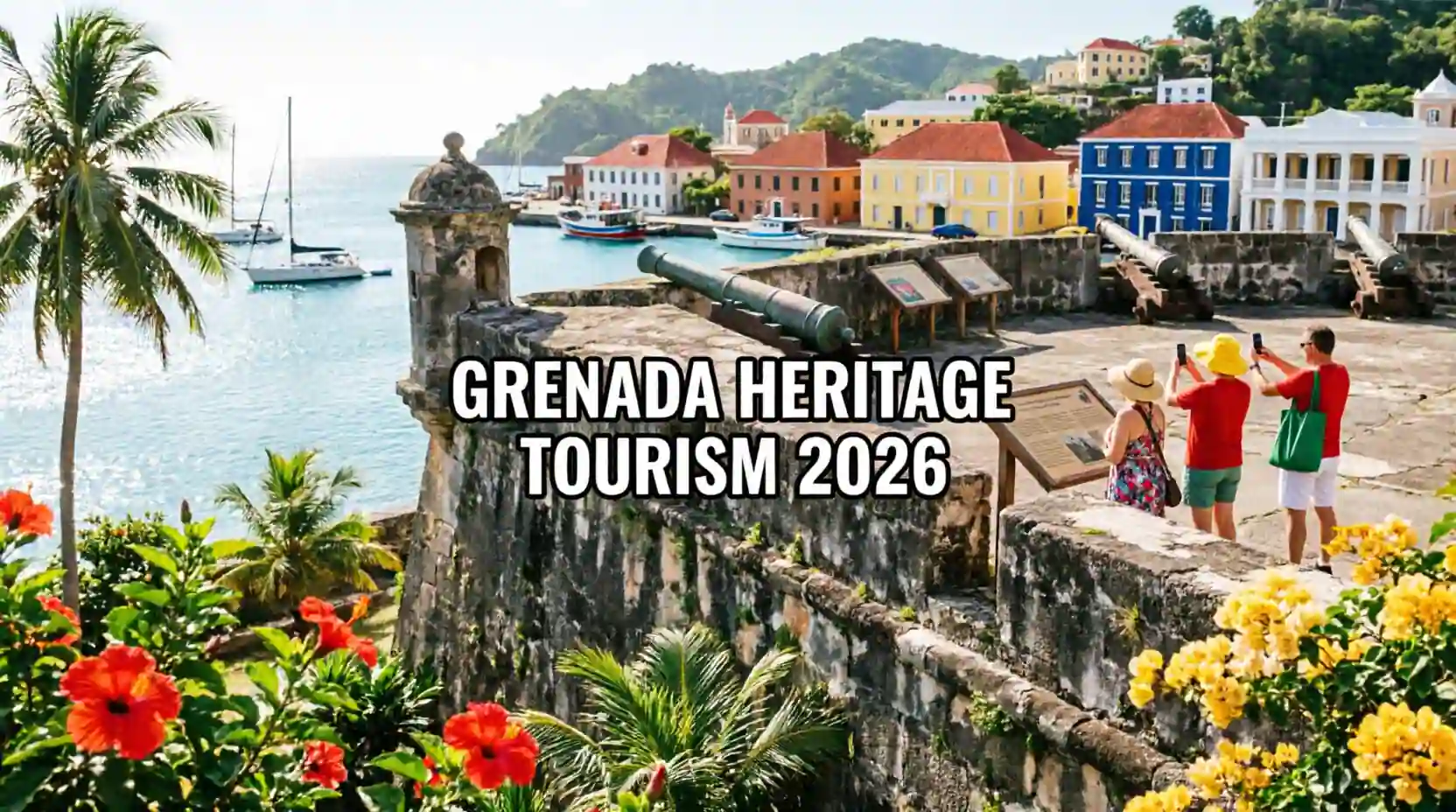
Why 2026 Is the Year of "Heritage Tourism" in Grenada: Stories Beyond the Sun and Sand
For decades, Grenada's global identity has been inextricably linked to its stunning natural beauty: the pristine beaches of Grand Anse, the turquoise waters of the Caribbean Sea, and the lush, verdant interior that earned it the moniker "The Isle of Spice." While this "sun and sand" branding has successfully drawn visitors seeking relaxation and tropical escape, it has often overshadowed the rich, complex, and deeply human stories that define the island's true character. In 2026, Grenada is strategically pivoting to highlight a dimension of its identity that has long waited in the wings: heritage tourism. This shift represents more than just a marketing campaign; it is a conscious effort to deepen the visitor experience, preserve cultural assets, empower local communities, and diversify the tourism economy beyond seasonal beach holidays.
Heritage tourism encompasses the exploration of historical sites, cultural landscapes, living traditions, and community narratives that tell the story of a place and its people. For Grenada, this means moving beyond the resort perimeter to engage with the island's layered history—from the indigenous Kalina (Island Carib) heritage and the colonial struggles between French and British powers, to the brutal legacy of slavery, the triumph of independence, and the vibrant living culture of music, food, and spice production that thrives today. It means visiting centuries-old forts that guarded harbors, walking through working spice estates that scent the air with nutmeg and cocoa, listening to the rhythms of Big Drum music, and understanding the resilience of a people who have shaped their destiny through centuries of change.
This comprehensive guide explores why 2026 marks a pivotal moment for heritage tourism in Grenada: the strategic drivers behind this shift, the key historical and cultural sites that define the experience, the living traditions that visitors can engage with, the role of community-based tourism, infrastructure improvements enabling access, sustainability considerations, and practical information for travelers seeking meaningful connections with Grenada's past and present. Whether you are a history enthusiast, a cultural traveler, a descendant of the African diaspora seeking roots, or simply a visitor wanting to understand the soul of the Spice Isle, this guide provides essential insights into Grenada's heritage landscape in 2026.
Understanding Heritage Tourism: Definition and Strategic Drivers

What Is Heritage Tourism?
Heritage tourism is travel directed toward experiencing the places, artifacts, and activities that authentically represent the stories and people of the past and present. It includes:
- Cultural Heritage: Living traditions such as music, dance, food, language, and festivals that are passed down through generations.
- Historical Heritage: Physical sites such as forts, estates, museums, and archaeological sites that testify to historical events and periods.
- Natural Heritage: Landscapes shaped by human interaction over time, such as spice estates, agricultural systems, and managed forests.
- Intangible Heritage: Oral histories, knowledge systems, craftsmanship, and social practices that define community identity.
- 👉 Traditional Haitian Kompa Dance Clubs History and Etiquette for Visitors
- 👉 Niagara Falls Travel Guide 2026: Horseshoe Falls Power
- 👉 Havana International Jazz Festival 2026: Lineup, Dates & Ticket Guide
In Grenada's context, heritage tourism is not just about looking at old buildings; it is about engaging with the living culture that has emerged from the island's complex history. It is about tasting the nutmeg that fueled colonial economies, hearing the stories of resistance and resilience, and understanding how the past shapes the present.
Why 2026? Strategic Drivers for the Shift
Several converging factors make 2026 the ideal moment for Grenada to elevate heritage tourism:
- Market Demand: Global travel trends show increasing demand for authentic, meaningful experiences over passive consumption. Travelers, particularly millennials and Gen Z, seek connection, learning, and cultural immersion.
- Economic Diversification: Reducing dependence on seasonal beach tourism by attracting visitors year-round through cultural events, historical sites, and community experiences that are less weather-dependent.
- Community Empowerment: Heritage tourism often involves local communities as guides, hosts, and beneficiaries, keeping revenue within local economies and preserving traditional livelihoods.
- Preservation Incentives: Tourism revenue can fund the restoration and maintenance of historical sites, archives, and cultural practices that might otherwise deteriorate.
- Destination Differentiation: While many Caribbean islands offer beaches, Grenada's rich history, spice heritage, and cultural depth provide a unique value proposition that distinguishes it from competitors.
- Infrastructure Maturation: Improvements in roads, the Maurice Bishop International Airport expansion, and digital connectivity make accessing heritage sites easier and more comfortable for visitors.
- Diaspora Engagement: Growing interest from the Grenadian diaspora and African diaspora travelers seeking to connect with ancestral histories and cultural roots.
- 👉 Traditional Haitian Kompa Dance Clubs History and Etiquette for Visitors
- 👉 Niagara Falls Travel Guide 2026: Horseshoe Falls Power
- 👉 Havana International Jazz Festival 2026: Lineup, Dates & Ticket Guide
Economic and Social Benefits
The shift toward heritage tourism delivers measurable benefits:
- Extended Length of Stay: Cultural travelers tend to stay longer than beach-only tourists, exploring multiple sites and regions across the island.
- Higher Spending: Heritage tourists often spend more on guided tours, local crafts, cultural experiences, and dining at local establishments.
- Job Creation: Opportunities for guides, historians, artisans, performers, and community hosts beyond traditional hospitality roles.
- Cultural Pride: Validating and celebrating local history and traditions fosters community pride and intergenerational knowledge transfer.
- Sustainable Development: Heritage tourism often aligns with sustainability goals, emphasizing preservation, local sourcing, and respect for cultural and natural assets.
- 👉 Traditional Haitian Kompa Dance Clubs History and Etiquette for Visitors
- 👉 Niagara Falls Travel Guide 2026: Horseshoe Falls Power
- 👉 Havana International Jazz Festival 2026: Lineup, Dates & Ticket Guide
Grenada's Historical Layers: A Journey Through Time

Indigenous Heritage: The Kalina Legacy
Before European contact, Grenada was inhabited by indigenous peoples, primarily the Kalina (Island Caribs). Their legacy, though often overshadowed by colonial narratives, is an essential part of Grenada's identity:
- Archaeological Sites: Petroglyphs and archaeological remains scattered across the island, particularly in the north, testify to indigenous presence and practices.
- Place Names: Many of Grenada's place names derive from indigenous languages, preserving linguistic heritage.
- Cultural Influence: Elements of indigenous knowledge regarding agriculture, medicine, and navigation influenced later Creole culture.
- Recognition Efforts: In 2026, there are renewed efforts to interpret and protect indigenous sites, with guided tours and educational materials highlighting this foundational layer of Grenadian history.
- 👉 Traditional Haitian Kompa Dance Clubs History and Etiquette for Visitors
- 👉 Niagara Falls Travel Guide 2026: Horseshoe Falls Power
- 👉 Havana International Jazz Festival 2026: Lineup, Dates & Ticket Guide
Colonial Era: French and British Struggles
Grenada's strategic location made it a prized possession for European powers, changing hands between French and British rule multiple times:
- French Period (1649-1763, 1779-1783): The French established the first permanent European settlement, introduced sugar cultivation, and brought enslaved Africans to work the plantations. French influence remains visible in place names, cuisine, and Catholic traditions.
- British Period (1763-1779, 1783-1974): The British ultimately secured control, establishing English as the official language and shaping legal and political institutions. British colonial architecture is evident in forts and public buildings.
- Fedon's Rebellion (1795-1796): A significant uprising led by Julien Fedon, a free mixed-race planter, against British rule. This event is a crucial chapter in Grenada's history of resistance and is commemorated through sites and narratives.
- Fortifications: Fort George and Fort Frederick in St. George's, built during colonial times, stand as physical reminders of this era of conflict and strategic importance.
- 👉 Traditional Haitian Kompa Dance Clubs History and Etiquette for Visitors
- 👉 Niagara Falls Travel Guide 2026: Horseshoe Falls Power
- 👉 Havana International Jazz Festival 2026: Lineup, Dates & Ticket Guide
Slavery and Emancipation
The transatlantic slave trade and plantation economy profoundly shaped Grenada's demographics, culture, and landscape:
- Plantation Estates: Former sugar, cocoa, and nutmeg estates like Belmont Estate and Dougaldston Spice Estate now serve as heritage sites where visitors can learn about the lives of enslaved people, the production processes, and the transition to emancipation.
- Emancipation Day: Celebrated annually, commemorating the abolition of slavery in the British Empire (1834-1838). Events include cultural performances, lectures, and community gatherings.
- African Heritage: Grenadian culture—from music (Big Drum, Calypso) to food (oil down) to religious practices—bears the indelible imprint of African ancestry and resilience.
- Memory and Reconciliation: Efforts in 2026 include improved interpretation at historical sites to ensure the narratives of enslaved people are centered, not marginalized.
- 👉 Traditional Haitian Kompa Dance Clubs History and Etiquette for Visitors
- 👉 Niagara Falls Travel Guide 2026: Horseshoe Falls Power
- 👉 Havana International Jazz Festival 2026: Lineup, Dates & Ticket Guide
Independence and Modern History
Grenada's journey to independence and subsequent political developments are key parts of its modern heritage:
- Independence (1974): Grenada gained independence from Britain on February 7, 1974. Independence Day is a major national celebration with parades, cultural shows, and community events.
- 1979-1983 Revolution: A period of socialist government led by Maurice Bishop, ending with the U.S. intervention in 1983. This complex period is increasingly being interpreted through museums, tours, and oral history projects, offering visitors nuanced understanding of recent history.
- Modern Development: The post-1983 era saw a focus on tourism development, democracy, and economic diversification, shaping the Grenada visitors experience today.
- 👉 Traditional Haitian Kompa Dance Clubs History and Etiquette for Visitors
- 👉 Niagara Falls Travel Guide 2026: Horseshoe Falls Power
- 👉 Havana International Jazz Festival 2026: Lineup, Dates & Ticket Guide
Key Heritage Sites and Experiences in 2026

Fort George and Fort Frederick (St. George's)
These historic forts overlook the capital and harbor, offering panoramic views and historical insight:
- History: Built by the French and expanded by the British, these forts guarded St. George's Harbour against naval attacks.
- Experience: Guided tours explain military history, colonial struggles, and the strategic importance of Grenada. Cannons, dungeons, and ramparts are preserved for exploration.
- Views: Spectacular vistas of St. George's, the Carenage, and the Caribbean Sea.
- Accessibility: Located within walking distance of the cruise terminal and town center; improved signage and pathways in 2026.
- Events: Occasional historical reenactments, cultural performances, and sunset viewings.
- 👉 Traditional Haitian Kompa Dance Clubs History and Etiquette for Visitors
- 👉 Niagara Falls Travel Guide 2026: Horseshoe Falls Power
- 👉 Havana International Jazz Festival 2026: Lineup, Dates & Ticket Guide
Belmont Estate (St. Patrick)
A working heritage plantation offering immersive agro-tourism and historical education:
- History: Dating back to the 17th century, Belmont has been continuously cultivated for cocoa, nutmeg, and other spices.
- Experience: Guided estate tours explain plantation history, slavery and emancipation narratives, and traditional farming methods. Visitors see cocoa fermentation, nutmeg processing, and animal husbandry.
- Dining: On-site restaurant serves traditional Grenadian cuisine using estate-grown ingredients.
- Accommodation: Heritage cottages available for overnight stays, offering a immersive plantation experience.
- Sustainability: Organic farming practices and conservation efforts protect the estate's ecological and historical integrity.
- 👉 Traditional Haitian Kompa Dance Clubs History and Etiquette for Visitors
- 👉 Niagara Falls Travel Guide 2026: Horseshoe Falls Power
- 👉 Havana International Jazz Festival 2026: Lineup, Dates & Ticket Guide
Dougaldston Spice Estate (St. David)
Another historic estate focusing on spice production and heritage:
- Focus: Nutmeg and cocoa production, with demonstrations of traditional processing techniques.
- Experience: Walk through fragrant spice groves, learn about the economic history of spices in Grenada, and purchase fresh spices.
- Community: Operated with strong community involvement, ensuring local benefits.
- Events: Seasonal harvest festivals and cultural events celebrate spice heritage.
- 👉 Traditional Haitian Kompa Dance Clubs History and Etiquette for Visitors
- 👉 Niagara Falls Travel Guide 2026: Horseshoe Falls Power
- 👉 Havana International Jazz Festival 2026: Lineup, Dates & Ticket Guide
Grenada National Museum (St. George's)
The island's primary museum housed in a former French military barracks:
- Collections: Artifacts from indigenous, colonial, and modern periods, including pottery, tools, documents, and photographs.
- Exhibits: Rotating exhibits on specific themes such as slavery, independence, music, or art.
- Education: Educational programs for schools and visitors, workshops, and lectures.
- Location: Central St. George's, easily accessible for cruise passengers and town visitors.
- 2026 Upgrades: Enhanced digital displays, improved conservation facilities, and expanded interpretive materials.
- 👉 Traditional Haitian Kompa Dance Clubs History and Etiquette for Visitors
- 👉 Niagara Falls Travel Guide 2026: Horseshoe Falls Power
- 👉 Havana International Jazz Festival 2026: Lineup, Dates & Ticket Guide
Concord Waterfall and Eco-Heritage
Natural heritage intertwined with cultural history:
- History: The area has historical significance related to estate agriculture and community use.
- Experience: Guided hikes to the waterfall combine natural beauty with historical narratives about land use and community.
- Conservation: Community-led conservation efforts protect the watershed and surrounding forest.
- 👉 Traditional Haitian Kompa Dance Clubs History and Etiquette for Visitors
- 👉 Niagara Falls Travel Guide 2026: Horseshoe Falls Power
- 👉 Havana International Jazz Festival 2026: Lineup, Dates & Ticket Guide
Living Culture: Music, Food, and Festivals

Grenadian Music and Dance
Music is a vital expression of Grenadian heritage:
- Big Drum: Traditional African-derived music performed at ceremonies and celebrations, featuring distinctive drums and call-and-response singing.
- Calypso and Soca: Vibrant musical styles with social commentary, celebrated during Carnival and other festivals.
- Quadrille: Traditional folk dance with European and African influences, performed at cultural events.
- Experiences: Visitors can attend live performances, workshops, or cultural nights at hotels and community centers to experience these traditions firsthand.
- 👉 Traditional Haitian Kompa Dance Clubs History and Etiquette for Visitors
- 👉 Niagara Falls Travel Guide 2026: Horseshoe Falls Power
- 👉 Havana International Jazz Festival 2026: Lineup, Dates & Ticket Guide
Culinary Heritage
Grenadian cuisine is a fusion of indigenous, African, French, and British influences:
- Oil Down: The national dish, a one-pot meal of breadfruit, salted meat, callaloo, dumplings, and spices cooked in coconut milk. Often prepared for community gatherings.
- Spices: Nutmeg, cinnamon, cloves, and cocoa are integral to Grenadian cooking. Spice markets and estates offer tastings and education.
- Seafood: Fresh catch prepared in various styles, reflecting the island's maritime heritage.
- Desserts: Sweet bread, pone, and fruit-based desserts using local ingredients.
- Experiences: Cooking classes, food tours, market visits, and estate dining allow visitors to engage with culinary heritage actively.
- 👉 Traditional Haitian Kompa Dance Clubs History and Etiquette for Visitors
- 👉 Niagara Falls Travel Guide 2026: Horseshoe Falls Power
- 👉 Havana International Jazz Festival 2026: Lineup, Dates & Ticket Guide
Festivals and Celebrations
Annual events showcase Grenada's cultural vitality:
- Grenada Carnival (Spicemas): Held in August, featuring calypso competitions, parades, Jouvert morning, and cultural displays. A vibrant expression of national identity.
- Independence Day (February 7): National celebrations with parades, speeches, and cultural performances commemorating 1974 independence.
- Emancipation Day (August 1): Commemorating the abolition of slavery with cultural events and reflections.
- Fisherman's Birthday (August 15): Celebrating the fishing community with boat blessings, competitions, and seafood festivals.
- Heritage Days: Specific events in 2026 focused on historical sites, museum exhibitions, and oral history projects.
- 👉 Traditional Haitian Kompa Dance Clubs History and Etiquette for Visitors
- 👉 Niagara Falls Travel Guide 2026: Horseshoe Falls Power
- 👉 Havana International Jazz Festival 2026: Lineup, Dates & Ticket Guide
Community-Based Heritage Tourism

Empowering Local Communities
Heritage tourism in Grenada increasingly emphasizes community ownership and benefit:
- Community Guides: Local residents trained as guides share authentic stories and perspectives that outside guides might miss.
- Homestays: Opportunities to stay with local families, experiencing daily life and hospitality firsthand.
- Artisan Cooperatives: Groups producing crafts, food products, or performances sell directly to visitors, retaining more revenue.
- Decision-Making: Communities involved in planning tourism activities to ensure they align with local values and needs.
- 👉 Traditional Haitian Kompa Dance Clubs History and Etiquette for Visitors
- 👉 Niagara Falls Travel Guide 2026: Horseshoe Falls Power
- 👉 Havana International Jazz Festival 2026: Lineup, Dates & Ticket Guide
Examples of Community Initiatives
- Paraclete Estate (St. David): Community-managed heritage site offering tours and cultural experiences.
- Victoria Village (St. Mark): Known for traditional fishing and boat-building; visitors can learn about maritime heritage.
- Gouyave Fish Friday: Weekly street festival where visitors experience local food, music, and community atmosphere.
- Rural Heritage Trails: Walking trails through villages and estates guided by community members, highlighting local history and nature.
- 👉 Traditional Haitian Kompa Dance Clubs History and Etiquette for Visitors
- 👉 Niagara Falls Travel Guide 2026: Horseshoe Falls Power
- 👉 Havana International Jazz Festival 2026: Lineup, Dates & Ticket Guide
Benefits of Community-Based Approach
- Economic Retention: More money stays within the local community rather than leaking to external operators.
- Cultural Authenticity: Visitors experience genuine culture rather than staged performances.
- Preservation Incentive: Communities see economic value in preserving their heritage, motivating protection of sites and traditions.
- Social Cohesion: Tourism activities can strengthen community bonds and pride.
- 👉 Traditional Haitian Kompa Dance Clubs History and Etiquette for Visitors
- 👉 Niagara Falls Travel Guide 2026: Horseshoe Falls Power
- 👉 Havana International Jazz Festival 2026: Lineup, Dates & Ticket Guide
Infrastructure and Accessibility in 2026

Transportation Improvements
Accessing heritage sites has become easier with infrastructure upgrades:
- Road Networks: Improved roads connecting St. George's to parishes like St. Patrick, St. Mark, and St. David where many heritage sites are located.
- Public Transport: Enhanced bus and taxi services with clearer routes and schedules for tourists.
- Rental Options: More car rental agencies offering vehicles suitable for island driving, with GPS and heritage site maps.
- Tour Operators: Specialized heritage tour operators offering guided transportation to multiple sites.
- 👉 Traditional Haitian Kompa Dance Clubs History and Etiquette for Visitors
- 👉 Niagara Falls Travel Guide 2026: Horseshoe Falls Power
- 👉 Havana International Jazz Festival 2026: Lineup, Dates & Ticket Guide
Digital Connectivity and Information
Technology enhances the heritage experience:
- Mobile Apps: Grenada tourism apps provide maps, audio guides, historical information, and event calendars for heritage sites.
- QR Codes: Sites feature QR codes linking to detailed historical information, videos, and oral histories.
- Virtual Tours: Some sites offer virtual previews for planning visits or for those unable to visit physically.
- Online Booking: Easy online booking for tours, experiences, and accommodations related to heritage tourism.
- 👉 Traditional Haitian Kompa Dance Clubs History and Etiquette for Visitors
- 👉 Niagara Falls Travel Guide 2026: Horseshoe Falls Power
- 👉 Havana International Jazz Festival 2026: Lineup, Dates & Ticket Guide
Accessibility for All
Efforts to make heritage sites more inclusive:
- Physical Access: Ramps, pathways, and facilities improved at major sites like forts and museums for visitors with mobility challenges.
- Information Access: Materials available in multiple formats (large print, audio) and languages.
- Programs: Tailored tours and experiences for diverse groups including families, seniors, and people with disabilities.
- 👉 Traditional Haitian Kompa Dance Clubs History and Etiquette for Visitors
- 👉 Niagara Falls Travel Guide 2026: Horseshoe Falls Power
- 👉 Havana International Jazz Festival 2026: Lineup, Dates & Ticket Guide
Sustainable Heritage Tourism: Preservation and Responsibility

Protecting Historical Assets
Tourism must not damage the heritage it celebrates:
- Conservation Standards: Restoration and maintenance of historical sites follow international conservation standards to preserve authenticity.
- Visitor Management: Limits on visitor numbers at sensitive sites to prevent wear and tear.
- Funding: Portion of tourism revenue dedicated to ongoing conservation and maintenance of heritage assets.
- Monitoring: Regular assessments of site conditions and visitor impacts to guide management decisions.
- 👉 Traditional Haitian Kompa Dance Clubs History and Etiquette for Visitors
- 👉 Niagara Falls Travel Guide 2026: Horseshoe Falls Power
- 👉 Havana International Jazz Festival 2026: Lineup, Dates & Ticket Guide
Respecting Living Culture
- Community Consent: Cultural performances and experiences offered with community consent and fair compensation.
- Authenticity: Avoiding commodification or distortion of cultural traditions for tourist consumption.
- Education: Visitors educated about cultural protocols, appropriate behavior, and the significance of traditions they witness.
- Intellectual Property: Respect for community ownership of traditional knowledge, designs, and expressions.
- 👉 Traditional Haitian Kompa Dance Clubs History and Etiquette for Visitors
- 👉 Niagara Falls Travel Guide 2026: Horseshoe Falls Power
- 👉 Havana International Jazz Festival 2026: Lineup, Dates & Ticket Guide
Environmental Sustainability
- Low-Impact Transport: Encouraging walking, cycling, or electric vehicles for heritage tours where feasible.
- Waste Management: Proper disposal and recycling at heritage sites to protect surrounding environments.
- Energy Efficiency: Heritage buildings upgraded with energy-efficient lighting and systems where compatible with preservation goals.
- Climate Resilience: Heritage sites assessed for climate risks (storms, sea-level rise) and protected accordingly.
- 👉 Traditional Haitian Kompa Dance Clubs History and Etiquette for Visitors
- 👉 Niagara Falls Travel Guide 2026: Horseshoe Falls Power
- 👉 Havana International Jazz Festival 2026: Lineup, Dates & Ticket Guide
Planning Your Heritage Journey: Sample Itineraries

3-Day Heritage Highlights
- Day 1: St. George's exploration: Fort George, Fort Frederick, National Museum, Carenage waterfront, Market Square.
- Day 2: Estate experience: Belmont Estate tour, lunch, cocoa processing demonstration, overnight at heritage cottage.
- Day 3: Cultural immersion: Gouyave Fish Friday (if timing aligns), spice estate visit, Big Drum performance, departure.
- 👉 Traditional Haitian Kompa Dance Clubs History and Etiquette for Visitors
- 👉 Niagara Falls Travel Guide 2026: Horseshoe Falls Power
- 👉 Havana International Jazz Festival 2026: Lineup, Dates & Ticket Guide
5-Day Deep Dive into History and Culture
- Day 1: Arrival, St. George's orientation, Fort George sunset viewing.
- Day 2: Northern heritage: Indigenous petroglyphs, Concord Waterfall, rural village visit.
- Day 3: Estate day: Belmont or Dougaldston, spice processing, traditional lunch, cooking class.
- Day 4: Modern history: 1979-1983 revolution sites, museum exhibits, oral history session with local historian.
- Day 5: Cultural celebration: Attend local festival or performance, craft shopping, departure.
- 👉 Traditional Haitian Kompa Dance Clubs History and Etiquette for Visitors
- 👉 Niagara Falls Travel Guide 2026: Horseshoe Falls Power
- 👉 Havana International Jazz Festival 2026: Lineup, Dates & Ticket Guide
7-Day Comprehensive Heritage Experience
- Days 1-2: St. George's historical sites, museums, markets.
- Days 3-4: Northern and Eastern parishes: Estates, waterfalls, indigenous sites, community visits.
- Day 5: Southern heritage: Fishing villages, maritime history, lighthouses.
- Day 6: Cultural immersion: Music workshop, cooking class, festival attendance.
- Day 7: Reflection and departure: Visit favorite site again, purchase crafts, farewell.
- 👉 Traditional Haitian Kompa Dance Clubs History and Etiquette for Visitors
- 👉 Niagara Falls Travel Guide 2026: Horseshoe Falls Power
- 👉 Havana International Jazz Festival 2026: Lineup, Dates & Ticket Guide
Practical Information for Heritage Travelers

Best Time to Visit
- Festival Season (August): Spicemas Carnival offers peak cultural experience but higher crowds and prices.
- Independence (February): National celebrations, pleasant weather, good for heritage events.
- Shoulder Season (May-June, October-November): Fewer crowds, lower prices, still access to sites and experiences.
- Year-Round: Most heritage sites open year-round; some events are seasonal.
- 👉 Traditional Haitian Kompa Dance Clubs History and Etiquette for Visitors
- 👉 Niagara Falls Travel Guide 2026: Horseshoe Falls Power
- 👉 Havana International Jazz Festival 2026: Lineup, Dates & Ticket Guide
Booking and Guides
- Certified Guides: Use Grenada Board of Tourism certified guides for accurate historical information and quality experience.
- Advance Booking: Book estate tours, cooking classes, and special experiences in advance, especially during peak season.
- Community Tours: Contact community tourism organizations directly for authentic village experiences.
- Private vs. Group: Private tours offer flexibility; group tours provide social interaction and lower cost.
- 👉 Traditional Haitian Kompa Dance Clubs History and Etiquette for Visitors
- 👉 Niagara Falls Travel Guide 2026: Horseshoe Falls Power
- 👉 Havana International Jazz Festival 2026: Lineup, Dates & Ticket Guide
Etiquette and Respect
- Photography: Always ask permission before photographing people, especially in communities or during ceremonies.
- Dress Code: Modest dress when visiting religious sites or communities; comfortable clothing for estate walks.
- Cultural Sensitivity: Listen respectfully to guides, avoid inappropriate questions about sensitive history (slavery, revolution), follow community protocols.
- Purchasing: Buy directly from artisans when possible; bargain respectfully if customary.
- Environmental Care: Do not touch or remove artifacts at historical sites; stay on marked paths.
- 👉 Traditional Haitian Kompa Dance Clubs History and Etiquette for Visitors
- 👉 Niagara Falls Travel Guide 2026: Horseshoe Falls Power
- 👉 Havana International Jazz Festival 2026: Lineup, Dates & Ticket Guide
Budget Considerations
- Site Entrance Fees: Most forts and museums charge modest fees (USD $5-15); estates may include tour in entrance fee.
- Guided Tours: Half-day tours USD $50-100 per person; full-day USD $100-200 depending on inclusions.
- Experiences: Cooking classes, workshops USD $40-80 per person.
- Transportation: Taxis, rental cars, or tour transport costs vary; budget accordingly.
- Value: Heritage tourism offers high value through learning and authentic connection, not just sightseeing.
- 👉 Traditional Haitian Kompa Dance Clubs History and Etiquette for Visitors
- 👉 Niagara Falls Travel Guide 2026: Horseshoe Falls Power
- 👉 Havana International Jazz Festival 2026: Lineup, Dates & Ticket Guide
Challenges and Future Directions

Ongoing Challenges
- Funding: Conservation and interpretation of heritage sites require sustained investment.
- Capacity: Need for more trained guides, interpreters, and heritage management professionals.
- Balancing Development: Ensuring new tourism development does not compromise historical landscapes or community character.
- Narrative Complexity: Presenting difficult histories (slavery, colonialism, revolution) in ways that are educational, respectful, and nuanced.
- 👉 Traditional Haitian Kompa Dance Clubs History and Etiquette for Visitors
- 👉 Niagara Falls Travel Guide 2026: Horseshoe Falls Power
- 👉 Havana International Jazz Festival 2026: Lineup, Dates & Ticket Guide
Future Opportunities
- Digital Heritage: Expanded use of AR/VR to bring historical sites and stories to life.
- Regional Collaboration: Partnering with other Caribbean nations on heritage routes (e.g., spice trail, slavery heritage route).
- Diaspora Tourism: Targeted programs for Grenadian and African diaspora seeking roots and connection.
- Youth Engagement: Programs to engage young Grenadians in heritage preservation and tourism careers.
- Research: Ongoing historical and archaeological research to deepen understanding and interpretation.
- 👉 Traditional Haitian Kompa Dance Clubs History and Etiquette for Visitors
- 👉 Niagara Falls Travel Guide 2026: Horseshoe Falls Power
- 👉 Havana International Jazz Festival 2026: Lineup, Dates & Ticket Guide
Frequently Asked Questions

Is heritage tourism suitable for families with children?
Yes, many heritage sites offer interactive experiences, scavenger hunts, and hands-on activities suitable for children. Estates like Belmont have animals and processes that engage young visitors. Check with tour operators for family-friendly options.
Do I need special equipment for heritage tours?
Comfortable walking shoes are essential for estate walks and fort exploration. Sun protection (hat, sunscreen), water bottle, and camera are recommended. Some sites may have uneven terrain.
Can I visit heritage sites independently or do I need a guide?
Some sites like forts and museums can be visited independently, but guided tours provide much richer context, stories, and access to areas otherwise unavailable. For community experiences, guides are essential.
Are heritage sites accessible for people with mobility challenges?
Accessibility varies by site. Major sites like the National Museum and some forts have made improvements. Contact sites or tour operators in advance to confirm accessibility and arrange assistance if needed.
What languages are heritage tours available in?
English is the primary language. Some operators may offer tours in other languages (Spanish, French) by arrangement. Check with tour providers when booking.
How can I ensure my heritage tourism spending benefits local communities?
Choose community-based tours, buy from local artisans, eat at local restaurants, and use local guides. Ask tour operators about their community benefit policies.
Conclusion: Discovering the Soul of the Spice Isle

2026 marks a transformative year for Grenada tourism, as the island invites travelers to look beyond the beaches and discover the rich tapestry of history, culture, and community that defines its true identity. Heritage tourism offers a deeper, more meaningful way to experience Grenada—one that engages the mind and heart as well as the senses. By exploring historic forts, walking through fragrant spice estates, listening to the rhythms of Big Drum music, and connecting with local communities, visitors gain not just a vacation but an understanding of a people's resilience, creativity, and spirit.
This shift toward heritage tourism benefits everyone: travelers receive richer experiences, communities gain economic opportunities and pride, and historical assets receive the care and attention they deserve. It represents a more sustainable, equitable, and authentic model of tourism that aligns with global trends and local aspirations.
As you plan your 2026 journey to Grenada, consider weaving heritage experiences into your itinerary. Spend a day at Belmont Estate learning about cocoa. Walk the ramparts of Fort George imagining centuries of history. Taste oil down prepared by a local family. Listen to the stories of elders who remember times past. In doing so, you become part of Grenada's ongoing story—a story of spice, struggle, survival, and celebration.
Grenada's heritage is not locked away in museums; it is alive in the streets, the estates, the kitchens, and the hearts of its people. Come and discover it. Come and understand it. Come and experience the soul of the Spice Isle.
Welcome to Grenada. Welcome to heritage tourism. Welcome to stories beyond the sun and sand.
0 Comments