.webp)
.webp)
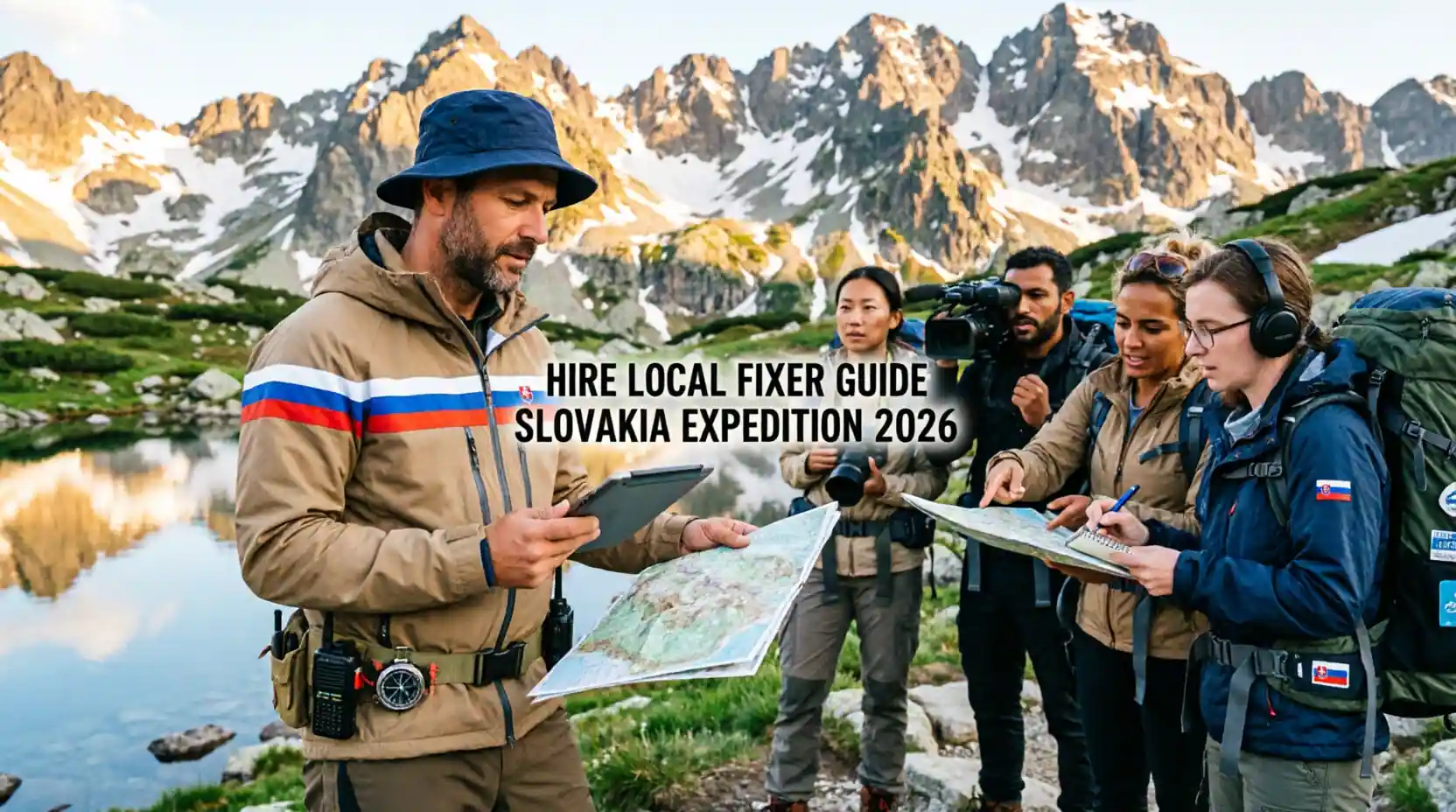
Understanding the Role of Local Fixers and Guides in Slovakia
Hiring a reliable local fixer or guide represents one of the most critical decisions for any Slovakia expedition in 2026. Whether you're a journalist, filmmaker, photographer, researcher, or serious traveler, a skilled local professional transforms challenging logistics into seamless experiences.
A local fixer serves as your cultural bridge, logistical coordinator, and problem-solver in Slovakia. These professionals possess intimate knowledge of local customs, language, bureaucracy, and hidden locations that guidebooks simply cannot provide.
For Slovakia specifically, local expertise proves invaluable given the country's diverse regions, complex history, and unique cultural landscape. From navigating High Tatras mountain regulations to accessing remote villages in Spiš region, fixers open doors otherwise remaining closed.
The distinction between a guide and a fixer matters for expedition planning. Guides focus on leading tours and sharing knowledge about specific sites or activities. Fixers handle broader logistics including permits, translations, local contacts, transportation, and crisis management.
Many professionals in Slovakia offer hybrid services combining both roles. Understanding your specific needs helps identify whether you require pure guiding, fixer services, or a comprehensive expedition support professional.
Why Slovakia Expeditions Need Local Expertise

Slovakia's geographical and cultural complexity demands local knowledge. The country packs dramatic mountains, medieval towns, cave systems, and thermal springs into a relatively small area, each requiring different approaches and permissions.
Language barriers present real challenges outside major cities. While English proficiency ranks well in Bratislava and tourist centers, rural areas and government offices operate primarily in Slovak. Local fixers eliminate communication obstacles.
Permit requirements vary significantly by activity and location. Filming in national parks, accessing protected caves, or documenting cultural sites often requires specific permissions that fixers can efficiently navigate.
Cultural sensitivity matters greatly in Slovakia. Local fixers ensure respectful engagement with communities, appropriate behavior at religious sites, and understanding of historical contexts that outsiders might miss.
Emergency situations require local knowledge and contacts. Medical facilities, police procedures, and crisis response differ from other countries. Having a local professional provides security and rapid problem resolution.
Specific Slovakia Challenges Fixers Address
Mountain regulations in the High Tatras require understanding. Rescue services, trail conditions, weather patterns, and safety protocols demand local expertise for safe expedition planning.
Rural transportation logistics prove complex. Public transit serves main routes well but reaching remote villages, trailheads, or specific locations often requires local knowledge of schedules, drivers, and alternative transport.
Historical and political sensitivity exists around certain topics. Slovakia's complex 20th-century history, WWII events, and communist era require nuanced understanding that local fixers provide.
Seasonal variations dramatically affect accessibility. Winter closes many mountain areas while summer brings crowds. Fixers optimize timing and routing based on seasonal conditions.
Types of Fixers and Guides Available in Slovakia

Slovakia's growing tourism and media industries have created diverse fixer and guide specializations. Matching your expedition needs with appropriate expertise ensures optimal results.
Journalism and Media Fixers
Media fixers specialize in supporting journalists, documentary filmmakers, and photojournalists. They understand press requirements, interview arrangements, location scouting, and production logistics.
These professionals maintain networks of contacts including officials, experts, and community leaders. They facilitate introductions and build trust with potential interview subjects.
Media fixers understand permitting requirements for filming and photography. They navigate regulations for commercial filming, drone usage, and restricted areas efficiently.
Translation and interpretation services form core competencies. These fixers provide real-time translation during interviews and help craft culturally appropriate questions.
Adventure and Mountain Guides
Certified mountain guides specialize in High Tatras and other Slovak mountain ranges. They possess technical climbing skills, rescue training, and intimate terrain knowledge.
These guides hold international certifications (UIAGM/IFMGA) ensuring professional standards. They carry liability insurance and maintain current first aid and rescue qualifications.
Adventure guides arrange equipment rentals, mountain hut reservations, and transport to trailheads. They manage logistics allowing you to focus on the experience.
Weather assessment and risk management represent critical skills. Mountain guides make real-time decisions about route changes, weather delays, and safety priorities.
Cultural and Historical Guides
Cultural specialists focus on Slovakia's rich heritage including castles, churches, folk architecture, and traditions. They provide deep historical context and cultural interpretation.
These guides often possess academic backgrounds in history, art history, or ethnography. Their expertise enhances understanding beyond surface-level tourism.
Access to restricted sites and special permissions often available through cultural guides. Relationships with site managers and heritage organizations open doors to exclusive experiences.
Language skills typically include multiple languages beyond Slovak. Many cultural guides speak English, German, Russian, and other languages fluently.
Regional Specialist Guides
Some fixers specialize in specific Slovak regions like Spiš, Orava, or Gemer. Deep local knowledge of these areas provides unique insights and access.
Regional specialists maintain extensive local networks including family connections, community relationships, and business contacts developed over generations.
Hidden gems and off-beaten-path locations form their expertise. These guides reveal locations and experiences absent from guidebooks and tourist itineraries.
Dialect and cultural nuances vary by region. Local specialists understand subtle differences in customs, food, architecture, and traditions across Slovakia.
Finding Qualified Fixers and Guides in Slovakia

Locating reliable fixers requires strategic searching and verification. Multiple channels exist for finding professionals, each with advantages and considerations.
Professional Associations and Certification Bodies
Slovak Association of Mountain Guides (SZVHS) maintains registry of certified guides. These professionals meet strict training, experience, and safety standards.
Official tourist guide licenses issued by Slovak Ministry of Transport. Licensed guides complete comprehensive training and examinations covering history, culture, and languages.
International Federation of Journalists (IFJ) networks include Slovak media fixers. Professional journalism organizations maintain vetted contact lists.
Chamber of Commerce registrations verify business legitimacy. Checking official business registration confirms legal operation and tax compliance.
Online Platforms and Directories
Specialized fixer platforms like Fixer.com and LocalFixer.com feature Slovak professionals. These platforms provide reviews, portfolios, and booking systems.
Freelance marketplaces including Upwork and Fiverr list Slovak guides and fixers. These platforms offer payment protection and review systems though quality varies.
Social media groups for Slovakia travel and expats provide recommendations. Facebook groups like "Expats in Slovakia" and "Slovakia Travel" feature community vetting.
LinkedIn professional network reveals fixer credentials and experience. Professional profiles show work history, recommendations, and specialization areas.
Referrals and Recommendations
Previous clients provide valuable insights. Request references from fixers and actually contact them to verify quality and reliability.
Embassy and consulate recommendations offer vetted options. Diplomatic missions maintain lists of reliable service providers for their citizens.
Hotel concierges in Bratislava and major cities know reputable guides. Established hotels work with proven professionals and stake their reputation on recommendations.
Journalist and filmmaker networks share fixer contacts. Professional communities in media industries circulate recommendations for reliable Slovakia fixers.
Local Tourism Organizations
Regional tourism boards maintain guide directories. Organizations like Bratislava Tourism or High Tatras Tourism feature licensed professionals.
Visitor centers provide guide recommendations. Staff at official tourist information centers know local guides and their specializations.
National park visitor centers list authorized guides. For nature and hiking expeditions, park-recommended guides understand specific regulations and requirements.
Evaluating Fixer Qualifications and Experience

Thorough vetting prevents problems during your expedition. Systematic evaluation of qualifications, experience, and compatibility ensures successful partnership.
Essential Credentials to Verify
Official licensing and certification prove legal qualification. Request copies of guide licenses, mountain guide certifications, or business registrations.
Insurance coverage protects both parties. Professional liability insurance and personal accident insurance should be current and adequate.
Language proficiency matches your needs. Verify fluency levels through conversation or references, not just self-assessment.
First aid and safety certifications essential for adventure guides. Current wilderness first aid, rescue training, or emergency response certifications required for mountain expeditions.
Experience Assessment
Years of professional experience indicates reliability. While new guides may excel, established professionals have proven track records and problem-solving experience.
Specific expedition type experience matters. A fixer specializing in urban journalism may lack mountain rescue knowledge needed for Tatras expeditions.
Client portfolio reveals capability level. Previous work with major media outlets, research institutions, or adventure companies suggests professional competence.
Regional familiarity ensures efficiency. Fixers who grew up in or extensively worked in your target region possess invaluable local knowledge.
Reference Checking Process
Request at least three recent references. Contact previous clients to ask about reliability, problem-solving, communication, and overall satisfaction.
Ask specific questions about challenges faced. How did the fixer handle unexpected problems, delays, or difficult situations?
Verify reference authenticity. Ensure references represent actual clients, not personal friends or business associates.
Check online reviews and testimonials. While not comprehensive, platforms like Google Reviews or TripAdvisor provide additional perspective.
Interview and Compatibility Assessment
Video calls enable personal connection before commitment. Assess communication style, professionalism, and interpersonal compatibility.
Discuss your specific expedition goals clearly. Ensure the fixer understands your objectives, constraints, and expectations.
Evaluate problem-solving approach. Present hypothetical scenarios to understand how they think and respond to challenges.
Assess cultural sensitivity and professionalism. The fixer represents you to local communities; their behavior reflects on your expedition.
Understanding Costs and Budgeting for Fixer Services

Fixer and guide costs in Slovakia vary significantly based on expertise, services, and expedition complexity. Understanding pricing structures enables accurate budgeting.
Typical Rate Structures
Daily rates for professional fixers range 150-400 euros per day. Experienced media fixers command higher rates than general guides.
Mountain guides charge 120-250 euros daily depending on certification level. UIAGM-certified guides cost more but provide highest safety standards.
Half-day rates often available for shorter assignments. These typically cost 60-70% of full-day rates.
Multi-day expeditions may receive discounted rates. Week-long or longer commitments often negotiate 10-20% discounts.
Additional Costs to Budget
Accommodation and meals for multi-day expeditions. You cover the fixer's lodging and food costs during trips away from their home base.
Transportation expenses including fuel, tolls, and vehicle rental. Some fixers include their vehicle in daily rate while others charge separately.
Permit and entrance fee costs. While fixers arrange permits, you typically pay the actual fees for parks, sites, or filming permissions.
Equipment rental if needed. Specialized gear like climbing equipment, cameras, or vehicles may incur additional charges.
Payment Terms and Practices
Deposit requirements typically 30-50% upfront. This secures the fixer's time and covers initial expenses.
Balance payment upon expedition completion. Final payment usually due within 7-14 days after services rendered.
Written contracts protect both parties. Formal agreements outline services, costs, cancellation policies, and responsibilities.
Payment methods include bank transfer, cash, or online platforms. International transfers may incur fees; discuss preferred methods upfront.
Value Versus Cost Considerations
Cheapest option rarely best value. Experienced fixers prevent costly mistakes, save time, and provide access impossible independently.
Specialized expertise commands premium rates. A fixer with specific regional knowledge or technical skills justifies higher costs through superior results.
Time savings represent hidden value. Efficient fixers maximize your productive time, often paying for themselves through increased output.
Risk mitigation has tangible worth. Professional fixers prevent dangerous situations, legal problems, and cultural missteps with significant potential costs.
Legal Requirements and Permits in Slovakia

Slovakia has specific regulations governing guiding services, filming, and access to protected areas. Understanding these requirements prevents legal complications.
Licensing Requirements for Guides
Official tourist guides require state certification. The Slovak Ministry of Transport issues licenses after comprehensive examination.
Mountain guides must hold UIAGM/IFMGA certification for professional guiding. This international standard ensures safety and competence.
Unlicensed guiding in protected areas illegal. National parks and nature reserves require authorized guides for commercial activities.
Business registration required for professional fixers. Legitimate operators maintain proper business licenses and tax registration.
Filming and Photography Permits
Commercial filming requires permits in most locations. Slovakia distinguishes between personal and commercial photography/filming.
National park filming needs special authorization. Each national park has specific regulations and permit processes.
Private property requires owner permission. Even with public access, commercial filming on private land needs explicit consent.
Drone operations face strict regulations. Slovakia requires drone registration, pilot certification, and flight permissions in many areas.
Access Restrictions and Protected Areas
National parks have seasonal closures and restricted zones. High Tatras and other parks limit access to protect wildlife and ensure safety.
Cultural heritage sites may restrict commercial activities. UNESCO sites and national monuments have specific usage rules.
Border zones require special permits. Areas near Slovak borders with Poland, Ukraine, or Austria may have access restrictions.
Military installations strictly off-limits. Photography or access to military areas prohibited without special authorization.
Insurance and Liability Considerations
Professional liability insurance essential for fixers. This coverage protects against errors, omissions, and negligence claims.
Travel insurance for expedition members required. Comprehensive coverage including medical evacuation crucial for mountain expeditions.
Equipment insurance protects valuable gear. Cameras, climbing equipment, and vehicles need appropriate coverage.
Contractual liability clauses define responsibilities. Clear agreements specify who bears risk for various scenarios.
Communication and Expectation Setting

Clear communication prevents misunderstandings and ensures successful expeditions. Establishing expectations upfront creates smooth working relationships.
Pre-Expedition Communication
Detailed briefing documents align expectations. Provide written outlines of goals, schedule, special requirements, and contingencies.
Regular check-ins before departure maintain connection. Weekly or bi-weekly communications keep plans current and address emerging questions.
Technology platforms facilitate coordination. WhatsApp, email, or project management tools enable efficient communication across time zones.
Cultural communication style awareness prevents friction. Slovak communication tends toward direct but polite; understanding this helps interpret messages accurately.
Defining Scope of Services
Written service agreements prevent scope creep. Clearly specify what's included: translation, driving, research, permit acquisition, etc.
Working hours and availability expectations matter. Define whether the fixer is on-call 24/7 or available during specific hours.
Decision-making authority clarification prevents conflicts. Establish who makes final decisions about route changes, safety issues, or schedule adjustments.
Deliverable specifications for media projects. If producing content, define the fixer's role in research, logistics, or on-camera participation.
Cultural and Professional Boundaries
Professional relationship maintenance important. While friendliness enhances teamwork, clear professional boundaries prevent misunderstandings.
Gift-giving customs understanding shows respect. Small tokens of appreciation appropriate in Slovak culture; learn appropriate gestures.
Tipping practices vary by service type. Research Slovak customs for guides and fixers; typically 10-15% for exceptional service.
Personal space and interaction norms differ. Slovak culture values some formality initially; let the fixer set the tone for relationship development.
Contingency Planning Communication
Emergency contact protocols established beforehand. Exchange multiple contact methods and designate backup contacts.
Decision trees for common scenarios prevent confusion. Discuss how to handle weather delays, illness, equipment failure, or other issues.
Authority limits clearly defined. Specify what decisions the fixer can make independently versus requiring your approval.
Communication during crises planned in advance. Establish primary and backup communication methods for emergencies.
Regional Expertise and Specialization

Slovakia's diverse regions require different expertise. Matching your destination with fixers possessing specific regional knowledge maximizes expedition success.
Bratislava and Western Slovakia
Urban fixers excel at city logistics and cultural access. Bratislava specialists navigate museums, government offices, and urban filming efficiently.
Wine region expertise in Malokarpatská area. Fixers familiar with Slovak wine country provide access to vineyards and local producers.
Historical knowledge of Habsburg and Czechoslovak periods. Western Slovakia's history requires specialists understanding Central European context.
Border crossing facilitation with Austria and Czech Republic. Fixers experienced with international borders streamline multi-country expeditions.
High Tatras and Northern Mountains
Certified mountain guides essential for safety. High Tatras present serious alpine hazards requiring professional expertise.
Mountain hut reservation systems knowledge. Tatras mountain huts require advance booking; experienced guides navigate this system efficiently.
Weather pattern expertise critical for planning. Mountain weather changes rapidly; local guides read conditions and adjust plans accordingly.
Rescue service coordination capabilities. In emergencies, mountain guides communicate effectively with HZS (Mountain Rescue Service).
Central Slovakia and Mining Regions
Industrial heritage knowledge enhances understanding. Central Slovakia's mining history requires guides familiar with this specialized heritage.
Cave system access and permits. Slovakia's extensive cave networks need authorized guides for legal and safe exploration.
Folk tradition expertise in rural villages. Central Slovakia preserves strong folk traditions; cultural guides provide authentic access.
Outdoor adventure specialization. Activities like rafting, via ferrata, and mountain biking require guides with specific certifications.
Eastern Slovakia and Spiš Region
Wooden church and heritage site access. Eastern Slovakia's UNESCO wooden churches benefit from guides with art historical knowledge.
Rural village relationship networks. Eastern regions maintain tight-knit communities; local fixers provide trusted introductions.
Border region expertise near Ukraine and Poland. Eastern border areas have specific regulations and cultural sensitivities.
Romani community engagement protocols. Eastern Slovakia has significant Romani populations; culturally sensitive fixers ensure respectful interaction.
Working Effectively With Your Fixer

Maximizing the value of your fixer relationship requires mutual respect, clear communication, and professional collaboration.
Building Trust and Rapport
Respect local knowledge and expertise. Your fixer understands Slovakia in ways you cannot; trust their judgment on local matters.
Show genuine interest in Slovak culture. Engagement beyond transactional relationship builds stronger partnership and better results.
Provide context about your project goals. When fixers understand your objectives, they can identify opportunities you might miss.
Acknowledge and appreciate good work. Positive feedback and recognition motivate fixers to exceed expectations.
Maximizing Local Knowledge
Ask questions and seek explanations. Fixers possess valuable insights; active learning enhances your experience and results.
Remain flexible to local recommendations. Fixers may suggest alternatives that better serve your goals than original plans.
Leverage local networks and connections. Your fixer's relationships can open doors impossible to access independently.
Document local knowledge shared. Take notes on cultural insights, historical context, and practical information provided.
Problem-Solving Partnership
Collaborative approach to challenges yields best results. Work with your fixer as a team rather than giving orders.
Calm demeanor during difficulties maintains effectiveness. Problems inevitably arise; constructive responses enable solutions.
Clear communication about concerns prevents escalation. Address issues promptly and directly but respectfully.
Shared responsibility for outcomes strengthens partnership. Success and challenges belong to the team, not individuals.
Professional Courtesy and Respect
Punctuality demonstrates respect for fixer's time. Slovak culture values reliability; being on time shows professionalism.
Reasonable working hours and rest periods. Expecting 18-hour days leads to burnout and mistakes; sustainable pacing produces better results.
Covering agreed expenses promptly. Reimburse receipts and costs quickly to maintain trust and cash flow.
Respectful interaction with local communities. Your behavior reflects on your fixer; conduct yourself in ways that enhance their reputation.
Safety and Risk Management

Slovakia presents generally safe conditions but specific risks require management. Your fixer plays crucial role in maintaining safety.
Mountain Safety in the Tatras
Weather assessment and route planning critical. Mountain guides monitor conditions and adjust plans to maintain safety margins.
Proper equipment verification essential. Fixers ensure appropriate gear for conditions including clothing, footwear, and safety equipment.
Physical fitness matching to itinerary. Honest assessment of capabilities prevents dangerous situations on challenging terrain.
Emergency response plans established beforehand. Know evacuation routes, rescue contact numbers, and medical facility locations.
Urban Safety Considerations
Pickpocket awareness in tourist areas. Bratislava Old Town and busy areas require vigilance with valuables.
Nighttime navigation with local knowledge. Fixers identify safe routes and areas to avoid after dark.
Scam recognition and avoidance. Local fixers recognize common tourist scams and protect you from exploitation.
Political demonstration awareness. While rare, fixers monitor situations and adjust routes to avoid potential unrest.
Health and Medical Preparedness
Medical facility knowledge and access. Fixers know quality hospitals, clinics, and English-speaking doctors.
Prescription medication considerations. Ensure adequate supplies and understand Slovak regulations for controlled substances.
Food and water safety guidance. Local fixers identify safe dining options and water sources.
Travel insurance coordination. In medical emergencies, fixers facilitate communication with insurance providers.
Legal Risk Mitigation
Permit compliance verification. Fixers ensure all required permissions obtained before activities begin.
Cultural sensitivity prevents offense. Understanding local customs avoids unintentional disrespect or legal issues.
Documentation maintenance for activities. Keep copies of permits, insurance, and identification accessible.
Embassy registration for extended stays. Fixers can assist with registration requirements for long-term expeditions.
Technology and Tools for Fixer Collaboration

Modern technology enhances fixer-expedition collaboration. Leveraging appropriate tools improves communication and coordination.
Communication Platforms
WhatsApp dominates Slovak communication. Most fixers prefer WhatsApp for its reliability and universal adoption.
Email for formal documentation and contracts. Written agreements and detailed briefings work best via email.
Video calls for pre-expedition planning. Zoom, Skype, or FaceTime enable face-to-face planning sessions.
Messaging apps with translation features. Tools like Google Translate facilitate communication if language barriers exist.
Planning and Coordination Tools
Shared calendars for schedule management. Google Calendar or similar tools keep everyone synchronized.
Cloud storage for documents and resources. Google Drive or Dropbox enables sharing permits, maps, and reference materials.
Mapping and navigation apps. Google Maps, Maps.me, or specialized apps like Fatmap for mountain expeditions.
Project management tools for complex expeditions. Trello, Asana, or similar platforms organize tasks and responsibilities.
Documentation and Recording
Digital contracts and e-signatures. Platforms like DocuSign facilitate remote contract execution.
Expense tracking apps simplify reimbursement. Tools like Expensify or simple spreadsheets track costs transparently.
Photo and video sharing for location scouting. Fixers can send images of potential locations before your arrival.
Voice recording for interviews with translation. Recording devices with transcription services aid journalistic work.
Post-Expedition Follow-Up and Relationships

Maintaining relationships with quality fixers creates long-term value. Post-expedition practices affect future collaboration opportunities.
Payment and Financial Closure
Prompt final payment demonstrates professionalism. Settle balances within agreed timeframe, typically 7-14 days post-expedition.
Detailed expense reconciliation prevents disputes. Review all costs together, providing receipts and documentation.
Bonus or tip for exceptional service. Recognizing outstanding work with additional compensation builds goodwill.
Written confirmation of payment completion. Email confirmation provides record for both parties.
Feedback and References
Provide constructive feedback privately. Share what worked well and areas for improvement in professional manner.
Public testimonials help fixer's business. Positive reviews on platforms like Google or LinkedIn support their professional development.
Reference provision for future clients. Willingness to serve as reference demonstrates satisfaction and supports their business.
Professional networking introductions. Connecting fixers with other professionals expands their opportunities.
Long-Term Relationship Maintenance
Periodic check-ins maintain connection. Occasional emails or messages keep relationship warm for future projects.
Sharing results and outcomes. Letting fixers see final products (articles, films, photos) shows appreciation for their contribution.
Referral network development. Recommending fixers to colleagues creates value for all parties.
Return expedition planning. Working with proven fixers on future projects builds deeper expertise and efficiency.
Red Flags and Warning Signs

Recognizing problematic fixers early prevents expedition disasters. Watch for these warning signs during selection and initial interactions.
Professional Red Flags
Unwillingness to provide references or credentials. Legitimate professionals proudly share qualifications and client testimonials.
Vague or evasive pricing structures. Transparent professionals provide clear, detailed cost breakdowns upfront.
Poor communication responsiveness. Slow or inconsistent communication before hiring predicts worse problems during expedition.
Lack of proper insurance or licensing. Operating without required credentials creates legal and safety risks.
Behavioral Warning Signs
Overpromising capabilities and access. Realistic professionals acknowledge limitations; those claiming unlimited access often exaggerate.
Pressure tactics for quick decisions. Ethical fixers allow time for consideration; high-pressure sales indicate potential problems.
Disrespectful attitudes toward locals or authorities. How fixers treat others predicts how they'll represent you.
Unwillingness to sign written contracts. Formal agreements protect both parties; resistance suggests potential issues.
Financial Red Flags
Requests for full payment upfront. Standard practice involves deposit with balance upon completion; demanding full payment early raises concerns.
Unusual payment method requests. Insistence on wire transfers to obscure accounts or cryptocurrency may indicate fraud.
Significantly below-market pricing. Extremely low rates often signal inexperience, cutting corners, or hidden costs.
Reluctance to provide receipts or documentation. Professional financial practices include proper record-keeping.
Conclusion and Final Recommendations

Hiring a reliable local fixer for your 2026 Slovakia expedition represents an investment in success, safety, and authentic experience. The right professional transforms challenges into opportunities and provides access impossible to achieve independently.
Thorough vetting, clear communication, and mutual respect form the foundation of successful fixer relationships. Take time to find professionals whose expertise, personality, and values align with your expedition goals.
Slovakia's diverse regions require different specializations. Match your destination and activities with fixers possessing specific regional knowledge and technical expertise.
Fair compensation, professional treatment, and genuine appreciation create partnerships that extend beyond single expeditions. Quality fixers are valuable assets worth cultivating long-term relationships with.
The investment in professional fixer services pays dividends through time savings, risk mitigation, cultural access, and enhanced outcomes. Budget accordingly and prioritize expertise over lowest cost.
As Slovakia continues developing its tourism and media infrastructure, quality fixer services will become increasingly available. Building relationships now positions you advantageously for future expeditions.
Your 2026 Slovakia expedition deserves the foundation that only reliable local expertise can provide. Invest in professional fixer services and unlock the full potential of your Slovak adventure.
0 Comments