.webp)
.webp)
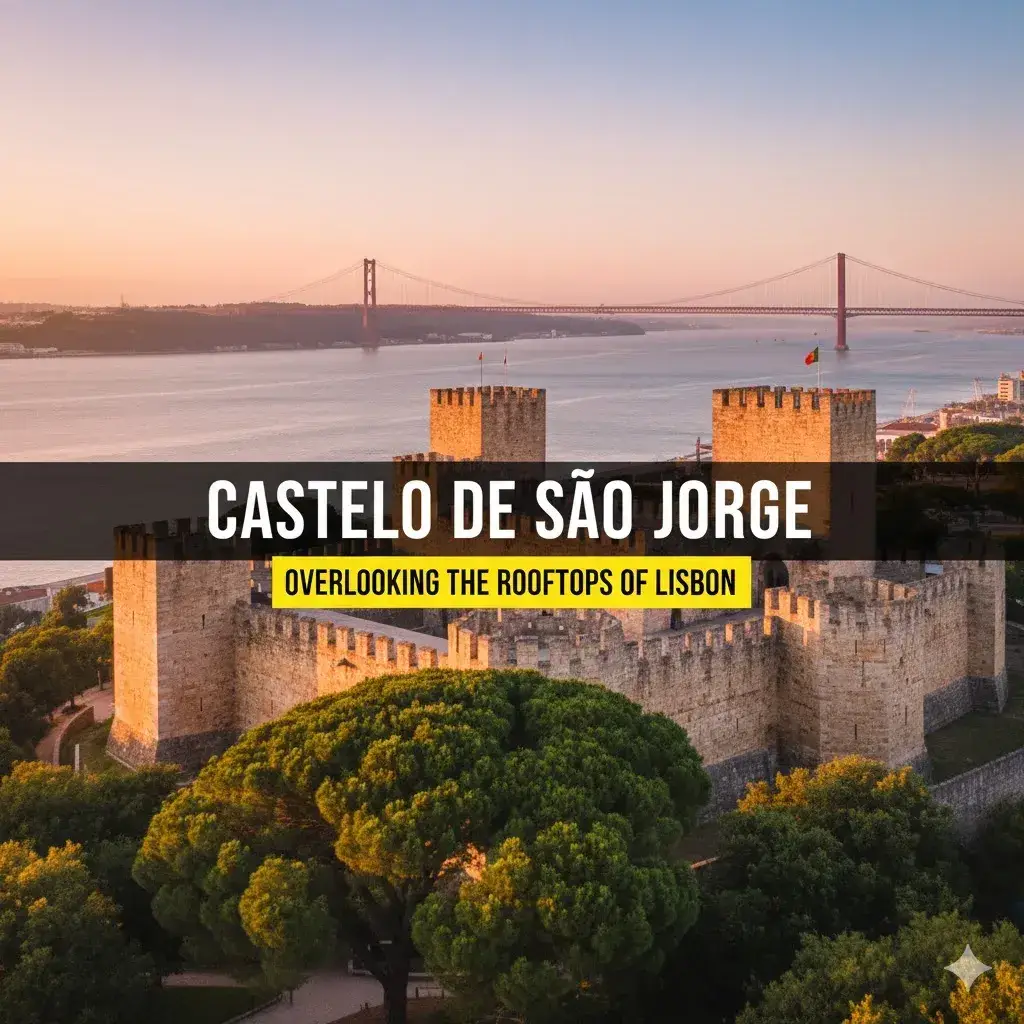
CASTELO DE SÃO JORGE: OVERLOOKING THE ROOFTOPS OF LISBON
Castelo de São Jorge (São Jorge Castle) stands as one of Lisbon's most iconic landmarks, a majestic Moorish fortress perched atop the city's highest hill in the historic Alfama district. For over two millennia, this strategic stronghold has witnessed the rise and fall of civilizations—from Phoenician traders and Roman settlers to Moorish rulers and Portuguese kings—while offering unparalleled panoramic views of Lisbon's terracotta rooftops, the Tagus River, and the Atlantic horizon beyond. Today, this meticulously preserved medieval castle invites visitors to walk ancient ramparts, explore archaeological ruins, wander peaceful gardens with roaming peacocks, and experience one of Europe's most spectacular urban viewpoints.
In 2026, as travelers seek destinations that combine historical depth, architectural beauty, and breathtaking scenery, Castelo de São Jorge remains an essential Lisbon experience. Whether you are a history enthusiast drawn by Lisbon's Moorish and medieval heritage, a photography enthusiast chasing golden light over the city's iconic rooftops, a culture lover seeking authentic Alfama atmosphere, or simply a curious traveler inspired by panoramic vistas, this comprehensive guide will help you understand and appreciate one of Portugal's most treasured monuments.
Understanding Castelo de São Jorge requires more than admiring its stone walls; it demands engaging with the complex layers of history that have shaped this fortress, appreciating its strategic importance in Lisbon's development, and respecting its role as both a historic monument and a living viewpoint for the city below. By approaching the castle with curiosity and respect, you will discover not just a beautiful fortress but a living dialogue between Lisbon's ancient past and its vibrant present.
HISTORICAL CONTEXT: FROM ANCIENT FORTRESS TO NATIONAL SYMBOL
The story of Castelo de São Jorge spans over 2,000 years, reflecting Lisbon's evolution from ancient trading post to European capital.
Ancient Origins (3rd Century BCE - 12th Century CE):
Early Fortifications:
- Phoenician and Roman Periods: The hilltop was first fortified by Phoenician traders around the 3rd century BCE, later expanded by Romans who recognized its strategic value commanding the Tagus estuary
- Moorish Era (8th-12th centuries): After the Moorish conquest of the Iberian Peninsula in 711 CE, the fortress became a key defensive stronghold for al-Ushbuna (Moorish Lisbon), with extensive walls, towers, and residential quarters built within its confines
- Strategic Importance: The castle's elevated position provided unparalleled views of approaching ships and potential invaders, making it crucial for controlling maritime access to the Tagus River
The Christian Reconquest (1147):
A pivotal moment in Portuguese history:
- Siege of Lisbon (1147): King Afonso Henriques, with assistance from Crusader forces, captured Lisbon from Moorish rule after a four-month siege
- Castle Transformation: The fortress became a royal residence and symbol of Christian power in the newly established Kingdom of Portugal
- Royal Residence: Portuguese kings lived within the castle walls for centuries, expanding and modifying the complex to suit royal needs
Medieval Royal Palace (13th-16th Centuries):
The castle's golden age as a center of Portuguese power:
- Royal Expansion: Kings Dinis, João I, and Manuel I expanded the castle with palatial quarters, chapels, and ceremonial spaces
- Age of Discoveries: From these walls, Portuguese monarchs planned and celebrated the maritime expeditions that would establish a global empire
- Architectural Evolution: Gothic, Manueline, and Renaissance elements were added while preserving the Moorish foundation
Decline and Transformation (17th-20th Centuries):
Changing fortunes for the historic fortress:
- 1755 Earthquake: The devastating earthquake damaged the castle complex, though the core structure survived
- Military Use: The castle served as a prison and military barracks during various periods
- Neglect and Restoration: By the early 20th century, the castle had fallen into disrepair; major restoration efforts began in the 1930s-1940s to return it to its medieval appearance
- National Monument: Designated a Portuguese National Monument in 1910; opened to the public as a historic site and viewpoint
MOORISH AND MEDIEVAL ARCHITECTURE: EXPLORING THE CASTLE COMPLEX
Castelo de São Jorge showcases layers of architectural history, from Moorish foundations to medieval Portuguese additions.
The Castle Walls and Ramparts:
Defensive Architecture:
- Moorish Walls: Original 11th-century fortifications with characteristic horseshoe arches and defensive towers
- Medieval Additions: Portuguese kings added battlements, watchtowers, and artillery platforms
- Walking the Ramparts: Visitors can walk substantial sections of the ancient walls, offering spectacular 360-degree views of Lisbon
Key Defensive Features:
- Watchtowers: Strategic towers positioned for maximum visibility and defensive coverage
- Cannon Emplacements: Later additions showing the castle's evolution with military technology
- Gatehouses: Impressive entrance fortifications with portcullis mechanisms and defensive chambers
The Archaeological Site:
Beneath the castle lies a fascinating archaeological complex:
Excavated Ruins:
- Moorish Residential Quarter: Foundations of houses, streets, and communal spaces from the Islamic period
- Medieval Structures: Remains of royal palaces, chapels, and service buildings from the Portuguese royal period
- Artifacts: Pottery, tools, weapons, and everyday objects discovered during excavations
Interpretive Displays:
- Informative Panels: Explain the historical significance of different archaeological areas
- 3D Reconstructions: Help visitors visualize how the castle complex appeared in different historical periods
- Camera Obscura: Unique optical device offering 360-degree panoramic views of Lisbon with historical commentary (separate small fee)
The Royal Palace Area:
Though largely ruined, this area reveals the castle's royal past:
Royal Quarters:
- Foundation Remains: Outline of royal residential spaces with views over the Tagus
- Ceremonial Spaces: Areas where royal ceremonies and receptions would have taken place
- Chapel Ruins: Remains of the royal chapel where monarchs worshipped
Gardens and Natural Spaces:
The castle grounds include peaceful green spaces that enhance the visitor experience:
Peacock Gardens:
- Free-Roaming Peacocks: Beautiful birds that roam the castle gardens, adding charm and photo opportunities
- Landscaped Areas: Olive trees, Mediterranean plants, and flowering shrubs create peaceful settings
- Picnic Areas: Designated spots where visitors can rest and enjoy the views
Viewpoints and Panoramas:
The castle's elevated position offers some of Lisbon's most spectacular vistas:
Panoramic Views:
- Alfama District: Colorful traditional houses, narrow cobblestone streets, and terracotta rooftops cascading down to the river
- Tagus River: Sparkling waters with traditional boats, modern bridges, and ships entering the harbor
- Lisbon Skyline: Mix of historic landmarks (Sé Cathedral, National Pantheon) and modern architecture
- 25 de Abril Bridge: Iconic suspension bridge connecting Lisbon to the south bank, reminiscent of San Francisco's Golden Gate Bridge
- Atlantic Horizon: On clear days, views extend to the Atlantic Ocean beyond the Tagus estuary
Best Viewpoints Within the Castle:
- Western Ramparts: Best for sunset views over the city and river
- Northern Terraces: Panoramic views of Alfama and the historic center
- Eastern Walls: Views toward the National Pantheon and eastern neighborhoods
- Camera Obscura: Unique 360-degree rotating view with historical annotations
VISITING CASTELO DE SÃO JORGE: PRACTICAL INFORMATION FOR 2026
Planning your visit to Castelo de São Jorge requires understanding current policies, hours, and protocols to make the most of your experience.
Opening Hours and Seasonal Variations:
Current Schedule (subject to change):
- November-February: 9:00 AM - 6:00 PM (last entry 5:30 PM)
- March-October: 9:00 AM - 9:00 PM (last entry 8:30 PM)
- Closed: December 25, January 1, and occasionally for special events or maintenance
Checking Current Hours:
- Official Website: Check castelodesaojorge.pt for current hours and any temporary closures
- Local Information: Ask at your hotel or Alfama tourist information center
- Seasonal Changes: Summer hours often extended; winter hours may be reduced
Admission and Tickets:
Current Pricing (subject to change):
- Standard Admission: Approximately €15-20 for adults
- Reduced Rate: Approximately €10-12 for seniors (65+), youth (13-25), and families
- Free Admission: Children under 10, holders of Lisbon Card, and certain other categories
- Camera Obscura: Small additional fee (approximately €2-3) for this unique experience
Ticket Purchase Options:
- Online Booking: Highly recommended to skip queues; book through official website or authorized vendors
- On-Site Purchase: Available at ticket office but expect queues, especially in peak season (April-October) and during sunset hours
- Lisbon Card: Includes free admission to Castelo de São Jorge and many other Lisbon attractions; calculate if worthwhile for your itinerary
- Combined Tickets: Sometimes available with other Alfama attractions like Sé Cathedral; inquire at ticket office
Best Time to Visit:
Timing significantly impacts your experience in terms of crowds, lighting, and atmosphere:
Avoiding Crowds:
- Early Morning: Arrive at opening (9:00 AM) for fewer crowds, peaceful atmosphere, and soft morning light ideal for photography
- Late Afternoon: Visit 2-3 hours before closing for golden hour lighting and dramatic sunset views (popular but rewarding)
- Weekdays: Tuesday-Thursday typically less crowded than weekends
- Off-Peak Season: November-February sees fewer tourists; more comfortable for exploration and photography
Optimal Lighting for Photography:
- Morning Light (9-11 AM): Eastern facades and Alfama district beautifully illuminated; fewer crowds
- Golden Hour (1 hour before sunset): Warm, dramatic lighting on castle walls and city rooftops; most popular time for photography
- Blue Hour (just after sunset): Atmospheric shots with illuminated city lights and twilight sky
Duration of Visit:
Recommended Time:
- Minimum: 1-1.5 hours for basic exploration of walls, viewpoints, and gardens
- Ideal: 2-3 hours for comprehensive exploration including archaeological site, camera obscura, and multiple viewpoints
- Photography Enthusiasts: Allow 3+ hours for different lighting conditions, multiple angles, and detailed architectural shots
- Guided Tours: Typically 1.5-2 hours with historical commentary and optimal route guidance
WHAT TO SEE: HIGHLIGHTS AND HIDDEN GEMS
Castelo de São Jorge contains numerous architectural, historical, and scenic treasures worth discovering.
Must-See Features:
The Ramparts and Walls:
- Walk the Ancient Stones: Experience the texture and history of Moorish and medieval fortifications
- Defensive Architecture: Observe arrow slits, cannon emplacements, and strategic tower placements
- Photo Opportunities: Dramatic perspectives of Lisbon's rooftops framed by ancient stonework
Archaeological Site:
- Moorish Residential Quarter: Walk through excavated foundations of 11th-century houses and streets
- Medieval Palace Remains: Visualize the royal quarters where Portuguese monarchs once lived
- Artifacts and Interpretation: Learn about daily life in the castle through displayed artifacts and informative panels
Camera Obscura Experience:
- Unique Optical Device: Periscope-like device projects 360-degree panoramic views of Lisbon onto a concave screen
- Historical Commentary: Live or recorded commentary identifies landmarks and explains Lisbon's development
- Photography Opportunity: Unique perspective different from standard viewpoints; small additional fee
Peacock Gardens:
- Free-Roaming Peacocks: Beautiful birds that add charm and photo opportunities to the castle experience
- Peaceful Setting: Olive trees, Mediterranean plants, and quiet spaces for rest and reflection
- Family-Friendly: Children especially enjoy observing the peacocks in their naturalistic setting
Panoramic Viewpoints:
- Western Terrace: Best for sunset views over the city, river, and 25 de Abril Bridge
- Northern Ramparts: Spectacular views of Alfama's colorful houses and Sé Cathedral
- Eastern Walls: Views toward the National Pantheon and eastern Lisbon neighborhoods
- 360-Degree Perspective: No single viewpoint captures everything; walk the full circuit for complete appreciation
PHOTOGRAPHY TIPS: CAPTURING LISBON FROM ABOVE
Castelo de São Jorge offers exceptional photography opportunities, with dramatic cityscapes, historic architecture, and golden light.
Best Photography Locations:
Castle Interior and Architecture:
- Rampart Perspectives: Use ancient walls as leading lines framing the city below
- Architectural Details: Close-ups of Moorish arches, medieval stonework, and cannon emplacements
- Peacocks and Gardens: Beautiful subjects for wildlife and garden photography within the castle grounds
Panoramic City Views:
- Alfama District: Colorful traditional houses, terracotta rooftops, and narrow streets cascading toward the river
- Tagus River and Bridges: Sparkling waters with traditional boats, modern bridges, and maritime activity
- Lisbon Skyline: Mix of historic landmarks and contemporary architecture against the Atlantic horizon
Sunset and Golden Hour:
- Western Ramparts: Position yourself for sunset views over the city and river; arrive 30-45 minutes before sunset for best light
- Golden Light on Rooftops: Warm light illuminates Alfama's terracotta tiles, creating magical atmospheric shots
- Blue Hour Transitions: Just after sunset, city lights begin to twinkle while twilight sky provides dramatic backdrop
Technical Considerations:
Equipment:
- Wide-Angle Lens (16-35mm): Essential for capturing expansive cityscapes and castle architecture
- Telephoto Lens (70-200mm): Useful for compressing distant landmarks and isolating architectural details
- Tripod: Helpful for golden hour and blue hour photography; check current policies as tripods may be restricted in crowded areas
- Polarizing Filter: Reduces glare on water and enhances sky contrast; particularly useful for river and ocean views
Settings and Techniques:
- Aperture: f/8-f/11 for sharp architectural details and good depth of field in cityscapes
- Shutter Speed: Fast enough for handheld shots (1/125 or faster); slower speeds with tripod for golden hour
- ISO: Keep low (100-400) for best image quality; increase as needed for low-light conditions
- Composition: Include foreground elements (castle walls, peacocks, gardens) for depth and context; use leading lines of ramparts and streets
Best Times for Photography:
Golden Hour Magic:
- Sunrise (6-8 AM, season-dependent): Soft, directional light illuminates eastern facades; few crowds; peaceful atmosphere
- Sunset (6-8 PM, season-dependent): Warm light on stone creates dramatic atmosphere; popular but rewarding; arrive early for best positions
Blue Hour and Night:
- Blue Hour: Period just after sunset offers soft, even light with illuminated city beginning to sparkle
- Night Photography: Castle walls and city lights create dramatic compositions; long exposures capture light trails from traffic below
Crowd Management for Photography:
- Early Arrival: Arrive at opening for unobstructed shots of popular viewpoints
- Weekday Visits: Tuesday-Thursday typically less crowded than weekends
- Off-Peak Season: November-February sees fewer tourists; more comfortable for photography setup
NEARBY ATTRACTIONS: EXTENDING YOUR ALFAMA EXPLORATION
Castelo de São Jorge is located in the heart of Lisbon's historic Alfama district, surrounded by other significant attractions within easy walking distance.
Within 5-Minute Walk:
Sé Cathedral (Lisbon Cathedral):
- Distance: 400 meters (5-minute downhill walk) from castle entrance
- Significance: Lisbon's oldest church, built 12th century on former mosque site; Romanesque architecture with fortress-like appearance
- Visiting: Free entry to main church; small fee for cloister and treasury; allow 45-60 minutes
- Photography: Beautiful Romanesque facade and cloister; combine with castle views for comprehensive Alfama photography
Miradouro de Santa Luzia:
- Distance: 300 meters (4-minute walk) from castle
- Significance: Iconic viewpoint with azulejo panels depicting historic Lisbon scenes, bougainvillea-covered pergolas, and panoramic Tagus views
- Experience: Perfect for sunset photography; café terrace for refreshments; free access
- Tip: Visit after castle for complementary views of Alfama from different perspective
Alfama's Narrow Streets:
- Character: Maze-like cobblestone lanes, colorful traditional houses, laundry hanging between buildings, authentic local atmosphere
- Exploration: Get delightfully lost; discover hidden courtyards, small shops, and Fado venues
- Photography: Intimate street scenes, architectural details, and local life; best light in morning or late afternoon
Within 10-Minute Walk:
National Pantheon (Santa Engrácia Church):
- Distance: 800 meters (10-minute walk) from castle
- Significance: Magnificent baroque church housing tombs of Portugal's distinguished citizens; impressive dome with panoramic city views
- Visiting: Small admission fee; climb to dome level for spectacular views; allow 45-60 minutes
- Photography: Baroque architecture and dome views complement castle photography
Graça Neighborhood:
- Distance: 10-minute uphill walk from castle's northern side
- Character: Residential neighborhood with local atmosphere, traditional shops, and Miradouro da Graça viewpoint
- Highlights: Authentic Lisbon life, local cafés, and one of the city's best panoramic viewpoints
- Experience: Less touristy than Alfama; perfect for experiencing local Lisbon culture
Fado Venues in Alfama:
- Character: Intimate restaurants and clubs offering traditional Portuguese Fado music
- Recommendations: Clube de Fado, Mesa de Frades, A Baiuca (research and reserve in advance)
- Experience: Authentic Fado performances in historic setting; dinner shows typically €30-60+ including meal
Suggested Alfama Itineraries:
Half-Day Alfama Experience (4 hours):
1. Morning: Castelo de São Jorge at opening (1.5 hours)
2. Walk to Sé Cathedral; explore church and cloister (45 minutes)
3. Stroll to Miradouro de Santa Luzia for views and photos (30 minutes)
4. Wander Alfama's narrow streets; lunch at traditional tasca (1.5 hours)
Full-Day Alfama and Historic Lisbon (8 hours):
1. Morning: Castelo de São Jorge comprehensive visit (2.5 hours)
2. Sé Cathedral and Miradouro de Santa Luzia (1 hour)
3. Lunch in Alfama at traditional restaurant (1 hour)
4. Afternoon: Explore Alfama streets, visit National Pantheon (2 hours)
5. Evening: Fado experience in Alfama restaurant (1.5 hours)
PRACTICAL VISITOR INFORMATION FOR 2026
Essential information for planning your Castelo de São Jorge visit.
Getting to the Castle:
By Tram:
- Tram 28: Historic yellow tram stops near castle entrance (most scenic but often crowded); board at Martim Moniz or Campo de Ourique for best chance of seating
- Frequency: Every 10-15 minutes during peak hours
- Tickets: Purchase Viva Viagem card or single ticket (approximately €3.00)
By Bus:
- Bus 737: Direct route from city center to castle; less scenic than tram but more reliable
- Frequency: Every 15-20 minutes
- Tickets: Same Viva Viagem card works for all buses
Walking from Central Lisbon:
- From Baixa: 15-20 minute uphill walk through historic streets; scenic but steep
- From Sé Cathedral: 5-10 minute uphill walk; easier approach through Alfama
- Footwear: Essential—comfortable, sturdy shoes with good grip for cobblestone streets and steep hills
By Taxi or Ride-Hailing:
- Drop-off Points: Request drop-off at castle entrance to minimize uphill walking
- Cost: Approximately €5-10 from central Lisbon; confirm approximate fare before starting journey
- Convenience: Direct access; helpful if carrying bags or with mobility considerations
Accessibility Considerations:
Mobility Challenges:
- Steep Approach: The hill leading to the castle is steep with cobblestone streets; challenging for wheelchairs, strollers, or those with mobility issues
- Castle Interior: Ancient stone surfaces, steps, and uneven terrain within the castle complex
- Alternative Options: Taxi or ride-hailing to entrance minimizes uphill walking; focus on accessible viewpoints and gardens
Partial Accessibility:
- Main Entrance and Ticket Office: Accessible via ramp
- Some Viewpoints: Lower terraces and gardens more accessible than upper ramparts
- Assistance: Staff available to assist visitors with disabilities; contact in advance for specific needs
Safety and Practical Tips:
General Safety:
- Pickpockets: Be aware of pickpockets in crowded tourist areas, especially at popular viewpoints; keep bags closed and in front
- Sun Protection: Limited shade on ramparts; use sunscreen, hat, and sunglasses, especially in summer
- Hydration: Carry water bottle, especially in summer; public fountains available but may not be potable
- Footwear: Comfortable, sturdy shoes with good grip essential for cobblestone paths and castle stairs
Practical Tips:
- Restrooms: Available near entrance and in garden areas
- Food and Drink: Small café within castle grounds; more options in Alfama district below
- Shopping: Gift shop near exit with books, postcards, and Portuguese crafts
- Weather: Castle can be windy; bring layers even in summer; check forecast before visit
CULTURAL SIGNIFICANCE AND RESPECTFUL VISITING
Castelo de São Jorge is more than a tourist attraction; it is a symbol of Portuguese national identity and a UNESCO-recognized historic site requiring respectful engagement.
Understanding Cultural Significance:
National Symbol:
- Moorish Heritage: Represents Lisbon's Islamic period and the cultural layers that shaped the city
- Christian Reconquest: Symbolizes the 1147 conquest that established Portugal as an independent kingdom
- Age of Discoveries: From these walls, Portuguese monarchs planned maritime expeditions that changed world history
- Architectural Heritage: Showcases the evolution of military architecture from Moorish to medieval Portuguese styles
Historical Context:
- Strategic Importance: The castle's position commanded the Tagus estuary, crucial for controlling maritime access to Lisbon
- Cultural Exchange: Represents connections between European, North African, and Atlantic cultures
- Complex Legacy: Celebrates Portuguese achievements while acknowledging the complex history of conquest and colonization
Respectful Visiting Practices:
Photography Etiquette:
- Respectful Behavior: Avoid blocking other visitors' views or photo opportunities at popular viewpoints
- People Photography: Ask permission before photographing other visitors, especially in intimate moments
- Commercial Use: Professional photography requires special permission from castle management
Cultural Sensitivity:
- Historical Context: Acknowledge both achievements and complexities of the castle's history
- Educational Approach: Use visit as opportunity to learn about Portuguese history and global connections
- Respectful Engagement: Treat monument with reverence as cultural heritage site; avoid climbing on fragile structures
SUSTAINABLE TOURISM: PRESERVING CASTELO DE SÃO JORGE FOR FUTURE GENERATIONS
As a historic monument receiving significant visitor traffic, Castelo de São Jorge faces challenges from tourism pressure. Visitors can help preserve this treasure.
Environmental Responsibility:
Reduce Your Impact:
- Waste Reduction: Carry reusable water bottles and bags; use designated recycling bins throughout the castle grounds
- Water Conservation: Portugal has faced drought conditions; be mindful of water use in restrooms and facilities
- Energy Conservation: Respect lighting and climate control systems in visitor facilities
- Transportation: Use public transport (tram, bus) or walk to the castle rather than taxis to reduce carbon footprint
Support Preservation:
- Admission Fees: Ticket revenue supports conservation, maintenance, and archaeological research
- Donations: Consider voluntary donations to heritage preservation organizations
- Responsible Tours: Choose licensed guides who emphasize preservation and respectful visiting
- Spread Awareness: Share information about proper visiting etiquette with fellow travelers
Cultural Preservation:
Respect Heritage:
- Follow Guidelines: Adhere to all posted rules and staff instructions regarding access and behavior
- No Touching: Avoid touching historic stonework; oils from skin accelerate deterioration of ancient surfaces
- Report Issues: Notify staff if you observe damage, inappropriate behavior, or conservation concerns
- Educate Others: Share proper visiting etiquette and cultural sensitivity with fellow travelers
CONCLUSION: A PANORAMIC JOURNEY THROUGH LISBON'S HISTORY
Castelo de São Jorge stands as more than just a beautiful fortress; it is a testament to Lisbon's layered history, strategic importance, and enduring beauty. For over two millennia, this hilltop stronghold has witnessed the evolution of a city, the rise and fall of empires, and the daily lives of countless Lisboetas who have called this hillside home.
In 2026, as you walk the ancient ramparts, gaze upon the sea of terracotta rooftops below, listen to the calls of peacocks in the gardens, and feel the Atlantic breeze carrying the scent of the Tagus River, you participate in a continuum of human experience that spans centuries. Whether you come as a student of history, an admirer of architecture, a photography enthusiast, or simply a curious traveler seeking one of Europe's most spectacular viewpoints, Castelo de São Jorge offers something profound: a tangible connection to Lisbon's past and a breathtaking perspective on its present.
May your visit to Castelo de São Jorge deepen your appreciation for Lisbon's rich historical tapestry and inspire your commitment to preserving cultural treasures for future generations. As the Moorish builders, Portuguese kings, and everyday citizens who have walked these same stones understood, true legacy lies not just in walls and towers but in the stories, perspectives, and connections that endure across time. May you carry that understanding forward, wherever your journey leads.
Useful Resources:
- Castelo de São Jorge Official Website: castelodesaojorge.pt for current hours, tickets, and visitor information
- Lisbon Tourism: visitlisbon.com for trip planning and attraction information
- Carris Public Transportation: carris.pt for tram and bus schedules to the castle
- Emergency Services: 112 for all emergencies in Portugal
Disclaimer: Information is accurate as of early 2026. Opening hours, ticket prices, and policies may change; verify current details through official channels before your visit. This guide is for informational purposes only and does not constitute professional travel advice.
0 Comments