.webp)
.webp)
Llama and Alpaca Trekking in Triesenberg: The Most Viral Nature Trend for 2026
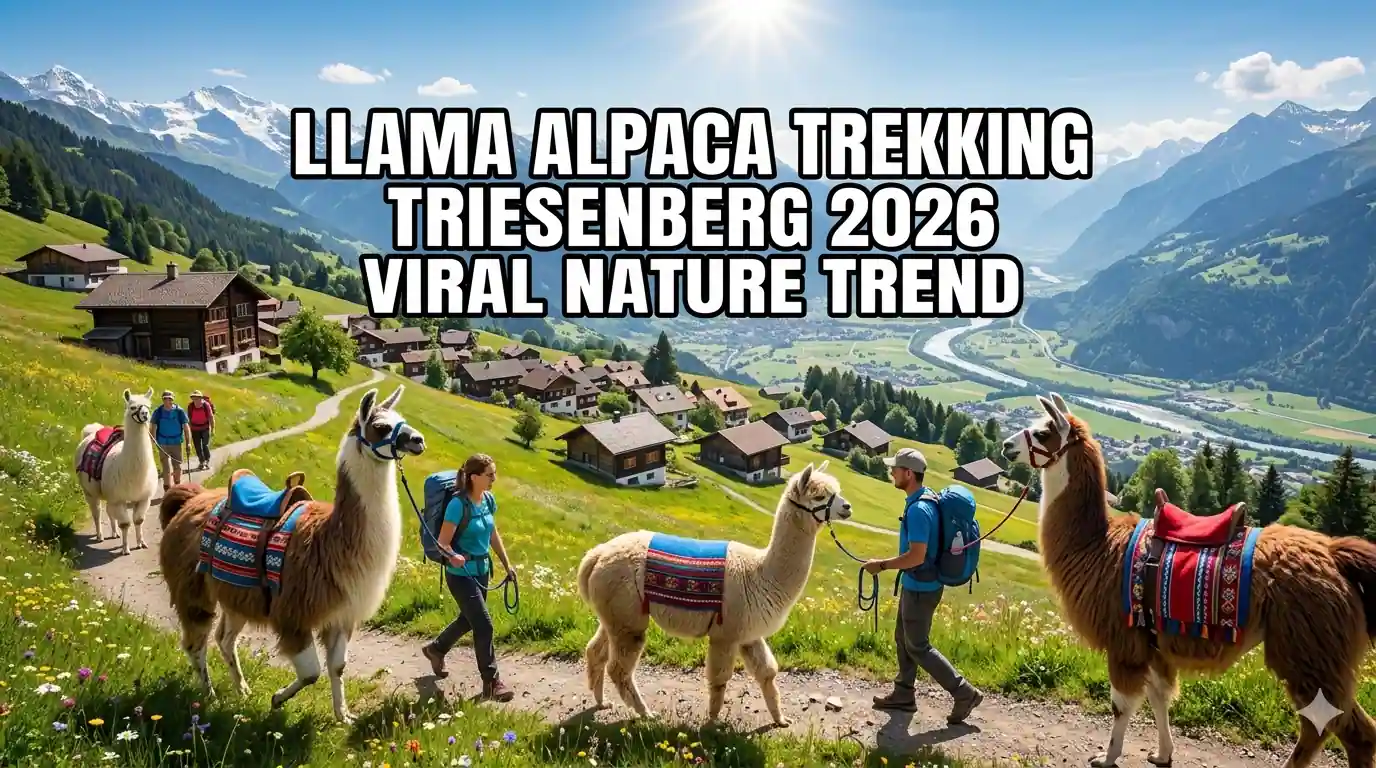
Llama and Alpaca Trekking in Triesenberg: The Most Viral Nature Trend for 2026
High in the Alpine meadows of Triesenberg, Liechtenstein, where the Rhine Valley unfolds in a breathtaking panorama below and snow-capped peaks frame the horizon, a gentle revolution in sustainable tourism is taking place. Llama and alpaca trekking—once a niche activity—has exploded into 2026's most viral nature trend, captivating travelers seeking meaningful connections with animals, pristine Alpine landscapes, and authentic, slow travel experiences that prioritize well-being over adrenaline. In the charming mountain village of Triesenberg, perched at 886 meters above sea level with its distinctive Walser architecture and spectacular valley views, this unique form of eco-tourism is redefining what it means to explore the Alps.
What makes llama and alpaca trekking so compelling? These gentle, intelligent camelids—native to South America but perfectly adapted to Alpine conditions—offer a fundamentally different way to experience nature. Unlike horseback riding or mountain biking, llama trekking is meditative, accessible to all fitness levels, and centered on building trust and connection with these remarkable animals. As you walk alongside your llama or alpaca companion through wildflower-strewn meadows, across Alpine pastures, and along forest trails, you're not just hiking—you're engaging in a form of moving meditation that combines physical activity with emotional connection, environmental education, and profound peace.
This comprehensive guide explores everything you need to know about llama and alpaca trekking in Triesenberg in 2026: understanding why this trend has gone viral and what makes it so special, detailed information about the trekking experiences available in Triesenberg, practical guidance for booking and preparing for your trek, insights into the animals themselves and their care, the unique benefits of llama/alpaca trekking for mental and physical well-being, how this activity fits into Liechtenstein's commitment to sustainable tourism, and expert tips for maximizing your experience. Whether you're a nature lover seeking authentic connections, a family looking for unique experiences, a wellness traveler prioritizing mindful activities, or simply someone curious about 2026's most talked-about outdoor trend, this guide provides everything you need to plan your Triesenberg llama trekking adventure.
Why Llama and Alpaca Trekking Is 2026's Viral Nature Trend

The Perfect Storm of Travel Trends
Several cultural shifts have converged to make llama trekking the experience of the moment:
- Slow travel movement: Travelers increasingly reject rushed, checklist tourism in favor of immersive, unhurried experiences that prioritize depth over breadth
- Animal welfare awareness: Modern travelers want ethical animal encounters that prioritize animal well-being over human entertainment
- Mental health focus: Post-pandemic emphasis on wellness, stress reduction, and nature-based healing
- Sustainable tourism: Growing demand for low-impact, environmentally responsible travel experiences
- Social media appeal: Llamas and alpacas are inherently photogenic and shareable, driving viral interest
- Accessibility: Unlike extreme sports, llama trekking is suitable for all ages and fitness levels
- Authentic connection: In an increasingly digital world, people crave genuine connections—with nature, animals, and themselves
- 👉 ETIAS Malta 2026: Mandatory Travel Authorization Guide
- 👉 Whycations Luxembourg 2026: Reflective Travel Trend
- 👉 Belarus OVIR Registration 2026: 5-Day Rule Explained
What Makes Llamas and Alpacas Special
These South American camelids offer unique qualities for trekking:
- Gentle temperament: Llamas and alpacas are naturally calm, curious, and non-aggressive when properly trained
- Intelligence: Highly intelligent animals capable of forming bonds with human companions
- Low environmental impact: Soft-padded feet minimize trail damage; efficient grazers with low water needs
- Therapeutic presence: Interactions with llamas/alpacas have been shown to reduce stress, lower blood pressure, and improve mood
- Adaptability: Well-suited to Alpine conditions; comfortable at Triesenberg's elevation and climate
- Pack animals: Llamas can carry light loads (picnics, water, gear), making treks more comfortable
- 👉 ETIAS Malta 2026: Mandatory Travel Authorization Guide
- 👉 Whycations Luxembourg 2026: Reflective Travel Trend
- 👉 Belarus OVIR Registration 2026: 5-Day Rule Explained
The Triesenberg Advantage
Why Triesenberg is the perfect setting for this trend:
- Spectacular scenery: Panoramic Rhine Valley views, Alpine meadows, and mountain vistas create unforgettable backdrop
- Walser heritage: Traditional mountain village culture adds authenticity and cultural depth
- Accessibility: Easy to reach from Vaduz and other Liechtenstein locations; well-maintained trails
- Sustainability commitment: Liechtenstein's environmental values align perfectly with ethical animal tourism
- Small-scale tourism: Triesenberg's intimate size enables personalized, high-quality experiences
- Year-round appeal: Different experiences in different seasons: wildflowers in spring/summer, golden larches in autumn, snow-covered landscapes in winter
- 👉 ETIAS Malta 2026: Mandatory Travel Authorization Guide
- 👉 Whycations Luxembourg 2026: Reflective Travel Trend
- 👉 Belarus OVIR Registration 2026: 5-Day Rule Explained
The Triesenberg Llama and Alpaca Trekking Experience

Available Trekking Options
Triesenberg offers various llama and alpaca trekking experiences:
Introduction Treks (2-3 hours):
- Perfect for: First-timers, families with young children, those wanting a gentle introduction
- Experience: Meet and bond with your llama/alpaca companion; learn basic handling; gentle walk through meadows and forests
- Distance: 3-5 kilometers on relatively flat terrain
- Highlights: Animal bonding, basic training, scenic valley views, photo opportunities
- Price range: €60-90 per person
- 👉 ETIAS Malta 2026: Mandatory Travel Authorization Guide
- 👉 Whycations Luxembourg 2026: Reflective Travel Trend
- 👉 Belarus OVIR Registration 2026: 5-Day Rule Explained
Half-Day Alpine Treks (4-5 hours):
- Perfect for: Active travelers, nature enthusiasts, those seeking deeper immersion
- Experience: Extended trek through diverse landscapes; Alpine meadows, forest trails, mountain viewpoints
- Distance: 8-12 kilometers with moderate elevation gain
- Highlights: Panoramic Rhine Valley views, Alpine flora and fauna, picnic with your llama companion, deeper animal connection
- Price range: €100-150 per person (includes picnic lunch)
- 👉 ETIAS Malta 2026: Mandatory Travel Authorization Guide
- 👉 Whycations Luxembourg 2026: Reflective Travel Trend
- 👉 Belarus OVIR Registration 2026: 5-Day Rule Explained
Full-Day Mountain Adventures (7-8 hours):
- Perfect for: Experienced hikers, serious nature lovers, those seeking ultimate immersion
- Experience: Comprehensive mountain trek with your llama/alpaca; challenging terrain, high Alpine scenery, extended animal bonding
- Distance: 15-20 kilometers with significant elevation changes
- Highlights: High Alpine meadows, mountain summit views, gourmet mountain lunch, deep connection with animal and nature
- Price range: €150-220 per person (includes gourmet lunch and refreshments)
- 👉 ETIAS Malta 2026: Mandatory Travel Authorization Guide
- 👉 Whycations Luxembourg 2026: Reflective Travel Trend
- 👉 Belarus OVIR Registration 2026: 5-Day Rule Explained
Specialized Experiences:
- Sunset treks: Evening walks timed for golden hour and sunset views over the Rhine Valley
- Photography treks: Led by professional photographers; focus on capturing perfect shots of animals and landscapes
- Wellness treks: Combine llama trekking with meditation, yoga, or mindfulness practices
- Family treks: Specially designed for families with children; shorter distances, educational components, animal care activities
- Private treks: Exclusive experiences for couples, families, or small groups; fully customized to interests and abilities
- 👉 ETIAS Malta 2026: Mandatory Travel Authorization Guide
- 👉 Whycations Luxembourg 2026: Reflective Travel Trend
- 👉 Belarus OVIR Registration 2026: 5-Day Rule Explained
Meeting Your Llama or Alpaca Companion
The experience begins before you even start walking:
- Introduction session: Meet the herd; learn about individual animals' personalities and preferences
- Matching process: Guides match you with a llama/alpaca suited to your experience level and personality
- Bonding time: 20-30 minutes to groom, feed, and build trust with your companion before the trek
- Training basics: Learn how to lead your llama/alpaca, understand body language, and communicate effectively
- Safety briefing: Comprehensive safety instructions for you and the animal's well-being
- Name and story: Learn your companion's name, background, and personality traits
- 👉 ETIAS Malta 2026: Mandatory Travel Authorization Guide
- 👉 Whycations Luxembourg 2026: Reflective Travel Trend
- 👉 Belarus OVIR Registration 2026: 5-Day Rule Explained
What to Expect on the Trek
- Pace: Leisurely walking pace (3-4 km/hour); time to observe nature, take photos, and bond with your animal
- Terrain: Mix of meadow paths, forest trails, and occasional steeper sections; guides choose routes appropriate for group ability
- Animal behavior: Llamas/alpacas are naturally curious; they'll stop to graze, investigate interesting sights, and interact with you
- Guided interpretation: Knowledgeable guides share information about local ecology, wildlife, history, and your animal companion
- Rest stops: Regular breaks for rest, refreshments, photos, and animal care
- Picnic experiences: Half-day and full-day treks include gourmet picnics in scenic locations
- 👉 ETIAS Malta 2026: Mandatory Travel Authorization Guide
- 👉 Whycations Luxembourg 2026: Reflective Travel Trend
- 👉 Belarus OVIR Registration 2026: 5-Day Rule Explained
Planning Your Triesenberg Llama Trekking Adventure

Best Time to Visit
Seasonal considerations for optimal llama trekking:
Spring (April-June):
- Highlights: Wildflower blooms, baby animals (crias), mild temperatures, fewer crowds
- Weather: 10-20°C (50-68°F); occasional rain; green landscapes
- Special experiences: Spring birth season; chance to see newborn crias with mothers
- Considerations: Some trails may be muddy; variable weather requires flexible planning
- 👉 ETIAS Malta 2026: Mandatory Travel Authorization Guide
- 👉 Whycations Luxembourg 2026: Reflective Travel Trend
- 👉 Belarus OVIR Registration 2026: 5-Day Rule Explained
Summer (July-August):
- Highlights: Warm weather, long daylight hours, Alpine meadows in full bloom, reliable conditions
- Weather: 15-25°C (59-77°F); generally stable; occasional afternoon thunderstorms
- Special experiences: Extended daylight for sunset treks; peak wildflower season
- Considerations: Peak tourist season; book well in advance; can be warm—bring sun protection
- 👉 ETIAS Malta 2026: Mandatory Travel Authorization Guide
- 👉 Whycations Luxembourg 2026: Reflective Travel Trend
- 👉 Belarus OVIR Registration 2026: 5-Day Rule Explained
Autumn (September-October):
- Highlights: Golden larch trees, crisp air, harvest season, stunning colors, fewer crowds
- Weather: 8-18°C (46-64°F); stable conditions; spectacular fall foliage
- Special experiences: Autumn colors photography; harvest-themed treks with local food
- Considerations: Days getting shorter; weather can change quickly in late October
- 👉 ETIAS Malta 2026: Mandatory Travel Authorization Guide
- 👉 Whycations Luxembourg 2026: Reflective Travel Trend
- 👉 Belarus OVIR Registration 2026: 5-Day Rule Explained
Winter (November-March):
- Highlights: Snow-covered landscapes, peaceful atmosphere, unique winter trekking experience
- Weather: -5 to 5°C (23-41°F); snow common; winter wonderland scenery
- Special experiences: Winter wonderland treks; hot chocolate stops; cozy Alpine atmosphere
- Considerations: Limited availability; treks shorter and on cleared paths; requires winter gear
- 👉 ETIAS Malta 2026: Mandatory Travel Authorization Guide
- 👉 Whycations Luxembourg 2026: Reflective Travel Trend
- 👉 Belarus OVIR Registration 2026: 5-Day Rule Explained
Booking Your Trek
- Advance booking: Reserve 2-4 weeks in advance for regular treks; 2-3 months for peak season (July-August) and specialized experiences
- Booking methods: Online booking through operator websites; phone reservations; some hotels can arrange treks
- Group size: Small groups (4-8 people) ensure personalized attention; private treks available for couples/families
- Age requirements: Most treks suitable for ages 6+; children must be accompanied by adults; weight limits may apply
- Fitness level: Introduction treks require minimal fitness; longer treks require moderate fitness and ability to walk several hours
- Cancellation policy: Typically 48-72 hours notice for full refund; weather cancellations usually rescheduled or refunded
- 👉 ETIAS Malta 2026: Mandatory Travel Authorization Guide
- 👉 Whycations Luxembourg 2026: Reflective Travel Trend
- 👉 Belarus OVIR Registration 2026: 5-Day Rule Explained
What to Bring and Wear
Essential items for a comfortable trek:
- Footwear: Sturdy hiking boots or shoes with good tread; no sandals or open-toed shoes
- Clothing: Layered clothing for variable Alpine weather; moisture-wicking base layer; warm mid-layer; waterproof outer layer
- Sun protection: Sunglasses, hat, sunscreen (high SPF—Alpine sun is intense)
- Hydration: Water bottle (at least 1-2 liters); some operators provide water
- Snacks: Energy bars, fruit, or snacks for longer treks (picnic provided on half/full-day treks)
- Camera: Phone or camera for photos; consider waterproof case or bag
- Backpack: Small daypack for personal items, water, snacks, extra layers
- Gloves: Light gloves even in summer for early morning/evening treks or higher elevations
- Personal medications: Any necessary medications (inhaler, epipen, etc.)
- 👉 ETIAS Malta 2026: Mandatory Travel Authorization Guide
- 👉 Whycations Luxembourg 2026: Reflective Travel Trend
- 👉 Belarus OVIR Registration 2026: 5-Day Rule Explained
Physical Requirements and Limitations
- Fitness level: Introduction treks: easy walking; Half-day: moderate fitness; Full-day: good fitness required
- Weight limits: Some operators have weight limits (typically 100-120 kg / 220-265 lbs) for safety of animals
- Age considerations: Young children must be supervised; some operators have minimum age requirements
- Health conditions: Inform operator of any health conditions, allergies, or physical limitations when booking
- Pregnancy: Many operators allow pregnant women on easier treks; consult with operator and your doctor
- Mobility: Treks involve walking on uneven terrain; not suitable for those with significant mobility issues
- 👉 ETIAS Malta 2026: Mandatory Travel Authorization Guide
- 👉 Whycations Luxembourg 2026: Reflective Travel Trend
- 👉 Belarus OVIR Registration 2026: 5-Day Rule Explained
The Animals: Understanding Llamas and Alpacas

Llamas vs. Alpacas: What's the Difference?
Both species are used for trekking in Triesenberg:
Llamas:
- Size: Larger (130-180 cm at shoulder; 130-200 kg)
- Personality: Confident, independent, protective; excellent pack animals
- Ears: Long, banana-shaped ears
- Face: Longer face; less fluffy
- Coat: Coarser outer coat; various colors
- Trekking role: Often used as pack animals; can carry 25-30% of body weight
- 👉 ETIAS Malta 2026: Mandatory Travel Authorization Guide
- 👉 Whycations Luxembourg 2026: Reflective Travel Trend
- 👉 Belarus OVIR Registration 2026: 5-Day Rule Explained
Alpacas:
- Size: Smaller (80-100 cm at shoulder; 55-85 kg)
- Personality: Gentle, curious, social; great for companionship
- Ears: Short, spear-shaped ears
- Face: Shorter, smushed face; very fluffy
- Coat: Softer, finer fleece; many color variations
- Trekking role: Primarily companions; too small for heavy packs
- 👉 ETIAS Malta 2026: Mandatory Travel Authorization Guide
- 👉 Whycations Luxembourg 2026: Reflective Travel Trend
- 👉 Belarus OVIR Registration 2026: 5-Day Rule Explained
Animal Welfare and Ethics
Triesenberg operators prioritize animal well-being:
- Ethical treatment: Animals are never overworked; trekking is voluntary and positive-reinforcement based
- Rest days: Llamas/alpacas have regular rest days; not trekked daily
- Proper nutrition: High-quality feed, fresh water, and appropriate grazing
- Veterinary care: Regular health checks, vaccinations, and immediate care when needed
- Lifetime care: Animals are cared for throughout their lives, not just working years
- Natural living: Animals live in herds with appropriate social structure and space
- Training methods: Positive reinforcement; never force or punishment-based training
- Work limits: Age-appropriate work; young and old animals have reduced or no trekking duties
- 👉 ETIAS Malta 2026: Mandatory Travel Authorization Guide
- 👉 Whycations Luxembourg 2026: Reflective Travel Trend
- 👉 Belarus OVIR Registration 2026: 5-Day Rule Explained
Building Connection with Your Animal
- Respect boundaries: Let the animal approach you; don't force interaction
- Gentle touch: Stroke neck and chest; avoid face and legs initially
- Quiet voice: Speak softly and calmly; llamas/alpacas are sensitive to loud noises
- Treats: Operators may provide appropriate treats; never feed animals without permission
- Body language: Learn to read animal signals: ears back = annoyed; humming = content; spitting = very annoyed (rare)
- Patience: Bonding takes time; don't rush the relationship
- Trust building: Consistent, gentle handling builds trust over the course of the trek
- 👉 ETIAS Malta 2026: Mandatory Travel Authorization Guide
- 👉 Whycations Luxembourg 2026: Reflective Travel Trend
- 👉 Belarus OVIR Registration 2026: 5-Day Rule Explained
Health and Wellness Benefits of Llama Trekking

Physical Health Benefits
- Cardiovascular exercise: Walking at moderate pace improves heart health and circulation
- Low-impact activity: Gentle on joints compared to running or high-impact sports
- Balance and coordination: Walking on varied terrain improves proprioception and stability
- Strength building: Engages core, legs, and stabilizing muscles
- Fresh air: Alpine air quality is excellent; beneficial for respiratory health
- Vitamin D: Outdoor exposure provides natural vitamin D (with sun protection)
- 👉 ETIAS Malta 2026: Mandatory Travel Authorization Guide
- 👉 Whycations Luxembourg 2026: Reflective Travel Trend
- 👉 Belarus OVIR Registration 2026: 5-Day Rule Explained
Mental and Emotional Benefits
- Stress reduction: Interaction with llamas/alpacas lowers cortisol levels and blood pressure
- Mindfulness: Trekking requires presence and attention; natural meditation
- Mood enhancement: Animal interaction releases oxytocin, serotonin, and dopamine
- Anxiety relief: Rhythmic walking and animal companionship calm nervous system
- Depression support: Nature exposure and animal connection combat depressive symptoms
- Cognitive benefits: Learning about animals and navigation engages brain
- Emotional regulation: Caring for another being develops empathy and emotional awareness
- 👉 ETIAS Malta 2026: Mandatory Travel Authorization Guide
- 👉 Whycations Luxembourg 2026: Reflective Travel Trend
- 👉 Belarus OVIR Registration 2026: 5-Day Rule Explained
Social and Spiritual Benefits
- Connection: Bond with animal, nature, and fellow trekkers
- Perspective: Alpine vistas and animal wisdom provide life perspective
- Gratitude: Nature immersion cultivates appreciation and gratitude
- Purpose: Caring for animal companion provides sense of purpose and responsibility
- Community: Shared experience builds connections with like-minded travelers
- Spiritual renewal: Many find spiritual meaning in nature and animal connection
- 👉 ETIAS Malta 2026: Mandatory Travel Authorization Guide
- 👉 Whycations Luxembourg 2026: Reflective Travel Trend
- 👉 Belarus OVIR Registration 2026: 5-Day Rule Explained
Sustainability and Responsible Tourism

Environmental Impact
Llama/alpaca trekking is inherently sustainable:
- Low carbon footprint: No motorized vehicles; minimal environmental impact
- Trail preservation: Soft-padded feet cause less trail erosion than hooves or boots
- Efficient grazers: Llamas/alpacas eat less than horses; lower environmental impact
- Water conservation: Require less water than many other pack animals
- Waste management: Operators follow Leave No Trace principles; proper waste disposal
- Habitat protection: Trekking supports conservation of Alpine meadows and wildlife habitat
- 👉 ETIAS Malta 2026: Mandatory Travel Authorization Guide
- 👉 Whycations Luxembourg 2026: Reflective Travel Trend
- 👉 Belarus OVIR Registration 2026: 5-Day Rule Explained
Supporting Local Community
- Local employment: Trekking operations employ local guides, animal caretakers, and support staff
- Traditional knowledge: Preserves and shares Walser mountain culture and traditions
- Local economy: Tourism revenue supports Triesenberg businesses, farms, and services
- Cultural exchange: Visitors learn about Liechtenstein culture; locals share their heritage
- Sustainable income: Provides year-round income for farmers and rural residents
- 👉 ETIAS Malta 2026: Mandatory Travel Authorization Guide
- 👉 Whycations Luxembourg 2026: Reflective Travel Trend
- 👉 Belarus OVIR Registration 2026: 5-Day Rule Explained
Animal Welfare Standards
- Certification: Reputable operators follow international animal welfare standards
- Transparency: Operators welcome questions about animal care and living conditions
- Continuous improvement: Regular training and updates on best practices in animal care
- Third-party oversight: Some operators undergo animal welfare audits
- Visitor education: Treks include education about responsible animal interaction
- 👉 ETIAS Malta 2026: Mandatory Travel Authorization Guide
- 👉 Whycations Luxembourg 2026: Reflective Travel Trend
- 👉 Belarus OVIR Registration 2026: 5-Day Rule Explained
Combining Llama Trekking with Other Triesenberg Experiences

Cultural Experiences
- Walser Museum: Learn about Triesenberg's unique Walser heritage and mountain culture
- Traditional cuisine: Enjoy authentic Walser dishes at local restaurants after your trek
- Village exploration: Wander Triesenberg's charming streets with traditional architecture
- Local crafts: Visit artisan workshops creating traditional Walser crafts
- Church of St. Theodul: Visit the historic parish church with stunning valley views
- 👉 ETIAS Malta 2026: Mandatory Travel Authorization Guide
- 👉 Whycations Luxembourg 2026: Reflective Travel Trend
- 👉 Belarus OVIR Registration 2026: 5-Day Rule Explained
Nature and Outdoor Activities
- Hiking trails: Triesenberg offers extensive hiking network; combine with llama trekking
- Mountain biking: Bike trails for different skill levels
- Paragliding: Tandem flights for spectacular aerial views of Rhine Valley
- Via ferrata: Protected climbing routes for adventure seekers
- Cross-country skiing: Winter alternative to llama trekking
- 👉 ETIAS Malta 2026: Mandatory Travel Authorization Guide
- 👉 Whycations Luxembourg 2026: Reflective Travel Trend
- 👉 Belarus OVIR Registration 2026: 5-Day Rule Explained
Wellness and Relaxation
- Spa facilities: Relax after trekking at local wellness centers
- Yoga and meditation: Some operators offer yoga-llama trekking combinations
- Nature therapy: Forest bathing and nature meditation experiences
- Local cuisine: Farm-to-table dining featuring local ingredients
- 👉 ETIAS Malta 2026: Mandatory Travel Authorization Guide
- 👉 Whycations Luxembourg 2026: Reflective Travel Trend
- 👉 Belarus OVIR Registration 2026: 5-Day Rule Explained
Practical Information and Logistics

Getting to Triesenberg
- From Vaduz: 15-minute drive or bus ride; regular bus service
- From Zurich: 1.5 hours by car; train to Sargans then bus to Liechtenstein
- Public transport: Excellent bus connections within Liechtenstein
- Parking: Free parking available in Triesenberg for those driving
- Walking: Triesenberg is walkable; trekking starting points clearly marked
- 👉 ETIAS Malta 2026: Mandatory Travel Authorization Guide
- 👉 Whycations Luxembourg 2026: Reflective Travel Trend
- 👉 Belarus OVIR Registration 2026: 5-Day Rule Explained
Accommodation Options
- Hotels: Range from boutique to luxury; many with mountain views
- Guesthouses: Traditional Walser guesthouses with authentic charm
- Apartments: Self-catering options for families or longer stays
- Farm stays: Some farms offer accommodation with animal experiences
- Booking: Reserve in advance, especially for peak season
- 👉 ETIAS Malta 2026: Mandatory Travel Authorization Guide
- 👉 Whycations Luxembourg 2026: Reflective Travel Trend
- 👉 Belarus OVIR Registration 2026: 5-Day Rule Explained
Cost Considerations
- Trekking costs: €60-220 depending on trek length and type
- Accommodation: €100-300+ per night depending on category
- Meals: €20-50 per meal at restaurants
- Transportation: Public transport affordable; Liechtenstein Card offers discounts
- Overall budget: Plan €200-500+ per day depending on preferences
- 👉 ETIAS Malta 2026: Mandatory Travel Authorization Guide
- 👉 Whycations Luxembourg 2026: Reflective Travel Trend
- 👉 Belarus OVIR Registration 2026: 5-Day Rule Explained
Frequently Asked Questions

Is llama/alpaca trekking safe?
Yes, when conducted by reputable operators with properly trained animals. Llamas and alpacas are gentle, intelligent animals. Guides provide comprehensive safety briefings, match animals appropriately to participants, and supervise throughout the trek. Incidents are extremely rare when proper protocols are followed.
Can children participate in llama trekking?
Yes, most operators welcome children (typically ages 6+). Children must be supervised by adults. Some operators offer family-specific treks designed for younger participants. Always check age requirements when booking.
Do I need experience with animals?
No prior experience necessary. Guides provide comprehensive instruction on handling, leading, and caring for your llama/alpaca companion. The animals are well-trained and accustomed to working with people of all experience levels.
What happens if it rains?
Treks typically proceed in light rain (come prepared with waterproof gear). In case of severe weather, treks are rescheduled or refunded. Operators monitor weather closely and prioritize safety of participants and animals.
Can I bring my own food or treats for the llama/alpaca?
No, never feed animals without operator permission. Operators provide appropriate food and treats. Human food can be harmful to llamas/alpacas. Trust the experts to care for their animals properly.
Are llamas/alpacas dangerous? Do they spit?
Llamas and alpacas used for trekking are carefully selected and trained for gentle temperament. Spitting is extremely rare and usually only occurs when animals feel threatened or are competing for food. Guides educate participants on reading animal body language to prevent any issues.
What's the difference between llama trekking and horseback riding?
Llama trekking is walking alongside the animal (not riding), making it lower impact and more accessible. Llamas are gentler and easier to handle than horses. The experience is more meditative and focused on connection rather than riding skill. It's also more environmentally sustainable.
Conclusion: Embracing the Slow Travel Revolution
Llama and alpaca trekking in Triesenberg represents more than just a viral trend—it's a meaningful response to what modern travelers truly crave: authentic connection, mindful presence, sustainable practices, and experiences that nourish body, mind, and soul. In our fast-paced, digitally saturated world, the simple act of walking alongside a gentle llama through Alpine meadows offers something profoundly restorative: a chance to slow down, to connect with another living being, to breathe fresh mountain air, and to remember that sometimes the most extraordinary journeys are measured not in miles conquered but in moments cherished.
As 2026's most talked-about nature experience, llama trekking in Triesenberg embodies the best of what sustainable, responsible tourism can be: beneficial for local communities, gentle on the environment, enriching for travelers, and respectful of animal welfare. It's proof that tourism can be a force for good—supporting rural economies, preserving cultural heritage, protecting natural landscapes, and creating meaningful cross-cultural connections.
For those who make the journey to Triesenberg, the rewards extend far beyond Instagram-worthy photos (though there will be plenty of those). You'll leave with a deeper appreciation for the simple pleasures of life, a renewed connection to nature, memories of a gentle creature who walked beside you, and perhaps a new perspective on what it means to travel well.
As you plan your Triesenberg llama trekking adventure, remember that this is more than an activity—it's an invitation to experience travel differently. To prioritize connection over consumption, presence over productivity, and sustainability over spectacle. In Triesenberg's Alpine meadows, with a llama by your side and the Rhine Valley spread below, you'll discover that the most viral trend of 2026 is also one of the most timeless: the profound joy of slowing down and truly experiencing the world around you.
The llamas are waiting. The mountains are calling. And Triesenberg is ready to show you a different way to travel.
Welcome to the slow travel revolution. Welcome to llama trekking in Triesenberg. Welcome to 2026's most meaningful nature trend.
0 Comments