.webp)
.webp)
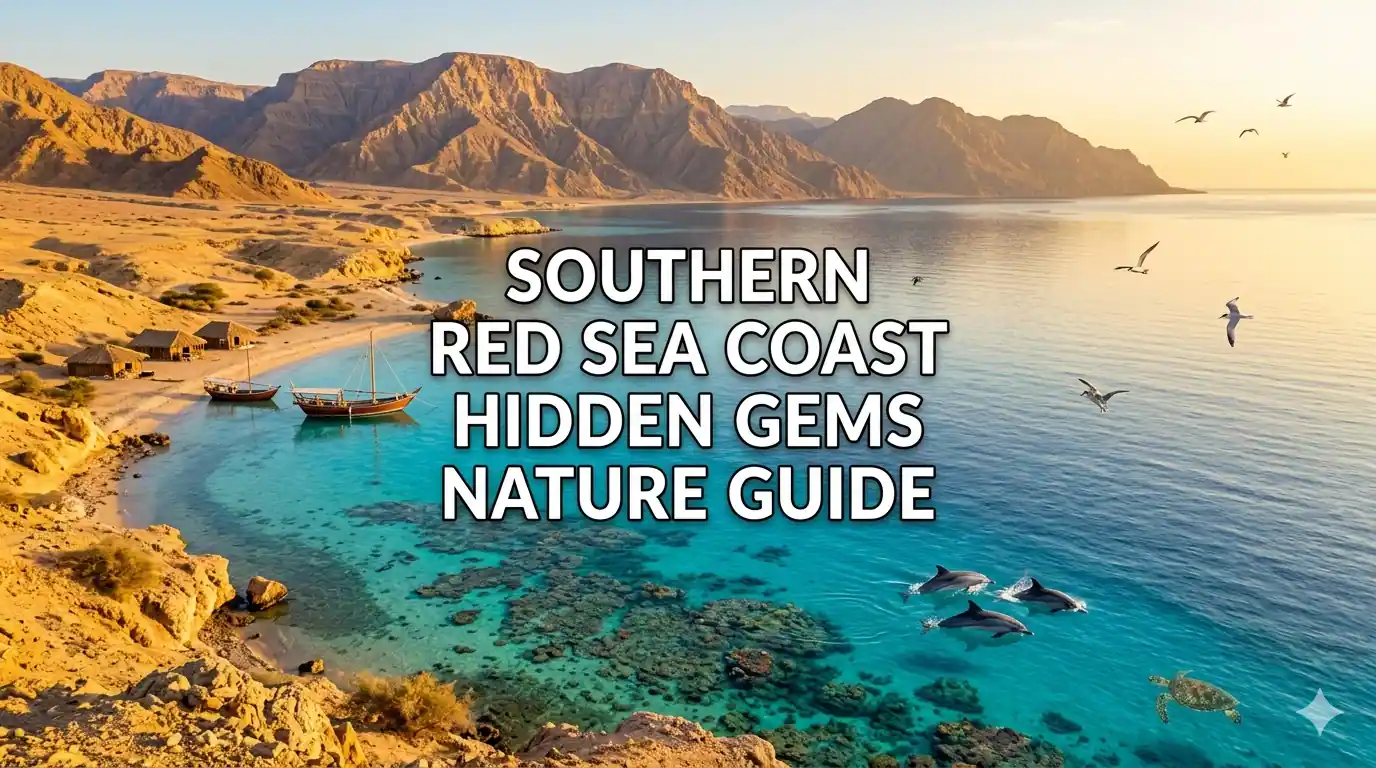
Discovering the Southern Red Seas Untouched Beauty
The Southern Red Sea Coast remains one of the worlds last pristine marine and coastal environments. This remote region offers extraordinary biodiversity largely untouched by mass tourism.
Stretching across Sudan Eritrea and northern Djibouti this coastline features spectacular coral reefs pristine beaches and unique desert-meets-ocean ecosystems. Nature enthusiasts find unparalleled opportunities here.
Seasonal variations dramatically affect wildlife viewing and marine conditions. Understanding these patterns proves essential for planning optimal nature experiences along this remarkable coast.
The regions isolation has preserved ecosystems that have disappeared elsewhere. Coral reefs here show remarkable resilience and health compared to more visited Red Sea locations.
This guide reveals hidden gems seasonal patterns and practical strategies for experiencing the Southern Red Seas natural wonders responsibly and memorably.
Understanding Seasonal Patterns and Climate

The Southern Red Sea experiences distinct seasonal variations affecting wildlife behavior water conditions and accessibility. Planning around these patterns maximizes nature encounters.
Winter months from November through February offer the most comfortable temperatures ranging from 25 to 30 degrees Celsius. This season brings clear skies and calm seas ideal for marine activities.
Spring from March through May sees increasing temperatures and the beginning of coral spawning events. Water temperatures rise creating optimal conditions for certain marine life viewing.
Summer months June through August bring extreme heat exceeding 40 degrees Celsius on land. However water temperatures remain inviting and certain marine species become more active.
Autumn from September through October represents a transition period with decreasing temperatures and excellent underwater visibility. This season often provides the best diving conditions.
Wind patterns significantly affect sea conditions and accessibility. Northern winds dominate winter months while summer brings more variable conditions affecting boat access to remote sites.
Winter Season November to February Marine Wonders
Winter represents peak season for Southern Red Sea coastal exploration. Comfortable temperatures and calm seas create ideal conditions for diverse nature activities.
Water visibility reaches exceptional levels often exceeding 30 meters. This clarity reveals spectacular coral formations and abundant marine life in stunning detail.
Dolphin populations remain highly active during winter months. Spinner dolphins and bottlenose dolphins frequently approach boats providing unforgettable encounters.
Whale shark sightings increase during this season particularly around offshore reefs and islands. These gentle giants follow plankton blooms through Southern Red Sea waters.
Coral reefs display vibrant health with minimal bleaching compared to northern Red Sea areas. Diverse coral species create underwater gardens of remarkable beauty.
Migratory bird populations arrive from Europe and Asia creating exceptional birdwatching opportunities. Coastal wetlands and islands host thousands of wintering waterbirds.
Spring Season March to May Coral Spawning Spectacles
Spring brings one of natures most spectacular events to the Southern Red Sea. Coral spawning typically occurs in March or April depending on lunar cycles and water temperatures.
Mass coral spawning transforms reefs into underwater snowstorms. Billions of eggs and sperm clouds create ethereal scenes lasting several nights around full moons.
Water temperatures rising to 28 to 30 degrees Celsius trigger reproductive behaviors in many marine species. This biological activity attracts predators creating dynamic ecosystems.
Sea turtle nesting season begins in earnest during spring. Green turtles and hawksbill turtles come ashore on remote beaches to lay eggs under cover of darkness.
Plankton blooms support increased fish activity and diversity. Juvenile fish populations surge creating feeding opportunities for larger predators and exceptional snorkeling experiences.
Wind conditions remain generally favorable though occasional increases can affect boat access to remote locations. Flexibility in scheduling proves valuable during this transitional season.
Summer Season June to August Desert and Coastal Contrasts
Summer presents challenging conditions on land but exceptional opportunities in the water. Extreme heat limits terrestrial activities while marine environments thrive.
Water temperatures reaching 30 to 32 degrees Celsius create bath-like conditions requiring minimal thermal protection. Extended diving and snorkeling sessions become comfortable.
Manta ray sightings peak during summer months particularly around cleaning stations on offshore reefs. These magnificent creatures gather predictably at specific locations.
Hammerhead shark populations become more active in deeper waters. Experienced divers can encounter scalloped hammerheads at certain dive sites during this season.
Coastal desert ecosystems display surprising adaptations to extreme conditions. Early morning and evening reveal active wildlife including desert foxes and specialized bird species.
Night diving offers spectacular experiences with reduced heat and unique nocturnal marine life. Bioluminescent organisms create magical underwater displays after sunset.
Autumn Season September to October Optimal Conditions
Autumn represents arguably the best season for comprehensive Southern Red Sea exploration. Temperatures moderate while marine conditions remain exceptional.
Water visibility often reaches maximum levels as plankton populations decrease. Crystal clear waters reveal distant coral formations and pelagic species.
Sea turtle hatchling season brings baby turtles emerging from nests. Witnessing these tiny creatures making their first journey to the ocean creates memorable experiences.
Migratory bird populations begin returning north creating another peak birdwatching period. Coastal areas concentrate birds preparing for long-distance flights.
Coral reefs display peak health after summer growth periods. Vibrant colors and abundant fish populations create spectacular snorkeling and diving conditions.
Weather stability during autumn allows reliable access to remote locations. Calm seas and predictable conditions facilitate multi-day coastal expeditions.
Hidden Beaches and Coastal Lagoons
The Southern Red Sea Coast features countless secluded beaches accessible only by boat or challenging overland routes. These pristine locations offer solitude and natural beauty.
Sanganeb Atoll near Port Sudan provides exceptional beach experiences surrounded by coral reefs. This UNESCO World Heritage Site combines terrestrial and marine wonders.
Dahlak Archipelago in Eritrea contains over 200 islands with pristine beaches and crystal waters. Many islands remain uninhabited offering complete privacy and untouched nature.
Coastal lagoons behind barrier reefs create protected environments ideal for kayaking and shallow water exploration. These areas often host juvenile fish and sea turtle populations.
Tidal pools along rocky coastlines reveal diverse marine life during low tide. Exploring these natural aquariums provides educational and entertaining experiences for all ages.
Beach camping under stars creates unforgettable experiences though proper preparation proves essential. Remote locations require self-sufficiency and respect for fragile ecosystems.
Coral Reef Systems and Marine Biodiversity
The Southern Red Sea hosts some of the worlds most resilient and diverse coral reef systems. These ecosystems support extraordinary marine biodiversity.
Over 300 coral species create complex habitats for thousands of fish and invertebrate species. Reef health here surpasses many more famous Red Sea diving destinations.
Endemic species found nowhere else inhabit Southern Red Sea reefs. The regions relative isolation has fostered unique evolutionary adaptations.
Coral gardens in shallow waters provide accessible snorkeling opportunities requiring minimal swimming ability. These areas teem with colorful reef fish and invertebrates.
Deep reef walls drop dramatically creating vertical ecosystems. Advanced divers explore these walls encountering pelagic species and unique deep-water corals.
Coral restoration initiatives in some areas demonstrate conservation commitment. Responsible tourism supports these efforts through awareness and funding.
Marine Mammals and Shark Encounters
The Southern Red Sea supports diverse marine mammal populations including dolphins whales and dugongs. These charismatic species create highlight experiences for visitors.
Spinner dolphins inhabit coastal waters in resident pods. These acrobatic dolphins frequently approach boats performing spectacular aerial displays.
Humpback whales migrate through Southern Red Sea waters seasonally. Winter months offer best opportunities for whale watching though sightings remain unpredictable.
Dugong populations though elusive inhabit seagrass beds in protected lagoons. These gentle marine mammals represent rare encounters requiring patience and luck.
Shark diversity includes reef sharks hammerheads and occasional whale sharks. Healthy shark populations indicate robust ecosystem function.
Responsible wildlife viewing practices protect these species while ensuring sustainable encounters. Maintaining distances and avoiding harassment proves essential.
Seabird Colonies and Coastal Birdwatching
The Southern Red Sea Coast hosts internationally significant seabird colonies and migratory bird populations. Birdwatchers find exceptional diversity and abundance.
Osprey white-eyed gulls and various tern species nest on coastal islands. These colonies concentrate during breeding seasons creating spectacular viewing opportunities.
Migratory flyways bring hundreds of thousands of birds through the region seasonally. Spring and autumn migrations offer peak birdwatching experiences.
Flamingos gather in coastal lagoons and salt pans particularly during winter months. These iconic birds create stunning visual displays against desert backdrops.
Rare species including Socotra cormorants and Saunders terns find refuge along this coast. Serious birders maintain species lists targeting these special sightings.
Coastal mangroves support resident and migratory bird populations. These ecosystems provide critical habitat and excellent birdwatching opportunities.
Sea Turtle Nesting Sites and Conservation
The Southern Red Sea Coast provides critical nesting habitat for multiple sea turtle species. Conservation efforts protect these ancient mariners.
Green turtles and hawksbill turtles nest on remote beaches from May through September. Nighttime beach patrols can witness nesting females with proper guides.
Hatchling emergence typically occurs September through November. Witnessing baby turtles racing to the sea creates emotional and educational experiences.
Conservation organizations monitor nesting beaches and protect vulnerable sites. Responsible tourism supports these efforts through funding and awareness.
Snorkeling with sea turtles in seagrass beds and coral reefs provides daytime encounters. These gentle herbivores often allow close observation without disturbance.
Beach cleanups and habitat protection initiatives welcome volunteer participation. Contributing to conservation creates meaningful travel experiences beyond observation.
Mangrove Forests and Coastal Wetlands
Mangrove ecosystems along the Southern Red Sea Coast provide critical habitat and coastal protection. These unique forests support diverse wildlife.
Red mangroves dominate intertidal zones creating complex root systems. These underwater labyrinths shelter juvenile fish crustaceans and other marine life.
Kayaking through mangrove channels offers peaceful exploration opportunities. Paddling silently reveals hidden wildlife and bird species.
Mangrove forests serve as nurseries for commercially important fish species. Understanding these ecosystems highlights their conservation importance.
Coastal wetlands behind mangroves host waterbird populations particularly during migration seasons. These areas concentrate bird diversity in accessible locations.
Educational tours explain mangrove ecology and conservation challenges. Local guides share traditional knowledge about these vital ecosystems.
Desert Meets Sea Coastal Hiking
The dramatic interface between desert and sea creates unique hiking opportunities along the Southern Red Sea Coast. These trails showcase contrasting landscapes.
Coastal mountain ranges drop directly into the sea creating spectacular vistas. Elevated viewpoints reveal reef systems and coastal geography.
Wadi systems cutting through coastal mountains provide shaded hiking routes. These dry riverbeds occasionally contain water pools and unexpected wildlife.
Geological formations reveal millions of years of tectonic and erosional history. Rock layers and formations interest geology enthusiasts and photographers.
Desert wildlife including ibex gazelles and specialized reptiles inhabit coastal mountains. Early morning and evening hikes increase wildlife encounter opportunities.
Multi-day coastal treks require careful planning and local guides. These adventures combine physical challenge with exceptional natural beauty.
Remote Islands and Archipelago Exploration
Offshore islands and archipelagos represent the Southern Red Seas ultimate hidden gems. These remote locations offer pristine environments and exceptional wildlife.
Dahlak Archipelago in Eritrea remains largely unexplored by tourists. Over 200 islands provide endless exploration opportunities for adventurous travelers.
Sanganeb Atoll stands as Sudans only coral atoll and UNESCO site. This isolated reef system hosts exceptional marine biodiversity and diving.
Island camping under stars creates unforgettable experiences though permits and preparation prove essential. Minimal facilities require complete self-sufficiency.
Endemic island species including specialized reptiles and birds evolved in isolation. These unique populations interest naturalists and conservationists.
Boat access to remote islands requires experienced captains and appropriate vessels. Weather conditions significantly affect accessibility requiring flexible scheduling.
Underwater Photography and Marine Documentation
The Southern Red Seas pristine conditions and abundant marine life create exceptional underwater photography opportunities. Documenting these ecosystems supports conservation.
Water clarity and light penetration enable stunning wide-angle reef photography. Coral gardens and fish schools provide spectacular subjects.
Macro photography reveals tiny creatures inhabiting coral reefs. Nudibranchs shrimp and juvenile fish offer endless subjects for patient photographers.
Pelagic encounters with sharks dolphins and turtles create dramatic images. These charismatic subjects tell stories of ocean health and biodiversity.
Conservation photography documents both beauty and threats facing these ecosystems. Visual storytelling raises awareness supporting protection efforts.
Respectful photography practices avoid damaging fragile corals or disturbing wildlife. Ethics must guide all underwater image capture.
Practical Travel Logistics and Access
Accessing the Southern Red Sea Coast requires planning and flexibility. Remote locations and limited infrastructure demand preparation.
Port Sudan serves as the primary gateway for Sudans Red Sea Coast. International flights connect through Khartoum or regional hubs.
Massawa and Assab provide access points for Eritreas Red Sea Coast. Visa requirements and political situations require current research before travel.
Liveaboard dive boats offer the most practical way to reach remote reefs and islands. These floating hotels combine accommodation with marine access.
Land-based exploration requires four-wheel-drive vehicles and experienced drivers. Coastal roads often prove challenging requiring appropriate vehicles and skills.
Local guides and boat captains possess invaluable knowledge about conditions and locations. Their expertise significantly enhances safety and experience quality.
Safety Considerations and Health Precautions
Southern Red Sea travel requires attention to safety and health considerations. Remote locations demand self-reliance and preparation.
Medical facilities remain limited outside major cities. Comprehensive travel insurance including medical evacuation proves essential.
Heat-related illnesses pose serious risks particularly during summer months. Proper hydration sun protection and activity timing prevent dangerous conditions.
Marine hazards including strong currents and potentially dangerous species require awareness. Local knowledge about specific sites enhances safety.
Political situations can change requiring current information before travel. Government travel advisories and local contacts provide updated security information.
Emergency communication systems including satellite phones prove valuable for remote travel. These devices enable contact when cellular networks are unavailable.
Sustainable Tourism and Conservation Support
Responsible tourism practices protect the Southern Red Seas fragile ecosystems. Visitor behavior directly impacts environmental health.
Reef-safe sunscreen prevents chemical damage to coral reefs. Mineral-based products without oxybenzone and octinoxate prove essential.
Avoiding physical contact with corals and marine life prevents damage. Even gentle touches can harm delicate organisms and remove protective coatings.
Supporting local conservation organizations through donations or volunteer work creates positive impact. These groups protect ecosystems and support communities.
Choosing eco-certified operators ensures businesses follow sustainable practices. Your spending power influences industry standards.
Reducing plastic consumption and properly disposing waste protects marine environments. Single-use plastics pose particular threats to ocean health.
Cultural Interactions and Local Communities
Coastal communities along the Southern Red Sea maintain rich cultural traditions connected to the sea. Respectful interactions enrich travel experiences.
Traditional fishing communities possess generations of ecological knowledge. Learning from local fishers provides insights into marine ecosystems and seasonal patterns.
Beja and other ethnic groups inhabit Sudanese Red Sea Coast. Understanding cultural contexts enhances appreciation for these communities and their heritage.
Local cuisine features fresh seafood and traditional preparations. Dining with local families creates cultural exchange and supports community economies.
Photography etiquette requires asking permission particularly in conservative communities. Respecting privacy and cultural norms builds positive relationships.
Community-based tourism initiatives provide authentic experiences while generating local income. These programs often include cultural performances craft demonstrations and guided tours.
Best Locations by Season Quick Reference
Winter November to February excels for dolphin encounters whale watching and migratory bird watching. Calm seas facilitate island access and coastal exploration.
Spring March to May proves optimal for coral spawning sea turtle nesting and juvenile fish populations. Water temperatures rise creating comfortable swimming conditions.
Summer June to August suits manta ray encounters hammerhead shark diving and night diving. Heat limits terrestrial activities while marine life thrives.
Autumn September to October offers best overall conditions with excellent visibility sea turtle hatchlings and moderate temperatures. This season suits comprehensive exploration.
Year-round destinations include Sanganeb Atoll Dahlak Archipelago and coastal mangrove systems. These locations provide exceptional experiences regardless of season.
Flexibility in travel dates maximizes opportunities for specific wildlife encounters. Multi-season visits reveal the regions full natural diversity.
Equipment and Gear Recommendations
Proper equipment significantly enhances Southern Red Sea nature experiences. Quality gear ensures comfort safety and optimal wildlife encounters.
Snorkeling equipment including mask snorkel and fins proves essential even for non-divers. Personal gear ensures proper fit and hygiene.
Underwater cameras capture marine encounters though smartphones in waterproof cases work adequately. Dedicated cameras provide superior image quality for serious photographers.
Binoculars enhance birdwatching and marine mammal observation from boats or shore. Quality optics reveal distant wildlife and behaviors.
Sun protection including high-SPF sunscreen UV-protective clothing and wide-brimmed hats prevents dangerous sun exposure. Desert and marine environments intensify UV radiation.
Sturdy footwear suits both boat decks and coastal hiking. Water shoes protect feet in tidal pools and rocky areas.
Cost Considerations and Budget Planning
Southern Red Sea travel costs vary significantly based on style and destinations. Understanding expenses enables realistic budget planning.
Liveaboard dive boats range from 150 to 400 dollars daily depending on luxury level and itinerary. These represent the most efficient way to access remote reefs.
Land-based accommodation costs 40 to 150 dollars nightly for comfortable options. Remote locations offer limited choices requiring advance booking.
Local boat charters for island access cost 200 to 500 dollars daily depending on vessel size and distance. Sharing costs with other travelers improves affordability.
Guide services add 50 to 150 dollars daily but significantly enhance experiences and safety. Local knowledge proves invaluable for finding wildlife and navigating logistics.
Meals and supplies cost 20 to 50 dollars daily depending on dining choices. Remote locations require bringing certain supplies increasing initial costs.
Conclusion Embracing the Southern Red Seas Natural Treasures
The Southern Red Sea Coast represents one of the worlds last great natural frontiers. Pristine reefs abundant wildlife and dramatic landscapes create unforgettable experiences.
Understanding seasonal patterns enables optimal timing for specific interests and activities. Each season offers unique natural phenomena worth experiencing.
Responsible tourism practices protect these fragile ecosystems for future generations. Your choices as a traveler directly impact environmental health and community wellbeing.
The regions relative inaccessibility has preserved natural wonders that have disappeared elsewhere. Visiting now supports conservation while experiencing places before mass tourism arrives.
The Southern Red Seas hidden gems reward patient respectful exploration. This remarkable coast deserves recognition as a premier destination for nature enthusiasts and conservation-minded travelers.
Your journey to the Southern Red Sea Coast creates memories while supporting preservation of one of Earths most spectacular marine and coastal environments. These hidden gems await discovery by adventurous travelers committed to sustainable exploration.
0 Comments