.webp)
.webp)
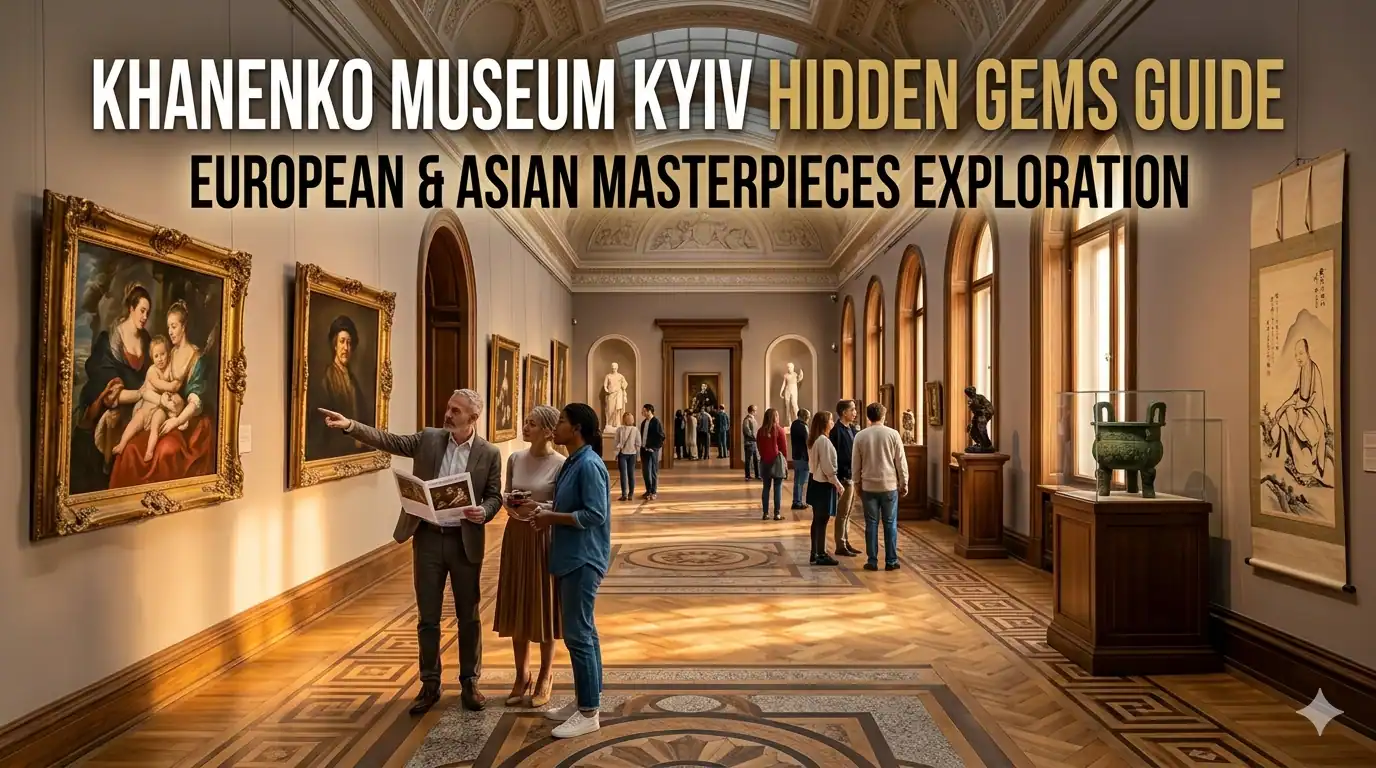
Introduction to Khanenko Museum
The Khanenko Museum in Kyiv stands as one of Ukraine's most prestigious art institutions, housing an exceptional collection of European and Asian masterpieces.
Founded by renowned collectors Bohdan and Varvara Khanenko in the late 19th century, this museum showcases over 6,000 artworks spanning multiple centuries and cultures.
The museum's intimate setting and world-class collection offer visitors a unique opportunity to experience art history in an elegant, personal atmosphere.
This comprehensive guide reveals the museum's hidden gems, must-see masterpieces, and practical visiting information for art enthusiasts exploring Kyiv.
Whether you're an art connoisseur or casual visitor, the Khanenko Museum delivers an unforgettable cultural experience in the heart of Ukraine's capital.
Museum History and Heritage

The Khanenko Museum's story begins with Bohdan Khanenko 1849-1917 and his wife Varvara Khanenko née Tereshchenko, 1852-1922, passionate art collectors who dedicated their lives to building one of Eastern Europe's finest private collections.
Their palatial residence on Tereshchenkivska Street became a cultural salon attracting artists, intellectuals, and aristocrats from across Europe.
Upon Varvara's death in 1922, the couple bequeathed their entire collection and residence to the Ukrainian Academy of Sciences, ensuring public access to their treasures.
The museum survived Soviet nationalization, World War II, and decades of political change while preserving its remarkable collection.
Today, the Khanenko Museum continues its mission of preserving and sharing exceptional art with visitors from around the world.
The Collectors' Vision
Bohdan Khanenko, a successful lawyer and patron of the arts, began collecting in the 1870s with focus on European paintings and decorative arts.
Varvara Khanenko brought significant resources and refined taste to the partnership, expanding the collection to include Asian art and antiquities.
The couple traveled extensively throughout Europe, acquiring masterpieces from Paris, London, Vienna, and other cultural capitals.
Their collecting philosophy emphasized quality over quantity, seeking exceptional works rather than comprehensive coverage.
This discerning approach resulted in a collection where nearly every piece holds significant artistic and historical value.
Architectural Heritage
The museum building itself is a work of art, designed in eclectic style combining classical and baroque elements.
Constructed between 1898-1900, the mansion features elegant stucco work, marble columns, and ornate ceiling decorations.
Interior spaces were specifically designed to showcase the collection with optimal lighting and spatial arrangements.
The building survived both World Wars and Soviet era, though some interior decorations were damaged or altered.
Recent restoration efforts have returned many rooms to their original splendor, recreating the atmosphere of a private collector's residence.
European Art Collection Highlights

The Khanenko Museum's European art collection represents one of Ukraine's finest assemblages of Western masterpieces.
Spanning from the 15th to early 20th century, the collection includes paintings, sculptures, and decorative arts from major European schools.
Italian Renaissance, Dutch Golden Age, French academic art, and Spanish baroque works form the collection's core strengths.
Many works were acquired directly from European collections and represent exceptional examples of their periods and styles.
These masterpieces offer visitors a comprehensive journey through European art history in an intimate museum setting.
Italian Renaissance Masterpieces
The museum's Italian collection features remarkable works from the 15th and 16th centuries including paintings attributed to Renaissance masters.
Notable works include pieces from the Venetian school showcasing the rich color and atmospheric effects characteristic of Venetian painting.
Florentine works demonstrate the linear precision and classical ideals that defined Renaissance art in Florence.
Decorative arts from Italy include maiolica, bronzes, and furniture demonstrating Renaissance craftsmanship.
These works provide insight into the artistic innovations that transformed European culture during the Renaissance period.
Dutch and Flemish Golden Age
The museum holds exceptional examples of 17th-century Dutch and Flemish painting, one of the collection's greatest strengths.
Works include genre scenes, landscapes, still lifes, and portraits demonstrating the diversity of Dutch Golden Age art.
Paintings showcase the technical mastery, attention to detail, and interest in everyday life characteristic of Dutch artists.
Flemish baroque works display the dramatic lighting and emotional intensity associated with artists like Rubens and his followers.
These masterpieces represent some of the finest examples of Northern European art available in Ukraine.
French Academic and Impressionist Works
French art from the 18th and 19th centuries includes academic paintings, romantic works, and early impressionist pieces.
18th-century works demonstrate the elegance and refinement of French rococo and neoclassical styles.
19th-century academic paintings showcase the technical virtuosity and historical subjects favored by the French Academy.
Impressionist and post-impressionist works represent the revolutionary changes in French art during the late 19th century.
These works trace the evolution of French art from courtly elegance to modern experimentation.
Asian Art and Antiquities

The Khanenko Museum's Asian collection rivals many Western institutions in quality and scope, reflecting the collectors' broad interests.
Chinese, Japanese, Indian, and Islamic art form comprehensive collections demonstrating Asia's rich artistic traditions.
These works were acquired during an era when Asian art was just beginning to be appreciated in Europe, demonstrating the Khanenkos' forward-thinking approach.
The collection includes ceramics, bronzes, textiles, paintings, and sculptures spanning thousands of years of Asian civilization.
These masterpieces offer Ukrainian visitors rare access to Asian artistic traditions without traveling abroad.
Chinese Art Treasures
Chinese ceramics form a highlight of the Asian collection with examples from major dynasties including Tang, Song, Ming, and Qing.
Porcelain pieces demonstrate the technical sophistication and aesthetic refinement of Chinese ceramic production.
Bronze ritual vessels from ancient China showcase the sophisticated metallurgy and spiritual significance of early Chinese civilization.
Jade carvings display the Chinese mastery of working this difficult material into objects of beauty and symbolic meaning.
Paintings and calligraphy demonstrate the Chinese scholarly tradition and the integration of poetry, painting, and calligraphy.
Japanese Art Collection
Japanese art in the collection includes ukiyo-e prints, ceramics, lacquerware, and metalwork from various periods.
Woodblock prints demonstrate the graphic sophistication and popular culture of Edo period Japan.
Ceramics include tea ceremony vessels demonstrating the Japanese aesthetic of wabi-sabi and appreciation for natural materials.
Lacquerware and inro boxes showcase the extraordinary technical skill of Japanese decorative artists.
Samurai armor and swords demonstrate the martial traditions and metalworking skills of feudal Japan.
Islamic and Indian Art
Islamic art includes Persian miniatures, Ottoman textiles, and metalwork demonstrating the sophistication of Islamic civilization.
Persian miniatures display the intricate detail and poetic sensibility of Persian manuscript illumination.
Ottoman textiles and carpets demonstrate the rich patterns and technical excellence of Turkish weaving traditions.
Indian art includes Mughal miniatures, sculptures, and decorative arts reflecting India's diverse cultural traditions.
These works demonstrate the artistic exchanges between Islamic and Indian civilizations over many centuries.
Decorative Arts and Furnishings

Beyond paintings and sculptures, the Khanenko Museum houses exceptional decorative arts that furnished the collectors' elegant residence.
These objects demonstrate the highest levels of craftsmanship from European workshops and ateliers.
Furniture, tapestries, porcelain, and metalwork create a complete picture of refined European interior decoration.
These decorative arts complement the paintings and sculptures, recreating the atmosphere of a cultured European household.
Many pieces were commissioned specifically for the Khanenko residence, making them integral to the museum's character.
European Furniture and Interiors
Furniture collection includes pieces from French, Italian, and German workshops spanning several centuries.
18th-century French furniture demonstrates the elegance and craftsmanship of Louis XV and Louis XVI styles.
Italian Renaissance and baroque furniture displays the ornate carving and rich materials favored in Italian palaces.
Period rooms recreate the atmosphere of the Khanenko residence with furniture arranged as the collectors would have displayed it.
These interiors provide context for understanding how art was collected and displayed in late 19th-century Europe.
Porcelain and Ceramics
European porcelain collection includes exceptional examples from Meissen, Sèvres, Vienna, and other major manufacturers.
Meissen porcelain demonstrates the technical achievement of Europe's first hard-paste porcelain manufactory.
Sèvres porcelain displays the refined taste and royal patronage of French porcelain production.
Decorative vases, table services, and figurines demonstrate both the artistic and technical achievements of European ceramicists.
These pieces complement the Asian ceramics, allowing visitors to compare Eastern and Western ceramic traditions.
Textiles and Tapestries
Textile collection includes European tapestries, embroideries, and lace demonstrating textile arts from various periods.
Flemish and French tapestries display the narrative complexity and technical skill of European tapestry weaving.
Ecclesiastical textiles include vestments and altar cloths demonstrating the role of textiles in religious practice.
Lace and embroidery demonstrate the needlework skills that were highly valued in European decorative arts.
These textiles add color, texture, and warmth to the museum's interior spaces.
Planning Your Visit

Visiting the Khanenko Museum requires some planning to ensure you can fully appreciate this remarkable collection.
Understanding practical details like hours, tickets, and accessibility helps you make the most of your visit.
The museum's intimate size means you can see the entire collection in a reasonable time, but planning enhances the experience.
These practical details ensure a smooth and enjoyable visit to one of Kyiv's cultural treasures.
Museum Hours and Admission
The museum is typically open Wednesday through Monday, closed Tuesdays for maintenance and conservation work.
Opening hours are generally 10:30 AM to 6:00 PM with last admission around 5:15 PM.
Admission fees are modest, typically 100-150 UAH for adults with discounts for students and seniors.
Free admission may be available on certain days or for special events check the museum website for current information.
Photography policies vary by exhibition some areas allow photography without flash while others prohibit it entirely.
Location and Transportation
The museum is located at 15 Tereshchenkivska Street in central Kyiv, near Shevchenko Park.
Metro access via Teatralna or Universytet stations with about 10-15 minute walk to the museum.
Buses and trolleybuses stop nearby on Volodymyrska Street and other central routes.
Taxi and ride-sharing services can drop you directly at the museum entrance.
The central location makes it easy to combine with visits to other Kyiv cultural attractions.
Guided Tours and Audio Guides
Guided tours are available in Ukrainian, Russian, and English with advance reservation recommended.
Tour guides provide valuable context about the collectors, the collection, and individual masterpieces.
Audio guides may be available allowing self-paced exploration with professional commentary.
Private tours can be arranged for groups with specialized focus on particular aspects of the collection.
Educational programs and lectures are occasionally offered for those wanting deeper engagement with the collection.
Museum Experience and Atmosphere

The Khanenko Museum offers a distinctly different experience from large encyclopedic museums.
Its intimate scale and residential setting create an atmosphere more like visiting a cultured friend's home than touring an institution.
This personal atmosphere allows for contemplative viewing and deeper engagement with individual works.
Understanding what makes this museum unique helps visitors appreciate its special character.
Intimate Setting Advantages
Small gallery spaces allow close viewing of artworks without the crowds typical of major museums.
Residential rooms recreate the context in which the collectors lived with and enjoyed their art.
Personal connection to the collectors' story adds human interest to the art historical significance.
Quiet atmosphere encourages contemplation and extended viewing of favorite works.
Staff are often knowledgeable and enthusiastic, happy to share information about the collection.
Collection Strengths
Quality over quantity means nearly every work deserves attention unlike museums with vast storage.
European paintings from multiple schools provide comprehensive overview of Western art history.
Asian art collection is exceptional for a European museum, demonstrating truly global collecting vision.
Decorative arts create complete period rooms showing how art was integrated into daily life.
Temporary exhibitions bring new perspectives and occasionally loan works from other institutions.
Photography and Documentation

Photography policies at the Khanenko Museum balance visitor experience with conservation needs.
Understanding these policies helps you document your visit appropriately while respecting the collection.
Some areas allow photography while others restrict it to protect light-sensitive works.
These guidelines ensure all visitors can enjoy the collection while preserving it for future generations.
Photography Guidelines
Personal photography without flash is typically permitted in permanent collection galleries.
Flash photography is prohibited throughout the museum to protect light-sensitive artworks.
Some temporary exhibitions may have different photography policies check signage or ask staff.
Tripods and selfie sticks are generally not allowed as they can obstruct other visitors.
Commercial photography requires advance permission and may involve fees.
Sharing Your Visit
Social media sharing is encouraged to help others discover this remarkable museum.
Tagging the museum and using relevant hashtags helps build community around the collection.
Respectful photography that doesn't interfere with other visitors' experience is appreciated.
Credit the museum when sharing images online to acknowledge the source.
Your photos and reviews help support the museum's mission and attract future visitors.
Nearby Cultural Attractions

The Khanenko Museum's central Kyiv location places it near many other cultural attractions worth visiting.
Combining your museum visit with nearby sites creates a full day of cultural exploration.
These attractions complement the Khanenko experience with different perspectives on Ukrainian and European culture.
Planning a cultural itinerary maximizes your time in this vibrant capital city.
National Museum of Ukrainian History
Located nearby on Volodymyrska Street, this museum provides comprehensive overview of Ukrainian history.
Collection spans from prehistoric times to present day with particular strength in medieval and Cossack periods.
Combining art at Khanenko with history at this museum provides well-rounded cultural experience.
Walking distance from Khanenko Museum makes combination visit convenient.
Modest admission fees and excellent collections make this essential Kyiv cultural stop.
Shevchenko National University and Park
Beautiful park adjacent to the museum offers peaceful green space for relaxation after museum visit.
Historic university buildings demonstrate 19th-century academic architecture.
Park is popular with students and locals, providing authentic glimpse of Kyiv daily life.
Monuments and sculptures throughout park add artistic interest to natural setting.
Perfect spot for picnic or stroll between cultural attractions.
Golden Gate and St. Sophia Cathedral
These UNESCO World Heritage sites are within walking distance of the Khanenko Museum.
St. Sophia Cathedral features stunning Byzantine mosaics and frescoes from 11th century.
Golden Gate was main entrance to medieval Kyiv, now reconstructed as museum.
These sites demonstrate Kyiv's importance as center of Eastern Slavic civilization.
Combining medieval religious art at St. Sophia with European paintings at Khanenko shows breadth of Kyiv's cultural heritage.
Accessibility and Visitor Services

The Khanenko Museum strives to be accessible to all visitors though the historic building presents some challenges.
Understanding available services helps visitors with special needs plan their visit effectively.
The museum continues to improve accessibility while preserving the historic character of the building.
These services ensure all visitors can enjoy this remarkable collection.
Physical Accessibility
Ground floor galleries are accessible to visitors with mobility limitations.
Upper floors may have limited accessibility due to historic staircases without elevator.
Wheelchair access is available to main exhibition spaces though some areas may be challenging.
Staff are helpful in assisting visitors with special needs to access collection.
Contact museum in advance to discuss specific accessibility needs and arrange assistance.
Visitor Amenities
Small museum shop offers catalogs, postcards, and gifts related to the collection.
Coat check is available for outerwear and bags though space may be limited.
Restrooms are available on ground floor though facilities are modest.
No cafe or restaurant in museum though many dining options nearby on Volodymyrska Street.
Seating is available in galleries for visitors who need to rest.
Special Exhibitions and Events

Beyond its permanent collection, the Khanenko Museum hosts temporary exhibitions and cultural events.
These programs bring new perspectives to the collection and attract diverse audiences.
Checking the museum's schedule before your visit may reveal special exhibitions worth seeing.
These events demonstrate the museum's active role in Kyiv's cultural life.
Temporary Exhibitions
Rotating exhibitions feature works from the permanent collection not normally on display.
Loan exhibitions bring works from other Ukrainian and international museums.
Thematic exhibitions explore specific artists, periods, or artistic movements in depth.
Contemporary art exhibitions create dialogue between historical collection and modern practice.
Exhibition catalogs provide scholarly documentation and beautiful reproductions of featured works.
Educational Programs
Lectures by art historians provide deeper understanding of collection and art historical context.
Workshops for children and adults offer hands-on engagement with artistic techniques.
Concerts in the museum's elegant spaces combine visual and musical arts.
School programs introduce students to art appreciation and museum etiquette.
Special events during museum nights or cultural festivals attract new audiences.
Conservation and Preservation
The Khanenko Museum plays vital role in preserving Ukraine's cultural heritage for future generations.
Conservation efforts ensure that these masterpieces survive for future visitors to enjoy.
Understanding the museum's conservation work adds appreciation for the care taken with each work.
These efforts demonstrate the museum's commitment to its mission as custodian of cultural treasures.
Conservation Challenges
Historic building requires ongoing maintenance to protect collection from environmental damage.
Climate control is essential for preserving paintings, textiles, and works on paper.
Light levels must be carefully managed to prevent fading of light-sensitive works.
Security measures protect valuable collection while maintaining welcoming atmosphere for visitors.
Conservation treatments require specialized expertise and careful documentation.
Supporting the Museum
Museum memberships provide financial support while offering benefits like free admission and special events.
Donations support conservation projects, acquisitions, and educational programs.
Volunteer opportunities allow community members to contribute to museum's mission.
Corporate sponsorships support major exhibitions and conservation initiatives.
Your visit and support help ensure this remarkable collection remains accessible for future generations.
Conclusion and Final Recommendations
The Khanenko Museum represents one of Kyiv's greatest cultural treasures, offering world-class art in an intimate, personal setting.
The collection's quality, breadth, and historical significance make it essential destination for any visitor to Ukraine's capital.
From European Renaissance masterpieces to Asian ceramics, the museum showcases exceptional artistic achievement across cultures and centuries.
The story of Bohdan and Varvara Khanenko adds human dimension to the art, connecting visitors to the passion and vision that created this collection.
Whether you're an art expert or casual enthusiast, the Khanenko Museum delivers an unforgettable cultural experience.
Plan to spend 2-3 hours to fully appreciate the collection though art lovers could easily spend longer.
Visit early in the day or on weekdays to avoid crowds and enjoy contemplative viewing.
Consider hiring a guide or using audio guide to gain deeper understanding of the collection's highlights.
Combine your visit with nearby attractions like St. Sophia Cathedral for a full day of cultural exploration.
The Khanenko Museum is not just a repository of art but a testament to the enduring power of beauty, culture, and human creativity.
0 Comments