.webp)
.webp)
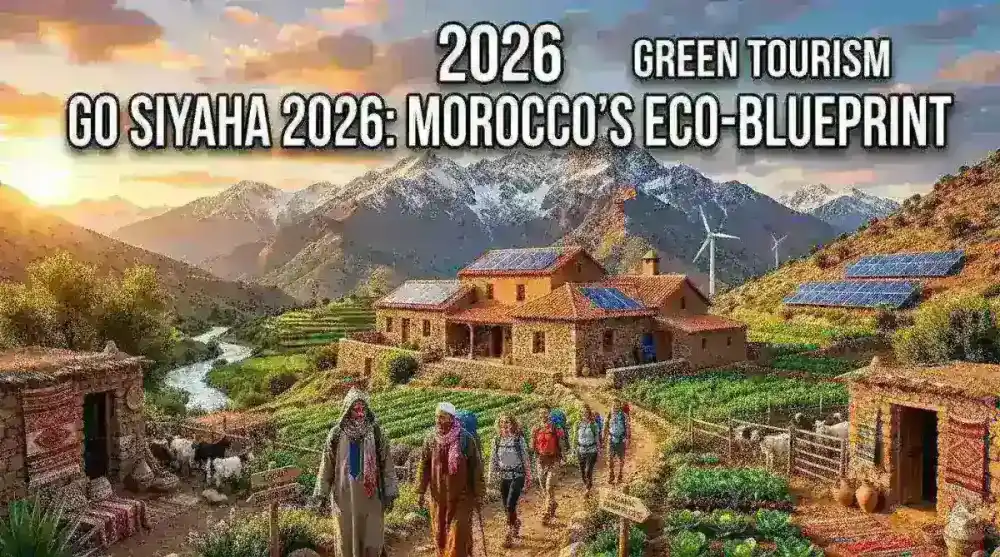
Go Siyaha 2026: Morocco's Revolutionary Approach to Sustainable Rural Tourism
Go Siyaha 2026 represents Morocco's ambitious and comprehensive green tourism initiative, fundamentally transforming how travelers experience the country's rural landscapes while prioritizing environmental conservation, community empowerment, and cultural preservation. "Siyaha" (سياحة), meaning "tourism" in Arabic, has become the cornerstone of Morocco's strategy to position itself as Africa's leading sustainable tourism destination, with a revolutionary eco-blueprint that's reshaping rural travel from the Atlas Mountains to the Sahara Desert.
Launched as part of Morocco's Vision 2030 tourism strategy and accelerated for 2026 implementation, Go Siyaha addresses the urgent need for sustainable development in Morocco's rural tourism sector. The initiative responds to growing global demand for responsible travel while protecting Morocco's fragile ecosystems, supporting traditional Berber communities, preserving ancient cultural heritage, and ensuring tourism revenue directly benefits local populations rather than international corporations.
This comprehensive 2026 guide explores every aspect of the Go Siyaha initiative: the eco-certification system, sustainable accommodation standards, community-based tourism programs, renewable energy integration, water conservation projects, waste management systems, cultural preservation efforts, rural development impacts, and how travelers can participate in this transformative movement. Whether you're planning to trek through the High Atlas, explore traditional Berber villages, camp in the Sahara, or discover Morocco's hidden rural gems, understanding Go Siyaha will enhance your travel experience while contributing to Morocco's sustainable future.
Understanding Go Siyaha: Morocco's Green Tourism Framework

Go Siyaha isn't just a marketing campaign—it's a comprehensive regulatory and developmental framework designed to make Morocco a global leader in sustainable tourism.
Core Objectives of Go Siyaha 2026:
- Environmental Protection: Reduce tourism's carbon footprint by 40% by 2030
- Community Empowerment: Ensure 70% of tourism revenue stays in local communities
- Cultural Preservation: Protect and promote Morocco's intangible cultural heritage
- Economic Development: Create 100,000 green jobs in rural areas by 2030
- Biodiversity Conservation: Protect endangered species and fragile ecosystems
- Resource Management: Implement water conservation and renewable energy systems
- Quality Standards: Establish Morocco as premium sustainable tourism destination
- 👉 Hidden Gems of Djemila Ruins and Best Mosaics in North Africa
- 👉 Why 2026 Is the Year of "Coastal Highway Progress": Connecting Buchanan to Cestos City
- 👉 Victoria Island Boutique vs Epe Eco-Retreats: Lagos Stay
Key Pillars of the Eco-Blueprint:
1. Sustainable Infrastructure Development:
- Eco-certification for hotels, riads, and lodges
- Renewable energy requirements (solar, wind)
- Water recycling and conservation systems
- Sustainable building materials and traditional architecture
- Waste reduction and recycling programs
- Green transportation options (electric vehicles, bicycles)
- 👉 Hidden Gems of Djemila Ruins and Best Mosaics in North Africa
- 👉 Why 2026 Is the Year of "Coastal Highway Progress": Connecting Buchanan to Cestos City
- 👉 Victoria Island Boutique vs Epe Eco-Retreats: Lagos Stay
2. Community-Based Tourism (CBT):
- Local ownership and management of tourism enterprises
- Homestay programs in Berber villages
- Community-guided tours and experiences
- Artisan cooperatives and fair trade practices
- Revenue-sharing models ensuring local benefits
- Cultural exchange programs
- 👉 Hidden Gems of Djemila Ruins and Best Mosaics in North Africa
- 👉 Why 2026 Is the Year of "Coastal Highway Progress": Connecting Buchanan to Cestos City
- 👉 Victoria Island Boutique vs Epe Eco-Retreats: Lagos Stay
3. Environmental Conservation:
- Protected area management (national parks, oases)
- Reforestation and desertification prevention
- Wildlife protection programs
- Sustainable agriculture integration
- Water resource protection
- Carbon offset programs for travelers
- 👉 Hidden Gems of Djemila Ruins and Best Mosaics in North Africa
- 👉 Why 2026 Is the Year of "Coastal Highway Progress": Connecting Buchanan to Cestos City
- 👉 Victoria Island Boutique vs Epe Eco-Retreats: Lagos Stay
4. Cultural Heritage Preservation:
- Restoration of traditional architecture (kasbahs, ksours)
- Documentation and promotion of Berber traditions
- Support for traditional crafts and artisan skills
- Protection of UNESCO World Heritage Sites
- Cultural education programs for visitors
- Intangible heritage safeguarding (music, cuisine, festivals)
- 👉 Hidden Gems of Djemila Ruins and Best Mosaics in North Africa
- 👉 Why 2026 Is the Year of "Coastal Highway Progress": Connecting Buchanan to Cestos City
- 👉 Victoria Island Boutique vs Epe Eco-Retreats: Lagos Stay
Government Support and Partnerships
Go Siyaha is backed by:
- Moroccan Ministry of Tourism: Lead agency with $500 million investment
- International Partners: UNWTO, UNESCO, World Bank support
- Private Sector: Hotel chains, tour operators committing to standards
- NGOs: Environmental and cultural organizations
- Local Communities: Village cooperatives and associations
- Academic Institutions: Research and training programs
- 👉 Hidden Gems of Djemila Ruins and Best Mosaics in North Africa
- 👉 Why 2026 Is the Year of "Coastal Highway Progress": Connecting Buchanan to Cestos City
- 👉 Victoria Island Boutique vs Epe Eco-Retreats: Lagos Stay
Eco-Certification System: The Green Label Standard

Central to Go Siyaha is Morocco's comprehensive eco-certification system, providing clear standards for sustainable tourism businesses.
Certification Levels:
Bronze Level (Entry):
- Basic environmental practices implemented
- Waste separation and recycling
- Water conservation measures
- Energy efficiency improvements
- Local purchasing policy (30% minimum)
- Staff environmental training
- Valid for 2 years
- 👉 Hidden Gems of Djemila Ruins and Best Mosaics in North Africa
- 👉 Why 2026 Is the Year of "Coastal Highway Progress": Connecting Buchanan to Cestos City
- 👉 Victoria Island Boutique vs Epe Eco-Retreats: Lagos Stay
Silver Level (Intermediate):
- Advanced sustainability practices
- Renewable energy (minimum 30% of consumption)
- Water recycling system
- Organic waste composting
- Local purchasing (50% minimum)
- Community development contribution
- Cultural preservation activities
- Carbon footprint measurement
- Valid for 3 years
- 👉 Hidden Gems of Djemila Ruins and Best Mosaics in North Africa
- 👉 Why 2026 Is the Year of "Coastal Highway Progress": Connecting Buchanan to Cestos City
- 👉 Victoria Island Boutique vs Epe Eco-Retreats: Lagos Stay
Gold Level (Advanced):
- Excellence in sustainability
- Renewable energy (minimum 60% of consumption)
- Zero single-use plastics
- Complete water recycling
- Local purchasing (70% minimum)
- Community ownership or partnership
- Biodiversity conservation program
- Carbon neutral operations
- Environmental education programs
- Valid for 5 years
- 👉 Hidden Gems of Djemila Ruins and Best Mosaics in North Africa
- 👉 Why 2026 Is the Year of "Coastal Highway Progress": Connecting Buchanan to Cestos City
- 👉 Victoria Island Boutique vs Epe Eco-Retreats: Lagos Stay
Platinum Level (Excellence):
- Industry-leading sustainability
- 100% renewable energy
- Regenerative tourism practices
- Net-positive environmental impact
- Local purchasing (90%+ minimum)
- Community majority ownership
- Cultural heritage restoration projects
- Research and innovation contributions
- Mentorship for other businesses
- Valid for 5 years with annual audits
- 👉 Hidden Gems of Djemila Ruins and Best Mosaics in North Africa
- 👉 Why 2026 Is the Year of "Coastal Highway Progress": Connecting Buchanan to Cestos City
- 👉 Victoria Island Boutique vs Epe Eco-Retreats: Lagos Stay
Certification Process
Steps to Certification:
- Application: Submit online application with documentation
- Self-Assessment: Complete detailed sustainability audit
- Third-Party Audit: Independent inspector evaluates practices
- Improvement Plan: Address any gaps identified
- Certification Decision: Review board approves level
- Monitoring: Annual reviews and random inspections
- Renewal: Re-certification at end of validity period
Benefits of Certification:
- Official Go Siyaha Green Label for marketing
- Listing on official sustainable tourism platform
- Tax incentives and reduced fees
- Priority in government tourism promotions
- Access to green financing and grants
- Training and technical support
- Competitive advantage with conscious travelers
- International recognition and partnerships
- 👉 Hidden Gems of Djemila Ruins and Best Mosaics in North Africa
- 👉 Why 2026 Is the Year of "Coastal Highway Progress": Connecting Buchanan to Cestos City
- 👉 Victoria Island Boutique vs Epe Eco-Retreats: Lagos Stay
Sustainable Accommodation: Eco-Lodges and Green Riads

Morocco's rural accommodation sector is undergoing a green revolution under Go Siyaha, with traditional riads, desert camps, and mountain lodges adopting sustainable practices.
Eco-Lodge Standards:
Architecture and Design:
- Traditional building techniques (pisé, stone, wood)
- Local materials sourced within 50km radius
- Passive cooling and heating design
- Natural ventilation systems
- Integration with landscape (minimal disruption)
- Restoration of historic structures preferred
- Accessibility considerations
- 👉 Hidden Gems of Djemila Ruins and Best Mosaics in North Africa
- 👉 Why 2026 Is the Year of "Coastal Highway Progress": Connecting Buchanan to Cestos City
- 👉 Victoria Island Boutique vs Epe Eco-Retreats: Lagos Stay
Energy Systems:
- Solar panels for electricity (photovoltaic)
- Solar water heaters
- Energy-efficient LED lighting throughout
- Smart energy management systems
- Backup renewable energy (wind, micro-hydro where available)
- Energy consumption monitoring
- Guest education on conservation
- 👉 Hidden Gems of Djemila Ruins and Best Mosaics in North Africa
- 👉 Why 2026 Is the Year of "Coastal Highway Progress": Connecting Buchanan to Cestos City
- 👉 Victoria Island Boutique vs Epe Eco-Retreats: Lagos Stay
Water Management:
- Rainwater harvesting systems
- Greywater recycling for irrigation
- Low-flow fixtures (showers, toilets, sinks)
- Native drought-resistant landscaping
- Drip irrigation for gardens
- Water quality monitoring
- Guest linen reuse programs
- 👉 Hidden Gems of Djemila Ruins and Best Mosaics in North Africa
- 👉 Why 2026 Is the Year of "Coastal Highway Progress": Connecting Buchanan to Cestos City
- 👉 Victoria Island Boutique vs Epe Eco-Retreats: Lagos Stay
Waste Management:
- Comprehensive recycling program
- Organic waste composting
- Zero single-use plastics policy
- Biodegradable cleaning products
- Food waste reduction strategies
- Partnership with local recycling facilities
- Guest education and participation
- 👉 Hidden Gems of Djemila Ruins and Best Mosaics in North Africa
- 👉 Why 2026 Is the Year of "Coastal Highway Progress": Connecting Buchanan to Cestos City
- 👉 Victoria Island Boutique vs Epe Eco-Retreats: Lagos Stay
Featured Eco-Accommodations (2026)
Atlas Mountains:
- Kasbah du Toubkal (Imlil): Gold certified, community-owned, solar-powered mountain lodge supporting local Berber villages
- Dar Ahlam (Skoura): Platinum certified, restored kasbah, organic farm, renewable energy
- Auberge Les Trois Palmiers (Erfoud): Silver certified, oasis setting, traditional architecture
- 👉 Hidden Gems of Djemila Ruins and Best Mosaics in North Africa
- 👉 Why 2026 Is the Year of "Coastal Highway Progress": Connecting Buchanan to Cestos City
- 👉 Victoria Island Boutique vs Epe Eco-Retreats: Lagos Stay
Sahara Desert:
- Camp Nomade (Merzouga): Gold certified, solar-powered luxury tents, zero-waste operations
- Desert Luxury Camp (Zagora): Silver certified, traditional Berber tents, community employment
- Erg Chigaga Camp: Remote location, minimal environmental impact, local guides
- 👉 Hidden Gems of Djemila Ruins and Best Mosaics in North Africa
- 👉 Why 2026 Is the Year of "Coastal Highway Progress": Connecting Buchanan to Cestos City
- 👉 Victoria Island Boutique vs Epe Eco-Retreats: Lagos Stay
Rural Villages:
- Riad Dar Zaman (Chefchaouen): Silver certified, restored medina house, local artisan partnerships
- Auberge de Jeunesse (Ait Benhaddou): Bronze certified, budget-friendly, community projects
- Maison d'Hôtes (Todra Gorge): Gold certified, family-run, organic garden, cultural programs
- 👉 Hidden Gems of Djemila Ruins and Best Mosaics in North Africa
- 👉 Why 2026 Is the Year of "Coastal Highway Progress": Connecting Buchanan to Cestos City
- 👉 Victoria Island Boutique vs Epe Eco-Retreats: Lagos Stay
Community-Based Tourism: Empowering Rural Morocco

Community-Based Tourism (CBT) is the heart of Go Siyaha, ensuring local communities are active participants and primary beneficiaries of tourism development.
CBT Models in Morocco:
1. Village Cooperatives:
- Community-owned and managed tourism enterprises
- Revenue distributed among member families li>Collective decision-making processes
- Examples: Ait Bougmez Valley cooperative, Ourika Valley association
- 👉 Hidden Gems of Djemila Ruins and Best Mosaics in North Africa
- 👉 Why 2026 Is the Year of "Coastal Highway Progress": Connecting Buchanan to Cestos City
- 👉 Victoria Island Boutique vs Epe Eco-Retreats: Lagos Stay
2. Homestay Programs:
- li>Families host travelers in traditional homes
- Authentic cultural immersion experiences
- Income directly supports household economies
- Cultural exchange and language learning
- Examples: Berber village homestays in High Atlas
- 👉 Hidden Gems of Djemila Ruins and Best Mosaics in North Africa
- 👉 Why 2026 Is the Year of "Coastal Highway Progress": Connecting Buchanan to Cestos City
- 👉 Victoria Island Boutique vs Epe Eco-Retreats: Lagos Stay
3. Community-Guided Tours:
- Local residents trained as guides
- Traditional knowledge and storytelling
- Access to areas not available to outside guides
- Fair wages and working conditions
- Cultural interpretation and education
- 👉 Hidden Gems of Djemila Ruins and Best Mosaics in North Africa
- 👉 Why 2026 Is the Year of "Coastal Highway Progress": Connecting Buchanan to Cestos City
- 👉 Victoria Island Boutique vs Epe Eco-Retreats: Lagos Stay
4. Artisan Cooperatives:
- Traditional craft production (carpets, pottery, jewelry)
- Fair trade pricing and practices
- Skills preservation and transmission
- Women's empowerment through economic opportunity
- Direct sales to visitors (eliminating middlemen)
- 👉 Hidden Gems of Djemila Ruins and Best Mosaics in North Africa
- 👉 Why 2026 Is the Year of "Coastal Highway Progress": Connecting Buchanan to Cestos City
- 👉 Victoria Island Boutique vs Epe Eco-Retreats: Lagos Stay
Success Stories: CBT Impact
Case Study 1: Ait Bougmez Valley ("Happy Valley")
- Location: High Atlas Mountains
- Population: 15,000 Berber residents
- Initiative: Valley-wide tourism cooperative established 2024
- Results by 2026:
- 120 families participating in homestay program
- €500,000 annual tourism revenue (80% stays in valley)
- 45 local guides trained and certified
- 8 artisan cooperatives established
- Youth employment increased 60%
- Women's income doubled through craft sales
- 👉 Hidden Gems of Djemila Ruins and Best Mosaics in North Africa
- 👉 Why 2026 Is the Year of "Coastal Highway Progress": Connecting Buchanan to Cestos City
- 👉 Victoria Island Boutique vs Epe Eco-Retreats: Lagos Stay
- 👉 Hidden Gems of Djemila Ruins and Best Mosaics in North Africa
- 👉 Why 2026 Is the Year of "Coastal Highway Progress": Connecting Buchanan to Cestos City
- 👉 Victoria Island Boutique vs Epe Eco-Retreats: Lagos Stay
Case Study 2: Merzouga Desert Community
- Location: Erg Chebbi dunes, Sahara
- Population: 5,000 (mixed Berber and Arab)
- Initiative: Sustainable desert tourism association
- Results by 2026:
- 15 eco-camps operated by local families
- Camel trekking cooperatives (fair wages)
- Traditional music and cultural performances
- Desert conservation program (flora/fauna protection)
- Solar energy training for youth
- €300,000 annual community revenue
- 👉 Hidden Gems of Djemila Ruins and Best Mosaics in North Africa
- 👉 Why 2026 Is the Year of "Coastal Highway Progress": Connecting Buchanan to Cestos City
- 👉 Victoria Island Boutique vs Epe Eco-Retreats: Lagos Stay
- 👉 Hidden Gems of Djemila Ruins and Best Mosaics in North Africa
- 👉 Why 2026 Is the Year of "Coastal Highway Progress": Connecting Buchanan to Cestos City
- 👉 Victoria Island Boutique vs Epe Eco-Retreats: Lagos Stay
How Travelers Can Support CBT
- Choose Community-Owned: Book directly with cooperatives and associations
- Stay Longer: Extended stays provide more income to host families
- Buy Local: Purchase crafts directly from artisans at fair prices
- Respect Culture: Learn customs, dress appropriately, ask permission for photos
- Learn Language: Basic Arabic/Berber phrases show respect
- Participate: Join cooking classes, craft workshops, cultural activities
- Give Back: Consider donations to community projects (schools, water systems)
- 👉 Hidden Gems of Djemila Ruins and Best Mosaics in North Africa
- 👉 Why 2026 Is the Year of "Coastal Highway Progress": Connecting Buchanan to Cestos City
- 👉 Victoria Island Boutique vs Epe Eco-Retreats: Lagos Stay
Environmental Conservation Initiatives

Go Siyaha integrates comprehensive environmental protection measures across Morocco's rural tourism destinations.
Protected Areas and National Parks:
Toubkal National Park:
- Location: High Atlas Mountains
- Size: 380 square kilometers
- Conservation Focus:
- Endangered Barbary macaque protection
- Alpine ecosystem preservation
- Sustainable trekking routes
- Waste management on mountain trails
- Refuge sustainability standards
- Local guide certification programs
- 👉 Hidden Gems of Djemila Ruins and Best Mosaics in North Africa
- 👉 Why 2026 Is the Year of "Coastal Highway Progress": Connecting Buchanan to Cestos City
- 👉 Victoria Island Boutique vs Epe Eco-Retreats: Lagos Stay
- 2026 Initiatives:
- Carbon-neutral trekking certification
- Solar-powered mountain refuges
- Trail restoration projects
- Wildlife monitoring programs
- 👉 Hidden Gems of Djemila Ruins and Best Mosaics in North Africa
- 👉 Why 2026 Is the Year of "Coastal Highway Progress": Connecting Buchanan to Cestos City
- 👉 Victoria Island Boutique vs Epe Eco-Retreats: Lagos Stay
- 👉 Hidden Gems of Djemila Ruins and Best Mosaics in North Africa
- 👉 Why 2026 Is the Year of "Coastal Highway Progress": Connecting Buchanan to Cestos City
- 👉 Victoria Island Boutique vs Epe Eco-Retreats: Lagos Stay
Iriqui National Park:
- Location: Southern Morocco (Sahara edge)
- Size: 1,230 square kilometers
- Conservation Focus:
- Desert ecosystem restoration
- Oasis preservation
- Migratory bird protection
- Sustainable desert tourism
- Water resource management
- 👉 Hidden Gems of Djemila Ruins and Best Mosaics in North Africa
- 👉 Why 2026 Is the Year of "Coastal Highway Progress": Connecting Buchanan to Cestos City
- 👉 Victoria Island Boutique vs Epe Eco-Retreats: Lagos Stay
- 👉 Hidden Gems of Djemila Ruins and Best Mosaics in North Africa
- 👉 Why 2026 Is the Year of "Coastal Highway Progress": Connecting Buchanan to Cestos City
- 👉 Victoria Island Boutique vs Epe Eco-Retreats: Lagos Stay
Talassemtane National Park:
- Location: Rif Mountains (north)
- Size: 580 square kilometers
- Conservation Focus:
- Mediterranean fir forest protection
- Endangered species (Barbary deer, eagle)
- Sustainable hiking trails
- Reforestation programs
- Community-based ecotourism
- 👉 Hidden Gems of Djemila Ruins and Best Mosaics in North Africa
- 👉 Why 2026 Is the Year of "Coastal Highway Progress": Connecting Buchanan to Cestos City
- 👉 Victoria Island Boutique vs Epe Eco-Retreats: Lagos Stay
- 👉 Hidden Gems of Djemila Ruins and Best Mosaics in North Africa
- 👉 Why 2026 Is the Year of "Coastal Highway Progress": Connecting Buchanan to Cestos City
- 👉 Victoria Island Boutique vs Epe Eco-Retreats: Lagos Stay
Water Conservation Programs
Water scarcity is a critical issue in Morocco, making conservation essential for sustainable tourism.
Initiatives:
- Rainwater Harvesting: Mandatory for new eco-lodges in rural areas
- Greywater Recycling: Treatment systems for irrigation use
- Drip Irrigation: Efficient water use in hotel gardens and organic farms
- Low-Flow Fixtures: Required in all certified accommodations
- Guest Education: Programs encouraging water conservation
- Oasis Protection: Traditional irrigation system (khettara) restoration
- Water Quality Monitoring: Regular testing in tourist areas
- 👉 Hidden Gems of Djemila Ruins and Best Mosaics in North Africa
- 👉 Why 2026 Is the Year of "Coastal Highway Progress": Connecting Buchanan to Cestos City
- 👉 Victoria Island Boutique vs Epe Eco-Retreats: Lagos Stay
Impact (2024-2026):
- 40% reduction in water consumption per tourist in certified accommodations
- 150 rainwater harvesting systems installed in rural lodges
- 80% of eco-lodges now use greywater recycling
- 25 traditional oases restored with sustainable tourism revenue
- 👉 Hidden Gems of Djemila Ruins and Best Mosaics in North Africa
- 👉 Why 2026 Is the Year of "Coastal Highway Progress": Connecting Buchanan to Cestos City
- 👉 Victoria Island Boutique vs Epe Eco-Retreats: Lagos Stay
Renewable Energy Integration
Morocco's abundant sunshine makes solar energy ideal for rural tourism.
Solar Power Programs:
- Solar Panel Installation: Subsidies for rural accommodations
- Solar Water Heating: Mandatory for Go Siyaha certification
- Micro-Grid Development: Community solar systems in remote villages
- Training Programs: Local technicians trained in solar installation/maintenance
- Energy Storage: Battery systems for 24/7 renewable power
- 👉 Hidden Gems of Djemila Ruins and Best Mosaics in North Africa
- 👉 Why 2026 Is the Year of "Coastal Highway Progress": Connecting Buchanan to Cestos City
- 👉 Victoria Island Boutique vs Epe Eco-Retreats: Lagos Stay
2026 Targets:
- 60% of rural tourism accommodations using solar energy
- 500 kW of solar capacity installed in tourism sector
- 30% reduction in carbon emissions from rural tourism
- 100% renewable energy for all Gold/Platinum certified properties
- 👉 Hidden Gems of Djemila Ruins and Best Mosaics in North Africa
- 👉 Why 2026 Is the Year of "Coastal Highway Progress": Connecting Buchanan to Cestos City
- 👉 Victoria Island Boutique vs Epe Eco-Retreats: Lagos Stay
Waste Management and Reduction
Proper waste management is critical in remote areas with limited infrastructure.
Strategies:
- Zero Single-Use Plastics: Ban in all certified accommodations
- Composting Programs: Organic waste to fertilizer for local farms
- Recycling Centers: Established in major rural tourism hubs
- Waste-to-Energy: Pilot projects in desert camps
- Packaging Reduction: Bulk purchasing, minimal packaging
- Guest Education: Proper waste separation and disposal
- 👉 Hidden Gems of Djemila Ruins and Best Mosaics in North Africa
- 👉 Why 2026 Is the Year of "Coastal Highway Progress": Connecting Buchanan to Cestos City
- 👉 Victoria Island Boutique vs Epe Eco-Retreats: Lagos Stay
Cultural Heritage Preservation

Go Siyaha recognizes that cultural preservation is inseparable from environmental sustainability.
Traditional Architecture Restoration:
Kasbahs and Ksours:
- Restoration of historic fortified villages
- Traditional building techniques (pisé, rammed earth)
- Adaptive reuse for tourism (hotels, museums, cultural centers)
- UNESCO World Heritage Site support (Ait Benhaddou, Ksar of Ait-Ben-Haddou)
- Local artisan employment in restoration work
- Training programs in traditional construction
- 👉 Hidden Gems of Djemila Ruins and Best Mosaics in North Africa
- 👉 Why 2026 Is the Year of "Coastal Highway Progress": Connecting Buchanan to Cestos City
- 👉 Victoria Island Boutique vs Epe Eco-Retreats: Lagos Stay
Examples:
- Ait Benhaddou: Ongoing restoration with tourism revenue funding preservation
- Telouet Kasbah: Restoration project creating jobs and preserving history
- Taourirt Kasbah (Ouarzazate): UNESCO site with sustainable visitor management
- 👉 Hidden Gems of Djemila Ruins and Best Mosaics in North Africa
- 👉 Why 2026 Is the Year of "Coastal Highway Progress": Connecting Buchanan to Cestos City
- 👉 Victoria Island Boutique vs Epe Eco-Retreats: Lagos Stay
Intangible Cultural Heritage
Protecting living traditions and cultural practices:
Berber Traditions:
- Language Preservation: Tamazight (Berber) language programs
- Traditional Music: Support for Ahidous, Ahwash performances
- Storytelling: Oral tradition documentation and transmission
- Festivals: Support for traditional celebrations (Imilchil Marriage Festival)
- Cuisine: Preservation of traditional Berber cooking methods
- 👉 Hidden Gems of Djemila Ruins and Best Mosaics in North Africa
- 👉 Why 2026 Is the Year of "Coastal Highway Progress": Connecting Buchanan to Cestos City
- 👉 Victoria Island Boutique vs Epe Eco-Retreats: Lagos Stay
Artisan Crafts:
- Carpet Weaving: Berber carpet cooperatives, natural dye techniques
- Pottery: Traditional methods in Safi, Fes, and rural villages
- Metalwork: Silver jewelry, traditional weapons, decorative items
- Woodwork: Cedar carving, traditional furniture
- Textiles: Traditional weaving, embroidery techniques
- 👉 Hidden Gems of Djemila Ruins and Best Mosaics in North Africa
- 👉 Why 2026 Is the Year of "Coastal Highway Progress": Connecting Buchanan to Cestos City
- 👉 Victoria Island Boutique vs Epe Eco-Retreats: Lagos Stay
Cultural Tourism Programs
Authentic Experiences:
- Cooking Classes: Learn traditional Moroccan/Berber cuisine with local families
- Craft Workshops: Pottery, weaving, metalwork with master artisans
- Agricultural Experiences: Participate in harvest, traditional farming
- Music and Dance: Traditional performances, participation opportunities
- Religious Heritage: Respectful visits to mosques, marabouts, shrines
- Language Exchange: Arabic/Berber lessons with locals
- 👉 Hidden Gems of Djemila Ruins and Best Mosaics in North Africa
- 👉 Why 2026 Is the Year of "Coastal Highway Progress": Connecting Buchanan to Cestos City
- 👉 Victoria Island Boutique vs Epe Eco-Retreats: Lagos Stay
Sustainable Transportation in Rural Morocco

Go Siyaha addresses transportation's environmental impact while improving rural access.
Green Transportation Initiatives:
Electric Vehicles:
- EV charging stations at rural accommodations
- Electric tour vehicles in sensitive areas
- Incentives for tour operators to electrify fleets
- Partnership with rental companies for EV options
- 👉 Hidden Gems of Djemila Ruins and Best Mosaics in North Africa
- 👉 Why 2026 Is the Year of "Coastal Highway Progress": Connecting Buchanan to Cestos City
- 👉 Victoria Island Boutique vs Epe Eco-Retreats: Lagos Stay
Traditional Transport:
- Camel trekking (sustainable desert transport)
- Donkey/mule treks in mountains
- Traditional methods support local livelihoods
- Low environmental impact
- Cultural authenticity
- 👉 Hidden Gems of Djemila Ruins and Best Mosaics in North Africa
- 👉 Why 2026 Is the Year of "Coastal Highway Progress": Connecting Buchanan to Cestos City
- 👉 Victoria Island Boutique vs Epe Eco-Retreats: Lagos Stay
Public Transport:
- Improved bus connections to rural areas
- Shared taxi systems (grand taxis) optimization
- Train extensions to rural tourism hubs li>Bicycle rental programs in villages
- 👉 Hidden Gems of Djemila Ruins and Best Mosaics in North Africa
- 👉 Why 2026 Is the Year of "Coastal Highway Progress": Connecting Buchanan to Cestos City
- 👉 Victoria Island Boutique vs Epe Eco-Retreats: Lagos Stay
Trekking and Hiking Sustainability
Best Practices:
- Leave No Trace: Education for all trekkers
- Designated Trails: Protect fragile ecosystems
- Local Guides: Required in sensitive areas
- Group Size Limits: Maximum 12-15 people per group
- Waste Carry-Out: Mandatory in remote areas
- Refuge Standards: Sustainable mountain hut operations
- 👉 Hidden Gems of Djemila Ruins and Best Mosaics in North Africa
- 👉 Why 2026 Is the Year of "Coastal Highway Progress": Connecting Buchanan to Cestos City
- 👉 Victoria Island Boutique vs Epe Eco-Retreats: Lagos Stay
Economic Impact and Rural Development

Go Siyaha's success is measured by tangible improvements in rural communities.
Economic Indicators (2024-2026):
- Job Creation: 45,000 new jobs in rural tourism sector
- Youth Employment: 60% of new positions filled by under-35s
- Women's Employment: 55% female participation in tourism enterprises
- Income Growth: Average 40% increase in rural household income
- Local Revenue Retention: 70% of tourism spending stays in communities
- Poverty Reduction: 25% decrease in rural poverty in tourism areas
- 👉 Hidden Gems of Djemila Ruins and Best Mosaics in North Africa
- 👉 Why 2026 Is the Year of "Coastal Highway Progress": Connecting Buchanan to Cestos City
- 👉 Victoria Island Boutique vs Epe Eco-Retreats: Lagos Stay
Infrastructure Development:
- Road improvements connecting rural areas
- Electricity grid extensions (solar micro-grids)
- Water system upgrades li>Internet connectivity (fiber optic, satellite)
- Healthcare facility improvements
- School construction and renovation
- 👉 Hidden Gems of Djemila Ruins and Best Mosaics in North Africa
- 👉 Why 2026 Is the Year of "Coastal Highway Progress": Connecting Buchanan to Cestos City
- 👉 Victoria Island Boutique vs Epe Eco-Retreats: Lagos Stay
Success Metrics by Region
High Atlas Mountains:
- 120 villages participating in sustainable tourism
- €8 million annual tourism revenue
- 3,500 direct jobs created
- 15 new eco-lodges opened
- 40% increase in school enrollment
- 👉 Hidden Gems of Djemila Ruins and Best Mosaics in North Africa
- 👉 Why 2026 Is the Year of "Coastal Highway Progress": Connecting Buchanan to Cestos City
- 👉 Victoria Island Boutique vs Epe Eco-Retreats: Lagos Stay
Sahara Region:
- 35 desert camps certified sustainable
- €5 million annual revenue
- 1,800 jobs (guides, camp staff, artisans)
- Water conservation: 50% reduction in usage
- Wildlife protection: 30% increase in monitored species
- 👉 Hidden Gems of Djemila Ruins and Best Mosaics in North Africa
- 👉 Why 2026 Is the Year of "Coastal Highway Progress": Connecting Buchanan to Cestos City
- 👉 Victoria Island Boutique vs Epe Eco-Retreats: Lagos Stay
Rif Mountains:
- 25 eco-lodges and guesthouses
- €3 million annual revenue
- Reforestation: 50,000 trees planted
- Artisan cooperatives: 18 established
- Youth retention: 40% decrease in out-migration
- 👉 Hidden Gems of Djemila Ruins and Best Mosaics in North Africa
- 👉 Why 2026 Is the Year of "Coastal Highway Progress": Connecting Buchanan to Cestos City
- 👉 Victoria Island Boutique vs Epe Eco-Retreats: Lagos Stay
How Travelers Can Participate in Go Siyaha

Every traveler can contribute to Morocco's sustainable tourism future.
Before Your Trip:
- Choose Certified: Book Go Siyaha certified accommodations and tours
- Research: Learn about destinations, cultures, environmental challenges
- Pack Responsibly: Reusable water bottle, toiletries, bags
- Offset Carbon: Calculate and offset flight emissions
- Learn Language: Basic Arabic/Berber phrases
- Set Intentions: Commit to respectful, sustainable travel
- 👉 Hidden Gems of Djemila Ruins and Best Mosaics in North Africa
- 👉 Why 2026 Is the Year of "Coastal Highway Progress": Connecting Buchanan to Cestos City
- 👉 Victoria Island Boutique vs Epe Eco-Retreats: Lagos Stay
During Your Trip:
- Support Local: Eat at local restaurants, buy from artisans
- Conserve Resources: Save water, energy, minimize waste
- Respect Culture: Dress appropriately, ask permission for photos
- Choose Sustainable Transport: Walk, bike, use public transport
- Stay on Trails: Protect fragile ecosystems
- Engage Authentically: Meaningful cultural exchange
- Leave No Trace: Pack out all waste
- 👉 Hidden Gems of Djemila Ruins and Best Mosaics in North Africa
- 👉 Why 2026 Is the Year of "Coastal Highway Progress": Connecting Buchanan to Cestos City
- 👉 Victoria Island Boutique vs Epe Eco-Retreats: Lagos Stay
After Your Trip:
- Share Responsibly: Promote sustainable practices, not just Instagram spots
- Provide Feedback: Review businesses on sustainability
- Continue Support: Buy fair trade products, donate to community projects
- Advocate: Share Go Siyaha model with other destinations
- Return: Visit again, bring friends who travel responsibly
- 👉 Hidden Gems of Djemila Ruins and Best Mosaics in North Africa
- 👉 Why 2026 Is the Year of "Coastal Highway Progress": Connecting Buchanan to Cestos City
- 👉 Victoria Island Boutique vs Epe Eco-Retreats: Lagos Stay
Frequently Asked Questions About Go Siyaha

How do I know if a business is Go Siyaha certified?
Look for the official Go Siyaha Green Label displayed at accommodations, tour operators, and restaurants. Certified businesses are listed on the official website (gosiyaha.ma) with their certification level (Bronze, Silver, Gold, Platinum). You can also ask businesses directly about their certification status and sustainability practices. Be wary of "greenwashing"—businesses claiming to be eco-friendly without certification.
Is sustainable tourism more expensive in Morocco?
Not necessarily. While some eco-lodges command premium prices, many certified accommodations are competitively priced with conventional options. Community-based tourism (homestays, local guides) is often less expensive than commercial alternatives while providing more authentic experiences and direct community benefits. Additionally, sustainable practices (solar energy, water conservation) often reduce operational costs, which can be passed on to travelers. The value of supporting local communities and protecting the environment far outweighs any small price difference.
Can I visit rural Morocco independently or do I need a tour?
Both options are possible. Independent travel allows flexibility and can support local businesses directly. However, using local guides (especially in remote areas) provides employment, cultural insight, and safety. Many rural areas have limited signage, language barriers, and challenging terrain where local knowledge is invaluable. Consider a hybrid approach: independent travel in accessible areas, local guides for remote treks and cultural experiences. Go Siyaha certified tour operators ensure sustainable practices and fair community compensation.
What should I pack for sustainable travel in rural Morocco?
Essential items include: reusable water bottle with filter (tap water not always safe), biodegradable toiletries (soap, shampoo, sunscreen), reusable shopping bag, cloth napkin/handkerchief, solar charger for devices, quick-dry towel, modest clothing (cover shoulders/knees), sturdy walking/hiking shoes, headlamp (many rural areas have limited electricity), basic first aid kit, and cash in small denominations (many rural areas don't accept cards).
How does Go Siyaha protect against overtourism?
Go Siyaha implements several overtourism prevention strategies: visitor caps at sensitive sites, dispersion of tourists to lesser-known destinations, promotion of off-season travel, community control over tourism development, carrying capacity assessments, reservation systems for popular sites, alternative itinerary development, and education of travelers about responsible behavior. The goal is sustainable visitor numbers that benefit communities without degrading resources or overwhelming local infrastructure.
Are there voluntourism opportunities through Go Siyaha?
Yes, but carefully managed to ensure genuine benefit. Legitimate opportunities include: teaching English in rural schools (long-term commitment preferred), participating in reforestation projects, contributing to community infrastructure (water systems, schools), supporting women's cooperatives, and cultural exchange programs. Avoid short-term "orphanage tourism" or projects that displace local workers. Go Siyaha vets all voluntourism programs to ensure they meet community-identified needs and provide genuine benefit.
Conclusion: Morocco's Green Tourism Revolution

Go Siyaha 2026 represents more than a tourism initiative—it's a comprehensive reimagining of how travel can be a force for environmental protection, cultural preservation, and community empowerment. As Morocco implements this ambitious eco-blueprint, the country is demonstrating that sustainable tourism isn't just possible in rural areas—it's essential for their future.
The transformation is already visible: solar panels on traditional kasbah roofs, Berber women leading treks through the High Atlas, restored oases thriving with sustainable tourism revenue, young Moroccans choosing to build careers in their home villages rather than migrate to cities, and travelers experiencing authentic cultural exchange while knowing their presence contributes to conservation and community development.
Why Go Siyaha Matters:
- Environmental Imperative: Morocco faces real challenges—water scarcity, desertification, climate change. Sustainable tourism helps address these while protecting the natural beauty that attracts visitors.
- Cultural Survival: Traditional Berber culture, ancient architecture, artisan crafts—these treasures survive only if communities benefit from preserving them.
- Economic Justice: Tourism revenue staying in rural communities reduces poverty, creates opportunity, and allows people to thrive in their ancestral lands.
- Global Leadership: Morocco is showing the world—especially developing nations—that sustainable tourism is achievable and beneficial.
- 👉 Hidden Gems of Djemila Ruins and Best Mosaics in North Africa
- 👉 Why 2026 Is the Year of "Coastal Highway Progress": Connecting Buchanan to Cestos City
- 👉 Victoria Island Boutique vs Epe Eco-Retreats: Lagos Stay
Your Role as a Traveler:
When you visit rural Morocco in 2026 and beyond, you're not just a tourist—you're a participant in this transformation. Your choices matter:
- Choosing a Go Siyaha certified eco-lodge supports renewable energy and water conservation
- Hiring a local guide provides income and validates traditional knowledge
- Buying directly from artisans preserves craft traditions
- Respecting culture and environment ensures these treasures endure
- Sharing your experience inspires others to travel responsibly
- 👉 Hidden Gems of Djemila Ruins and Best Mosaics in North Africa
- 👉 Why 2026 Is the Year of "Coastal Highway Progress": Connecting Buchanan to Cestos City
- 👉 Victoria Island Boutique vs Epe Eco-Retreats: Lagos Stay
The Future of Rural Morocco:
By 2030, Go Siyaha aims to:
- Certify 500+ rural tourism businesses
- Create 100,000 green jobs
- Reduce tourism carbon footprint by 40%
- Ensure 70% of revenue stays in local communities
- Restore 50 traditional oases and historic sites
- Train 10,000 locals in sustainable tourism practices
- Position Morocco as Africa's #1 sustainable tourism destination
- 👉 Hidden Gems of Djemila Ruins and Best Mosaics in North Africa
- 👉 Why 2026 Is the Year of "Coastal Highway Progress": Connecting Buchanan to Cestos City
- 👉 Victoria Island Boutique vs Epe Eco-Retreats: Lagos Stay
These aren't just numbers—they represent transformed lives, preserved ecosystems, protected cultures, and a tourism model that proves economic development and environmental stewardship can go hand in hand.
Join the Movement:
Morocco's rural landscapes—from the snow-capped peaks of the High Atlas to the golden dunes of the Sahara, from the green valleys of the Rif to the ancient kasbahs of the desert—await travelers who care about the impact of their journey. Through Go Siyaha, Morocco invites you to experience its beauty while contributing to its preservation and the prosperity of its people.
This is tourism with purpose. This is travel that transforms. This is Go Siyaha.
رحلة سعيدة ومستدامة (Rihla sa'ida wa mustadama) — Have a happy and sustainable journey!
0 Comments