.webp)
.webp)
Exploring Wara Wara Hills Guide to Kabala Best Trekking Secret 2026
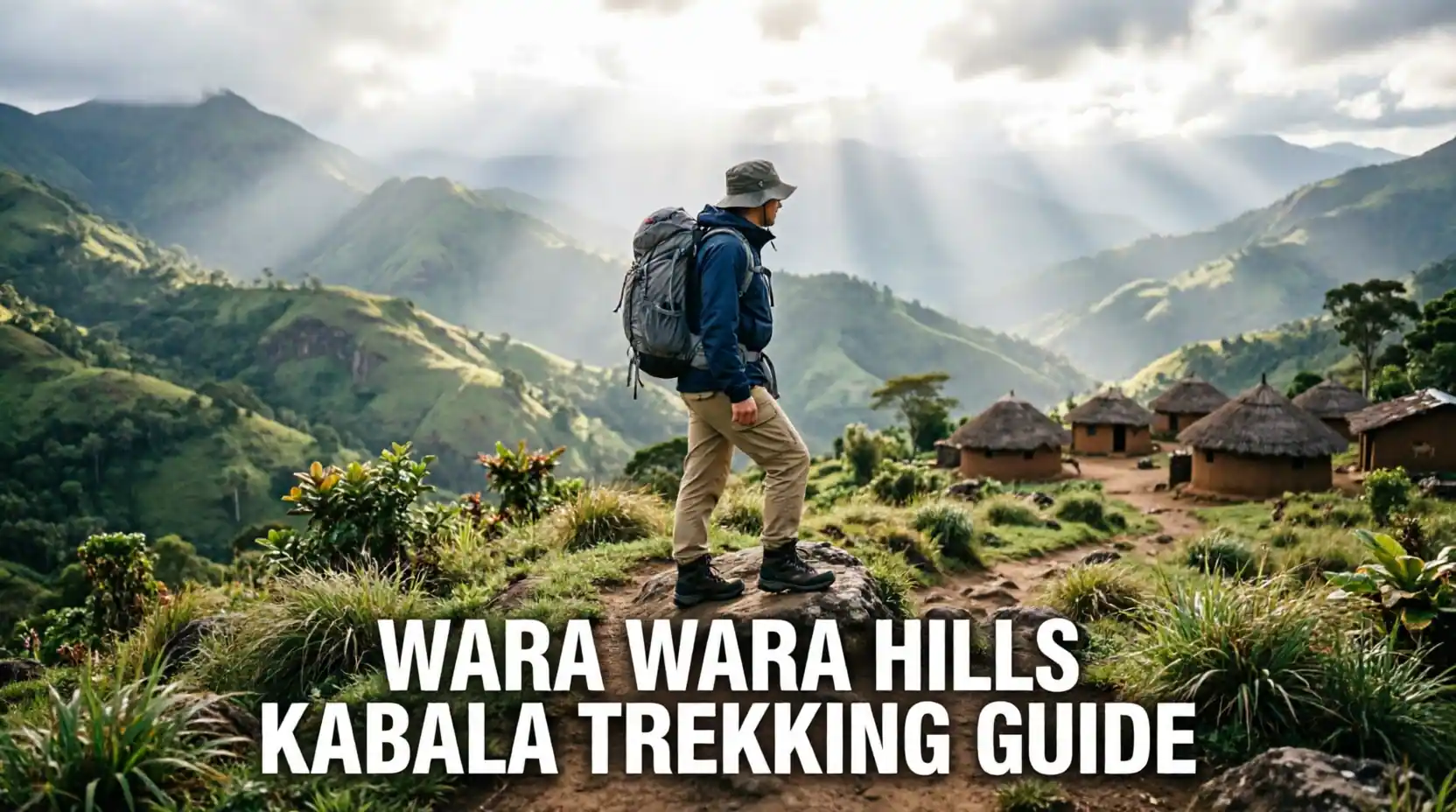
Exploring Wara Wara Hills Guide to Kabala Best Trekking Secret 2026
The Wara Wara Hills represent one of Sierra Leone's best-kept secrets for adventurous trekkers and cultural explorers. Located near Kabala in the Northern Province, these dramatic highlands offer stunning landscapes, traditional villages, and authentic experiences far from tourist crowds.
While most visitors to Sierra Leone focus on Freetown's beaches or Tacugama Chimpanzee Sanctuary, the Wara Wara Hills provide a completely different perspective on this West African nation. The region combines natural beauty with rich cultural heritage and genuine hospitality.
Trekking through these hills reveals terraced farms, ancient rock formations, and panoramic views stretching across northern Sierra Leone. The experience offers physical challenges suitable for moderate fitness levels while rewarding hikers with unforgettable scenery.
This comprehensive 2026 guide provides everything you need to know about exploring the Wara Wara Hills. From reaching Kabala to navigating trails, finding accommodation, and respecting local communities, you will discover how to experience this hidden gem responsibly.
Discovering Wara Wara Hills Location and Geography

The Wara Wara Hills occupy a rugged highland region in Sierra Leone's Northern Province, approximately 30 kilometers northeast of Kabala. These hills form part of the Loma Mountains range that extends toward the Guinea border.
Elevations in the Wara Wara region reach between 600 and 900 meters above sea level. This altitude creates cooler temperatures than lowland areas, making trekking more comfortable even during warmer months.
The landscape features dramatic granite outcrops, rolling grasslands, scattered forests, and deep valleys carved by seasonal streams. Agricultural terraces climb hillsides where local farmers grow rice, vegetables, and groundnuts.
Traditional Temne and Limba villages dot the hillsides, their compound clusters nestled among rocks and trees. These communities have inhabited the region for centuries, developing unique adaptations to mountain life.
Climate and Weather Patterns
The Wara Wara Hills experience Sierra Leone's tropical climate with distinct wet and dry seasons. Understanding these patterns is essential for planning successful treks.
The dry season runs from November through April, offering the best trekking conditions. During these months, rainfall is minimal, trails are passable, and visibility is excellent for photography and scenic views.
Temperatures in the hills remain moderate year-round due to elevation. Daytime highs typically reach 28-32 degrees Celsius while nights cool to 18-22 degrees, providing comfortable sleeping conditions.
The wet season from May to October brings heavy rainfall that can make trails muddy and streams difficult to cross. However, this season transforms the landscape into lush green paradise with dramatic cloud formations.
Why Visit Wara Wara Hills for Trekking

The Wara Wara Hills offer trekking experiences that differ dramatically from Sierra Leone's more visited coastal areas. This inland destination provides authentic cultural immersion, physical challenges, and natural beauty without tourist crowds.
Trekkers encounter genuine hospitality as they pass through villages where visitors remain rare. Local communities welcome travelers with curiosity and warmth, offering opportunities for meaningful cultural exchange.
The physical terrain provides moderate to challenging hiking suitable for reasonably fit individuals. Trails ascend and descend through varied landscapes, testing endurance while rewarding with spectacular vistas.
Photography enthusiasts find endless subjects from dramatic rock formations to traditional village life, terraced agriculture to sweeping mountain panoramas. The region's relative obscurity means unspoiled scenes untouched by mass tourism.
Cultural and Historical Significance
The Wara Wara Hills hold deep cultural significance for the Temne and Limba peoples who inhabit the region. These communities maintain traditional practices, social structures, and spiritual beliefs connected to the landscape.
Ancient rock formations serve as sacred sites for local communities. Some rocks feature historical carvings or serve as locations for traditional ceremonies and rituals that continue today.
The hills provided refuge during historical conflicts, with communities settling in these elevated areas for defensive advantages. This history shaped settlement patterns and architectural styles visible in traditional compounds.
Visiting the Wara Wara Hills supports community-based tourism initiatives that provide alternative income sources for rural populations. Your visit contributes directly to local economies when you engage local guides and purchase local goods.
How to Reach Kabala and Wara Wara Hills

Reaching the Wara Wara Hills requires traveling to Kabala first, then arranging local transportation to trailheads. The journey from Freetown takes a full day but offers glimpses of Sierra Leone's diverse landscapes.
Kabala sits approximately 240 kilometers northeast of Freetown along the main road to Koidu. The route passes through Makeni, Sierra Leone's second-largest city, which serves as a useful stopping point.
Road conditions vary significantly depending on season and recent maintenance. During dry season, the journey takes 6-8 hours by public transport or private vehicle. Wet season travel can extend to 10-12 hours or become impossible during heavy rains.
From Kabala, reaching Wara Wara trailheads requires additional 1-2 hours by motorcycle taxi (pêché-pêché) or private vehicle. Local guides can arrange transportation and know which routes remain passable.
Transportation Options from Freetown
Public minibuses (poda-podas) depart Freetown's Kissy Road terminal early each morning heading to Makeni and Kabala. These vehicles cost 15-25 USD and offer authentic local travel experiences though comfort levels remain basic.
Private taxis provide more comfortable and faster journeys at higher cost. Negotiate fares in advance, typically 150-250 USD for the full journey. Sharing costs with other travelers makes this option more affordable.
Some travelers break the journey in Makeni, spending a night before continuing to Kabala. This approach reduces fatigue and allows exploration of Sierra Leone's provincial capital.
Motorcycle taxis operate between towns along the route for shorter segments. While adventurous, this option suits only experienced riders comfortable with West African road conditions.
Arranging Local Transport in Kabala
Upon arriving in Kabala, connect with local guides or guesthouse owners who arrange transportation to Wara Wara trailheads. These locals know current road conditions and reliable drivers.
Motorcycle taxis (pêché-pêché) provide the most common transport to villages near the hills. Fares range 10-20 USD depending on distance and road conditions. Always negotiate price before departure.
Private 4WD vehicles can be hired in Kabala for groups or those preferring more comfort. These cost 80-120 USD per day including driver and fuel but reach areas motorcycles cannot.
Walking from Kabala to the hills is possible for very fit trekkers but adds 6-8 hours each way. Most visitors prefer motorized transport to preserve energy for actual trekking.
Best Time to Visit Wara Wara Hills

Timing your Wara Wara Hills visit significantly impacts trekking conditions, scenery, and overall experience. Each season offers distinct advantages and challenges for travelers.
December through March represents peak trekking season with dry weather, clear skies, and comfortable temperatures. This period provides optimal conditions for hiking, photography, and village visits.
November and April serve as shoulder months with occasional rain but lush landscapes and fewer visitors. These months balance good trekking conditions with vibrant green scenery.
May through October brings heavy rainfall that complicates travel but creates spectacular green landscapes. Only experienced trekkers with flexible schedules should attempt visits during peak rainy season.
Dry Season Advantages
Dry season offers reliable weather with minimal rainfall disrupting plans. Trails remain passable, streams become crossable, and mountain views stay clear of obscuring clouds.
Temperatures during dry season remain comfortable for physical activity. Cooler mornings and evenings provide relief while midday warmth stays manageable at higher elevations.
Accessibility improves dramatically with dry roads and functioning transportation. Reaching Kabala and trailheads becomes predictable rather than adventurous in itself.
Community events and markets often schedule during dry months when travel is easier. Visiting during this period increases chances of experiencing local festivals and gatherings.
Wet Season Considerations
Wet season transforms the Wara Wara Hills into incredibly lush, green landscapes with dramatic cloud formations and flowing waterfalls. Photography opportunities multiply for those willing to brave the rain.
Fewer visitors during rainy months means more authentic interactions and undisturbed natural settings. You may be the only foreigner some villagers encounter all year.
However, wet season presents serious challenges including muddy trails, swollen streams, leeches, and transportation disruptions. Only experienced trekkers with proper equipment should attempt visits.
Rain can fall daily, sometimes heavily, requiring flexible schedules and waterproof gear. Indoor activities and cultural visits become important alternatives when trails become impassable.
Trekking Routes and Trails in Wara Wara Hills

The Wara Wara Hills offer various trekking routes ranging from half-day walks to multi-day expeditions. Trails connect villages, ascend peaks, and explore valleys with varying difficulty levels.
Most treks require local guides who know the terrain, village protocols, and current trail conditions. Hiring guides supports local employment and ensures safer, more informative experiences.
Routes typically combine hiking with cultural visits, allowing trekkers experience both natural beauty and traditional life. This integrated approach provides richer understanding of the region.
Trail markers are minimal or non-existent, making navigation without local knowledge difficult. GPS devices help but should not replace human guides familiar with the area.
Popular Trekking Routes
The Summit Trail ascends to the highest accessible peaks in the Wara Wara range, requiring 4-6 hours round trip with moderate to challenging difficulty. This route rewards hikers with panoramic views across northern Sierra Leone.
Village-to-Village routes connect traditional communities through scenic trails taking 2-4 hours between settlements. These walks provide cultural immersion while experiencing varied landscapes.
The Rock Formation Trail explores dramatic granite outcrops and boulder fields, often incorporating visits to sacred sites. This 3-5 hour trek suits moderate fitness levels with fascinating geological features.
Agricultural Terrace Walks wind through cultivated hillsides where farmers grow rice and vegetables. These gentle 2-3 hour routes offer insights into traditional farming practices and rural life.
Multi-Day Trekking Options
Multi-day treks through Wara Wara Hills typically span 2-4 days with overnight stays in villages or camping. These extended journeys provide deeper exploration and cultural immersion.
Village homestays offer authentic experiences sleeping in traditional compounds with local families. This arrangement requires cultural sensitivity and flexibility regarding comfort levels and facilities.
Camping remains an option for self-sufficient trekkers carrying tents and supplies. However, few designated campsites exist, requiring coordination with village chiefs for appropriate locations.
Multi-day routes typically cover 10-15 kilometers daily with elevation gains of 300-500 meters. Fitness levels should accommodate sustained physical activity over consecutive days.
Accommodation Options Near Wara Wara Hills

Accommodation near the Wara Wara Hills ranges from basic village homestays to modest guesthouses in Kabala. Options remain limited compared to tourist areas, requiring realistic expectations.
Kabala offers several guesthouses and small hotels with private rooms, basic bathrooms, and sometimes electricity. Prices range 20-40 USD per night for the most comfortable options available.
Village homestays provide immersive cultural experiences though facilities remain very basic. Expect shared spaces, outdoor latrines, and bucket baths, but warm hospitality and authentic interactions.
Camping equipment must be carried in for those preferring tents. No established campgrounds exist, requiring advance arrangement with village authorities for appropriate locations.
Staying in Kabala
Kabala serves as the base for Wara Wara Hills exploration with several accommodation options. While not luxurious, these establishments provide comfortable rest between treks.
Guesthouses typically offer private rooms with beds, mosquito nets, and shared or private bathrooms. Electricity may be limited to evening hours with generators or solar power.
Meals are often available at guesthouses, featuring local dishes like rice with groundnut stew, cassava leaves, or grilled fish. Communicate dietary needs in advance when possible.
Booking in advance is not usually necessary except during peak season. Most travelers simply arrive and choose from available options, though this limits research time.
Village Homestay Experiences
Village homestays represent the most authentic accommodation option near Wara Wara Hills. Families welcome visitors into their compounds, sharing meals, stories, and daily life.
Sleeping arrangements typically involve mats or simple beds in family rooms or separate huts. Privacy is limited but the experience provides invaluable cultural insights.
Meals consist of whatever the family prepares, usually rice-based dishes with vegetables and occasionally meat or fish. Participating in meal preparation offers learning opportunities.
Homestay contributions typically range 10-20 USD per day including meals. This money supports the host family directly and represents fair compensation for their hospitality.
Costs and Budget Planning

Visiting the Wara Wara Hills requires modest budgets compared to many trekking destinations worldwide. However, costs add up when including transportation, guides, and accommodation.
Transportation from Freetown to Kabala represents the largest single expense at 15-250 USD depending on transport mode. Private vehicles cost significantly more than public options.
Local guides charge 20-40 USD per day depending on experience and group size. This fee typically includes the guide's services but not their food or accommodation on multi-day treks.
Accommodation ranges from free homestays (with contributions) to 40 USD for Kabala guesthouses. Budget 15-30 USD nightly for comfortable lodging.
Food costs remain reasonable with local meals at 3-8 USD and guesthouse meals at 8-15 USD. Self-catering reduces costs but requires access to cooking facilities.
Daily Budget Breakdown
Budget travelers can manage on 40-60 USD daily by using public transport, staying in homestays, eating local food, and hiring guides only for specific treks rather than full-time.
Mid-range budgets of 70-100 USD daily allow private transport segments, guesthouse accommodation, restaurant meals, and full-time guide services for multi-day treks.
Comfortable budgets of 120+ USD daily provide private vehicles throughout, best guesthouses, varied meals, and comprehensive guide services with porters for carrying equipment.
Remember that cash is essential in Kabala and villages. Credit cards are not accepted, and ATMs may be unreliable or non-functional. Bring sufficient US dollars in small denominations.
Guide and Porter Fees
Local guides typically charge 20-40 USD daily depending on experience, language skills, and trek complexity. This represents fair wages in the local economy and supports community livelihoods.
Porters for multi-day treks cost 15-25 USD daily and carry camping gear, food, and personal belongings. Hiring porters makes trekking more enjoyable and provides employment.
Multi-day trek packages sometimes include guide, porter, food, and accommodation for 80-150 USD daily depending on group size and service level. These packages simplify planning.
Tipping is appreciated though not mandatory. An additional 10-20 percent for exceptional service demonstrates gratitude and supports local tourism development.
Safety Considerations and Health Precautions

The Wara Wara Hills present moderate safety risks typical of rural West Africa. Understanding these risks and taking appropriate precautions ensures safe, enjoyable treks.
Physical safety on trails requires attention to footing, weather conditions, and stream crossings. Granite rocks become slippery when wet, and streams swell rapidly during rain.
Health risks include malaria, waterborne illnesses, and minor injuries. Preventive measures including prophylaxis, water treatment, and basic first aid knowledge prove essential.
Political stability in Sierra Leone has improved significantly, but staying informed about current conditions remains important. Check travel advisories before departure and register with your embassy.
Health Requirements and Precautions
Yellow fever vaccination is mandatory for entry into Sierra Leone. Carry your International Certificate of Vaccination as officials check this document at borders and sometimes domestically.
Malaria prophylaxis is essential throughout Sierra Leone including the Wara Wara Hills. Consult a travel medicine specialist to determine the best medication for your needs and health profile.
Additional recommended vaccinations include hepatitis A and B, typhoid, and routine immunizations. These protect against diseases transmitted through food, water, and contact.
Carry a comprehensive medical kit including antidiarrheals, antibiotics, antiseptics, bandages, blister treatment, and personal medications. Pharmacies in Kabala stock basic supplies but selection is limited.
Trekking Safety Tips
Always trek with local guides who know the terrain, weather patterns, and village protocols. Solo trekking without local knowledge increases risks significantly.
Inform someone of your itinerary including expected return time and route. This ensures someone will notice if you fail to return as planned and can initiate search if necessary.
Carry sufficient water and treatment methods. Natural water sources may contain parasites or bacteria requiring filtration, chemical treatment, or boiling before consumption.
Protect against sun exposure with hats, sunscreen, and appropriate clothing. Despite moderate temperatures, equatorial sun intensity causes burns quickly at higher elevations.
Cultural Etiquette and Community Engagement

The Wara Wara Hills communities maintain traditional customs and social structures that visitors should respect. Cultural sensitivity enhances experiences and demonstrates appreciation for local hospitality.
Always greet people properly before asking questions or taking photographs. Rushing past greetings appears rude and damages rapport. Learn basic greetings in Temne or Krio.
Request permission before photographing people, compounds, or ceremonies. Some community members decline photography for cultural or spiritual reasons that deserve respect.
Dress modestly particularly in villages. Covering shoulders and knees demonstrates cultural sensitivity and reduces unwanted attention. Remove shoes when entering compounds if requested.
Respecting Local Customs
Chiefdom protocols require visiting the village chief or headman upon arrival in new communities. Your guide typically arranges this introduction which may involve small gifts or fees.
Traditional beliefs and practices remain important in Wara Wara communities. Sacred sites, ritual objects, and ceremonial spaces require respectful behavior and often photography restrictions.
Gift-giving follows specific customs. Small items like pens, soap, or tobacco are appreciated but avoid creating dependency or encouraging begging among children.
Meal sharing represents important social bonding. Accept food and drink offered by hosts when possible, even if only small amounts. Declining can offend unless you explain health or religious reasons.
Supporting Community Tourism
Engage local guides, porters, and homestay hosts rather than bringing outside services. This ensures tourism revenue benefits the communities you visit directly.
Purchase local crafts, food, and services at fair prices. Bargaining is acceptable but remember that small amounts mean more to local vendors than to tourists.
Respect environmental resources by not littering, avoiding single-use plastics, and following guide instructions regarding waste disposal. The hills' beauty depends on community stewardship.
Learn about community development initiatives and consider supporting legitimate projects through established organizations rather than individual handouts that can create inequity.
What to Pack for Wara Wara Hills Trekking

Packing appropriately for Wara Wara Hills trekking requires balancing preparedness with portability. You will carry your gear or pay porters, so every item should serve a purpose.
Sturdy hiking boots with good ankle support are essential for rocky, uneven terrain. Break in boots before travel to prevent blisters that can derail treks.
Lightweight, quick-dry clothing works best in tropical conditions. Long sleeves and pants protect against sun, insects, and thorny vegetation while remaining comfortable.
Rain gear is necessary year-round as weather can change quickly. A quality rain jacket and pack cover protect you and your gear during unexpected downpours.
Essential Gear Checklist
Backpack of 30-50 liters for day treks or 60+ liters for multi-day expeditions. Choose comfortable packs with hip belts that distribute weight effectively.
Sleeping bag rated for tropical temperatures (15-20 degree comfort rating) if camping. Homestays provide bedding but having a lightweight bag or sheet ensures comfort.
Water bottles or hydration system carrying 2-3 liters minimum. Water treatment tablets or filters allow refilling from natural sources safely.
Headlamp with extra batteries is essential for early starts, evening activities, and power outages. Flashlights work but hands-free lighting proves more practical.
Basic first aid kit including blister treatment, antiseptic, bandages, pain relievers, and personal medications. Guides carry some supplies but personal needs vary.
Optional but Useful Items
Trekking poles reduce knee strain on descents and assist with stream crossings. These prove particularly valuable for those with knee issues or carrying heavy packs.
Camera with extra batteries and memory cards captures memories though phone cameras often suffice. Protect equipment from dust and moisture with appropriate cases.
Power bank charges devices where electricity is unavailable or unreliable. Solar chargers work but require sunny conditions that wet season may not provide.
Small gifts for hosts like pens, soap, or photos from your home country facilitate cultural exchange. Avoid candy or money that can encourage begging or create health issues.
Final Thoughts on Exploring Wara Wara Hills

The Wara Wara Hills near Kabala represent Sierra Leone's trekking frontier, offering adventurous travelers authentic experiences far from established tourist circuits. This region rewards those willing to embrace challenges with unforgettable landscapes and genuine hospitality.
Success requires realistic expectations, cultural sensitivity, and physical preparation. The Wara Wara Hills do not offer luxury tourism but provide something more valuable: authentic connection with place and people.
Your visit supports rural communities developing tourism as an alternative livelihood. By engaging local guides, staying in villages, and respecting customs, you contribute to sustainable development that preserves cultural heritage.
The Wara Wara Hills remind us that Sierra Leone offers far more than beaches and chimpanzees. This mountainous region deserves recognition as one of West Africa's emerging trekking destinations, waiting to be discovered by intrepid explorers seeking authenticity over convenience.
0 Comments