.webp)
.webp)
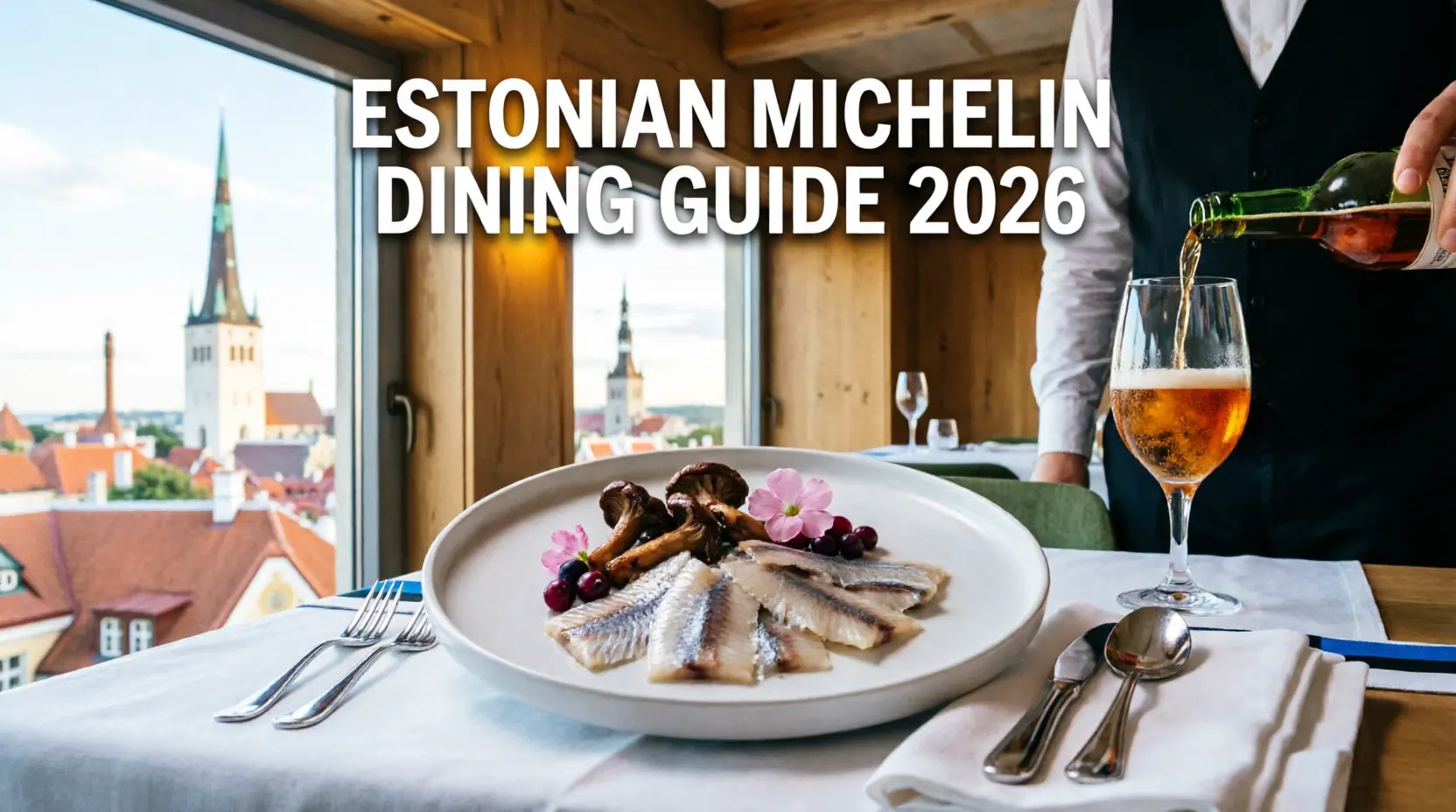
Discovering Estonian Gastronomy and Michelin Excellence
Estonia has emerged as one of Europe's most exciting culinary destinations. The country's gastronomy scene blends ancient Baltic traditions with innovative Nordic techniques.
Michelin recognition has elevated Estonian restaurants to international prominence. Several establishments now hold prestigious stars and Green Stars for sustainability.
The evolution of Estonian cuisine reflects the nation's broader cultural renaissance. Chefs draw inspiration from forests, coastlines, and seasonal harvests.
Local ingredients define the new Estonian culinary identity. Wild mushrooms, Baltic fish, juniper, and cloudberries feature prominently in modern interpretations.
This guide explores Estonia's Michelin-rated restaurants and the culinary movement transforming the country into a food lover's destination for 2026.
Why Estonian Gastronomy Deserves Global Attention

Estonian cuisine tells the story of a resilient people connected to nature. Harsh winters and abundant summers shaped food traditions emphasizing preservation and seasonality.
Modern Estonian chefs honor these traditions while embracing innovation. Fermentation, smoking, and foraging techniques receive contemporary refinement.
The Nordic culinary movement influenced Estonia profoundly. New Nordic principles of purity, seasonality, and ethics align perfectly with Estonian values.
Sustainability drives Estonian gastronomy forward. Restaurants prioritize local sourcing, minimal waste, and environmental responsibility.
Michelin recognition validates Estonia's culinary achievements. International acclaim attracts food enthusiasts seeking authentic Nordic-Baltic experiences.
What Defines Modern Estonian Cuisine?
Forest ingredients distinguish Estonian gastronomy from neighboring cuisines. Chefs incorporate wild herbs, berries, and mushrooms unavailable elsewhere.
Baltic seafood provides unique flavors and textures. Herring, pike-perch, and sprat appear in creative preparations showcasing local waters.
Traditional preservation methods receive modern applications. Fermentation, pickling, and smoking enhance flavors while honoring heritage techniques.
Minimalist presentation reflects Nordic aesthetic principles. Plates emphasize ingredient quality over elaborate decoration.
Michelin Recognition in Estonia Explained

Michelin Guide expanded to Estonia in recent years bringing global attention to local talent. The prestigious rating system evaluates food quality exclusively.
One Michelin Star indicates high quality cooking worth a stop. Two Stars represent excellent cuisine worth a detour while Three Stars signal exceptional cuisine worth a special journey.
Michelin Green Star recognizes restaurants leading sustainable practices. This award highlights environmental commitment alongside culinary excellence.
Bib Gourmand distinctions celebrate good quality food at moderate prices. These recommendations help travelers find excellent value dining experiences.
Estonia's Michelin presence continues growing as chefs refine their craft. The 2026 guide features several starred establishments and promising newcomers.
How Michelin Evaluates Estonian Restaurants
Anonymous inspectors visit restaurants multiple times before awarding stars. Evaluations focus solely on food quality not ambiance or service.
Five criteria guide Michelin assessments: ingredient quality, mastery of technique, personality in cuisine, value consistency, and consistency across visits.
Estonian restaurants excel in ingredient sourcing and technique. Local chefs demonstrate deep understanding of regional products and cooking methods.
Personality and creativity distinguish starred Estonian establishments. Each restaurant expresses unique vision while respecting culinary traditions.
ORA Tallinn: Michelin Star Excellence

ORA represents the pinnacle of Estonian fine dining with Michelin star recognition. Chef Romano Raus creates innovative tasting menus celebrating Baltic ingredients.
The restaurant's intimate setting accommodates limited guests ensuring personalized attention. Open kitchen design allows diners to observe culinary artistry firsthand.
Seasonal tasting menus change frequently reflecting ingredient availability. Each course tells a story connecting land, sea, and Estonian culinary heritage.
Wine pairings feature natural and biodynamic selections. Sommeliers curate beverages complementing the delicate flavors of Nordic-Baltic cuisine.
Reservations require advance planning especially for weekend evenings. The restaurant's reputation attracts international food enthusiasts year-round.
Signature Dishes at ORA
Baltic herring prepared multiple ways showcases the chef's technical mastery. Fermented, smoked, and raw preparations reveal the fish's versatility.
Wild mushroom courses highlight Estonia's forest bounty. Seasonal varieties receive treatments emphasizing earthy complexity and delicate textures.
Juniper and pine elements connect dishes to Estonian landscapes. These botanical ingredients provide distinctive aromatics and flavors.
Desserts feature native berries like cloudberries and sea buckthorn. Sweet courses balance tartness with subtle sweetness honoring Nordic preferences.
Dining Experience and Practical Information
ORA's tasting menu format encourages leisurely multi-hour experiences. Expect four to six hours for complete culinary journeys with wine pairings.
Dress code leans smart casual though formal attire remains welcome. Comfortable elegance suits the restaurant's refined yet relaxed atmosphere.
Price points reflect Michelin star status with tasting menus ranging 120 to 180 euros. Wine pairings add 80 to 120 euros depending on selections.
Location in Tallinn's creative district provides convenient access. The neighborhood offers pre-dinner exploration opportunities in galleries and boutiques.
Pegasus Tallinn: Culinary Innovation and Michelin Recognition

Pegasus earned Michelin star status through Chef Marko Gorban's creative vision. The restaurant blends French technique with Estonian ingredients masterfully.
Elegant dining room features contemporary design with subtle Estonian references. Large windows provide natural light and city views enhancing the experience.
Menu structure offers flexibility with tasting and a la carte options. Diners customize experiences based on appetite and time constraints.
Service team demonstrates exceptional knowledge and attentiveness. Staff explain dishes thoroughly while respecting diners' preferences for interaction levels.
Pegasus represents Estonian fine dining's international ambitions. The restaurant attracts global attention while remaining rooted in local terroir.
Standout Culinary Creations
Estonian lamb prepared with forest herbs showcases regional protein excellence. Slow cooking techniques tenderize meat while preserving distinctive flavors.
Sea buckthorn appears in unexpected savory applications. The tart berry provides acidity balancing rich components throughout menus.
Artisanal bread program features ancient Estonian grains. House-milled flours and traditional fermentation create exceptional accompaniments.
Chocolate desserts incorporate local honey and herbs. Sweet courses demonstrate that Estonian ingredients excel beyond savory applications.
Planning Your Pegasus Visit
Reservations open sixty days in advance through the restaurant website. Popular dates fill quickly requiring proactive planning for desired experiences.
Vegetarian and dietary restriction accommodations require advance notice. Kitchen teams prepare thoughtful alternatives when notified beforehand.
Wine list emphasizes European producers with Estonian craft beverages featured. Sommeliers guide selections matching personal preferences and menu pairings.
Private dining options accommodate special occasions. Intimate spaces provide exclusive experiences for celebrations and business gatherings.
Restaurant Ö: Michelin Green Star Sustainability Leader

Restaurant Ö earned Michelin Green Star recognition for environmental leadership. Chef Agur Sõrmus prioritizes sustainability without compromising culinary excellence.
Zero-waste philosophy guides every kitchen decision. Ingredients utilized completely with scraps transformed into stocks, powders, and garnishes.
Hyper-local sourcing minimizes transportation emissions. Most ingredients originate within fifty kilometers of the restaurant supporting regional producers.
Seasonal menus reflect ingredient availability rather than customer expectations. Diners embrace whatever forests and fields provide each week.
Ö demonstrates that sustainability enhances rather than limits culinary creativity. Environmental consciousness drives innovation in preparation and presentation.
Sustainable Practices in Action
Foraging expeditions supply wild ingredients directly to the kitchen. Chefs gather mushrooms, herbs, and berries ensuring peak freshness and minimal impact.
Preservation techniques extend seasonal abundance year-round. Fermentation, drying, and freezing capture summer's bounty for winter menus.
Composting and recycling programs eliminate landfill waste. Organic materials return to soil completing sustainable production cycles.
Energy-efficient equipment and renewable power reduce carbon footprint. Kitchen operations minimize environmental impact through technology choices.
Ö's Unique Dining Philosophy
Menu surprises reflect chef's daily inspirations and ingredient availability. Diners surrender control trusting culinary expertise and seasonal wisdom.
Educational components explain sourcing and preparation methods. Staff share stories connecting dishes to landscapes and producers.
Community engagement supports local food systems. Restaurant partnerships strengthen regional agriculture and artisanal production.
Price accessibility reflects sustainability values. Reasonable pricing ensures environmental dining remains available beyond luxury markets.
Other Notable Michelin-Recognized Estonian Restaurants

Estonia's Michelin landscape includes several additional establishments earning recognition. These restaurants contribute to the country's growing culinary reputation.
Ratka Tallinn: Emerging Talent
Ratka earned Michelin recognition for innovative approach to Estonian ingredients. Chef Rainis Laanemets creates playful yet sophisticated dishes.
Casual atmosphere contrasts with fine dining formality. Relaxed setting encourages experimentation and approachable gourmet experiences.
Small plates format enables diverse tasting opportunities. Diners sample multiple preparations without committing to full tasting menus.
Natural wine focus complements food philosophy. Low-intervention beverages align with restaurant's authentic ingredient approach.
Tchaikovsky Tallinn: Classic Elegance
Tchaikovsky maintains Michelin recognition through consistent excellence. Chef Ando Merilaid balances tradition with contemporary technique.
Refined dining room evokes European grand hotel atmosphere. Formal service and presentation suit special occasions and business dining.
Classic French foundation supports Estonian ingredient interpretations. Technical mastery elevates local products to international standards.
Extensive wine cellar features rare vintages and Estonian selections. Sommelier expertise guides pairings enhancing multi-course experiences.
Alexander at Pühajärve: Countryside Excellence
Alexander earns Michelin recognition in picturesque lakeside setting. Chef Franz Malmsten creates refined cuisine celebrating Estonian countryside.
Manor house location provides historic ambiance and natural beauty. Dining experiences combine culinary excellence with estate exploration.
Seasonal menus highlight regional specialties and estate production. Ingredients from property gardens and nearby farms ensure freshness and authenticity.
Overnight accommodations enable immersive culinary getaways. Multi-day experiences deepen appreciation for Estonian gastronomy and landscape.
Understanding Estonian Culinary Evolution

Estonian gastronomy transformed dramatically since independence in 1991. Soviet-era limitations gave way to creative freedom and international influences.
Early post-independence cuisine emphasized Western techniques and ingredients. Chefs initially looked abroad for inspiration and validation.
Rediscovery of Estonian food heritage began in 2000s. Chefs explored traditional recipes, preservation methods, and native ingredients.
Nordic culinary movement accelerated Estonian gastronomy's evolution. New Nordic principles resonated with Estonian values and resources.
Michelin recognition validates Estonia's culinary journey. International acclaim reflects decades of dedication to quality and innovation.
Key Influences on Modern Estonian Cuisine
Forest culture provides distinctive ingredients and inspiration. Estonian chefs embrace wild foods unavailable in most culinary traditions.
Baltic maritime heritage shapes seafood preparations and flavors. Coastal communities contribute unique techniques and ingredient knowledge.
Preservation traditions inform contemporary fermentation and pickling. Ancient methods receive scientific understanding and creative applications.
Seasonal rhythms dictate menu planning and ingredient sourcing. Estonian chefs respect natural cycles rather than forcing year-round availability.
Planning Michelin Dining Experiences in Estonia

Successful Michelin dining in Estonia requires strategic planning and realistic expectations. These guidelines optimize your culinary adventures.
Reservation Strategies
Book Michelin restaurants sixty to ninety days in advance. Popular establishments fill quickly especially for weekend evenings.
Consider weekday dining for better availability and relaxed atmosphere. Tuesday through Thursday reservations often easier to secure.
Specify dietary restrictions when booking to ensure proper preparation. Kitchen teams accommodate needs when notified in advance.
Confirm reservations forty-eight hours before dining. Final confirmation prevents no-show penalties and ensures table availability.
Budget Considerations
Michelin tasting menus range 100 to 200 euros per person. Wine pairings typically add 70 to 150 euros depending on selections.
Lunch menus often provide value alternatives to dinner pricing. Midday experiences may offer similar quality at reduced cost.
Service charges typically included in Estonian restaurant bills. Additional tipping remains optional though appreciated for exceptional service.
Transportation and accommodation costs factor into total experience budget. Tallinn's compact size minimizes travel expenses between venues.
Timing Your Culinary Journey
Summer offers peak ingredient variety and extended daylight. June through August provides optimal conditions for forest and coastal ingredients.
Autumn showcases mushroom season and harvest abundance. September and October feature earthy flavors and preservation preparations.
Winter menus emphasize preservation techniques and hearty preparations. Fermented and smoked ingredients shine during cold months.
Spring celebrates first greens and renewed abundance. May and June feature delicate flavors and optimistic culinary expressions.
Complementary Estonian Culinary Experiences

Michelin dining represents only one facet of Estonian gastronomy. These additional experiences enrich your culinary understanding.
Traditional Estonian Food Experiences
Tallinn Old Town restaurants serve classic Estonian dishes. Black bread, blood sausage, and sauerkraut provide cultural context for modern interpretations.
Rural farm stays offer authentic farm-to-table meals. Overnight experiences connect diners with ingredient sources and traditional preparations.
Food markets like Tallinn's Balti Jaam showcase local producers. Weekend markets provide opportunities to taste and purchase regional specialties.
Cooking classes teach Estonian techniques and recipes. Hands-on experiences deepen appreciation for culinary traditions and skills.
Beverage Culture and Pairings
Estonian craft beer scene rivals culinary innovation. Local breweries produce distinctive styles using regional ingredients and techniques.
Natural wine movement gains momentum in Estonian restaurants. Low-intervention selections complement Nordic-Baltic cuisine philosophies.
Traditional fermented beverages like kali offer cultural alternatives. Ancient drinks provide historical context for modern fermentation interests.
Spirits production features juniper, herbs, and forest botanicals. Estonian distilleries create distinctive gins and aquavits reflecting local terroir.
Practical Tips for Michelin Dining in Estonia

Maximizing Michelin experiences requires attention to details beyond food quality. These practical considerations enhance your dining adventures.
Dress Code and Etiquette
Smart casual attire suits most Estonian Michelin restaurants. Collared shirts and trousers for men, dresses or elegant separates for women work well.
Avoid strong fragrances that may interfere with dining experiences. Subtle scents respect fellow diners and food aromas.
Photography policies vary by establishment. Ask staff before photographing dishes or kitchen areas to respect restaurant preferences.
Punctuality demonstrates respect for kitchen timing and other guests. Arrive five to ten minutes early for reserved seating.
Communication and Special Requests
English proficiency remains high in Estonian fine dining. Staff communicate effectively though learning basic Estonian greetings shows appreciation.
Specify dietary needs clearly when booking and upon arrival. Kitchen teams accommodate restrictions when provided adequate notice.
Ask questions about ingredients and preparations freely. Estonian chefs and servers enjoy sharing knowledge about their craft and ingredients.
Provide feedback constructively if issues arise. Professional communication helps restaurants improve while resolving concerns respectfully.
Post-Dining Considerations
Allow time for digestion before evening activities. Multi-course tasting menus require leisurely pacing and post-meal relaxation.
Request recipes or ingredient sources when interested. Many Estonian chefs share knowledge with genuinely curious diners.
Follow restaurants on social media for updates and specials. Digital engagement maintains connections beyond single dining experiences.
Share experiences thoughtfully in reviews and recommendations. Constructive feedback supports restaurant growth and helps fellow travelers.
Estonian Gastronomy Beyond Tallinn

While Tallinn concentrates Michelin recognition, exceptional dining exists throughout Estonia. Regional restaurants offer unique perspectives and ingredients.
Countryside Culinary Destinations
Pühajärve's Alexander demonstrates rural Michelin excellence. Lakeside setting provides peaceful ambiance complementing refined cuisine.
Saaremaa island features distinctive coastal cuisine. Isolated location preserves traditions while inspiring creative interpretations of maritime ingredients.
Setomaa region offers unique culinary heritage. Distinct cultural identity influences food traditions and ingredient preferences.
Forest retreats provide immersive gastronomic experiences. Remote locations emphasize connection between landscape and plate.
Regional Ingredient Specialties
Coastal areas feature distinctive seafood preparations. Baltic fish receive treatments reflecting local traditions and modern techniques.
Forest regions emphasize wild mushrooms and berries. Seasonal foraging provides ingredients unavailable in cultivated agriculture.
Agricultural areas showcase heritage grains and livestock. Traditional breeds and varieties offer flavors lost in industrial production.
Wetland regions contribute unique botanical ingredients. Marsh plants and aquatic species provide distinctive aromatics and textures.
Future Directions for Estonian Gastronomy

Estonian culinary scene continues evolving with innovation and tradition in balance. Emerging trends shape the next chapter of gastronomic development.
Sustainability and Climate Consciousness
Carbon footprint reduction drives menu planning and sourcing. Restaurants calculate emissions and adjust practices minimizing environmental impact.
Regenerative agriculture partnerships support soil health. Chef-farmer collaborations promote farming methods restoring rather than depleting ecosystems.
Plant-forward menus expand beyond vegetarian options. Vegetables receive center-plate treatment showcasing their versatility and flavor potential.
Waste elimination remains priority through creative utilization. Every ingredient component finds purpose through stocks, powders, and garnishes.
Technology and Tradition Integration
Digital tools enhance ingredient tracing and transparency. Blockchain and apps connect diners with producer stories and sourcing details.
Traditional techniques receive scientific understanding and refinement. Fermentation, smoking, and preservation benefit from research and innovation.
Virtual experiences extend restaurant reach globally. Online classes, ingredient sales, and digital content share Estonian gastronomy worldwide.
Automation handles repetitive tasks freeing creativity for culinary art. Technology supports rather than replaces human craftsmanship and intuition.
Conclusion and Final Recommendations

Estonia's Michelin-recognized restaurants represent the pinnacle of a remarkable culinary evolution. From Soviet-era limitations to international acclaim, Estonian gastronomy tells a story of resilience and innovation.
ORA, Pegasus, Restaurant Ö, and other starred establishments showcase Estonian ingredients through world-class technique and creativity. Each restaurant expresses unique vision while honoring shared values of quality and sustainability.
Planning Michelin dining in Estonia requires advance preparation and flexible expectations. Reservations, budgets, and timing considerations ensure optimal experiences at these sought-after destinations.
Beyond Michelin recognition, Estonian gastronomy offers rich experiences at every price point. Traditional restaurants, markets, and rural establishments provide authentic connections to food culture and heritage.
Sustainability drives Estonian culinary innovation forward. Environmental consciousness enhances rather than limits creativity, demonstrating that responsible dining can excel gastronomically.
Visit Estonia in 2026 to experience this dynamic culinary destination firsthand. Michelin recognition validates quality while Estonian hospitality ensures memorable experiences beyond the plate.
Your culinary journey through Estonia reveals a nation proud of its heritage yet eager to innovate. Forest ingredients, Baltic flavors, and Nordic techniques combine in dishes that honor the past while embracing the future.
Book your Michelin dining experiences early, embrace seasonal surprises, and savor the distinctive flavors of Estonian gastronomy. The evolution continues and you are invited to taste the next chapter.
0 Comments