.webp)
.webp)
Best Places Buy Authentic Bosnian Woolen Socks Hand-Woven Rugs 2026
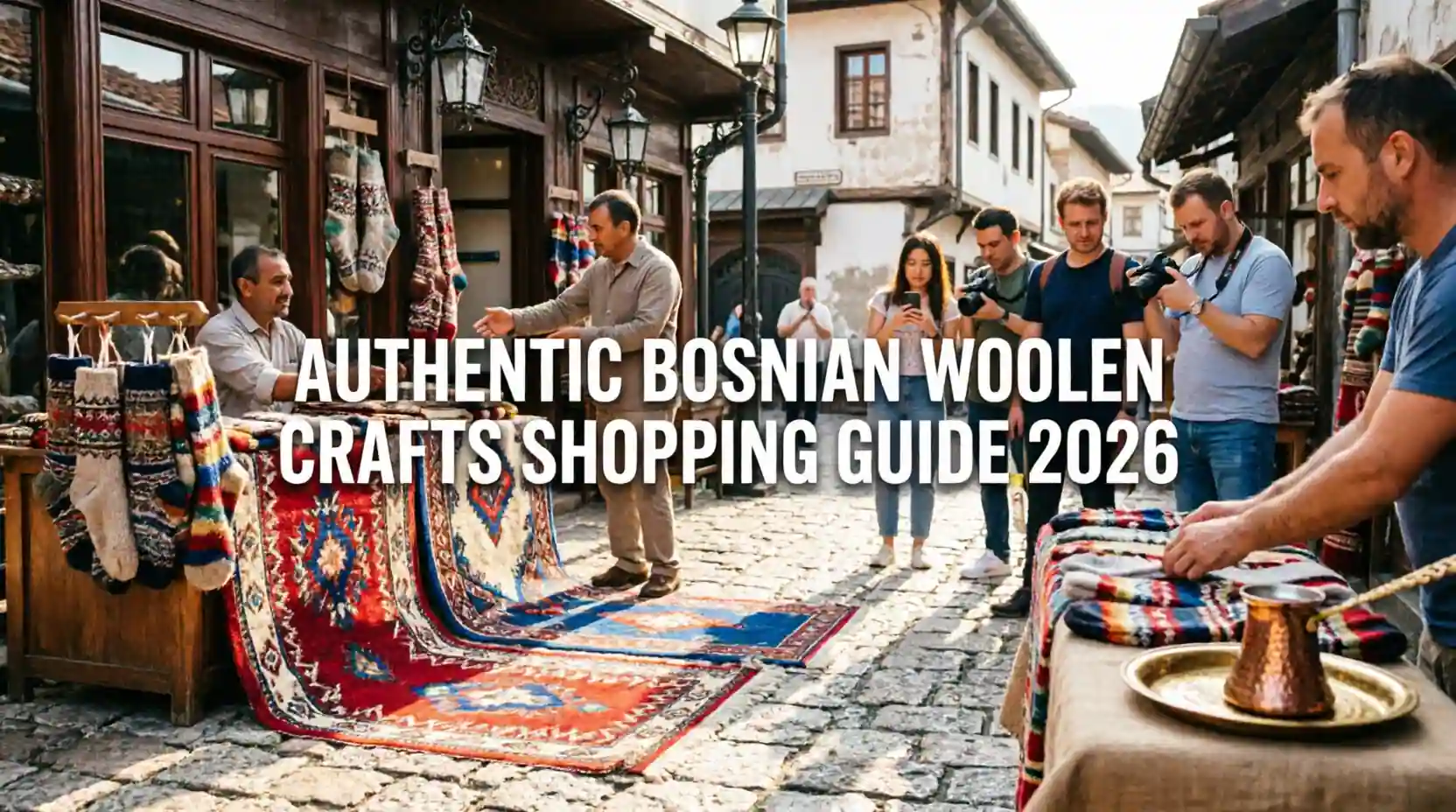
Discovering Authentic Bosnian Textile Crafts
Bosnia and Herzegovina maintains rich traditions of woolen craftsmanship dating back centuries. The country's artisans continue producing authentic woolen socks called čarape and hand-woven rugs known as ćilim using techniques passed down through generations.
These traditional crafts represent more than souvenirs. They embody Bosnia's cultural heritage blending Ottoman, Slavic, and Mediterranean influences into unique textile art forms.
Finding authentic Bosnian woolen products requires knowing where to look. Mass-produced imitations flood tourist areas while genuine handcrafted items remain available through specific channels.
This comprehensive guide reveals the best places to purchase authentic Bosnian woolen socks and hand-woven rugs in 2026. You will discover traditional markets, artisan workshops, cooperatives, and direct-from-weaver opportunities.
Understanding the difference between authentic handmade items and factory-produced copies ensures your purchases support traditional craftspeople. This knowledge also guarantees you acquire genuine pieces of Bosnian cultural heritage.
Why Bosnian Woolen Crafts Remain Culturally Significant

Bosnian woolen crafts survived centuries of political changes and modernization pressures. These traditions reflect the country's diverse cultural influences and mountainous pastoral heritage.
Traditional Bosnian rugs feature distinctive geometric patterns and natural dyes. Each region developed unique designs reflecting local aesthetics and available materials.
Woolen socks served practical purposes in Bosnia's harsh mountain winters. The thick hand-knitted čarape provided warmth and durability for rural populations.
Modern artisans preserve these techniques despite economic challenges. Supporting authentic craftspeople helps maintain cultural traditions and provides livelihoods in rural communities.
Purchasing authentic Bosnian textiles directly impacts artisan families. Your investment sustains traditional knowledge and prevents these crafts from disappearing into history.
What Makes Bosnian Woolen Products Unique?
Bosnian woolen crafts utilize locally sourced sheep wool. The mountainous terrain supports sheep herding providing high-quality natural fibers.
Natural dyeing techniques produce rich colors from plants and minerals. Traditional recipes create distinctive hues impossible to replicate with synthetic dyes.
Hand-weaving on traditional looms creates unique texture variations. Each piece bears subtle differences proving its handmade authenticity.
Geometric patterns carry symbolic meanings from Bosnian folk traditions. Motifs represent protection, fertility, prosperity, and cultural identity.
Traditional Bosnian Woolen Socks Čarape

Bosnian woolen socks called čarape represent functional folk art. These thick hand-knitted socks feature intricate patterns and exceptional warmth.
Traditional čarape use wool from local sheep breeds. The natural lanolin provides water resistance and temperature regulation.
Knitting patterns vary by region throughout Bosnia. Mountain communities developed distinctive designs passed down through female family lines.
Modern artisans maintain these traditions while adapting to contemporary tastes. Some incorporate modern colors while preserving traditional techniques.
Authentic hand-knitted čarape require days to complete. The time investment explains higher prices compared to machine-made alternatives.
Identifying Authentic Hand-Knitted Socks
Genuine hand-knitted socks show slight irregularities in stitch tension. Perfect uniformity indicates machine production rather than handcrafting.
Natural wool feels softer and warmer than synthetic blends. Authentic čarape use predominantly or entirely natural wool fibers.
Traditional patterns appear on both sides of the fabric. Reversible designs demonstrate skilled hand-knitting technique.
Artisan signatures or workshop labels indicate authenticity. Reputable makers mark their work for quality assurance.
Hand-Woven Bosnian Rugs Ćilim

Bosnian ćilim rugs represent the pinnacle of traditional weaving art. These flat-woven textiles feature bold geometric patterns and exceptional durability.
Historical ćilim production flourished under Ottoman rule. The craft absorbed Turkish influences while maintaining distinct Bosnian characteristics.
Traditional weaving uses vertical looms operated by skilled artisans. The process requires months to complete larger rugs.
Natural dyes from plants create authentic colors. Madder root produces reds, indigo creates blues, and walnut husks yield browns.
Each Bosnian region developed distinctive ćilim styles. Pirot, Siroki Brijeg, and other areas maintain unique pattern traditions.
Understanding Ćilim Weaving Techniques
Flat-weave construction creates reversible rugs without pile. Both sides display the pattern though one appears more vibrant.
Warp and weft threads interlock using kilim technique. This method produces tight durable fabric suitable for floor coverings.
Geometric motifs dominate traditional Bosnian designs. Diamonds, crosses, and stepped patterns carry symbolic meanings.
Border patterns frame central fields with complementary designs. Skilled weavers balance composition through careful planning.
Sarajevo Baščaršija Old Bazaar

Sarajevo's Baščaršija represents the premier destination for authentic Bosnian crafts. This Ottoman-era bazaar has served as the city's commercial center for over 450 years.
The cobblestone streets house numerous shops selling traditional textiles. However, distinguishing authentic handmade items from imports requires knowledge and careful inspection.
Kazandžiluk street and surrounding alleys contain the highest concentration of craft shops. Established family businesses maintain reputations for quality and authenticity.
Prices in Baščaršija range widely depending on authenticity. Hand-knitted woolen socks cost 30 to 80 BAM while genuine hand-woven ćilim rugs range from 200 to over 2000 BAM.
Shopping early morning or late afternoon allows unhurried inspection. Vendors appreciate genuine interest and often share stories about their crafts.
Recommended Shops in Baščaršija
Bosnian Heritage Shop specializes in authenticated traditional crafts. The owners verify artisan credentials and provide certificates of authenticity.
Old Bazaar Textiles offers direct partnerships with rural weavers. Their inventory includes contemporary designs alongside traditional patterns.
Sarajevo Wool Cooperative sells products from women's weaving groups. Purchases support rural economic development and craft preservation.
Family workshops near Gazi Husrev-beg Mosque maintain generations of tradition. These artisans often demonstrate techniques and explain pattern meanings.
Navigating Baščaršija Successfully
Ask vendors specific questions about production methods. Authentic sellers proudly discuss their craftspeople and techniques.
Request to see the back of rugs and socks. Handmade items show slight variations while machine-made products appear perfectly uniform.
Negotiate prices respectfully. Modest bargaining is acceptable but remember fair prices support artisan livelihoods.
Obtain receipts and authenticity certificates when available. Documentation helps verify genuine purchases and supports warranty claims.
Mostar Old Town Bridge Area

Mostar's historic old town offers excellent opportunities for purchasing authentic Bosnian textiles. The area surrounding Stari Most bridge attracts artisans from Herzegovina region.
Herzegovinian woolen products feature distinctive characteristics. The Mediterranean climate influences wool quality and dye availability.
Shops along the Neretva River sell locally produced items. Many vendors maintain direct relationships with village weavers.
Prices in Mostar tend to be slightly lower than Sarajevo. Lower overhead costs and regional competition benefit buyers.
The annual Mostar Summer Festival features special craft markets. Visiting during this period provides access to exceptional artisan selections.
Authentic Mostar Shopping Locations
Kujundžiluk street hosts traditional craft shops. This pedestrian thoroughfare concentrates quality vendors in one walkable area.
Herzegovina Ethno Workshop demonstrates live weaving. Watching artisans work provides confidence in product authenticity.
Mostar Women's Cooperative sells handmade woolen items. The organization empowers rural women through traditional craft production.
Family-owned shops near Koski Mehmed Pasha Mosque offer personalized service. Owners often speak multiple languages and provide detailed product information.
Travnik Traditional Craft Centers

Travnik served as Bosnia's capital during Ottoman times. The city maintains strong traditions of textile craftsmanship and artisan production.
Travnik's woolen products feature unique color palettes. Local dye plants create distinctive hues found nowhere else in Bosnia.
The annual Travnik Craft Fair showcases regional artisans. This event provides excellent opportunities to meet weavers and purchase directly.
Smaller crowds than Sarajevo or Mostar allow relaxed shopping. Vendors have more time to explain techniques and traditions.
Prices reflect lower tourism volume. Authentic items often cost 15 to 25 percent less than in major tourist centers.
Travnik Shopping Recommendations
Travnik Heritage Center maintains authenticated craft inventory. The institution verifies artisan credentials and product origins.
Old Town artisan workshops welcome visitors. Observing production processes confirms handmade authenticity.
Local markets on weekends feature rural producers. Direct purchases from craftspeople ensure authenticity and fair prices.
Travel agencies offer craft workshop tours. Guided visits provide context and facilitate artisan connections.
Rural Artisan Villages and Direct Purchases

Buying directly from rural artisans provides the most authentic experience. Village weavers maintain traditional techniques unchanged for generations.
Rural purchases eliminate middleman markups. Prices often run 30 to 40 percent below urban retail while providing better income to craftspeople.
Visiting weaving villages offers cultural immersion opportunities. You observe traditional lifestyles and understand craft contexts.
Custom orders allow personalized designs and sizes. Artisans accommodate specific requests when working directly with customers.
Building relationships with weavers creates ongoing connections. Many artisans welcome repeat customers and develop new pieces for loyal buyers.
Notable Weaving Villages
Pirot region villages specialize in ćilim production. These communities maintain centuries-old weaving traditions with exceptional skill.
Siroki Brijeg area produces distinctive woolen socks. Herzegovinian mountain villages preserve unique knitting patterns.
Fojnica region features women's weaving cooperatives. These organizations support rural economic development through traditional crafts.
Visoko valley villages offer accessible artisan visits. Proximity to Sarajevo makes day trips feasible for interested buyers.
Planning Rural Artisan Visits
Contact villages in advance to arrange visits. Rural artisans appreciate advance notice and may prepare special demonstrations.
Hire local guides familiar with weaving communities. Guides facilitate introductions and translate when language barriers exist.
Respect traditional working schedules. Rural artisans balance craft production with agricultural responsibilities.
Purchase fairly recognizing time investment. Hand-woven rugs require months of labor deserving appropriate compensation.
Artisan Cooperatives and Women's Weaving Groups

Bosnia hosts numerous artisan cooperatives supporting traditional crafts. These organizations provide market access for rural producers while preserving cultural heritage.
Women's weaving groups dominate the cooperative landscape. Female artisans maintain knitting and weaving traditions while generating family income.
Cooperatives ensure quality standards and fair pricing. Organized groups implement consistency while protecting artisan interests.
Social enterprise models support community development. Profits often fund education, healthcare, and infrastructure in rural areas.
Cooperative purchases provide authentication guarantees. Organized groups verify production methods and material quality.
Prominent Bosnian Craft Cooperatives
Bosnian Women's Artisan Network operates nationwide. This organization connects over 500 weavers with domestic and international markets.
Herzegovina Wool Cooperative specializes in woolen socks. Their members produce authentic čarape using traditional patterns.
Sarajevo Textile Heritage Association focuses on ćilim rugs. Master weavers train younger generations while producing museum-quality pieces.
Rural Development Through Crafts initiative supports village artisans. This program provides equipment, training, and market access.
Benefits of Cooperative Purchases
Quality assurance through organizational standards. Cooperatives implement inspection processes ensuring product authenticity.
Fair trade principles support artisan livelihoods. Cooperative structures distribute profits equitably among members.
Cultural preservation through sustainable practices. Organizations balance tradition with economic viability.
Educational programs maintain craft knowledge. Cooperatives train younger generations preventing skill loss.
Online Platforms and Modern Marketplaces

Digital platforms now connect Bosnian artisans with global customers. Online purchasing provides access for those unable to visit in person.
Reputable websites verify artisan credentials and product authenticity. Due diligence remains essential when buying crafts online.
Virtual marketplaces offer wider selection than physical locations. Online inventory includes pieces from remote villages inaccessible to tourists.
Secure payment systems protect buyers and sellers. Established platforms provide dispute resolution and purchase protection.
Shipping considerations affect international purchases. Customs duties and delivery times require planning for overseas orders.
Trusted Online Platforms
Etsy features verified Bosnian artisan shops. Search filters identify sellers located within Bosnia and Herzegovina.
Bosnian Heritage Online marketplace specializes in authenticated crafts. The platform verifies artisan credentials before listing products.
Artisan cooperatives maintain direct websites. Organizations like Bosnian Women's Artisan Network sell directly to consumers.
Social media platforms connect buyers with makers. Instagram and Facebook pages showcase artisan work and facilitate direct purchases.
Online Purchasing Best Practices
Verify seller location and artisan credentials. Request documentation proving handmade authenticity and Bosnian origin.
Examine detailed photographs carefully. High-resolution images reveal quality indicators and construction methods.
Read customer reviews and ratings. Previous buyer experiences indicate seller reliability and product quality.
Understand return and exchange policies. Reputable sellers offer reasonable guarantees protecting buyer interests.
Price Guide and What to Expect in 2026

Understanding fair pricing prevents overpayment while ensuring artisans receive appropriate compensation. Authentic handmade items command premium prices reflecting labor investment.
Woolen Socks Čarape Pricing
Hand-knitted woolen socks range from 30 to 80 BAM. Prices depend on size, pattern complexity, and wool quality.
Simple patterns cost 30 to 45 BAM. Basic designs require less time while maintaining traditional quality.
Intricate patterned socks cost 50 to 80 BAM. Complex designs demand additional skill and time investment.
Custom sizes or designs add 20 to 30 percent. Special orders require individual attention and planning.
Hand-Woven Rug Ćilim Pricing
Small ćilim rugs measure 50x80 cm and cost 200 to 400 BAM. These pieces suit wall hangings or small floor areas.
Medium rugs measuring 100x150 cm range from 500 to 1000 BAM. This size represents typical room rug dimensions.
Large rugs exceeding 150x200 cm cost 1000 to 3000 BAM. Extensive labor and materials justify premium pricing.
Antique or museum-quality pieces exceed 3000 BAM. Exceptional craftsmanship and historical significance command top prices.
Factors Affecting Prices
Natural dyes increase costs 20 to 30 percent. Plant-based coloring requires additional labor and materials.
Traditional patterns versus contemporary designs affect pricing. Complex traditional motifs demand more skill and time.
Artisan experience influences prices. Master weavers charge premiums reflecting decades of expertise.
Direct purchases from artisans reduce costs 30 to 40 percent. Eliminating retail markups benefits both buyers and makers.
Identifying Authentic Versus Mass-Produced Items

Distinguishing genuine handmade Bosnian crafts from factory-produced imitations protects your investment. Mass-produced items flood tourist markets at lower prices.
Visual Inspection Techniques
Examine stitch or weave consistency carefully. Handmade items show slight variations while machine-made products appear perfectly uniform.
Check both sides of rugs and socks. Hand-knitted items appear similar on both sides while machine products show different front and back appearances.
Look for natural fiber characteristics. Authentic wool has slight texture variations and natural lanolin smell.
Inspect pattern alignment and symmetry. Hand-woven pieces show minor irregularities proving human craftsmanship.
Material Quality Assessment
Genuine wool feels soft yet substantial. Synthetic blends feel smoother and lighter than pure wool.
Natural dyes create subtle color variations. Synthetic dyes produce perfectly uniform coloration appearing artificial.
Burn test reveals fiber content when permitted. Wool smells like burning hair while synthetics melt and smell chemical.
Price indicates likelihood of authenticity. Extremely low prices almost certainly indicate machine production.
Vendor Verification Methods
Ask detailed questions about production methods. Authentic sellers provide specific information about artisans and techniques.
Request certificates of authenticity when available. Reputable vendors document product origins and production methods.
Observe vendor knowledge and passion. Genuine craft sellers demonstrate deep understanding of their products.
Check for workshop or cooperative affiliations. Organized sellers maintain quality standards and traceability.
Cultural Etiquette and Responsible Shopping

Respectful shopping practices honor Bosnian culture and support artisan communities. Your behavior impacts relationships and craft preservation efforts.
Respectful Bargaining Practices
Modest bargaining is acceptable in traditional markets. Expect 10 to 15 percent negotiation room on stated prices.
Avoid aggressive haggling over fair prices. Remember artisans depend on craft income for livelihoods.
Accept stated prices in cooperatives and fixed-price shops. These organizations maintain fair pricing without negotiation.
Consider value beyond monetary cost. Authentic handmade items represent cultural heritage worth preserving.
Cultural Sensitivity Guidelines
Ask permission before photographing artisans. Many craftspeople prefer not to be photographed while working.
Show genuine interest in craft traditions. Artisans appreciate customers who value their cultural heritage.
Learn basic Bosnian greetings and phrases. Simple efforts at communication demonstrate respect and build rapport.
Respect religious and cultural customs. Bosnia's diverse population includes Muslims, Orthodox Christians, and Catholics.
Sustainable Tourism Principles
Purchase from verified authentic sources. Your spending supports traditional craft preservation.
Avoid mass-produced imports sold as local crafts. These items undermine genuine artisan livelihoods.
Share knowledge about authentic Bosnian crafts. Educating other travelers amplifies positive impact.
Return to favorite artisans when possible. Repeat customers help sustain traditional craft businesses.
Shipping and Transporting Purchases Internationally

International buyers face practical considerations when transporting Bosnian textiles. Proper planning ensures safe delivery of your purchases.
In-Country Transport Solutions
Carry smaller items in luggage personally. Woolen socks pack easily without significant weight or space requirements.
Roll rugs rather than folding when possible. Rolling prevents permanent creases in hand-woven textiles.
Use protective wrapping for delicate pieces. Tissue paper and plastic bags shield items from moisture and dirt.
Declare purchases at customs when required. Documentation prevents complications during international travel.
International Shipping Options
Shops offer international shipping services. Established vendors arrange delivery to overseas addresses.
Cooperatives provide consolidated shipping. Group shipments reduce costs for multiple customers.
Postal services handle smaller packages affordably. Bosnian Pošta offers reasonable international rates.
Courier services provide tracking and insurance. DHL, FedEx, and UPS ensure secure delivery of valuable items.
Customs and Import Considerations
Research your country's import regulations. Some nations restrict textile imports or charge duties.
Obtain detailed receipts for customs declarations. Documentation proves purchase value and product origin.
Understand duty and tax obligations. Budget for potential import fees when calculating total costs.
Insure valuable shipments adequately. Protection against loss or damage justifies modest additional cost.
Conclusion and Final Recommendations

Purchasing authentic Bosnian woolen socks and hand-woven rugs creates meaningful connections to Bosnia's cultural heritage. These traditional crafts represent centuries of artisan knowledge and cultural expression.
Sarajevo's Baščaršija, Mostar's old town, and rural artisan villages offer the best opportunities for authentic purchases. Each location provides unique advantages depending on your priorities and travel style.
Direct purchases from artisans and cooperatives ensure authenticity while maximizing artisan income. These channels eliminate middlemen and provide fair compensation to craftspeople.
Understanding fair pricing prevents overpayment while supporting sustainable craft traditions. Quality handmade items deserve appropriate compensation reflecting labor investment.
Respectful shopping practices honor Bosnian culture and contribute to craft preservation. Your purchases support artisan families and maintain cultural heritage for future generations.
The authentic Bosnian woolen socks and hand-woven rugs you acquire will serve as lasting reminders of Bosnia's rich textile traditions. These functional art pieces bring warmth and beauty while connecting you to centuries of craftsmanship.
0 Comments