.webp)
.webp)
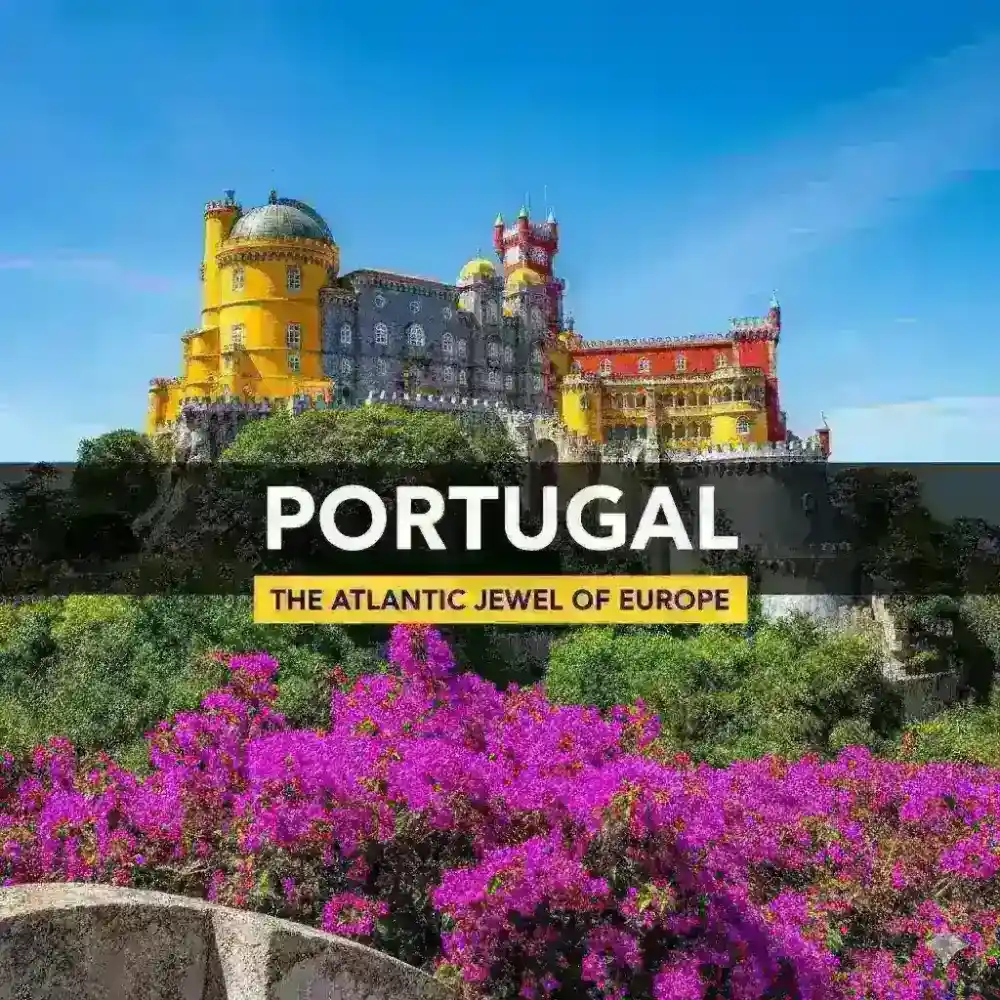
PORTUGAL: THE ATLANTIC JEWEL OF EUROPE
Portugal stands as one of Europe's most captivating destinations, a nation where Atlantic waves meet Mediterranean warmth, where ancient history converges with contemporary innovation, and where legendary hospitality welcomes travelers from every corner of the globe. Stretching along Europe's westernmost edge, Portugal offers an extraordinary journey through colorful coastal villages, historic cities steeped in maritime heritage, dramatic cliffs overlooking the Atlantic, and a culinary tradition that reflects centuries of cultural exchange. In 2026, as international travelers seek destinations that combine authentic culture, stunning landscapes, rich history, and exceptional value, Portugal continues to captivate with its unique position as Europe's Atlantic gateway.
This comprehensive guide invites you to explore Portugal with deeper understanding and greater appreciation. We will journey through Lisbon's historic neighborhoods and vibrant street life, discover Porto's wine country and Douro Valley charm, explore the fairy-tale palaces of Sintra, relax on the golden beaches of the Algarve, sample a cuisine that celebrates fresh Atlantic ingredients and traditional recipes, and provide practical information for visiting in 2026. Whether you are a history enthusiast drawn by Portugal's Age of Discoveries, a culture lover seeking authentic Fado music and azulejo artistry, a foodie inspired by pastéis de nata and fresh seafood, a nature enthusiast eager for coastal hikes and wine country exploration, or simply a curious traveler inspired by Portugal's legendary warmth, this guide will help you prepare for an unforgettable encounter with this remarkable nation.
Understanding Portugal requires more than visiting famous landmarks; it demands engaging with the complex tapestry of cultures, histories, and traditions that have shaped this Atlantic nation. By approaching Portugal with curiosity and respect, you will discover not just spectacular sights but a living dialogue between tradition and modernity, between maritime heritage and contemporary innovation, between local identity and European connection.
LISBON: THE CAPITAL OF SEVEN HILLS AND ENDLESS CHARM
No exploration of Portugal begins without Lisbon, a city of light, color, and soul that cascades down seven hills to meet the Tagus River and the Atlantic Ocean beyond. This captivating capital combines historic charm with contemporary energy, offering visitors an unforgettable introduction to Portuguese culture.
Alfama and Historic Neighborhoods:
Lisbon's oldest district, Alfama, is a labyrinth of narrow cobblestone streets, traditional Fado houses, and panoramic viewpoints that capture the city's timeless character:
Exploring Alfama:
- Wander the maze-like streets: Get delightfully lost in Alfama's narrow alleys, whitewashed houses, and hidden courtyards
- São Jorge Castle: Moorish fortress offering panoramic views of Lisbon and the Tagus River; allow 2-3 hours for exploration
- Fado Music: Experience traditional Portuguese Fado in intimate venues; reservations recommended for dinner shows
- Miradouros (Viewpoints): Santa Luzia, Portas do Sol, and Graça offer spectacular city views, especially at sunset
Practical Tips:
- Wear comfortable shoes: Alfama's steep, cobblestone streets require sturdy footwear
- Visit early morning: Fewer crowds and better light for photography
- Learn basic Portuguese phrases: Locals appreciate "Bom dia" (good morning) and "Obrigado/a" (thank you)
Belém District: Maritime Heritage and Monumental Architecture:
Belém, where Portugal's Age of Discoveries began, houses some of the nation's most iconic monuments:
Must-See Landmarks:
- Belém Tower (Torre de Belém): UNESCO World Heritage fortress that guarded Lisbon's harbor; iconic symbol of Portugal's maritime heritage
- Jerónimos Monastery: Magnificent Manueline architecture, burial place of Vasco da Gama; allow 1-2 hours for exploration
- Monument to the Discoveries (Padrão dos Descobrimentos): Modern monument honoring Portuguese explorers; climb to the top for river views
- Pastéis de Belém: The original bakery for Portugal's famous custard tarts; expect queues but worth the wait
Visiting Tips:
- Purchase combined tickets: Jerónimos Monastery and Belém Tower tickets can be purchased together for savings
- Arrive early: Popular sites get crowded by mid-morning; aim for opening time
- Try pastéis de nata: The original recipe at Pastéis de Belém is a must-try Portuguese experience
Tram 28 and City Transportation:
Lisbon's iconic yellow trams are both practical transportation and a charming tourist experience:
Tram 28 Route:
- Historic Route: Winds through Alfama, Baixa, Chiado, and Estrela neighborhoods
- Scenic Highlights: Narrow streets, historic architecture, panoramic viewpoints
- Practical Tips:
- Board at Martim Moniz or Campo de Ourique to avoid longest queues
- Travel off-peak (mid-morning or early afternoon) for more comfortable experience
- Hold onto handrails; tram rides can be bumpy on cobblestone streets
Modern Transportation:
- Metro: Clean, efficient system connecting major districts and airports
- Uber/Bolt: Affordable ride-hailing options widely available
- Walking: Many central neighborhoods are walkable; wear comfortable shoes for hills
PORTO AND THE DOURO VALLEY: WINE, HISTORY, AND RIVER CHARM
Portugal's second city, Porto, offers a more intimate, authentic experience than Lisbon, with its historic Ribeira district, world-renowned port wine, and easy access to the spectacular Douro Valley wine region.
Porto's Historic Center (Ribeira):
A UNESCO World Heritage Site, Porto's riverside district combines medieval charm with vibrant contemporary life:
Exploring Ribeira:
- Riverside Promenade: Stroll along the Douro River with views of Porto's colorful buildings and Dom Luís I Bridge
- São Francisco Church: Gothic interior lavishly decorated with gold leaf; one of Portugal's most ornate churches
- Livraria Lello: Historic bookstore with stunning neo-Gothic interior; inspired J.K. Rowling's Harry Potter series (timed tickets required)
- Clérigos Tower: Climb 240 steps for panoramic city views; best at sunset
Port Wine Experience:
Porto is synonymous with port wine, and visiting the historic wine cellars is essential:
Wine Cellar Tours:
- Vila Nova de Gaia: Across the Douro River from Porto, home to historic port wine lodges
- Major Houses: Taylor's, Graham's, Sandeman, Cálem offer tours and tastings
- Booking: Reserve in advance, especially for premium tastings and sunset tours
- Tasting Tips: Start with ruby port (fruit-forward), progress to tawny (aged, nutty), finish with vintage (complex, collectible)
Douro Valley Day Trip:
The Douro Valley, Portugal's premier wine region, offers spectacular scenery and world-class wines:
Getting There:
- Train: Scenic railway from Porto's São Bento Station to Pinhão; approximately 2.5 hours each way
- River Cruise: Day cruises from Porto offer wine tastings and valley views
- Organized Tours: Full-day tours include transportation, tastings, and lunch
Valley Highlights:
- Vineyard Terraces: Dramatic slopes covered in vineyards, especially beautiful in autumn
- Wine Estates (Quintas): Visit family-owned quintas for intimate tastings and valley views
- Pinhão Village: Charming riverside town with historic train station decorated with azulejo tiles
SINTRA: FAIRY-TALE PALACES AND ROMANTIC LANDSCAPES
Just 30 minutes from Lisbon, Sintra is a UNESCO World Heritage town of romantic palaces, lush gardens, and mystical atmosphere that inspired poets and artists for centuries.
Pena Palace (Palácio da Pena):
Sintra's most iconic landmark, Pena Palace is a colorful, eclectic masterpiece of 19th-century Romantic architecture:
Visiting Pena Palace:
- Architecture: Vibrant yellow and red facade blending Gothic, Moorish, and Renaissance elements
- Gardens: Extensive parkland with exotic plants, hidden paths, and panoramic viewpoints
- Timing: Arrive at opening (9:30 AM) to avoid crowds; allow 2-3 hours for palace and gardens
- Tickets: Purchase online in advance; timed entry helps manage crowds
Other Sintra Highlights:
Quinta da Regaleira:
- Mystical Estate: Romantic palace with initiation wells, underground tunnels, and symbolic gardens
- Highlights: Inverted tower with spiral staircase, hidden grottos, panoramic viewpoints
- Experience: Allow 1.5-2 hours; wear comfortable shoes for uneven paths and stairs
Moorish Castle (Castelo dos Mouros):
- Medieval Fortress: Ancient walls offering spectacular views of Sintra and the Atlantic coast
- Experience: Walk the ancient ramparts; combine with Pena Palace visit
- Timing: Visit early morning or late afternoon for best light and fewer crowds
Sintra Village:
- Historic Center: Charming streets with traditional shops, cafes, and restaurants
- Local Specialties: Try travesseiros (almond pastries) and queijadas (cheese tarts)
- Atmosphere: Misty, romantic ambiance especially in morning or evening
Practical Tips for Sintra:
- Transportation: Train from Lisbon's Rossio Station (40 minutes); buses connect station to palaces
- Weather: Sintra is often cooler and mistier than Lisbon; bring layers and rain jacket
- Footwear: Comfortable, sturdy shoes essential for hills, stairs, and uneven paths
- Planning: Focus on 2-3 major sites; trying to see everything in one day leads to exhaustion
THE ALGARVE: PORTUGAL'S SUN-KISSED SOUTHERN COAST
Portugal's southern region, the Algarve, offers some of Europe's most stunning coastal scenery, with golden cliffs, hidden coves, and Atlantic beaches that attract sun-seekers and nature lovers alike.
Beaches and Coastal Landscapes:
The Algarve's coastline is diverse, offering something for every beach preference:
Dramatic Cliff Beaches:
- Praia da Marinha: Iconic beach with golden cliffs, sea stacks, and crystal-clear water; one of Europe's most photographed beaches
- Benagil Cave: Famous sea cave with natural skylight; accessible by boat tour or kayak
- Praia do Camilo: Stunning beach accessed by wooden staircase through dramatic cliffs
Family-Friendly Beaches:
- Praia da Rocha: Wide sandy beach near Portimão with calm waters and amenities
- Albufeira Beaches: Multiple beaches with facilities, restaurants, and water sports
- Vilamoura: Marina area with beaches, golf courses, and upscale amenities
Hidden Coves and Natural Pools:
- Praia do Carvalho: Hidden beach accessible through tunnel in cliffs; adventurous and rewarding
- Natural Pools of Lagos: Volcanic rock pools perfect for swimming in calm Atlantic waters
- Ponta da Piedade: Dramatic rock formations and sea caves near Lagos; best explored by boat
Activities Beyond the Beach:
Coastal Hiking:
- Seven Hanging Valleys Trail: Spectacular coastal hike between Marinha and Vale Centeanes beaches
- Rota Vicentina: Long-distance hiking trails along the wild southwestern coast
- Tips: Start early to avoid midday heat; bring water, sun protection, and sturdy shoes
Water Sports:
- Surfing: Sagres and west coast beaches offer excellent waves for all levels
- Kayaking and SUP: Explore sea caves and hidden coves by kayak or stand-up paddleboard
- Boat Tours: Dolphin watching, coastal cruises, and cave exploration widely available
Golf and Wellness:
- World-Class Golf: Over 40 championship courses throughout the Algarve
- Spa and Wellness: Luxury resorts offer spa treatments, yoga, and wellness programs
- Best Time: Spring and autumn offer ideal golfing weather with fewer crowds
PORTUGUESE CUISINE: A CULINARY JOURNEY THROUGH ATLANTIC FLAVORS
Portuguese cuisine reflects the nation's maritime heritage, agricultural traditions, and centuries of cultural exchange, offering travelers a delicious journey through fresh ingredients and time-honored recipes.
Must-Try Portuguese Dishes:
Seafood Specialties:
- Bacalhau (Salt Cod): Portugal's national dish, prepared in hundreds of ways; try bacalhau à brás (shredded cod with eggs and potatoes)
- Caldeirada: Hearty fish stew with potatoes, tomatoes, and aromatic herbs
- Amêijoas à Bulhão Pato: Clams steamed with garlic, cilantro, and white wine; perfect with crusty bread
- Grilled Sardines: Simple, fresh, and delicious; especially popular during summer festivals
Traditional Main Courses:
- Cozido à Portuguesa: Hearty stew with meats, vegetables, and sausages; comfort food at its best
- Francesinha: Porto's iconic sandwich with layers of meat, cheese, and spicy beer sauce; indulgent and satisfying
- Arroz de Marisco: Creamy seafood rice similar to paella but with Portuguese flavors
- Leitão Assado: Suckling pig roasted to crispy perfection; specialty of central Portugal
Soups and Starters:
- Caldo Verde: Classic kale and potato soup with chorizo; simple, comforting, and ubiquitous
- Pastéis de Nata: Iconic custard tarts with crispy pastry and caramelized tops; best enjoyed warm with cinnamon
- Queijo da Serra: Creamy sheep's cheese from Serra da Estrela; pair with quince paste and bread
Wine and Beverages:
Portuguese Wines:
- Vinho Verde: Light, slightly sparkling white wine from northern Portugal; perfect for summer
- Douro Reds: Full-bodied reds from the Douro Valley; excellent value and quality
- Alentejo Wines: Rich, smooth reds and whites from southern Portugal's wine region
- Port Wine: Fortified wine from Douro Valley; enjoy as aperitif or dessert wine
Other Beverages:
- Ginjinha: Cherry liqueur, especially popular in Óbidos and Lisbon; often served in chocolate cups
- Portuguese Coffee: Strong espresso-style coffee; try bica (Lisbon) or cimbalino (Porto)
- Super Bock and Sagres: Portugal's popular local beers; refreshing with seafood
Dining Culture and Etiquette:
Meal Times:
- Lunch (Almoço): Main meal of day, typically 12:30-2:30 PM; many restaurants offer fixed-price menus
- Dinner (Jantar): Lighter than lunch, typically 7:30-10:00 PM; reservations recommended for popular restaurants
- Petiscos: Portuguese tapas; perfect for sharing and sampling multiple dishes
Tipping and Service:
- Tipping: Not obligatory but appreciated; round up or leave 5-10% for good service
- Service Charge: Some restaurants include service charge; check bill before adding tip
- Water: Bottled water typically charged; ask for "água da torneira" (tap water) if preferred
PRACTICAL TRAVEL INFORMATION FOR PORTUGAL IN 2026
Planning a trip to Portugal requires consideration of logistics, timing, and cultural norms. This section provides essential information for traveling responsibly in Portugal in 2026.
Visa Requirements:
Visa Policies by Nationality:
- Visa-Free Entry: Citizens of the United States, Canada, United Kingdom, Australia, New Zealand, and most European countries can enter Portugal visa-free for tourism stays up to 90 days within a 180-day period (Schengen Agreement)
- Passport Validity: Must be valid for at least three months beyond intended departure date from Schengen Area
- Entry Requirements: Proof of onward travel and accommodation may be requested at border control
Schengen Area Considerations:
- 90/180 Rule: Maximum 90 days in any 180-day period across all Schengen countries
- Tracking: Keep track of days spent in Schengen Area if visiting multiple countries
- Extensions: Tourist visas cannot be extended; apply for appropriate visa if planning longer stay
Best Times to Visit:
Portugal's climate varies by region; timing depends on your itinerary and preferences:
Lisbon and Central Portugal:
- Spring (April-May): Mild temperatures (15-22°C / 59-72°F), blooming flowers, fewer crowds; ideal for sightseeing
- Autumn (September-October): Pleasant weather, fall colors, cultural events; excellent for photography
- Summer (June-August): Warm to hot (25-30°C / 77-86°F), crowded at major sites; book accommodations early
- Winter (November-March): Cool to mild (10-15°C / 50-59°F), occasional rain; fewer tourists, lower prices
Algarve (Southern Coast):
- Late Spring (May-June) and Early Autumn (September-October): Perfect beach weather (22-28°C / 72-82°F), fewer crowds
- Summer (July-August): Hot (30°C+ / 86°F+), crowded, higher prices; ideal for beach-focused trips
- Winter (November-March): Mild but variable; some coastal resorts close for season
Porto and Northern Portugal:
- Spring and Autumn: Ideal temperatures for city exploration and Douro Valley visits
- Summer: Warm but less crowded than Lisbon; excellent for wine country visits
- Winter: Cooler and rainier; cozy atmosphere in historic cities, lower prices
Getting Around Portugal:
Portugal offers efficient, affordable transportation options for travelers:
Trains:
- Comboios de Portugal (CP): National rail network connecting major cities and regions
- Alfa Pendular: High-speed trains between Lisbon, Porto, and Faro; comfortable and efficient
- Regional Trains: Slower but scenic; good for shorter distances and rural areas
- Booking: Book online at cp.pt; advance purchase offers discounts
Buses:
- Rede Expressos: Extensive network connecting cities and towns not served by train
- FlixBus: International and domestic routes; affordable option for budget travelers
- Local Buses: City and regional buses; purchase tickets from driver or kiosks
Car Rentals:
- Availability: Widely available at airports and major cities
- Requirements: Valid driver's license (International Driving Permit recommended for non-EU licenses), credit card, minimum age typically 21-25
- Considerations: Narrow, winding roads in historic areas; parking can be challenging in cities; scenic rural roads rewarding for confident drivers
Domestic Flights:
- Airlines: TAP Air Portugal, Ryanair, and easyJet connect Lisbon, Porto, Faro, and other cities
- Advantages: Fast option for long distances (Lisbon to Faro approximately 45 minutes)
- Considerations: Factor in airport transit time; trains often more convenient for city-center to city-center travel
Accommodation:
Portugal offers diverse lodging options for every preference and budget:
Luxury Hotels and Boutique Properties:
- Lisbon: Historic properties in Chiado and Baixa, modern luxury in Parque das Nações
- Porto: Riverside boutique hotels in Ribeira, luxury properties in Foz district
- Algarve: Beachfront resorts in Vilamoura, Albufeira, and Lagos
- Price Range: €150-400+ per night
Charming Guesthouses and Pousadas:
- Character: Restored historic buildings, family-run properties, design-focused boutiques
- Locations: Alfama (Lisbon), Ribeira (Porto), historic villages throughout Portugal
- Price Range: €60-150 per night
Hostels and Budget Options:
- Availability: Excellent hostel network in major cities and tourist areas
- Amenities: Dorm beds, private rooms, communal kitchens, social atmospheres
- Price Range: €20-50 per night
Unique Stays:
- Quintas (Wine Estates): Overnight stays at Douro Valley wine properties; authentic and atmospheric
- Rural Tourism (Turismo Rural): Farm stays and village guesthouses in countryside
- Surf Camps: Algarve and west coast surf camps offering accommodation and lessons
Budgeting:
Portugal offers excellent value compared to many Western European destinations:
Daily Budget Estimates:
- Budget Travelers: €40-70 per day for hostels, casual dining, public transportation, free/low-cost attractions
- Mid-Range Travelers: €70-150 per day for boutique hotels, restaurant meals, guided tours, regional travel
- Luxury Travelers: €150+ per day for five-star hotels, fine dining, private guides, premium experiences
Money-Saving Tips:
- Eat Like a Local: Lunch menus (prato do dia) offer excellent value; avoid tourist-trap restaurants near major attractions
- Public Transportation: Use metro, buses, and trains for cost-effective city and regional travel
- Free Attractions: Many churches, viewpoints, and neighborhoods offer rich experiences at no cost
- Off-Peak Travel: Visit shoulder seasons (April-May, September-October) for lower prices and fewer crowds
- City Tourism Cards: Lisbon Card and Porto Card offer discounted entry to multiple attractions and free public transport
Currency and Payments:
Euro (EUR):
- Currency Code: EUR; symbol: €
- Exchange: Exchange currency at banks or official exchange offices; avoid street exchanges
- ATMs: Widely available; notify your bank of travel plans to avoid card blocks
- Credit Cards: Widely accepted in cities and tourist areas; carry cash for markets, small vendors, and rural areas
Tipping Customs:
- Restaurants: 5-10% if service charge not included; round up or leave small change for casual meals
- Hotels: €1-2 per night for housekeeping; €2-5 for porters
- Guides and Drivers: 10% of tour cost for exceptional service
- Taxis: Round up fare or add 5-10% for good service; not mandatory but appreciated
Health and Safety:
Health Considerations:
- Vaccinations: Routine vaccines should be current; no specific vaccinations required for Portugal from most countries
- Healthcare: High-quality medical facilities available in cities; travel insurance with medical coverage is recommended
- Food and Water: Tap water is safe to drink in most areas; food hygiene standards generally high in tourist areas
- Sun Protection: Portugal has strong sun, especially in summer; use high-SPF sunscreen and protective clothing
Safety Tips:
- General Safety: Portugal is one of Europe's safest countries; exercise standard precautions as in any international destination
- Pickpockets: Be aware of pickpockets in crowded tourist areas, public transportation, and major attractions
- Scams: Rare but be cautious of overly friendly strangers offering deals that seem too good to be true
- Emergency Numbers: 112 for all emergencies (police, ambulance, fire); English-speaking operators available
Cultural Etiquette:
Portugal is a predominantly Catholic country with warm, hospitable culture; cultural sensitivity enhances your experience:
Greetings and Social Interaction:
- Greetings: Handshakes common; close friends may kiss on cheeks (twice, starting with right); follow local lead
- Politeness: "Por favor" (please) and "Obrigado/a" (thank you) go a long way; Portuguese appreciate polite interaction
- Personal Space: Respectful distance in conversations; avoid overly familiar behavior with strangers
Dining and Social Customs:
- Meal Times: Lunch is main meal; dinner typically later than in northern Europe (8-10 PM)
- Wine Culture: Wine is integral to meals; ask for recommendations; moderate consumption appreciated
- Tipping: Not obligatory but appreciated for good service; round up or leave small percentage
Religious and Cultural Sensitivity:
- Churches: Dress modestly when visiting religious sites; cover shoulders and knees
- Photography: Ask permission before photographing people, especially in rural areas and religious settings
- Fado Music: Show respect during Fado performances; avoid talking or moving during performances
SUSTAINABLE AND RESPONSIBLE TOURISM
Visiting Portugal carries responsibility to protect its cultural heritage and natural environments. In 2026, sustainable tourism practices enhance the experience for all.
Protecting Cultural Heritage:
Portugal's historic sites face challenges from visitor pressure and environmental factors:
How You Can Help:
- Follow Guidelines: Respect posted rules regarding photography, touching, and access at historic sites and churches
- Stay on Designated Paths: Protect archaeological contexts and prevent erosion at ancient sites
- Support Conservation: Choose tour operators and attractions that contribute to preservation efforts
- Report Concerns: Notify site staff if you observe damage or inappropriate behavior
Supporting Local Communities:
Tourism can be a powerful force for economic development when benefits reach local people:
Ways to Support:
- Choose Local: Stay in locally-owned accommodations, eat at family-run restaurants, purchase crafts directly from artisans
- Fair Compensation: Tip appropriately for services; tips are an important part of income for many workers in hospitality and tourism
- Cultural Exchange: Engage respectfully with local people; learn about their lives and perspectives
- Language Effort: Learning basic Portuguese phrases (Bom dia = Good morning, Obrigado/a = Thank you) is greatly appreciated
Minimizing Environmental Impact:
Portugal faces environmental challenges including coastal development, water management, and rural depopulation:
Reduce Your Footprint:
- Water Conservation: Portugal has faced drought conditions; reuse towels in hotels, take shorter showers, report leaks
- Waste Reduction: Carry reusable water bottles and shopping bags; participate in recycling programs where available
- Marine Protection: When enjoying coastal activities, respect marine environments; avoid touching coral or disturbing wildlife
- Transportation: Use public transportation, walking, or cycling when possible to reduce carbon emissions
Engaging with Cultural Heritage Respectfully:
Portugal's heritage belongs to the Portuguese people and to humanity:
Respectful Engagement:
- Learn First: Understand the history and significance of sites before visiting; knowledge deepens appreciation and respect
- Listen to Local Voices: Prioritize Portuguese guides, scholars, and businesses that interpret their own heritage and culture
- Avoid Exploitation: Be wary of activities that exploit cultural traditions or vulnerable communities
- Share Responsibly: When sharing experiences on social media, promote accurate information and cultural respect
CONCLUSION: A JOURNEY THROUGH PORTUGAL'S ATLANTIC SOUL
Portugal offers an extraordinary journey through time and landscape, where Atlantic waves crash against golden cliffs, where historic trams climb cobblestone hills, where Fado music echoes through moonlit alleyways, and where every meal celebrates the bounty of land and sea. This nation at Europe's edge invites travelers to slow down, savor moments, and connect with a culture that values hospitality, heritage, and the simple pleasures of life.
In 2026, as travelers seek meaningful connections to history, culture, and community, Portugal stands ready to welcome you with legendary warmth, breathtaking beauty, and endless opportunities for discovery. Whether you sip port wine overlooking the Douro Valley, wander Sintra's mystical gardens, relax on Algarve beaches, or simply enjoy a pastel de nata with morning coffee in a Lisbon café, Portugal invites you to embrace the art of living well.
May your journey through Portugal deepen your appreciation for the richness of human culture and the beauty of the natural world, and inspire your commitment to protecting the treasures that make our world extraordinary. As the explorers, artists, and everyday people who have shaped this nation understood, true legacy lies not just in monuments of stone but in the connections, understanding, and joy we create across cultures and generations. May you carry that understanding forward, wherever your journey leads.
Useful resources include the Portuguese Tourism Board at visitportugal.com for official travel information, Comboios de Portugal at cp.pt for train travel, and your country's travel advisory service for safety updates. Emergency services in Portugal can be reached at 112 for all emergencies. Disclaimer: Information is accurate as of early 2026. Entry requirements, attraction hours, and policies may change; verify details before travel. This guide is for informational purposes only and does not constitute professional travel advice.
0 Comments