.webp)
.webp)
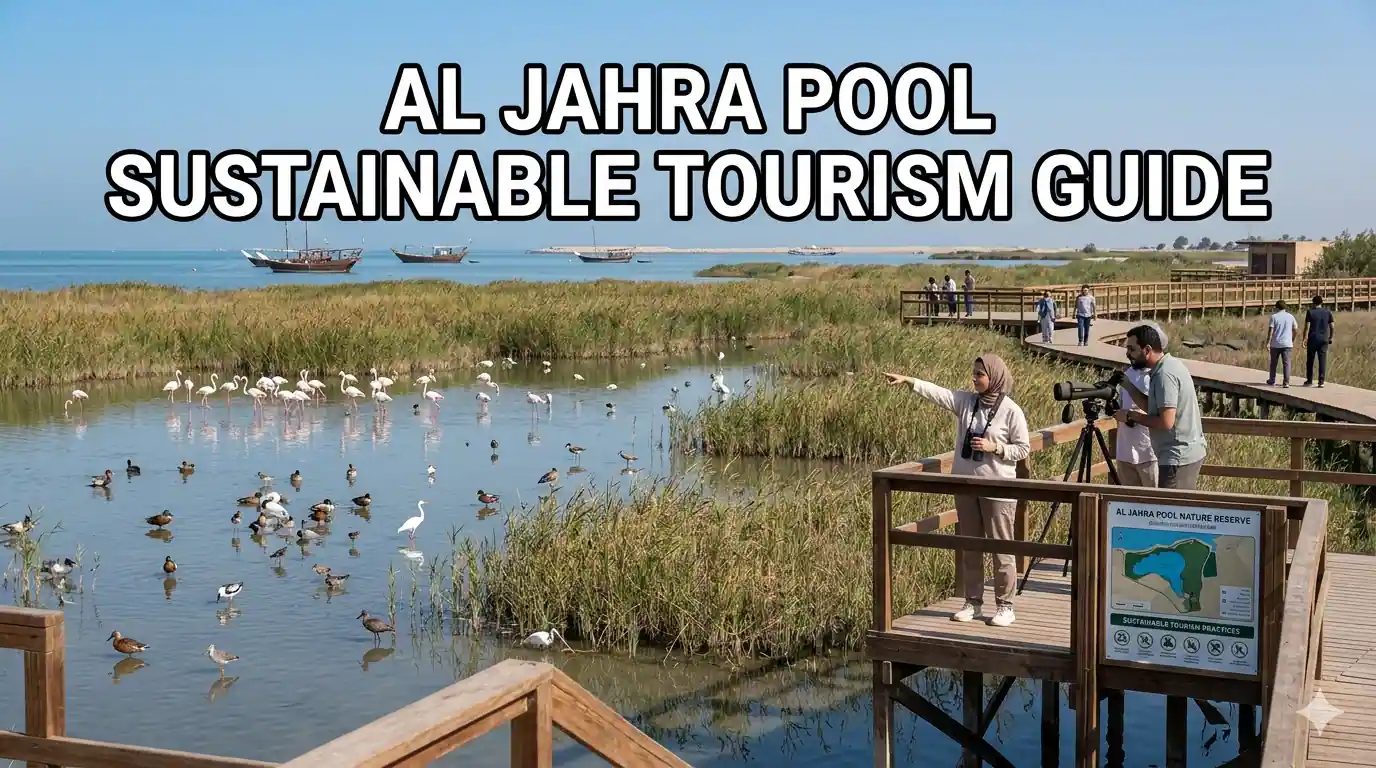
Discovering Al Jahra Pool Nature Reserve
Al Jahra Pool Nature Reserve stands as one of Kuwait's most ecologically significant wetland areas, serving as a critical habitat for migratory birds and a testament to successful conservation efforts. Located approximately thirty-five kilometers northwest of Kuwait City, this coastal wetland represents a vital stopover point along the East Atlantic Flyway migration route.
The reserve encompasses shallow coastal waters, mudflats, salt marshes, and reed beds that create diverse habitats supporting hundreds of bird species. During migration seasons, tens of thousands of birds including flamingos, herons, egrets, and various waterfowl utilize the area for resting and feeding.
Established as a protected area in recognition of its ecological importance, Al Jahra Pool demonstrates Kuwait's commitment to environmental conservation while balancing public access and education. The reserve offers unique opportunities for nature observation, environmental education, and sustainable tourism.
However, the delicate ecosystem requires careful management to prevent degradation from human activities. Sustainable tourism practices ensure that visitors can enjoy this natural treasure without compromising its ecological integrity for future generations.
This comprehensive guide explores how to visit Al Jahra Pool responsibly in 2026, covering conservation context, visitor guidelines, sustainable practices, and ways to minimize your environmental impact while maximizing educational value and appreciation for this remarkable wetland ecosystem.
Ecological Significance and Conservation History

Understanding the ecological importance of Al Jahra Pool provides context for why sustainable tourism practices are essential and why certain restrictions exist.
Wetland Ecosystem Importance
Al Jahra Pool functions as a crucial component of Kuwait's coastal ecosystem, providing numerous environmental services including water filtration, flood control, carbon sequestration, and habitat provision. These wetlands act as natural buffers protecting inland areas from storm surges and coastal erosion.
The shallow waters and extensive mudflats create ideal feeding grounds for wading birds and waterfowl. Rich invertebrate communities including crustaceans, mollusks, and worms provide abundant food resources that support large bird populations during migration and wintering periods.
Reed beds dominated by Phragmites australis and other native vegetation stabilize sediments, improve water quality through nutrient uptake, and provide nesting and roosting sites for various bird species. These vegetated areas also serve as nurseries for fish and other aquatic organisms.
The reserve's position along the East Atlantic Flyway makes it internationally significant for bird conservation. Millions of birds migrate annually between breeding grounds in Europe and Asia and wintering areas in Africa, requiring safe stopover sites to rest and refuel.
Historical Context and Restoration
Al Jahra Pool's current form resulted from both natural processes and human intervention. The area historically functioned as a natural lagoon but experienced significant alterations through coastal development, dredging, and pollution throughout the twentieth century.
The 1991 Gulf War caused severe environmental damage to Kuwait's coastal areas including Al Jahra Pool. Oil spills, military activities, and infrastructure destruction degraded habitats and harmed wildlife populations.
Post-war restoration efforts focused on rehabilitating wetland functions and establishing protected area status. Conservation organizations, government agencies, and international partners collaborated to clean contaminated areas, restore native vegetation, and implement protective regulations.
Designation as a nature reserve formalized conservation commitments and established management frameworks balancing protection with sustainable use. Ongoing monitoring and adaptive management ensure the reserve continues to meet conservation objectives while allowing responsible public access.
Biodiversity and Species of Concern
Al Jahra Pool supports remarkable biodiversity with over two hundred bird species recorded including several globally threatened species. Regular visitors include greater flamingos, lesser flamingos, Socotra cormorants, crab plovers, and various heron and egret species.
Winter populations can exceed fifty thousand birds, making the reserve one of Kuwait's most important bird areas. The site meets Ramsar Convention criteria for international wetland importance due to regularly supporting significant waterbird populations.
Beyond birds, the reserve supports diverse fauna including fish, crustaceans, mollusks, and marine mammals. Occasional dolphin sightings in adjacent waters demonstrate the ecological connectivity between the reserve and broader marine environment.
Native plant communities including salt-tolerant species adapted to harsh coastal conditions provide critical habitat structure. These halophytic plants stabilize soils, cycle nutrients, and support food webs that sustain higher trophic levels.
Sustainable Tourism Principles for Al Jahra Pool

Sustainable tourism at Al Jahra Pool requires understanding and applying principles that minimize negative impacts while maximizing conservation benefits and educational value.
Environmental Protection Priorities
The primary objective of sustainable tourism at Al Jahra Pool is preventing ecological degradation. Visitor activities must not compromise habitat quality, disturb wildlife beyond acceptable levels, or introduce pollutants that harm ecosystem health.
Carrying capacity limits ensure visitor numbers remain within thresholds the ecosystem can accommodate without degradation. These limits consider factors including habitat sensitivity, species vulnerability, infrastructure capacity, and management resources.
Seasonal restrictions protect birds during critical periods including nesting, breeding, and migration. Temporary closures or access limitations during sensitive times prevent disturbance that could reduce reproductive success or survival rates.
Waste management systems prevent pollution of water, soil, and habitats. All visitors must follow strict leave-no-trace principles, packing out all trash and minimizing resource consumption.
Educational and Awareness Goals
Sustainable tourism serves as a powerful conservation tool by fostering environmental awareness and appreciation. Well-designed interpretation programs help visitors understand ecological processes, conservation challenges, and their role in protecting natural resources.
Educational experiences at Al Jahra Pool can inspire behavioral changes that extend beyond the reserve visit. Visitors who learn about wetland ecology and conservation needs often become advocates for environmental protection in their communities.
Local community engagement ensures residents understand the reserve's value and support conservation efforts. Sustainable tourism creates economic incentives for protection while providing recreational and educational opportunities for Kuwaiti citizens.
Scientific research and monitoring benefit from responsible tourism through citizen science programs, funding from visitor fees, and increased public support for conservation initiatives.
Cultural Respect and Community Benefits
Sustainable tourism respects local culture, traditions, and land use practices. Al Jahra Pool holds historical and cultural significance for Kuwaiti communities, and visitor activities should honor these connections.
Local communities should benefit economically from tourism through employment opportunities, business development, and infrastructure improvements. Equitable benefit-sharing creates stakeholder support for conservation and sustainable management.
Traditional ecological knowledge from local residents can inform management decisions and enhance visitor interpretation. Integrating indigenous perspectives enriches understanding of the reserve's ecology and cultural importance.
Planning Your Responsible Visit

Proper planning ensures your visit to Al Jahra Pool aligns with sustainable tourism principles and maximizes both enjoyment and conservation value.
Best Times to Visit
Migration seasons in spring (March to May) and autumn (September to November) offer spectacular bird watching opportunities as large numbers of birds pass through the reserve. These periods provide the best wildlife viewing while distributing visitor pressure across peak seasons.
Winter months (December to February) attract resident and overwintering bird populations including impressive flamingo flocks. Cooler temperatures make outdoor activities more comfortable for visitors.
Summer visits (June to August) are discouraged due to extreme heat, reduced bird activity, and sensitive breeding periods. Many species nest during this time and require minimal disturbance.
Early morning and late afternoon visits provide optimal bird activity and photography lighting while avoiding midday heat. These times also distribute visitor presence throughout the day rather than concentrating impacts.
Permits and Regulations
Check current permit requirements before visiting as regulations may change based on conservation needs and management priorities. Some areas may require advance booking or special permission.
Visitor fees support reserve management, conservation programs, and facility maintenance. Paying required fees demonstrates commitment to sustainable tourism and directly contributes to protection efforts.
Group size limits prevent overcrowding and minimize disturbance. Large groups may require special permits or guided tours to ensure compliance with sustainable practices.
Activity restrictions prohibit certain behaviors including off-trail hiking, drone use without permission, feeding wildlife, and collecting natural materials. Understanding and respecting these rules is essential for responsible visitation.
Preparation and Equipment
Bring binoculars and field guides to enhance wildlife observation without approaching animals too closely. Quality optics allow viewing from distances that prevent disturbance.
Cameras with telephoto lenses enable photography without disturbing wildlife. Avoid using flash photography which can startle birds and other animals.
Appropriate clothing includes sun protection, sturdy footwear for walking on uneven terrain, and layers for variable weather conditions. Light-colored, non-reflective clothing minimizes visibility to wildlife.
Pack reusable water bottles, snacks with minimal packaging, and bags for carrying out all trash. Preparation reduces waste generation and environmental impact.
On-Site Sustainable Practices

Your behavior during the visit directly impacts the reserve's ecological health and the quality of experience for other visitors.
Wildlife Observation Ethics
Maintain safe distances from all wildlife using binoculars or telephoto lenses for close viewing. Approaching too closely causes stress, disrupts feeding and resting, and may cause birds to abandon nests or flee essential habitat.
Move slowly and quietly to avoid startling animals. Sudden movements and loud noises can cause panic flights that waste energy and increase predation risk.
Never feed wildlife as this alters natural behaviors, creates dependency, and can harm animal health. Human food is often nutritionally inappropriate and may cause disease transmission.
Respect nesting and roosting sites by observing from designated areas. During breeding season, extra caution prevents nest abandonment and chick mortality.
Trail and Facility Use
Stay on designated trails and boardwalks to prevent habitat trampling and erosion. Straying from established paths damages vegetation, disturbs soil, and can destroy sensitive microhabitats.
Use designated viewing platforms and observation hides which provide optimal viewing while concentrating human presence in resilient areas. These structures are positioned to minimize ecological impact.
Respect closure signs and barriers which protect sensitive areas or prevent access during dangerous conditions. These restrictions exist for good reasons including wildlife protection and visitor safety.
Facilities including restrooms, picnic areas, and parking lots should be used as intended. Proper use prevents pollution and maintains amenities for all visitors.
Waste Management
Practice leave-no-trace principles by packing out everything you bring in. Even biodegradable items like fruit peels can harm wildlife and alter natural processes.
Use recycling facilities where available and separate waste appropriately. Proper disposal prevents pollution and supports reserve sustainability efforts.
Avoid single-use plastics by bringing reusable containers, bottles, and bags. Plastic pollution poses serious threats to wildlife through ingestion and entanglement.
Report litter you encounter even if you did not create it. Picking up trash protects wildlife and maintains the reserve's natural beauty.
Minimizing Environmental Impact

Beyond following rules, proactive measures further reduce your visit's ecological footprint.
Transportation Choices
Carpooling reduces vehicle emissions and parking pressure. Coordinate with other visitors to minimize the number of vehicles entering the reserve.
Use fuel-efficient or electric vehicles when possible to reduce air pollution and carbon emissions. Transportation represents a significant portion of tourism's environmental impact.
Observe speed limits and drive carefully on access roads to prevent wildlife collisions. Many animals cross roads and vehicle strikes cause unnecessary mortality.
Park only in designated areas to prevent habitat damage and soil compaction. Informal parking areas damage vegetation and can create erosion problems.
Resource Conservation
Conserve water by using facilities responsibly and reporting leaks. Water is scarce in Kuwait and conservation demonstrates environmental stewardship.
Minimize energy use by turning off lights and equipment when not needed. Even small actions contribute to reduced environmental impact.
Choose sustainable products and avoid items with excessive packaging. Your consumption choices support or undermine conservation values.
Offset your carbon footprint through verified programs that support renewable energy or reforestation. While reducing emissions should be the priority, offsets can address unavoidable impacts.
Noise and Light Pollution
Keep voices low and avoid loud noises that disturb wildlife and other visitors. Noise pollution stresses animals and degrades the natural experience.
Turn off vehicle engines when parked to reduce noise and air pollution. Idling vehicles create unnecessary disturbance and emissions.
Avoid using bright lights at dawn or dusk when many birds are most active. Artificial light can disorient wildlife and alter natural behaviors.
Respect quiet zones and designated low-impact areas where extra care minimizes disturbance.
Educational Opportunities and Interpretation

Al Jahra Pool offers valuable learning experiences that enhance understanding of wetland ecology and conservation.
Guided Tours and Programs
Participate in guided tours led by knowledgeable naturalists who provide expert interpretation and ensure compliance with sustainable practices. Guides enhance understanding while minimizing visitor impacts.
Educational programs including workshops, lectures, and citizen science projects deepen engagement with conservation issues. These experiences build knowledge and commitment to environmental protection.
School and youth programs introduce next generations to nature and conservation values. Supporting environmental education creates long-term benefits for the reserve and broader conservation goals.
Special events including World Wetlands Day celebrations and bird festivals combine education with recreation while raising awareness of conservation needs.
Self-Guided Learning
Interpretive signs and exhibits along trails provide information about ecology, wildlife, and conservation. Reading these materials enhances understanding and appreciation.
Visitor centers offer exhibits, films, and resources that contextualize the reserve within broader conservation efforts. Plan to spend time at these facilities to maximize learning.
Field guides and mobile apps help identify species and understand behaviors. These tools enable independent learning while respecting wildlife.
Online resources and social media channels provide ongoing education and connection with the reserve community. Following these platforms keeps you informed about conservation news and opportunities.
Citizen Science Participation
Contribute to conservation through citizen science programs including bird counts, water quality monitoring, and habitat surveys. Your observations support research and management decisions.
Photography documentation helps track species presence and abundance. Sharing photos with researchers provides valuable data while respecting privacy and sensitivity concerns.
Reporting unusual observations including injured wildlife, pollution incidents, or invasive species alerts managers to issues requiring attention.
Volunteer opportunities allow deeper engagement with conservation work including habitat restoration, invasive species removal, and education programs.
Supporting Conservation Beyond Your Visit

Responsible tourism extends beyond the reserve visit through ongoing support for conservation efforts.
Financial Support
Pay all required fees and consider additional donations that directly support conservation programs. Financial resources enable essential management activities including monitoring, restoration, and enforcement.
Purchase merchandise from reserve shops where proceeds support conservation. These purchases also serve as reminders of your commitment to environmental protection.
Support organizations working to protect Al Jahra Pool and similar wetlands through memberships and contributions. Conservation requires sustained funding and advocacy.
Choose tour operators and businesses that demonstrate commitment to sustainability and contribute to conservation. Your spending decisions influence market practices.
Advocacy and Awareness
Share your experiences and knowledge with others to build support for wetland conservation. Personal stories and photos can inspire appreciation and action.
Advocate for policies that protect wetlands and promote sustainable tourism. Contact elected officials about conservation issues and support protective legislation.
Counter misinformation about wetlands and conservation with accurate information. Many people misunderstand the value of these ecosystems and their importance.
Encourage responsible behavior among fellow visitors through positive example and gentle education. Peer influence can be powerful in promoting sustainable practices.
Lifestyle Changes
Apply lessons learned at Al Jahra Pool to daily life through water conservation, waste reduction, and sustainable consumption. Personal actions collectively make significant differences.
Reduce your carbon footprint through energy conservation, sustainable transportation, and mindful consumption. Climate change threatens wetlands through sea level rise and altered precipitation patterns.
Support sustainable seafood choices that do not harm marine ecosystems. Overfishing and destructive practices degrade habitats that connect to coastal wetlands.
Participate in local conservation efforts including beach cleanups, habitat restoration, and environmental education. Community engagement amplifies individual impact.
Challenges and Future Directions

Al Jahra Pool faces ongoing challenges requiring adaptive management and continued commitment to sustainable tourism.
Climate Change Impacts
Rising sea levels threaten coastal wetlands through inundation and saltwater intrusion. Management strategies must address these long-term changes while maintaining ecological functions.
Temperature increases alter species distributions and phenology including migration timing. Monitoring and adaptive management help respond to these changes.
Extreme weather events including storms and droughts stress ecosystems and infrastructure. Resilience planning prepares the reserve for increasing climate variability.
Carbon sequestration by wetlands provides climate mitigation benefits that should be quantified and protected. Blue carbon initiatives can generate conservation funding.
Development Pressures
Urban expansion and infrastructure development threaten wetland boundaries and connectivity. Buffer zones and land use planning protect the reserve from encroachment.
Water extraction and pollution from surrounding areas degrade wetland health. Watershed-scale management addresses these external threats.
Recreational demand increases pressure on facilities and ecosystems. Balancing access with protection requires careful planning and visitor management.
Funding limitations constrain conservation and management capacity. Innovative financing mechanisms including eco-tourism revenues and payment for ecosystem services can supplement traditional funding.
Community Engagement
Building local support for conservation ensures long-term protection. Communities that benefit from sustainable tourism become conservation advocates.
Traditional knowledge and practices can inform management while respecting cultural values. Collaborative approaches integrate diverse perspectives.
Education and awareness programs build appreciation for wetland values across society. Informed citizens support conservation policies and practices.
Equitable benefit-sharing ensures tourism supports local livelihoods while protecting ecological integrity. Sustainable tourism must be socially just as well as environmentally sound.
Conclusion Commitment to Sustainable Future
Al Jahra Pool Nature Reserve represents both a natural treasure and a conservation success story demonstrating that protected areas can balance ecological protection with responsible public access. Your visit in 2026 can support this balance through commitment to sustainable tourism practices.
The principles outlined in this guide from planning and preparation to on-site behavior and ongoing support provide a framework for minimizing your impact while maximizing your contribution to conservation. Every visitor who follows these practices helps ensure Al Jahra Pool continues to support biodiversity, provide ecosystem services, and inspire appreciation for Kuwait's natural heritage.
Sustainable tourism is not merely about following rules but about embracing a conservation ethic that recognizes our interconnectedness with nature and our responsibility to protect it. The choices you make as a visitor reflect your values and influence outcomes for wildlife, ecosystems, and future generations.
Al Jahra Pool offers a gift the opportunity to experience remarkable wildlife, learn about wetland ecology, and connect with nature in an increasingly urbanized world. Receiving this gift carries the obligation to protect it through responsible behavior and active support for conservation.
Visit Al Jahra Pool with respect, curiosity, and commitment to sustainability. Your actions can help ensure this vital wetland continues to thrive, supporting countless birds and other wildlife while educating and inspiring visitors for years to come. The future of Al Jahra Pool depends on the choices we make today choose wisely, visit responsibly, and become part of the conservation solution.
0 Comments