.webp)
.webp)
The United States 2026: A Journey Through a Continent of Icons and Diversity
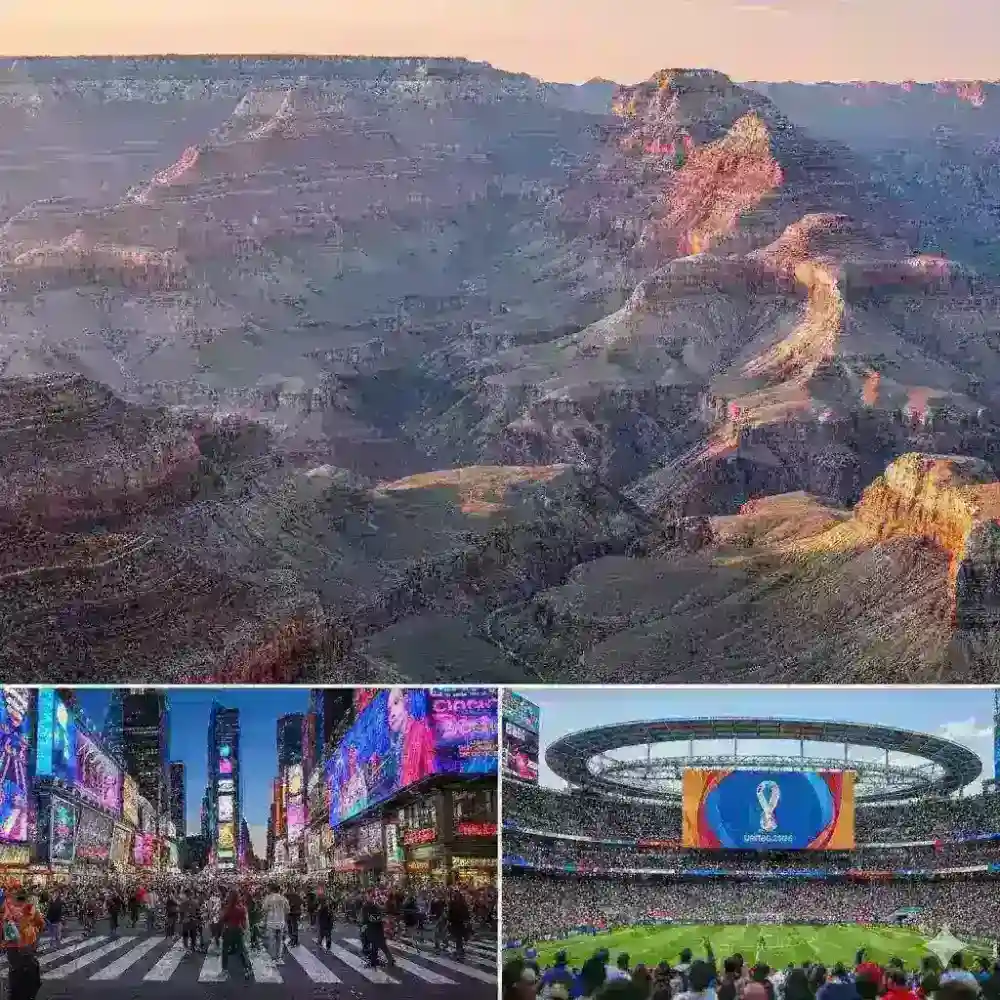
The United States 2026: A Journey Through a Continent of Icons and Diversity
The United States of America stands as one of the world's most diverse and dynamic travel destinations—a nation of continental scale where iconic landmarks, breathtaking natural wonders, vibrant cities, and rich cultural traditions converge to create experiences as varied as the landscape itself. From the statue-laden harbor of New York to the sun-drenched beaches of California, from the geothermal wonders of Yellowstone to the jazz clubs of New Orleans, the United States offers travelers an unparalleled tapestry of discovery. As we explore this remarkable nation in 2026, the USA continues to captivate visitors with its blend of innovation and tradition, wilderness and urbanity, unity and diversity.
Spanning 9.8 million square kilometers across North America, the United States encompasses nearly every climate zone and landscape type on Earth. With 50 states, each possessing its own character, culture, and attractions, the USA is less a single destination than a continent of experiences waiting to be explored. Whether you're hiking the Appalachian Trail, marveling at the Grand Canyon, experiencing the technological innovation of Silicon Valley, or savoring barbecue in Texas, the United States rewards curious travelers with endless discovery.
This comprehensive master guide invites you on a journey through America's iconic landmarks, natural wonders, cultural treasures, and regional diversity. We'll explore must-see destinations across the nation, provide practical insights for navigating this vast country efficiently, and highlight seasonal experiences and local favorites that enrich your visit. Whether you're planning your first journey to the United States or returning to deepen your connection with its endless offerings, this guide will help you experience the USA with confidence, curiosity, and appreciation for all it has to offer.
Understanding America: A Nation of Regions and Stories
To truly appreciate the United States, one must understand the extraordinary diversity that defines this remarkable nation. The USA is not a monolithic culture but a vibrant mosaic of distinct regions, each contributing its own history, traditions, cuisine, and character to the national identity.
Key Regions and Their Character:
- Northeast: The historic heart of the nation, home to colonial landmarks, world-class museums, bustling cities like New York and Boston, and the scenic beauty of New England's fall foliage.
- Mid-Atlantic: A blend of urban energy and historic significance, featuring Washington D.C.'s monuments, Philadelphia's Independence Hall, and the Chesapeake Bay's coastal charm.
- Southeast: The soulful region of Southern hospitality, jazz and blues heritage, Civil Rights history, Gulf Coast beaches, and the unique culture of New Orleans.
- Midwest: America's heartland, known for agricultural landscapes, Great Lakes shores, vibrant cities like Chicago, and the pioneering spirit of the frontier.
- Southwest: A land of dramatic desert landscapes, Native American heritage, Spanish colonial history, and iconic destinations like the Grand Canyon and Santa Fe.
- West Coast: The Pacific frontier of innovation, natural beauty, and cultural diversity, featuring California's beaches, Oregon's forests, and Washington's mountains.
- Alaska and Hawaii: America's non-contiguous states offering wilderness adventures, indigenous cultures, volcanic landscapes, and tropical paradise.
- 👉 Antigua E-Gates 2026: Digital Immigration Guide
- 👉 Nicaragua Trip Cost from Miami: 2-Week Budget Guide
- 👉 STC 2026 Sustainable Tourism Conference in San Pedro: A complete guide for April attendees.
Historical Layers: The United States' rich heritage reflects centuries of cultural convergence: indigenous civilizations, European colonization, westward expansion, immigration waves, civil rights movements, and technological innovation. Understanding this layered history enriches your experience of American culture, landscapes, and traditions.
Cultural Diversity: The USA is home to people from every corner of the globe, creating a dynamic multicultural society. From Chinatowns to Little Italys, from Native American reservations to immigrant neighborhoods, America's diversity is expressed in its food, festivals, languages, and communities. Embracing this diversity enhances your understanding of the American experience.
Iconic Landmarks: Symbols of American Identity
The United States is defined by landmarks that have become global symbols of freedom, innovation, and natural wonder.
Statue of Liberty and Ellis Island (New York): These iconic symbols of immigration and freedom welcome visitors to New York Harbor. The Statue of Liberty, a gift from France in 1886, represents democracy and opportunity. Ellis Island, the nation's busiest immigrant inspection station from 1892-1954, tells the stories of over 12 million newcomers who shaped modern America. Visiting both offers a profound connection to the American immigrant experience.
Grand Canyon National Park (Arizona): One of the world's most spectacular natural wonders, the Grand Canyon reveals nearly two billion years of Earth's history in its layered rock walls. Whether viewing from the South Rim, hiking into the canyon, or rafting the Colorado River, the Grand Canyon inspires awe and humility. Sunrise and sunset cast dramatic light across the vast landscape, creating unforgettable photographic opportunities.
Golden Gate Bridge (San Francisco): This Art Deco masterpiece, completed in 1937, spans the Golden Gate strait with iconic orange towers visible for miles. Walking or cycling across the bridge offers panoramic views of San Francisco Bay, Alcatraz Island, and the Pacific Ocean. The bridge remains a symbol of engineering innovation and West Coast spirit.
Mount Rushmore National Memorial (South Dakota): Carved into the Black Hills, this monumental sculpture features the faces of four U.S. presidents—Washington, Jefferson, T. Roosevelt, and Lincoln—representing the nation's founding, expansion, preservation, and development. The surrounding Black Hills offer additional natural and cultural attractions.
National Mall and Memorials (Washington D.C.): The heart of the nation's capital features iconic monuments including the Lincoln Memorial, Washington Monument, World War II Memorial, and Martin Luther King Jr. Memorial. These spaces serve as both tourist destinations and living symbols of American democracy, history, and ongoing struggles for justice.
Yellowstone National Park (Wyoming/Montana/Idaho): Established in 1872 as the world's first national park, Yellowstone showcases geothermal wonders including Old Faithful geyser, colorful hot springs, and diverse wildlife including bison, elk, and bears. The park's vast wilderness offers hiking, camping, and wildlife viewing in a landscape unlike any other on Earth.
National Parks: America's Greatest Idea
The United States National Park System, often called "America's Best Idea," protects some of the world's most spectacular natural landscapes. With 63 national parks and hundreds of additional protected areas, the system offers unparalleled opportunities for outdoor adventure and natural wonder.
Must-Visit National Parks:
- Yosemite National Park (California): Famous for granite cliffs like El Capitan and Half Dome, giant sequoia groves, and dramatic waterfalls. Yosemite Valley offers accessible viewpoints, while backcountry trails reward adventurous hikers.
- Zion National Park (Utah): Towering red rock cliffs, narrow slot canyons, and the Virgin River create a landscape of stunning beauty. The Angels Landing hike and Narrows river walk are iconic experiences.
- Great Smoky Mountains National Park (Tennessee/North Carolina): The most visited national park, featuring ancient mountains, diverse wildlife, historic homesteads, and vibrant fall foliage.
- Glacier National Park (Montana): Pristine alpine scenery, glacial lakes, and the spectacular Going-to-the-Sun Road offer unforgettable mountain experiences.
- Everglades National Park (Florida): A unique subtropical wilderness of sawgrass marshes, mangrove forests, and diverse wildlife including alligators, manatees, and rare birds.
- Acadia National Park (Maine): Rugged Atlantic coastline, granite peaks, and charming New England villages create a distinctive coastal park experience.
- 👉 Antigua E-Gates 2026: Digital Immigration Guide
- 👉 Nicaragua Trip Cost from Miami: 2-Week Budget Guide
- 👉 STC 2026 Sustainable Tourism Conference in San Pedro: A complete guide for April attendees.
Planning Your National Park Visit:
- Reservations: Many popular parks now require timed entry reservations, especially in summer. Book well in advance through recreation.gov.
- Seasons: Park experiences vary dramatically by season. Summer offers full access but crowds; spring and fall provide milder weather and fewer visitors; winter brings solitude but limited access.
- Leave No Trace: Practice responsible outdoor ethics: pack out trash, stay on trails, respect wildlife, and minimize impact on fragile ecosystems.
- Safety: Prepare for changing weather, carry adequate water and supplies, and inform others of your plans when hiking in remote areas.
- 👉 Antigua E-Gates 2026: Digital Immigration Guide
- 👉 Nicaragua Trip Cost from Miami: 2-Week Budget Guide
- 👉 STC 2026 Sustainable Tourism Conference in San Pedro: A complete guide for April attendees.
Urban Experiences: Cities of Innovation and Culture
American cities offer vibrant cultural experiences, world-class dining, artistic innovation, and diverse neighborhoods that reflect the nation's multicultural identity.
New York City: The world's most iconic metropolis offers unparalleled cultural density:
- Museums: The Metropolitan Museum of Art, Museum of Modern Art, American Museum of Natural History, and countless specialized institutions.
- Performing Arts: Broadway theaters, Lincoln Center, jazz clubs, and experimental performance spaces.
- Neighborhoods: From Chinatown to Harlem, Brooklyn to the Bronx, each neighborhood offers distinct character, cuisine, and culture.
- Iconic Sites: Times Square, Central Park, Empire State Building, and the High Line provide quintessential New York experiences.
- 👉 Antigua E-Gates 2026: Digital Immigration Guide
- 👉 Nicaragua Trip Cost from Miami: 2-Week Budget Guide
- 👉 STC 2026 Sustainable Tourism Conference in San Pedro: A complete guide for April attendees.
Los Angeles: The entertainment capital blends Hollywood glamour with diverse cultural communities:
- Entertainment: Studio tours, film premieres, and the Hollywood Walk of Fame celebrate the movie industry.
- Beaches: Santa Monica, Venice, and Malibu offer iconic California coastal experiences.
- Cultural Diversity: Koreatown, Little Tokyo, Boyle Heights, and other neighborhoods showcase LA's multicultural fabric.
- Outdoor Life: Hiking in Griffith Park, surfing in the Pacific, and exploring the Santa Monica Mountains connect visitors to Southern California's natural beauty.
- 👉 Antigua E-Gates 2026: Digital Immigration Guide
- 👉 Nicaragua Trip Cost from Miami: 2-Week Budget Guide
- 👉 STC 2026 Sustainable Tourism Conference in San Pedro: A complete guide for April attendees.
Chicago: The Midwest's cultural hub combines architectural innovation with lakefront beauty:
- Architecture: Architectural river tours showcase Chicago's influential skyline and historic buildings.
- Arts and Music: The Art Institute of Chicago, blues clubs, and jazz venues reflect the city's creative legacy.
- Food: Deep-dish pizza, Chicago-style hot dogs, and diverse ethnic cuisines define the city's culinary scene.
- Lakefront: Miles of parks and beaches along Lake Michigan provide recreational opportunities and stunning views.
- 👉 Antigua E-Gates 2026: Digital Immigration Guide
- 👉 Nicaragua Trip Cost from Miami: 2-Week Budget Guide
- 👉 STC 2026 Sustainable Tourism Conference in San Pedro: A complete guide for April attendees.
New Orleans: The Crescent City offers a unique blend of cultures:
- Music: Birthplace of jazz, with live music on Frenchmen Street and throughout the city.
- Cuisine: Creole and Cajun specialties like gumbo, jambalaya, and beignets reflect French, Spanish, African, and Caribbean influences.
- History: The French Quarter, Garden District, and historic neighborhoods tell stories of colonialism, slavery, resilience, and celebration.
- Festivals: Mardi Gras, Jazz Fest, and countless local celebrations embody the city's spirit of joy and community.
- 👉 Antigua E-Gates 2026: Digital Immigration Guide
- 👉 Nicaragua Trip Cost from Miami: 2-Week Budget Guide
- 👉 STC 2026 Sustainable Tourism Conference in San Pedro: A complete guide for April attendees.
Road Trips: The American Journey
The open road is central to the American experience. Iconic routes offer unforgettable journeys through diverse landscapes and communities.
Route 66: The "Mother Road" from Chicago to Santa Monica captures the romance of mid-20th-century America. Though largely replaced by interstates, historic segments feature vintage motels, diners, and roadside attractions that evoke the golden age of automobile travel.
Pacific Coast Highway (California): Highway 1 along California's coast offers breathtaking ocean views, coastal towns, and access to Big Sur's dramatic cliffs. The drive from San Francisco to Los Angeles is one of the world's most scenic road trips.
Blue Ridge Parkway: This 469-mile scenic drive through the Appalachian Mountains connects Shenandoah National Park to Great Smoky Mountains National Park. Winding through forested highlands, the parkway offers overlooks, hiking trails, and opportunities to experience Appalachian culture.
Great River Road: Following the Mississippi River from Minnesota to the Gulf of Mexico, this route explores the river's cultural, historical, and ecological significance through ten states.
Planning a Road Trip:
- Vehicle: Ensure your vehicle is road-trip ready; consider rental options for long distances.
- Accommodations: Book lodging in advance for popular routes and seasons; consider a mix of hotels, motels, and camping.
- Flexibility: Allow time for spontaneous detours and unexpected discoveries—the best road trip moments often aren't on the itinerary.
- Connectivity: Download offline maps for remote areas where cell service may be limited.
- 👉 Antigua E-Gates 2026: Digital Immigration Guide
- 👉 Nicaragua Trip Cost from Miami: 2-Week Budget Guide
- 👉 STC 2026 Sustainable Tourism Conference in San Pedro: A complete guide for April attendees.
Cultural Heritage: Stories of America
The United States' cultural heritage reflects the contributions of indigenous peoples, immigrants, and diverse communities across centuries.
Indigenous Heritage: Native American cultures have shaped the American landscape for millennia. Visitors can learn about indigenous history and contemporary life at:
- Mesa Verde National Park (Colorado): Ancestral Puebloan cliff dwellings preserve ancient architectural achievements.
- Chaco Culture National Historical Park (New Mexico): Archaeological sites reveal sophisticated pre-Columbian societies.
- Tribal Cultural Centers: Many Native nations operate museums and cultural centers sharing their histories and traditions.
- 👉 Antigua E-Gates 2026: Digital Immigration Guide
- 👉 Nicaragua Trip Cost from Miami: 2-Week Budget Guide
- 👉 STC 2026 Sustainable Tourism Conference in San Pedro: A complete guide for April attendees.
African American Heritage: The African American experience is central to American history. Significant sites include:
- National Museum of African American History and Culture (Washington D.C.): Comprehensive exhibits on African American history, culture, and contributions.
- Civil Rights Trail: Historic sites across the South document the struggle for equality and justice.
- Harlem (New York): The historic center of African American culture, arts, and intellectual life.
- 👉 Antigua E-Gates 2026: Digital Immigration Guide
- 👉 Nicaragua Trip Cost from Miami: 2-Week Budget Guide
- 👉 STC 2026 Sustainable Tourism Conference in San Pedro: A complete guide for April attendees.
Immigrant Stories: America's immigrant heritage is celebrated at sites like Ellis Island (New York), Angel Island (California), and ethnic neighborhoods nationwide. These places tell stories of hope, challenge, and contribution that define the American experience.
Regional Cultures: From Cajun culture in Louisiana to Amish communities in Pennsylvania, from Hawaiian traditions to Tex-Mex fusion, America's regional cultures offer rich opportunities for cultural immersion and learning.
Practical Guide: Planning Your USA Journey in 2026
Thoughtful preparation enhances your experience of this vast and diverse nation.
Visa Requirements: Most international visitors need authorization to enter the United States:
- ESTA (Visa Waiver Program): Citizens of participating countries can apply for Electronic System for Travel Authorization online for stays up to 90 days. Apply at least 72 hours before travel.
- Tourist Visa (B-2): Travelers from non-participating countries must apply for a visa at a U.S. embassy or consulate. Processing times vary; apply well in advance.
- Passport Validity: Ensure your passport is valid for at least six months beyond your intended stay.
- 👉 Antigua E-Gates 2026: Digital Immigration Guide
- 👉 Nicaragua Trip Cost from Miami: 2-Week Budget Guide
- 👉 STC 2026 Sustainable Tourism Conference in San Pedro: A complete guide for April attendees.
Getting Around: The United States' size requires strategic transportation planning:
- Domestic Flights: Essential for covering long distances efficiently. Major airlines serve hubs nationwide; book in advance for best prices.
- Rental Cars: Ideal for exploring regions with limited public transit, national parks, and road trips. Remember: the U.S. drives on the right; an international driving permit is recommended for non-English licenses.
- Amtrak: Passenger rail service connects many cities and offers scenic routes like the California Zephyr and Empire Builder.
- Intercity Buses: Companies like Greyhound and Megabus offer affordable connections between cities.
- Urban Transit: Major cities have public transportation systems; research options before arrival.
- 👉 Antigua E-Gates 2026: Digital Immigration Guide
- 👉 Nicaragua Trip Cost from Miami: 2-Week Budget Guide
- 👉 STC 2026 Sustainable Tourism Conference in San Pedro: A complete guide for April attendees.
Accommodation: The U.S. offers diverse lodging options:
- Hotels: Range from budget chains to luxury properties; book in advance for popular destinations.
- Vacation Rentals: Platforms like Airbnb and Vrbo offer apartments, houses, and unique stays.
- National Park Lodging: Historic lodges and campgrounds within parks provide immersive nature experiences; reserve early.
- Bed and Breakfasts: Charming options in historic towns and rural areas offer personalized hospitality.
- 👉 Antigua E-Gates 2026: Digital Immigration Guide
- 👉 Nicaragua Trip Cost from Miami: 2-Week Budget Guide
- 👉 STC 2026 Sustainable Tourism Conference in San Pedro: A complete guide for April attendees.
Money and Payments: The United States uses the U.S. Dollar ($). Credit and debit cards are widely accepted; contactless payment is common. Inform your bank of travel plans to avoid card blocks. ATMs are plentiful; carry some cash for small purchases in rural areas or markets.
Health and Safety: The U.S. healthcare system is excellent but expensive. Travel insurance with medical coverage is strongly recommended. Stay informed about local conditions, weather alerts, and safety guidelines for outdoor activities.
Best Time to Visit: Seasonal Considerations
The United States' vast size means weather and experiences vary dramatically by region and season.
Spring (March-May): Ideal for many regions. Wildflowers bloom in deserts and mountains, cherry blossoms adorn Washington D.C., and mild temperatures enhance sightseeing. Spring is perfect for the Southeast, Southwest, and mid-Atlantic.
Summer (June-August): Peak season for national parks, beaches, and outdoor activities. Expect crowds and higher prices at popular destinations. Northern regions and mountain areas offer relief from heat. Summer festivals and events abound nationwide.
Autumn (September-November): Another excellent time to visit. Fall foliage in New England and the Midwest creates spectacular scenery. Harvest festivals, wine regions, and comfortable temperatures enhance the experience. Crowds thin after summer.
Winter (December-February): Offers unique experiences: skiing in the Rockies, holiday celebrations in cities, desert warmth in the Southwest. Some national parks have limited access; check conditions before visiting. Winter can be ideal for avoiding crowds at popular destinations.
Regional Variations: Alaska's summer offers midnight sun and wildlife viewing; Hawaii enjoys tropical weather year-round; the Southwest is best visited in spring or fall to avoid extreme heat.
Cultural Etiquette and Social Norms
Understanding American customs enhances your interactions and shows respect for local traditions.
Greetings: Handshakes are common for first meetings; friends may hug. Saying "hello" or "hi" when entering small shops is polite. Americans often use first names quickly, even in professional settings.
Tipping: Tipping is customary in the United States. In restaurants, 15-20% of the pre-tax bill is standard for table service. Tip taxi drivers, hotel staff, and tour guides discretionarily. Tipping reflects appreciation for service.
Personal Space: Americans generally value personal space; maintain an arm's length distance in conversations unless you know someone well.
Conversation: Americans often engage in friendly small talk. Topics like weather, sports, and travel are safe. Avoid assumptions about politics or sensitive historical topics unless your conversation partner raises them.
Regional Differences: Social norms vary by region. The South emphasizes hospitality and formality; the Northeast values directness; the West Coast embraces informality. Observing and adapting to local styles enhances your experience.
Sustainable and Responsible Tourism in the USA
As tourism grows, responsible travel practices help preserve America's heritage and environment for future generations.
Protecting Natural Areas: Follow posted guidelines at national parks and protected areas. Stay on designated trails, don't feed wildlife, and pack out all trash. The "Leave No Trace" principles help minimize impact on fragile ecosystems.
Environmental Considerations: The U.S. faces environmental challenges including climate change, water scarcity, and habitat loss. Travelers can help by: conserving water, using public transportation when possible, supporting eco-friendly accommodations, and respecting wildlife and natural habitats.
Supporting Local Communities: Choose locally-owned accommodations, restaurants, and shops to ensure tourism spending benefits residents. Buy authentic crafts and products made by local artisans and indigenous communities rather than mass-produced imports.
Cultural Sensitivity: The United States is multicultural and diverse. Approach different communities with openness and respect. Learn about local histories, including difficult chapters like slavery, indigenous displacement, and civil rights struggles, to deepen your understanding of contemporary America.
Conclusion: Your American Adventure Awaits
The United States in 2026 offers travelers an extraordinary journey through icons, diversity, and endless possibility. From the natural wonders of national parks to the cultural vibrancy of world-class cities, from the open roads of iconic routes to the quiet beauty of rural landscapes, America rewards curious travelers with experiences that engage every sense and enrich every perspective.
Understanding America's regional diversity, embracing its cultural complexity, and approaching its heritage with respect and curiosity will transform your visit from sightseeing into meaningful connection. Whether you're watching sunrise over the Grand Canyon, savoring jazz in a New Orleans club, hiking through redwood forests, or simply sharing a meal with new friends, the United States invites you to discover your own American story.
As you plan your journey to the United States in 2026, remember that the most rewarding experiences often come from balancing iconic sights with local discoveries. Allow time to wander without a rigid itinerary, strike up conversations with locals, attend a community event, or take a detour to a place you've never heard of. These spontaneous moments often become the memories you cherish most.
The United States has welcomed travelers for centuries, sharing its landscapes, cultures, and spirit of innovation with visitors from around the world. Today, as always, it invites you to discover its stories, savor its diversity, and find your own connection to this remarkable nation. Whether you're standing beneath the Statue of Liberty, marveling at geysers in Yellowstone, or simply enjoying a sunset on a California beach, the United States offers experiences that enrich the mind and touch the heart.
Welcome to the United States. Your journey through a continent of icons and diversity begins now.
0 Comments