.webp)
.webp)
10 Hidden Gems in Cordillera Department Paraguay
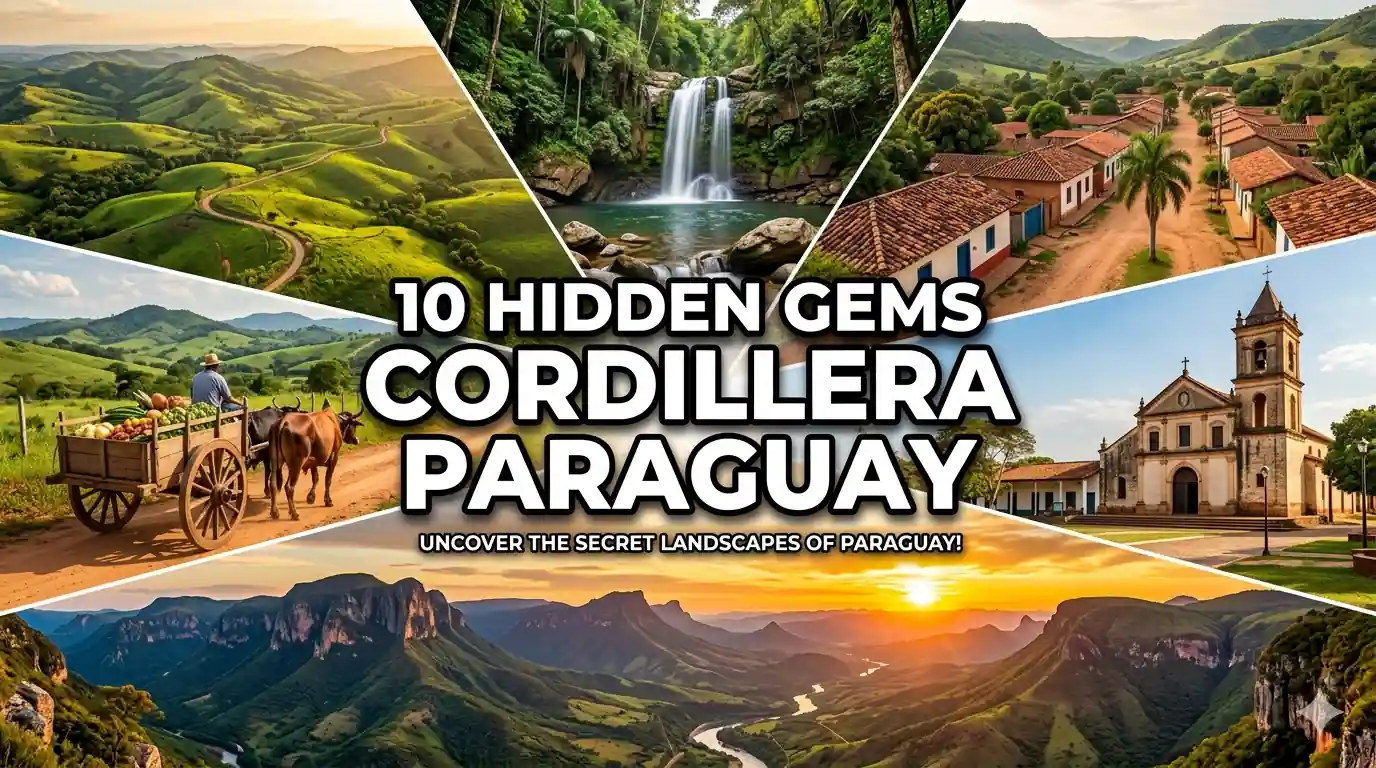
Discover the Secret Treasures of Cordillera Department Paraguay
The Cordillera Department of Paraguay remains one of South America's best-kept secrets, a region where rolling hills meet traditional culture, colonial heritage blends with indigenous roots, and natural beauty unfolds around every bend. Located just northeast of Asuncion, this mountainous region offers travelers an authentic glimpse into Paraguay's soul, far from the crowded tourist trails that define more famous destinations. While most visitors to Paraguay focus on Asuncion's urban attractions or the remote wildlife of the Gran Chaco, the Cordillera Department waits quietly, offering ten extraordinary hidden gems that showcase the very best of Paraguayan culture, history, and natural splendor.
This comprehensive guide reveals ten remarkable destinations within Cordillera that deserve far more attention than they currently receive. From charming colonial towns perched on hilltops to cascading waterfalls hidden in lush forests, from artisan villages preserving centuries-old crafts to scenic viewpoints offering panoramic vistas of Paraguay's interior, these hidden gems provide unforgettable experiences for adventurous travelers. Whether you are a nature enthusiast seeking hiking trails through pristine landscapes, a culture lover interested in traditional Paraguayan life, or a history buff exploring colonial architecture and Jesuit heritage, the Cordillera Department delivers diverse experiences that will enrich your understanding of this fascinating South American nation.
The region's name, Cordillera, meaning mountain range in Spanish, perfectly describes its distinctive topography. Unlike the flat plains that characterize much of Paraguay, this department features gentle hills, verdant valleys, and elevations that provide cooler temperatures and refreshing breezes, making it an ideal escape from the heat of Asuncion or the lowlands. The area's rich soil supports agriculture, particularly strawberry farming, while its forests harbor diverse wildlife and its rivers create picturesque waterfalls and swimming holes. Local communities maintain strong traditions, from the intricate lace-making of Tobati to the religious festivals that draw pilgrims from across the country, offering visitors authentic cultural encounters rarely found in more commercialized destinations.
Understanding Cordillera Department Geography and Culture

Before exploring the ten hidden gems, understanding the Cordillera Department's geography, history, and cultural significance enhances appreciation for these special places. The department covers approximately 4,948 square kilometers and borders Central Department to the south, Paraguarí to the southwest, Caaguazú to the east, and Presidente Hayes across the Paraguay River to the west. Its capital, Caacupé, serves as Paraguay's spiritual heart, home to the revered Basilica that draws millions of pilgrims annually, though our focus here centers on lesser-known destinations beyond this famous religious center.
The region's history stretches back to pre-Columbian times when Guarani indigenous peoples inhabited these hills and valleys. Spanish colonization in the 16th and 17th centuries brought Jesuit missionaries who established reductions throughout the area, blending European religious practices with Guarani culture and creating the unique cultural synthesis that defines Paraguay today. The colonial era left architectural treasures in the form of churches, chapels, and traditional houses, many of which survive in remarkably preserved condition in smaller towns where modernization has progressed slowly and respectfully.
Cordillera's economy traditionally centers on agriculture, with farmers cultivating strawberries, sugarcane, mandioca, and various fruits in the fertile volcanic soil. Artisan crafts represent another important economic and cultural activity, with communities specializing in pottery, lace-making, woodworking, and textile production using techniques passed down through generations. This commitment to traditional crafts makes the region particularly rewarding for travelers interested in authentic cultural experiences and unique souvenirs that support local economies rather than mass-produced tourist trinkets.
Hidden Gem Number 1: Altos Colonial Town and Cerro Kõi

Altos stands as one of Paraguay's oldest cities, founded in 1538, making it older than Asuncion itself. Despite this remarkable historical significance, Altos remains surprisingly quiet and undervisited, preserving an authentic colonial atmosphere that larger, more touristy cities have lost. The town's historic center features well-preserved colonial architecture, cobblestone streets, and the impressive San Lorenzo Church, which dates to the 18th century and showcases beautiful baroque elements blended with indigenous artistic influences.
Beyond the colonial town center, Altos offers the spectacular Cerro Kõi, a mountain rising to 650 meters that provides the highest viewpoint in the Cordillera region. The hike to the summit takes approximately 45 minutes through native forest and represents a moderate challenge rewarded with breathtaking 360-degree views stretching across multiple departments on clear days. From the top, you can see the rolling hills of Cordillera, the distant Paraguay River, and on exceptionally clear days, even glimpse the outskirts of Asuncion some 60 kilometers away.
The mountain holds cultural and spiritual significance for local communities, with small shrines and crosses marking the trail. Early morning hikes offer the best visibility and coolest temperatures, plus opportunities to hear the dawn chorus of tropical birds including toucans, parrots, and numerous songbirds. Local guides available in Altos can enhance your experience by pointing out medicinal plants, explaining the mountain's history, and sharing legends about the cerro. After your hike, explore Altos' local markets selling fresh strawberries, homemade jams, and traditional crafts at prices far below Asuncion's tourist shops.
Hidden Gem Number 2: Atyra Waterfalls and Natural Pools

Atyra, a small town approximately 80 kilometers from Asuncion, conceals one of Cordillera's most beautiful natural attractions: a series of pristine waterfalls and natural swimming pools nestled in lush forest. While Paraguay lacks the dramatic mountain ranges of neighboring countries, the Cordillera region's modest elevations create charming cascades that provide refreshing escapes from tropical heat and opportunities for nature immersion away from crowds.
The main waterfall, Salto Atyra, drops approximately 8 meters into a crystal-clear pool perfect for swimming. The surrounding forest provides natural shade, creating a peaceful atmosphere where the only sounds are cascading water and bird calls. Multiple smaller cascades upstream offer additional exploration opportunities, each with its own character and swimming holes. The water remains cool year-round, fed by underground springs and rainfall collected in the hills above.
Reaching the waterfalls requires a 20-minute hike from Atyra's center through countryside paths and forest trails. The journey itself proves rewarding, passing small farms, fruit trees, and opportunities to observe rural Paraguayan life. Local children often serve as informal guides, happy to show visitors the way in exchange for small tips or simply the pleasure of practicing Spanish with foreigners. Once at the falls, you will find basic facilities including changing areas and small vendors selling refreshments, though bringing your own supplies ensures you have preferred snacks and drinks.
Atyra also offers cultural attractions including traditional pottery workshops where artisans create functional and decorative pieces using techniques unchanged for centuries. The town's weekly market on Sundays brings together farmers and craftspeople from surrounding areas, offering authentic local products and opportunities to practice Spanish with friendly residents curious about visitors to their quiet town.
Hidden Gem Number 3: Tobati Artisan Village and Lace-Making Tradition

Tobati represents a living museum of Paraguayan artisan traditions, particularly renowned for its exquisite ñandutí lace, a delicate spiderweb-like textile that requires extraordinary patience and skill to create. This small town has preserved its cultural heritage with remarkable dedication, making it an essential stop for travelers interested in traditional crafts and authentic cultural experiences that support local communities directly.
Ñandutí, meaning spiderweb in Guarani, features intricate radial patterns resembling delicate lace doilies but created using a complex technique involving a circular frame and fine thread. Each piece represents dozens or even hundreds of hours of meticulous work, with master craftswomen passing techniques from mother to daughter over generations. In Tobati, you can visit workshops and family homes where women create these beautiful textiles, observe the process firsthand, and purchase authentic pieces at fair prices that directly benefit the artisans rather than middlemen.
Beyond ñandutí, Tobati offers pottery workshops creating traditional ceramic pieces, woodcarving studios producing religious figures and decorative items, and textile artisans weaving on traditional looms. The town's small museum displays historical examples of local crafts and explains their cultural significance, while the central plaza features a charming colonial church and peaceful surroundings perfect for contemplation.
Visiting Tobati provides meaningful cultural exchange opportunities. Many artisans speak limited English but communicate warmly through gestures and shared appreciation for their craft. Purchasing directly from creators ensures your money supports traditional livelihoods and helps preserve these important cultural practices for future generations. The town also offers simple accommodation options for travelers wishing to extend their stay and participate in craft workshops, learning basic techniques to create your own souvenir.
Hidden Gem Number 4: San Bernardino Lakeside Charm Beyond the Crowds

San Bernardino, Paraguay's most famous beach resort town on Lake Ypacaraí, typically attracts crowds of Asuncion residents on weekends and holidays. However, this popular destination conceals hidden gems that most visitors miss, particularly if you explore beyond the main beach area and visit during weekday mornings when tranquility reigns.
The historic center of San Bernardino features beautiful early 20th-century architecture reflecting its heyday as a fashionable retreat for Asuncion's elite. German and Italian immigrants who settled in the area influenced the architectural style, creating a unique blend of European and Paraguayan design elements. Stroll through residential streets to discover charming houses with distinctive features, some over a century old, many still occupied by descendants of original families.
While the main beach draws crowds, several smaller beaches and swimming areas around Lake Ypacaraí remain quieter and equally beautiful. Playa San José, located a few kilometers from town center, offers peaceful swimming, kayaking opportunities, and lovely sunset views with far fewer people than the main beach. Local fishermen operate from this area, and you can sometimes purchase fresh fish directly from them, which lakeside restaurants will prepare for a small fee.
The hills surrounding San Bernardino provide excellent hiking and mountain biking trails with panoramic lake views. Cerro Lambaré, not to be confused with the hill of the same name near Asuncion, offers a challenging climb rewarded with spectacular vistas of the entire lake and surrounding countryside. Birdwatchers will appreciate the area's diverse avian population, including herons, kingfishers, and various waterfowl that inhabit the lake's shores and islands.
Hidden Gem Number 5: Emboscada Historical Prison and Forest Reserve

Emboscada, whose name means ambush in Spanish, holds a fascinating and somewhat dark place in Paraguayan history. Founded in the 18th century as a settlement for indigenous people and later used as a prison colony during various periods of Paraguayan history, this town preserves important historical sites while offering access to beautiful natural areas that remain largely unexplored by tourists.
The historical prison complex, now partially converted into a museum, tells the story of Emboscada's role in Paraguayan history. During the dictatorship of José Gaspar Rodríguez de Francia in the early 19th century, the town served as a place of exile for political prisoners and foreign residents deemed suspicious. Later periods saw it used for various penal purposes, and the remaining structures provide insight into Paraguay's complex and sometimes difficult historical narrative.
Beyond its historical significance, Emboscada offers access to the Mbaracayú Forest Reserve extension, a protected area preserving remnants of Atlantic Forest, one of the world's most endangered biomes. Though smaller than the famous Mbaracayú Reserve in Canindeyú Department, this area harbors impressive biodiversity including howler monkeys, toucans, armadillos, and numerous plant species. Well-marked trails allow for self-guided exploration, though hiring a local guide enhances the experience by helping spot wildlife and explaining the ecological significance of what you are seeing.
The town itself maintains a quiet, authentic atmosphere with friendly residents, traditional architecture, and a pleasant central plaza. Local restaurants serve typical Paraguayan cuisine at reasonable prices, and small shops sell regional products including honey, preserves, and handicrafts. Emboscada makes an excellent base for exploring this part of Cordillera, with simple but comfortable accommodation options available for travelers seeking to move beyond day-trip tourism.
Hidden Gem Number 6: Isla Puku River Island Paradise

Isla Puku, a river island in the Ypacaraí Lake system accessible from Cordillera Department, represents one of the region's most unique and least-visited natural attractions. This island paradise offers a glimpse into traditional river island life, pristine natural beauty, and recreational opportunities that remain virtually unknown to international tourists.
Reaching Isla Puku requires arranging boat transport from small docks near Atyrá or San Bernardino, an adventure in itself that provides beautiful views of the lake and surrounding hills. Local fishermen operate small boats and can transport visitors to the island for modest fees, often combining the trip with fishing tours or island exploration. The journey across the lake offers opportunities to observe water birds, traditional fishing methods, and the changing landscape as you move away from shore.
Once on the island, you will discover a world seemingly untouched by modern tourism. Small communities of families have lived on Isla Puku for generations, maintaining traditional lifestyles centered on fishing, small-scale agriculture, and harvesting natural resources from the island's forests. Residents welcome respectful visitors warmly, often inviting them to share meals featuring fresh fish, locally grown vegetables, and traditional Paraguayan dishes prepared using time-honored recipes.
The island's natural beauty includes pristine beaches perfect for swimming, walking trails through native vegetation, and excellent birdwatching opportunities. Over 100 bird species have been recorded on and around Isla Puku, including colorful tanagers, raptors, waterbirds, and the iconic jabiru stork. The island's isolation has preserved its ecosystems in remarkably healthy condition, making it valuable for conservation and rewarding for nature enthusiasts.
Hidden Gem Number 7: Itacurubí de la Cordillera Strawberry Capital

Itacurubí de la Cordillera earns fame as Paraguay's strawberry capital, and visiting during harvest season from September to November provides a delightful agricultural tourism experience rarely available to international visitors. This small town's economy and culture revolve around strawberry cultivation, and the community enthusiastically shares this heritage with travelers interested in authentic rural experiences.
During harvest season, the countryside around Itacurubí transforms into a patchwork of strawberry fields where families work together to pick the sweet, fragrant berries that have made the region famous. Many farms welcome visitors for pick-your-own experiences, allowing you to fill baskets with fresh strawberries while learning about cultivation techniques from local farmers. The experience proves particularly rewarding for families with children, though travelers of all ages enjoy the simple pleasure of harvesting fruit directly from the plants.
Beyond fresh strawberries, Itacurubí produces an array of strawberry-derived products including jams, jellies, wines, liqueurs, candies, and even strawberry-based cosmetics. Small family-run shops throughout town sell these products at prices far below what similar items cost in Asuncion's supermarkets, and the quality reflects traditional production methods and fresh, local ingredients. Sampling these products before purchasing helps you discover favorites and supports local producers directly.
The town hosts an annual Strawberry Festival in November, celebrating the harvest with music, dance, food, and competitions for the best strawberries and strawberry products. While this event draws domestic tourists, international visitors remain rare, creating opportunities for genuine cultural exchange. The festival showcases traditional Paraguayan music and dance, local cuisine, and the community's pride in their agricultural heritage.
Hidden Gem Number 8: Ybycuí National Park Extension and Waterfalls

While Ybycuí National Park technically sits in Paraguarí Department, its northern extension reaches into Cordillera, offering spectacular hiking trails, waterfalls, and historical sites that few tourists explore. This area represents some of the best-preserved Atlantic Forest remaining in Paraguay, with towering trees, diverse wildlife, and refreshing streams creating an oasis of natural beauty.
The park's trail system ranges from easy walks suitable for families to challenging hikes requiring good fitness levels. The Sendero Agua Azul trail leads to a series of beautiful waterfalls and natural pools where you can swim in cool, clear water surrounded by lush vegetation. The main waterfall drops approximately 15 meters into a large pool perfect for swimming, while smaller cascades upstream offer additional exploration opportunities and quieter spots for relaxation.
Wildlife viewing opportunities abound in Ybycuí, with howler monkeys frequently heard and often seen in the forest canopy, colorful toucans and parrots flying overhead, and if you are lucky and patient, perhaps glimpses of more elusive species like ocelots, tapirs, or giant anteaters. The park's rangers can provide information about recent wildlife sightings and recommend the best trails for animal observation. Dawn and dusk offer the highest activity levels for most species.
Historical interest complements natural beauty in Ybycuí, where ruins of 19th-century iron foundries recall Paraguay's industrial development during the presidency of Carlos Antonio López. These historical structures, now partially reclaimed by forest, provide fascinating exploration opportunities and context for understanding Paraguay's economic and technological history. Interpretive signs in Spanish explain the significance of these sites, and park rangers can provide additional information for interested visitors.
Hidden Gem Number 9: Loma Grande Scenic Viewpoints and Rural Life

Loma Grande, whose name literally means big hill, lives up to its title with elevations providing some of Cordillera's most spectacular panoramic views. This area remains virtually unknown to international tourists despite its accessibility and natural beauty, making it a true hidden gem for travelers seeking authentic experiences away from any tourist infrastructure.
The viewpoints around Loma Grande offer sweeping vistas across the Cordillera Department's characteristic rolling hills, patchwork farmland, and distant mountain ranges. On clear days, you can see for dozens of kilometers in every direction, watching clouds cast moving shadows across the landscape and observing the changing light as day progresses. Sunrise and sunset prove particularly magical, painting the sky in brilliant colors and transforming the hills into layers of blue and purple silhouettes.
Reaching these viewpoints requires local knowledge or a guide, as roads are often unmarked dirt tracks passing through private property. However, local residents generally welcome respectful visitors and can provide directions or even guide you to the best spots. The journey itself proves rewarding, passing through traditional farming communities where you can observe rural Paraguayan life continuing much as it has for generations.
Loma Grande's agricultural landscape changes with the seasons, offering different visual experiences throughout the year. Strawberry fields, sugarcane plantations, orchards, and pastureland create a mosaic of colors and textures that shift as crops are planted, grow, and are harvested. Photographers will find endless subjects, from sweeping landscapes to intimate details of rural life, traditional architecture, and working farms.
Hidden Gem Number 10: Colonia Independencia Off the Grid Adventure

Colonia Independencia represents the frontier spirit of Cordillera Department, a remote settlement where modern conveniences remain limited but natural beauty and authentic rural experiences abound. This truly off-the-grid destination suits adventurous travelers seeking to disconnect from technology and reconnect with nature and simple living.
The journey to Colonia Independencia itself becomes part of the adventure, requiring travel on unpaved roads that can be challenging during rainy seasons but reward travelers with beautiful scenery and opportunities to observe wildlife along the way. The settlement consists of scattered farms and small homesteads where families live largely self-sufficient lives, raising animals, growing food, and maintaining traditions that urban Paraguay has largely forgotten.
Accommodation options in Colonia Independencia are basic but authentic, with some families offering simple rooms or space for camping to respectful travelers. These are not hotels but genuine opportunities to experience rural Paraguayan hospitality, sharing meals with host families, learning about traditional farming methods, and perhaps helping with daily chores if you are interested and able.
Natural attractions around Colonia Independencia include pristine streams perfect for swimming, forest trails teeming with birds and other wildlife, and viewpoints offering solitude and spectacular scenery. The area's isolation has preserved ecosystems in excellent condition, making it valuable for conservation and rewarding for nature enthusiasts. Night skies here remain gloriously dark, free from light pollution, offering spectacular stargazing opportunities rarely available in more developed areas.
Practical Travel Information for Cordillera Department

Visiting these ten hidden gems requires some planning but rewards travelers with authentic experiences far from Paraguay's typical tourist circuit. The Cordillera Department remains easily accessible from Asuncion, with most destinations reachable within 2 to 3 hours by bus or car, though road conditions vary and some remote areas require 4WD vehicles particularly during rainy season from October to March.
Public transportation connects major towns like San Bernardino, Altos, Atyrá, and Tobati, with buses departing regularly from Asuncion's main bus terminal. However, reaching more remote destinations like Isla Puku, Loma Grande viewpoints, or Colonia Independencia requires private transportation, hired guides, or joining organized tours. Renting a car in Asuncion provides maximum flexibility, though drivers should be comfortable with variable road conditions and limited signage in rural areas.
Accommodation options throughout Cordillera range from simple family-run guesthouses to comfortable hotels in larger towns. While luxury resorts exist in San Bernardino, most destinations offer basic but clean and welcoming lodging at reasonable prices. Booking in advance proves advisable for weekends and holidays when domestic tourists visit, though weekdays generally offer availability without reservations. In remote areas like Colonia Independencia, arrangements must be made in advance through local contacts or tour operators.
The best time to visit Cordillera depends on your interests. September to November offers pleasant temperatures, blooming flowers, and strawberry harvest season in Itacurubí. December to February brings warmer weather perfect for swimming in waterfalls and lakes but also increased rainfall and humidity. March to May provides comfortable temperatures and fewer tourists, while June to August offers the coolest, driest weather ideal for hiking though evenings can be chilly in the hills.
Cultural Etiquette and Responsible Tourism in Cordillera
Visiting Cordillera's hidden gems responsibly ensures these special places remain preserved for future generations while providing economic benefits to local communities. The region's residents generally welcome tourists warmly, but showing respect for local customs, environment, and culture enhances your experience and creates positive interactions.
Always ask permission before photographing people, particularly in rural communities and indigenous areas. While many residents happily pose for photos, others prefer not to be photographed, and respecting these preferences demonstrates cultural sensitivity. Learning basic Spanish phrases proves essential, as English is rarely spoken outside major hotels in San Bernardino. Even simple greetings and expressions of gratitude in Spanish open doors to warmer reception and richer interactions.
Support local economies by purchasing directly from artisans, eating at family-run restaurants, and using local guides rather than international tour companies when possible. This ensures your tourism spending benefits the communities you visit rather than leaking out to distant corporate headquarters. When visiting natural areas, follow leave-no-trace principles: pack out all trash, stay on marked trails, avoid disturbing wildlife, and respect private property boundaries.
Environmental conservation matters greatly in Cordillera, where deforestation and development pressures threaten the very landscapes and ecosystems that attract visitors. Choose tour operators and accommodations demonstrating environmental responsibility, minimize plastic use by carrying reusable water bottles and bags, and consider offsetting your travel carbon footprint through donations to local conservation organizations working to protect Cordillera's remaining forests and biodiversity.
Conclusion Your Cordillera Adventure Awaits
The ten hidden gems of Cordillera Department revealed in this guide represent just the beginning of what this remarkable region offers adventurous travelers. From the colonial charm of Altos and artisan traditions of Tobati to the natural beauty of Atyrá's waterfalls and Isla Puku's island paradise, from agricultural experiences in Itacurubí's strawberry fields to remote adventures in Colonia Independencia, Cordillera provides diverse experiences that showcase the very best of Paraguay's culture, history, and natural heritage.
These destinations remain hidden not because they lack appeal but because Paraguay itself stays off most international tourists' radar, and even within Paraguay, Cordillera receives less attention than Asuncion or the Jesuit missions. This relative obscurity proves fortunate for travelers seeking authentic experiences, as it means you can explore beautiful places without crowds, engage in genuine cultural exchange with welcoming residents, and discover the Paraguay that exists beyond guidebook highlights.
Planning your Cordillera adventure requires some research and flexibility, but the rewards far exceed the effort. Whether you have one week to explore a few highlights or two weeks to immerse yourself deeply in the region's offerings, these ten hidden gems provide a framework for an unforgettable journey into Paraguay's heart. Pack your bags, bring your sense of adventure, and prepare to discover why Cordillera Department deserves recognition as one of South America's most rewarding hidden destinations.
0 Comments