.webp)
.webp)
Why Dinajpur Bangladesh is a Hidden Gem for History Enthusiasts
Uncovering Northern Bangladeshs Most Underrated Historical Treasure
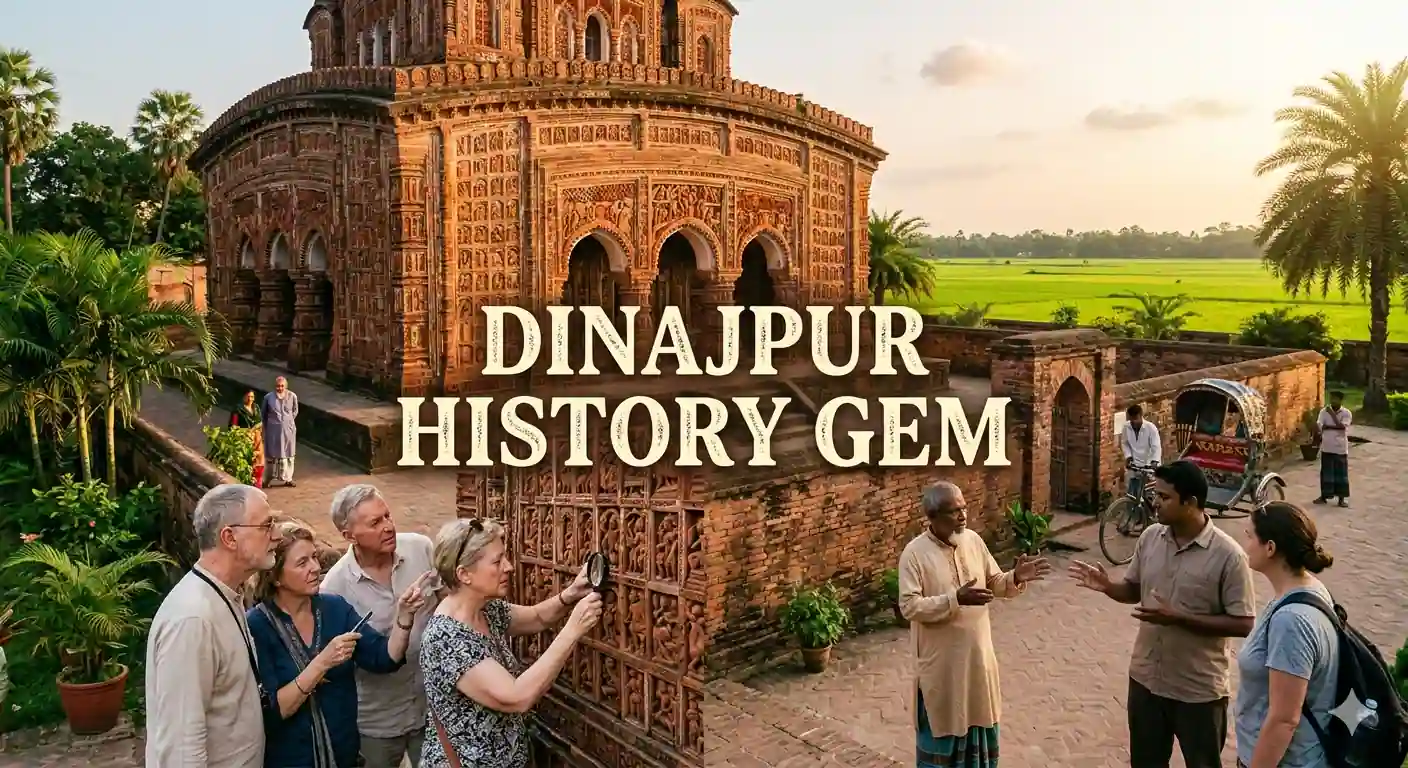
Dinajpur, a district in northern Bangladesh's Rangpur division, represents one of South Asia's most overlooked destinations for history enthusiasts seeking authentic archaeological experiences beyond the typical tourist circuit. This region preserves extraordinary examples of medieval Bengali architecture, ancient Buddhist settlements, and colonial-era heritage that collectively tell the story of Bengal's rich cultural evolution over two millennia. The crown jewel, Kantajew Temple, features the world's most extensive collection of terracotta plaques depicting Hindu mythology, rural life, and geometric patterns—a artistic achievement comparable to India's Khajuraho temples yet visited by a fraction of the international tourists.
For history-focused travelers, Dinajpur offers exceptional value with entrance fees ranging from $0.50-$2 USD at major sites, guided tours available for $15-$40 USD per day, and budget accommodations from $12-$35 USD per night. The optimal visiting window spans November through February, when cool, dry weather (55-75°F / 13-24°C) facilitates comfortable exploration of outdoor archaeological sites. Reaching Dinajpur from Dhaka takes approximately 6-8 hours by road (250 miles / 400 km) or 4-5 hours by train, making it an accessible yet uncrowded alternative to Bangladesh's more frequented heritage destinations.
Why Dinajpur Deserves Recognition Among History Enthusiasts
Dinajpur's historical significance stems from its strategic position along ancient trade routes connecting Bengal to Tibet, Nepal, and Central Asia. Archaeological evidence suggests human settlement in the region dates back to the 4th century BCE, with successive layers of Buddhist, Hindu, and Islamic civilizations leaving indelible marks on the landscape. Unlike more commercialized heritage sites, Dinajpur's monuments remain largely uncommercialized, allowing visitors to engage with history in an intimate, contemplative manner rarely possible at crowded UNESCO World Heritage locations.
The region's terracotta temple architecture represents a distinctive Bengali artistic tradition that flourished between the 16th and 19th centuries under the patronage of local zamindars (landlords). These structures feature intricate clay panels fired at high temperatures, depicting scenes from the Ramayana, Mahabharata, Krishna Leela, and everyday rural life. The craftsmanship demonstrates sophisticated understanding of narrative composition, anatomical detail, and decorative geometry that rivals contemporary European Renaissance art in technical accomplishment.
For travelers researching broader Bangladesh heritage circuits, consulting the complete Bangladesh travel master guide reveals how Dinajpur complements visits to Bagerhat's Sixty Dome Mosque, Paharpur's Buddhist vihara, and Mahasthangarh's ancient citadel, creating a comprehensive understanding of Bengal's multi-religious historical tapestry.
Kantajew Temple: The Crown Jewel of Bengali Terracotta Art
The Kantajew Temple (also spelled Kantaji or Kantajiu), constructed between 1752 and 1775 CE by Maharaja Pran Nath of the Dinajpur Raj family, stands as Bangladesh's most magnificent example of late medieval Hindu temple architecture. Dedicated to Lord Krishna and his consort Rukmini, the temple exemplifies the navaratna (nine-tower) style characteristic of Bengal's late Hindu architectural tradition, though only the central tower remains intact following earthquake damage in 1897.
The temple's exterior walls feature approximately 2,000 terracotta plaques arranged in horizontal registers, each panel measuring roughly 9x6 inches. These plaques depict:
- Mythological Narratives: Scenes from Krishna's life, including his childhood pranks, romantic episodes with Radha, and heroic deeds from the Mahabharata
- Secular Life: Depictions of rural occupations, market scenes, musical performances, and domestic activities offering invaluable insights into 18th-century Bengali society
- Geometric and Floral Patterns: Intricate borders and decorative motifs demonstrating sophisticated understanding of mathematical proportion and aesthetic balance
- Architectural Elements: Miniature representations of contemporary buildings, palaces, and temples providing architectural historians with valuable comparative data
Visitors should allocate 1.5-2 hours for a thorough exploration of the temple complex, including the main shrine, surrounding courtyard, and adjacent museum displaying additional terracotta artifacts. The temple remains open daily from 8:00 AM to 5:00 PM, with entrance fees of approximately $0.50 USD for foreign tourists. Photography is permitted without flash inside the temple, though visitors should remove footwear and dress modestly as a sign of respect.
For travelers interested in comparative terracotta architecture, the Kantajew Temple terracotta artistry guide provides detailed analysis of artistic techniques, historical context, and photography tips for capturing the intricate plaque details.
Beyond Kantajew: Other Historical Sites Worth Exploring in Dinajpur
While Kantajew Temple attracts the majority of heritage tourists, Dinajpur district preserves numerous other historically significant sites that reward the curious traveler willing to venture beyond the main attraction.
Nayabad Mosque (1793 CE): Located approximately 12 kilometers from Dinajpur town, this Mughal-era mosque exemplifies the synthesis of Islamic architectural principles with Bengali building traditions. The structure features three domes, ornamental terracotta decoration, and a spacious prayer hall capable of accommodating 200 worshippers. Unlike more famous Mughal monuments in Dhaka or Gaur, Nayabad Mosque receives minimal tourist traffic, allowing for contemplative exploration without crowds.
Ramsagar Dighi and Surrounding Archaeological Remains: This massive artificial tank, excavated in the 18th century by Raja Ram Nath, measures approximately 100 acres and represents one of Bangladesh's largest historical water management projects. The tank's embankments preserve archaeological evidence of settlement patterns, while nearby ruins include foundations of palaces, temples, and administrative buildings from the Dinajpur Raj period.
Ghoraghat Fort Ruins: Located near the Bangladeshi-Indian border, these remnants of a 16th-century Mughal military outpost offer insights into the region's strategic importance during the Mughal conquest of Bengal. Though largely ruined, the site's earthworks, moat systems, and scattered architectural fragments reward archaeological enthusiasts willing to engage with less-preserved heritage.
Local Museums and Collections: Dinajpur Town Museum and private collections maintained by local historical societies preserve artifacts, manuscripts, and photographs documenting the region's evolution. These resources provide valuable context for understanding the monuments and often feature knowledgeable curators willing to share specialized knowledge with serious researchers.
For travelers planning comprehensive northern Bangladesh heritage circuits, the Bogura gateway to northern Bangladesh history article outlines logical routing strategies that connect Dinajpur with Mahasthangarh, Paharpur, and other significant archaeological sites in the region.
Practical Logistics: Reaching and Navigating Dinajpur
Successful exploration of Dinajpur's historical sites requires understanding transportation options, accommodation choices, and local infrastructure. While the region remains less developed for tourism than Dhaka or Cox's Bazar, basic amenities are readily available for independent travelers.
Transportation from Dhaka:
| Mode | Duration | Cost (USD) | Frequency | Best For |
| AC Bus | 6-8 hours | $8-$15 | Multiple daily departures | Budget travelers, flexibility |
| Train | 4-5 hours | $5-$12 | 2-3 daily services | Scenic travel, comfort |
| Private Car | 5-6 hours | $60-$90 | On-demand | Groups, time-sensitive travel |
| Domestic Flight + Road | 3-4 hours total | $40-$70 | Limited flights to Saidpur | Time-constrained travelers |
Local Transportation in Dinajpur:
- Auto-rickshaws: Abundant and affordable for short distances within Dinajpur town; negotiate fares before boarding
- Cycle-rickshaws: Eco-friendly option for exploring the town center; ideal for short heritage walks
- Local buses: Connect Dinajpur town to surrounding villages and archaeological sites; very economical but require local language skills
- Private car hire: Available through hotels or travel agencies for day trips to Nayabad Mosque, Ramsagar, and Ghoraghat; costs approximately $25-$40 USD per day including driver
Accommodation Options:
| Category | Examples | Price Range (USD/night) | Amenities | Best For |
| Budget | Hotel Green Castle, Dinajpur Rest House | $12-$25 | Basic room, fan, shared bathroom | Backpackers, short stays |
| Mid-Range | Hotel Supreme, Dinajpur International Hotel | $30-$50 | AC room, private bathroom, WiFi, restaurant | Comfort-seeking travelers |
| Upscale | Hotel Orchard Park, Dinajpur Resort | $55-$85 | Premium room, room service, conference facilities | Business travelers, extended stays |
For travelers seeking comprehensive Bangladesh travel planning resources, the ultimate Dhaka travel guide provides valuable context for understanding transportation connections between the capital and northern heritage destinations like Dinajpur.
Optimal Timing and Seasonal Considerations for Heritage Exploration
Dinajpur's tropical monsoon climate significantly impacts the comfort and feasibility of outdoor historical site exploration. Strategic timing enhances both visitor experience and photographic opportunities.
Seasonal Breakdown:
| Season | Months | Temperature Range | Rainfall | Heritage Exploration Suitability |
| Cool Dry | Nov-Feb | 55-75°F (13-24°C) | Minimal | Excellent: Ideal conditions for extended outdoor exploration |
| Hot Dry | Mar-May | 70-95°F (21-35°C) | Low | Good: Early morning/late afternoon visits recommended |
| Monsoon | Jun-Oct | 75-88°F (24-31°C) | Heavy | Moderate: Potential site closures; lush scenery but travel disruptions |
Photography Considerations:
- Golden Hour Lighting: Kantajew Temple's terracotta plaques display optimal detail and color during early morning (7:00-9:00 AM) and late afternoon (3:00-5:00 PM) when low-angle sunlight accentuates relief details
- Monsoon Atmosphere: While challenging for photography, the monsoon season creates dramatic cloud formations and lush green backdrops that can enhance artistic compositions
- Festival Timing: Visiting during Hindu festivals like Durga Puja (September-October) or Krishna Janmashtami (August-September) offers opportunities to photograph temple rituals and cultural performances, though crowds increase significantly
For travelers interested in Bangladesh's seasonal patterns, consulting the Bangladesh travel guide helps align Dinajpur visits with optimal weather conditions across the country.
Budget Planning: Costs for History-Focused Travel in Dinajpur
Understanding expense categories helps travelers allocate resources effectively while maximizing historical exploration opportunities.
Daily Cost Breakdown (Per Person):
| Expense Category | Budget Traveler | Mid-Range Traveler | Comfort Traveler |
| Accommodation | $12-$25 | $30-$50 | $55-$85 |
| Meals (3 meals) | $6-$12 | $15-$25 | $30-$50 |
| Local Transportation | $3-$8 | $10-$20 | $25-$40 |
| Site Entrance Fees | $1-$3 | $1-$3 | $1-$3 |
| Guide Services (optional) | $0 (self-guided) | $15-$25 | $30-$40 |
| Miscellaneous | $3-$7 | $10-$20 | $20-$35 |
| Total Daily Cost | $25-$58 | $81-$143 | $161-$253 |
Money-Saving Strategies:
- Combine Sites: Visit multiple historical attractions in a single day to maximize transportation costs
- Local Eateries: Eat at small, family-run restaurants rather than hotel restaurants for authentic cuisine at 50-70% lower cost
- Group Transportation: Share private car hire costs with fellow travelers for day trips to surrounding sites
- Off-Peak Travel: Visit during shoulder seasons (March or October) for lower accommodation rates while maintaining acceptable weather
- Student Discounts: Many historical sites offer reduced entrance fees for students with valid identification
For budget-conscious travelers exploring Bangladesh, the cash and ATM withdrawal guide provides practical advice for managing finances in regions with limited banking infrastructure.
Cultural Etiquette and Respectful Heritage Tourism Practices
Engaging respectfully with Dinajpur's historical sites and local communities enhances the travel experience while preserving cultural integrity for future visitors.
Temple and Mosque Etiquette:
- Footwear: Remove shoes before entering religious structures; carry a small bag for storing footwear
- Dress Code: Wear modest clothing covering shoulders and knees; carry a scarf for additional coverage if needed
- Photography: Ask permission before photographing worshippers or religious ceremonies; avoid using flash inside temples
- Behavior: Maintain quiet reverence in sacred spaces; avoid touching religious artifacts or architectural elements
- Donations: Small contributions to temple maintenance funds are appreciated but never obligatory
Community Interaction Guidelines:
- Language: Learning basic Bengali greetings (nomoshkar for hello, dhonnobad for thank you) demonstrates respect and facilitates warmer interactions
- Photography Consent: Always request permission before photographing local residents, especially in rural villages surrounding historical sites
- Purchasing Crafts: Support local artisans by purchasing authentic terracotta replicas or traditional textiles; negotiate prices respectfully
- Environmental Responsibility: Carry out all waste; avoid leaving litter at archaeological sites or natural areas
For travelers interested in Bangladesh cultural norms, the solo travel in Bangladesh guide offers additional insights into navigating social interactions respectfully.
Combining Dinajpur with Broader Northern Bangladesh Heritage Circuits
Maximizing historical exploration value involves strategic itinerary planning that connects Dinajpur with complementary heritage destinations in northern Bangladesh.
Recommended 5-Day Northern Heritage Itinerary:
Day 1: Arrival and Kantajew Temple
- Morning: Arrive Dinajpur, check into accommodation
- Afternoon: Explore Kantajew Temple with local guide; focus on terracotta plaque narratives
- Evening: Sunset photography at temple courtyard; dinner at local restaurant
Day 2: Nayabad Mosque and Ramsagar
- Morning: Visit Nayabad Mosque; examine Mughal-Bengali architectural synthesis
- Afternoon: Explore Ramsagar Dighi and surrounding archaeological remains
- Evening: Visit Dinajpur Town Museum; review regional historical context
Day 3: Ghoraghat Fort and Border Region
- Morning: Day trip to Ghoraghat Fort ruins; examine Mughal military architecture
- Afternoon: Explore border region markets; observe cross-cultural interactions
- Evening: Return to Dinajpur; relax and review photographs
Day 4: Extension to Mahasthangarh or Paharpur
- Full-day excursion to Mahasthangarh (ancient Pundranagara) or Paharpur Buddhist vihara
- Compare architectural styles and historical periods across northern Bangladesh
- Evening: Return to Dinajpur or continue to next destination
Day 5: Departure or Extension
- Morning: Final exploration of Dinajpur town; purchase souvenirs
- Afternoon: Depart for Dhaka or continue to other Bangladesh destinations
For travelers planning comprehensive Bangladesh journeys, the Mahasthangarh ruins guide provides essential context for understanding how Dinajpur's heritage fits within Bangladesh's broader historical narrative.
Photography and Documentation Tips for Heritage Sites
Capturing Dinajpur's historical treasures requires technical preparation and cultural sensitivity to produce meaningful visual records.
Equipment Recommendations:
- Camera: DSLR or mirrorless camera with manual controls for optimal terracotta detail capture
- Lenses: 24-70mm zoom for architectural context; 50mm or 100mm macro for plaque detail shots
- Tripod: Essential for low-light interior shots and golden hour exterior photography
- Polarizing Filter: Reduces glare on terracotta surfaces and enhances color saturation
- Backup Storage: Multiple memory cards and portable hard drive for protecting irreplaceable images
Photography Techniques for Terracotta Art:
| Challenge | Solution | Camera Settings |
| Low relief detail | Side lighting at 45-degree angle | Aperture f/8-f/11, ISO 100-400 |
| Color accuracy | Shoot in RAW format; custom white balance | RAW+JPEG, manual white balance |
| Large wall coverage | Panoramic stitching technique | Manual exposure lock, tripod head with panorama scale |
| Interior low light | Tripod with slow shutter speeds | Aperture f/5.6-f/8, ISO 400-1600, shutter 1/30-2 seconds |
Ethical Documentation Practices:
- Respect no-photography zones in active religious spaces
- Avoid using flash near fragile terracotta surfaces to prevent thermal stress
- Share photographs responsibly, emphasizing historical appreciation rather than sensationalism
- Consider contributing images to heritage documentation projects that support conservation efforts
For photographers seeking additional Bangladesh heritage subjects, the Sixty Dome Mosque guide offers complementary techniques for documenting Islamic architectural heritage.
Conservation Challenges and Responsible Tourism Contributions
Dinajpur's historical sites face ongoing conservation challenges that responsible tourism can help address through informed visitor behavior and financial support.
Primary Conservation Concerns:
- Environmental Degradation: Monsoon rains, humidity fluctuations, and biological growth threaten terracotta plaque integrity
- Human Impact: Unrestricted visitor access, inappropriate touching, and graffiti accelerate deterioration
- Resource Limitations: Limited conservation funding and technical expertise constrain preservation efforts
- Urban Development: Expanding infrastructure and agriculture encroach on archaeological site boundaries
How Visitors Can Support Conservation:
- Follow Designated Paths: Stay on marked walkways to minimize ground disturbance around archaeological features
- Respect Barriers: Observe protective fencing and signage designed to safeguard fragile elements
- Financial Contributions: Pay entrance fees willingly; consider additional donations to site maintenance funds
- Knowledge Sharing: Report conservation concerns to site managers; share responsible tourism practices with fellow travelers
- Advocacy: Support organizations working to preserve Bangladesh's cultural heritage through awareness-raising and responsible travel choices
For travelers interested in sustainable heritage tourism, the Bangladesh travel guide highlights additional heritage sites where responsible visitor behavior directly supports conservation outcomes.
Conclusion: Why Dinajpur Deserves a Place on Every History Enthusiasts Itinerary
Dinajpur represents more than just a collection of historical monuments—it offers a profound opportunity to engage with Bengal's rich cultural evolution through authentic, uncrowded, and deeply meaningful encounters with the past. The region's terracotta temples, Mughal mosques, and archaeological remains tell stories of artistic achievement, religious synthesis, and community resilience that resonate across centuries and cultures.
For history enthusiasts weary of overcrowded UNESCO sites and commercialized heritage experiences, Dinajpur provides a refreshing alternative: monuments that invite contemplation rather than hurried photography, local communities that welcome curious travelers rather than viewing them as revenue sources, and historical narratives that challenge simplistic understandings of South Asian cultural development.
By visiting Dinajpur thoughtfully—respecting cultural protocols, supporting conservation efforts, and engaging deeply with the region's historical significance—travelers contribute to preserving these irreplaceable treasures for future generations while creating personal memories that extend far beyond typical tourist experiences. The intricate terracotta plaques of Kantajew Temple, the serene courtyards of Nayabad Mosque, and the evocative ruins of Ghoraghat Fort await those willing to venture beyond Bangladesh's well-trodden tourist paths.
As you plan your South Asian heritage journey, make space for Dinajpur. Allocate time for contemplative exploration, engage with local knowledge holders, and allow the region's historical richness to reshape your understanding of Bengal's cultural legacy. In doing so, you'll discover why this hidden gem deserves recognition among the world's most rewarding destinations for history enthusiasts.
Ready to uncover Dinajpur's historical treasures? Plan your northern Bangladesh heritage journey today and experience the region's extraordinary terracotta artistry, architectural synthesis, and cultural depth firsthand.
0 Comments