.webp)
.webp)
The Ultimate Dhaka Travel Guide 2026: Navigating the Rickshaw Capital of the World
Introduction: Welcome to Dhaka – A City of Contrasts and Chaos
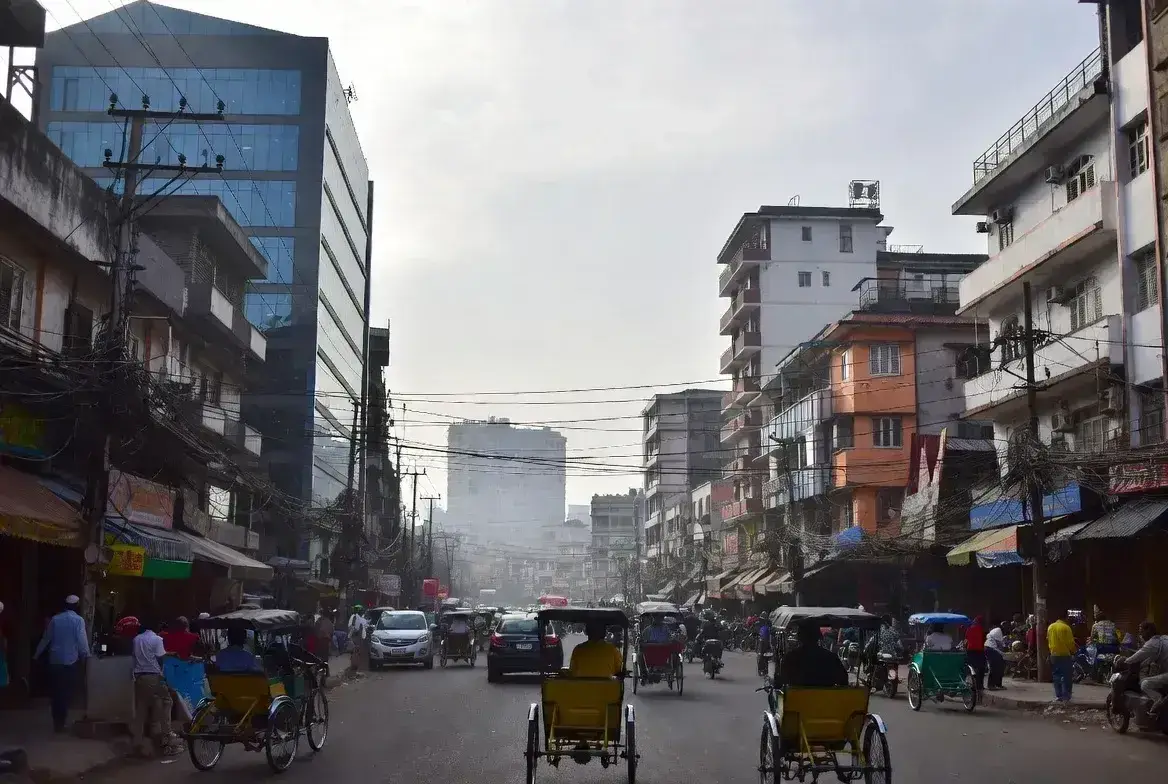
Dhaka, the vibrant capital of Bangladesh, is a city that defies simple description. It's a place where ancient traditions collide with modern aspirations, where serene mosques stand beside bustling markets, and where the colorful chaos of rickshaw-filled streets creates a symphony of urban life unlike anywhere else on Earth. As the rickshaw capital of the world, Dhaka boasts over 400,000 cycle rickshaws navigating its crowded thoroughfares, each one a rolling canvas of hand-painted art depicting everything from Bollywood stars to pastoral landscapes.
With a metropolitan population exceeding 22 million people, Dhaka is one of the world's megacities, yet it retains an intimate charm that captivates travelers willing to look beyond the initial sensory overload. This is a city of warm hospitality, incredible food, rich history spanning over 400 years, and a resilience that shines through in the smiles of its residents.
This comprehensive travel guide for 2026 will equip you with everything you need to navigate Dhaka confidently, from understanding the intricate rickshaw network to discovering hidden culinary gems, from exploring Mughal-era monuments to experiencing the cutting-edge cultural scene of modern Bangladesh. Whether you're a seasoned traveler or embarking on your first South Asian adventure, this guide will help you unlock the secrets of one of the world's most fascinating and misunderstood cities.
Why Visit Dhaka in 2026?

Dhaka is experiencing a renaissance. The city is undergoing significant infrastructure development, including the expansion of its metro rail system, improved road networks, and the restoration of historical sites. In 2026, Dhaka is more accessible and visitor-friendly than ever before, while still maintaining its authentic character.
The city offers travelers a genuine, unfiltered experience of South Asian urban life. Unlike more touristy destinations in the region, Dhaka remains relatively undiscovered by mass tourism, meaning you'll experience authentic interactions with locals, discover places untouched by commercialization, and contribute directly to the local economy through your travels.
Bangladesh's rich cultural heritage, from its UNESCO World Heritage Sites to its vibrant contemporary arts scene, is increasingly gaining international recognition. The country's incredible natural beauty, including the world's largest mangrove forest (the Sundarbans) and the longest natural sea beach (Cox's Bazar), makes Dhaka an ideal base for exploring diverse landscapes.
Moreover, visiting Dhaka in 2026 means experiencing a city on the rise. Bangladesh's economy is one of the fastest-growing in the world, and this energy is palpable in Dhaka's streets, cafes, and cultural spaces. You'll witness a society balancing tradition and modernity, creating a dynamic atmosphere that's both exciting and inspiring.
Best Time to Visit Dhaka

Understanding Dhaka's climate is crucial for planning your visit. The city experiences a tropical monsoon climate with three distinct seasons, each offering different advantages for travelers.
Winter (November to February): This is unequivocally the best time to visit Dhaka. Temperatures range from 12°C to 25°C (54°F to 77°F), making outdoor exploration comfortable. The humidity is lower, the skies are clearer, and the city hosts numerous cultural festivals during this period. This is peak tourist season, so expect slightly higher accommodation prices, but the pleasant weather more than compensates.
Spring (March to May): Temperatures begin to rise, reaching 30-35°C (86-95°F) by May. Humidity increases, but this season offers fewer crowds and lower prices. If you can handle the heat, spring is a good time to visit, especially early in the season. The city comes alive with colorful celebrations during Pohela Boishakh (Bengali New Year) in mid-April.
Monsoon (June to October): This season brings heavy rainfall, high humidity, and temperatures around 28-32°C (82-90°F). While the rain can disrupt travel plans, the monsoon transforms Dhaka into a lush, green city with a unique atmosphere. Prices are at their lowest, and you'll experience the city like a local. Just be prepared for occasional flooding and carry appropriate rain gear.
For the optimal balance of good weather, cultural events, and manageable crowds, plan your visit between November and February, with December and January being particularly ideal.
Getting to Dhaka

By Air: Hazrat Shahjalal International Airport (DAC) is Bangladesh's main international gateway, located about 15 kilometers north of the city center. The airport has undergone significant upgrades in recent years and now handles numerous international carriers. Major airlines connecting Dhaka include Emirates, Qatar Airways, Singapore Airlines, Turkish Airlines, Biman Bangladesh Airlines, and various regional carriers.
Upon arrival, you can obtain a visa on arrival if eligible (check current requirements based on your nationality), or use the e-visa system available for many countries. The airport has ATMs, currency exchange facilities, and SIM card vendors, making it convenient to get set up immediately.
By Land: Dhaka is connected to neighboring India and Myanmar by road, though border crossings can be time-consuming. The most popular land route is from Kolkata, India, via the Haridaspur-Benapole border crossing. Several bus companies operate comfortable overnight services between Kolkata and Dhaka, taking approximately 12-15 hours including border formalities.
By River: While not a common option for international travelers, river cruises operate on various routes within Bangladesh and can be a scenic way to reach Dhaka from other parts of the country.
Getting Around Dhaka: Mastering the Rickshaw Capital

Navigating Dhaka's streets is an adventure in itself. The city's transportation network is diverse, chaotic, and uniquely Bangladeshi. Here's your comprehensive guide to getting around:
Rickshaws: The iconic cycle rickshaw is Dhaka's most popular mode of transport for short to medium distances. With over 400,000 rickshaws plying the streets, you're never far from one. Rickshaws are affordable (typically 50-200 BDT for short rides), eco-friendly, and offer an intimate way to experience the city.
To ride a rickshaw, simply flag one down on the street. Always negotiate the fare before starting your journey, as most rickshaw pullers don't use meters. Learn a few Bengali phrases like "Koto taka?" (How much?) and "Kom koren" (Reduce the price) to help with negotiations. For tourists, fares are often quoted higher, so don't hesitate to bargain politely.
Rickshaw art is an integral part of Dhaka's cultural identity. Each rickshaw is uniquely decorated with vibrant paintings, mirrors, and ornamental designs. Take time to appreciate these mobile art galleries as you travel through the city.
Ride-Sharing Apps: For a more comfortable and predictable experience, use ride-sharing apps like Pathao, Uber, and Obhai. These services offer cars, motorcycles, and even rickshaws through their apps. Prices are fixed, payment can be made digitally or in cash, and drivers are vetted. This is particularly useful for longer distances or when traveling at night.
CNG Auto-Rickshaws: These three-wheeled vehicles run on compressed natural gas and are faster than cycle rickshaws. They're ideal for medium distances and can carry 3-4 passengers. Like cycle rickshaws, negotiate fares in advance, though some now have meters.
Buses: Dhaka's bus network is extensive but can be challenging for first-time visitors. Buses are very affordable (20-50 BDT) but often overcrowded and don't follow strict schedules. If you're adventurous and want to travel like a local, buses can be a fun experience. Ask your hotel staff or a local for help identifying the right route.
Metro Rail: Dhaka's metro rail system, which began operations in recent years, is expanding rapidly. The MRT Line 6 connects Uttara in the north to Motijheel in the south, providing a fast, air-conditioned alternative to road transport. This is an excellent option for avoiding traffic congestion, especially during peak hours.
Taxis: Traditional taxis are less common than ride-sharing services but are still available. They're more expensive than rickshaws but offer comfort and air conditioning. Always agree on a fare before starting your journey or insist on using the meter.
Traffic Reality: Dhaka is notorious for its traffic congestion. Plan extra time for all journeys, especially during rush hours (8-10 AM and 5-8 PM). What looks like a short distance on a map can take an hour or more in traffic. The metro rail is your best bet for timely travel during peak hours.
Where to Stay in Dhaka: Neighborhoods and Accommodations

Dhaka offers diverse accommodation options across various neighborhoods, each with its own character and advantages:
Gulshan: This is Dhaka's diplomatic and upscale residential area, popular with expatriates and business travelers. Gulshan offers high-end hotels, international restaurants, shopping malls, and a relatively quieter atmosphere. It's well-connected to other parts of the city and considered one of the safer areas. Expect to pay premium prices here.
Banani: Adjacent to Gulshan, Banani is slightly more affordable while still offering good amenities. It's a commercial and residential area with numerous hotels, restaurants, and cafes. Banani is popular with mid-range travelers and offers a good balance of comfort and value.
Dhanmondi: This is one of Dhaka's most vibrant neighborhoods, known for its lakeside park, cultural scene, and diverse dining options. Dhanmondi attracts students, artists, and young professionals, giving it a bohemian atmosphere. It's an excellent choice for travelers wanting to experience local life while maintaining comfort.
Old Dhaka: For the adventurous traveler, staying in Old Dhaka offers an immersive historical experience. You'll be surrounded by Mughal-era architecture, bustling markets, and authentic street food. However, facilities are basic, and the area can be noisy and crowded. Consider staying here for a night or two to experience the old city's charm.
Motijheel: As Dhaka's central business district, Motijheel is convenient for business travelers and those wanting to be near major transportation hubs. The area has numerous mid-range hotels and is well-connected, though it lacks the charm of other neighborhoods.
Accommodation Types: Dhaka offers everything from luxury international hotels (The Peninsula, InterContinental, Westin) to boutique hotels, guesthouses, and budget hostels. In 2026, the city has seen growth in quality mid-range options offering good value. Booking platforms like Booking.com and Agoda work well in Dhaka, though local hotels may offer better rates if booked directly.
Top Attractions and Things to Do in Dhaka

Lalbagh Fort: This 17th-century Mughal fort complex is one of Dhaka's most significant historical sites. Though unfinished, the fort showcases exquisite Mughal architecture, including the tomb of Pari Bibi, the Diwan-i-Aam (public audience hall), and a mosque. The fort's gardens and underground passages add to its mystique. Allocate 2-3 hours to explore properly.
Ahsan Manzil (Pink Palace): Once the residence of the Dhaka Nawab family, this stunning pink-domed palace on the banks of the Buriganga River is now a museum. The Indo-Saracenic architecture, grand staircase, and museum exhibits showcasing the Nawab family's history make this a must-visit. The palace is particularly beautiful at sunset.
National Parliament House (Jatiya Sangsad Bhaban): Designed by renowned architect Louis Kahn, this is one of the 20th century's most significant architectural achievements. The building's geometric design, use of light and space, and integration with water features create a serene, monumental complex. Foreign visitors can tour the building with prior arrangement.
Sadarghat River Port: One of the world's busiest river ports, Sadarghat is a sensory overload in the best possible way. Watch hundreds of boats load and unload, browse the floating markets, and take a river cruise on the Buriganga. The chaos, colors, and energy here encapsulate Dhaka's spirit. Visit early morning or late afternoon for the best experience.
Star Mosque (Tara Masjid): This early 19th-century mosque is adorned with intricate star motifs and Japanese ceramic tiles. The beautiful blend of Mughal and Japanese design elements makes it architecturally unique. It's smaller than other mosques but equally captivating.
Dhakeshwari National Temple: As Bangladesh's national temple, this Hindu shrine dates back to the 12th century. The temple complex showcases traditional Bengali architecture and provides insight into the country's religious diversity. It's an important spiritual site and a peaceful retreat from the city's bustle.
Liberation War Museum: This museum documents Bangladesh's 1971 Liberation War through photographs, documents, weapons, and personal artifacts. It's an essential visit for understanding Bangladesh's history and the sacrifices made for independence. The museum is well-curated and emotionally powerful.
Botanical Garden and National Zoo: Located in Mirpur, these adjacent attractions offer a green escape from the urban chaos. The botanical garden features diverse plant species and peaceful walking paths, while the zoo houses Bangladesh's native wildlife. It's a popular spot for families and nature lovers.
Rickshaw Art Tour: Dedicate time to appreciating Dhaka's famous rickshaw art. Visit the Drik Gallery or take a guided tour to learn about this unique art form. Some workshops allow you to try painting rickshaw art yourself, creating a memorable souvenir.
Shopping in New Market: This sprawling market complex is a shopper's paradise offering everything from clothing and electronics to spices and handicrafts. Bargaining is essential, and the experience is as much about the atmosphere as the purchases.
Dhaka's Culinary Scene: A Food Lover's Paradise

Bangladeshi cuisine is a revelation for food lovers, characterized by its use of fish, rice, lentils, and aromatic spices. Dhaka's food scene ranges from humble street stalls to upscale restaurants, offering something for every palate and budget.
Must-Try Dishes:
Hilsa Fish Preparations: As Bangladesh's national fish, hilsa (ilish) is prepared in numerous ways. Try "Ilish Bhapa" (steamed hilsa with mustard), "Ilish Paturi" (hilsa wrapped in banana leaves), or simple fried hilsa. The fish's distinctive flavor is an acquired taste but beloved by locals.
Biryani: Dhaka's biryani, particularly the Kacchi Biryani, is legendary. This dish layers marinated meat (usually goat or beef) with fragrant rice, potatoes, and aromatic spices, then slow-cooks it to perfection. Haji Biryanee and Fakhruddin Biryanee are famous establishments.
Panta Ilish: This traditional dish of fermented rice soaked in water, served with fried hilsa, pickles, and green chilies, is a Bengali delicacy, especially popular during Pohela Boishakh (Bengali New Year).
Fuchka: Bangladesh's version of pani puri, fuchka consists of crispy hollow shells filled with spiced potatoes and chickpeas, then dunked in tangy tamarind water. This is the ultimate street food snack.
Kabab: Dhaka's kababs, particularly seekh kabab and reshmi kabab, are succulent and flavorful. Visit traditional kabab houses in Old Dhaka for an authentic experience.
Sweets: No meal is complete without Bengali sweets. Try rosogolla, mishti doi (sweet yogurt), sandesh, and jilapi. Old Dhaka's sweet shops are institutions that have operated for generations.
Where to Eat:
Street Food: Don't miss the street food scene. Areas like New Market, Dhanmondi, and Old Dhaka offer incredible street food. Look for busy stalls with high turnover to ensure freshness.
Traditional Restaurants: Establishments like Star Kabab, Nanna Biryanee, and Kasturi offer authentic Bangladeshi cuisine in comfortable settings.
Fine Dining: For upscale dining, try The Atrium, Bay's Leaf, or 98 Degrees, which offer both local and international cuisine.
Cafes: Dhaka's cafe culture is thriving. Coffee World, North End Coffee Roasters, and numerous independent cafes offer great coffee and light meals.
Shopping in Dhaka: From Traditional Crafts to Modern Malls

Dhaka offers diverse shopping experiences, from traditional bazaars to modern shopping malls:
Traditional Crafts: Bangladesh is famous for its handloom textiles, particularly jamdani sarees, nakshi kantha (embroidered quilts), and shital pati (cool mats). Visit Aarong, a fair-trade organization with multiple outlets, for quality handicrafts at fixed prices.
New Market: This massive market complex is where locals shop for everything. Bargaining is essential, and the experience can be overwhelming but rewarding.
Bashundhara City: One of South Asia's largest shopping malls, Bashundhara City offers international brands, restaurants, and entertainment facilities. It's a stark contrast to traditional markets but provides a comfortable shopping experience.
Bangla Bazaar: For books, particularly Bengali literature, Bangla Bazaar is the place to go. You'll find new and used books at competitive prices.
Day Trips from Dhaka

Sonar Gaon: This artisan village near Dhaka showcases traditional crafts and rural Bangladeshi life. It's a peaceful escape from the city.
Savar: Home to the National Martyrs' Memorial, Savar is about 35 kilometers from Dhaka. The memorial commemorates those who died in the Liberation War.
Sundarbans: While the full Sundarbans experience requires multiple days, some operators offer day trips to the edge of the mangrove forest. For a proper visit, plan at least 2-3 days.
Cultural Etiquette and Practical Tips

Dress Code: Bangladesh is a conservative Muslim-majority country. Dress modestly, particularly when visiting religious sites. Shoulders and knees should be covered. Women may want to carry a scarf for mosque visits.
Greetings: A simple "Assalamu Alaikum" (peace be upon you) is appreciated. Handshakes are common, but wait for women to extend their hand first. The traditional greeting is "Namaskar" with hands pressed together.
Photography: Always ask permission before photographing people, especially women. Photography is prohibited in some government buildings and military areas.
Ramadan: If visiting during Ramadan, be respectful of those fasting. Avoid eating, drinking, or smoking in public during daylight hours.
Safety and Health Considerations

Dhaka is generally safe for tourists, but take standard precautions:
Personal Safety: Petty crime like pickpocketing can occur in crowded areas. Keep valuables secure and be aware of your surroundings. Avoid walking alone at night in unfamiliar areas.
Traffic Safety: Dhaka's traffic is chaotic. Be extremely careful when crossing streets. Use pedestrian bridges where available.
Health: Drink only bottled or purified water. Avoid ice in drinks. Eat at busy establishments where food turnover is high. Consider travel insurance that covers medical evacuation.
Air Quality: Dhaka's air quality can be poor, particularly during the dry season. Those with respiratory issues should take precautions.
Budget and Money Matters

Bangladesh's currency is the Bangladeshi Taka (BDT). As of 2026, exchange rates are approximately:
1 USD = 110-120 BDT
1 EUR = 120-130 BDT
1 GBP = 140-150 BDT
Daily Budget:
- Budget traveler: 1,500-2,500 BDT ($13-22 USD)
- Mid-range traveler: 3,000-6,000 BDT ($26-52 USD)
- Luxury traveler: 8,000+ BDT ($70+ USD)
- 👉 How to Get Temporary Tajik Driving Permit for US Tourists 2026
- 👉 TURKEY VISA REQUIREMENTS 2026: OFFICIAL TOURIST AND E-VISA GUIDE
- 👉 Ritz-Carlton Astana Five Day Luxury Itinerary Kazakhstan
ATMs are widely available in Dhaka, particularly in Gulshan, Banani, and Dhanmondi. International cards (Visa, Mastercard) are accepted at most ATMs and larger establishments, though cash is king in markets and smaller shops.
Communication and Connectivity

Purchasing a local SIM card is highly recommended. Major operators include Grameenphone, Robi, Banglalink, and Teletalk. You'll need your passport and a passport-sized photo to purchase a SIM. Tourist SIM packages offer good data rates.
Free WiFi is available in most hotels, cafes, and restaurants, though speeds can vary.
Conclusion: Embracing the Dhaka Experience

Dhaka is not a city that reveals its charms easily. It demands patience, curiosity, and an open mind. The initial sensory overload—the cacophony of rickshaw bells, the density of crowds, the intensity of street life—can be overwhelming. But those who persevere discover a city of remarkable warmth, resilience, and beauty.
In 2026, Dhaka stands at an exciting crossroads, honoring its rich heritage while embracing modernity. The city's infrastructure improvements make it more accessible than ever, yet it retains the authentic character that makes it special. From the Mughal monuments of Old Dhaka to the contemporary art galleries of Dhanmondi, from the spiritual serenity of ancient temples to the kinetic energy of Sadarghat, Dhaka offers layers of experience that reward the intrepid traveler.
The people of Dhaka are the city's greatest asset. Despite the challenges of urban life, Dhaka's residents are known for their hospitality, generosity, and pride in their culture. They're eager to share their city with visitors who approach with respect and genuine interest.
As you navigate the rickshaw-filled streets, savor the complex flavors of Bengali cuisine, and witness the daily rhythms of this megacity, you'll understand why Dhaka captivates those who take the time to know it. This is a city that challenges preconceptions, expands perspectives, and leaves an indelible mark on all who visit.
Your journey through Dhaka in 2026 will be more than just a trip; it will be an education in resilience, a celebration of culture, and an adventure that reminds you of travel's transformative power. Embrace the chaos, appreciate the contrasts, and allow Dhaka to surprise you. The rickshaw capital of the world awaits, ready to share its stories, its flavors, and its unforgettable spirit.
0 Comments