.webp)
.webp)
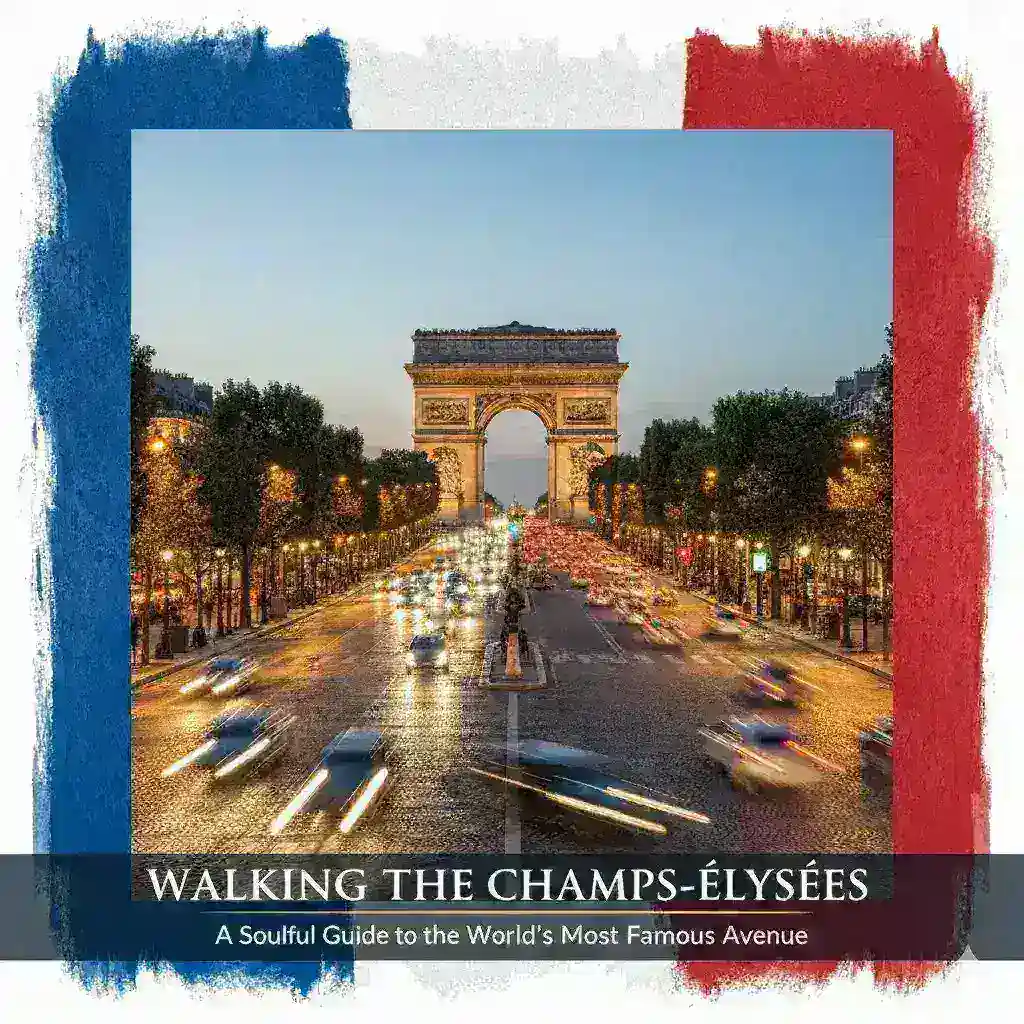
Walking the Champs-Élysées: A Soulful Guide to the World's Most Famous Avenue
There are streets in the world that are merely pathways from one place to another, and then there are avenues that become destinations in themselves—living, breathing symbols of a city's soul. The Champs-Élysées belongs unequivocally to the latter category. Stretching 1.9 kilometers (1.2 miles) from the Place de la Concorde to the Arc de Triomphe, this iconic Parisian boulevard has captivated travelers, artists, and dreamers for centuries. As we wander its tree-lined expanse in 2026, the Champs-Élysées continues to embody the essence of Paris: elegance, history, culture, and an unmistakable je ne sais quoi that defies translation but touches the heart.
Walking the Champs-Élysées is more than a tourist activity; it is a sensory journey through French history, a celebration of Parisian lifestyle, and an opportunity to experience one of the world's most photographed streets in all its seasonal splendor. From the grandeur of its architecture to the charm of its café terraces, from luxury boutiques to historic theaters, every step along this famous avenue tells a story. Whether you're strolling at dawn when the city is quiet, basking in the golden light of late afternoon, or marveling at the avenue illuminated by festive lights during the holiday season, the Champs-Élysées offers moments of beauty that linger long after you've left Paris.
This soulful master guide invites you to experience the Champs-Élysées not just as a checklist of sights, but as a living tapestry of Parisian life. We'll explore its rich history, highlight must-see landmarks, reveal hidden gems known mostly to locals, and provide practical tips for making the most of your walk. Whether you're a first-time visitor to Paris or a seasoned traveler returning to fall in love with the city again, this guide will help you discover the magic that makes the Champs-Élysées truly the world's most famous avenue.
A Journey Through Time: The History of the Champs-Élysées
To truly appreciate walking the Champs-Élysées, one must understand the layers of history embedded in its cobblestones and facades. The avenue's story begins in the 17th century, when landscape architect André Le Nôtre, famous for designing the gardens of Versailles, extended the Tuileries Garden westward in 1667. He created a grand promenade lined with elm trees, originally called Cours la Reine, which offered Parisians a fashionable place to stroll and be seen.
The name Champs-Élysées—meaning "Elysian Fields" in reference to the paradise of Greek mythology—was adopted in 1709, reflecting the avenue's aspirational character. Throughout the 18th and 19th centuries, the Champs-Élysées evolved from a simple tree-lined path into the grand boulevard we know today. Gas lamps were installed in 1828, making it one of the first streets in Paris to be illuminated at night. The avenue became a symbol of modernity and progress.
The mid-19th century brought transformative changes under Baron Haussmann, whose ambitious urban renewal project reshaped Paris. The Champs-Élysées was widened, its sidewalks expanded, and elegant buildings constructed in the neoclassical style that defines much of central Paris today. The avenue became the stage for parades, celebrations, and public gatherings, cementing its role as France's premier ceremonial boulevard.
During the 20th century, the Champs-Élysées witnessed pivotal moments in French history. It was the route of victory parades after both World Wars, the site of celebrations and protests, and a backdrop for countless cultural moments. Today, while it has embraced modern commerce and tourism, the avenue retains its historic grandeur, offering visitors a tangible connection to centuries of Parisian life.
Planning Your Walk: Route and Practical Tips
Walking the Champs-Élysées is deceptively simple—the avenue is straight and easy to navigate—but thoughtful planning enhances the experience significantly.
The Classic Route: Most visitors walk the Champs-Élysées from east to west, starting at Place de la Concorde and ending at the Arc de Triomphe. This direction offers the dramatic reveal of the Arc as your destination, building anticipation with each step. However, walking west to east provides equally beautiful perspectives, with the obelisk of Place de la Concorde framing your journey's end.
Distance and Duration: The full length of the Champs-Élysées is 1.9 kilometers (1.2 miles). A leisurely walk without stops takes approximately 25-30 minutes. However, to truly experience the avenue—browsing shops, enjoying a café, photographing landmarks—allow at least 2-3 hours. If you plan to visit attractions like the Grand Palais or climb the Arc de Triomphe, budget half a day.
Best Times to Walk:
- Early Morning (7:00-9:00 AM): Experience the avenue in peaceful tranquility before crowds arrive. Soft morning light is ideal for photography, and you'll witness Parisians beginning their day with croissants and coffee.
- Late Afternoon (4:00-6:00 PM): Golden hour bathes the avenue in warm light, creating magical photo opportunities. Café terraces come alive with aperitif culture.
- Evening (After 8:00 PM): The Champs-Élysées transforms at night, with illuminated storefronts, monuments, and street lamps creating a romantic atmosphere. Perfect for a post-dinner stroll.
- Seasonal Considerations: Spring and autumn offer pleasant temperatures and fewer crowds. Summer brings long days but more tourists. Winter features festive lights and Christmas markets, though weather can be chilly.
- 👉 Lisbon: Exploring the City of the Seven Hills
- 👉 ETIAS Poland 2026: Mandatory for US & UK Travelers
- 👉 10 things that shock Americans about Irish driving laws and narrow roads.
Getting There: The Champs-Élysées is easily accessible via Paris's excellent public transportation:
- Metro: Lines 1 and 13 to Champs-Élysées-Clemenceau; Line 1, 2, or 6 to Charles de Gaulle-Étoile (Arc de Triomphe)
- RER: Line A to Charles de Gaulle-Étoile
- Bus: Lines 28, 32, 42, 52, 73, 80, 83 serve various points along the avenue
- 👉 Lisbon: Exploring the City of the Seven Hills
- 👉 ETIAS Poland 2026: Mandatory for US & UK Travelers
- 👉 10 things that shock Americans about Irish driving laws and narrow roads.
Comfort Tips: Wear comfortable walking shoes—the avenue's sidewalks are wide but can be busy. Bring a light jacket even in summer, as Parisian evenings can be cool. Carry a reusable water bottle; public fountains with potable water are available throughout the city.
Landmarks and Attractions Along the Avenue
The Champs-Élysées is dotted with iconic landmarks that merit attention during your walk. Here are the must-see stops from Place de la Concorde to the Arc de Triomphe.
Place de la Concorde (Eastern Terminus): Your walk begins at one of Paris's most significant squares. The Luxor Obelisk, a 3,300-year-old Egyptian monument gifted to France in 1833, stands at the center. The square's fountains, designed by Jacques-Ignace Hittorff, are magnificent, especially when illuminated at night. Historically, this was the site of the guillotine during the French Revolution—a sobering reminder of the avenue's complex past.
Grand Palais and Petit Palais: Just off the Champs-Élysées on Avenue Winston Churchill, these two Beaux-Arts masterpieces were built for the 1900 Exposition Universelle. The Grand Palais, currently undergoing restoration, features a stunning glass dome and hosts major art exhibitions. The Petit Palais, home to the City of Paris Museum of Fine Arts, offers free admission to its permanent collection and a charming café in its interior garden.
Théâtre Marigny and Théâtre du Rond-Point: These historic theaters represent Paris's rich performing arts tradition. Even if you don't attend a performance, their elegant facades contribute to the avenue's cultural atmosphere.
Place Charles de Gaulle and the Arc de Triomphe (Western Terminus): Your walk culminates at the majestic Arc de Triomphe, commissioned by Napoleon in 1806. Climbing to the top (284 steps) rewards you with panoramic views of Paris, including the Champs-Élysées stretching eastward like a grand green carpet. The Tomb of the Unknown Soldier beneath the arch, with its eternal flame rekindled daily at 6:30 PM, offers a moment for solemn reflection.
Hidden Architectural Details: As you walk, look up. The buildings lining the Champs-Élysées feature ornate facades, wrought-iron balconies, and sculptural details that reward careful observation. Many date to the Haussmann era and showcase the neoclassical style that defines Parisian architecture.
Café Culture: Experiencing Parisian Life
No walk along the Champs-Élysées is complete without experiencing its legendary café culture. The avenue's terraces offer front-row seats to Parisian life, where locals and visitors mingle over coffee, pastries, and conversation.
Iconic Cafés:
- Café de Flore and Les Deux Magots: While technically on Boulevard Saint-Germain, these literary cafés are worth a short detour. Historically frequented by Hemingway, Sartre, and de Beauvoir, they embody Paris's intellectual heritage.
- Ladurée Champs-Élysées: Famous for its exquisite macarons, this elegant tearoom offers a quintessentially Parisian experience. The pastel-colored interior and delicate pastries make it perfect for a sweet break.
- Le Fouquet's: A historic brasserie at the corner of Avenue George V, Le Fouquet's has hosted celebrities and politicians since 1899. Its Art Nouveau facade and classic French menu offer a taste of old-world glamour.
- Starbucks Reserve Roastery: For a modern twist, this expansive location offers specialty coffee and a rooftop terrace with views of the Arc de Triomphe.
- 👉 Lisbon: Exploring the City of the Seven Hills
- 👉 ETIAS Poland 2026: Mandatory for US & UK Travelers
- 👉 10 things that shock Americans about Irish driving laws and narrow roads.
Café Etiquette: In Paris, café culture is about lingering, not rushing. Order a café (espresso), café allongé (Americano), or café crème (coffee with milk) and enjoy it at the terrace. People-watching is a cherished pastime—observe the elegant Parisians, the bustling tourists, and the street performers who add color to the scene.
Seasonal Specialties: In spring, try a café glacé (iced coffee). In autumn, savor a chocolat chaud (hot chocolate) with whipped cream. During the holidays, many cafés offer vin chaud (mulled wine) spiced with cinnamon and orange.
Shopping the Champs-Élysées: From Luxury to Souvenirs
The Champs-Élysées is one of the world's premier shopping destinations, offering everything from haute couture to affordable souvenirs. Understanding the avenue's retail landscape helps you shop wisely.
Luxury Flagships:
- Louis Vuitton: The world's largest Louis Vuitton store occupies a stunning Art Deco building at 101 Champs-Élysées. Even if you're not shopping, the architecture and window displays are worth admiring.
- Cartier: This iconic jewelry house offers exquisite pieces and a beautiful boutique experience.
- Sephora: The flagship Sephora at 70 Champs-Élysées is a beauty lover's paradise, with exclusive products and personalized consultations.
- 👉 Lisbon: Exploring the City of the Seven Hills
- 👉 ETIAS Poland 2026: Mandatory for US & UK Travelers
- 👉 10 things that shock Americans about Irish driving laws and narrow roads.
French Specialty Stores:
- Marionnaud: A French perfume and cosmetics chain offering luxury fragrances at competitive prices.
- Yves Rocher: Known for plant-based skincare, this store offers affordable French beauty products perfect for gifts.
- Fauchon: A gourmet food hall featuring French delicacies, chocolates, and wines—ideal for edible souvenirs.
- 👉 Lisbon: Exploring the City of the Seven Hills
- 👉 ETIAS Poland 2026: Mandatory for US & UK Travelers
- 👉 10 things that shock Americans about Irish driving laws and narrow roads.
Souvenir Shopping: For authentic Parisian souvenirs, seek out smaller boutiques rather than generic tourist shops. Look for:
- Hand-painted Eiffel Tower miniatures from local artisans
- French linen tea towels or tablecloths
- Provençal soaps and lavender products
- Vintage postcards or prints of Paris
- 👉 Lisbon: Exploring the City of the Seven Hills
- 👉 ETIAS Poland 2026: Mandatory for US & UK Travelers
- 👉 10 things that shock Americans about Irish driving laws and narrow roads.
Shopping Tips: Most stores open around 10:00 AM and close between 7:00-8:00 PM. Many close on Sundays, though major retailers on the Champs-Élysées often remain open. Keep receipts for tax-free shopping if you're a non-EU resident—many stores offer VAT refunds for purchases over €100.
Dining Along the Avenue: Culinary Experiences
The Champs-Élysées offers diverse dining options, from quick bites to Michelin-starred excellence. Whether you're craving classic French cuisine or international flavors, you'll find it here.
Classic French Brasseries:
- Le Drugstore: A unique concept combining a bookstore, boutique, and restaurant. The Art Deco interior and classic French menu make it a memorable dining experience.
- L'Atelier de Joël Robuchon: For a Michelin-starred experience, this restaurant offers innovative French cuisine in an intimate setting with counter seating that lets you watch chefs at work.
- 👉 Lisbon: Exploring the City of the Seven Hills
- 👉 ETIAS Poland 2026: Mandatory for US & UK Travelers
- 👉 10 things that shock Americans about Irish driving laws and narrow roads.
Casual Dining:
- Cojean: A healthy fast-casual chain offering fresh salads, soups, and sandwiches—perfect for a quick, nutritious lunch.
- Boulangeries: Grab a fresh croissant, pain au chocolat, or quiche from any local bakery for an authentic, affordable meal on the go.
- 👉 Lisbon: Exploring the City of the Seven Hills
- 👉 ETIAS Poland 2026: Mandatory for US & UK Travelers
- 👉 10 things that shock Americans about Irish driving laws and narrow roads.
International Options: The Champs-Élysées reflects Paris's cosmopolitan character with restaurants serving Italian, Japanese, Middle Eastern, and other cuisines. This diversity ensures that every traveler can find something to suit their palate.
Dining Etiquette: In France, meals are meant to be savored. Lunch typically runs from 12:00-2:00 PM, dinner from 7:30-10:00 PM. Reservations are recommended for popular restaurants, especially on weekends. A simple "Bonjour" when entering and "Merci, au revoir" when leaving is appreciated by staff.
Seasonal Magic: Experiencing the Champs-Élysées Year-Round
The Champs-Élysées transforms with the seasons, offering distinct experiences throughout the year.
Spring (March-May): Chestnut trees lining the avenue burst into bloom, filling the air with a delicate fragrance. Outdoor cafés reopen their terraces, and the light is soft and golden—ideal for photography. The Foire du Trône, a traditional funfair, often sets up nearby in spring.
Summer (June-August): Long days and warm evenings make the Champs-Élysées vibrant and lively. Street performers entertain crowds, and outdoor events like concerts or markets may occur. Bastille Day (July 14) brings a spectacular military parade down the avenue, followed by fireworks visible from many points along the route.
Autumn (September-November): Falling leaves create a romantic atmosphere, and the light takes on a golden hue perfect for photography. Crowds thin after summer, making for a more relaxed experience. The Nuit Blanche arts festival in October sometimes features installations along the avenue.
Winter (December-February): The Champs-Élysées becomes a winter wonderland during the holiday season. From late November through early January, the avenue is adorned with thousands of twinkling lights and festive decorations. A Christmas market at the nearby Tuileries Garden offers crafts, food, and mulled wine. On New Year's Eve, the avenue hosts celebrations with light shows and music.
Special Events: Beyond seasonal changes, the Champs-Élysées hosts notable events:
- Tour de France Finale: Each July, the final stage of the world's most famous cycling race concludes on the Champs-Élysées, with riders circling the Arc de Triomphe amid cheering crowds.
- Paris Fashion Week: During fashion weeks, the avenue becomes a runway of style, with elegant Parisians and international visitors showcasing the latest trends.
- New Year's Celebrations: The avenue is a focal point for Paris's New Year's Eve festivities, with light displays and public gatherings.
- 👉 Lisbon: Exploring the City of the Seven Hills
- 👉 ETIAS Poland 2026: Mandatory for US & UK Travelers
- 👉 10 things that shock Americans about Irish driving laws and narrow roads.
Hidden Gems and Local Secrets
Beyond the famous landmarks and luxury boutiques, the Champs-Élysées holds quieter treasures known mostly to locals.
Jardin des Champs-Élysées: The green spaces flanking the avenue offer peaceful respite from the urban bustle. Find a bench beneath the trees, watch children sail toy boats in the ponds, or simply enjoy a moment of tranquility. The gardens are meticulously maintained and feature sculptures, fountains, and seasonal flower displays.
Small Art Galleries: Tucked between major retailers are intimate galleries showcasing contemporary French art. These spaces often offer free admission and the chance to purchase original works directly from artists.
Historic Plaques: Look for small blue plaques on building facades commemorating notable residents or events. These subtle markers tell stories of writers, artists, and historical moments that shaped the avenue's character.
Side Streets and Passages: Venture briefly onto the smaller streets branching from the Champs-Élysées. Rue de Berri, Rue du Faubourg Saint-Honoré, and Avenue Montaigne offer additional shopping, dining, and architectural delights with fewer crowds.
Street Performers: Musicians, magicians, and living statues often perform along the avenue, particularly on weekends. A small tip is appreciated for their artistry, which adds spontaneous joy to your walk.
Photography Tips: Capturing the Soul of the Avenue
The Champs-Élysées is one of the world's most photographed streets. These tips will help you capture its essence.
Best Vantage Points:
- Place de la Concorde: Shoot eastward to capture the avenue stretching toward the Louvre, with the obelisk framing your composition.
- Arc de Triomphe Rooftop: The panoramic view from the top offers the definitive shot of the Champs-Élysées as a green ribbon leading to the horizon.
- Café Terraces: Capture the quintessential Parisian scene of café tables, elegant passersby, and tree-lined perspectives.
- 👉 Lisbon: Exploring the City of the Seven Hills
- 👉 ETIAS Poland 2026: Mandatory for US & UK Travelers
- 👉 10 things that shock Americans about Irish driving laws and narrow roads.
Lighting Considerations:
- Golden Hour: The hour after sunrise and before sunset provides warm, directional light that enhances architectural details and creates long, dramatic shadows.
- Blue Hour: The period just after sunset, when the sky turns deep blue and monuments are illuminated, offers magical atmospheric shots.
- Overcast Days: Don't dismiss cloudy weather—soft, diffused light is ideal for photographing people and reducing harsh contrasts.
- 👉 Lisbon: Exploring the City of the Seven Hills
- 👉 ETIAS Poland 2026: Mandatory for US & UK Travelers
- 👉 10 things that shock Americans about Irish driving laws and narrow roads.
Composition Techniques:
- Leading Lines: Use the avenue's perspective to draw the viewer's eye toward the Arc de Triomphe or Place de la Concorde.
- Foreground Interest: Include café tables, street lamps, or tree branches in the foreground to add depth to your images.
- Human Element: Capture Parisians going about their day to convey the avenue's living character.
- 👉 Lisbon: Exploring the City of the Seven Hills
- 👉 ETIAS Poland 2026: Mandatory for US & UK Travelers
- 👉 10 things that shock Americans about Irish driving laws and narrow roads.
Etiquette: Always ask permission before photographing individuals up close. Be mindful of your surroundings—don't block sidewalks or entrances while taking photos.
Accessibility and Inclusive Experiences
The Champs-Élysées is committed to welcoming all visitors, regardless of mobility or ability.
Wheelchair Accessibility: Sidewalks along the avenue are wide and generally well-maintained, with curb cuts at intersections. Most major stores, cafés, and attractions are wheelchair accessible, though historic buildings may have limitations. The Arc de Triomphe has an elevator for visitors with reduced mobility (advance notice recommended).
Public Transportation: Metro stations serving the Champs-Élysées have varying levels of accessibility. Charles de Gaulle-Étoile (Arc de Triomphe) has elevators; check the RATP website for current accessibility information.
Restrooms: Public restrooms are available at major metro stations and some cafés. Many cafés will allow customers to use facilities with a small purchase.
Sensory Considerations: The avenue can be busy and noisy, particularly during peak hours and events. If you're sensitive to crowds or sound, visit during early morning or weekday afternoons for a calmer experience.
Safety and Practical Considerations
While the Champs-Élysées is generally safe, basic precautions enhance your experience.
Pickpocket Awareness: Like any major tourist destination, the avenue attracts pickpockets. Keep valuables secure, use crossbody bags, and be vigilant in crowds. Avoid displaying expensive jewelry or electronics unnecessarily.
Traffic Safety: The Champs-Élysées is a busy thoroughfare. Use designated crosswalks and obey traffic signals. Never attempt to cross the roundabout at Place Charles de Gaulle on foot—use the underground passage to reach the Arc de Triomphe.
Scams to Avoid: Be wary of individuals offering "free" bracelets, petitions, or games—these often lead to demands for money. Politely decline and continue walking.
Emergency Contacts: In case of emergency, dial 112 (EU-wide emergency number) or 17 for police. Tourist police stations are located near major attractions and can assist with lost items or other concerns.
Conclusion: The Soul of Paris in Every Step
Walking the Champs-Élysées is more than traversing a famous street—it is an immersion into the heart and soul of Paris. Each cobblestone, each café terrace, each glimpse of the Arc de Triomphe growing closer tells a story of elegance, history, and human connection. The avenue invites you to slow down, to savor the moment, to observe the interplay of light and shadow on Haussmann facades, to listen to the murmur of French conversation, and to feel the pulse of a city that has inspired artists, writers, and dreamers for centuries.
Whether you're strolling at dawn with a fresh croissant, pausing for coffee at a sun-dappled terrace, browsing luxury boutiques, or simply watching the world go by, the Champs-Élysées offers experiences that transcend tourism. It is a place where past and present converge, where grandeur meets intimacy, and where every visitor can find their own Parisian moment.
As you plan your journey to Paris in 2026, make time to walk the Champs-Élysées not as a checklist item, but as a soulful exploration. Let the avenue reveal its secrets at its own pace. Notice the details—the wrought-iron balcony, the scent of fresh bread, the laughter of children in the gardens. These are the moments that transform a walk into a memory, and a memory into a lifelong love affair with Paris.
The Champs-Élysées awaits. Walk with wonder. Paris is yours to discover.
0 Comments