.webp)
.webp)
Travelers Guide to Renting a Car in Baja California Sur
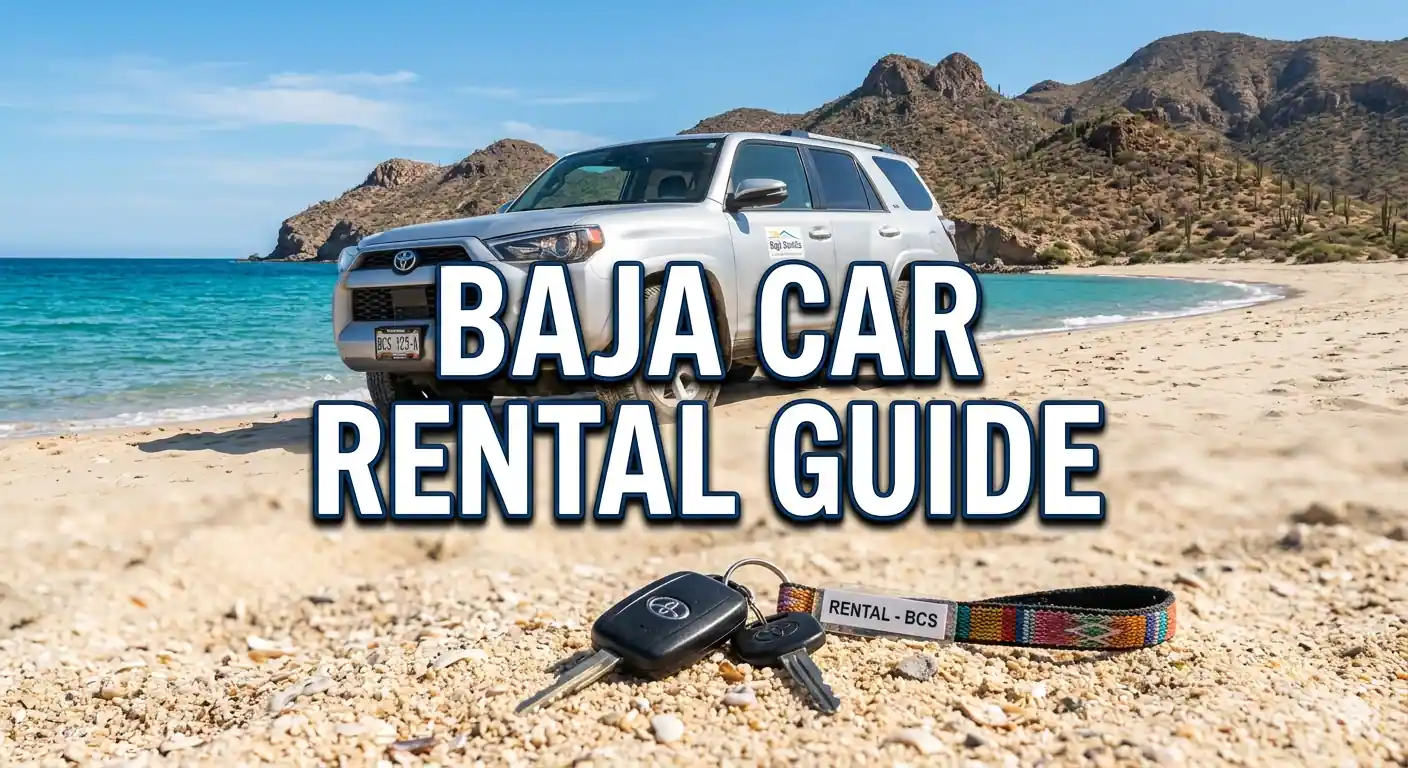
Quick Answer: Car Rental Essentials for Baja California Sur
To rent a car in Baja California Sur, you need a valid driver's license from your home country, a major credit card in your name, and mandatory Mexican auto insurance. Expect to pay 35 to 120 USD daily for rental rates plus 15 to 35 USD daily for insurance. Major companies like Hertz, Avis, and Budget operate at Los Cabos International Airport and La Paz, with advance booking recommended especially during peak season from December through April.
Why Renting a Car Is Essential in Baja California Sur

Baja California Sur's geography makes car rental not just convenient but practically necessary for experiencing the region's diverse attractions. The 700-mile peninsula stretches from the desert landscapes of Guerrero Negro in the north to the tropical beaches of Los Cabos at the southern tip, with limited public transportation connecting major destinations.
Unlike urban areas with ride-sharing services, Baja Sur's attractions are spread across vast distances. The scenic route from La Paz to Cabo San Lucas spans approximately 125 miles and takes 2.5 hours, while reaching remote beaches, surfing spots, or whale watching locations in Magdalena Bay requires independent transportation. Public buses operate between major cities but run infrequently and don't serve coastal attractions or small towns.
Rental cars provide flexibility to explore at your own pace, stop at roadside stands for fresh fruit and tacos, discover hidden beaches, and adjust itineraries based on weather or local recommendations. The freedom to chase sunsets along the Sea of Cortez or detour to mountain villages adds immeasurable value to your Baja experience.
Legal Requirements and Documentation

International travelers must meet specific documentation requirements to rent vehicles in Mexico. Understanding these prerequisites before arrival prevents delays and potential rental denials.
Driver's License Requirements
Visitors from the United States, Canada, United Kingdom, and European Union countries can legally drive in Mexico using their valid home country driver's license. An International Driving Permit is not legally required but recommended as a supplementary document, particularly if your license is not in Spanish or uses non-Latin characters.
Your license must be current and not expired. Mexican rental companies will not accept temporary licenses, learner's permits, or digital licenses displayed on smartphones. Bring the physical plastic card. If your license is in a language other than Spanish or English, an International Driving Permit becomes essential for translation purposes.
Most rental agencies require drivers to be at least 25 years old. Drivers aged 21 to 24 can typically rent vehicles but face young driver surcharges ranging from 15 to 30 USD daily. Some companies refuse rentals to drivers under 25 entirely, particularly for premium or SUV categories.
Credit Card and Payment Requirements
A major credit card in the primary driver's name is mandatory for all Mexican car rentals. Debit cards are generally not accepted for the security deposit hold, though some companies may allow debit cards for final payment after the rental period.
The credit card must have sufficient available credit for the security deposit, which typically ranges from 500 to 2,000 USD depending on vehicle category and insurance coverage level. This hold remains on your card throughout the rental period and releases 7 to 14 business days after vehicle return, assuming no damage claims.
Visa and Mastercard are universally accepted. American Express and Discover cards work at major international chains but may face limitations at smaller local agencies. Ensure your card issuer knows you're traveling to Mexico to prevent fraud alerts and transaction declines.
Passport and Tourist Card
Present your valid passport with at least six months remaining validity. Mexican immigration authorities require this for entry, and rental companies need to verify your legal presence in the country.
If entering by air, your FMM tourist card is typically included in your airline ticket cost and stamped upon arrival. Land border crossings require separate FMM purchase for approximately 35 USD. Keep this document with your rental paperwork as police checkpoints may request it during travel.
Understanding Mexican Auto Insurance Requirements

Mexican law mandates specific insurance coverage that differs significantly from US and Canadian policies. This represents the most critical and often misunderstood aspect of renting cars in Mexico.
Mandatory Liability Insurance
Third-party liability insurance is legally required for all vehicles operating in Mexico. Your US or Canadian auto insurance policy does not extend coverage across the border, regardless of what your agent may have told you. Mexican law does not recognize foreign auto insurance policies.
Basic liability coverage typically costs 15 to 25 USD daily and covers damage or injury you cause to others. This is the absolute minimum legal requirement. However, liability-only coverage leaves you financially responsible for all damage to the rental vehicle itself, which can be catastrophic in accident scenarios.
Recommended coverage includes full protection with zero or low deductibles, costing 25 to 35 USD daily. This comprehensive option covers theft, collision, vandalism, and liability, providing peace of mind when navigating unfamiliar roads and dealing with potential language barriers during incidents.
Credit Card Coverage Limitations
Many premium credit cards offer rental car collision damage waivers for international rentals. However, these benefits typically exclude Mexico or provide only secondary coverage that requires you to file with your primary insurance first.
Even when credit cards do cover Mexico, they rarely include the mandatory Mexican liability insurance. You would still need to purchase liability coverage separately, then navigate complex claims processes across international borders if accidents occur.
Most experienced Baja travelers recommend purchasing the rental company's full coverage for simplicity and legal compliance. The 25 to 35 USD daily cost represents reasonable insurance for vehicles valued at 20,000 to 50,000 USD.
Insurance Cost Comparison Table
| Coverage Type | Daily Cost USD | What It Covers | Recommended For |
| Liability Only | 15-25 | Damage to others, legal minimum | Budget travelers accepting high risk |
| Full Coverage Standard | 25-35 | Liability, collision, theft, vandalism | Most travelers, best value |
| Premium Zero Deductible | 35-50 | Complete coverage, no out-of-pocket | Maximum peace of mind |
Rental Costs and Budget Planning

Understanding total rental costs prevents budget surprises. Base rental rates represent only part of the expense, with insurance, taxes, and fees significantly impacting final prices.
Daily Rental Rates by Vehicle Category
Economy and compact cars start at 35 to 50 USD daily during low season and increase to 55 to 80 USD during peak winter months. These vehicles suit couples or solo travelers staying primarily on paved highways between major destinations.
Mid-size SUVs, the most popular Baja choice, range from 55 to 85 USD daily in low season and 80 to 120 USD during peak periods. The additional ground clearance proves valuable for accessing beach parking areas, navigating topes, and handling occasional unpaved roads to remote attractions.
Full-size SUVs and 4x4 vehicles cost 90 to 150 USD daily, essential for serious off-road adventures, fishing beach access, or exploring remote areas of the peninsula. If planning to reach places like Playa Tecolote from La Paz or venture into the Sierra de la Laguna mountains, four-wheel drive provides necessary capability and safety.
Additional Fees and Taxes
Mexican law requires 16 percent IVA value-added tax on all rentals. This typically adds 8 to 20 USD daily depending on vehicle category. Some advertised rates include this tax while others don't, so always verify the total before booking.
Airport surcharges at Los Cabos International Airport range from 10 to 15 USD daily. Renting from downtown La Paz or San Jose del Cabo locations can save this fee but requires taxi or shuttle transportation to reach the rental office.
Young driver fees for ages 21 to 24 add 15 to 30 USD daily. Additional driver fees typically cost 5 to 10 USD daily per extra driver, though some companies include a second driver free for married couples with proper documentation.
One-way rental fees apply if dropping the vehicle at a different location, such as renting in La Paz and returning in Cabo. These fees range from 75 to 200 USD depending on distance and rental company policies.
Seasonal Pricing Variations
Peak season from mid-December through April sees rental rates increase 40 to 60 percent compared to low season. Whale watching season, spring break, and Easter week represent the absolute highest pricing periods.
Low season from May through November offers best values, with rates 30 to 50 percent lower. However, hurricane season from August through October introduces weather risks that may affect travel plans. September and October typically offer the lowest rates but highest hurricane probability.
Book at least 2 to 3 months in advance for peak season travel to secure availability and better rates. Last-minute rentals during winter months often cost double the advance booking price or may be completely unavailable.
Choosing the Right Rental Company

Baja California Sur offers options ranging from international brands to local Mexican companies, each with distinct advantages and considerations.
International Brand Advantages
Hertz, Avis, Budget, Enterprise, and Alamo operate at Los Cabos Airport and major locations. These companies provide English-speaking staff, standardized procedures, newer vehicle fleets, and 24-hour roadside assistance. Their websites allow advance booking in English with clear pricing.
International brands typically maintain higher service standards and more transparent insurance policies. Their vehicles average 1 to 3 years old with lower mileage. However, these advantages come at 20 to 40 percent premium pricing compared to local companies.
Major brands excel at handling cross-border situations, understanding US and Canadian driver needs, and providing documentation acceptable to US insurance companies if you need to file claims after returning home.
Local Company Considerations
Mexican companies like Mex, National Car Rental Mexico, and regional operators often offer lower base rates and more flexible policies. Some specialize in serving expat communities and understand long-term rental needs.
Local companies may provide more personalized service, willingness to negotiate rates for week-long or monthly rentals, and deeper knowledge of regional driving conditions. However, English proficiency varies, websites may be Spanish-only, and vehicle fleets tend to be older with higher mileage.
Verify insurance policies carefully with local companies. Some advertise very low base rates but have confusing or inadequate insurance options. Always confirm total cost including mandatory insurance before booking.
Rental Company Comparison
| Company Type | Price Level | Vehicle Age | English Service | Best For |
| International Brands | High | 1-3 years | Excellent | First-time visitors, peace of mind |
| Mexican Regional | Medium | 3-5 years | Limited | Budget-conscious, Spanish speakers |
| Local Independent | Low | 5+ years | Variable | Long-term rentals, expats |
Vehicle Selection for Baja Conditions

Choosing appropriate vehicles significantly impacts safety, comfort, and access to destinations throughout Baja California Sur.
Why SUVs Dominate Baja Rentals
Sport utility vehicles represent 70 to 80 percent of rental choices in Baja Sur for practical reasons. The higher ground clearance proves essential for navigating topes, the speed bumps ubiquitous in Mexican towns. These concrete obstacles often lack warning signs and can damage low-clearance vehicles.
Many beach access roads, particularly around La Paz and the East Cape, consist of packed dirt or gravel requiring additional clearance. While not true off-roading, standard sedans risk bottoming out or getting stuck in sandy parking areas near popular beaches.
SUVs provide better visibility on two-lane highways shared with large trucks and livestock. The elevated seating position helps spot hazards earlier and makes drivers feel more confident navigating unfamiliar roads.
Air conditioning is non-negotiable in Baja's desert climate where summer temperatures regularly exceed 100°F and even winter days reach 75 to 85°F. Verify the AC works properly during vehicle inspection before leaving the rental lot.
When Four-Wheel Drive Becomes Necessary
True 4x4 capability is only necessary for specific activities. If planning to drive on beaches, explore remote fishing camps, venture into the Sierra mountains, or visit areas like San Ignacio Lagoon during rainy season, four-wheel drive provides essential traction and safety.
For standard tourist routes between La Paz, Todos Santos, and Los Cabos on Highway 1, two-wheel drive SUVs perform adequately. The highway is fully paved and well-maintained throughout Baja Sur.
Four-wheel drive rentals cost 20 to 40 USD more daily but provide insurance against getting stuck in unexpected situations. For travelers comfortable with Spanish and confident in their driving abilities, 2WD suffices for most itineraries.
Booking Strategies and Timing

Strategic booking approaches secure better rates and ensure vehicle availability during your preferred travel dates.
Advance Booking Recommendations
Book 2 to 4 months ahead for peak season travel between December and April. This secures availability and locks in rates before seasonal price increases. Many rental companies offer free cancellation up to 24 to 48 hours before pickup, allowing you to rebook if prices drop.
Low season bookings can be made 2 to 4 weeks in advance with good availability. However, booking earlier still provides better selection of vehicle types and potential early-bird discounts.
Consider weekly rental rates which often cost less than five daily rates. If your trip is 5 to 6 days, compare the weekly rate as it may be cheaper and provides buffer time if flights are delayed.
Comparison Shopping Techniques
Use aggregator sites like Kayak, Expedia, or Rentalcars.com to compare base rates across multiple companies. However, always verify final pricing on the rental company's own website as they may offer member discounts or promotions not available through third parties.
Join rental company loyalty programs before booking. These free memberships often provide benefits like expedited checkout, free additional drivers, or discounted insurance rates. Hertz Gold Plus Rewards, Avis Preferred, and Enterprise Plus all offer valuable perks.
Check if your credit card offers rental car benefits or partnerships. Some premium cards provide automatic elite status with rental companies, free additional insurance coverage, or statement credits for rental purchases.
Airport Versus City Locations
Airport rentals offer convenience but cost 10 to 15 USD daily more due to airport fees. If arriving late or with heavy luggage, the convenience may justify the premium. However, downtown locations in La Paz or San Jose del Cabo can provide significant savings for longer rentals.
Consider the total cost including transportation to off-airport locations. A taxi from Los Cabos Airport to a downtown rental office costs 25 to 40 USD. For rentals of 5 days or more, the airport fee savings typically exceed taxi costs.
Pickup Process and Vehicle Inspection

Thorough inspection during pickup prevents disputes about damage when returning the vehicle. This process requires patience and attention to detail.
Documentation Review
Verify all charges match your reservation before signing. Confirm the rental period dates and times, daily rate, insurance coverage details, and total cost including taxes. Ensure the contract is in a language you understand completely.
Review the fuel policy. Most companies provide vehicles with full tanks and expect full tank returns. Some offer pre-purchase fuel options at inflated prices that rarely provide value unless returning nearly empty.
Confirm roadside assistance procedures and emergency contact numbers. Save the rental company's Mexican phone number in your phone in addition to any US toll-free numbers.
Comprehensive Vehicle Inspection
Walk around the vehicle slowly with a rental agent, noting every scratch, dent, and imperfection on the inspection form. Take timestamped photos and videos from all angles, including close-ups of existing damage. Ensure the agent marks everything on the contract before you drive away.
Pay special attention to windshield chips or cracks which are common in Baja due to highway conditions. Even small chips can expand during your rental and create disputes about responsibility. Document these meticulously.
Check tire tread depth and condition, including the spare tire. Verify the jack and lug wrench are present. Test all lights, turn signals, and windshield wipers. Ensure the spare tire is properly inflated.
Start the engine and check for warning lights on the dashboard. Test the air conditioning at maximum cooling. Verify the odometer reading matches the contract. Note the fuel gauge level.
Don't rush this process even if other customers are waiting. A thorough 15-minute inspection saves hours of potential disputes later. Mexican rental companies can be aggressive about damage claims, so documentation is essential.
Driving in Baja California Sur

Understanding road conditions, traffic laws, and driving culture ensures safe and enjoyable travel throughout the peninsula.
Highway Conditions and Navigation
Mexican Federal Highway 1 runs the entire length of the Baja peninsula and is fully paved through Baja California Sur. The road quality varies from excellent two-lane highway to sections with potholes and uneven surfaces. Drive defensively and watch for hazards.
Speed limits are posted in kilometers per hour. Typical limits are 90 to 110 km/h on highways and 40 to 60 km/h in towns. Police occasionally monitor speeds, particularly near towns. Radar detectors are illegal in Mexico.
Gas stations are spaced 30 to 60 miles apart in Baja Sur. Pemex is the state-owned monopoly fuel provider. Always use full-service stations where attendants pump gas. Tip 10 to 20 pesos for this service. Pay with small bills or exact change when possible to avoid issues with counterfeit bill accusations.
Download offline Google Maps or Maps.me before traveling as cellular coverage is spotty outside major towns. GPS devices work well but may not show recent road changes or temporary closures.
Topes and Road Hazards
Topes are speed bumps found at every town entrance and throughout residential areas. They are often unmarked or poorly marked and can severely damage vehicles if hit at speed. Slow down when approaching any town and watch for other vehicles slowing ahead.
Animals on roads present serious hazards, particularly at dawn and dusk. Cattle, goats, and dogs frequently wander onto highways. Use high beams when appropriate and reduce speed in rural areas during low-light conditions.
Night driving is strongly discouraged. Many vehicles lack proper headlights, road hazards are difficult to see, and assistance is harder to find if breakdowns occur. Plan arrivals at destinations before dark whenever possible.
Police Checkpoints and Interactions
Occasional police checkpoints exist on major highways, particularly near town entrances. Officers typically check for seatbelt use, valid documentation, and sometimes conduct random inspections. This is normal and not cause for concern.
Always carry your driver's license, rental contract, and passport or copy. Be polite and patient. If stopped for a legitimate violation, accept the ticket professionally. Do not offer bribes as this is illegal and can create serious legal problems.
If an officer suggests paying a fine on the spot rather than at a police station, politely request official documentation and insist on paying at the station. This is your legal right and avoids potential corruption issues.
Fuel Costs and Gas Station Etiquette

Understanding Mexican gas station practices prevents confusion and potential scams while managing fuel budgets effectively.
Current Fuel Pricing
Gasoline prices in Mexico are regulated and relatively consistent nationwide. As of current rates, Magna regular unleaded costs approximately 22 to 24 pesos per liter, while Premium costs 24 to 26 pesos per liter. This translates to roughly 4.20 to 5.00 USD per gallon, comparable to or slightly higher than US prices.
Diesel fuel costs similar to Premium gasoline and is necessary for some larger SUVs and trucks. Verify which fuel type your rental requires before approaching the pump.
Prices fluctuate based on global oil markets but change gradually. Budget approximately 60 to 100 USD for fuel on a week-long trip covering major Baja Sur destinations, depending on vehicle efficiency and total mileage.
Gas Station Best Practices
Pemex stations are full-service. Remain in your vehicle while attendants pump gas. Clearly state the amount you want in pesos or liters, or say "lleno" for a full tank. Watch the pump display as it resets to zero before fueling begins.
Have small bills ready for payment. Attendants may claim not to have change for large 500 or 1000 peso notes. This is sometimes legitimate but can also be a tactic to confuse tourists about change amounts.
Verify the amount charged matches what you requested. Some attendants may pump more than requested or claim you authorized a higher amount. Politely but firmly pay only for what you requested if discrepancies occur.
Tip 10 to 20 pesos for standard fueling service. For additional services like windshield cleaning or tire pressure checks, tip 20 to 30 pesos. This is customary and expected.
Safety and Security Considerations

Baja California Sur maintains reputation as one of Mexico's safest regions for tourists, but standard precautions protect you and your rental vehicle.
Vehicle Security Practices
Never leave valuables visible in parked vehicles. Break-ins targeting rental cars occur in tourist areas, particularly beach parking lots. Take cameras, phones, wallets, and luggage with you or lock them in the trunk before arriving at destinations.
Use paid parking lots when available in urban areas. These cost 20 to 50 pesos and provide attended security. In smaller towns, street parking is generally safe but choose well-lit areas near other vehicles.
Always lock doors while driving through towns. Keep windows up in slow traffic or congested areas. This prevents grab-and-run theft attempts at stoplights.
Emergency Preparedness
Carry emergency contact numbers including the rental company, your country's embassy or consulate, and local emergency services. The general emergency number in Mexico is 911, with operators often speaking English in tourist areas.
Keep a basic emergency kit with water, snacks, flashlight, and first aid supplies. Cell coverage is unreliable in remote areas, so don't depend solely on phones for emergencies.
Purchase comprehensive travel insurance covering medical emergencies, evacuation, and trip interruption. Verify the policy covers rental car incidents and medical transport. US and Canadian health insurance typically doesn't cover international medical expenses.
Returning Your Rental Vehicle

Proper return procedures ensure smooth checkout and timely security deposit releases.
Pre-Return Preparation
Refuel the vehicle 2 to 3 miles from the rental location to avoid expensive airport or location gas stations. Keep the receipt as proof of fueling. Return with the same fuel level as pickup to avoid refueling charges at premium rates.
Clean out all personal items and trash. While deep cleaning isn't necessary, excessive mess may incur cleaning fees. Remove all devices from charging ports and check glove compartments and under seats.
Allow extra time for return inspections, particularly during peak hours. Morning returns often process faster than evening rushes when multiple flights arrive simultaneously.
Final Inspection Process
Walk around the vehicle with a rental agent and compare condition to the original inspection form. Your photos and videos serve as evidence if new damage is claimed. Politely dispute any charges for pre-existing damage with your documentation.
Verify the fuel gauge shows the agreed level. Ensure the agent notes this on the return contract. Get a copy of the signed return inspection before leaving the lot.
Request an email confirmation of the return and final charges. Keep this documentation until your security deposit hold releases, typically 7 to 14 business days later.
Inspect your final credit card charge within 24 to 48 hours to ensure it matches the return contract. Dispute any discrepancies immediately with the rental company and your credit card issuer if necessary.
Alternative Transportation Options

While car rental offers maximum flexibility, consider whether your specific itinerary justifies the expense.
When Car Rental May Not Be Necessary
If staying exclusively at an all-inclusive resort in the Corridor or Cabo San Lucas with no plans to explore independently, rental cars add unnecessary expense. Resort shuttles, taxis, and tour operators provide adequate transportation for resort-focused vacations.
Short 2 to 3 day trips to Los Cabos for weddings or events may not justify rental costs. Airport transfers and local taxis often cost less than multi-day rentals with insurance.
Solo travelers on tight budgets might combine bus travel between major destinations with local tours for specific attractions. However, this significantly limits flexibility and spontaneity.
Hybrid Approaches
Consider renting for only portion of your trip. Spend first few days in Los Cabos without a car, then rent for 3 to 4 days to explore La Paz, Todos Santos, and the East Cape before returning the vehicle for departure.
This strategy reduces total rental costs while still providing freedom to explore remote areas. Book one-way rentals carefully as fees can be substantial, or plan a loop returning to the original location.
0 Comments