.webp)
.webp)
The Tower of London: A Master Guide to the Crown Jewels and 1,000 Years of Secrets
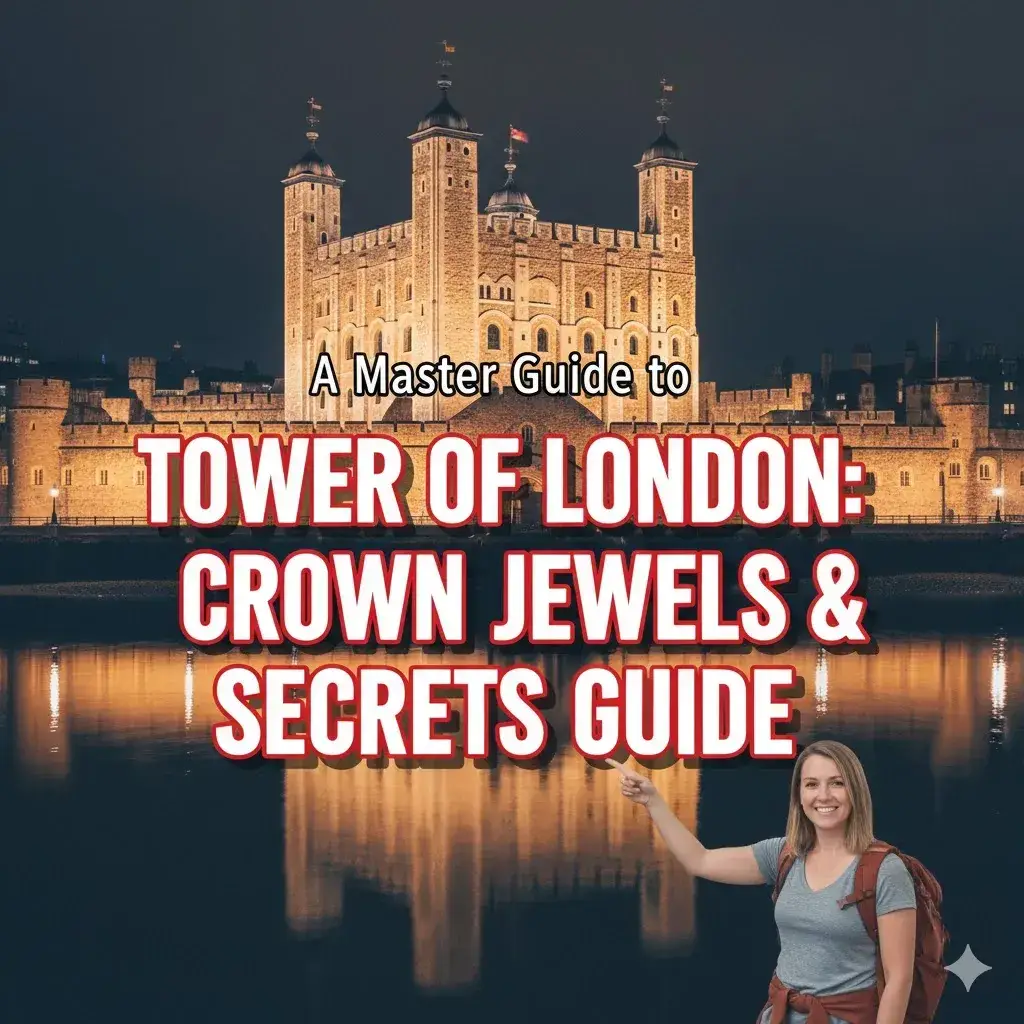
The Tower of London: A Master Guide to the Crown Jewels and 1,000 Years of Secrets
Standing sentinel on the north bank of the River Thames, the Tower of London is far more than a medieval fortress—it is a living chronicle of British history, a repository of royal power, and one of the world's most captivating heritage sites. For over 1,000 years, this iconic complex has witnessed coronations and executions, housed priceless treasures and infamous prisoners, and evolved from William the Conqueror's strategic stronghold into a UNESCO World Heritage Site that draws millions of visitors annually. As we explore this extraordinary monument in 2026, the Tower of London continues to captivate with its blend of royal splendor, dark intrigue, and architectural mastery.
At the heart of the Tower's allure lies the Crown Jewels, a breathtaking collection of regalia used in coronations and state ceremonies that represents the pinnacle of royal craftsmanship and symbolic power. From the dazzling Imperial State Crown adorned with 2,868 diamonds to the legendary Koh-i-Noor and the sovereign's Sceptre with Cross, these treasures offer a tangible connection to centuries of monarchy, ceremony, and national identity. Yet the Crown Jewels are just one chapter in the Tower's rich narrative—a story that encompasses medieval warfare, political intrigue, scientific innovation, and enduring legends.
This comprehensive master guide invites you to explore the Tower of London not merely as a tourist attraction, but as a portal to understanding British history, royal tradition, and the complex interplay of power, faith, and culture that has shaped a nation. We'll delve into the fortress's architectural evolution, uncover the secrets hidden within its stone walls, provide practical insights for experiencing the Crown Jewels and Yeoman Warder tours, and reveal lesser-known stories that bring this historic site to life. Whether you're planning your first visit to London or seeking to deepen your appreciation for this iconic landmark, this guide will help you experience the Tower of London with curiosity, context, and wonder.
A Millennium of Power: The Tower's Historical Evolution
The story of the Tower of London begins with conquest. In 1066, William the Conqueror defeated King Harold at the Battle of Hastings, claiming the English throne. To secure his rule over a potentially rebellious London, William ordered the construction of a formidable fortress on the Thames. The result was the White Tower, completed around 1078—a massive stone keep that dominated the city skyline and symbolized Norman authority.
Key Historical Phases:
- 11th-12th Centuries - Norman Foundation: The White Tower served as royal residence, armory, and symbol of power. Successive monarchs expanded the complex with additional towers, curtain walls, and a moat, creating the concentric fortress visible today.
- 13th Century - Royal Palace Era: Henry III and Edward I transformed the Tower into a grand royal palace, adding luxurious accommodations, the stunning St. Thomas's Tower, and the iconic Traitors' Gate water entrance. The Tower became a stage for court life, ceremonies, and political drama.
- 14th-16th Centuries - Prison and Power: As royal residences shifted elsewhere, the Tower evolved into a notorious prison for high-status detainees. Figures like Sir Walter Raleigh, Princess Elizabeth (later Elizabeth I), and the "Princes in the Tower" experienced its cells. The Tower also housed the Royal Mint, Menagerie, and records office, serving multiple functions of state.
- 17th-19th Centuries - Transition and Preservation: The Tower's military role diminished, but it remained a symbol of authority. Public executions ceased in 1747, and the site gradually opened to visitors. Victorian restorations preserved medieval features while adapting the Tower for tourism.
- 20th-21st Centuries - Heritage Icon: Designated a UNESCO World Heritage Site in 1988, the Tower now balances conservation, education, and public access. It remains an active royal palace, home to the Crown Jewels, and a working monument cared for by Historic Royal Palaces.
- 👉 Montenegro Digital Nomad Visa 2026: 4-Year Stay Guide (2+2 Renewal)
- 👉 Thingvellir National Park: Walking Between Two Tectonic Plates (UNESCO)
- 👉 Pical Resort Poreč 2026: Croatia's Largest Luxury Investment
Understanding this evolution enriches your visit: every stone, tower, and courtyard tells a story of adaptation, survival, and enduring significance.
The Crown Jewels: Treasures of the Monarchy
The Crown Jewels represent the most spectacular and symbolically powerful collection in the Tower of London. Housed in the Jewel House within the Waterloo Block, these regalia are used in coronations, state openings of Parliament, and other royal ceremonies, embodying the continuity and authority of the British monarchy.
Must-See Masterpieces:
- Imperial State Crown: Worn by the monarch after coronation and at State Openings of Parliament, this crown features 2,868 diamonds, 273 pearls, 17 sapphires, 11 emeralds, and 5 rubies. Highlights include the Black Prince's Ruby (actually a spinel), the St. Edward's Sapphire, and the legendary Cullinan II diamond.
- Sovereign's Sceptre with Cross: This golden rod, topped with the Cullinan I diamond—the largest clear-cut diamond in the world at 530.2 carats—symbolizes the monarch's temporal power and justice.
- Sovereign's Orb: A golden globe encircled by bands of emeralds, rubies, sapphires, and diamonds, topped with a cross. It represents Christ's dominion over the world and the monarch's role as Defender of the Faith.
- St. Edward's Crown: The sacred crown used at the moment of coronation, made of solid gold and featuring a velvet cap with ermine band. Its weight (2.23 kg / 4.9 lb) symbolizes the burden of monarchy.
- Koh-i-Noor Diamond: One of the world's most famous gems, this 105.6-carat diamond has a complex history spanning India, Persia, and Britain. Set in the Crown of Queen Elizabeth The Queen Mother, it remains a subject of historical debate and diplomatic sensitivity.
- Coronation Spoon: The oldest surviving piece of royal regalia, dating to the 12th century. Used to anoint the monarch with holy oil during coronation, it connects modern ceremonies to medieval tradition.
- 👉 Montenegro Digital Nomad Visa 2026: 4-Year Stay Guide (2+2 Renewal)
- 👉 Thingvellir National Park: Walking Between Two Tectonic Plates (UNESCO)
- 👉 Pical Resort Poreč 2026: Croatia's Largest Luxury Investment
Viewing the Crown Jewels: The exhibition uses a moving walkway to manage visitor flow, allowing approximately 15-20 seconds to view each piece up close. Photography is strictly prohibited in the Jewel House to protect the treasures and ensure security. For a deeper understanding, consider the official guidebook or audio guide, which provides historical context for each item.
Security and Significance: The Crown Jewels are protected by advanced security systems and the legendary Yeoman Warders. Their value is incalculable—not just in monetary terms, but as symbols of national heritage, continuity, and the ceremonial heart of British constitutional monarchy.
Architectural Marvels: Exploring the Fortress
The Tower of London is a masterpiece of medieval military architecture, with layers of construction reflecting centuries of adaptation and innovation.
The White Tower: The original heart of the complex, this massive stone keep stands 27 meters (90 feet) high with walls up to 4.5 meters (15 feet) thick. Inside, explore the Royal Armouries collection of historic weapons and armor, the atmospheric St. John's Chapel (one of the finest examples of Norman ecclesiastical architecture), and exhibits on the Tower's construction and early history. Climb to the roof for panoramic views of the city.
The Medieval Palace: Restored to evoke the grandeur of 13th-century royal life, these chambers in St. Thomas's Tower and the Wakefield Tower offer glimpses into how monarchs lived within the fortress. The Wakefield Tower houses the throne used for ceremonial occasions and displays information about the Tower's role as a palace.
Bloody Tower: Forever associated with the mysterious disappearance of the "Princes in the Tower"—Edward V and his brother Richard—in 1483, this tower presents exhibits on the infamous story and the Tower's history as a prison. The atmosphere is palpably somber, inviting reflection on power, betrayal, and historical uncertainty.
Beauchamp Tower: Named for the Beauchamp family, this tower features remarkable graffiti carved by prisoners over centuries. Inscriptions in Latin, Greek, and English reveal the thoughts, faith, and identities of those who awaited uncertain fates within these walls.
Traitors' Gate: This water gate, built by Edward I, served as the entrance for prisoners arriving by boat from the Thames. Passing beneath its portcullis evokes the drama of arrivals like Anne Boleyn, Sir Thomas More, and Elizabeth I during her imprisonment.
The Walls and Towers: Walking the battlements offers perspectives on the Tower's defensive design and stunning views of Tower Bridge, the Shard, and the Thames. Interpretive panels explain the function of each tower and the evolution of medieval fortification.
Yeoman Warders: Guardians of History
No visit to the Tower of London is complete without experiencing a tour led by the legendary Yeoman Warders, popularly known as Beefeaters. These ceremonial guardians have protected the Tower and its treasures since the Tudor era, and their guided tours blend historical expertise with engaging storytelling and dry British humor.
Who Are the Yeoman Warders? To qualify, candidates must have served at least 22 years in the armed forces, reached the rank of Warrant Officer, and been awarded the Long Service and Good Conduct Medal. Today's 37 Warders (plus a Chief Warder and a Yeoman Gaoler) are both ceremonial figures and working employees of Historic Royal Palaces, responsible for security, visitor engagement, and preserving the Tower's traditions.
The Yeoman Warder Tour: These approximately 60-minute tours depart regularly throughout the day and are included with Tower admission. Highlights include:
- Execution Site: Stand on the green where Anne Boleyn, Catherine Howard, and other high-profile prisoners met their end. Your Warder will share the dramatic stories behind these historic moments.
- Ravens: Learn about the legend that "if the ravens leave the Tower, the kingdom will fall." Meet the resident ravens, cared for by the Ravenmaster, and discover the history behind this enduring myth.
- Medieval Secrets: Hear tales of escape attempts, royal scandals, and the Tower's role in scientific innovation (including housing the Royal Observatory before Greenwich).
- Ceremonial Traditions: Witness the Warders' distinctive Tudor-style uniforms and learn about the nightly Ceremony of the Keys, the world's oldest military ceremony, which locks the Tower each evening at 10 PM.
- 👉 Montenegro Digital Nomad Visa 2026: 4-Year Stay Guide (2+2 Renewal)
- 👉 Thingvellir National Park: Walking Between Two Tectonic Plates (UNESCO)
- 👉 Pical Resort Poreč 2026: Croatia's Largest Luxury Investment
Tips for the Tour: Arrive early to secure a spot, as tours can fill quickly. Bring questions—Warders love sharing knowledge. Dress for the weather, as tours proceed rain or shine. Tip: The first tour of the day often has smaller groups and more time for interaction.
Dark Chapters: Prison, Execution, and Intrigue
The Tower of London's reputation as a place of imprisonment and execution is well-earned, though often sensationalized. Understanding the historical reality adds depth to your visit.
Famous Prisoners: Over its history, the Tower held approximately 8,000 detainees, though most were imprisoned for short periods. Notable figures include:
- Anne Boleyn: Second wife of Henry VIII, imprisoned in the Queen's House before her execution on Tower Green in 1536.
- Sir Thomas More: Scholar and statesman executed in 1535 for refusing to acknowledge Henry VIII as head of the Church of England.
- Princess Elizabeth: Future Queen Elizabeth I was imprisoned in the Bell Tower in 1554 during her sister Mary I's reign, fearing execution.
- Sir Walter Raleigh: Explorer and writer imprisoned twice in the Tower, spending 13 years total; he wrote part of his History of the World while confined.
- Guy Fawkes: Conspirator in the Gunpowder Plot of 1605, tortured in the Tower before his execution.
- 👉 Montenegro Digital Nomad Visa 2026: 4-Year Stay Guide (2+2 Renewal)
- 👉 Thingvellir National Park: Walking Between Two Tectonic Plates (UNESCO)
- 👉 Pical Resort Poreč 2026: Croatia's Largest Luxury Investment
Execution Methods and Sites: Contrary to popular belief, most executions at the Tower were by beheading (a "merciful" death for nobility), not torture. Public executions occurred on Tower Hill outside the fortress; private executions for high-status prisoners took place on Tower Green within the walls. The Memorial to Those Who Died in the Tower commemorates seven individuals executed on Tower Green, including Anne Boleyn and Lady Jane Grey.
Torture and Interrogation: While the Tower housed instruments of coercion, systematic torture was relatively rare and required royal authorization. The rack, scavenger's daughter, and iron maiden (the latter likely a later fabrication) are displayed in the Royal Armouries, providing context for the era's harsh justice.
Separating Myth from History: Many "Tower legends" blend fact and folklore. The Yeoman Warder tours and official exhibits help distinguish documented history from enduring stories, enriching your understanding of this complex site.
Living History: Ravens, Ceremonies, and Traditions
The Tower of London is not a static museum—it is a living heritage site where ancient traditions continue alongside modern conservation.
The Ravens: Six resident ravens (plus spares) inhabit the Tower grounds, cared for by the dedicated Ravenmaster. According to legend, if the ravens ever leave or are lost, the Tower will crumble and the kingdom fall. While the historical basis for this tale is debated, the ravens remain beloved symbols of the Tower. Visitors can observe these intelligent birds during feeding times and learn about their care and significance.
Ceremony of the Keys: Every night at precisely 10 PM, the Chief Yeoman Warder performs the 700-year-old ritual of locking the Tower's main entrance. This ceremony, unchanged since the 14th century, includes the challenge "Halt! Who goes there?" and the response "The Keys!" Attendance is free but requires advance booking due to limited capacity. It's a uniquely atmospheric way to connect with the Tower's living history.
Seasonal Events: The Tower hosts special programming throughout the year:
- Historical Reenactments: Medieval combat demonstrations, archery displays, and Tudor-life interpretations bring history to life.
- Family Activities: Interactive trails, costume experiences, and hands-on workshops engage younger visitors with the Tower's stories.
- Evening Events: Occasional after-hours tours and themed evenings offer unique perspectives on the fortress.
- 👉 Montenegro Digital Nomad Visa 2026: 4-Year Stay Guide (2+2 Renewal)
- 👉 Thingvellir National Park: Walking Between Two Tectonic Plates (UNESCO)
- 👉 Pical Resort Poreč 2026: Croatia's Largest Luxury Investment
Practical Guide: Visiting the Tower of London in 2026
Planning your visit ensures you make the most of this extraordinary site.
Opening Hours:
- Tuesday-Saturday: 9:00 AM to 5:30 PM
- Sunday-Monday: 10:00 AM to 5:30 PM
- Last Admission: 4:30 PM
- Closed: December 24-26 and January 1
- 👉 Montenegro Digital Nomad Visa 2026: 4-Year Stay Guide (2+2 Renewal)
- 👉 Thingvellir National Park: Walking Between Two Tectonic Plates (UNESCO)
- 👉 Pical Resort Poreč 2026: Croatia's Largest Luxury Investment
Ticket Prices (2026):
- Adults: £34.80
- Children (5-15): £17.40
- Concessions (65+, students): £27.90
- Family Ticket (2 adults + 3 children): £87.00
- Historic Royal Palaces Membership: Offers unlimited entry to the Tower and other palaces, plus discounts—excellent value for multiple visits or combined with other sites.
- 👉 Montenegro Digital Nomad Visa 2026: 4-Year Stay Guide (2+2 Renewal)
- 👉 Thingvellir National Park: Walking Between Two Tectonic Plates (UNESCO)
- 👉 Pical Resort Poreč 2026: Croatia's Largest Luxury Investment
Booking Tips:
- Book Online in Advance: Guarantees entry, often at a slight discount, and allows timed entry to manage crowds.
- London Pass: If visiting multiple London attractions, this pass includes Tower entry and can offer significant savings.
- Combine Tickets: Consider packages that include Tower of London with Thames River cruise or Westminster Abbey for added value.
- 👉 Montenegro Digital Nomad Visa 2026: 4-Year Stay Guide (2+2 Renewal)
- 👉 Thingvellir National Park: Walking Between Two Tectonic Plates (UNESCO)
- 👉 Pical Resort Poreč 2026: Croatia's Largest Luxury Investment
Getting There:
- Tube: Tower Hill station (Circle and District lines) is a 5-minute walk.
- Train: Fenchurch Street or London Bridge stations, then short walk.
- Bus: Routes 15, 42, 78, 100, and RV1 serve the area.
- River: Thames Clippers stop at Tower Pier, offering scenic arrival by boat.
- 👉 Montenegro Digital Nomad Visa 2026: 4-Year Stay Guide (2+2 Renewal)
- 👉 Thingvellir National Park: Walking Between Two Tectonic Plates (UNESCO)
- 👉 Pical Resort Poreč 2026: Croatia's Largest Luxury Investment
Best Time to Visit:
- Early Morning: Arrive at opening (9:00 AM Tuesday-Saturday) to experience the Crown Jewels and popular exhibits with minimal crowds.
- Weekdays: Tuesday-Thursday typically see fewer visitors than weekends.
- Off-Peak Seasons: November-February (excluding holidays) offer shorter queues and a more atmospheric experience, though weather may be cooler.
- Avoid: School holidays, summer peak (July-August), and bank holiday weekends when crowds peak.
- 👉 Montenegro Digital Nomad Visa 2026: 4-Year Stay Guide (2+2 Renewal)
- 👉 Thingvellir National Park: Walking Between Two Tectonic Plates (UNESCO)
- 👉 Pical Resort Poreč 2026: Croatia's Largest Luxury Investment
Accessibility: The Tower is partially accessible for visitors with reduced mobility. Wheelchair access is available to most areas, though some medieval sections have steps. Borrow wheelchairs free of charge at the entrance. Accessible toilets and hearing loops are available. Check the official website for detailed accessibility information before your visit.
Photography and Viewing Tips
Capturing the Tower's beauty requires strategy and respect for site rules.
Crown Jewels: Photography is strictly prohibited in the Jewel House to protect the treasures and ensure security. Focus on experiencing these remarkable objects up close rather than photographing them.
Exterior Shots: Best angles include:
- Tower Bridge: Frame the Tower with the iconic bridge in the foreground.
- River Thames: Capture the Tower from the South Bank or a river cruise for dramatic perspectives.
- Tower Hill: The public green outside the fortress offers classic views of the White Tower and battlements.
- Sunset: Golden hour light enhances the stone walls and creates atmospheric shadows.
- 👉 Montenegro Digital Nomad Visa 2026: 4-Year Stay Guide (2+2 Renewal)
- 👉 Thingvellir National Park: Walking Between Two Tectonic Plates (UNESCO)
- 👉 Pical Resort Poreč 2026: Croatia's Largest Luxury Investment
Interior Photography: Allowed in most areas except the Jewel House and certain temporary exhibitions. Use natural light where possible; flash may be restricted in sensitive areas.
Etiquette: Be mindful of other visitors when taking photos. Avoid blocking pathways or exhibits. Respect signage regarding photography restrictions.
Family-Friendly Experiences
The Tower of London offers engaging activities for visitors of all ages.
Interactive Trails: Pick up a family trail map at entry, featuring puzzles, scavenger hunts, and age-appropriate challenges that make history fun and accessible.
Costume and Role-Play: Children can try on replica armor, handle replica weapons (under supervision), and imagine life as a medieval knight or Yeoman Warder.
Raven Encounters: Kids love meeting the Tower's famous ravens during feeding times. The Ravenmaster often shares stories and facts that captivate young visitors.
Family Facilities: Baby changing facilities, family-friendly dining options, and stroller-accessible routes make visiting with young children manageable.
Educational Value: The Tower provides rich opportunities for learning about history, architecture, and citizenship. School groups and homeschool families will find extensive resources on the Historic Royal Palaces website.
Sustainable and Responsible Tourism
Visiting the Tower of London responsibly helps preserve this irreplaceable heritage for future generations.
Protecting the Site: Follow posted guidelines: don't touch fragile artifacts, stay on designated paths, and respect barriers protecting historic fabric. The Tower's medieval stonework requires careful conservation.
Environmental Considerations: Use public transportation to reach the Tower. Dispose of waste properly and recycle where facilities exist. The Tower is working to reduce its environmental impact through energy efficiency and sustainable practices.
Supporting Conservation: Consider becoming a member of Historic Royal Palaces, the independent charity that cares for the Tower. Membership fees directly fund conservation, research, and educational programs.
Cultural Respect: The Tower's history includes difficult chapters, including imprisonment, execution, and colonial connections. Approach these stories with empathy and openness to learning. Engage with exhibits that present multiple perspectives on complex historical events.
Conclusion: A Timeless Journey Through Power and Memory
The Tower of London is far more than a collection of ancient stones and glittering jewels—it is a profound testament to the complexities of power, faith, and human ambition across a millennium of history. From William the Conqueror's strategic fortress to the ceremonial heart of modern monarchy, from the dark cells of infamous prisoners to the dazzling splendor of the Crown Jewels, the Tower invites visitors to engage with stories that shaped a nation and continue to resonate today.
As you walk its battlements, stand beneath the White Tower's massive walls, or gaze upon the Imperial State Crown, you're not merely observing history—you're connecting with the enduring human impulses that drive us to build, to protect, to create beauty, and to seek meaning. The Tower's secrets are not hidden; they are waiting to be discovered by those who approach with curiosity and respect.
Whether you're captivated by the craftsmanship of medieval armor, moved by the stories of those who walked these stones before you, or simply awed by the spectacle of the Crown Jewels, the Tower of London offers experiences that enrich the mind and touch the soul. It reminds us that history is not a distant abstraction but a living conversation between past and present, inviting us to learn, reflect, and carry forward the lessons of those who came before.
As you plan your visit to London in 2026, make time to experience the Tower of London not as a checklist item, but as a journey through the heart of British history. Allow its stories to unfold at their own pace. Listen to the Yeoman Warders' tales. Watch the ravens on the green. Stand where kings were crowned and prisoners awaited their fate. These moments of connection transform a visit into a memory, and a memory into a deeper understanding of the world we inhabit today.
The Tower of London awaits. Step inside a thousand years of secrets. Discover the Crown Jewels. Uncover the stories. Your journey through history begins now.
0 Comments