.webp)
.webp)
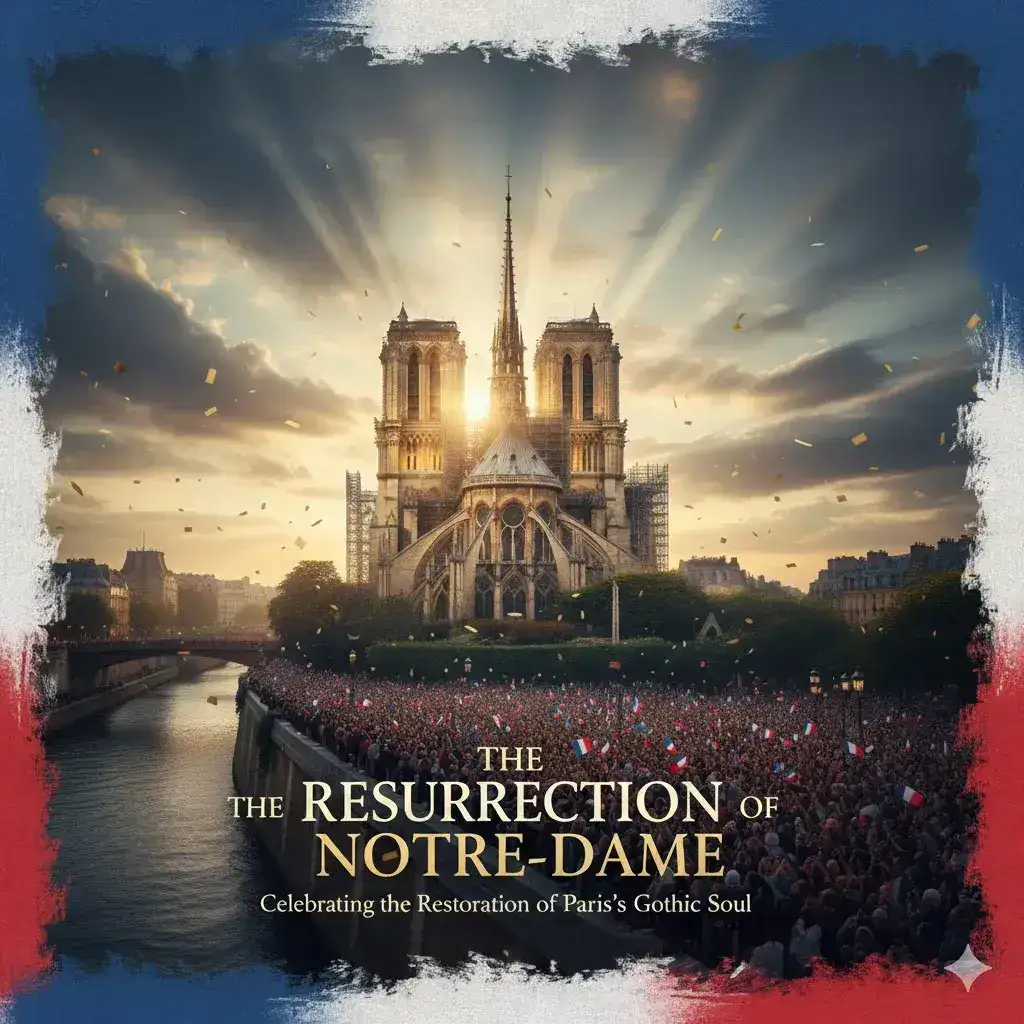
The Resurrection of Notre-Dame: Celebrating the Restoration of Paris's Gothic Soul
On April 15, 2019, the world watched in horror as flames engulfed the iconic Notre-Dame Cathedral in Paris. The spire collapsed, the medieval roof known as La Forêt (The Forest) was consumed by fire, and centuries of history seemed to vanish in smoke and ash. Yet, from the ashes of that tragic night emerged a story of unprecedented resilience, craftsmanship, and global unity. As we stand in 2026, the resurrection of Notre-Dame is not just complete—it is a triumph of human spirit and architectural mastery that celebrates the enduring soul of Paris and the Gothic tradition.
The restoration of Notre-Dame represents one of the most ambitious heritage conservation projects in modern history. Over five years, thousands of skilled artisans, engineers, historians, and scientists worked tirelessly to return the cathedral to its former glory while incorporating modern safety standards and sustainability practices. The reopening marks a pivotal moment for France, for the Catholic Church, and for cultural heritage preservation worldwide. This comprehensive guide explores the journey from devastation to renewal, delving into the architectural wonders, the technical challenges overcome, and what visitors can expect when experiencing the resurrected cathedral in 2026.
Notre-Dame de Paris is more than a building; it is a symbol of French identity, a masterpiece of Gothic architecture, and a testament to human creativity spanning over 850 years. Its restoration is not merely about rebuilding stone and wood—it is about preserving memory, honoring history, and ensuring that future generations can witness the beauty that inspired Victor Hugo, Napoleon, and millions of pilgrims and tourists. As the cathedral reopens its doors, we celebrate not just the structure, but the collective will that brought it back to life.
A Legacy Carved in Stone: The History of Notre-Dame
To understand the significance of the restoration, one must appreciate the cathedral's extraordinary history. Construction began in 1163 under Bishop Maurice de Sully and continued for nearly 200 years, with major additions and modifications occurring through the centuries. Notre-Dame was pioneering in its use of flying buttresses, which allowed for higher walls and larger windows, defining the Gothic architectural style that would spread across Europe.
Throughout its history, Notre-Dame witnessed coronations, revolutions, and wars. It survived the French Revolution, when it was damaged and repurposed as a warehouse. It was restored in the 19th century by architect Eugène Viollet-le-Duc, who added the iconic spire that stood until 2019. The cathedral has been a backdrop for pivotal moments in French history, from the crowning of Napoleon Bonaparte in 1804 to the liberation of Paris in 1944. Its stones hold the memories of centuries, making the 2019 fire feel like a personal loss to people worldwide.
The cathedral's architectural features are legendary. The western facade with its two towers, the Galerie des Chimères (Gallery of Chimeras) featuring grotesque gargoyles, and the three magnificent rose windows that filter light into the nave are masterpieces of medieval engineering. The restoration aimed to preserve these historic elements while ensuring structural integrity for centuries to come.
The Night of Fire: April 15, 2019
The fire that devastated Notre-Dame began in the attic space beneath the roof during evening renovation work. Despite rapid response from over 400 firefighters, the blaze spread quickly through the ancient oak framework. The world watched live as the flèche (spire), added by Viollet-le-Duc in the 1860s, twisted and collapsed through the roof. The lead covering of the roof vaporized, creating potential contamination risks that would complicate later restoration efforts.
Remarkably, the main stone structure, including the two bell towers and the facade, survived. The famous rose windows remained intact, though heat damage threatened their stability. The Great Organ, with its 8,000 pipes, was damaged by water and lead dust but not destroyed. Most sacred relics, including the Crown of Thorns, were rescued by a human chain formed by firefighters and clergy in the chaotic hours of the fire. This heroic effort saved irreplaceable treasures that define the cathedral's spiritual significance.
The immediate aftermath saw an outpouring of global support. Within days, over €850 million was pledged by individuals, corporations, and governments worldwide. This unprecedented funding demonstrated Notre-Dame's status as a universal heritage site belonging not just to France or the Catholic Church, but to humanity itself. The French government established a public establishment dedicated to the conservation and restoration of the cathedral, ensuring coordinated oversight of the complex project.
The Restoration Process: Engineering a Miracle
The restoration of Notre-Dame was a monumental undertaking requiring coordination between multiple disciplines. The project was divided into distinct phases, each presenting unique challenges that tested the limits of modern conservation science and traditional craftsmanship.
Phase One: Securing the Structure (2019-2020)
The immediate priority was stabilizing the building. The fire had weakened the vaulted ceilings, and there was risk of further collapse. Workers installed temporary wooden supports and removed damaged scaffolding that had been in place for renovation work before the fire. This phase was dangerous and required precision to avoid putting additional stress on the compromised structure.
Phase Two: Cleaning and Decontamination (2020-2021)
The vaporized lead from the roof created significant contamination throughout the cathedral and surrounding area. Extensive cleaning was required to remove lead dust from stone surfaces, ensuring the safety of workers and future visitors. Specialized vacuum systems and chemical treatments were used to decontaminate the interior without damaging historic materials. This phase was critical for health safety and added complexity to the timeline.
Phase Three: Rebuilding La Forêt (2021-2023)
The medieval roof framework, called La Forêt because it used over 1,300 oak trees, was completely destroyed. Restoration teams made the controversial but historically faithful decision to reconstruct it using traditional methods. Over 2,000 oak trees were sourced from French forests, selected for their size and quality. Master carpenters used medieval techniques, shaping beams with hand tools rather than machines to maintain authenticity. This commitment to traditional craftsmanship ensured the restored roof would match the original in both appearance and structural behavior.
Phase Four: Reconstructing the Spire (2022-2024)
The spire, a defining feature of Notre-Dame's silhouette, was rebuilt according to Viollet-le-Duc's 19th-century design. The structure combines oak framework with lead covering, recreated by skilled artisans using historical methods. At the base of the spire, the four copper statues of the evangelists were restored and returned to their positions. These statues had been removed just days before the fire for renovation, miraculously sparing them from destruction.
Phase Five: Interior Restoration and Enhancement (2024-2026)
The final phase focused on the interior, including cleaning stone walls, restoring stained glass, rebuilding the altar, and installing new lighting and safety systems. The Great Organ was meticulously cleaned and restored, with some pipes replaced and the entire instrument recalibrated. Modern fire suppression systems were discreetly integrated to prevent future disasters without compromising the historic aesthetic.
Architectural Marvels Preserved and Renewed
The restoration succeeded in preserving Notre-Dame's most precious architectural features while enhancing visitor experience and safety. Understanding these elements deepens appreciation for the cathedral's Gothic mastery.
The Rose Windows: Notre-Dame's three rose windows are among the finest examples of medieval stained glass. The north and south roses, dating to the 13th century, survived the fire but required careful cleaning and stabilization. The west rose, slightly older, was also preserved. Light filtering through these intricate circles of colored glass creates an ethereal atmosphere inside the cathedral, symbolizing divine presence in Gothic theology.
The Flying Buttresses: These external stone supports are engineering marvels that distribute the weight of the roof and walls, allowing for the cathedral's height and large windows. During restoration, each buttress was inspected and reinforced where necessary. Their elegant arcs remain one of the most photographed features of Gothic architecture.
The Stone Vaulting: The ribbed vaults of the ceiling were damaged in places by falling debris. Skilled stonemasons repaired damaged sections using limestone sourced from the same quarries used in the Middle Ages, ensuring visual and material consistency. This attention to detail maintains the cathedral's historical integrity.
The Gargoyles and Chimeras: These grotesque stone creatures serve both decorative and functional purposes, acting as water spouts to direct rain away from the building. Each was inspected, cleaned, and repaired. They remain iconic symbols of Notre-Dame, representing the medieval imagination's blend of the sacred and the monstrous.
The Great Organ: With over 8,000 pipes, some dating back to the 18th century, the Great Organ is one of the most famous instruments in the world. After suffering water and lead damage, it was completely disassembled, cleaned, and restored. Its majestic sound will once again fill the nave during services and concerts, continuing a musical tradition spanning centuries.
Craftsmanship and Traditional Techniques
One of the most remarkable aspects of the restoration was the commitment to traditional craftsmanship. In an age of digital fabrication and modern materials, the Notre-Dame project proved that medieval techniques remain relevant and superior for heritage conservation.
Master Carpenters: The reconstruction of La Forêt required carpenters skilled in hand-hewing oak beams. These artisans, known as charpentiers, used axes and adzes to shape wood, creating joints that fit together without metal fasteners. This traditional joinery allows the wood to expand and contract naturally with humidity changes, ensuring longevity.
Stonemasons: Skilled masons carved replacement stones using chisels and mallets, matching the weathering and texture of existing medieval stones. This labor-intensive process ensures that repairs are visually seamless and structurally compatible with the original fabric.
Lead Workers: The roof and spire are covered in lead sheets, a traditional material chosen for its durability and malleability. Lead workers shaped and installed sheets using techniques unchanged for centuries, ensuring the restored roof will weather naturally and protect the structure for generations.
Stained Glass Conservators: Specialists cleaned and stabilized the rose windows using conservation-grade materials that protect the glass without altering its appearance. This delicate work required microscopic precision to preserve centuries-old paint and leading.
The restoration employed over 2,000 workers at peak times, including many young artisans trained specifically for this project. This investment in human capital ensures that traditional skills are passed to future generations, preserving craftsmanship that might otherwise have been lost.
Cultural Significance and Global Impact
Notre-Dame's restoration transcends architecture—it is a cultural event with global resonance. The cathedral is a UNESCO World Heritage Site and part of the Banks of the Seine in Paris designation. Its destruction and rebirth sparked conversations about heritage preservation, climate change, and the role of historic monuments in modern society.
Symbol of Resilience: For Parisians and French citizens, Notre-Dame represents national identity and continuity. Its restoration symbolizes France's ability to overcome adversity and preserve its cultural legacy. The reopening ceremonies in 2026 will be moments of national celebration, echoing the cathedral's role in historic events throughout French history.
Religious Importance: As the seat of the Archbishop of Paris, Notre-Dame is a functioning Catholic cathedral. Its restoration allows religious services to resume fully, continuing its spiritual mission. The cathedral houses sacred relics including the Crown of Thorns, believed by Catholics to be the crown placed on Jesus during the Passion, making it a major pilgrimage destination.
Tourism and Economy: Before the fire, Notre-Dame attracted approximately 12 million visitors annually, making it the most visited monument in Paris. Its reopening is expected to significantly boost Parisian tourism, benefiting hotels, restaurants, and businesses throughout the city. The restoration itself created thousands of jobs and stimulated the heritage conservation sector.
Inspiration for Heritage Conservation: The Notre-Dame project sets a new standard for large-scale heritage restoration. Its methods, documentation, and commitment to authenticity will influence conservation projects worldwide. The digital scanning and modeling done during restoration create a precise record that can guide future maintenance and research.
Visiting Notre-Dame in 2026: A Practical Guide
With the restoration complete, visitors can once again experience the majesty of Notre-Dame. Planning your visit ensures you make the most of this extraordinary opportunity.
Opening Hours and Access:
- Cathedral Interior: Open daily for visitors and worshippers. Hours may vary for religious services, so check the official schedule before visiting.
- Towers: Access to the bell towers may require separate tickets and advance booking. The towers offer panoramic views of Paris but involve climbing 422 steps.
- Archaeological Crypt: Located beneath the square in front of the cathedral, the crypt displays ruins from various historical periods and provides context for the cathedral's construction.
- 👉 Poland Digital Nomad Visa 2026: €2,539 Income Guide
- 👉 Turku Music Hall Fuuga 2026: Aura River Cultural Jewel
- 👉 Entry Requirements for Global Travelers New 2026 Digital Nomad Visa Options
Ticket Information:
- Entry to Cathedral: Free for individual visitors, though timed entry reservations may be required to manage crowds.
- Tower Access: Approximately €10-12 for adults, with discounts for students and children. Online booking is strongly recommended.
- Guided Tours: Available in multiple languages, offering deeper insights into history, architecture, and restoration. Prices vary by tour length and inclusions.
- 👉 Poland Digital Nomad Visa 2026: €2,539 Income Guide
- 👉 Turku Music Hall Fuuga 2026: Aura River Cultural Jewel
- 👉 Entry Requirements for Global Travelers New 2026 Digital Nomad Visa Options
Security and Safety:
- All visitors must pass through security screening similar to airport procedures.
- Large bags and suitcases are not permitted. Storage facilities may be available nearby.
- Photography is allowed for personal use without flash. Tripods and professional equipment require special permission.
- Respectful dress code is enforced as Notre-Dame is an active place of worship. Shoulders and knees should be covered.
- 👉 Poland Digital Nomad Visa 2026: €2,539 Income Guide
- 👉 Turku Music Hall Fuuga 2026: Aura River Cultural Jewel
- 👉 Entry Requirements for Global Travelers New 2026 Digital Nomad Visa Options
Best Times to Visit:
- Early Morning: Arrive at opening time to avoid crowds and experience the cathedral in peaceful morning light.
- Weekdays: Tuesday through Thursday typically see fewer visitors than weekends.
- Evening: Special evening visits or concerts may be available, offering unique atmospheric experiences.
- Off-Season: November through March (excluding holidays) offer shorter wait times, though weather may be less favorable.
- 👉 Poland Digital Nomad Visa 2026: €2,539 Income Guide
- 👉 Turku Music Hall Fuuga 2026: Aura River Cultural Jewel
- 👉 Entry Requirements for Global Travelers New 2026 Digital Nomad Visa Options
Nearby Attractions:
- Sainte-Chapelle: A short walk away, featuring stunning 13th-century stained glass.
- Latin Quarter: Historic neighborhood with cafes, bookshops, and the Sorbonne University.
- Seine River Cruises: View Notre-Dame from the water for unique photographic perspectives.
- Shakespeare and Company: Iconic English-language bookstore across the river.
- 👉 Poland Digital Nomad Visa 2026: €2,539 Income Guide
- 👉 Turku Music Hall Fuuga 2026: Aura River Cultural Jewel
- 👉 Entry Requirements for Global Travelers New 2026 Digital Nomad Visa Options
Technological Innovations in Restoration
While traditional craftsmanship was central to the restoration, modern technology played a crucial supporting role. The project demonstrates how ancient techniques and contemporary innovation can work together.
3D Laser Scanning: Before the fire, art historian Andrew Tallon created detailed 3D laser scans of the cathedral. These scans became invaluable after the fire, providing precise measurements for reconstructing damaged elements. This digital record ensures accuracy that would be impossible with traditional surveying alone.
Building Information Modeling (BIM): Restoration teams used BIM software to coordinate complex work across multiple trades. This digital twin of the cathedral allowed planners to visualize interventions, identify potential conflicts, and optimize workflows before physical work began.
Material Science: Advanced analysis techniques helped conservators understand the composition of original materials, guiding selection of compatible replacement stones, wood, and metals. Non-destructive testing methods assessed structural integrity without damaging historic fabric.
Fire Suppression Systems: Modern fire detection and suppression systems were discreetly integrated into the restored structure. These systems include mist-based suppression that minimizes water damage while effectively controlling fires, addressing the vulnerability exposed in 2019.
Environmental Sustainability and Future-Proofing
The restoration incorporated sustainability considerations to ensure Notre-Dame's longevity in a changing climate. This forward-thinking approach balances preservation with environmental responsibility.
Lead Management: Strict protocols were implemented to manage lead contamination during restoration, protecting workers and the environment. Ongoing monitoring ensures lead levels remain safe for visitors and nearby residents.
Energy Efficiency: New lighting systems use LED technology that reduces energy consumption while enhancing the visual experience of the interior. Climate control systems protect sensitive materials without excessive energy use.
Sustainable Sourcing: Oak trees for the roof framework were sourced from sustainably managed French forests. For every tree harvested, replanting initiatives ensure forest regeneration. This commitment to sustainability honors the cathedral's connection to the natural world.
Climate Adaptation: Restoration designs account for changing weather patterns, including more frequent extreme heat and storms. Materials and construction methods were selected for resilience against future climate challenges.
The Emotional Journey of Restoration
Beyond the technical achievements, the restoration of Notre-Dame was an emotional journey for millions. The fire triggered collective grief, but the rebuilding process inspired hope and unity.
Global Solidarity: Donations came from every continent, demonstrating Notre-Dame's status as a universal heritage site. This global response reinforced the idea that cultural heritage belongs to all humanity, transcending national and religious boundaries.
Worker Dedication: Artisans and workers involved in the restoration speak of the project with profound pride. Many describe it as the work of a lifetime, knowing their contributions will endure for centuries. This personal investment adds intangible value to the restored structure.
Parisian Identity: For Parisians, Notre-Dame is a constant presence in their cityscape. Its absence during restoration was deeply felt, and its return restores a sense of completeness to Paris. The cathedral's silhouette against the sky is once again intact, comforting residents and visitors alike.
Symbol of Hope: In a world facing numerous challenges, the successful restoration of Notre-Dame offers a powerful symbol of hope. It demonstrates that even after devastating loss, renewal is possible through collective effort, expertise, and determination.
Conclusion: A Phoenix Rising from the Ashes
The resurrection of Notre-Dame Cathedral is one of the great conservation achievements of the 21st century. From the ashes of April 2019 emerges a restored masterpiece that honors its medieval origins while embracing modern safety and sustainability. The cathedral stands once again as a testament to human creativity, faith, and resilience—a Gothic soul reborn for future generations to cherish.
As you plan your visit to Paris in 2026, experiencing the restored Notre-Dame should be at the top of your itinerary. Walking through its nave, gazing up at the reconstructed spire, and witnessing light filter through the ancient rose windows offers a connection to history that few places on Earth can provide. The restoration reminds us that heritage is not static—it is living, evolving, and worthy of our collective protection.
Notre-Dame's story is not just about stone and wood; it is about the people who built it, preserved it, and brought it back to life. It is about the firefighters who risked their lives, the artisans who dedicated years of skilled labor, the donors who gave generously, and the millions who refused to let this treasure be lost. In celebrating the restoration, we celebrate the enduring power of human spirit to create, destroy, and recreate beauty against all odds.
Notre-Dame de Paris stands renewed. Its bells ring once more. Its soul endures. Welcome home, Notre-Dame.
0 Comments