.webp)
.webp)
The Best Time to Visit Erawan National Park Seven Tier Waterfalls in Kanchanaburi Thailand
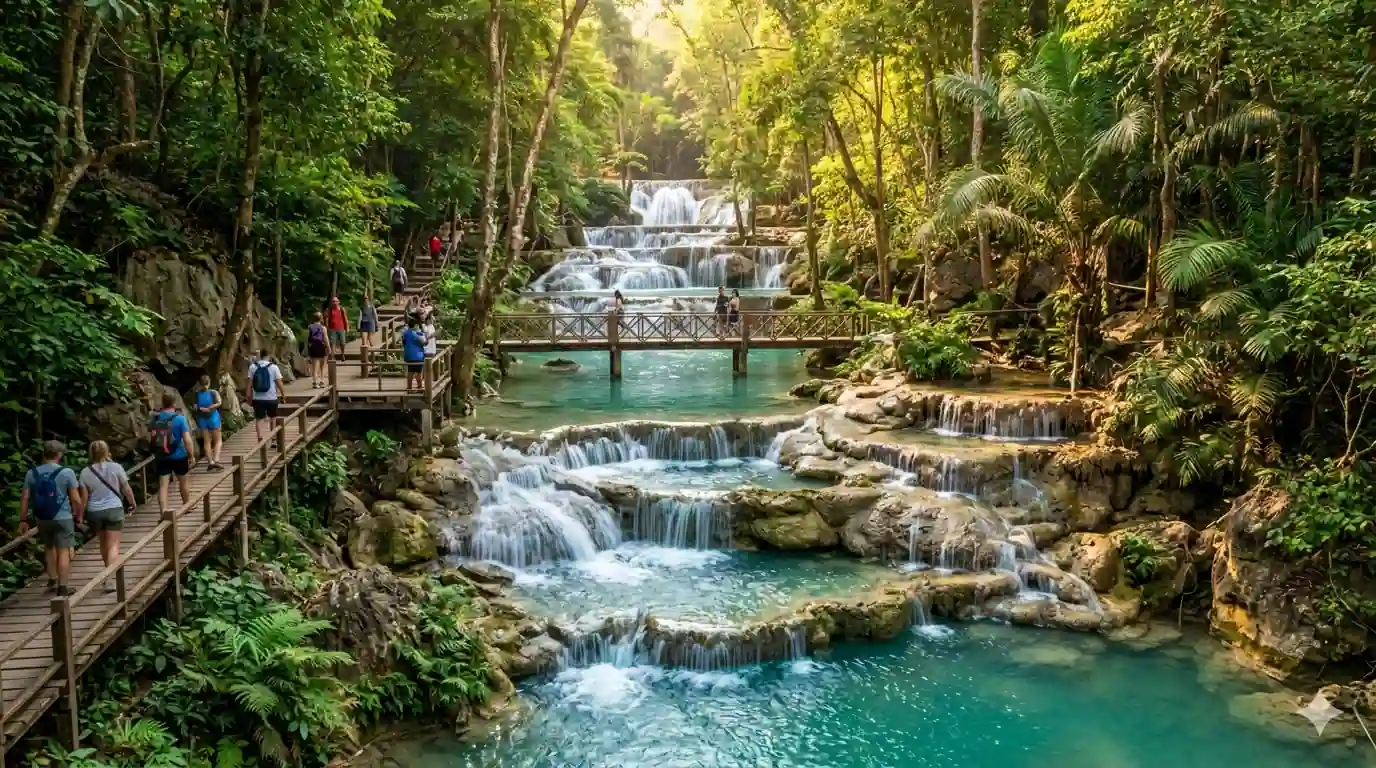
Quick Answer: When Should You Visit Erawan National Park
The absolute best time to visit Erawan National Park is during the cool dry season from November to February. During these months, you'll experience comfortable temperatures between 25-32°C (77-90°F), moderate water levels perfect for swimming through all seven tiers, and minimal rainfall. The water appears at its most spectacular turquoise-blue color, and trails remain safe and accessible.
If you're planning a trip to Thailand, understanding seasonal patterns is crucial. Check out our comprehensive month-by-month Thailand weather guide to coordinate your Erawan visit with the rest of your itinerary.
Understanding Erawan National Park's Climate and Seasons

Erawan National Park experiences three distinct seasons that dramatically affect your visiting experience. The park's tropical monsoon climate means water levels, trail conditions, and crowd sizes vary significantly throughout the year.
The Cool Dry Season: November to February (Peak Season)
This is universally recognized as the optimal time to visit Erawan National Park. During these months, the weather is pleasantly cool with average temperatures ranging from 25-30°C (77-86°F) during the day. Humidity drops to comfortable levels around 60-70%, making the hike to the upper tiers much more enjoyable.
Water levels during this period are ideal - not too high to be dangerous, but sufficient to create the stunning turquoise pools Erawan is famous for. The reduced rainfall means clearer water visibility, perfect for photography and swimming. You can expect to see water cascading beautifully over all seven tiers without the muddy runoff that characterizes the rainy season.
For first-time visitors to Thailand, this season aligns perfectly with the country's peak tourist period. If you're new to Thai travel culture, our essential tips for first-time travelers will help you navigate everything from local customs to transportation.
The Hot Dry Season: March to May (Shoulder Season)
Temperatures climb significantly during these months, often reaching 35-38°C (95-100°F) with high humidity. While this period sees minimal rainfall, the intense heat makes hiking challenging, especially between 11 AM and 3 PM.
Water levels begin to decrease noticeably by April and May. The lower tiers (1-3) remain accessible and swimmable, but the upper tiers (6-7) may have reduced flow or even dry sections. The water becomes warmer and less refreshing, though still suitable for cooling off.
This season offers a significant advantage: fewer crowds. If you can tolerate the heat and plan your visit early morning (arrive by 7 AM), you'll experience the falls with minimal other visitors. Budget travelers will appreciate that accommodation prices in Kanchanaburi drop by 20-30% during this period.
The Rainy Season: June to October (Low Season)
Monsoon rains transform Erawan during these months. September and October typically receive the heaviest rainfall, with some days experiencing continuous downpours. While the waterfalls reach their maximum volume and power, this comes with significant drawbacks.
Trail conditions become hazardous with slippery rocks and muddy paths. The park occasionally closes upper tiers (5-7) during heavy rain for safety reasons. Water clarity decreases dramatically due to sediment runoff, turning the famous blue pools murky brown or green.
However, early rainy season (June-July) can offer a compromise - lush green surroundings, full water flow, and fewer tourists. If you're an experienced hiker comfortable with wet conditions and don't mind unpredictable weather, this period offers dramatic photography opportunities.
Monthly Breakdown: What to Expect Each Month

November: The Perfect Start
November marks the transition from rainy to dry season, offering some of the year's best conditions. Average temperatures sit at 27°C (81°F) with rainfall decreasing significantly. Water levels remain high from the recent rains but begin clearing as sediment settles.
Crowd levels are moderate - higher than low season but not yet at December's peak. This is an excellent month for photographers as the surrounding vegetation remains lush and green from the rainy season while skies begin clearing.
December: Peak Perfection
December represents the absolute peak of visiting conditions. Temperatures average 26°C (79°F) with minimal humidity. Water clarity is exceptional, revealing the limestone formations beneath the turquoise surface. All seven tiers flow beautifully with safe swimming conditions throughout.
Be prepared for maximum crowds, especially during Christmas and New Year holidays. The park can receive 3,000-5,000 visitors daily during peak weeks. If visiting in December, arrive before 8 AM or after 2 PM to avoid the worst congestion.
January: Continued Excellence
January maintains December's excellent conditions with slightly cooler mornings averaging 20°C (68°F). Water levels stabilize at perfect swimming depth - deep enough for jumping at tiers 4-6 but shallow enough for safe wading throughout.
Crowd levels remain high but decrease slightly after New Year's week. This is an ideal time for families with children as water conditions are most predictable and safe.
February: Last of the Best
February offers the final month of optimal conditions before temperatures rise. Expect averages of 28°C (82°F) with continued low rainfall. Water levels begin a gradual decline but remain excellent for all seven tiers.
This month sees slightly fewer tourists than December-January while maintaining perfect weather. It's the sweet spot for travelers seeking ideal conditions without maximum crowds.
March: Transition Begins
Temperatures climb to 30-33°C (86-91°F) as summer approaches. Water levels remain adequate but you'll notice reduced flow at the upper tiers. Humidity increases, making midday hikes uncomfortable.
Crowd levels drop noticeably, making this a good choice for travelers who prioritize solitude over perfect water conditions. Early morning visits remain pleasant before the heat intensifies.
April: Heat Intensifies
April brings Thailand's hottest weather with temperatures regularly exceeding 35°C (95°F). Water levels decrease significantly, particularly at tiers 6-7 which may have minimal flow. The lower pools (1-3) remain the main attraction.
This is Songkran (Thai New Year) month, so expect domestic tourist spikes around April 13-15. International visitor numbers are low, creating a more local atmosphere.
May: Pre-Monsoon Heat
May represents the hottest, most humid month with temperatures reaching 36-38°C (97-100°F). Water levels are at their annual minimum. Some upper tier pools may be too shallow for swimming.
The advantage is minimal crowds and lowest accommodation prices. If you're budget-conscious and heat-tolerant, early morning visits (6-8 AM) can still provide a rewarding experience.
June: Rainy Season Begins
The first monsoon rains arrive, bringing relief from the heat but increased humidity. Temperatures drop to 30-32°C (86-90°F) but feel warmer due to moisture. Water levels rebound quickly with the first substantial rains.
Rainfall is typically afternoon showers rather than all-day events, allowing for morning visits. The landscape transforms to vibrant green, creating stunning photographic contrast with the blue water.
July: Full Monsoon
July experiences consistent rainfall with occasional heavy downpours. Water levels are high and powerful, creating dramatic waterfall displays. However, water clarity suffers from sediment runoff.
Trail conditions become slippery and challenging. The park may temporarily close upper tiers during heavy rain. This month suits experienced hikers comfortable with wet, challenging conditions.
August: Peak Rainfall
August typically receives the highest monthly rainfall. Continuous rain can make trails muddy and dangerous. Water volume is maximum but visibility is poor due to turbidity.
Visitor numbers are at their annual low. If you don't mind getting wet and prioritize having the falls nearly to yourself, this offers a unique experience - though not the classic turquoise pool experience.
September: Continuing Rains
Rainfall remains heavy though slightly less intense than August. Water levels stay high with powerful flows throughout all seven tiers. Trail conditions remain challenging with frequent mud and slippery rocks.
This is the least crowded month of the year. Budget travelers will find the best deals on Kanchanaburi accommodation, with discounts of 40-50% compared to peak season.
October: Transition Month
Early October continues the rainy pattern, but conditions gradually improve in the latter half. Rainfall decreases, allowing trails to dry between showers. Water levels remain high but clarity begins improving.
This is a gamble month - you might experience lingering monsoon conditions or the beginning of ideal weather. Flexible travelers who can adjust plans based on daily forecasts can find good value.
Water Conditions and Swimming Safety by Season

Understanding water conditions is crucial for planning your Erawan visit. The seven tiers offer different experiences depending on seasonal water levels.
Tier-by-Tier Swimming Guide
Tier 1 (Hat Erawan): Accessible year-round with consistent water depth of 0.5-1 meter. This is the most crowded tier but safest for children and weak swimmers. Even during dry season, this tier maintains adequate water.
Tier 2 (Wang Macha): Features deeper pools (1-2 meters) perfect for swimming. Water remains reliable throughout the year, though flow decreases noticeably in April-May. The limestone formations create natural water slides.
Tier 3 (Pha Namtok): Offers the most dramatic swimming holes with depths reaching 2-3 meters. During dry season (March-May), water levels may drop enough to expose more rocks, requiring careful navigation.
Tier 4 (Oke Nang Preecha): This tier requires moderate hiking fitness. Water depth varies significantly by season - from 1 meter in May to 3+ meters in September. The pool here is ideal for cliff jumping when water levels are adequate.
Tier 5 (Bua Pong): Features lotus-shaped rock formations. During peak dry season (April-May), this tier may have minimal water, reducing its appeal. Best visited November-February.
Tier 6 (Dung Preecha): The second-highest tier requires good fitness. Water flow is most reliable November-March. During heavy rains, this tier can be dangerous due to strong currents.
Tier 7 (Rom Klao): The summit tier offers the most spectacular views. Water flow is seasonal - robust November-March, reduced April-May, powerful but dangerous June-October. This tier is occasionally closed during extreme weather.
Water Temperature and Comfort
Water temperature remains refreshingly cool year-round at 22-26°C (72-79°F), fed by underground springs and mountain runoff. Even during hot season, the water provides excellent cooling relief. During cool season, the water feels brisk but invigorating.
Safety Considerations
During rainy season (June-October), flash flooding is a real risk. Always check weather forecasts before visiting and heed park ranger warnings. Never swim during or immediately after heavy rain. Strong currents can develop rapidly, particularly at upper tiers.
Dry season presents different hazards - slippery rocks from algae growth and deeper pools than they appear. Always test depth before jumping. Wear water shoes for better traction on limestone surfaces.
Crowd Levels and How to Avoid Them

Erawan National Park's popularity means crowd management is essential for an enjoyable visit. Understanding visitor patterns helps you plan strategically.
Daily Crowd Patterns
The park opens at 8:00 AM and closes at 4:00 PM (last entry 3:30 PM). Visitor arrival follows a predictable pattern:
8:00-9:30 AM: Lightest crowds with 50-100 visitors. This is the golden window for peaceful exploration and photography. Upper tiers are virtually empty.
10:00 AM-12:00 PM: Peak arrival time with 300-500 visitors entering. Lower tiers (1-3) become crowded with tour groups. Upper tiers remain manageable.
12:00-2:00 PM: Maximum crowding with 800-1,200 visitors in the park on busy days. Lower tiers are packed, making swimming difficult. This is when most day-trippers from Bangkok arrive.
2:00-4:00 PM: Gradual departure begins. Crowds thin to 400-600 visitors. Late arrivals can still enjoy the falls with moderate crowds.
Weekly Patterns
Weekdays (Monday-Thursday) see 40-50% fewer visitors than weekends. Thai schools and universities often organize field trips on Fridays, making it busier than other weekdays.
Weekends (Saturday-Sunday) attract both domestic tourists and Bangkok residents on day trips. Expect 2,000-4,000 total daily visitors during peak season weekends.
Seasonal Crowd Comparison
Peak Season (November-February): Average 2,500-4,000 daily visitors. Christmas-New Year week sees 5,000+ visitors daily.
Shoulder Season (March-May, June-July): Average 800-1,500 daily visitors. More comfortable experience with adequate space at swimming areas.
Low Season (August-October): Average 300-600 daily visitors. You may have entire tiers to yourself, though weather conditions are less predictable.
Strategies to Beat the Crowds
Stay Overnight in Kanchanaburi: This allows you to arrive at the park by 7:30 AM, before the gates open. Being among the first 50 visitors ensures 2-3 hours of relatively crowd-free exploration.
Visit Upper Tiers First: Most day-trippers spend time at tiers 1-3. Hike directly to tier 7, then work your way down as crowds arrive. This reverse strategy maximizes your peaceful time.
Avoid Thai Holidays: Major Thai holidays (Songkran April 13-15, King's Birthday July 28, Queen's Birthday August 12) see massive domestic tourism spikes. Check the Thai holiday calendar before planning.
Consider Late Afternoon: While you'll have less time, arriving after 2 PM means significantly smaller crowds as tour groups depart. You can still visit tiers 1-4 comfortably before closing.
Cost Breakdown and Budget Planning

Visiting Erawan National Park is remarkably affordable, making it accessible for all budget levels. Here's what to expect:
Park Entry Fees
Foreign adults: 100 THB ($3 USD)
Foreign children: 50 THB ($1.50 USD)
Thai adults: 20 THB ($0.60 USD)
Thai children: 10 THB ($0.30 USD)
Fees are valid for same-day entry only. The park does not offer multi-day passes.
Transportation Costs
From Bangkok:
Bus to Kanchanaburi: 120-150 THB ($3.50-4.50 USD) each way
Minivan to Erawan: 60 THB ($1.75 USD) each way
Total round-trip from Bangkok: 360-420 THB ($10.50-12.50 USD)
From Kanchanaburi Town:
Shared songthaew (pickup truck taxi): 60 THB ($1.75 USD) each way
Private taxi: 800-1,200 THB ($23-35 USD) round-trip with waiting time
Motorbike rental: 250-350 THB ($7-10 USD) per day plus fuel
Equipment Rental
Life jacket: 20 THB ($0.60 USD)
Water shoe rental: 30 THB ($0.90 USD)
Locker rental: 20 THB ($0.60 USD)
We recommend bringing your own water shoes rather than renting - they're essential for traction on slippery limestone.
Food and Water
On-site food court: 50-100 THB ($1.50-3 USD) per meal
Bottled water (1.5L): 20-30 THB ($0.60-0.90 USD)
Snacks and fruit: 20-50 THB ($0.60-1.50 USD)
Bringing your own water and snacks saves money and reduces plastic waste. There are no food vendors beyond the entrance area, so pack everything you need.
Accommodation in Kanchanaburi
Budget guesthouse: 400-600 THB ($12-18 USD) per night
Mid-range hotel: 800-1,500 THB ($23-43 USD) per night
Luxury resort: 2,500-5,000 THB ($72-145 USD) per night
Staying overnight allows for an early park arrival and is highly recommended. For accommodation options, check our guide to Thai resorts for luxury options in the region.
Total Budget Estimate (Per Person)
Budget Traveler (Day Trip from Bangkok):
Transportation: 400 THB ($12 USD)
Park entry: 100 THB ($3 USD)
Food and water: 150 THB ($4.50 USD)
Total: 650 THB ($19.50 USD)
Mid-Range Traveler (Overnight Stay):
Transportation: 400 THB ($12 USD)
Accommodation: 1,000 THB ($29 USD)
Park entry: 100 THB ($3 USD)
Food and water: 300 THB ($9 USD)
Total: 1,800 THB ($53 USD)
Luxury Traveler (Private Tour):
Private transport: 1,500 THB ($43 USD)
Luxury accommodation: 3,500 THB ($100 USD)
Park entry: 100 THB ($3 USD)
Food and activities: 800 THB ($23 USD)
Total: 5,900 THB ($169 USD)
How to Reach Erawan National Park

Erawan National Park is located 65 kilometers west of Kanchanaburi town and approximately 200 kilometers from Bangkok. Here are your transportation options:
From Bangkok to Kanchanaburi
Bus (Most Economical):
Depart from Southern Bus Terminal (Sai Tai Mai)
Duration: 2.5-3 hours
Frequency: Every 30-40 minutes from 5 AM to 7 PM
Cost: 120-150 THB ($3.50-4.50 USD)
Comfortable air-conditioned coaches with reclining seats
Minivan (Fastest):
Depart from Southern Bus Terminal or Victory Monument
Duration: 2-2.5 hours
Frequency: Every hour from 6 AM to 6 PM
Cost: 150-180 THB ($4.50-5.25 USD)
Faster but less comfortable than buses
Train (Most Scenic):
Depart from Thonburi (Bangkok Noi) Station
Duration: 3-3.5 hours
Frequency: 2-3 daily departures
Cost: 100 THB ($3 USD) third class, 300 THB ($9 USD) second class
The Death Railway offers stunning scenery but slower travel
Private Car/Taxi:
Duration: 2-2.5 hours
Cost: 2,000-3,000 THB ($58-87 USD) one way
Most convenient but expensive option
From Kanchanaburi to Erawan National Park
Shared Songthaew (Most Popular):
Depart from Kanchanaburi Bus Terminal
Duration: 1-1.5 hours
Frequency: Every 30-40 minutes from 7 AM to 5 PM
Cost: 60 THB ($1.75 USD) each way
Blue pickup trucks with bench seating in back
Return songthaews depart from the park entrance throughout the day. The last departure is typically around 4:30 PM, so plan accordingly.
Private Taxi:
Duration: 1 hour
Cost: 800-1,200 THB ($23-35 USD) round-trip with 3-4 hour waiting time
Negotiate price and waiting time in advance
Motorbike Rental:
Duration: 1-1.5 hours each way
Cost: 250-350 THB ($7-10 USD) per day plus 100 THB ($3 USD) fuel
Requires confidence riding on rural roads
The route from Kanchanaburi to Erawan is well-paved and scenic, passing through rural villages and sugarcane plantations. Road conditions are generally good, though watch for slow-moving agricultural vehicles.
Organized Tours
Many Bangkok and Kanchanaburi tour operators offer day trips to Erawan National Park. These typically include:
Round-trip transportation
Park entry fee
Lunch
English-speaking guide
Cost: 1,200-2,000 THB ($35-58 USD)
Tours are convenient but less flexible than independent travel. You'll be on a fixed schedule with limited time at the falls. For budget-conscious travelers planning a broader Thailand itinerary, our budget travel guide offers money-saving strategies.
Essential Packing List for Erawan National Park

Proper preparation enhances your Erawan experience significantly. Here's what to bring:
Must-Have Items
Water Shoes or Sturdy Sandals: Essential for traction on slippery limestone rocks. Regular flip-flops are dangerous on wet surfaces. Brands like Keen or Teva work well.
Swimsuit: Wear it under your clothes to save time. Changing facilities are basic and often crowded.
Quick-Dry Towel: Microfiber towels dry quickly and pack small. You'll want to dry off between tiers.
Waterproof Bag: Protect electronics, wallet, and dry clothes. A 10-20L dry bag works perfectly.
Sunscreen: SPF 50+ waterproof formula. Reapply after swimming. The tropical sun is intense even on cloudy days.
Insect Repellent: Mosquitoes are present, especially near lower tiers and during rainy season.
Water Bottles: Bring at least 2 liters per person. There's limited water availability inside the park.
Snacks: Energy bars, fruit, nuts. The hike burns significant calories.
Recommended Items
Waterproof Phone Case: Protect your phone while taking photos in the water.
Change of Clothes: Leave dry clothes in a locker or your bag for the return journey.
First Aid Kit: Band-aids, antiseptic wipes, pain relievers. Minor scrapes are common on rocks.
Camera: Waterproof or with waterproof housing. The scenery is spectacular.
Cash: Bring small bills (20, 50, 100 THB) for entry fees, lockers, and food.
For a comprehensive packing guide covering all your Thailand adventures, see our Thailand packing essentials guide.
What NOT to Bring
Glass Containers: Prohibited in the park for safety reasons.
Soap or Shampoo: Never use in the natural pools - it contaminates the water.
Excessive Valuables: Leave expensive jewelry and unnecessary electronics in your accommodation.
Large Backpacks: Unnecessary weight. A 20-30L daypack is sufficient.
Safety Tips and Park Rules

Erawan National Park is generally safe, but following guidelines ensures an incident-free visit.
Swimming Safety
Test Depth Before Jumping: Water depth varies significantly by season and location. Always enter feet-first the first time.
Avoid Jumping During Rainy Season: High water levels and strong currents make jumping dangerous June-October.
Watch for Slippery Rocks: Limestone becomes extremely slick when wet. Take your time moving between pools.
Supervise Children Closely: Some pools have sudden drop-offs. Children should wear life jackets if they're not strong swimmers.
Don't Swim Alone: Always have a buddy, especially at upper tiers where fewer people venture.
Hiking Safety
Stay on Marked Trails: Venturing off-trail risks injury and damages fragile ecosystems.
Start Early: Allow 3-4 hours minimum to reach tier 7 and return before closing.
Carry Enough Water: Dehydration is a real risk in tropical heat. Drink regularly even if not thirsty.
Watch Weather Forecasts: Avoid visiting if heavy rain is predicted. Flash flooding can occur rapidly.
Inform Someone of Your Plans: If hiking solo, tell your accommodation or a friend your itinerary.
Park Rules and Regulations
No Littering: Pack out all trash. The park provides limited waste bins.
No Feeding Wildlife: Monkeys and other animals can become aggressive if fed.
No Camping: Overnight camping is not permitted in Erawan National Park.
Respect Quiet Hours: Keep noise levels reasonable, especially near other visitors.
No Alcohol: Alcohol consumption is prohibited in the park.
No Drones: Drone use requires special permission from park authorities.
Emergency Information
Park Ranger Station: Available at entrance
Nearest Hospital: Kanchanaburi Hospital (65 km)
Emergency Number: 1669 (Thailand Medical Emergency)
Tourist Police: 1155
Cell phone coverage is spotty at upper tiers. Download offline maps and emergency contacts before entering.
Photography Tips for Erawan Waterfalls

Capturing Erawan's beauty requires some technique. Here's how to get stunning photos:
Best Photography Times
Morning Light (8-10 AM): Soft, diffused light filters through the canopy, creating magical atmosphere. Water appears most turquoise in morning light.
Midday (11 AM-1 PM): Harsh overhead light creates contrast but can wash out colors. Use this time for underwater shots where light penetrates better.
Late Afternoon (2-4 PM): Warm golden light returns, though you'll have less time before closing. Best for tier 7 summit shots.
Equipment Recommendations
Waterproof Camera or Housing: Essential for in-water shots. GoPro or similar action cameras work excellently.
Polarizing Filter: Reduces water surface glare and enhances turquoise color. Crucial for DSLR/mirrorless cameras.
Tripod: Useful for long exposures creating silky water effects. Not practical while swimming but good for empty morning shots.
Wide-Angle Lens: Captures the full scale of multi-tier waterfalls. 16-35mm equivalent is ideal.
Composition Tips
Include People for Scale: The waterfalls are massive. Including a person helps viewers appreciate the size.
Use Leading Lines: Wooden walkways and rock formations create natural lines guiding the eye.
Capture All Seven Tiers: From certain vantage points at tiers 3-4, you can photograph multiple levels.
Underwater Perspectives: Submerge your camera halfway to capture both above and below water in one frame.
Details Matter: Don't just shoot wide. Capture limestone textures, fish in pools, sunlight through leaves.
Specific Photo Locations
Tier 1: Best for wide shots showing the entrance cascade with jungle backdrop.
Tier 3: Excellent vantage point looking back down at lower tiers.
Tier 4: The lotus-shaped rocks create unique framing opportunities.
Tier 7: Summit views looking down the entire waterfall system.
Combining Erawan with Other Kanchanaburi Attractions

Maximize your Kanchanaburi visit by combining Erawan with other must-see sites.
Recommended Multi-Day Itinerary
Day 1: Bangkok to Kanchanaburi
Morning: Travel from Bangkok (2.5-3 hours)
Afternoon: Visit Bridge over the River Kwai and JEATH War Museum
Evening: Overnight in Kanchanaburi town
Day 2: Erawan National Park
7:30 AM: Depart for Erawan
8:30 AM-2:00 PM: Explore all seven tiers
3:00 PM: Return to Kanchanaburi
Evening: Visit Kanchanaburi Night Market
Day 3: Additional Attractions
Morning: Hellfire Pass Memorial and Museum
Afternoon: Sai Yok Noi Waterfall or Tiger Temple (ethical concerns - research carefully)
Evening: Return to Bangkok or extend stay
Other Nearby Waterfalls
Sai Yok Noi Waterfall: 45 km from Kanchanaburi, easily accessible, less crowded than Erawan but smaller scale.
Sai Yok Yai Waterfall: Flows directly into the Khwae Noi River, accessible by boat, unique riverside setting.
Huay Mae Khamin Waterfall: Seven-tier waterfall in Srinakarin National Park, similar to Erawan but more remote and less developed.
Cultural and Historical Sites
Death Railway: Take a scenic train ride along the infamous Burma Railway built during WWII.
War Cemeteries: Kanchanaburi War Cemetery and Chungkai War Cemetery honor Allied POWs.
Ban Kao National Museum: Archaeological museum showcasing prehistoric artifacts.
For travelers extending their Thailand journey beyond Kanchanaburi, our comprehensive Thailand travel guide covers destinations throughout the country.
Environmental Conservation and Responsible Tourism

Erawan National Park faces pressure from high visitor numbers. Practice responsible tourism to preserve this natural wonder.
How to Minimize Your Impact
Pack Out All Trash: Don't rely on park bins. Take everything back with you.
Use Reef-Safe Sunscreen: Regular sunscreen chemicals harm aquatic life. Use biodegradable, mineral-based formulas.
Don't Touch or Remove Anything: Limestone formations, plants, and wildlife should remain undisturbed.
Stay on Designated Paths: Erosion from foot traffic damages fragile ecosystems.
Respect Wildlife: Observe monkeys and other animals from a distance. Never feed them.
Conserve Water: Use restroom facilities at the entrance before hiking to minimize impact.
Supporting Conservation
Your 100 THB entry fee contributes to park maintenance and conservation efforts. Consider additional donations to Thai conservation organizations if you're able.
Choose tour operators committed to sustainable practices. Look for companies with environmental certifications or clear sustainability policies.
Common Mistakes to Avoid

Learn from others' errors to optimize your visit:
Timing Mistakes
Arriving Too Late: Many visitors arrive at 11 AM or later, giving insufficient time to reach upper tiers before closing. Always arrive before 9 AM.
Visiting on Weekends: Saturday and Sunday see 2-3x more visitors than weekdays. If your schedule allows, visit Monday-Thursday.
Coming During Peak Rainy Season: August-October often disappoints due to muddy water and closed trails. Check recent visitor photos before visiting during these months.
Preparation Mistakes
Wearing Flip-Flops: Countless visitors slip and fall wearing inadequate footwear. Water shoes or sturdy sandals are essential.
Not Bringing Enough Water: The combination of hiking, swimming, and tropical heat causes rapid dehydration. Bring at least 2 liters per person.
Leaving Valuables Unsecured: While theft is rare, it happens. Use lockers or keep valuables with you in waterproof bags.
Behavior Mistakes
Rushing Through Lower Tiers: Many visitors hurry to tier 7 without enjoying the lower levels. Each tier has unique character - take time to explore.
Ignoring Safety Warnings: Park rangers close areas for good reasons. Never enter closed zones or ignore warning signs.
Littering: Even biodegradable items like fruit peels disrupt the ecosystem. Pack out everything.
Frequently Asked Questions
How long does it take to hike to tier 7?
The hike to tier 7 takes 45-60 minutes at a moderate pace, covering approximately 1.5 kilometers with an elevation gain of 300 meters. Allow 2-3 hours total to explore all seven tiers, swim, and return. Fit hikers can complete the round-trip in 2 hours, while leisurely visitors may take 4-5 hours.
Is Erawan National Park suitable for children?
Yes, Erawan is family-friendly. Tiers 1-3 are easily accessible for children with calm, shallow pools perfect for swimming. Tiers 4-7 require more hiking stamina and supervision. Children under 8 may struggle with the full hike. Bring life jackets for weak swimmers and supervise closely near deeper pools.
Can you visit Erawan National Park without a tour?
Absolutely. Independent travel is easy and more flexible than tours. Public transportation from Bangkok and Kanchanaburi is reliable and affordable. Most travelers visit independently. Our Thailand travel tips guide covers navigating public transport confidently.
Are there facilities at Erawan National Park?
Basic facilities include restrooms at the entrance and tier 2, a food court near the entrance, lockers for rent, and a small visitor center. There are no facilities beyond tier 2, so bring everything you need. Facilities are clean but basic by Western standards.
Can you swim at all seven tiers?
Yes, swimming is possible at all seven tiers when water levels are adequate (November-March). During dry season (April-May), upper tiers (5-7) may have minimal water. During rainy season (June-October), swimming is possible but water clarity is poor and currents can be strong.
What is the best month to visit Erawan National Park?
December and January offer the absolute best conditions with perfect weather, ideal water levels, and crystal-clear turquoise pools. However, these are also the most crowded months. For a balance of good conditions and fewer crowds, visit in February or November.
Final Recommendations and Conclusion
Erawan National Park's seven-tier waterfalls represent one of Thailand's most spectacular natural attractions. Your experience depends significantly on timing and preparation.
Best Overall Time to Visit
Optimal Period: November to February
Best Months: December and January
Best Balance: February (great conditions, slightly fewer crowds)
Best for Budget: May or September (lowest prices, accept weather trade-offs)
Key Takeaways
Visit during cool dry season (November-February) for ideal conditions
Arrive before 9 AM to beat crowds
Wear proper water shoes - flip-flops are dangerous
Bring at least 2 liters of water per person
Allow 3-4 hours minimum to explore all seven tiers
Stay overnight in Kanchanaburi for early park access
Avoid weekends and Thai holidays when possible
Check weather forecasts and avoid visiting during heavy rain
Planning Your Visit
Before your trip, ensure you have:
Valid travel insurance covering outdoor activities
Appropriate footwear and swimwear
Cash for entry fees and transportation (cards not accepted)
Downloaded offline maps and emergency contacts
Booked accommodation in Kanchanaburi if arriving early
Checked Thai visa requirements if applicable - see our Thailand visa guide
Erawan National Park rewards visitors who plan strategically. The turquoise pools, dramatic limestone formations, and lush jungle setting create memories that last a lifetime. Whether you're a solo adventurer, family traveler, or photography enthusiast, timing your visit correctly ensures you experience this natural wonder at its absolute best.
For travelers combining Erawan with broader Southeast Asia exploration, our Vietnam travel guide and other regional resources help you plan the perfect multi-country itinerary.
The seven tiers of Erawan await - plan wisely, respect nature, and prepare for one of Thailand's most breathtaking experiences.
0 Comments