.webp)
.webp)
The Best Local Artisan Workshops in Russia: From Lace to Ceramics and Traditional Crafts
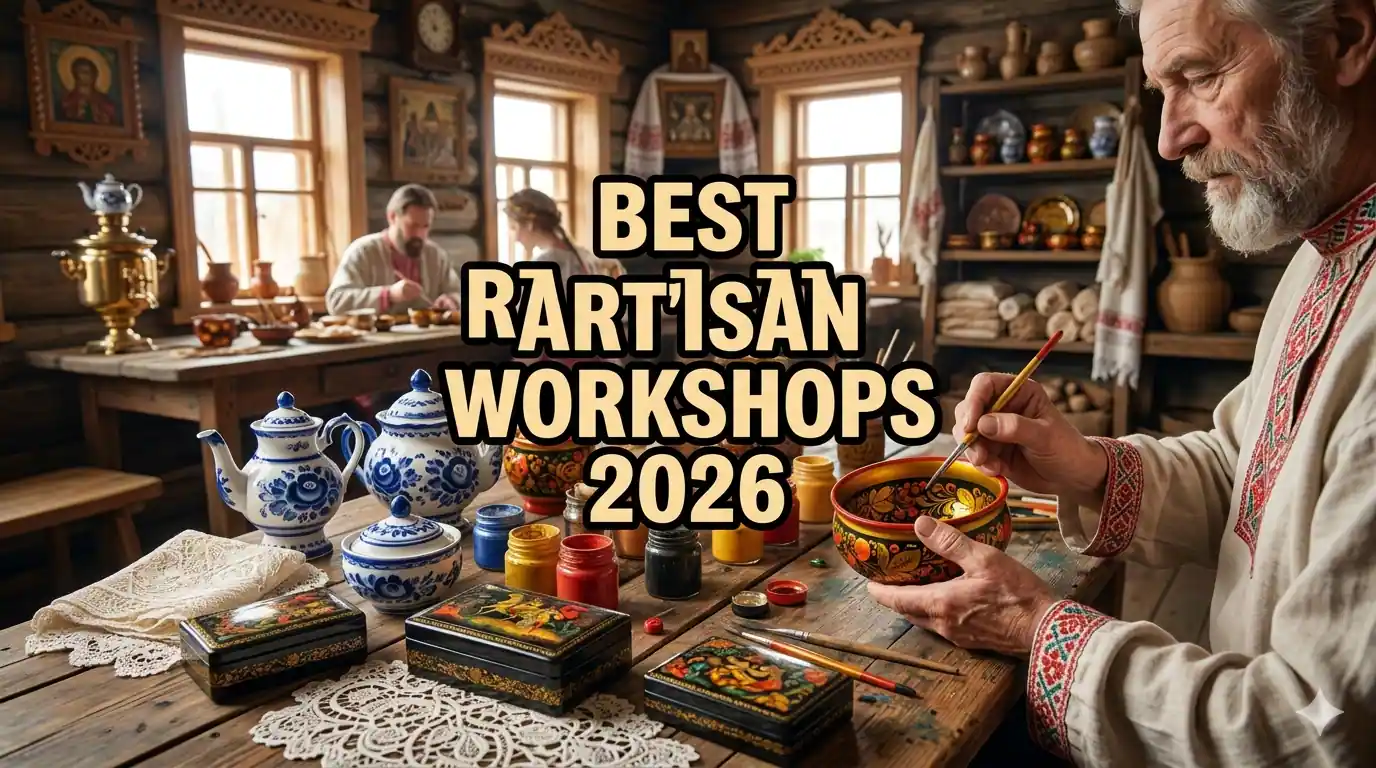
Discovering Russia's Rich Artisan Heritage
Russia boasts an extraordinary tradition of handcrafted arts that spans over a millennium, reflecting the country's vast geography, diverse cultures, and deep spiritual heritage . From the delicate intricacy of Vologda lace to the vibrant blue and white ceramics of Gzhel, Russian artisan workshops preserve centuries-old techniques while adapting to contemporary tastes and tourism demands . These traditional crafts represent more than mere souvenirs—they embody the soul of Russian culture, passing down skills from generation to generation through master-apprentice relationships that have survived political upheavals, industrialization, and modernization .
For travelers visiting Russia in 2026, exploring local artisan workshops offers unique opportunities to witness master craftspeople at work, participate in hands-on learning experiences, and acquire authentic handmade items directly from their creators . Unlike mass-produced souvenirs found in tourist shops, genuine Russian handicrafts purchased from artisan workshops carry the mark of individual skill, regional traditions, and cultural authenticity that make them treasured keepsakes or meaningful gifts . From the golden domes of Moscow to the historic streets of St. Petersburg, and from the ancient towns of the Golden Ring to remote villages preserving disappearing crafts, Russia's artisan landscape offers rich experiences for culturally curious travelers .
This comprehensive guide explores the best local artisan workshops across Russia, covering traditional crafts from lace-making to ceramics, wood painting to lacquer boxes, and metalwork to textile arts . Whether you have just a few hours in Moscow or weeks to explore Russia's craft heritage, this guide provides practical information about workshop locations, booking procedures, pricing, and what to expect from each experience . For Bangladeshi travelers and international visitors alike, these artisan workshops offer windows into Russian culture that transcend language barriers, creating meaningful connections through the universal language of creativity and craftsmanship .
Vologda Lace: Russia's Delicate White Gold

Vologda lace represents one of Russia's most celebrated and intricate textile traditions, originating in the northern city of Vologda in the 18th century . This distinctive lace-making technique, known as "Vologodskoye kruzhevo," features complex geometric and floral patterns created on special pillows using dozens of bobbins simultaneously . Unlike other lace-making traditions that might use needles or machines, Vologda lace requires skilled artisans to weave threads by hand, creating continuous tape that forms elaborate designs including the famous "Vologda edge" with its characteristic thick contour cord .
The Vologda Lace Museum, housed in a beautifully preserved 19th-century mansion, stands as the premier destination for experiencing this delicate art form [[45]). The museum offers comprehensive exhibitions tracing the history of lace-making from its European origins through Russian adaptations, displaying exquisite historical pieces alongside contemporary creations . More importantly for travelers, the museum operates active workshops where master lace-makers demonstrate traditional techniques and visitors can try their hand at this challenging craft under expert guidance .
Vologda Lace Workshop Experiences
Workshop sessions at the Vologda Lace Museum typically last 1-2 hours and begin with historical introductions explaining the craft's significance and technical requirements [[42]). Participants sit at traditional lace-making pillows, learning to manipulate bobbins threaded with fine linen or cotton thread [[28]). While mastering Vologda lace requires years of practice, introductory workshops allow beginners to create simple patterns or small decorative elements they can take home as souvenirs [[35]).
Beyond the museum, several private workshops and artisan cooperatives throughout Vologda offer more intensive learning experiences for serious students of the craft [[45]). These workshops may span multiple days or weeks, providing immersion in lace-making techniques, pattern design, and the cultural context of this traditional art form [[28]). Prices for basic workshops range from 500-1,500 rubles (approximately USD 5-15), while extended courses cost proportionally more [[35]).
Purchasing Authentic Vologda Lace
The museum shop and authorized artisan workshops offer authentic Vologda lace products ranging from small decorative items to elaborate tablecloths, curtains, and traditional clothing accessories [[42]). Prices vary dramatically based on complexity and size, with simple napkins starting around 1,000 rubles (USD 10) while intricate tablecloths or clothing pieces may cost tens of thousands of rubles [[28]). Each authentic piece should include certification of origin and information about the artisan who created it [[35]).
Travelers should be wary of machine-made imitations sold in tourist areas, as these lack the quality, durability, and cultural value of genuine hand-made Vologda lace [[45]). Purchasing directly from museums, authorized workshops, or certified artisan cooperatives ensures authenticity while supporting the preservation of this endangered craft tradition [[28]).
Gzhel Ceramics: Russia's Iconic Blue and White Pottery

Gzhel represents Russia's most famous ceramic tradition, characterized by distinctive cobalt blue designs painted on white porcelain or faience [[35]). Originating in the Gzhel region approximately 60 kilometers southeast of Moscow, this craft dates to the 14th century when local clay deposits attracted potters who developed unique firing and painting techniques [[42]). By the 18th century, Gzhel ceramics had achieved imperial recognition, with Empress Elizabeth establishing official factories that produced tableware, decorative objects, and architectural elements for palaces and churches [[28]).
Traditional Gzhel designs feature floral motifs, birds, animals, and scenes from Russian folklore, all rendered in varying shades of cobalt blue against pure white backgrounds [[35]). The distinctive blue color results from cobalt oxide pigments that transform during high-temperature firing, creating the brilliant azure tones that define Gzhel aesthetics [[45]). Master painters develop skills over decades, learning to apply paint with precise brushstrokes that account for color transformation during firing [[28]).
Gzhel Workshop Locations and Experiences
The Gzhel region contains numerous working factories and workshops where visitors can observe traditional ceramic production and participate in hands-on experiences [[42]). The Gzhel Museum and Factory, located in the village of Retchitsy, offers comprehensive tours explaining the complete production process from clay preparation through shaping, firing, painting, and glazing [[35]). These tours typically last 1-2 hours and cost 300-600 rubles (USD 3-6) per person [[28]).
Hands-on workshops allow visitors to try pottery wheel throwing, hand-building techniques, or the famous cobalt blue painting that defines Gzhel ceramics [[45]). Painting workshops prove most popular with tourists, as participants can decorate pre-fired ceramic blanks including plates, figurines, or small decorative objects [[28]). Under master painter guidance, visitors learn traditional brush techniques and design motifs, creating personalized souvenirs to take home after final firing and shipping [[35]).
For travelers unable to visit the Gzhel region itself, several Moscow museums and cultural centers offer Gzhel workshops and demonstrations [[42]). The All-Russian Museum of Decorative Arts in Moscow features Gzhel exhibitions and occasional workshops, while specialized craft centers in the capital provide regular painting classes taught by Gzhel-trained artisans [[28]).
Purchasing Authentic Gzhel Ceramics
Authentic Gzhel ceramics bear specific marks including the factory stamp, painter's signature, and "Gzhel" designation [[35]). Prices range from 500 rubles (USD 5) for small figurines or ornaments to tens of thousands of rubles for elaborate tableware sets or large decorative pieces created by master artisans [[28]). Factory outlets in the Gzhel region typically offer better prices than Moscow retail shops, though selection may be more limited [[45]).
Contemporary Gzhel production includes both traditional designs and modern interpretations, allowing buyers to choose between classic Russian aesthetics and contemporary artistic expressions [[35]). When purchasing, verify that items are hand-painted rather than transfer-printed imitations, as hand-painted pieces command higher prices but offer superior quality and artistic value [[28]).
Khokhloma Painting: Russia's Golden Wood Art

Khokhloma represents one of Russia's most visually striking folk art traditions, featuring elaborate floral and berry patterns painted in brilliant gold, red, and black on wooden tableware and decorative objects [[42]). Originating in the 17th century in villages below Nizhny Novgorod along the Volga River, this distinctive painting technique creates the illusion of gilded surfaces without using actual gold [[28]). Instead, artisans apply aluminum or tin powder that, when covered with special lacquer and fired at high temperatures, transforms into the characteristic golden sheen that defines Khokhloma aesthetics [[35]).
Traditional Khokhloma designs feature stylized rowan berries, strawberries, flowers, leaves, and birds rendered in flowing, organic compositions that cover every surface of wooden spoons, bowls, plates, furniture, and decorative boxes [[45]). The painting process requires multiple stages including preparing wooden blanks, applying clay primer, painting backgrounds in red or black, adding golden patterns, applying protective lacquer, and firing in special ovens [[28]). Master Khokhloma painters train for years to develop the fluid brushwork and design sensibility that distinguishes exceptional work [[35]).
Khokhloma Workshop Experiences
The village of Semionovo near Nizhny Novgorod serves as the heart of Khokhloma production, housing the renowned Khokhloma Art Factory and Museum where visitors can observe all stages of production and participate in workshops [[42]). The museum offers guided tours explaining the history, techniques, and cultural significance of Khokhloma painting, displaying historical pieces alongside contemporary creations [[28]). Workshop sessions allow visitors to try painting on pre-prepared wooden blanks under master artisan guidance, learning basic brush techniques and traditional motifs [[35]).
Workshop durations typically range from 1-3 hours, with prices between 500-1,500 rubles (USD 5-15) depending on the complexity of the project and size of the item painted [[45]). Participants can choose from spoons, small boxes, plates, or decorative panels, creating personalized souvenirs that require final firing and lacquering before shipping [[28]). Some workshops offer same-day completion for simple items, while more complex pieces may require several days for finishing and shipping arrangements [[35]).
Moscow and St. Petersburg also offer Khokhloma workshops through cultural centers, museums, and private studios, making this craft accessible to travelers with limited time for regional travel [[42]). The Russian Museum of Ethnography in St. Petersburg and various craft centers in Moscow provide regular workshops taught by trained Khokhloma artists [[28]).
Purchasing Authentic Khokhloma
Authentic Khokhloma products bear maker's marks and certification indicating hand-painted production rather than factory printing [[35]). Prices vary significantly based on size, complexity, and artisan skill level, with simple spoons starting around 300-500 rubles (USD 3-5) while elaborate furniture pieces or large decorative items may cost tens of thousands of rubles [[28]). Factory shops in Semionovo and other production centers offer competitive pricing and wide selection [[45]).
When purchasing Khokhloma, examine the quality of painting carefully—hand-painted pieces show slight variations in brushstrokes and design execution that mass-produced imitations lack [[35]). Authentic Khokhloma features smooth, durable surfaces that withstand regular use for tableware, making it both decorative and functional [[28]).
Palekh Lacquer Boxes: Miniature Masterpieces

Palekh represents one of Russia's most refined and internationally celebrated folk art forms, featuring intricate miniature paintings on lacquer boxes, jewelry caskets, and decorative panels [[42]). Originating in the village of Palekh in Ivanovo Region, this craft emerged in the 1920s when former icon painters, unable to practice religious art after the Russian Revolution, adapted their skills to secular miniature painting on papier-mâché boxes [[28]). Palekh artists employ techniques developed over centuries of icon painting, using fine brushes made from squirrel hair and natural pigments to create extraordinarily detailed scenes on black lacquer backgrounds [[35]).
Traditional Palekh themes draw from Russian fairy tales, folklore, historical events, village life, and literary classics, rendered in distinctive style featuring elongated figures, vibrant colors, elaborate gold detailing, and complex multi-scene compositions [[45]). The painting process involves multiple layers of lacquer application, careful surface preparation, detailed sketching, meticulous painting with natural pigments mixed with egg yolk tempera, and final protective lacquer coating [[28]). A single box may require weeks or months of work, with master artisans creating pieces of museum quality [[35]).
Palekh Workshop and Museum Experiences
The Palekh State Art Museum, housed in a former church, displays exceptional historical and contemporary Palekh works while offering insights into this refined craft tradition [[42]). The museum provides guided tours explaining Palekh's evolution from icon painting to lacquer miniature, displaying works by renowned masters alongside pieces by contemporary artists [[28]). While Palekh's complex techniques make it unsuitable for brief hands-on workshops, the museum and local artisan workshops offer observation sessions where visitors can watch master painters at work [[35]).
Several Palekh artisan cooperatives and private workshops welcome visitors for demonstrations and educational sessions explaining the lacquer box production process from papier-mâché forming through final painting and lacquering [[45]). These visits typically last 1-2 hours and cost 300-800 rubles (USD 3-8) per person [[28]). Some workshops offer simplified painting experiences where visitors can add small decorative elements to pre-prepared boxes under master guidance, though creating authentic Palekh miniatures requires years of specialized training [[35]).
For travelers unable to visit Palekh village itself, Moscow's All-Russian Museum of Decorative Arts and specialized craft shops feature Palekh exhibitions and sales, providing access to this art form without extensive regional travel [[42]).
Purchasing Authentic Palekh Lacquer Boxes
Authentic Palekh boxes command premium prices reflecting the extraordinary skill and time investment required for their creation [[35]). Small boxes with simple designs start around 3,000-5,000 rubles (USD 30-50), while large, elaborately painted pieces by renowned masters may cost hundreds of thousands of rubles [[28]). Each authentic Palekh box should bear the artist's signature, workshop mark, and certificate of authenticity [[45]).
When purchasing Palekh, examine painting quality carefully—authentic pieces feature incredibly fine brushwork, vibrant natural pigments, elaborate gold detailing, and smooth lacquer surfaces without bubbles or imperfections [[35]). Be wary of cheap imitations produced in other regions or countries, as these lack the quality and cultural value of genuine Palekh work [[28]). Purchasing from museum shops, authorized dealers, or directly from Palekh workshops ensures authenticity [[45]).
Zhostovo Metal Painting: Floral Bouquets on Trays

Zhostovo represents Russia's premier tradition of decorative metal painting, featuring lush floral bouquets painted on black lacquered metal trays [[42]). Originating in the village of Zhostovo near Moscow in the early 19th century, this craft developed when local metalworkers began decorating utilitarian trays with elaborate floral compositions that transformed everyday objects into artistic treasures [[28]). Zhostovo painting features characteristic "bouquet" compositions with roses, peonies, dahlias, and other flowers arranged in seemingly spontaneous yet carefully balanced arrangements against deep black backgrounds [[35]).
The Zhostovo painting process involves multiple stages including preparing metal blanks, applying multiple layers of black lacquer, sketching floral compositions, painting with oil-based colors using special brushes, adding highlights and shadows for three-dimensional effects, and applying protective clear lacquer [[45]). Master Zhostovo painters develop distinctive personal styles while adhering to traditional compositional principles, creating works that balance naturalistic flower depiction with decorative abstraction [[28]). The finest Zhostovo trays achieve remarkable illusionistic effects, with flowers appearing to emerge from the black background in vibrant three-dimensional splendor [[35]).
Zhostovo Workshop Experiences
The Zhostovo Factory and Museum, located in the village of Zhostovo in Moscow Region, offers comprehensive experiences for visitors interested in this decorative art form [[42]). The museum displays historical and contemporary Zhostovo trays, explaining the evolution of styles and techniques over two centuries of production [[28]). Guided tours cost 200-500 rubles (USD 2-5) and provide insights into the complete production process from metalworking through final lacquering [[35]).
Hands-on workshops allow visitors to try Zhostovo painting techniques on small metal blanks or pre-prepared trays under master painter guidance [[45]). These workshops typically last 2-3 hours and cost 1,000-2,500 rubles (USD 10-25), providing materials and instruction for creating personalized decorative pieces [[28]). While mastering Zhostovo's sophisticated techniques requires years of practice, introductory workshops enable beginners to paint simple floral elements and understand the craft's fundamental principles [[35]).
Moscow cultural centers and craft studios also offer Zhostovo painting workshops, making this tradition accessible to travelers with limited time for visiting the original village [[42]). These urban workshops provide similar experiences with qualified instructors trained in Zhostovo techniques [[28]).
Purchasing Authentic Zhostovo Trays
Authentic Zhostovo trays range in price from 2,000 rubles (USD 20) for small decorative pieces to tens of thousands of rubles for large trays painted by master artists [[35]). Factory shops in Zhostovo village and authorized dealers in Moscow offer wide selection and competitive pricing [[28]). Each authentic tray should bear the painter's signature and factory mark indicating hand-painted production [[45]).
When purchasing Zhostovo, examine painting quality for smooth brushwork, vibrant colors, sophisticated shading that creates three-dimensional effects, and flawless lacquer surfaces [[35]). Hand-painted trays show subtle variations and artistic interpretation that mass-produced imitations lack [[28]). Zhostovo trays serve both decorative and functional purposes, with high-quality pieces suitable for actual serving use despite their artistic value [[45]).
Dymkovo Toys: Russia's Colorful Clay Figurines

Dymkovo toys represent one of Russia's oldest and most charming folk art traditions, featuring hand-sculpted and brightly painted clay figurines depicting people, animals, and fantasy creatures [[42]). Originating in the Dymkovo sloboda (settlement) near Kirov (formerly Vyatka) over 400 years ago, these toys began as whistle figures for children but evolved into sophisticated decorative art celebrating Russian village life, folklore, and festive traditions [[28]). Dymkovo toys feature distinctive characteristics including simplified forms, bold geometric patterns, vibrant colors (particularly red, blue, yellow, and green), and playful subjects ranging from ladies in elaborate dresses to horses, birds, and carnival scenes [[35]).
Traditional Dymkovo toy production involves sculpting figures from local red clay, firing in kilns, coating with white chalk primer mixed with milk (creating a smooth painting surface), and hand-painting with bright tempera colors in geometric and floral patterns [[45]). Each toy remains unique, with artisans improvising designs while adhering to traditional motifs and color schemes [[28]). The painting process uses simple brushes and employs characteristic techniques including dot patterns, stripes, circles, and stylized floral elements that create the distinctive Dymkovo aesthetic [[35]).
Dymkovo Workshop Experiences
The Dymkovo Toy Museum in Kirov and specialized workshops in the historic Dymkovo district offer immersive experiences in this ancient craft [[42]). Museums provide exhibitions tracing Dymkovo toy history from utilitarian whistles to sophisticated decorative art, displaying historical pieces alongside contemporary creations [[28]). Workshop sessions allow visitors to try sculpting simple clay figures or painting pre-fired blanks under master artisan guidance [[35]).
Sculpting workshops teach basic clay manipulation techniques for creating simple animal or human figures, though mastering Dymkovo's characteristic forms requires extensive practice [[45]). Painting workshops prove more accessible for brief visitor experiences, allowing participants to decorate pre-fired toys with traditional Dymkovo patterns and colors [[28]). Workshop durations typically range from 1-3 hours with costs of 500-1,500 rubles (USD 5-15) including materials [[35]).
Moscow and St. Petersburg craft centers occasionally offer Dymkovo toy workshops, though the most authentic experiences remain in Kirov where the tradition originated [[42]).
Purchasing Authentic Dymkovo Toys
Authentic Dymkovo toys range from 500 rubles (USD 5) for small simple figures to several thousand rubles for large, elaborately painted pieces by master artisans [[35]). Museum shops in Kirov and authorized dealers in major cities offer certified authentic pieces with information about the creating artisan [[28]). Each toy should show evidence of hand-sculpting and hand-painting rather than mold production or transfer printing [[45]).
When purchasing Dymkovo toys, look for slight irregularities that indicate hand production, vibrant hand-applied colors, traditional patterns and motifs, and solid clay construction [[35]). Contemporary Dymkovo artists create both traditional designs and innovative interpretations, allowing buyers to choose between classic and modern styles [[28]).
Other Notable Russian Craft Traditions

Beyond the major craft traditions detailed above, Russia preserves numerous other artisan specialties that vary by region and reflect local materials, cultural influences, and historical development [[42]). Rostov Velikaya's renowned enamel work (finift) features delicate miniature paintings on copper plates covered with translucent enamel, creating jewelry, icons, and decorative objects of extraordinary beauty [[28]). This Byzantine-influenced craft requires specialized kiln firing techniques and produces pieces of jewel-like brilliance [[35]).
Veliky Ustyug's silver niello work (chern) involves engraving designs on silver surfaces and filling them with black metallic alloy, creating striking contrast and intricate patterns on jewelry, utensils, and decorative objects [[45]). This ancient technique demands exceptional metalworking skill and produces pieces of distinctive elegance [[28]). Pavlovo Posad shawls feature elaborate floral patterns woven or printed on wool and silk, representing Russia's premier textile tradition with origins in the 18th century [[35]).
Regional Craft Centers and Shopping
Moscow's Izmailovsky Market and Vernisazh provide excellent opportunities to purchase authentic Russian handicrafts from vendors representing various regional traditions [[42]). While requiring careful selection to avoid mass-produced imitations, these markets offer wide variety and competitive pricing [[28]). The GUM department store's upper floors feature curated selections of high-quality Russian crafts, though at premium prices [[35]).
St. Petersburg's Pushkinskaya Street area contains numerous artisan workshops and galleries where travelers can observe craftspeople at work and purchase directly from creators [[45]). The city's many museums including the Russian Museum and Hermitage feature craft shops selling authenticated pieces at various price points [[28]). Regional cities along the Golden Ring route—including Suzdal, Yaroslavl, Kostroma, and Vladimir—maintain active craft traditions and offer workshop visits and direct purchasing opportunities [[35]).
Planning Your Russian Craft Journey
For travelers interested in Russian artisan workshops, advance planning enhances experiences significantly [[42]). Research workshop locations, operating hours, and booking requirements before travel, as many workshops require advance reservations especially during peak tourist seasons [[28]). Consider focusing on specific crafts or regions rather than attempting to experience everything, allowing deeper engagement with chosen traditions [[35]).
Language barriers may present challenges in regional workshops where English proficiency varies, so consider hiring local guides or arranging tours through agencies specializing in craft tourism [[45]). Photography policies differ by workshop—always ask permission before photographing artisans or their work [[28]). When purchasing crafts, request certificates of authenticity and information about the creating artisan, which adds value and ensures genuine handcrafted pieces [[35]).
Conclusion: Preserving Russia's Living Craft Heritage

Russia's artisan workshops represent living repositories of cultural heritage, preserving techniques and aesthetics developed over centuries while adapting to contemporary realities . From Vologda's delicate lace to Gzhel's brilliant ceramics, from Khokhloma's golden wood to Palekh's miniature masterpieces, these crafts embody Russian artistic sensibility, technical skill, and cultural identity . For travelers visiting Russia in 2026, exploring these workshops offers far more than souvenir shopping—it provides intimate encounters with Russian culture, opportunities to support traditional artisans, and chances to acquire unique treasures carrying stories and significance impossible to find in mass-produced goods .
Whether you spend a single afternoon at a Moscow workshop or embark on an extended journey through Russia's craft-rich regions, these experiences create lasting memories and meaningful connections to Russian culture . The artisans who maintain these traditions deserve support through workshop participation and authentic purchases, ensuring that these irreplaceable skills continue thriving for future generations . As you plan your Russian adventure in 2026, include artisan workshops in your itinerary, and discover the beauty, skill, and soul of Russia's extraordinary craft heritage .
0 Comments