.webp)
.webp)
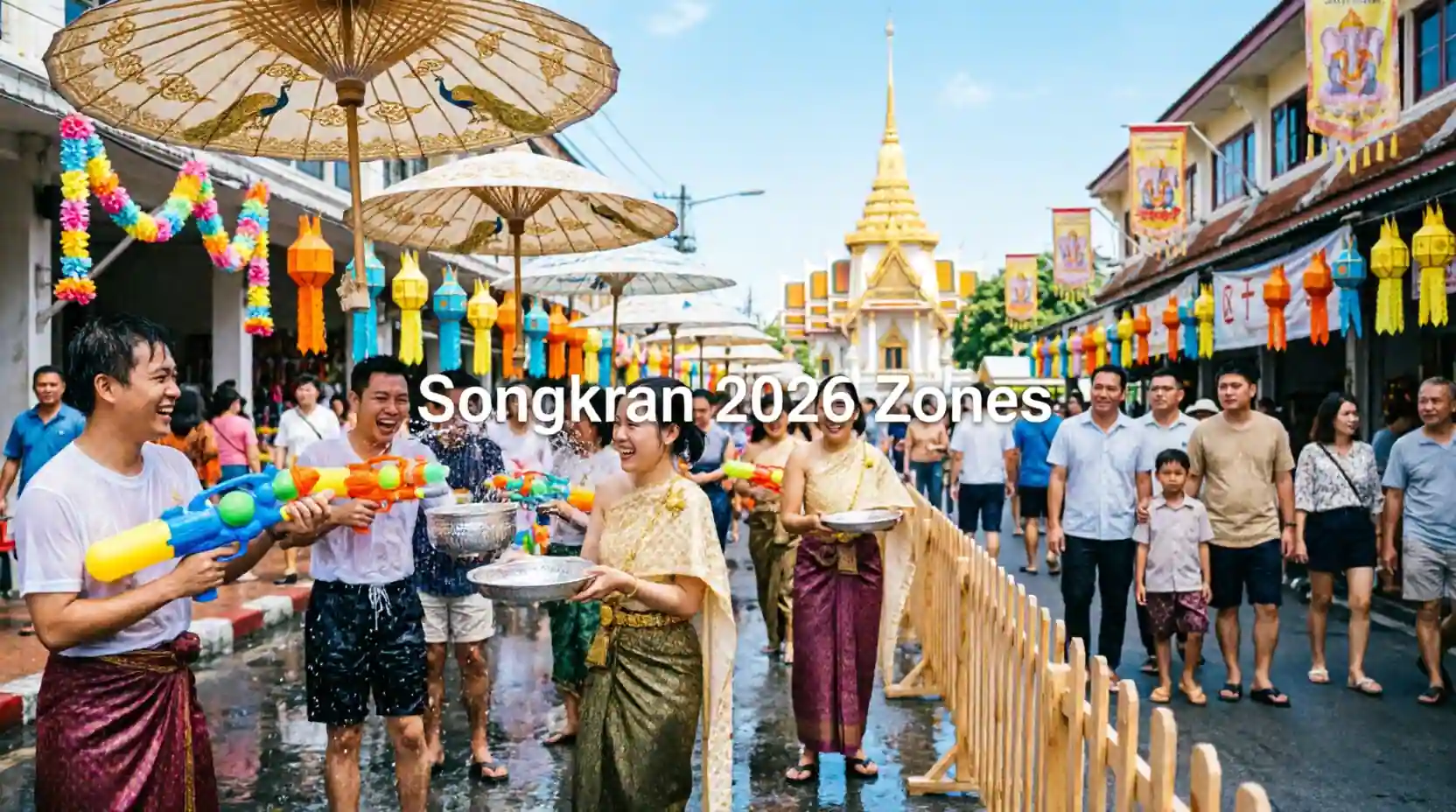
Understanding Songkran 2026 and the New Zone System for Travelers
Thailand's Songkran Festival, the traditional Thai New Year celebration held annually from April 13-15, has undergone significant updates for 2026 to better accommodate diverse traveler preferences while preserving cultural authenticity. The introduction of designated dry zones and wet zones across major celebration hubs like Bangkok, Chiang Mai, and Phuket represents a thoughtful evolution that allows visitors to choose their level of participation in the iconic water festivities. Whether you seek the exhilarating chaos of water gun battles or prefer observing traditions from a respectful distance, the 2026 zone system ensures everyone can experience Songkran meaningfully.
The new zoning framework addresses growing concerns about overcrowding, safety, and cultural respect while maintaining the festival's joyful spirit. Wet zones feature organized water play areas with controlled access, safety stations, and family-friendly programming, while dry zones offer temple visits, cultural performances, and traditional ceremonies without water activities. This strategic separation helps manage the estimated 2.5-3 million domestic and international visitors expected during Songkran 2026, reducing congestion and enhancing overall experience quality. Program costs vary widely: budget travelers can enjoy public zone access for free, while premium guided experiences range from $25-$150 USD per day depending on inclusions like transportation, traditional attire rental, and cultural workshops.
What Is Songkran and Why the 2026 Updates Matter
Songkran marks the traditional Thai New Year based on the ancient solar calendar, symbolizing purification, renewal, and the washing away of misfortune. The word "Songkran" derives from Sanskrit, meaning "astrological passage," reflecting the festival's deep spiritual roots. While modern celebrations famously feature water splashing—a symbolic gesture of blessing and cleansing—the festival encompasses much more: temple visits, merit-making ceremonies, sand pagoda building, and paying respects to elders through the gentle pouring of scented water over their hands.
The 2026 updates respond to feedback from both locals and international visitors who expressed desires for more structured, accessible, and culturally respectful celebration options. Key changes include:
- Designated Wet Zones: Clearly marked areas where water play is encouraged, equipped with safety measures, first aid stations, and controlled water sources
- Protected Dry Zones: Temple grounds, cultural centers, and specific street sections where water activities are prohibited, allowing for traditional observances
- Time-Based Regulations: Specific hours for water activities (typically 12:00 PM - 6:00 PM) to balance celebration with daily life
- Enhanced Safety Protocols: Mandatory safety briefings in wet zones, alcohol restrictions in certain areas, and increased police presence
- Cultural Education Stations: Information booths explaining Songkran's significance, proper etiquette, and traditional practices
For travelers planning their Thailand itinerary, understanding these zones is essential for maximizing enjoyment while respecting local customs. The zone system also helps distribute visitor traffic more evenly, reducing pressure on popular spots and creating opportunities to discover lesser-known celebration locations.
Major Songkran 2026 Zones by Destination
Each major Thai destination has implemented the dry/wet zone system with local adaptations reflecting regional traditions and infrastructure. Below is a comprehensive breakdown of key celebration areas.
Bangkok: Urban Celebration with Clear Boundaries
Bangkok's Songkran celebrations center around Khao San Road, Silom Road, and Ratchadamnoen Avenue, with new zoning creating distinct experiences:
| Zone Name | Type | Location | Best For | Access Cost |
| Khao San Wet Zone | Wet | Khao San Road, Phra Nakhon | Backpackers, high-energy water play | Free entry |
| Ratchadamnoen Cultural Corridor | Dry | Ratchadamnoen Avenue near Grand Palace | Temple visits, traditional ceremonies | Free entry |
| Silom Family Wet Zone | Wet | Silom Road, Bang Rak | Families, controlled water activities | Free entry |
| ICONSIAM Riverside Dry Zone | Dry | ICONSIAM complex, Charoen Nakhon | Cultural performances, luxury viewing | Free entry (mall access) |
| Asiatique Premium Wet Zone | Wet | Asiatique The Riverfront | Organized events, photo opportunities | $10-25 USD event pass |
Bangkok's zone system is particularly helpful for first-time visitors who may feel overwhelmed by the scale of celebrations. The essential tips for first-time Thailand travelers include checking zone maps daily via the official Tourism Authority of Thailand app, as boundaries can shift based on crowd levels and weather conditions.
Chiang Mai: Traditional Heart of Songkran
As the cultural capital of northern Thailand, Chiang Mai hosts some of the country's most authentic Songkran celebrations. The 2026 zone updates here emphasize preserving traditional practices while managing tourism impact:
- Old City Dry Zone: The historic walled city center maintains dry status around temples like Wat Phra Singh and Wat Chedi Luang, allowing for uninterrupted merit-making and traditional water-pouring ceremonies
- Tha Phae Gate Wet Zone: The iconic city gate area features organized water play with controlled access points, safety stations, and cultural performance stages
- Ping River Riverside Zones: Designated sections along the river offer both wet celebration areas and dry observation decks with traditional longboat demonstrations
- Nimmanhaemin Cultural Dry Zone: The trendy Nimman area features dry-zone programming including traditional dance performances, craft workshops, and Lanna cuisine tastings
Chiang Mai's approach uniquely integrates the zone system with existing cultural infrastructure. For travelers interested in solo female travel safety, the clearly marked zones and increased security presence during Songkran 2026 provide added peace of mind while exploring celebrations.
Phuket and Southern Destinations: Beach Meets Tradition
Southern Thailand's Songkran celebrations blend water festival traditions with beach culture, creating unique zone configurations:
| Destination | Primary Wet Zone | Primary Dry Zone | Unique Feature |
| Phuket (Patong) | Patong Beach Road | Wat Chalong Temple Grounds | Beach water play + temple ceremonies |
| Phuket (Old Town) | Thalang Road (limited hours) | Sino-Portuguese Heritage Streets | Heritage architecture + cultural performances |
| Krabi (Ao Nang) | Ao Nang Beach Promenade | Tiger Cave Temple Approach | Beach celebration + mountain temple access |
| Koh Samui | Chaweng Beach Central | Big Buddha Temple Area | Island celebration + spiritual site protection |
Southern destinations benefit from natural geographic boundaries that help define zones, making navigation intuitive for visitors. Beachfront wet zones allow for refreshing water play in the Andaman Sea, while temple-adjacent dry zones preserve spiritual atmosphere. For budget-conscious travelers, Thailand budget travel strategies include utilizing free public zone access and focusing on cultural dry-zone experiences that require minimal spending.
How to Navigate Songkran Zones as a Foreign Visitor
Successfully experiencing Songkran 2026 requires understanding zone etiquette, preparation, and practical navigation strategies.
Pre-Festival Preparation
Before arriving at any Songkran zone, complete these essential steps:
- Download Official Resources: Install the Tourism Authority of Thailand app and enable location services for real-time zone maps and updates
- Check Weather Forecasts: April is Thailand's hottest month; plan wet-zone activities for cooler morning or late afternoon hours
- Prepare Appropriate Attire: For wet zones: quick-dry clothing, waterproof phone case, secure footwear. For dry zones: modest clothing covering shoulders and knees for temple access
- Secure Valuables: Use waterproof pouches for phones/wallets in wet zones; consider leaving non-essentials in hotel safes
- Review Zone Rules: Each zone posts specific regulations regarding water weapons, alcohol, and behavior—review these upon entry
Zone Entry and Etiquette
Upon entering any Songkran zone, observe these universal etiquette guidelines:
- Respect Boundaries: Do not carry water weapons across zone lines; respect dry-zone signage even if adjacent areas are wet
- Consent for Water Play: In wet zones, avoid targeting monks, elderly individuals, infants, or those clearly not participating
- Cultural Sensitivity: In dry zones, maintain quiet reverence near temples; remove shoes when entering sacred spaces
- Environmental Responsibility: Use refillable water containers; avoid plastic water balloons which create waste and safety hazards
- Safety First: Follow instructions from zone staff and security personnel; report unsafe behavior immediately
For travelers concerned about Thailand visa requirements, note that Songkran participation does not require special permits beyond standard tourist visas, but ensure your visa validity covers your entire stay including festival dates.
Practical Navigation Tips
Maximize your Songkran experience with these logistical strategies:
- Transportation Planning: Major roads near celebration zones often close to vehicles; use BTS Skytrain, MRT, or designated shuttle services where available
- Timing Strategy: Arrive early (before 10:00 AM) to secure good positions in popular zones; avoid peak hours (2:00-4:00 PM) if sensitive to crowds
- Hydration and Sun Protection: Even in wet zones, tropical sun requires SPF 50+ sunscreen, hats, and regular water intake beyond festival water play
- Communication Backup: Save emergency contacts and hotel addresses in both digital and written form; cellular networks can become congested during peak celebration hours
- Zone-Hopping Strategy: Plan a route connecting multiple zones if desired; allow 30-45 minutes transit time between major celebration areas
Cost Breakdown: Budget vs Premium Songkran Experiences
Songkran 2026 accommodates all budgets, from free public zone access to luxury curated experiences. Understanding cost structures helps travelers plan effectively.
Budget Traveler ($0-$30 USD per day)
- Public zone access: Free
- Basic water gun purchase: $2-5 USD
- Street food and local beverages: $5-10 USD
- Public transportation: $2-5 USD
- Waterproof phone pouch: $3-8 USD
- Total daily cost: $12-28 USD
Mid-Range Traveler ($30-$100 USD per day)
- Guided zone tour with cultural briefing: $20-40 USD
- Traditional attire rental (pha khao ma, floral shirt): $10-20 USD
- Restaurant meals with Songkran specials: $15-30 USD
- Private transportation between zones: $15-25 USD
- Premium water equipment rental: $5-15 USD
- Total daily cost: $65-130 USD
Premium Experience ($100-$300+ USD per day)
- Private cultural guide and photographer: $80-150 USD
- Luxury hotel Songkran package (spa, traditional ceremony, gourmet meal): $100-200 USD
- Exclusive dry-zone temple access with monk blessing: $30-60 USD
- Premium transportation (private car with driver): $50-100 USD
- Traditional performance dinner show: $40-80 USD
- Total daily cost: $300-590+ USD
For travelers seeking luxury Thailand experiences, many high-end hotels offer Songkran packages that include dry-zone temple visits, traditional blessing ceremonies, and protected viewing areas for water festivities—providing cultural immersion with premium comfort.
Safety and Health Considerations During Songkran 2026
The festive atmosphere of Songkran requires heightened awareness of safety and health precautions, particularly in crowded wet zones.
Physical Safety
- Slip Hazards: Wet surfaces increase fall risk; wear shoes with good traction and avoid running in crowded areas
- Water Quality: Use clean water from designated sources; avoid using canal or river water for play due to potential contamination
- Eye Protection: Consider sunglasses or goggles in high-intensity wet zones to prevent water or debris irritation
- Alcohol Awareness: Many wet zones restrict alcohol sales; if consuming alcohol, do so responsibly and stay hydrated with water
- Personal Belongings: Use waterproof bags with secure closures; consider leaving valuables in hotel safes during wet-zone activities
Health Precautions
- Sun Protection: Reapply waterproof sunscreen every 2 hours; wear wide-brimmed hats and UV-protective clothing
- Hydration: Drink 2-3 liters of water daily beyond festival water play; recognize signs of heat exhaustion
- Food Safety: Choose freshly cooked street food; avoid pre-cut fruits or items left unrefrigerated in heat
- Medical Preparedness: Carry basic first aid supplies; know locations of zone first aid stations and nearby hospitals
- Respiratory Considerations: Dust and water mist can trigger sensitivities; carry masks if needed and avoid heavily congested areas if prone to respiratory issues
For comprehensive health preparation, review Thailand packing essentials to ensure you have appropriate medical supplies and protective gear for Songkran participation.
Cultural Respect and Meaningful Participation
Songkran's spiritual significance extends far beyond water play. Meaningful participation honors Thai culture while creating deeper travel memories.
Traditional Practices to Experience
- Rod Nam Dam Hua: The gentle pouring of scented water over elders' hands as a sign of respect and blessing—participate in dry-zone temple ceremonies to experience this tradition authentically
- Sand Pagoda Building: Creating small sand stupas at temple grounds to symbolize merit-making and community contribution
- Temple Visits: Making merit through offerings, listening to monk sermons, and participating in candle-lighting ceremonies
- Traditional Attire: Wearing pha khao ma (traditional Thai wrap) or floral shirts shows cultural appreciation and is often encouraged in dry zones
- Local Cuisine: Sampling Songkran-special foods like khao chae (rice in chilled jasmine-scented water) connects you to seasonal culinary traditions
Respectful Photography Guidelines
- Always ask permission before photographing individuals, especially monks or elderly participants
- Avoid photographing religious ceremonies from disruptive angles or with flash
- Respect dry-zone signage prohibiting photography in certain sacred areas
- Share photos responsibly, emphasizing cultural appreciation rather than sensationalizing water play
- Consider purchasing photos from local photographers to support community livelihoods
Travelers interested in quiet, meaningful travel will appreciate dry-zone opportunities to engage with Songkran's spiritual dimensions away from high-energy water festivities.
Planning Your Songkran 2026 Itinerary
Strategic planning maximizes enjoyment while minimizing stress during Thailand's busiest festival period.
Sample 3-Day Songkran Itinerary
Day 1: Cultural Immersion (Dry Zone Focus)
- Morning: Visit Wat Pho in Bangkok for traditional blessing ceremony (dry zone)
- Afternoon: Participate in sand pagoda building at local temple; enjoy khao chae lunch
- Evening: Attend traditional dance performance in Ratchadamnoen Cultural Corridor
Day 2: Celebration Participation (Wet Zone Focus)
- Morning: Prepare with waterproof gear; review zone maps and safety briefings
- Afternoon: Experience Silom Family Wet Zone with controlled water activities
- Evening: Relax with traditional Thai massage; enjoy riverside dinner away from crowds
Day 3: Balanced Experience (Zone-Hopping)
- Morning: Visit Grand Palace area dry zone for photography and cultural exploration
- Afternoon: Short visit to Khao San Wet Zone for photo opportunities (1-2 hours max)
- Evening: Farewell dinner featuring Songkran specialties; pack for onward travel
For travelers extending their Thailand journey, consider combining Songkran with optimal seasonal travel to other regions, as April marks the transition to Thailand's rainy season in some areas.
Technology and Resources for Songkran 2026
Leverage digital tools to enhance your Songkran experience while staying informed and connected.
Essential Apps and Digital Tools
- Tourism Authority of Thailand App: Real-time zone maps, event schedules, and emergency contacts
- Google Maps Offline: Download area maps before festival days when cellular networks may be congested
- Translation Apps: Google Translate with Thai language pack for basic communication in zones
- Weather Apps: AccuWeather or Windy for hyperlocal forecasts to plan wet/dry zone timing
- Ride-Hailing Apps: Grab or Bolt for transportation between zones (note: surge pricing during peak hours)
Official Information Sources
- Tourism Authority of Thailand website: Official zone announcements and cultural guidelines
- Local tourism office social media: Real-time updates on zone conditions and special events
- Hotel concierge services: Personalized zone recommendations and booking assistance
- Embassy travel advisories: Safety updates and emergency contact information for your nationality
For digital nomads or extended-stay travelers, the Destination Thailand Visa provides flexibility to experience Songkran while exploring other aspects of Thai culture beyond the festival period.
Post-Songkran: Extending Your Thailand Journey
Songkran marks the traditional Thai New Year, making it an ideal launch point for broader Thailand exploration.
Recommended Post-Songkran Destinations
- Northern Thailand: Chiang Rai, Pai, and Mae Hong Son offer cooler temperatures and mountain scenery after April heat
- Eastern Seaboard: Koh Chang, Koh Kood, and Trat province provide quieter beach experiences as peak season winds down
- Isan Region: Northeastern provinces like Ubon Ratchathani and Khon Kaen showcase authentic rural culture with fewer tourists
- Andaman Coast: Krabi, Trang, and Satun offer stunning islands with reduced crowds after Songkran
Practical Transition Tips
- Book onward transportation early, as Songkran is a major domestic travel period in Thailand
- Allow buffer days for potential festival-related transportation delays
- Use post-Songkran downtime for laundry, gear maintenance, and trip reflection
- Connect with fellow travelers met during Songkran for potential travel partnerships
Whether you choose to dive into the joyful chaos of wet zones or find meaning in the serene traditions of dry zones, Songkran 2026 offers transformative experiences that honor Thailand's rich cultural heritage while welcoming global visitors. By understanding the new zone system, preparing thoughtfully, and participating respectfully, you'll create memories that extend far beyond the water-splashed moments—carrying forward the spirit of renewal, community, and joy that defines Thailand's most beloved festival.
Ready to experience Songkran 2026? Research your preferred zones, prepare your gear, and embrace the joyful spirit of Thailand's New Year celebration—whether you choose to get wet or stay dry, meaningful memories await.
0 Comments