.webp)
.webp)
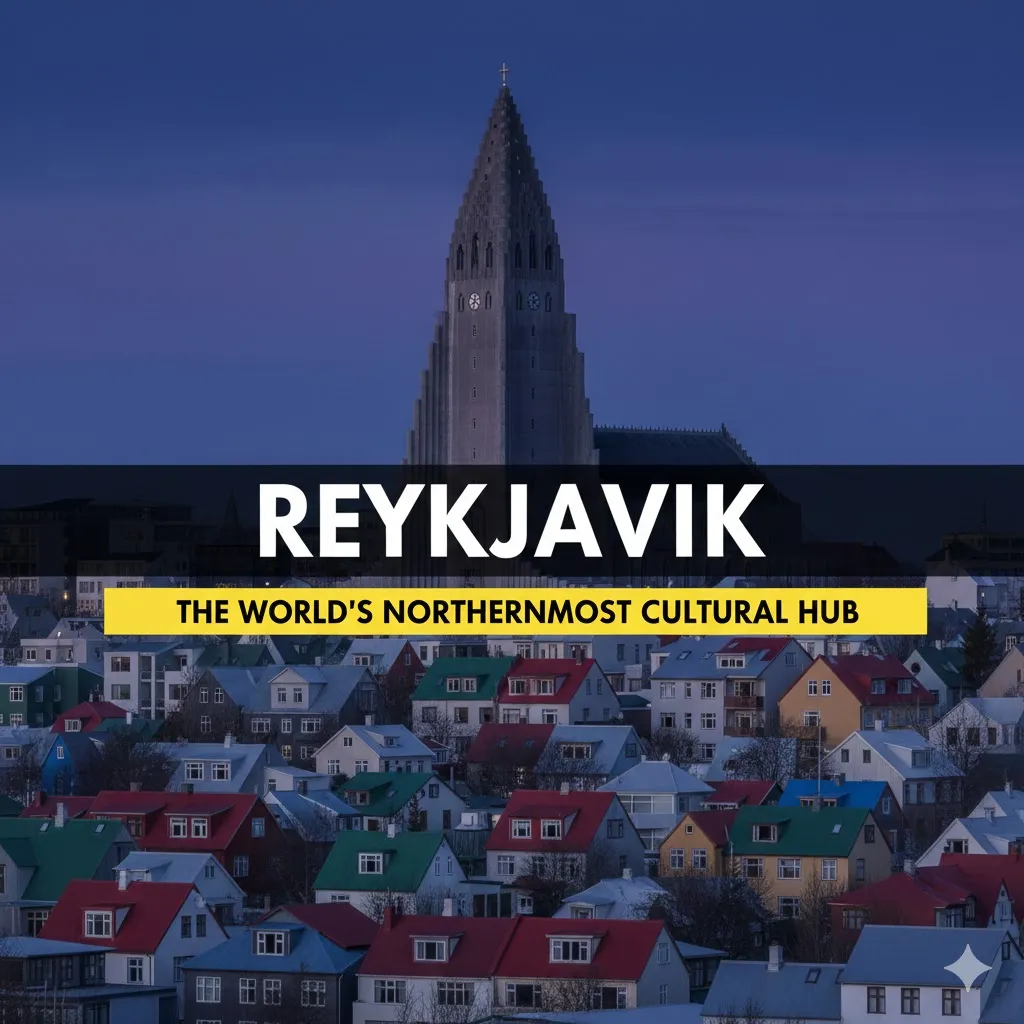
REYKJAVIK: THE WORLD'S NORTHERNMOST CAPITAL AND CULTURAL HUB
Reykjavik stands as one of the world's most unique capital cities—the northernmost national capital on Earth, where Viking heritage meets contemporary Nordic design, where geothermal energy powers a sustainable urban life, and where the Aurora Borealis dances overhead while vibrant street art, live music, and innovative cuisine thrive below. With a population of just over 130,000 in the city proper (approximately 230,000 in the greater capital region), Reykjavik offers an intimate, walkable urban experience combined with immediate access to some of Earth's most dramatic natural landscapes: volcanoes, glaciers, geysers, waterfalls, and black sand beaches all within easy reach.
In 2026, as travelers seek destinations that combine authentic culture, stunning natural beauty, sustainable urban living, and unique Arctic experiences, Reykjavik continues to captivate with its distinctive character. Whether you are a culture enthusiast drawn by Iceland's literary heritage and contemporary arts scene, a nature lover seeking Northern Lights viewing and geothermal wonders, a foodie inspired by innovative Nordic cuisine and fresh Atlantic seafood, a photography enthusiast chasing golden hour light on colorful houses and aurora-filled skies, or simply a curious traveler inspired by the world's northernmost capital, this comprehensive guide will help you prepare for an unforgettable encounter with this remarkable city.
Understanding Reykjavik requires more than visiting famous landmarks; it demands engaging with the Icelandic values of sustainability, creativity, and connection to nature that shape this unique capital. By approaching Reykjavik with curiosity and respect, you will discover not just a charming city but a living dialogue between ancient sagas and modern innovation, between urban comfort and wilderness access, between local identity and global creativity.
HISTORICAL CONTEXT: FROM VIKING SETTLEMENT TO MODERN CAPITAL
The story of Reykjavik begins over a millennium ago, with layers of history that have shaped its unique character.
Viking Settlement (9th-10th Centuries):
Reykjavik's origins trace to the Viking Age:
- Name Meaning: "Reykjavík" means "Smoky Bay" in Icelandic, referring to the geothermal steam rising from hot springs that early settlers observed
- Ingólfur Arnarson: Traditionally considered Iceland's first permanent settler, who established his farm at Reykjavik around 874 CE according to the Landnámabók (Book of Settlements)
- Strategic Location: The natural harbor and geothermal resources made the location valuable for early settlers
- Medieval Period: Reykjavik remained a small farming and fishing community for centuries
Danish Rule and Growth (18th-19th Centuries):
Reykjavik's development accelerated under Danish rule:
- 1786: Reykjavik granted official town status, becoming Iceland's first municipality
- 1801: Became seat of the Bishop of Iceland, enhancing its cultural importance
- 1845: Alþingi (Iceland's parliament) re-established in Reykjavik after centuries of dormancy
- Late 19th Century: Growth as administrative, educational, and cultural center
Independence and Modern Development (20th Century-Present):
Reykjavik transformed dramatically in the modern era:
- 1918: Iceland gained sovereignty within the Danish realm; Reykjavik became capital of sovereign nation
- 1944: Full independence from Denmark; Reykjavik established as capital of Republic of Iceland
- Post-WWII Growth: Rapid urbanization, infrastructure development, and cultural flowering
- Contemporary Reykjavik: Known for design, music, literature, sustainability, and as gateway to Iceland's natural wonders
NEIGHBORHOODS AND DISTRICTS: EXPLORING REYKJAVIK'S CHARACTER
Reykjavik's compact size makes it highly walkable, with distinct neighborhoods each offering unique character and attractions.
Miðborg (Downtown/City Center):
The historic and cultural heart of Reykjavik:
Laugavegur Street:
- Main Shopping Street: Reykjavik's primary pedestrian shopping street with boutiques, design stores, cafes, and restaurants
- Atmosphere: Vibrant, colorful, and lively; street art, music venues, and local life
- Highlights: Design stores featuring Icelandic crafts, vintage shops, bookstores, and traditional Icelandic wool sweaters (lopapeysa)
Austurstræti and Bankastræti:
- Historic Streets: Charming cobblestone streets with colorful buildings, cafes, and galleries
- Atmosphere: Quieter than Laugavegur but equally charming; perfect for photography and leisurely exploration
- Highlights: Independent galleries, specialty coffee shops, and traditional Icelandic architecture
Old Harbor (Olduflöt):
- Transformation: Former fishing harbor transformed into cultural and dining destination
- Attractions: Harpa Concert Hall, Sun Voyager sculpture, whale watching tours, maritime museum
- Dining: Seafood restaurants, craft breweries, and cafes with harbor views
- Atmosphere: Blend of maritime heritage and contemporary culture
Vesturbær (West Town):
Residential neighborhood with local charm:
Hlemmur Square:
- Food Hall: Modern food market featuring diverse Icelandic and international cuisine
- Local Atmosphere: Less touristy than downtown; authentic Reykjavik neighborhood life
- Accessibility: Well-connected by bus; good base for exploring
Pond Area (Tjörnin):
- Urban Pond: Picturesque pond in city center surrounded by historic buildings and walking paths
- Bird Watching: Popular spot for observing migratory birds
- Cultural Institutions: Reykjavik Art Museum, City Hall, and National Museum nearby
Laugardalur (Hot Spring Valley):
Recreation and nature within the city:
Laugardalslaug:
- Geothermal Pool: One of Reykjavik's largest and most popular geothermal swimming complexes
- Facilities: Multiple pools, hot pots, water slides, and sauna; authentic local experience
- Cultural Insight: Swimming is a fundamental part of Icelandic social life
Botanical Garden and Zoo:
- Family-Friendly: Reykjavik Botanical Garden and Family Park and Zoo
- Nature Access: Walking trails, picnic areas, and native Icelandic plants
- Free Admission: Most areas free to visit; excellent for families
Other Notable Areas:
Hlíðar and Grafarvogur:
- Residential Character: Quiet residential neighborhoods with local cafes and parks
- Authentic Experience: Opportunity to experience everyday Reykjavik life away from tourist centers
- Accessibility: Well-connected by public transport
ICONIC LANDMARKS: MUST-SEE ATTRACTIONS
Reykjavik's compact size means major landmarks are easily accessible. These iconic sites capture the city's character and history.
Hallgrímskirkja Church:
Reykjavik's most recognizable landmark:
Architecture and Significance:
- Design: Expressionist church designed by Guðjón Samúelsson, inspired by Icelandic basalt columns and glaciers
- Height: 74.5 meters (244 feet); tallest church in Iceland and visible from most of the city
- Construction: Built 1945-1986; named after poet and clergyman Hallgrímur Pétursson
Visiting the Church:
- Interior: Striking minimalist interior with massive pipe organ (5,275 pipes)
- Tower Access: Elevator to observation tower for 360-degree panoramic views of Reykjavik, mountains, and ocean
- Photography: Best exterior shots from Skólavörðustígur street or from Perlan; interior photography permitted without flash
- Practical Information:
- Hours: Typically 9 AM-5 PM (varies by season); tower access may have separate hours
- Admission: Church free; tower access approximately €10-12
- Dress Code: Modest attire appreciated; remove hats inside
Harpa Concert Hall and Conference Centre:
Architectural masterpiece and cultural hub:
Architecture:
- Design: By Henning Larsen Architects and Olafur Eliasson; geometric glass facade inspired by Icelandic basalt columns and Northern Lights
- Materials: Honeycomb-like glass panels that change color with light and weather
- Recognition: Winner of European Union Prize for Contemporary Architecture (Mies van der Rohe Award)
Experiencing Harpa:
- Guided Tours: Daily tours explaining architecture, acoustics, and cultural programming
- Performances: Check schedule for concerts, opera, and cultural events
- Public Spaces: Free to explore lobby, cafes, and public areas with harbor views
- Photography: Exterior spectacular at all times; interior photography permitted in public areas
Sun Voyager (Sólfar):
Iconic sculpture on Reykjavik's waterfront:
Artwork and Meaning:
- Artist: Jón Gunnar Árnason (1990)
- Design: Stainless steel Viking ship sculpture symbolizing hope, progress, and the promise of undiscovered territory
- Location: Sæbraut waterfront promenade with views of Mount Esja and Faxaflói Bay
Visiting and Photography:
- Accessibility: Free, open-air sculpture accessible 24/7
- Best Light: Sunrise and sunset create dramatic reflections on steel and water
- Northern Lights: Popular foreground for aurora photography in winter
- Context: Combine with walk along waterfront to Harpa and Old Harbor
Perlan (The Pearl):
Landmark building with museum and observation deck:
Architecture and History:
- Original Function: Six water tanks storing geothermal water for Reykjavik's heating system
- Renovation: Transformed into cultural center with museum, restaurant, and observation deck
- Design: Glass dome atop water tanks creates distinctive silhouette
Attractions at Perlan:
- Wonders of Iceland Exhibition: Interactive museum featuring glaciers, Northern Lights, volcanoes, and ice cave experience
- Observation Deck: 360-degree panoramic views of Reykjavik and surrounding landscape
- Restaurant and Café: Dining with panoramic views
- Planetarium: Northern Lights show (seasonal)
Practical Information:
- Admission: Museum approximately €25-30; observation deck may have separate fee
- Timing: Allow 2-3 hours for comprehensive visit
- Photography: Excellent photo opportunities from observation deck
CULTURAL EXPERIENCES: MUSEUMS, MUSIC, AND LOCAL LIFE
Reykjavik's cultural scene reflects Iceland's rich heritage and contemporary creativity.
Museums and Cultural Institutions:
National Museum of Iceland:
- Focus: Comprehensive history of Iceland from settlement to present
- Highlights: Medieval artifacts, Viking Age treasures, and exhibits on modern Icelandic society
- Location: Near city center; accessible by bus or walk from downtown
- Admission: Approximately €15-20; combined tickets sometimes available
Reykjavik Art Museum:
- Locations: Three venues—Hafnarhús (harbor), Kjarvalsstaðir (park setting), and Ásmundarsafn (sculpture museum)
- Focus: Contemporary Icelandic and international art
- Experience: Rotating exhibitions in distinctive architectural settings
- Admission: Approximately €12-15 per venue; combined tickets available
The Settlement Exhibition (Landnámssýningin):
- Focus: Archaeological remains of Viking Age longhouse discovered in downtown Reykjavik
- Experience: Walk through 10th-century ruins with multimedia presentations
- Location: Downtown near City Hall; compact but fascinating
- Admission: Approximately €10-12
Phallological Museum:
- Unique Focus: World's only museum dedicated to phallology (study of penises)
- Collection: Specimens from Icelandic mammals and humans; quirky and educational
- Experience: Quirky, humorous, and surprisingly informative; popular with visitors
- Admission: Approximately €12-15; compact visit (30-45 minutes)
Music and Live Performance:
Reykjavik's Vibrant Music Scene:
- Live Venues: Intimate venues like Gaukurinn, Kaffibarinn, and Húrra feature local and international acts
- Genres: From indie rock and electronic to traditional Icelandic folk and experimental music
- Festival Culture: Iceland Airwaves (November), Reykjavik Arts Festival (June), and other events showcase local talent
Experiencing Live Music:
- Research: Check listings for venues and events during your visit
- Atmosphere: Intimate venues where you can experience Icelandic music culture up close
- Local Artists: Support local musicians; many speak English and welcome conversation after shows
Icelandic Literature and Sagas:
Literary Heritage:
- Saga Tradition: Iceland's medieval sagas are foundational to world literature
- Contemporary Writers: High per-capita rate of published authors; strong reading culture
- Bookstores: Excellent bookstores like Mál og Menning and Eymundsson feature Icelandic and international literature
Literary Experiences:
- Saga Walking Tours: Guided tours connecting Reykjavik locations to saga stories
- Library Visits: Reykjavik City Library offers resources and events for literature lovers
- Book Purchases: Purchase Icelandic literature in translation as meaningful souvenirs
FOOD AND DINING: ICELANDIC CUISINE IN THE CAPITAL
Reykjavik's food scene reflects Iceland's culinary heritage and contemporary innovation.
Traditional Icelandic Dishes:
Must-Try Specialties:
- Plokkfiskur: Traditional fish stew with potatoes, onions, and béchamel sauce; comfort food at its best
- Hangikjöt: Smoked lamb, traditionally served at Christmas but available year-round
- Harðfiskur: Dried fish jerky, often eaten with butter; traditional snack
- Skyr: Thick, protein-rich dairy product similar to yogurt; available in many flavors
- Pylsur: Icelandic hot dogs made with lamb, pork, and beef; try at Bæjarins Beztu Pylsur (famous stand)
Seafood Specialties:
- Fresh Atlantic Fish: Cod, haddock, Arctic char, and salmon prepared simply to highlight freshness
- Langoustine: Icelandic lobster; delicate and sweet, often grilled or in pasta
- Whale and Puffin: Controversial traditional foods; availability varies; research ethical considerations
Modern Icelandic Cuisine:
Innovative Dining:
- New Nordic Influence: Emphasis on local, seasonal ingredients and traditional techniques with contemporary presentation
- Fermentation and Preservation: Traditional methods like fermentation, smoking, and pickling feature in modern menus
- Vegetarian and Vegan Options: Growing number of plant-based options reflecting global trends
Recommended Restaurants:
Fine Dining:
- Dill: Michelin-starred restaurant featuring New Nordic tasting menus with Icelandic ingredients
- Óx: Innovative tasting menus in intimate setting; focus on local and seasonal
- Grillmarkaðurinn: Upscale grill restaurant with Icelandic meats and seafood; harbor views
Mid-Range and Casual:
- Fish Market (Fiskmarkaðurinn): Fresh seafood in stylish setting; good value for quality
- Matur og Drykkur: Modern Icelandic cuisine in historic building; creative takes on traditional dishes
- Reykjavik Roasters: Specialty coffee roaster with excellent espresso and light meals
- Brauð & Co.: Artisan bakery with excellent bread, pastries, and light lunches
Traditional and Budget-Friendly:
- Bæjarins Beztu Pylsur: Famous hot dog stand; try "eina með öllu" (one with everything)
- Icelandic Street Food: Food trucks and markets offering lamb burgers, fish and chips, and local specialties
- Supermarkets: Bonus and Krónan for affordable groceries and picnic supplies
Café Culture:
Icelandic Coffee Tradition:
- Coffee Culture: Icelanders are among the world's top coffee consumers per capita
- Café Atmosphere: Cozy, design-conscious cafés perfect for warming up and people-watching
- Recommendations: Kaffifélagið, Mokka Kaffi, and Reykjavik Roasters for excellent coffee and atmosphere
PRACTICAL VISITOR INFORMATION FOR REYKJAVIK IN 2026
Planning a visit to Reykjavik requires understanding logistics, timing, and the unique considerations of Arctic travel.
Best Times to Visit:
Reykjavik's seasons offer dramatically different experiences:
Summer (June-August):
- Weather: Mildest temperatures (10-15°C / 50-59°F average); long daylight hours
- Midnight Sun: Continuous daylight from mid-May to late July; sunsets and sunrises blend
- Accessibility: All roads open; full access to day trips and outdoor activities
- Activities: Hiking, whale watching, puffin viewing, and outdoor festivals in full swing
- Crowds: Peak tourist season; book accommodations and tours well in advance
- Prices: Highest prices for accommodations, car rentals, and tours
Shoulder Seasons (May and September-October):
- Weather: Variable conditions; temperatures 5-10°C (41-50°F)
- Northern Lights: Possible from late August; increasing chances through autumn
- Crowds: Fewer tourists than summer; better availability and prices
- Accessibility: Most roads and attractions open; some highland roads may close in late autumn
- Balance: Good compromise between weather, daylight, and crowds
Winter (November-April):
- Weather: Cold temperatures (-5 to 5°C / 23-41°F); limited daylight (4-7 hours in December-January)
- Northern Lights: Best aurora viewing conditions with long, dark nights
- Winter Activities: Ice caving, glacier hiking, snowmobiling, and winter photography
- Road Conditions: Challenging driving conditions; 4WD essential; some roads closed
- Crowds: Fewest tourists; lowest prices (except holiday periods)
Getting to and Around Reykjavik:
Arrival in Reykjavik:
- Keflavík International Airport (KEF): Main international airport, approximately 50 km (31 miles) from Reykjavik
- Transfer Options:
- Airport Express Bus: Flybus and Gray Line offer regular transfers to city center (45 minutes, approximately €25-30)
- Taxi/Ride-Hailing: Approximately €100-150; convenient for groups or late arrivals
- Car Rental: Available at airport; useful for exploring beyond Reykjavik
Getting Around the City:
- Walking: Reykjavik's compact downtown is highly walkable; most attractions within 20-30 minutes on foot
- Public Buses: Strætó bus network covers city and suburbs; purchase tickets via app or at kiosks
- Bicycle: Bike-friendly city with rental options; good for exploring in good weather
- Taxi/Ride-Hailing: Available but expensive; useful for late-night travel or with luggage
Day Trips from Reykjavik:
Reykjavik is the perfect base for exploring Iceland's natural wonders:
Golden Circle (Classic Day Trip):
- Route: Þingvellir National Park, Geysir geothermal area, Gullfoss waterfall
- Distance: Approximately 230 km (143 miles) loop; 6-8 hours with stops
- Options: Guided tours, self-drive, or small-group adventures
- Highlights: Continental rift, erupting geysers, powerful waterfall, and historical significance
Blue Lagoon:
- Location: Approximately 40 minutes from Reykjavik, near Keflavík Airport
- Experience: Geothermal spa with mineral-rich milky-blue waters; advanced booking essential
- Options: Various package levels from basic entry to luxury spa experiences
- Tip: Visit on arrival or departure day to minimize travel time
South Coast Wonders:
- Highlights: Seljalandsfoss and Skógafoss waterfalls, Reynisfjara black sand beach, Vík village
- Distance: Approximately 180 km (112 miles) one-way to Vík; full-day trip recommended
- Options: Guided tours or self-drive; allow full day for comprehensive exploration
- Photography: Dramatic landscapes, waterfalls, and black sand beaches
Whale Watching:
- Departure: Old Harbor in Reykjavik
- Season: Year-round with best sightings April-October
- Species: Minke whales, humpback whales, dolphins, and occasionally orcas
- Duration: Approximately 3 hours including boat time
- Tip: Dress warmly; even in summer, ocean temperatures are cold
Northern Lights Tours:
- Season: Late August through mid-April, when nights are sufficiently dark
- Options: Bus tours, minivan tours, boat tours, or self-drive with aurora forecast
- Success Factors: Clear skies, solar activity, and patience; multiple nights increase chances
- Photography: Bring tripod and wide-angle lens; tours often provide guidance
Accommodation:
Reykjavik offers diverse lodging options:
Hotels and Guesthouses:
- Downtown: Full range from budget to luxury hotels within walking distance of attractions
- Guesthouses: Family-run guesthouses offer authentic Icelandic hospitality and local insight
- Booking: Book well in advance for summer; last-minute bookings difficult in peak season
- Cost: Generally expensive; budget €100-300+ per night for double room
Hostels:
- Availability: Several hostels in and near downtown Reykjavik
- Cost: Budget option at €30-60 per night for dorm bed
- Atmosphere: Social atmosphere; good for meeting other travelers and getting local tips
Unique Stays:
- Design Hotels: Reykjavik known for distinctive design hotels blending Nordic aesthetics with comfort
- Apartment Rentals: Self-catering apartments offer flexibility and local neighborhood experience
- Geothermal Hotels: Some hotels feature geothermal heating and hot tubs
Budgeting:
Iceland is one of Europe's more expensive destinations:
Daily Budget Estimates:
- Budget Travelers: €80-150 per day for hostels, self-catering, public transport, and free attractions
- Mid-Range Travelers: €150-300 per day for guesthouses/hotels, restaurant meals, tours, and car rental
- Luxury Travelers: €300+ per day for upscale hotels, fine dining, private tours, and premium experiences
Money-Saving Tips:
- Self-Catering: Buy groceries at Bonus or Krónan supermarkets; prepare your own meals
- Free Attractions: Many natural attractions, walking tours, and cultural sites are free
- City Card: Reykjavik City Card offers free public transport, museum entry, and pool access; calculate if worthwhile
- Off-Peak Travel: Visit shoulder seasons for lower prices and fewer crowds
- Group Tours: Join group tours rather than private tours for better value
Currency and Payments:
Icelandic Króna (ISK):
- Currency Code: ISK; symbol: kr
- Exchange: Exchange currency at banks or ATMs; avoid airport exchange for better rates
- ATMs: Widely available in Reykjavik; notify your bank of travel plans
- Credit Cards: Widely accepted everywhere; PIN-and-chip cards preferred; contactless payments common
- Cash: Not essential but useful for small purchases; most places accept cards
Tipping Customs:
- Not Expected: Tipping is not customary in Iceland
- Service Included: Service charges included in prices
- Rounding Up: Rounding up or small tip appreciated for exceptional service but not expected
Health and Safety:
Health Considerations:
- Healthcare: High-quality medical facilities in Reykjavik; travel insurance essential
- Tap Water: Safe to drink everywhere; some areas have sulfur smell but water is safe and excellent quality
- Food Safety: High standards; no special precautions needed
- Travel Insurance: Essential; ensure coverage for adventure activities and medical evacuation
Safety Tips:
- Weather: Iceland's weather is unpredictable and can change rapidly; check forecasts frequently
- Road Conditions: Winter driving requires experience and 4WD; check road.is for conditions
- Natural Hazards: Respect warning signs at waterfalls, glaciers, geothermal areas, and ocean
- Ocean Safety: Never turn your back on the ocean; dangerous sneaker waves at black sand beaches
- Emergency Number: 112 for all emergencies (police, ambulance, fire, search and rescue)
Cultural Etiquette:
Icelandic culture values equality, environmental consciousness, and respect:
Social Interaction:
- Friendliness: Icelanders are generally friendly and helpful; don't hesitate to ask for assistance
- Punctuality: Punctuality valued; arrive on time for tours and appointments
- Personal Space: Respect personal space; Icelanders value privacy
- Tipping: Not expected; service charges included
Environmental Respect:
- Leave No Trace: Pack out all trash; respect fragile Arctic environment
- Stay on Paths: Remain on marked trails to protect fragile vegetation
- Geothermal Areas: Stay on marked paths in geothermal areas; ground can be unstable and scalding
- Wildlife: Observe wildlife from safe distance; don't disturb nesting birds
Photography Etiquette:
- Private Property: Ask permission before photographing private property or people
- Drones: Drone use restricted in many areas; check regulations and obtain permits if required
- Respect: Be respectful when photographing; don't disrupt others' enjoyment of natural sites
NORTHERN LIGHTS IN REYKJAVIK: VIEWING THE AURORA FROM THE CAPITAL
While rural areas offer darker skies, Reykjavik provides opportunities to witness the Aurora Borealis.
Aurora Season and Conditions:
Timing:
- Season: Late August through mid-April, when nights are sufficiently dark
- Peak Viewing: September-October and February-March offer best combination of darkness and weather
- Solar Activity: Aurora intensity depends on solar wind activity; check aurora forecasts (KP index)
Viewing from Reykjavik:
- Light Pollution: City lights reduce visibility; seek darker spots within or near the city
- Weather Dependent: Clear skies essential; Iceland's weather is unpredictable
- Patience Required: Aurora viewing may require multiple nights of waiting
Best Viewing Locations in/near Reykjavik:
Within the City:
- Grótta Lighthouse: Small peninsula at tip of Seltjarnarnes; relatively dark with harbor views
- Perlan Observation Deck: Elevated viewpoint with panoramic views; some light pollution but convenient
- Lake Tjörnin: Central pond with open sky views; combine with city walk
Short Drive from City:
- Heiðmörk Nature Reserve: Approximately 15 minutes from downtown; darker skies and natural setting
- Elliðaárdalur Valley: Green space within city with darker patches; accessible by bus or car
- Coastal Areas: Drive along coast away from city center for darker horizons
Viewing Tips:
- Dress Warmly: Even in summer, nighttime temperatures can be cold; dress in layers
- Bring Tripod: Essential for aurora photography; long exposures required
- Check Forecasts: Use aurora forecast apps and websites; cloud cover is critical
- Allow Time: Plan to spend 2-3 hours waiting; bring warm drinks and snacks
- Photography Settings: Manual mode, wide aperture (f/2.8 or wider), ISO 1600-3200, shutter speed 5-30 seconds
PHOTOGRAPHY TIPS: CAPTURING REYKJAVIK'S UNIQUE LIGHT
Reykjavik offers exceptional photography opportunities, from colorful architecture to aurora-filled skies.
Best Photography Locations:
City Architecture and Streets:
- Hallgrímskirkja: Exterior shots from Skólavörðustígur street; interior architectural details
- Colorful Houses: Streets like Skólavörðustígur, Laufásvegur, and Old Town feature iconic colorful buildings
- Harpa Concert Hall: Geometric glass facade creates dramatic reflections and patterns
- Old Harbor: Fishing boats, maritime atmosphere, and modern architecture juxtaposition
Natural Light and Landscapes:
- Golden Hour: Extended golden hour in summer; dramatic low-angle light in winter
- Sun Voyager: Sculpture with mountain and ocean backdrop; spectacular at sunrise/sunset
- Perlan Observation Deck: 360-degree city and landscape views; ideal for panoramic shots
- Grótta Lighthouse: Coastal views with lighthouse; excellent for sunset and aurora photography
Northern Lights Photography:
- Locations: Grótta, Heiðmörk, or coastal areas away from city lights
- Equipment: Tripod essential; wide-angle lens (14-24mm) with fast aperture (f/2.8 or wider)
- Settings: Manual mode, ISO 1600-3200, aperture f/2.8 or wider, shutter speed 5-30 seconds
- Composition: Include foreground interest (landscape, buildings, people) for context and scale
Technical Considerations:
Equipment:
- Wide-Angle Lens (14-24mm): Essential for cityscapes, architecture, and aurora photography
- Fast Prime Lens (35mm or 50mm f/1.4-1.8): Excellent for low-light street photography and portraits
- Tripod: Essential for aurora, long exposures, and low-light interior photography
- Extra Batteries: Cold weather drains batteries quickly; carry spares and keep them warm
Settings and Techniques:
- Daylight: Aperture priority (f/8-f/11) for sharp architectural details and good depth of field
- Low Light/Aurora: Manual mode with settings as above; use remote shutter or timer to minimize camera shake
- HDR: Useful for high-contrast scenes like cityscapes with bright sky and shadowed buildings
- Composition: Include foreground elements for depth; use leading lines of streets and architecture
Best Times for Photography:
Golden Hour Magic:
- Summer: Extended golden hour (10 PM-midnight) with soft, warm light
- Winter: Short but dramatic golden hour (11 AM-2 PM) with low-angle light
- Blue Hour: Period just after sunset offers soft, even light with illuminated buildings
Aurora Photography:
- Timing: Typically 10 PM-2 AM on clear, dark nights
- Conditions: Clear skies essential; check cloud cover forecasts
- Patience: Aurora activity is unpredictable; allow multiple nights for best chances
Crowd Management:
- Early Morning: Popular locations less crowded at sunrise
- Weekday Visits: Tuesday-Thursday typically less crowded than weekends
- Off-Peak Season: November-February sees fewer tourists; more comfortable for photography setup
SUSTAINABLE AND RESPONSIBLE TOURISM IN REYKJAVIK
As a gateway to Iceland's fragile Arctic environment, Reykjavik visitors have a responsibility to travel mindfully.
Environmental Responsibility:
Reduce Your Impact:
- Transportation: Walk, bike, or use public transport within Reykjavik; choose group tours over private vehicles for day trips
- Waste Reduction: Carry reusable water bottles (Icelandic tap water is excellent) and bags; use designated recycling
- Energy Conservation: Iceland's geothermal energy is renewable; still conserve where possible
- Water Conservation: While water is abundant, use mindfully
Supporting Local Communities:
- Local Businesses: Stay in locally-owned accommodations, eat at local restaurants, purchase crafts directly from Icelandic artisans
- Fair Compensation: Tip appropriately for exceptional service (though not expected); support businesses that pay fair wages
- Cultural Exchange: Engage respectfully with Icelanders; learn about their lives, culture, and environmental challenges
- Language Effort: Learning basic Icelandic phrases (Takk = Thank you, Góðan daginn = Good day) is appreciated
Preserving Natural Heritage:
- Stay on Paths: Protect fragile vegetation by remaining on marked trails, even in urban green spaces
- Respect Wildlife: Observe birds and other wildlife from safe distance; don't disturb nesting sites
- Geothermal Areas: Stay on marked paths in geothermal areas; ground can be unstable and scalding
- Ocean Safety: Never turn your back on the ocean; dangerous sneaker waves at coastal areas
Cultural Respect:
- Learn About Iceland: Understand Icelandic history, culture, and environmental challenges before visiting
- Respect Privacy: Icelanders value privacy; be respectful when photographing people or private property
- Support Conservation: Consider donating to Icelandic conservation organizations or paying entrance fees that support preservation
CONCLUSION: REYKJAVIK'S UNIQUE CHARM AND ARCTIC SOUL
Reykjavik offers an extraordinary introduction to Iceland—a compact, walkable capital where colorful houses climb hillsides, where geothermal energy powers sustainable urban life, where Viking sagas echo in contemporary literature, and where the Aurora Borealis dances overhead while innovative cuisine and live music thrive below. This northernmost capital invites travelers to experience the unique rhythm of Arctic urban life while providing immediate access to some of Earth's most dramatic natural landscapes.
In 2026, as travelers seek meaningful connections to culture, nature, and community, Reykjavik stands ready to welcome you with legendary hospitality, breathtaking light, and endless opportunities for discovery. Whether you climb Hallgrímskirkja's tower for panoramic views, wander Laugavegur's colorful streets, soak in a geothermal pool with locals, or simply watch the Northern Lights from Grótta Lighthouse, Reykjavik invites you to slow down, observe, and appreciate the unique balance between urban comfort and wilderness access that defines Icelandic life.
May your journey through Reykjavik deepen your appreciation for Iceland's rich cultural heritage and fragile Arctic environment, and inspire your commitment to preserving these treasures for future generations. As the Vikings who first settled this island, the sagas that preserved their stories, and the modern Icelanders who steward this land understand, true legacy lies not just in the places we visit but in the respect, wonder, and responsibility we carry forward. May you carry that understanding with you, wherever your journey leads.
Useful Resources:
- Visit Reykjavik: visitreykjavik.is for official tourism information and trip planning
- Icelandic Meteorological Office: en.vedur.is for weather forecasts, aurora forecasts, and volcanic activity
- Strætó Public Transport: straeto.is for bus schedules and route planning
- Safe Travel Iceland: safetravel.is for safety information and travel advisories
- Emergency Services: 112 for all emergencies in Iceland
Disclaimer: Information is accurate as of early 2026. Weather conditions, attraction hours, and tourism policies may change; verify current details through official channels before your visit. Iceland's weather and natural conditions can be unpredictable; always prioritize safety and follow local guidance. This guide is for informational purposes only and does not constitute professional travel advice.
0 Comments