.webp)
.webp)
Republic of the Congo Health and Safety: Yellow Fever and Malaria Prevention Tips 2026
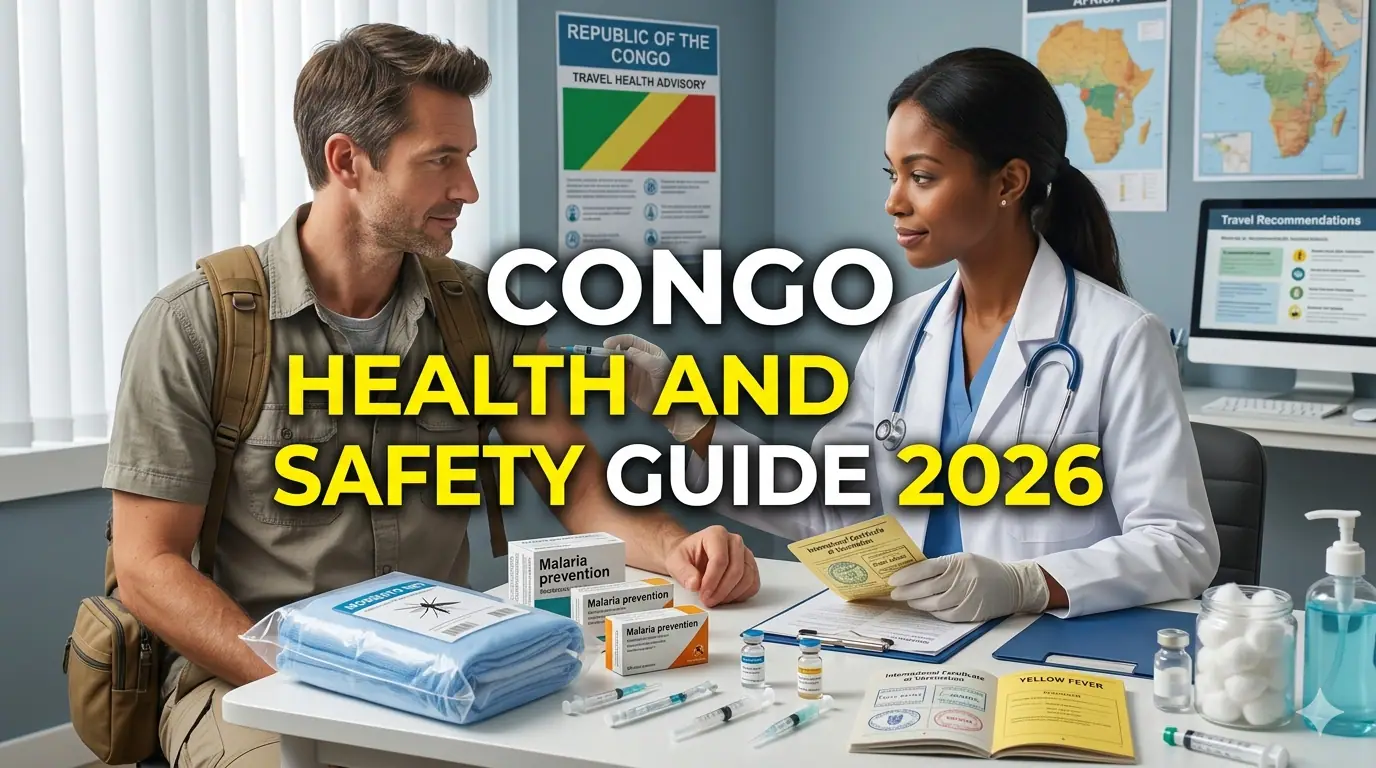
Essential Health and Safety Preparation for Republic of the Congo Travel
Traveling to the Republic of the Congo (Congo-Brazzaville) in 2026 requires comprehensive health preparation and awareness of tropical disease risks, particularly yellow fever and malaria, which pose significant health threats to unprepared travelers. The Republic of the Congo, located in Central Africa with its dense rainforests, tropical climate, and diverse ecosystems, presents unique health challenges that demand proactive prevention strategies, appropriate vaccinations, and thorough medical preparation before departure . For Bangladeshi travelers planning visits to Congo for tourism, business, or cultural exchange purposes, understanding and implementing proper health and safety measures is not merely advisable but essential for a safe and successful journey.
Yellow fever remains a serious viral hemorrhagic disease transmitted by infected mosquitoes in tropical regions of Africa and South America, with the Republic of the Congo classified as a high-risk country requiring mandatory vaccination for all incoming travelers aged nine months and older . The Congolese government strictly enforces yellow fever vaccination requirements, demanding proof of vaccination through an International Certificate of Vaccination or Prophylaxis (ICVP) issued at least ten days before arrival . Failure to present valid yellow fever documentation can result in denied entry, vaccination at the port of entry under less controlled conditions, or even deportation, making advance vaccination planning crucial for all travelers.
Malaria represents another critical health concern in the Republic of the Congo, with year-round transmission throughout the country including urban areas like Brazzaville and Pointe-Noire . The disease, caused by Plasmodium parasites transmitted through the bites of infected Anopheles mosquitoes, poses severe health risks including cerebral malaria, organ failure, and death if not promptly diagnosed and treated . Bangladeshi travelers must implement comprehensive malaria prevention strategies including appropriate antimalarial prophylaxis, mosquito bite avoidance measures, and awareness of symptoms requiring immediate medical attention. This comprehensive guide provides detailed, actionable information about yellow fever vaccination requirements, malaria prevention protocols, and additional health and safety considerations for traveling to the Republic of the Congo in 2026.
Yellow Fever Vaccination Requirements and Procedures

Yellow fever vaccination represents the single most important health requirement for entering the Republic of the Congo, with strict enforcement at all ports of entry including Maya-Maya International Airport in Brazzaville and Pointe-Noire Airport . The vaccine provides lifelong immunity for most individuals and must be administered at authorized yellow fever vaccination centers at least ten days before international travel to allow sufficient time for immunity development and certificate validation . For Bangladeshi travelers, obtaining yellow fever vaccination requires visiting designated travel clinics or government health facilities authorized to issue internationally recognized vaccination certificates.
The yellow fever vaccine is a live attenuated vaccine with excellent safety profile and efficacy rates exceeding 99 percent when administered properly . Common side effects are typically mild and may include low-grade fever, headache, muscle aches, or soreness at the injection site, usually resolving within a few days without intervention . Serious adverse reactions are extremely rare, occurring in approximately one per million doses, though individuals with specific medical conditions including egg allergies, immunosuppression, thymus disorders, or age over 60 should consult travel medicine specialists to assess risk-benefit ratios before vaccination .
Where to Get Yellow Fever Vaccination in Bangladesh
Bangladeshi citizens planning travel to the Republic of the Congo can obtain yellow fever vaccination at several authorized facilities including the Institute of Epidemiology Disease Control and Research (IEDCR) in Dhaka, which serves as the primary yellow fever vaccination center for Bangladesh . Additional authorized centers may include designated government hospitals, international travel clinics, and private medical facilities with proper authorization from the Directorate General of Health Services (DGHS). Travelers should contact these facilities well in advance of planned travel dates to schedule appointments, verify certificate issuance procedures, and confirm current pricing.
The vaccination process typically involves a brief medical consultation to assess eligibility, administration of the vaccine via subcutaneous injection, and immediate issuance of the yellow fever vaccination certificate (ICVP) with official stamp and signature . The certificate becomes valid ten days after vaccination and remains valid for the lifetime of the vaccinated individual according to International Health Regulations adopted in 2016 . Bangladeshi travelers should bring passport-sized photographs, valid passport, and payment for vaccination fees to their appointment, and should carefully verify that all information on the certificate matches their passport details exactly to avoid entry complications.
Vaccination Certificate Requirements and Validity
The International Certificate of Vaccination or Prophylaxis (ICVP) serves as official proof of yellow fever vaccination and must be presented to immigration authorities upon arrival in the Republic of the Congo . The certificate must include the vaccinated individual's full name matching passport exactly, date of vaccination, vaccine manufacturer and batch number, official stamp of the vaccination center, and signature of the healthcare provider administering the vaccine . Any discrepancies between certificate information and passport details can result in entry denial, making accuracy absolutely critical.
Travelers should carry the original yellow fever certificate at all times during travel, keeping photocopies or digital scans as backups in case of loss or theft . Some airlines may request to see yellow fever documentation before allowing boarding of flights to Congo, so having the certificate readily accessible during the entire journey from Bangladesh through any transit points proves essential . The certificate should be kept with other important travel documents including passport, visa, travel insurance, and flight itineraries in a waterproof, protective document holder.
Understanding Malaria Risk in the Republic of the Congo
Malaria transmission occurs year-round throughout the Republic of the Congo with no seasonal variation that would allow travelers to avoid risk through timing of visits . The country experiences intense malaria transmission with Plasmodium falciparum, the most dangerous malaria parasite species, responsible for approximately 90 percent of malaria cases and the majority of severe disease and deaths . Both urban areas including Brazzaville and Pointe-Noire and rural regions present malaria risk, though transmission intensity may be higher in rural areas with greater mosquito breeding sites and limited vector control measures.
Anopheles mosquitoes, the vectors responsible for malaria transmission, typically bite between dusk and dawn with peak biting activity occurring during nighttime hours . This nocturnal biting pattern means travelers remain at risk throughout sleeping hours, making nighttime protection measures including insecticide-treated bed nets and indoor residual spraying critically important . The tropical climate of Congo with high temperatures and humidity creates ideal conditions for mosquito breeding and survival, sustaining year-round transmission that requires constant vigilance from travelers.
Malaria Statistics and Health Impact
The Republic of the Congo reports significant malaria burden with thousands of cases annually affecting both local populations and international travelers who lack proper prophylaxis . Malaria remains one of the leading causes of morbidity and mortality in Congo, particularly affecting children under five years of age and pregnant women, though travelers of all ages without immunity face substantial risk of severe disease . The incubation period for malaria typically ranges from 10 to 15 days after the infective mosquito bite, though some cases may present as early as 7 days or as late as several months after exposure depending on parasite species and individual factors .
Symptoms of malaria include fever, chills, headache, muscle aches, fatigue, nausea, vomiting, and diarrhea, often presenting in cyclical patterns corresponding to parasite life cycles . Without prompt diagnosis and appropriate treatment, malaria can progress to severe complications including cerebral malaria with seizures and coma, severe anemia, acute kidney failure, respiratory distress, and multi-organ failure that can prove fatal . Bangladeshi travelers must understand that malaria represents a medical emergency requiring immediate evaluation and treatment, and should never ignore fever or flu-like symptoms during travel to Congo or within several months after return.
Antimalarial Medication Options for 2026
Selecting appropriate antimalarial prophylaxis requires consultation with travel medicine specialists who can assess individual health status, medication allergies, travel itinerary, and other factors to recommend the most suitable medication . The three primary antimalarial medications recommended for travel to the Republic of the Congo in 2026 include atovaquone-proguanil (Malarone), doxycycline, and mefloquine (Lariam), each with distinct advantages, disadvantages, dosing schedules, and side effect profiles .
Atovaquone-proguanil (Malarone) represents a popular choice for many travelers due to its excellent efficacy, convenient once-daily dosing, short pre-travel and post-travel dosing periods, and generally favorable side effect profile . Travelers begin taking Malarone one to two days before entering the malaria-endemic area, continue daily throughout the stay in Congo, and complete the course seven days after departure . While Malarone tends to be more expensive than other options, many travelers find the convenience and tolerability worth the additional cost, particularly for shorter trips.
Doxycycline offers effective malaria prophylaxis at lower cost than Malarone but requires daily dosing beginning one to two days before travel, continuing throughout the stay, and extending for four weeks after leaving the malaria-endemic area . Common side effects include gastrointestinal upset, photosensitivity requiring strict sun protection, and potential for esophageal irritation if not taken with adequate water while remaining upright . Doxycycline is contraindicated in pregnancy and children under eight years of age, limiting its use for some travelers.
Mefloquine (Lariam) requires weekly dosing beginning at least two weeks before travel to assess tolerance, continuing weekly throughout the stay in Congo, and for four weeks after departure . While the weekly dosing schedule offers convenience, mefloquine carries risk of neuropsychiatric side effects including vivid dreams, anxiety, depression, and rarely severe psychiatric reactions that have limited its use in recent years . Travelers with history of psychiatric disorders, seizures, or certain cardiac conditions should avoid mefloquine and discuss alternative options with their healthcare providers.
Comprehensive Mosquito Bite Prevention Strategies
Preventing mosquito bites represents the first line of defense against both malaria and yellow fever transmission, requiring consistent implementation of multiple protective measures throughout travel in the Republic of the Congo . No single prevention method provides complete protection, making layered approach combining chemical repellents, physical barriers, treated clothing, and behavioral modifications essential for effective bite prevention . Bangladeshi travelers should prepare comprehensive bite prevention kits before departure and maintain vigilant protection from dusk through dawn when Anopheles mosquitoes actively seek blood meals.
Insect repellents containing DEET (N,N-diethyl-meta-toluamide) at concentrations of 20 to 50 percent provide the most effective and longest-lasting protection against mosquito bites . Products containing 20 to 30 percent DEET typically provide four to six hours of protection, while higher concentrations extend protection duration but do not increase efficacy beyond approximately 50 percent concentration . Alternative repellents including picaridin (20 percent), IR3535, and oil of lemon eucalyptus offer effective protection though may require more frequent reapplication than DEET-based products .
Proper Repellent Application Techniques
Correct application of insect repellent maximizes protection while minimizing risks of adverse effects or reduced efficacy . Travelers should apply repellent to exposed skin areas including face, neck, arms, and legs, avoiding application under clothing where it provides no benefit . For facial application, spray repellent onto hands first then rub onto face, avoiding contact with eyes, mouth, and mucous membranes . Repellent should be applied after sunscreen when using both products, with sunscreen applied first and allowed to absorb before repellent application.
Reapplication frequency depends on the specific repellent product, concentration, environmental conditions, and individual factors including sweating and water exposure . High temperatures and humidity in Congo cause increased sweating that can reduce repellent effectiveness, necessitating more frequent reapplication than product labels might suggest for temperate climates . Travelers should establish routines for regular repellent reapplication, particularly before evening activities, after swimming or heavy sweating, and before sleeping if not using treated bed nets.
Protective Clothing and Gear
Wearing appropriate clothing provides physical barriers against mosquito bites while treating clothing with permethrin insecticide adds chemical protection that remains effective through multiple washings . Long-sleeved shirts, long pants, socks, and closed shoes should be worn particularly during evening and nighttime hours when mosquito activity peaks . Light-colored clothing is preferable as it makes mosquitoes more visible and tends to be less attractive to biting insects than dark colors .
Permethrin-treated clothing and gear provides additional protection lasting through multiple washings, with commercially available pretreated items or DIY treatment kits allowing travelers to treat their own clothing before departure . Permethrin should never be applied directly to skin but only to clothing, shoes, bed nets, and camping gear [[25]. Treated clothing combined with skin repellents provides synergistic protection significantly more effective than either method alone . Bangladeshi travelers should treat clothing at least two weeks before departure to allow proper drying and off-gassing, and should pack extra treated clothing for extended trips.
Accommodation and Sleeping Precautions
Choosing appropriate accommodations and implementing proper sleeping precautions proves critical for preventing nighttime mosquito bites when malaria-transmitting Anopheles mosquitoes are most active . Travelers should prioritize accommodations with air conditioning, which reduces mosquito entry and activity, or at minimum well-fitted window and door screens that prevent mosquito entry into sleeping areas . When air conditioning or screens are unavailable or unreliable, sleeping under insecticide-treated bed nets (ITNs) provides essential protection throughout sleeping hours.
Insecticide-treated bed nets should be checked regularly for holes or tears, properly tucked under mattresses to prevent mosquito entry, and used consistently every night regardless of perceived mosquito presence . Some travelers prefer to bring their own bed nets to ensure quality and treatment status, though many hotels and lodges in Congo provide treated nets for guest use . Additional measures including using fans to create air movement that discourages mosquito landing, applying spatial repellents like mosquito coils or plug-in vaporizers in sleeping areas, and avoiding outdoor activities during peak biting hours further reduce exposure risk .
Additional Vaccination Requirements and Recommendations
Beyond mandatory yellow fever vaccination, the Republic of the Congo and international travel health authorities recommend several additional vaccinations to protect travelers from various infectious diseases prevalent in Central Africa . These vaccinations address diseases transmitted through contaminated food and water, respiratory infections, and other health risks that travelers may encounter during their stay . Bangladeshi travelers should schedule pre-travel health consultations at least four to six weeks before departure to allow adequate time for vaccine series completion and immunity development.
Hepatitis A vaccination is strongly recommended for all travelers to the Republic of the Congo regardless of accommodation type or travel style, as the disease transmits through contaminated food and water and can cause severe liver infection . The hepatitis A vaccine is administered as a two-dose series with the first dose providing protection beginning approximately two weeks after administration, making it important to receive at least two weeks before travel . For travelers with incomplete childhood vaccination records, hepatitis A vaccination provides important protection against a disease that can cause prolonged illness and serious complications.
Routine and Travel-Specific Vaccinations
Typhoid vaccination protects against Salmonella Typhi bacteria transmitted through contaminated food and water, with risk present throughout the Republic of the Congo including urban areas . The vaccine is available as an injectable polysaccharide vaccine requiring booster every two years, or as an oral live-attenuated vaccine requiring four doses taken every other day with booster every five years . Travelers visiting friends and relatives, staying in rural areas, or planning adventurous eating should particularly prioritize typhoid vaccination.
Hepatitis B vaccination is recommended for travelers who may have sexual contact with new partners, receive medical or dental procedures, get tattoos or piercings, or have potential exposure to blood or body fluids . The hepatitis B vaccine requires three doses over six months for complete protection, though accelerated schedules are available for last-minute travelers . Given that hepatitis B is endemic in the Republic of the Congo, vaccination provides important long-term protection beyond the immediate trip.
Meningococcal meningitis vaccination may be recommended for travelers, particularly those visiting during the dry season (December through June) when meningitis risk increases, or those having extensive contact with local populations . The quadrivalent meningococcal vaccine protects against serogroups A, C, W, and Y and should be administered at least 10 to 14 days before travel to allow immunity development . Rabies pre-exposure vaccination should be considered for travelers engaging in outdoor activities, working with animals, or traveling to remote areas where prompt post-exposure treatment may not be available .
Routine Vaccination Status Verification
All travelers should ensure routine vaccinations are up to date before international travel, including measles-mumps-rubella (MMR), diphtheria-tetanus-pertussis, varicella, polio, and annual influenza vaccination . Outbreaks of vaccine-preventable diseases occur in various regions, and international travel increases exposure risk . Bangladeshi travelers should review vaccination records with healthcare providers and receive any needed boosters or catch-up doses before traveling to the Republic of the Congo.
COVID-19 vaccination and booster doses remain important for international travel, with some countries requiring proof of vaccination for entry . While the Republic of the Congo may not have specific COVID-19 entry requirements in 2026, staying current with recommended boosters provides protection against severe disease and travel disruptions [[35]. Travelers should verify current COVID-19 requirements closer to departure dates as policies may change based on epidemiological conditions.
Travel Health Insurance and Medical Preparedness
Comprehensive travel health insurance represents an essential component of health preparation for travel to the Republic of the Congo, where medical facilities may be limited and medical evacuation to countries with advanced healthcare systems could prove necessary for serious illness or injury . Standard health insurance policies from Bangladesh typically do not provide coverage for international travel or medical evacuation, making specialized travel insurance with adequate medical coverage absolutely necessary . Travelers should carefully review policy details to ensure coverage includes emergency medical treatment, hospitalization, medical evacuation, repatriation, and coverage for adventure activities if applicable.
Medical evacuation from the Republic of the Congo can cost tens of thousands of dollars, making insurance coverage with evacuation benefits of at least 100,000 USD advisable . Evacuation may be necessary for severe malaria, traumatic injuries, or other conditions requiring specialized care unavailable in Congo [[35]. Insurance should cover direct payment to healthcare providers rather than requiring travelers to pay upfront and seek reimbursement, as large medical bills may be impossible for travelers to pay out of pocket.
Travel Health Kit Essentials
Assembling a comprehensive travel health kit before departure ensures access to medications and supplies that may be unavailable or of questionable quality in the Republic of the Congo . The kit should include prescription medications in original containers with copies of prescriptions, over-the-counter medications for common ailments, first aid supplies, and health protection items . Bangladeshi travelers should pack sufficient quantities of all medications to last the entire trip plus extra supply in case of travel delays, as specific medications available in Bangladesh may not be accessible in Congo.
Essential medications for the travel health kit include antimalarial prophylaxis, antibiotics for travelers' diarrhea such as azithromycin or ciprofloxacin, antidiarrheal medications like loperamide, antihistamines for allergic reactions, pain and fever reducers including acetaminophen and ibuprofen, oral rehydration salts, antifungal creams, antibiotic ointment, and any personal prescription medications . Travelers with chronic conditions should bring adequate supplies of maintenance medications along with letters from physicians explaining medical conditions and medication requirements .
First Aid and Medical Supplies
First aid supplies should include adhesive bandages in various sizes, sterile gauze pads and adhesive tape, antiseptic wipes or solution, tweezers, scissors, thermometer, disposable gloves, and any personal medical devices . Insect bite treatment including hydrocortisone cream and calamine lotion provides relief from itchy bites, while blister treatment supplies help prevent complications from extensive walking or hiking . Sunscreen with SPF 30 or higher protects against intense equatorial sun, and lip balm with sun protection prevents painful cracking.
Water purification supplies including iodine tablets, chlorine dioxide treatment, or portable water filters provide backup options for ensuring safe drinking water when bottled water is unavailable [[35]. Hand sanitizer with at least 60 percent alcohol content enables hand hygiene when soap and water are not accessible, reducing risk of diarrheal diseases . Travelers should also pack condoms for sexually active individuals, as sexually transmitted infections including HIV are present in the Republic of the Congo .
Food and Water Safety Precautions
Preventing foodborne and waterborne illnesses requires vigilant adherence to food and water safety principles throughout travel in the Republic of the Congo, where contamination risks exist even in urban areas and upscale establishments . Travelers' diarrhea affects a significant percentage of visitors to developing countries and can result from bacteria, viruses, or parasites ingested through contaminated food or water . While rarely life-threatening, travelers' diarrhea can disrupt travel plans and cause significant discomfort, making prevention a priority.
The fundamental principle for food safety follows the mantra "boil it, cook it, peel it, or forget it," meaning travelers should consume only foods that have been thoroughly cooked and served hot, fruits and vegetables that can be peeled personally, or foods that have been boiled or treated [[35]. Street food, buffet items left at room temperature, raw or undercooked meats and seafood, unpasteurized dairy products, and foods from establishments with questionable hygiene should be avoided .
Safe Drinking Water Practices
Access to safe drinking water requires consuming only bottled water from sealed containers, water that has been boiled for at least one minute, or water treated with chemical disinfectants or filtration systems . Travelers should verify that bottled water seals are intact before purchase, as refilled counterfeit bottles occasionally circulate [[35]. Ice in drinks should be avoided unless confirmed to be made from safe water, as ice represents a common source of contamination that travelers often overlook .
Beverages made with boiled water including hot coffee and tea are generally safe, as are carbonated beverages from sealed cans or bottles since carbonation process and sealed containers prevent contamination [[35]. When brushing teeth, travelers should use bottled or treated water rather than tap water to avoid accidental ingestion of contaminated water [[28]. Keeping mouth closed while showering prevents accidental water ingestion that could transmit pathogens.
Recognizing and Treating Travelers' Diarrhea
Despite best prevention efforts, travelers may experience diarrhea during their stay in the Republic of the Congo, requiring prompt recognition and appropriate management [[32]. Mild travelers' diarrhea typically presents as passage of three or more loose stools in 24 hours with or without accompanying symptoms like nausea, vomiting, abdominal cramps, or low-grade fever [[28]. Most cases resolve within three to five days with supportive care including hydration and symptomatic treatment.
Maintaining hydration represents the most important aspect of diarrhea management, with oral rehydration solutions providing optimal electrolyte and fluid replacement [[35]. Travelers should begin taking antidiarrheal medications like loperamide for symptomatic relief, though these should be avoided if fever or bloody stools are present as they may worsen certain bacterial infections [[28]. For moderate to severe diarrhea, antibiotic treatment with azithromycin or other appropriate antibiotics can shorten illness duration and should be initiated based on pre-travel medical consultation guidance .
Recognizing and Responding to Medical Emergencies
Understanding when to seek medical attention and how to access healthcare services in the Republic of the Congo can prove life-saving, particularly for conditions like severe malaria that progress rapidly and require prompt treatment [[15]. Travelers should familiarize themselves with symptoms requiring immediate medical evaluation including high fever, severe headache, confusion, difficulty breathing, chest pain, severe abdominal pain, persistent vomiting, bloody stools, or any rapidly worsening condition [[28]. For Bangladeshi travelers, knowing how to communicate symptoms effectively despite potential language barriers and how to navigate the local healthcare system reduces delays in receiving appropriate care.
Medical facilities in the Republic of the Congo vary significantly in quality, with limited resources and capabilities compared to healthcare systems in developed countries [[45]. Brazzaville and Pointe-Noire offer the best medical facilities in the country, though even these may lack advanced diagnostic equipment, specialized care, or consistent medication supplies [[35]. Serious medical conditions often require medical evacuation to South Africa, Europe, or other destinations with advanced medical capabilities, reinforcing the importance of comprehensive travel insurance with evacuation coverage .
Healthcare Facilities and Access
Private clinics in Brazzaville including Clinique de l'Amitié and other facilities provide better quality care than public hospitals, though costs are higher and payment is typically required upfront [[20]. Travelers should contact their travel insurance providers immediately when seeking medical care to understand coverage, locate in-network providers if applicable, and arrange direct payment or guarantees of payment [[28]. Carrying insurance information, emergency contact numbers, and policy details at all times facilitates rapid communication when medical emergencies occur.
Pharmacies in urban areas stock many common medications, though quality control may be inconsistent and counterfeit medications circulate in some markets [[35]. Travelers should bring all necessary medications from Bangladesh rather than relying on local availability, and should verify that any medications purchased locally come from reputable pharmacies with proper storage conditions [[28]. For chronic conditions requiring ongoing medication, bringing adequate supply plus extra prevents dangerous interruptions in treatment.
Emergency Contact Information
Travelers should program important emergency contact numbers into mobile phones and keep written copies with travel documents [[32]. Emergency services in the Republic of the Congo can be reached at 118 for medical emergencies, though response times and capabilities may be limited [[20]. The Bangladesh Embassy in Brazzaville provides consular assistance to Bangladeshi citizens including help locating medical facilities, contacting family members, and navigating local systems during emergencies [[19].
Travel insurance emergency assistance numbers should be readily accessible, as these 24-hour hotlines provide medical advice, locate appropriate facilities, arrange direct payment, and coordinate medical evacuation when necessary [[28]. Having a travel companion aware of medical history, medications, and emergency contacts provides additional support if illness or injury occurs [[32]. Travelers with specific medical conditions should wear medical alert identification and carry summary letters from physicians describing conditions and treatments.
Conclusion: Comprehensive Health Preparation for Safe Congo Travel
Traveling to the Republic of the Congo in 2026 requires thorough health preparation and ongoing vigilance throughout the journey, but with proper precautions, Bangladeshi travelers can safely experience the rich culture, natural beauty, and warm hospitality this Central African nation offers. Yellow fever vaccination with valid certificate, comprehensive malaria prophylaxis, mosquito bite prevention measures, and appropriate additional vaccinations form the foundation of health protection [[45]. Supplementing these core requirements with travel health insurance, well-stocked medical kits, food and water safety practices, and knowledge of emergency procedures creates multiple layers of protection against health risks.
The investment in pre-travel health preparation, including medical consultations, vaccinations, medications, and insurance, proves minimal compared to the potential costs and consequences of preventable illnesses [[28]. Bangladeshi travelers should schedule pre-travel health consultations at least four to six weeks before departure to allow adequate time for vaccine series, medication procurement, and personalized risk assessment [[35]. Maintaining health vigilance throughout travel by consistently using repellents, taking antimalarial medications as prescribed, practicing food and water safety, and promptly addressing any health concerns ensures the best possible outcomes.
While health risks in the Republic of the Congo are real and require serious attention, they should not deter well-prepared travelers from experiencing this remarkable destination [[45]. The memories created exploring Congo's rainforests, encountering wildlife, engaging with local communities, and discovering Central African culture far outweigh the manageable health risks when proper precautions are implemented [[19]. By prioritizing health preparation, respecting local conditions, and maintaining awareness throughout travel, Bangladeshi visitors can enjoy safe, healthy, and unforgettable journeys to the Republic of the Congo in 2026 and beyond.
0 Comments