.webp)
.webp)
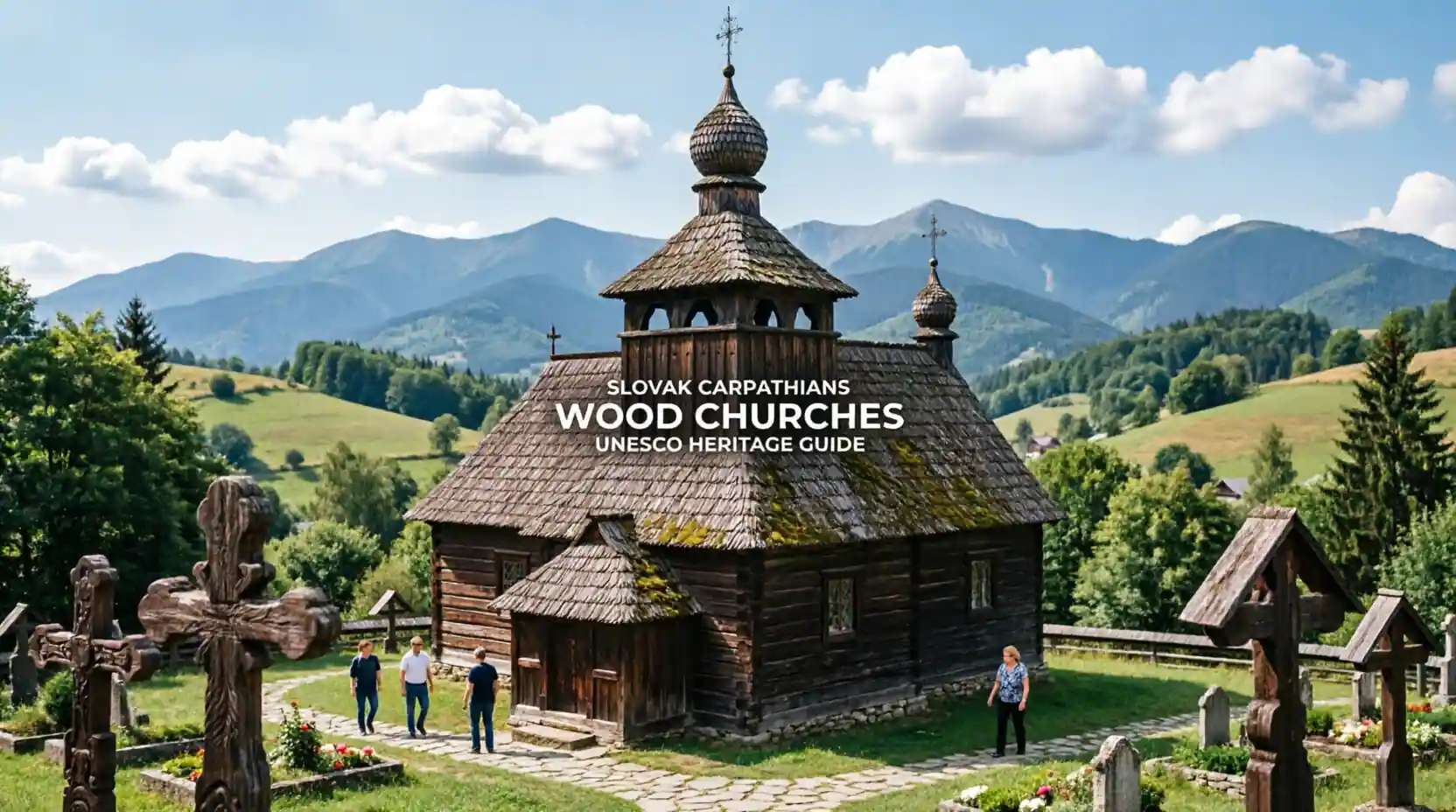
Discovering the Wooden Churches of the Slovak Carpathians
The wooden churches of the Slovak Carpathians represent one of Europe's most remarkable collections of traditional sacral architecture. These extraordinary structures, inscribed as UNESCO World Heritage sites, showcase centuries-old building techniques and spiritual traditions unique to the Carpathian region.
Eight wooden churches across Slovakia earned UNESCO recognition in 2008, representing three religious denominations: Roman Catholic, Protestant, and Greek Catholic. These masterpieces demonstrate the exceptional craftsmanship of Carpathian builders who constructed sacred spaces entirely from wood without using metal nails.
Located primarily in the mountainous regions of northern and eastern Slovakia, these churches stand as testaments to the region's multicultural heritage. They reflect the coexistence of different Christian traditions in the Carpathian Mountains.
The construction techniques employed in these churches date back to the 15th through 18th centuries. Master carpenters created complex joint systems and interlocking logs that have survived centuries of harsh mountain weather.
This comprehensive guide explores each UNESCO-listed wooden church, their architectural features, historical significance, and practical information for visiting these remarkable heritage sites in 2026.
UNESCO Recognition and Cultural Significance

UNESCO's designation of the Slovak Carpathian wooden churches recognizes their outstanding universal value. These structures exemplify the harmonious relationship between human creativity and natural materials.
The churches represent a unique fusion of Byzantine and Western Christian architectural traditions. This blend reflects the cultural crossroads position of the Carpathian region between East and West.
Wooden sacral architecture in the Carpathians developed distinct characteristics adapted to mountainous terrain and local materials. Builders utilized readily available timber while creating structures of remarkable durability and beauty.
The preservation of these churches demonstrates Slovakia's commitment to protecting cultural heritage. Conservation efforts ensure these irreplaceable monuments survive for future generations.
Beyond their architectural merit, these churches serve as active places of worship and community gathering. They maintain living traditions while functioning as museums of folk art and craftsmanship.
Architectural Features of Carpathian Wooden Churches
Log construction forms the foundation of these churches. Builders stacked horizontal logs using sophisticated corner-notching techniques that eliminated the need for metal fasteners.
Multi-tiered roof structures characterize these buildings. Steeply pitched roofs covered with wooden shingles shed snow effectively while creating distinctive silhouettes against mountain backdrops.
Tower placement varies by denominational tradition. Greek Catholic churches typically feature three towers symbolizing the Holy Trinity, while Protestant churches often have single central towers.
Interior decoration showcases remarkable folk art. Iconostases in Greek Catholic churches display intricate icon painting, while Protestant churches feature carved wooden elements and biblical inscriptions.
The Eight UNESCO-Listed Wooden Churches

Slovakia's UNESCO wooden churches span different regions and denominations. Each possesses unique characteristics while sharing common construction principles and cultural significance.
Greek Catholic Churches
Church of St. Nicholas in Bodružal represents 17th-century Greek Catholic architecture. Built in 1658, this three-tower structure exemplifies the Byzantine tradition adapted to Carpathian materials and conditions.
The church features a three-part layout: presbytery, nave, and vestibule. Each section topped with distinctive onion-shaped towers creates the characteristic silhouette of Eastern Christian architecture.
Interior iconostasis displays valuable 18th-century icons. The carved wooden screen separates the sanctuary from the nave following Byzantine liturgical tradition.
Bodružal locates in the Svidník District of Prešov Region. The village setting provides authentic context for understanding rural Carpathian religious life.
Church of St. Nicholas in Ladomírová dates to 1742. This well-preserved structure demonstrates the evolution of Greek Catholic wooden architecture in the 18th century.
The church's iconostasis ranks among Slovakia's most valuable. Seventy-four icons created by master painters illustrate biblical scenes and saints venerated in Eastern Christian tradition.
Ladomírová sits near the Dukla Pass, historically significant WWII battleground. The church survived wartime destruction, preserving its cultural treasures.
Church of Archangel Michael in Nová Polianka represents 18th-century craftsmanship. Built in 1766, this church showcases the mature phase of Carpathian wooden church construction.
Three-tower composition creates harmonious proportions. The central tower rises above the nave while smaller towers crown the presbytery and vestibule.
Interior features original baroque elements combined with folk art traditions. The synthesis of high baroque style and vernacular craftsmanship creates unique aesthetic character.
Nová Polianka locates in the Svidník District. The remote mountain village setting enhances the church's spiritual atmosphere and historical authenticity.
Roman Catholic Churches
Church of St. Francis of Assisi in Hervartov stands as Slovakia's oldest wooden church. Dendrochronological dating confirms construction around 1460, making it over 560 years old.
Gothic architectural elements distinguish this church from later baroque-influenced structures. Pointed arch windows and vertical emphasis reflect medieval European church design.
Interior preserves valuable Gothic wall paintings. These rare frescoes depict biblical scenes and saints, providing insight into medieval religious art and devotion.
Hervartov locates in the Bardejov District near the Polish border. The church's exceptional age and preservation quality justify its prominent position among UNESCO sites.
Church of All Saints in Tvrdošín represents 16th-century Roman Catholic tradition. Built in the second half of the 1500s, this church demonstrates transitional architectural styles.
Gothic and Renaissance elements combine in the structure. This synthesis reflects the period's artistic evolution and regional adaptation of broader European trends.
Interior features late Gothic altar from 1520. The carved and painted altarpiece ranks among Slovakia's most valuable medieval art treasures.
Tvrdošín sits in the Orava region of northern Slovakia. The church forms part of a larger historical complex including cemetery and bell tower.
Protestant (Evangelical) Churches
Church of St. Nicholas in Kežmarok represents the largest and most elaborate Protestant wooden church in Slovakia. Built between 1717 and 1720, this monumental structure demonstrates the prosperity of the Lutheran community.
Cruciform floor plan accommodates large congregations. The church seats over 1,500 people, reflecting the significant Protestant population in historic Kežmarok.
Baroque interior decoration showcases exceptional craftsmanship. The three-story altar, carved pulpit, and ornate galleries display the work of master carpenters and painters.
Kežmarok locates in the Spiš region near the High Tatras. The town's historical importance as a royal free city enabled construction of such an ambitious wooden structure.
Church in Hronsek represents typical 18th-century Protestant wooden architecture. Built in 1726, this church follows the constraints imposed on Protestant communities after 1706.
Articular churches were permitted under Habsburg rule with specific limitations. They had to be built of wood, without towers, and completed within one year.
Interior maintains simplicity characteristic of Protestant worship. The focus on pulpit and altar reflects Lutheran theological emphasis on scripture and sacraments.
Hronsek sits in central Slovakia near Banská Bystrica. The church's preservation provides insight into Protestant religious life under Catholic Habsburg rule.
Church in Leštiny demonstrates 17th-century Protestant wooden construction. Built in 1688, this structure predates the restrictive articular church regulations.
Traditional log construction techniques ensure structural stability. The church has survived over 330 years with minimal intervention, testament to builders' skill.
Interior features valuable Renaissance elements. Carved wooden details and painted decorations reflect the artistic sensibilities of the late Renaissance period.
Leštiny locates in the Orava region. The rural village setting preserves the authentic context of Protestant worship in mountainous Slovakia.
Construction Techniques and Materials

Understanding the construction methods of Carpathian wooden churches reveals the extraordinary skill of traditional builders. These techniques developed over centuries of experimentation and refinement.
Log Construction Methods
Horizontal log stacking forms the primary structural system. Builders selected straight timber, typically spruce or fir, and carefully shaped each log for precise fitting.
Corner notching techniques eliminated metal fasteners. Various notching patterns including saddle notches and dovetail joints created strong, flexible connections that accommodate wood movement.
Log preparation required extensive knowledge of wood properties. Builders harvested timber in winter when sap content was lowest, reducing susceptibility to decay and insect damage.
Foundation systems protected wood from ground moisture. Stone or wooden sills elevated the structure, preventing rot and extending the building's lifespan.
Roof Construction and Covering
Complex roof structures demonstrate advanced carpentry skills. Multiple roof levels with steep pitches effectively shed snow and rain while creating distinctive architectural profiles.
Wooden shingle production required specialized tools and techniques. Craftsmen split logs radially to create shingles that resisted warping and weathering.
Roof framing utilized sophisticated joinery. Pegged mortise and tenon joints connected rafters and beams without metal hardware.
Tower construction presented particular challenges. Builders erected tall, slender structures capable of withstanding wind loads while supporting heavy bells.
Interior Finishes and Decoration
Wall treatments varied by denominational tradition. Greek Catholic churches featured extensive icon painting while Protestant churches emphasized carved woodwork and inscriptions.
Iconostasis construction required master-level craftsmanship. These carved wooden screens supporting rows of icons represented the boundary between earthly and heavenly realms.
Paint and varnish protected wood surfaces. Traditional recipes using natural pigments and oils created durable finishes that enhanced wood grain while providing protection.
Flooring systems accommodated structural movement. Wooden planks laid over joists allowed for expansion and contraction without cracking or warping.
Religious and Cultural Context

The wooden churches of the Slovak Carpathians reflect the region's complex religious history. Multiple Christian denominations coexisted in mountain communities, each contributing to the architectural heritage.
Byzantine and Western Christian Traditions
Greek Catholic churches embody Byzantine liturgical traditions. The three-part division of space, iconostasis, and Eastern iconography distinguish these structures from Western churches.
Roman Catholic churches follow Western architectural conventions. Gothic and baroque elements reflect broader European artistic movements adapted to local materials and skills.
Protestant churches emphasize functional simplicity. Lutheran theology prioritized preaching and congregational participation, influencing spatial organization and decoration.
Despite denominational differences, all three traditions utilized similar construction techniques. Local building knowledge transcended religious boundaries while liturgical requirements created distinct interior arrangements.
Community and Cultural Identity
Wooden churches served as community centers beyond religious functions. They hosted gatherings, celebrations, and important life events binding communities together.
Construction projects involved entire villages. Community participation in building churches reinforced social bonds and transmitted traditional skills across generations.
Churches preserved cultural identity during periods of political change. They maintained language, traditions, and faith through various ruling powers and historical upheavals.
Cemetery grounds surrounding churches contain generations of community members. These sacred spaces connect present communities to their ancestors and heritage.
Planning Your Visit to the Wooden Churches

Visiting the UNESCO wooden churches requires planning to maximize your experience. These remote locations demand preparation but reward visitors with unforgettable encounters with living heritage.
Best Time to Visit
Summer months from June to September offer optimal visiting conditions. Warm weather, accessible roads, and extended daylight hours facilitate travel to remote mountain locations.
Autumn provides spectacular scenery with fall foliage. September and October combine pleasant weather with stunning mountain colors though some facilities may reduce hours.
Winter visits present unique challenges and rewards. Snow-covered churches create magical scenes but require four-wheel drive vehicles and careful planning for road conditions.
Spring brings blooming wildflowers and renewed landscapes. May and June offer comfortable temperatures though some mountain roads may remain closed from winter snow.
Transportation and Access
Car rental provides essential flexibility for church visits. Public transportation to remote villages remains limited, making private vehicles necessary for comprehensive tours.
Major churches near towns like Kežmarok and Bardejov offer easier access. These locations combine church visits with exploration of historic urban centers.
Remote churches require navigation skills and patience. GPS coverage varies in mountain areas, so download offline maps and carry paper backups.
Road conditions range from paved highways to narrow mountain tracks. Allow extra travel time for slower speeds on rural roads and potential delays.
Guided Tours Versus Independent Exploration
Guided tours provide expert context and logistical convenience. Knowledgeable guides explain architectural details, historical background, and cultural significance enhancing understanding.
Independent exploration offers flexibility and spontaneity. Self-guided visits allow personalized pacing and the freedom to linger at sites of particular interest.
Combining both approaches maximizes benefits. Start with a guided tour to gain foundational knowledge, then explore additional churches independently.
Local tourism offices provide valuable information. Staff can arrange guides, provide maps, and offer current information about opening hours and access conditions.
Practical Information for Visitors

Successful visits to the wooden churches require attention to practical details. These considerations ensure respectful, safe, and enriching experiences.
Opening Hours and Admission
Opening hours vary significantly by location and season. Some churches maintain regular schedules while others open only by appointment or for special occasions.
Admission fees typically range from 2 to 5 euros per person. Combined tickets for multiple churches or church complexes offer better value for extensive visits.
Active worship takes priority over tourism. Sunday services and religious holidays may limit or prohibit visitor access, requiring schedule adjustments.
Key custodians often live nearby and can unlock churches. Contact information posted at sites or available from tourist offices enables arranged visits outside regular hours.
Photography Guidelines
Photography policies differ by church and denomination. Some permit unrestricted photography while others prohibit it entirely or restrict flash usage.
Interior photography often requires special permission. Valuable icons and artwork may be sensitive to light, necessitating restrictions to preserve these irreplaceable treasures.
Respectful behavior enhances access. Demonstrating genuine interest and cultural sensitivity often results in more flexible photography allowances.
Exterior photography generally welcomed without restrictions. The distinctive architecture and mountain settings provide exceptional photographic opportunities.
Visitor Etiquette and Respect
Modest dress required for church visits. Shoulders and knees should be covered as a sign of respect for these active places of worship.
Quiet behavior maintains sacred atmosphere. These functioning churches serve local communities who deserve consideration during prayer and reflection.
Follow designated paths and viewing areas. Protective measures preserve fragile floors and prevent damage to historic structures.
Ask permission before touching any elements. Oils from hands can damage ancient wood and artwork, so observation should remain visual unless explicitly invited otherwise.
Preservation and Conservation Challenges

Preserving wooden churches presents ongoing challenges requiring specialized knowledge and resources. Understanding these efforts deepens appreciation for these fragile heritage sites.
Environmental Threats
Wood deterioration from moisture and insects poses constant risks. Carpathian climate with heavy precipitation and temperature fluctuations accelerates wood decay.
Climate change impacts threaten structural integrity. Increased extreme weather events, changing precipitation patterns, and temperature shifts create new preservation challenges.
Fire represents catastrophic risk for wooden structures. Lightning strikes, electrical faults, and human error have destroyed irreplaceable churches throughout history.
Vegetation management prevents biological damage. Trees and plants growing near churches can trap moisture and physically damage structures requiring regular maintenance.
Conservation Techniques
Traditional repair methods maintain historical authenticity. Conservators use original materials and techniques whenever possible to preserve the buildings' integrity.
Modern technology supplements traditional approaches. Laser scanning, digital documentation, and scientific analysis inform conservation decisions while creating detailed records.
Preventive conservation reduces intervention needs. Climate monitoring, pest management, and regular maintenance prevent deterioration before it requires major restoration.
Training programs transmit traditional skills. Ensuring craftspeople possess knowledge of historical construction techniques remains essential for appropriate conservation work.
Community Involvement
Local communities serve as primary stewards. Residents maintain churches through generations, providing continuity of care and cultural knowledge.
Volunteer organizations support preservation efforts. Dedicated groups raise funds, organize maintenance activities, and advocate for church protection.
Educational programs build awareness. Teaching younger generations about their heritage ensures continued community commitment to preservation.
Tourism revenue supports conservation when managed responsibly. Visitor fees and donations fund maintenance while raising awareness of preservation needs.
Combining Church Visits with Regional Exploration

The wooden churches locate within regions offering rich cultural and natural attractions. Combining visits creates comprehensive experiences of Slovak Carpathian heritage.
Nearby UNESCO Sites
Bardejov's historic town center holds UNESCO designation. This well-preserved medieval town features Gothic and Renaissance architecture complementing wooden church visits.
Vlkolínec represents UNESCO-listed folk architecture. This living village showcases traditional Carpathian residential buildings providing context for understanding wooden construction.
Spiš Castle ranks among Central Europe's largest castle complexes. The medieval fortress near Kežmarok offers dramatic historical contrast to vernacular wooden churches.
Caves of Aggtelek Karst and Slovak Karst form UNESCO natural heritage. These spectacular underground formations complement cultural heritage exploration.
Natural Attractions
High Tatras National Park provides stunning mountain scenery. Europe's smallest mountain range offers hiking, wildlife viewing, and alpine landscapes.
Low Tatras feature extensive hiking trails and ski resorts. This mountain range balances outdoor recreation with cultural heritage exploration.
Orava region combines castles, villages, and natural beauty. The area around Tvrdošín and Leštiny offers diverse attractions within compact geography.
Šariš region surrounding Bardejov preserves rural traditions. Traditional villages, folk crafts, and agricultural landscapes maintain authentic Carpathian character.
Cultural Experiences
Folk museums display traditional crafts and生活方式. Open-air museums preserve historical buildings and demonstrate traditional skills.
Traditional cuisine showcases Carpathian flavors. Regional dishes like bryndzové halušky, kapustnica, and lokše provide culinary cultural immersion.
Folk festivals celebrate music, dance, and crafts. Seasonal events offer opportunities to experience living traditions in authentic settings.
Artisan workshops demonstrate traditional skills. Woodcarving, weaving, and pottery continue as both cultural preservation and economic activities.
Sample Itineraries for Wooden Church Exploration

Strategic itinerary planning maximizes your wooden church experience. These sample routes balance comprehensive coverage with realistic timeframes.
Three-Day Eastern Slovakia Circuit
Day one: Focus on Greek Catholic churches in Svidník District. Visit Bodružal, Ladomírová, and Nová Polianka, exploring the concentrated cluster of Eastern Christian architecture.
Day two: Travel to Kežmarok for the monumental Protestant church. Combine with exploration of this historic town and nearby Spiš Castle for comprehensive cultural experience.
Day three: Visit Hervartov's ancient Roman Catholic church near Bardejov. Explore Bardejov's UNESCO town center and nearby Vlkolínec village for complete heritage immersion.
Five-Day Comprehensive Carpathian Tour
Day one: Begin in Bratislava or Košice, traveling to Orava region. Visit Tvrdošín and Leštiny churches while exploring Orava Castle and traditional villages.
Day two: Continue to Liptov region visiting Hronsek's Protestant church. Explore Demänovská Valley and Low Tatras for natural beauty complementing cultural sites.
Day three: Travel to Spiš region for Kežmarok's grand wooden church. Visit Spiš Castle, Spišská Kapitula, and medieval towns of the region.
Day four: Journey to Šariš region visiting Hervartov's ancient church. Explore Bardejov's UNESCO center and nearby folk architecture sites.
Day five: Focus on Svidník District Greek Catholic churches. Visit Bodružal, Ladomírová, and Nová Polianka before departing from Prešov or Košice.
Weekend Highlights Tour
Day one: Visit Kežmarok's Protestant church and explore the historic town. This accessible location provides excellent introduction to wooden church architecture.
Day two: Tour Hervartov's ancient Roman Catholic church and Bardejov. This combination showcases medieval heritage and Slovakia's oldest wooden church.
Conclusion and Final Recommendations
The wooden churches of the Slovak Carpathians represent extraordinary cultural treasures deserving exploration and preservation. These UNESCO World Heritage sites offer unique insights into Carpathian craftsmanship, religious traditions, and community life.
Each church tells a distinct story while contributing to the collective heritage of the region. From Hervartov's 15th-century Gothic structure to Kežmarok's baroque masterpiece, the diversity within unity creates compelling narrative of cultural development.
Visiting these churches requires preparation and respect but rewards travelers with profound experiences. The combination of architectural beauty, spiritual atmosphere, and mountain settings creates unforgettable encounters with living heritage.
Supporting preservation efforts through responsible tourism ensures these irreplaceable monuments survive for future generations. Your visit contributes to conservation while deepening personal understanding of Carpathian culture.
The wooden churches of the Slovak Carpathians stand as testaments to human creativity, faith, and community. Explore these remarkable structures with appreciation for their historical significance and ongoing cultural relevance.
Plan your 2026 journey to experience these UNESCO treasures firsthand. The wooden churches await to share their stories, beauty, and spiritual heritage with respectful visitors from around the world.
0 Comments