.webp)
.webp)
How to See the Northern Lights in Yellowknife A Planning Guide for 2026
Discovering the Worlds Best Aurora Borealis Viewing Destination
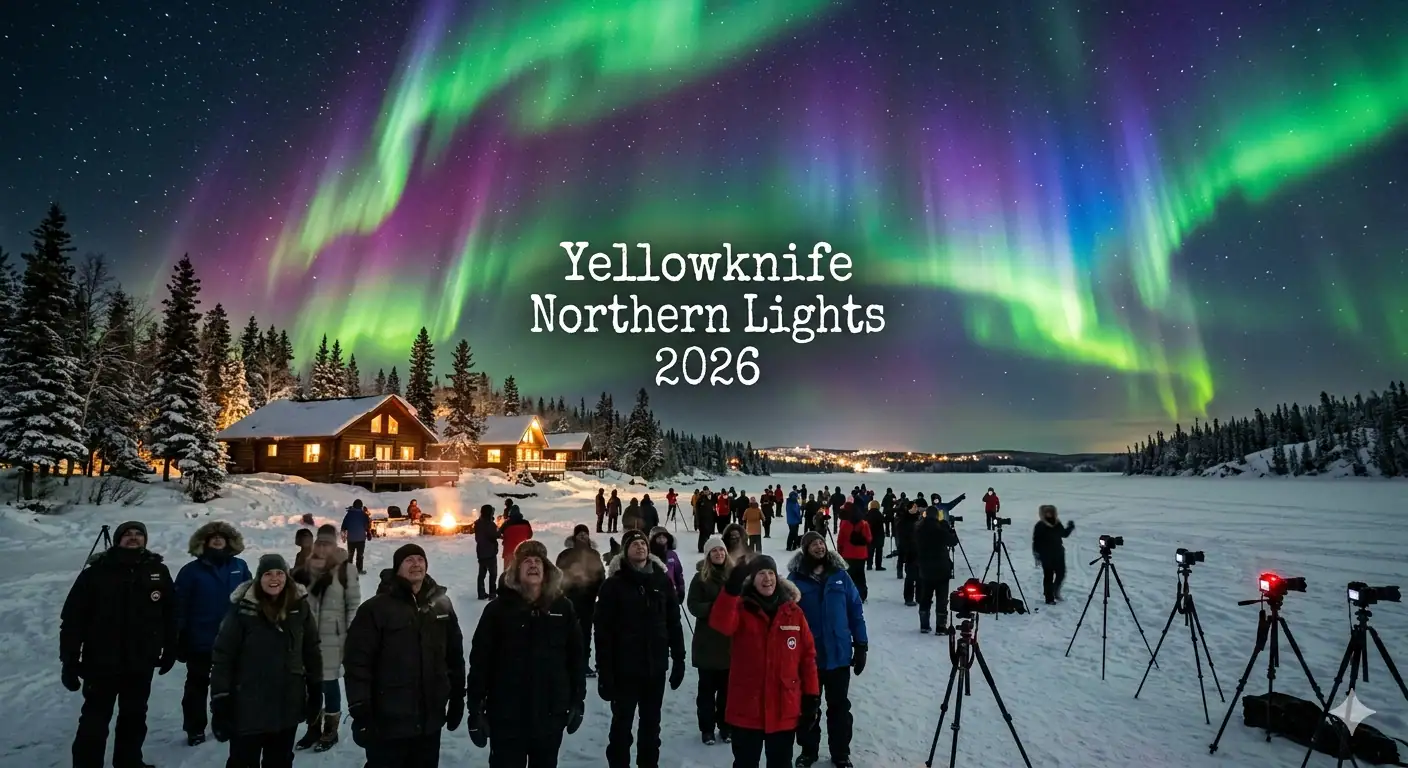
Yellowknife, Northwest Territories, stands as one of the planet's premier destinations for witnessing the awe-inspiring Northern Lights (Aurora Borealis), offering visitors an unparalleled opportunity to experience nature's most spectacular light show. Located directly beneath the auroral oval at 62 degrees north latitude, Yellowknife enjoys clear skies approximately 240 nights per year and boasts an extraordinary 90% aurora viewing success rate during peak season from November through March. For travelers seeking this bucket-list experience, planning a Yellowknife aurora adventure requires understanding optimal timing, tour options ranging from $150-$400 USD per night, appropriate cold-weather preparation for temperatures dropping to -40°F/C, and realistic expectations about this remote subarctic destination.
This comprehensive planning guide covers everything you need to know about experiencing the Northern Lights in Yellowknife, including the best months for aurora viewing (late August through mid-April), accommodation options from budget hotels at $120 USD to luxury aurora lodges at $400+ USD, transportation logistics from major Canadian cities, essential cold-weather gear requirements, and the critical importance of booking aurora tours well in advance. Whether you're planning a dedicated aurora photography expedition, a romantic winter getaway, or a family adventure to witness nature's greatest light show, Yellowknife delivers an unforgettable Arctic experience that combines world-class aurora viewing with unique subarctic culture, indigenous heritage, and pristine wilderness.
Understanding Yellowknifes Unique Aurora Advantage
Yellowknife's exceptional aurora viewing credentials stem from its perfect geographical positioning directly beneath the auroral oval, a ring-shaped zone approximately 1,550 miles (2,500 km) around the geomagnetic North Pole where aurora activity concentrates. This prime location, combined with the region's continental subarctic climate that produces frequent clear skies and minimal light pollution, creates optimal conditions for aurora observation. The city sits on the northern shore of Great Slave Lake, North America's deepest lake, providing expansive dark sky viewing areas just minutes from urban amenities.
The aurora viewing season in Yellowknife extends from late August through mid-April, with peak activity occurring during the equinox months of September-October and March-April when geomagnetic storms intensify. During the core winter months of December through February, visitors benefit from extended darkness with only 4-6 hours of twilight, maximizing aurora viewing opportunities. However, these months also bring the coldest temperatures, regularly dropping to -22°F to -40°F (-30°C to -40°C), requiring serious cold-weather preparation.
Yellowknife's aurora tourism infrastructure ranks among the world's most developed, with numerous specialized tour operators offering heated viewing lodges, traditional teepee experiences, photography workshops, and multi-night aurora packages. The city's compact size means aurora viewing locations lie just 15-30 minutes from downtown, while the absence of mountain ranges provides unobstructed 360-degree horizon views. For travelers researching northern lights viewing destinations, Yellowknife consistently ranks alongside Tromsø, Norway, and Fairbanks, Alaska, as a top-tier aurora destination with superior infrastructure and accessibility.
Best Time to Visit Yellowknife for Aurora Viewing
Timing your Yellowknife visit significantly impacts both aurora viewing success and overall comfort. The aurora season officially runs from August 20 through April 20, though the shoulder months of late August-September and March-April offer milder temperatures (10-40°F / -12 to 4°C) with still-excellent aurora activity. These shoulder seasons attract travelers seeking comfortable viewing conditions without extreme cold, though aurora intensity may be slightly lower than during winter's peak darkness.
Monthly Aurora Viewing Guide:
| Month | Aurora Quality | Temperature Range | Daylight Hours | Best For |
| August 20-31 | Excellent | 40-55°F (4-13°C) | 14-16 hours | Comfortable viewing, photography |
| September | Excellent | 30-50°F (-1 to 10°C) | 11-13 hours | Equinox aurora boost, mild weather |
| October | Very Good | 15-35°F (-9 to 2°C) | 8-10 hours | Strong aurora, fall colors |
| November | Good | -5 to 15°F (-21 to -9°C) | 5-7 hours | Early winter, cold tolerance required |
| December | Excellent | -20 to 0°F (-29 to -18°C) | 3-4 hours twilight | Maximum darkness, extreme cold |
| January | Excellent | -25 to -5°F (-32 to -21°C) | 4-5 hours twilight | Peak aurora season, coldest month |
| February | Excellent | -20 to 5°F (-29 to -15°C) | 6-8 hours | Strong aurora, slightly warmer |
| March | Excellent | -10 to 20°F (-23 to -7°C) | 10-12 hours | Equinox aurora boost, warming trend |
| April 1-20 | Very Good | 5-30°F (-15 to -1°C) | 13-15 hours | Comfortable temperatures, spring aurora |
For first-time aurora viewers, February and March offer the ideal balance of strong aurora activity, manageable temperatures (-10 to 5°F / -23 to -15°C), and increasing daylight for daytime activities. Photographers often prefer September and March during equinox periods when geomagnetic activity peaks, creating more intense aurora displays. Travelers seeking midnight sun experiences should note that Yellowknife transitions to 24-hour daylight from May through July, making aurora viewing impossible during summer months.
Aurora Tour Options and Booking Strategies
Yellowknife offers diverse aurora viewing experiences ranging from budget-friendly self-guided options to luxury multi-night packages. Understanding tour structures helps you select experiences matching your budget, comfort level, and photography goals. Most visitors book guided tours rather than attempting self-guided viewing, as tour operators possess expert knowledge of aurora forecasting, optimal viewing locations, and safety protocols for extreme cold.
Tour Type Comparison:
| Tour Type | Price Range (USD) | Duration | Inclusions | Best For |
| Basic Aurora Tour | $150-$200 | 4-5 hours | Transport, heated viewing shelter, hot drinks | Budget travelers, first-timers |
| Premium Aurora Tour | $250-$350 | 5-6 hours | Transport, heated lodge, meals, photography assistance | Comfort seekers, photographers |
| Aurora Village Package | $300-$400 | 5-6 hours | Transport, teepee/heated seating, meals, cultural presentation | Cultural experience, families |
| Multi-Night Package | $800-$1,500 | 3-5 nights | Accommodation, nightly tours, meals, activities | Guaranteed viewing, extended stays |
| Photography Workshop | $350-$500 | 6-8 hours | Expert instruction, equipment rental, prime locations | Serious photographers |
Major Tour Operators:
Aurora Village: Yellowknife's most established operator features traditional First Nations teepees, heated viewing areas, and comprehensive cultural presentations. Tours include transportation from downtown, hot meals, and aurora guarantees with free return visits if aurora doesn't appear. Pricing: $300-$400 USD per person.
North Star Adventures: Offers intimate small-group experiences (maximum 8 people) with heated cabins and personalized photography instruction. Known for flexible scheduling and willingness to chase aurora activity. Pricing: $250-$350 USD per person.
Yellowknife Aurora Tours: Budget-friendly option with reliable service and comfortable heated facilities. Good choice for travelers prioritizing value while maintaining quality viewing opportunities. Pricing: $150-$220 USD per person.
Booking Strategies:
- Book 3-6 Months Ahead: Peak season (December-March) tours sell out quickly; secure reservations well in advance
- Multi-Night Packages: Book 3-4 consecutive nights for 95%+ viewing success rate versus 60-70% for single nights
- Flexible Dates: Mid-week tours often have better availability and occasionally lower pricing
- Aurora Guarantee: Choose operators offering free return visits if aurora doesn't appear
- Photography Needs: Specify photography goals when booking; some tours offer better camera positioning and instruction
For travelers planning broader Canada travel itineraries, consider combining Yellowknife aurora viewing with winter activities in Banff, Quebec City winter carnival, or Vancouver's mild coastal climate for a diverse Canadian experience.
Accommodation Options and Where to Stay
Yellowknife's accommodation landscape ranges from budget motels to luxury aurora-focused lodges, with most visitors staying within the city and joining evening aurora tours. However, remote wilderness lodges offer all-inclusive aurora packages combining viewing with winter activities like dog sledding, ice fishing, and snowshoeing.
City Accommodations:
| Property | Category | Price (USD/night) | Features | Best For |
| Explorer Hotel | Mid-Range | $150-$220 | Aurora viewing deck, central location, restaurant | Convenience, aurora viewing from room |
| Yellowknife Inn | Budget-Mid | $120-$180 | Basic amenities, kitchenettes, free parking | Budget travelers, extended stays |
| Chateau Nova Yellowknife | Mid-Range | $140-$200 | Modern rooms, indoor pool, airport shuttle | Comfort, business travelers |
| The Discovery Inn | Budget | $100-$150 | Basic rooms, kitchenettes, affordable rates | Budget-conscious travelers |
Wilderness Aurora Lodges:
Blachford Lake Lodge: Remote wilderness lodge accessible only by float plane (summer) or ice road (winter), offering exclusive aurora viewing with no light pollution. All-inclusive packages include accommodation, meals, and nightly aurora viewing. Pricing: $400-$600 USD per person per night, minimum 2-night stay.
Prelude Lake Wilderness Lodge: Intimate 8-guest lodge offering personalized aurora experiences combined with winter activities. All-inclusive packages include accommodation, gourmet meals, and guided activities. Pricing: $450-$650 USD per person per night.
Aurora Viewing from Accommodations:
Several Yellowknife hotels feature aurora wake-up services and viewing decks. The Explorer Hotel, positioned on a hill overlooking the city, offers rooms with northern exposure and an aurora alert service. Some visitors opt for Airbnb rentals with aurora viewing decks or large north-facing windows, though extreme cold requires ensuring properties have adequate heating and insulation.
For travelers seeking luxury accommodation experiences, wilderness lodges provide exclusive aurora viewing with gourmet dining and personalized service, though at premium pricing compared to city hotels.
Transportation and Getting to Yellowknife
Yellowknife's remote subarctic location requires careful transportation planning. The city connects to southern Canada primarily through air travel, with seasonal winter road access for adventurous drivers willing to navigate extreme conditions.
Flying to Yellowknife:
Yellowknife Airport (YZF) receives direct flights from:
- Edmonton: 2-hour flights, multiple daily departures, $300-$600 USD round-trip
- Vancouver: 3-hour direct flights or connections through Edmonton, $400-$800 USD round-trip
- Calgary: 2.5-hour direct flights, $350-$650 USD round-trip
- Ottawa/Toronto: Connections through Edmonton or Calgary, $600-$1,200 USD round-trip
Airlines serving Yellowknife include Air Canada, WestJet, and Canadian North. Book flights 2-3 months in advance for best pricing, especially for December-March travel. Winter weather occasionally causes flight delays, so build flexibility into your itinerary.
Driving to Yellowknife:
The Mackenzie Highway connects Yellowknife to southern Canada via a 1,000-mile (1,600 km) journey from Edmonton through Alberta and Northwest Territories. The route includes:
- Distance: 1,000 miles (1,600 km) from Edmonton
- Driving Time: 14-16 hours minimum; recommend 2-3 days with overnight stops
- Route: Highway 2 north to High Level, Alberta, then Highway 35/Highway 4 to Yellowknife
- Winter Conditions: Extreme cold (-40°F/C), limited services, wildlife hazards, ice roads
- Vehicle Requirements: Winter tires mandatory, emergency kit essential, satellite phone recommended
Winter driving to Yellowknife suits only experienced cold-weather drivers with properly equipped vehicles. Most visitors fly rather than drive, especially during peak aurora season.
Local Transportation:
Yellowknife's compact size makes getting around straightforward:
- Aurora Tours: Include hotel pickup/dropoff from most city accommodations
- Taxis: Available but expensive; $15-$25 USD for short trips
- Rental Cars: Available at airport; $60-$120 USD/day; winter driving experience required
- Walking: Feasible downtown but extreme cold limits winter walking
For travelers planning multi-destination itineraries, consider combining Yellowknife with other Canadian destinations, though the remote location makes it best suited as a dedicated aurora destination rather than a stop on a broader tour.
Essential Cold Weather Gear and Packing List
Yellowknife's extreme winter temperatures demand serious cold-weather preparation. Temperatures regularly drop to -22°F to -40°F (-30°C to -40°C) during peak aurora season, requiring specialized gear to ensure safety and comfort during outdoor aurora viewing.
Critical Cold Weather Gear:
| Category | Essential Items | Temperature Rating | Notes |
| Outer Layer | Insulated parka, snow pants | -40°F/C minimum | Windproof, waterproof essential |
| Base Layers | Merino wool or synthetic thermal underwear | Moisture-wicking | Avoid cotton; layer 2-3 layers |
| Mid Layers | Fleece jacket, down vest, wool sweater | Insulating | Multiple thin layers better than one thick layer |
| Footwear | Insulated winter boots | -40°F/C rated | Waterproof, insulated, room for thick socks |
| Hand Protection | Liner gloves + insulated mittens | -40°F/C rated | Mittens warmer than gloves; bring hand warmers |
| Head Protection | Toque/winter hat, balaclava, neck gaiter | Windproof | Cover all exposed skin; face protection critical |
| Eye Protection | Sunglasses, goggles | UV protection | Prevent snow blindness during daytime |
Photography Equipment:
Aurora photography in extreme cold requires special considerations:
- Camera: DSLR or mirrorless with manual controls
- Lens: Wide-angle lens (14-24mm) with fast aperture (f/2.8 or faster)
- Tripod: Sturdy, cold-weather rated; carbon fiber resists cold better than aluminum
- Batteries: Bring 3-4 extra batteries; cold drains batteries rapidly; keep spares warm in inside pockets
- Memory Cards: Multiple high-capacity cards
- Remote Shutter: Prevents camera shake during long exposures
- Lens Cloth: Condensation forms when moving between extreme temperature differences
Additional Essentials:
- Hand/Foot Warmers: Disposable chemical warmers provide 6-10 hours of heat
- Thermos: Hot drinks maintain core temperature during viewing
- Backpack: Insulated pack for carrying gear and extra layers
- Lip Balm/Moisturizer: Extreme cold causes severe skin dryness
- Sunglasses: Snow reflection intensifies UV exposure during daytime
For travelers unfamiliar with extreme weather packing, many tour operators rent cold-weather gear, or you can purchase quality gear in Yellowknife upon arrival, though selection may be limited and pricing higher than southern cities.
Aurora Photography Techniques and Tips
Capturing the Northern Lights requires technical knowledge, proper equipment, and patience. Yellowknife's frequent clear skies and strong aurora activity provide excellent photography opportunities, but extreme cold and darkness present unique challenges.
Camera Settings for Aurora Photography:
| Setting | Recommended Value | Purpose |
| Mode | Manual (M) | Full control over exposure settings |
| Aperture | f/2.8 or widest available | Maximum light gathering |
| Shutter Speed | 5-25 seconds | Balances light capture with aurora movement |
| ISO | 800-3200 | Sensitivity to light; higher ISO for faint aurora |
| Focus | Manual focus at infinity | Autofocus fails in darkness |
| White Balance | 3500-4000K or Auto | Natural aurora colors |
| File Format | RAW | Maximum editing flexibility |
Photography Techniques:
- Focus in Daylight: Practice focusing at infinity before darkness; use live view zoomed on bright star
- Use Timer or Remote: Prevents camera shake from pressing shutter button
- Shoot in RAW: Provides maximum flexibility for color correction and exposure adjustment
- Bracket Exposures: Take multiple exposures at different settings to capture varying aurora intensity
- Include Foreground: Add visual interest with trees, mountains, or structures
- Monitor Histogram: Ensure proper exposure without clipping highlights
- Battery Management: Keep spare batteries warm in inside pockets; cold drains batteries rapidly
Common Mistakes to Avoid:
- Shutter Speed Too Long: Exposures over 25 seconds cause star trailing and blur aurora movement
- ISO Too High: ISO above 3200 introduces excessive noise; better to increase shutter speed
- Forgetting Manual Focus: Autofocus fails in darkness; always use manual focus
- No Foreground Interest: Aurora alone can be flat; include landscape elements
- Underestimating Cold: Protect equipment and yourself; extreme cold damages electronics
For photographers seeking advanced photography techniques, consider booking a specialized aurora photography workshop with expert instruction on composition, camera settings, and post-processing.
Aurora Forecasting and Viewing Success Strategies
Maximizing your aurora viewing success requires understanding aurora forecasting, weather patterns, and strategic planning. While Yellowknife enjoys a 90% success rate during peak season, smart planning increases your chances of witnessing spectacular displays.
Understanding Aurora Forecasting:
The KP Index measures geomagnetic activity on a scale of 0-9, with higher numbers indicating stronger aurora activity:
- KP 0-2: Weak aurora; visible only in very dark skies
- KP 3-4: Moderate aurora; good viewing in Yellowknife
- KP 5-6: Strong aurora; vivid displays likely
- KP 7-9: Severe geomagnetic storm; exceptional aurora visible far south
Yellowknife's position beneath the auroral oval means aurora appears even at KP 1-2, though stronger activity (KP 3+) produces more vivid, dynamic displays.
Forecasting Resources:
- Space Weather Canada: Official Canadian government aurora forecasts
- Aurora Service Europe: Global aurora forecasts and KP index
- NOAA Space Weather Prediction Center: Real-time aurora activity and forecasts
- Local Tour Operators: Provide daily aurora forecasts and viewing recommendations
- Aurora Alert Apps: Push notifications for aurora activity (Aurora Alert, My Aurora Forecast)
Weather Considerations:
Clear skies are essential for aurora viewing. Yellowknife's continental climate produces frequent clear nights, but cloud cover can obstruct viewing. Check:
- Environment Canada: Local weather forecasts and cloud cover predictions
- Cloud Cover Forecasts: Websites like Windy.com provide detailed cloud predictions
- Local Knowledge: Tour operators possess intimate knowledge of microclimates and clear-sky locations
Maximizing Viewing Success:
- Book Multiple Nights: 3-4 consecutive nights provides 95%+ success rate versus 60-70% for single night
- Stay Flexible: Be prepared to adjust viewing times based on aurora forecasts
- Peak Viewing Hours: 10 PM - 2 AM typically offers strongest aurora activity
- Escape Light Pollution: Get away from city lights; tour operators know optimal dark-sky locations
- Allow Dark Adaptation: 20-30 minutes in darkness improves your ability to see faint aurora
- Look North: Aurora typically appears in northern sky, though strong activity fills entire sky
What to Expect:
First-time aurora viewers often have unrealistic expectations. Understanding what you'll see prevents disappointment:
- Naked Eye: Aurora often appears as grayish-white curtains or bands; color vision limited in low light
- Camera: Cameras capture vivid greens, purples, and reds invisible to naked eye
- Movement: Aurora dances, swirls, and changes intensity; patience rewards with spectacular displays
- Duration: Displays last 15 minutes to several hours; intensity varies throughout night
For travelers planning solo travel experiences, aurora tours provide excellent opportunities to meet fellow travelers while ensuring safe, guided viewing experiences.
Beyond Aurora: Winter Activities in Yellowknife
While aurora viewing dominates winter itineraries, Yellowknife offers diverse winter activities complementing your Northern Lights experience. Daytime adventures showcase subarctic wilderness, indigenous culture, and unique Arctic experiences.
Popular Winter Activities:
| Activity | Duration | Cost (USD) | Best For |
| Dog Sledding | 2-4 hours | $150-$300 | Adventure seekers, animal lovers |
| Ice Fishing | 3-5 hours | $100-$200 | Fishing enthusiasts, unique experiences |
| Snowshoeing | 2-4 hours | $50-$100 | All fitness levels, nature lovers |
| Cross-Country Skiing | 2-6 hours | $40-$80 | Active travelers, scenic views |
| Ice Road Driving | Full day | $200-$400 | Adventure seekers, unique experience |
| Cultural Tours | 2-3 hours | $75-$150 | History buffs, cultural enthusiasts |
Dog Sledding: Experience traditional Arctic transportation with guided dog sled tours ranging from 1-hour introductory rides to half-day expeditions. Meet enthusiastic sled dogs, learn mushing techniques, and glide through snow-covered boreal forest. Tours typically include hot drinks and traditional bannock bread.
Ice Fishing: Fish through holes drilled in frozen Great Slave Lake for lake trout, Arctic grayling, or whitefish. Guided tours provide equipment, heated shelters, and expert instruction. Even if you don't catch fish, the experience of fishing through ice in extreme cold proves memorable.
Snowshoeing and Skiing: Explore groomed trails or backcountry terrain on snowshoes or cross-country skis. Yellowknife maintains excellent trail networks suitable for all skill levels. Guided tours provide equipment and instruction for beginners.
Ice Road Driving: Experience the legendary winter ice roads connecting Yellowknife to remote communities and diamond mines. Guided tours provide safe access to these seasonal highways, offering unique perspectives on Arctic engineering and winter transportation.
Cultural Experiences: Learn about Dene and Métis indigenous cultures through museum visits, cultural presentations, and traditional craft workshops. The Prince of Wales Northern Heritage Centre showcases Northwest Territories history and indigenous culture.
For travelers interested in meaningful cultural travel, Yellowknife's indigenous cultural experiences provide authentic insights into Arctic indigenous life and traditions.
Health and Safety in Extreme Cold
Yellowknife's extreme winter temperatures demand serious health and safety considerations. Understanding cold-weather risks and prevention strategies ensures a safe, enjoyable aurora adventure.
Cold-Weather Health Risks:
- Frostbite: Exposed skin freezes in minutes at -22°F (-30°C); cover all exposed skin
- Hypothermia: Core body temperature drops below 95°F (35°C); watch for shivering, confusion, fatigue
- Dehydration: Cold air holds less moisture; drink 3-4 liters of water daily despite reduced thirst
- Sunburn: Snow reflects UV radiation; wear sunglasses and sunscreen during daytime
- Respiratory Issues: Extreme cold can trigger asthma or breathing difficulties; carry inhalers if needed
Safety Guidelines:
- Limit Exposure: Take frequent warming breaks every 30-45 minutes
- Stay Dry: Wet clothing loses insulating properties; change wet layers immediately
- Layer Properly: Multiple thin layers trap heat better than single thick layer
- Cover Extremities: Hands, feet, ears, and nose most susceptible to frostbite
- Stay Hydrated: Drink water regularly; avoid alcohol which accelerates heat loss
- Eat Adequately: High-calorie foods fuel body heat production
- Travel with Others: Never venture into wilderness alone in extreme cold
- Carry Emergency Gear: Hand warmers, emergency blanket, fire-starting materials
When to Seek Medical Attention:
- Frostbite Signs: White or grayish-yellow skin, firm or waxy texture, numbness
- Hypothermia Signs: Uncontrollable shivering, confusion, slurred speech, drowsiness
- Medical Facilities: Stanton Territorial Hospital provides emergency care; travel insurance essential
For travelers concerned about health precautions, comprehensive travel insurance covering medical evacuation proves essential for remote Arctic travel.
Planning Your Yellowknife Aurora Itinerary
Optimal Yellowknife aurora itineraries balance viewing opportunities with daytime activities, allowing adequate rest while maximizing your chances of witnessing spectacular Northern Lights displays.
Recommended 4-Day Aurora Itinerary:
Day 1: Arrival and Orientation
- Morning/Afternoon: Arrive Yellowknife, check into accommodation
- Late Afternoon: Orientation walk, purchase any missing cold-weather gear
- Evening: First aurora tour (8 PM - 1 AM); allows adjustment to time zone and conditions
Day 2: Daytime Activities and Second Aurora Viewing
- Morning: Rest and recovery from late night
- Afternoon: Dog sledding or snowshoeing excursion (2-3 hours)
- Evening: Second aurora tour or independent viewing if staying at aurora-friendly hotel
Day 3: Cultural Exploration and Aurora Photography
- Morning: Visit Prince of Wales Northern Heritage Centre
- Afternoon: Ice fishing or cross-country skiing
- Evening: Photography-focused aurora tour with expert instruction
Day 4: Final Aurora Viewing and Departure
- Morning: Leisurely breakfast, souvenir shopping
- Afternoon: Final winter activity or relaxation
- Evening: Third or fourth aurora tour (if late departure flight)
- Depart Yellowknife
Extended 7-Day Itinerary:
For travelers seeking comprehensive aurora experiences with higher viewing success rates:
- Nights 1-5: Five consecutive aurora viewing nights (95%+ success rate)
- Daytime Activities: Rotate between dog sledding, ice fishing, snowshoeing, cultural tours
- Rest Days: Build in recovery time; extreme cold and late nights prove exhausting
- Flexible Scheduling: Adjust activities based on aurora forecasts and weather conditions
Budget Planning:
| Expense Category | 4-Day Trip (USD) | 7-Day Trip (USD) |
| Flights (from major Canadian city) | $400-$800 | $400-$800 |
| Accommodation (mid-range hotel) | $480-$720 | $840-$1,260 |
| Aurora Tours (3 nights) | $450-$900 | $750-$1,500 |
| Daytime Activities | $200-$400 | $400-$700 |
| Meals | $200-$350 | $350-$600 |
| Local Transportation | $100-$200 | $150-$300 |
| Cold Weather Gear (if purchasing) | $200-$500 | $200-$500 |
| Total Per Person | $2,030-$3,870 | $3,090-$5,660 |
For travelers seeking budget-friendly options, visit during shoulder seasons (September or March-April) when accommodation pricing drops 20-30% while aurora quality remains excellent.
Conclusion: Your Yellowknife Aurora Adventure Awaits
Yellowknife stands as one of Earth's premier destinations for experiencing the Northern Lights, offering unparalleled aurora viewing success rates, developed tourism infrastructure, and authentic subarctic wilderness experiences. Whether you're a dedicated aurora photographer seeking the perfect shot, a couple planning a romantic winter getaway, or a family introducing children to nature's greatest light show, Yellowknife delivers unforgettable memories beneath the dancing Arctic sky.
Success requires thoughtful planning: booking aurora tours 3-6 months in advance, investing in quality cold-weather gear, allowing 3-4 nights for optimal viewing success, and preparing mentally and physically for extreme cold. The rewards—witnessing vibrant green and purple aurora curtains dancing across star-filled Arctic skies—justify every challenge and expense.
As you plan your global travel adventures, prioritize Yellowknife's aurora season as a bucket-list experience that combines natural wonder, cultural richness, and Arctic adventure into one extraordinary journey. The Northern Lights await in Yellowknife—prepare well, dress warmly, and witness one of nature's most spectacular phenomena.
Ready to chase the Northern Lights? Book your Yellowknife aurora adventure today and prepare for an unforgettable journey beneath the Arctic sky.
0 Comments