.webp)
.webp)
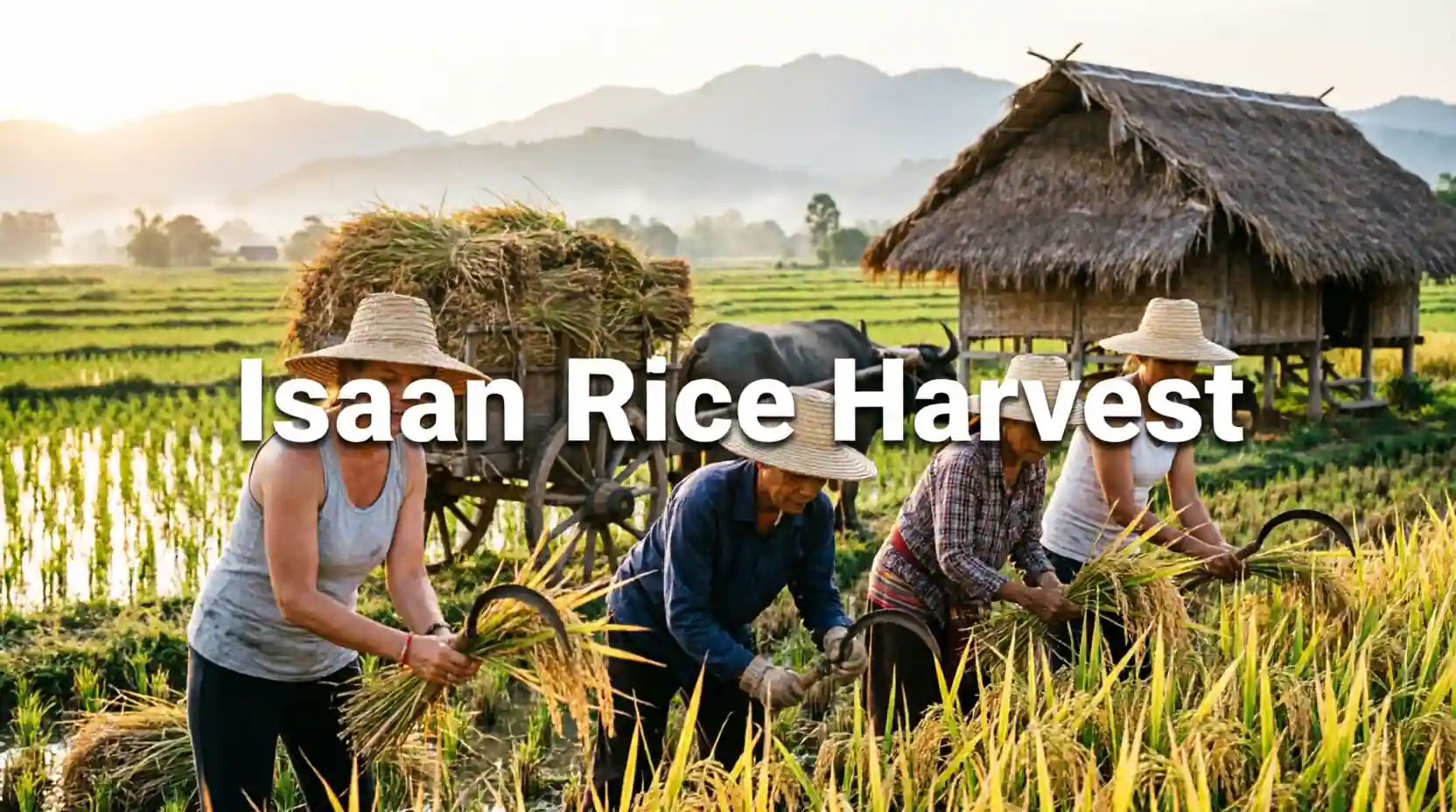
Why Participating in an Isaan Rice Harvest Creates Unforgettable Travel Memories
Participating in a traditional rice harvest in Isaan, Northeast Thailand's largest region, offers foreign tourists an authentic glimpse into one of Southeast Asia's most cherished agricultural traditions. This immersive cultural experience allows you to work alongside local farming families, learn ancient harvesting techniques passed down through generations, and understand the profound connection between Thai culture and rice cultivation. The harvest season typically runs from November to December, when golden rice paddies stretch across the horizon under clear blue skies.
Unlike typical tourist activities, rice harvest participation provides genuine human connection and meaningful contribution to local communities. You'll wake before dawn, feel the cool morning mist on your skin, and experience the rhythmic sound of sickles cutting through rice stalks. This hands-on experience costs between $30-$150 USD depending on whether you choose a day visit or multi-day homestay program, making it one of the most affordable yet transformative experiences in Thailand.
Understanding Isaan Thailand and Its Rice Culture
Isaan (also spelled Isan) comprises 20 provinces in Northeast Thailand, bordering Laos to the north and east, and Cambodia to the southeast. This region produces approximately 30% of Thailand's total rice output, with jasmine rice (khao hom mali) being the most prized variety. The region's distinct culture, influenced by Lao traditions, creates a unique atmosphere different from central or southern Thailand.
Rice farming in Isaan isn't merely agriculture—it's a way of life deeply embedded in spiritual beliefs, community bonds, and seasonal rhythms. The harvest represents the culmination of months of careful tending, from transplanting seedlings in flooded paddies during the rainy season (June-October) to the joyful celebration of reaping golden grains.
Best Time to Experience Rice Harvest in Isaan
The optimal window for participating in rice harvest activities falls between early November and mid-December. During this period, you'll experience:
- Perfect Weather: Cool temperatures (68-86°F / 20-30°C) with low humidity
- Peak Harvest Activity: Maximum community participation and festive atmosphere
- Clear Skies: Minimal rainfall ensures uninterrupted fieldwork
- Cultural Festivals: Many villages host harvest celebrations with traditional music and dance
For travelers planning their Thailand itinerary, timing your visit during harvest season adds authentic cultural depth beyond typical tourist destinations. Consider combining your harvest experience with visits to nearby Cambodia or Laos for a comprehensive Southeast Asian cultural journey.
Top Isaan Provinces for Rice Harvest Experiences
| Province | Distance from Bangkok | Best For | Program Cost (USD) |
| Ubon Ratchathani | 630 km (8 hours by bus) | Authentic homestays, jasmine rice fields | $45-$120 |
| Surin | 450 km (6 hours by bus) | Traditional ceremonies, elephant villages | $40-$100 |
| Sisaket | 570 km (7.5 hours by bus) | Khmer heritage sites, organic farming | $35-$90 |
| Roi Et | 510 km (7 hours by bus) | Community-based tourism, local festivals | $30-$85 |
| Yasothon | 540 km (7 hours by bus) | Rocket Festival culture, traditional music | $35-$95 |
How to Find and Book Rice Harvest Programs
Several pathways exist for foreign tourists to participate in rice harvest activities:
1. Community-Based Tourism Organizations
Organizations like the Community-Based Tourism Institute (CBT-I) and Designated Areas for Sustainable Tourism Administration (DASTA) coordinate authentic farming experiences. These programs ensure fair compensation for local families and maintain cultural integrity. Expect to pay $50-$100 USD per day, which typically includes:
- Homestay accommodation in traditional wooden houses
- All meals featuring local Isaan cuisine
- Harvesting tools and safety equipment
- English-speaking local guide
- Cultural activities and village tours
2. Direct Village Homestays
Some villages accept walk-in visitors, though advance booking is strongly recommended. Contact information is often available through provincial tourism offices or local guesthouses. This budget option costs $30-$60 USD per day but requires basic Thai language skills or a translator.
3. Specialized Tour Operators
Companies focusing on meaningful travel experiences offer curated harvest programs with comfortable accommodations and professional guides. These premium packages range from $100-$200 USD per day and include transportation from Bangkok, professional photography, and additional cultural activities.
What to Expect During Your Rice Harvest Experience
Day 1: Arrival and Orientation
Your journey begins with arrival at your host village, typically in late afternoon. After settling into your homestay—a traditional wooden house raised on stilts—you'll attend a welcome ceremony where village elders explain local customs and safety protocols. This cultural exchange includes:
- Bai Sri Ceremony: A traditional blessing where elders tie white cotton strings around your wrists for good luck
- Tool Demonstration: Learning to properly use the keo (traditional sickle) and understanding harvesting techniques
- Safety Briefing: Identifying potential hazards like snakes, insects, and sun exposure
- Shared Dinner: Enjoying authentic Isaan dishes like som tam (papaya salad), larb (minced meat salad), and sticky rice
Day 2: The Harvest Begins
Wake at 5:00 AM to the sound of roosters and temple bells. After a light breakfast of coffee and rice porridge, you'll walk to the fields (typically 1-2 km from the village) as the sun rises. The morning harvest session runs from 6:30 AM to 11:00 AM:
Morning Harvest Techniques:
- Cutting: Bend at the waist, grasp rice stalks with your left hand, and cut with the sickle held in your right hand, approximately 30cm from the ground
- Gathering: Create small bundles (about 20-30cm diameter) and lay them in rows
- Binding: Use rice straw to tie bundles into sheaves weighing 3-5 kg each
A typical tourist can harvest approximately 100-150 kg of rice per day with proper guidance, compared to experienced farmers who harvest 300-400 kg daily.
Midday Break: From 11:00 AM to 1:00 PM, rest in the shade, enjoy a hearty lunch prepared by village women, and rehydrate with fresh coconut water or herbal tea. This break is crucial as temperatures can reach 90°F (32°C).
Afternoon Session: Work resumes from 1:00 PM to 4:00 PM, focusing on gathering cut rice, threshing (separating grain from stalk), and initial winnowing (removing chaff). The afternoon pace is slower due to heat.
Day 3: Threshing and Celebration
The final day involves traditional threshing methods where rice bundles are beaten against wooden platforms or trampled by water buffalo. You'll participate in:
- Winnowing: Tossing rice into the air using bamboo trays so wind carries away lighter chaff
- Storage Preparation: Helping fill traditional rice granaries (yung khao)
- Farewell Ceremony: Community celebration with traditional music (pong lang), dancing, and a feast
Essential Preparation and Packing List
Physical Fitness Requirements
Rice harvesting demands moderate physical fitness. You should be comfortable with:
- Bending repeatedly for 4-6 hours daily
- Walking on uneven, muddy terrain
- Lifting bundles weighing 3-5 kg
- Working in temperatures of 68-90°F (20-32°C)
If you have back problems, knee issues, or limited mobility, discuss accommodations with your host family in advance. Some programs offer lighter tasks like meal preparation or childcare.
What to Pack
| Category | Essential Items |
| Clothing | Long-sleeved cotton shirts (2-3), long pants (2 pairs), wide-brimmed hat, bandana, lightweight rain jacket |
| Footwear | Sturdy closed-toe shoes with good grip, rubber boots (optional, often provided), sandals for evening |
| Protection | Sunscreen SPF 50+, insect repellent (DEET-based), work gloves, sunglasses |
| Health | Personal medications, basic first aid supplies, rehydration salts, antihistamines |
| Miscellaneous | Reusable water bottle (2L capacity), headlamp, quick-dry towel, small backpack |
Pre-Trip Health Preparations
Consult your doctor 4-6 weeks before travel regarding:
- Vaccinations: Hepatitis A, Typhoid, Tetanus (routine), Japanese Encephalitis (recommended for rural areas)
- Malaria Prophylaxis: Generally not required in Isaan, but discuss with your physician
- Travel Insurance: Ensure coverage includes agricultural activities and rural medical evacuation
Cultural Etiquette and Respectful Participation
Understanding and respecting local customs enhances your experience and builds genuine connections:
Dress Code and Modesty
Isaan communities are conservative. Always wear:
- Clothing covering shoulders and knees when not working in fields
- Modest swimwear if bathing in village ponds (women should wear t-shirts over swimsuits)
- Remove shoes before entering homes and temple buildings
Spiritual Beliefs and Rice
Rice holds sacred significance in Thai culture. The spirit of rice, Mae Phosop (Rice Mother), is revered through rituals. Always:
- Handle rice stalks gently and avoid wasting grain
- Participate respectfully in blessing ceremonies
- Never point your feet toward rice storage areas
- Ask permission before photographing religious objects or ceremonies
Gift-Giving Customs
Bringing small gifts for your host family demonstrates gratitude:
- Appropriate: Fruit, sweets, school supplies for children, practical household items
- Avoid: Alcohol (unless you know the family drinks), overly expensive gifts that create obligation
- Present gifts: With both hands as a sign of respect
Cost Breakdown and Budget Planning
Budget Traveler ($30-$60 USD per day)
- Basic homestay: $10-15/night
- Meals (included in most programs): $5-10/day
- Harvest program fee: $15-30/day
- Local transportation: $5/day
- Total daily cost: $35-60 USD
Mid-Range Traveler ($60-$120 USD per day)
- Comfortable homestay with private bathroom: $25-40/night
- Organized program with guide: $30-50/day
- All meals and activities included
- Transportation from provincial capital: $10-20/day
- Total daily cost: $65-110 USD
Premium Experience ($120-$250 USD per day)
- Boutique eco-lodge or upgraded homestay: $60-100/night
- Private guide and photographer: $40-80/day
- Premium meals and cultural activities: $20-40/day
- Private transportation: $30-50/day
- Total daily cost: $150-270 USD
Additional Costs to Consider
| Expense | Cost (USD) |
| Round-trip Bangkok to Ubon Ratchathani (bus) | $40-60 |
| Round-trip Bangkok to Ubon Ratchathani (flight) | $80-150 |
| Travel insurance (2 weeks) | $30-80 |
| Vaccinations (if needed) | $100-300 |
| Souvenirs and gifts for host family | $20-50 |
| Thai SIM card with data (2 weeks) | $15-25 |
Transportation to Isaan Rice Harvest Locations
From Bangkok to Major Isaan Cities
By Bus (Most Economical):
- Mo Chit Bus Terminal offers daily departures to all Isaan provinces
- Journey time: 6-10 hours depending on destination
- Cost: $15-30 USD for VIP air-conditioned buses
- Book tickets online via Thailand travel resources or at the terminal
By Train (Scenic Route):
- State Railway of Thailand operates overnight trains from Hua Lamphong Station
- Destinations: Ubon Ratchathani, Nakhon Ratchasima, Khon Kaen
- Journey time: 8-12 hours
- Cost: $20-50 USD (2nd class sleeper to 1st class private cabin)
- Experience: Authentic local travel, meets sustainable travel principles
By Air (Fastest):
- Bangkok Airways, Thai AirAsia, and Nok Air fly to Ubon Ratchathani, Udon Thani, Khon Kaen
- Flight time: 1 hour 15 minutes
- Cost: $40-100 USD one-way (book 2-3 months in advance for best prices)
- From airport: Take local bus or taxi to village (additional $10-30)
Safety Considerations and Health Precautions
Field Safety
Rice paddies present specific hazards that require awareness:
- Snakes: Cobras and kraits may hide in tall grass. Always wear closed-toe shoes and watch where you step.
- Insects: Mosquitoes are prevalent, especially at dawn and dusk. Use DEET-based repellent and wear long sleeves.
- Sun Exposure: Tropical sun is intense. Reapply sunscreen every 2 hours, wear a hat, and drink 3-4 liters of water daily.
- Cuts and Scratches: Rice leaves have sharp edges. Wear long sleeves and gloves to prevent lacerations.
Food and Water Safety
While homestay meals are generally safe, follow these precautions:
- Drink only bottled or boiled water (avoid ice unless confirmed safe)
- Eat freshly cooked food served hot
- Avoid raw vegetables unless you peel them yourself
- Bring hand sanitizer and use before meals
- Carry anti-diarrheal medication (loperamide) as backup
Emergency Preparedness
Keep these contacts accessible:
- Tourist Police: 1155 (English-speaking operators)
- Medical Emergency: 1669
- Your Country's Embassy: Bangkok contact numbers
- Local Hospital: Ask your host family for nearest medical facility
Combining Rice Harvest with Other Isaan Experiences
Maximize your Isaan visit by combining harvest participation with these cultural attractions:
Historical Sites
- Phanom Rung Historical Park (Buriram): 10th-13th century Khmer temple complex, 2 hours from Surin
- Phra Viharn (Si Sa Ket): Stunning hilltop temple on Cambodia border
- Phu Phra Bat Historical Park (Udon Thani): Ancient rock formations with Buddhist art
Natural Attractions
- Phu Kradueng National Park (Loei): Mountain plateau with hiking trails, best visited November-February
- Sam Phan Bok (Ubon Ratchathani): "Grand Canyon of Thailand" rock formations along Mekong River
- Phu Pha Yon National Park (Sakon Nakhon): Waterfalls and cave systems
Cultural Festivals
If your visit coincides with these events, plan accordingly:
- Yasothon Rocket Festival (May): Spectacular homemade rocket launching ceremony
- Surin Elephant Round-up (November): Traditional elephant performances and buffalo racing
- Candle Festival (July, Ubon Ratchathani): Elaborate wax sculptures for Buddhist Lent
Responsible Tourism and Community Impact
Your participation should benefit local communities while preserving cultural integrity:
Economic Impact
Direct payments to host families ensure tourism revenue stays within the community:
- Average homestay income: $200-400 USD per month during harvest season
- This represents 30-50% increase in typical household income
- Additional earnings from selling handmade crafts and local products
Cultural Preservation
Tourism interest helps maintain traditional practices that might otherwise disappear:
- Younger generations learn ancestral farming techniques
- Traditional ceremonies and rituals are documented and celebrated
- Local dialects and folk songs are preserved through cultural exchange
Environmental Considerations
Practice sustainable tourism principles:
- Use refillable water bottles to reduce plastic waste
- Respect wildlife and avoid disturbing natural habitats
- Support organic farming initiatives when available
- Offset carbon emissions from international flights
Post-Harvest: Taking Your Experience Home
Purchasing Isaan Rice
Bring authentic jasmine rice home as a delicious souvenir:
- Where to Buy: Local markets, OTOP (One Tambon One Product) shops, or directly from your host family
- Cost: $2-5 USD per kg for premium jasmine rice
- Export Regulations: Check your country's agricultural import restrictions; most allow up to 5 kg for personal use
- Packaging: Vacuum-sealed bags preserve freshness for 6-12 months
Sharing Your Story
Respectfully share your experience to inspire responsible travel:
- Write reviews on travel platforms highlighting community-based tourism
- Share photos with permission, focusing on cultural appreciation rather than poverty
- Recommend specific programs that demonstrate ethical practices
- Connect with your host family via social media (if they're comfortable)
Frequently Asked Questions
Can I participate if I don't speak Thai?
Yes! Many programs cater to English-speaking tourists. Basic Thai phrases are helpful but not required. Your host family will use gestures and demonstrations to teach harvesting techniques. Consider learning these essential phrases:
- Sawasdee krub/ka (Hello)
- Khop khun krub/ka (Thank you)
- Mai pen rai (No problem/You're welcome)
- Aroi mak (Very delicious)
Is rice harvest suitable for children?
Children aged 8+ can participate with parental supervision. Tasks can be adjusted for age and ability. Many families welcome children and appreciate the cultural exchange. However, consider:
- Shorter working hours (2-3 hours instead of 6)
- Lighter tasks like gathering cut rice or helping with meals
- Ensuring adequate rest and hydration
- Bringing entertainment for downtime
What if it rains during harvest?
November-December is typically dry, but occasional rain is possible. Harvest activities may be postponed or shortened. Use rainy periods for:
- Indoor cultural activities (weaving, cooking classes)
- Village temple visits
- Storytelling sessions with elders
- Rest and recovery
Can I extend my stay beyond the harvest program?
Absolutely! Many visitors extend their homestay to explore the region further. Discuss extension possibilities with your host family in advance. Typical extensions include:
- Additional farming activities (preparing fields for next season)
- Learning traditional crafts (silk weaving, basket making)
- Participating in village life and festivals
- Volunteering at local schools or community projects
Conclusion: Your Journey into Isaan's Heart
Participating in a traditional rice harvest in Isaan transcends typical tourism—it's a profound cultural immersion that connects you to Thailand's agricultural soul. As you bend alongside farmers under the morning sun, feeling rice stalks slip through your fingers, you'll understand why rice is more than sustenance; it's identity, community, and heritage.
The physical effort, the shared meals, the laughter despite language barriers, and the genuine warmth of your host family create memories that outlast any resort vacation. You'll return home with calloused hands, a fuller heart, and a deeper appreciation for the farmers who feed nations.
Whether you choose a budget homestay in Ubon Ratchathani or a premium program in Surin, your participation supports sustainable tourism that preserves traditions while providing economic opportunities. This is travel with purpose—authentic, respectful, and transformative.
As you plan your Thailand adventure, make space for this extraordinary experience. The golden fields of Isaan await, ready to share their stories and welcome you into one of Southeast Asia's most cherished traditions.
Ready to harvest memories that will last a lifetime? Book your Isaan rice harvest experience today and discover the true heart of Thailand.
0 Comments