.webp)
.webp)
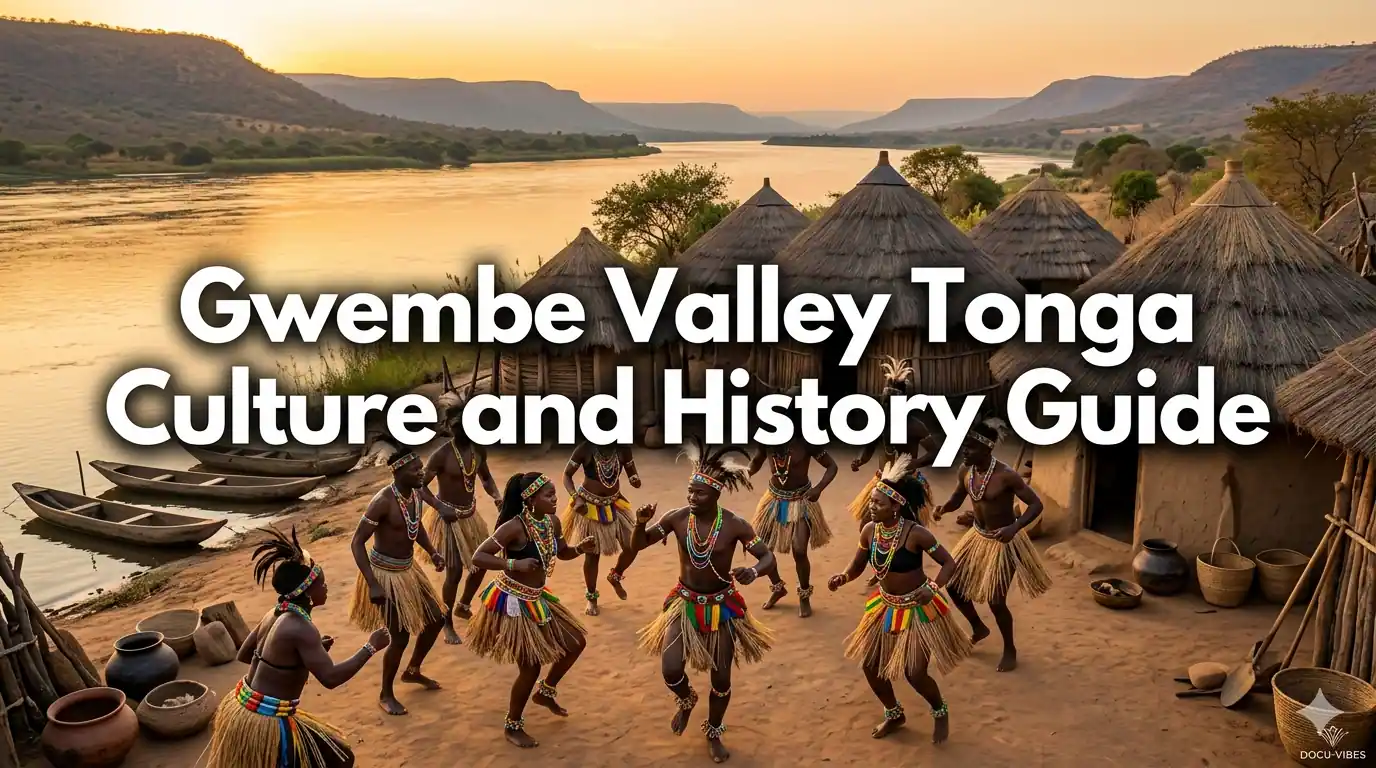
Introduction to Gwembe Valley and Tonga Heritage
Gwembe Valley represents one of Zambia's most culturally rich and historically significant regions, offering travelers authentic insights into the traditions of the Tonga people.
Located along the middle Zambezi River in southern Zambia, this breathtaking valley has been home to the Tonga community for centuries, shaping a unique cultural identity tied to the river and land.
The Tonga people, also known as BaTonga, are one of Zambia's largest ethnic groups, with deep ancestral roots in the Gwembe Valley dating back over a thousand years.
Exploring Gwembe Valley provides visitors with rare opportunities to witness traditional practices, hear ancient oral histories, and engage respectfully with communities preserving their heritage.
This comprehensive guide covers everything digital nomads and cultural travelers need to know about experiencing Tonga culture and history in the Gwembe Valley responsibly and meaningfully.
Why Visit Gwembe Valley for Cultural Exploration

Gwembe Valley offers an authentic cultural experience rarely found in more commercialized tourist destinations, allowing visitors to connect with living traditions rather than staged performances.
The Tonga people maintain strong connections to ancestral customs, including traditional music, dance, craftsmanship, and spiritual practices that continue to shape daily life in the valley.
Visitors can witness traditional fishing techniques, pottery making, basket weaving, and beadwork that have been passed down through generations of Tonga artisans.
The valley's dramatic landscape, featuring the Zambezi River, escarpment cliffs, and baobab-dotted plains, provides a stunning backdrop for cultural immersion and photography.
Community-based tourism initiatives in Gwembe Valley ensure that visitor spending directly supports local families, schools, and cultural preservation efforts.
What Makes Tonga Culture Unique in Southern Africa
Tonga culture stands out for its matrilineal social structure, where lineage and inheritance traditionally pass through the mother's family line.
The Tonga language, Chitonga, remains widely spoken in Gwembe Valley and represents one of Zambia's most resilient indigenous languages with rich oral literature traditions.
Traditional Tonga spirituality centers on ancestral veneration and reverence for natural forces, particularly the Zambezi River known as Nyami Nyami, the river god.
Tonga music features distinctive instruments like the mbira thumb piano, drums, and rattles, creating rhythms that accompany ceremonies, storytelling, and community gatherings.
The Tonga people's adaptation to the Zambezi environment has produced unique knowledge systems about fishing, farming, and weather patterns that continue to inform sustainable living practices.
How to Reach Gwembe Valley from Major Cities

Most travelers begin their Gwembe Valley journey from Lusaka, Zambia's capital city, located approximately 300 kilometers northeast of the valley.
Road travel from Lusaka to Gwembe Town takes about four to five hours via the Great East Road and connecting district roads, with scenic views of the Zambezi escarpment.
Private vehicle rental offers the most flexibility for exploring Gwembe Valley, though 4x4 vehicles are recommended during rainy season when some roads become challenging.
Public minibuses called kombis operate regular routes from Lusaka to Gwembe Town, providing an affordable option for budget travelers comfortable with local transportation.
Some tour operators include Gwembe Valley cultural experiences as part of broader Zambia itineraries, handling logistics and providing knowledgeable local guides.
Transportation Options Within Gwembe Valley
Once in Gwembe Valley, visitors can explore communities by vehicle, bicycle, or on foot depending on distance and local guidance.
Many cultural sites and traditional villages are accessible via well-maintained gravel roads, though a local guide enhances navigation and cultural understanding.
Boat transport along the Zambezi River provides access to riverside communities and fishing villages, offering unique perspectives on Tonga life tied to the water.
Walking tours arranged through community guides allow intimate exploration of villages, markets, and craft centers while supporting local livelihoods.
Always coordinate transportation plans with your accommodation or guide, as mobile network coverage can be limited in remote areas of the valley.
Visa Requirements and Entry Procedures for Zambia

Most international visitors require a visa to enter Zambia for cultural tourism in Gwembe Valley, with options available depending on nationality and travel purpose.
Tourist visas can be obtained on arrival at Kenneth Kaunda International Airport in Lusaka or at major land border crossings for approximately 50 US dollars.
The KAZA UniVis offers excellent value for travelers planning to visit both Zambia and Zimbabwe, allowing multiple entries for 30 days at a cost of 50 dollars.
Passport validity must extend at least six months beyond your intended departure date from Zambia, with at least two blank pages for entry and exit stamps.
Yellow fever vaccination certificates are required if traveling from or transiting through countries with yellow fever risk, though not mandatory for direct travel from Europe or North America.
Health Precautions for Gwembe Valley Travel
Malaria prophylaxis is recommended for travel to Gwembe Valley, as the region falls within a malaria-risk zone year-round with higher transmission during rainy season.
Consult a travel medicine specialist four to six weeks before departure to determine appropriate vaccinations and preventive medications for your itinerary.
Carry a personal medical kit including prescription medications, anti-diarrheal treatments, antihistamines, and basic first aid supplies for remote travel.
Comprehensive travel insurance with medical evacuation coverage is essential, as serious health issues may require transport to Lusaka or international facilities.
Stay hydrated, use insect repellent containing DEET, and sleep under mosquito nets provided by accommodations to minimize health risks during your visit.
Best Time to Visit Gwembe Valley for Cultural Experiences

The dry season from May through October offers optimal conditions for exploring Gwembe Valley, with comfortable temperatures and minimal rainfall disrupting travel plans.
May and June provide pleasant daytime temperatures around 25 degrees Celsius, making outdoor cultural activities and village visits particularly enjoyable.
July through September represents peak cultural tourism season, with clear skies, excellent photography light, and many traditional ceremonies scheduled during these months.
October can be hot with temperatures exceeding 35 degrees Celsius, but wildlife viewing along the Zambezi improves as animals concentrate near water sources.
The rainy season from November to April brings lush landscapes and vibrant greenery, though some roads may become impassable and cultural events less frequent.
Seasonal Cultural Events and Festivals
The Tonga people celebrate several annual ceremonies tied to agricultural cycles, fishing seasons, and ancestral commemoration that visitors may witness with proper arrangements.
The Shimunenga Ceremony, though primarily associated with the Ila people, influences cultural exchanges throughout southern Zambia including Gwembe Valley communities.
Traditional fishing festivals mark the opening of fishing seasons, featuring community gatherings, music, dance, and rituals honoring the Zambezi River.
Harvest celebrations occur after maize and sorghum crops are gathered, offering opportunities to experience traditional food preparation and communal feasting.
Coordinate with local guides or community tourism offices to align your visit with cultural events, as many ceremonies require invitation or advance permission for visitor participation.
Complete Cost Breakdown for Gwembe Valley Cultural Travel

Budgeting for Gwembe Valley travel requires understanding accommodation, transportation, guide fees, and cultural experience costs that vary by service level and season.
Mid-range accommodation in Gwembe Town or nearby lodges ranges from 40 to 80 US dollars per night, including basic amenities and sometimes meals.
Community-based homestays offer authentic cultural immersion at lower costs, typically 20 to 40 dollars per night including meals and local guidance.
Local guide fees for cultural tours average 25 to 50 dollars per day, with proceeds often supporting community development projects and cultural preservation.
Transportation costs include fuel for private vehicles, kombi fares for public transport, or tour operator packages that bundle logistics and experiences.
Detailed Expense Categories for Cultural Tourism
Accommodation represents the largest single expense, with options ranging from budget guesthouses to eco-lodges designed for cultural tourism.
Meals at local restaurants or homestays cost 5 to 15 dollars per person, featuring traditional Tonga cuisine like nshima, fish, and vegetable relishes.
Cultural experience fees for craft workshops, dance performances, or village tours typically range from 10 to 30 dollars per activity per person.
Travel insurance, visas, vaccinations, and emergency funds should be budgeted separately from daily expenses to ensure comprehensive trip planning.
Tipping guides and community hosts is customary but not mandatory, with 10 to 20 percent of service costs considered appropriate for exceptional experiences.
Sample 5-Day Cultural Itinerary for Gwembe Valley

A five-day itinerary allows meaningful exploration of Tonga culture and history while maintaining a comfortable pace for cultural immersion and reflection.
Day one begins with arrival in Gwembe Town, settling into accommodation, and an introductory walk through the local market to observe daily life and purchase supplies.
Day two features a guided village visit to learn about traditional Tonga housing, family structures, and daily routines, with opportunities to participate in craft activities.
Day three focuses on Zambezi River culture, including boat trips to fishing communities, demonstrations of traditional fishing techniques, and riverside storytelling sessions.
Day-by-Day Cultural Activities and Experiences
Day four explores Tonga history through visits to archaeological sites, oral history sessions with elders, and discussions about the impact of the Kariba Dam construction.
Day five concludes with a traditional meal preparation experience, farewell cultural performance, and reflection on lessons learned about Tonga heritage and contemporary life.
Each day includes time for rest, photography, journaling, and spontaneous interactions that often become the most memorable aspects of cultural travel.
Flexible scheduling allows for weather adjustments, community event participation, and deeper engagement with aspects of Tonga culture that particularly interest you.
Local guides help navigate cultural protocols, translate conversations, and ensure respectful interactions that benefit both visitors and host communities.
Understanding Tonga History and Ancestral Heritage

Tonga history in Gwembe Valley spans centuries of adaptation to the Zambezi environment, with archaeological evidence of settlement dating back to the Iron Age.
Oral traditions preserve accounts of migration patterns, clan formations, and interactions with neighboring groups that shaped Tonga social organization and cultural practices.
The construction of Kariba Dam in the 1950s dramatically altered Gwembe Valley, displacing thousands of Tonga people and submerging ancestral lands under Lake Kariba.
Despite displacement, the Tonga people have maintained cultural continuity through resilient community structures, adaptive livelihood strategies, and dedicated cultural preservation efforts.
Contemporary Tonga identity balances traditional values with modern influences, creating dynamic cultural expressions that honor heritage while engaging with global changes.
Key Historical Sites and Cultural Landmarks
Archaeological sites throughout Gwembe Valley contain stone tools, pottery fragments, and iron smelting evidence that document ancient Tonga technological achievements.
Traditional burial grounds and sacred sites hold spiritual significance for Tonga communities, requiring respectful behavior and often permission before visiting.
The Gwembe Valley Development Project documentation center preserves photographs, interviews, and records related to the Kariba Dam displacement and resettlement process.
Community museums and cultural centers in Gwembe Town and surrounding villages showcase Tonga artifacts, crafts, and historical narratives for educational purposes.
Riverbank locations associated with Nyami Nyami, the Tonga river deity, offer insights into traditional spiritual beliefs and ongoing cultural practices tied to the Zambezi.
Tonga Traditional Practices and Contemporary Life

Tonga culture encompasses rich traditions in music, dance, storytelling, craftsmanship, and social organization that continue to shape community life in Gwembe Valley.
Traditional Tonga music features call-and-response singing, polyrhythmic drumming, and instruments like the mbira, creating immersive experiences during ceremonies and celebrations.
Dance performances communicate cultural values, historical narratives, and social commentary through coordinated movements, colorful attire, and expressive gestures.
Storytelling remains a vital cultural practice, with elders sharing folktales, proverbs, and historical accounts that teach moral lessons and preserve collective memory.
Contemporary Tonga communities navigate modernization while maintaining cultural identity, creating innovative expressions of tradition in art, education, and community development.
Crafts and Artistic Traditions of the Tonga People
Tonga pottery utilizes local clay and traditional firing techniques to create functional vessels and decorative pieces that reflect aesthetic values and practical needs.
Basket weaving with palm fibers and natural dyes produces intricate patterns used for storage, carrying goods, and ceremonial purposes, showcasing Tonga artistic skill.
Beadwork and jewelry making incorporate glass beads, seeds, and metal elements to create adornments that signify social status, life stages, and cultural identity.
Wood carving produces tools, furniture, and artistic pieces that demonstrate Tonga craftsmanship and connection to natural materials from the valley environment.
Visitors can support Tonga artisans by purchasing authentic crafts directly from makers, ensuring fair compensation and cultural appreciation rather than exploitation.
Accommodation Options for Cultural Travelers in Gwembe Valley

Gwembe Valley offers diverse accommodation choices ranging from community homestays to eco-lodges, each providing different levels of comfort and cultural immersion.
Homestays with Tonga families offer authentic cultural experiences, home-cooked meals, and direct interaction with community members at budget-friendly prices.
Eco-lodges designed for cultural tourism provide comfortable rooms, guided experiences, and sustainable practices that minimize environmental impact while supporting local economies.
Guesthouses in Gwembe Town offer basic amenities, convenient locations, and connections to local guides and cultural activities for independent travelers.
Camping options exist for adventurous visitors, though coordination with local authorities and guides ensures safety and respect for community lands and customs.
Choosing Accommodation That Supports Cultural Tourism
Prioritize accommodations owned or operated by Tonga community members to ensure your spending directly benefits local families and cultural preservation efforts.
Ask about cultural programs, guided experiences, and community partnerships when booking to maximize meaningful engagement during your stay in Gwembe Valley.
Consider the environmental practices of your accommodation, as sustainable tourism helps protect the natural and cultural resources that make Gwembe Valley special.
Read recent reviews from cultural travelers to understand the authenticity of experiences, quality of guidance, and respectfulness of tourism operations.
Communicate your interests and expectations clearly when booking to help hosts prepare appropriate cultural experiences that align with your travel goals.
Food and Cuisine of the Tonga People

Tonga cuisine reflects the agricultural and fishing traditions of Gwembe Valley, featuring staple foods like nshima, fish, vegetables, and seasonal fruits.
Nshima, a thick porridge made from maize flour, serves as the foundation of most Tonga meals, eaten with hands and accompanied by flavorful relishes.
Fresh fish from the Zambezi River, prepared grilled, fried, or in stews, provides protein and connects meals to the river-centered Tonga lifestyle.
Vegetable relishes made from pumpkin leaves, sweet potato greens, and other local produce add nutrition and variety to traditional Tonga meals.
Seasonal fruits like mangoes, guavas, and wild berries offer natural sweetness and refreshment, often shared communally during gatherings and celebrations.
Dining Experiences and Food Culture
Sharing meals represents an important cultural practice among the Tonga people, with communal eating reinforcing social bonds and hospitality values.
Visitors invited to share meals should observe local customs like washing hands before eating, accepting food with the right hand, and expressing gratitude to hosts.
Traditional beer brewed from millet or sorghum plays a role in ceremonies and social gatherings, though consumption should always respect local norms and personal preferences.
Food preparation demonstrations offer insights into Tonga culinary techniques, ingredient sourcing, and the cultural significance of cooking practices.
Supporting local restaurants and food vendors contributes to community economies while providing authentic tastes of Tonga cuisine during your Gwembe Valley visit.
Safety Tips and Practical Travel Advice for Gwembe Valley

Gwembe Valley is generally safe for respectful travelers, though standard precautions for rural travel in Zambia enhance security and positive experiences.
Always travel with a local guide when visiting remote villages or cultural sites, as guides facilitate communication, navigate customs, and ensure appropriate behavior.
Respect photography protocols by asking permission before photographing people, ceremonies, or sacred sites, and honor requests to refrain from taking pictures.
Carry sufficient cash in Zambian kwacha for small purchases, tips, and emergencies, as ATMs and card payment options are limited in Gwembe Valley.
Stay informed about weather conditions, road status, and community events through local contacts, as conditions can change rapidly in rural areas.
Cultural Etiquette and Respectful Engagement
Learn basic greetings in Chitonga like "Mwala bwanji" (hello) and "Natotela" (thank you) to demonstrate respect and build rapport with Tonga community members.
Dress modestly when visiting villages or attending cultural events, covering shoulders and knees as a sign of respect for local norms and values.
Listen more than you speak during cultural interactions, allowing Tonga hosts to share their stories and perspectives without interruption or judgment.
Avoid making assumptions about Tonga culture based on stereotypes or limited information, approaching each interaction with curiosity and humility.
Follow guidance from community leaders and guides regarding appropriate behavior, participation in ceremonies, and boundaries around sacred or private spaces.
Responsible Tourism and Community Engagement in Gwembe Valley
Responsible tourism in Gwembe Valley prioritizes community benefit, cultural preservation, and environmental sustainability over convenience or entertainment value.
Choose tour operators and guides who employ local Tonga community members, pay fair wages, and reinvest profits in community development projects.
Support community-owned tourism initiatives that allow Tonga people to control how their culture is shared and ensure tourism benefits reach those who host visitors.
Minimize environmental impact by reducing waste, conserving water, respecting wildlife, and following leave-no-trace principles during your Gwembe Valley travels.
Share your experiences thoughtfully after returning home, highlighting Tonga culture with accuracy and respect while avoiding sensationalism or exploitation.
How Your Visit Supports Cultural Preservation
Tourism revenue can fund cultural documentation projects, language preservation programs, and intergenerational knowledge transfer when managed by community priorities.
Visitor interest in Tonga crafts creates markets for traditional artisans, encouraging continued practice of pottery, weaving, carving, and beadwork skills.
Cultural exchanges between visitors and Tonga hosts foster mutual understanding, challenge stereotypes, and build global appreciation for indigenous heritage.
Respectful tourism demonstrates the economic value of cultural preservation, motivating younger generations to maintain traditions alongside modern opportunities.
Long-term relationships between responsible travelers and Gwembe Valley communities can support ongoing cultural vitality beyond individual visits.
Making the Most of Your Gwembe Valley Cultural Journey
Approach your Gwembe Valley experience with openness, patience, and willingness to learn, recognizing that cultural understanding develops through respectful engagement over time.
Allow space for unexpected moments and spontaneous interactions that often become the most meaningful aspects of cultural travel in Tonga communities.
Document your journey through journaling, photography, or audio recording with permission, creating personal memories while honoring the stories shared with you.
Reflect on how Tonga perspectives on community, environment, and heritage might inform your own values and practices after returning home.
Consider maintaining connections with Gwembe Valley contacts through appropriate channels, supporting ongoing cultural exchange and community initiatives long-term.
Continuing Your Cultural Learning After Travel
Read books and academic resources about Tonga history and culture to deepen understanding beyond what can be experienced during short-term travel.
Support organizations working on Tonga cultural preservation, language documentation, or community development through donations or advocacy.
Share accurate information about Tonga culture with friends and colleagues, countering misconceptions and promoting respectful appreciation of Zambian heritage.
Explore connections between Tonga traditions and broader themes of indigenous rights, cultural sustainability, and ethical tourism in global contexts.
Plan return visits to Gwembe Valley when possible, as deeper cultural understanding often develops through repeated engagement and long-term relationships.
Your journey to explore Gwembe Valley and Tonga culture offers profound opportunities for learning, connection, and contribution to cultural preservation in Zambia.
By traveling responsibly, engaging respectfully, and supporting community-led initiatives, you help ensure that Tonga heritage continues to thrive for future generations.
The Gwembe Valley welcomes visitors who approach its culture with humility, curiosity, and commitment to mutual benefit through thoughtful tourism practices.
May your exploration of Tonga history and traditions in Gwembe Valley enrich your understanding of human diversity and inspire ongoing appreciation for cultural heritage worldwide.
0 Comments