.webp)
.webp)
Essential Packing List for Two Week Trip to Mexico
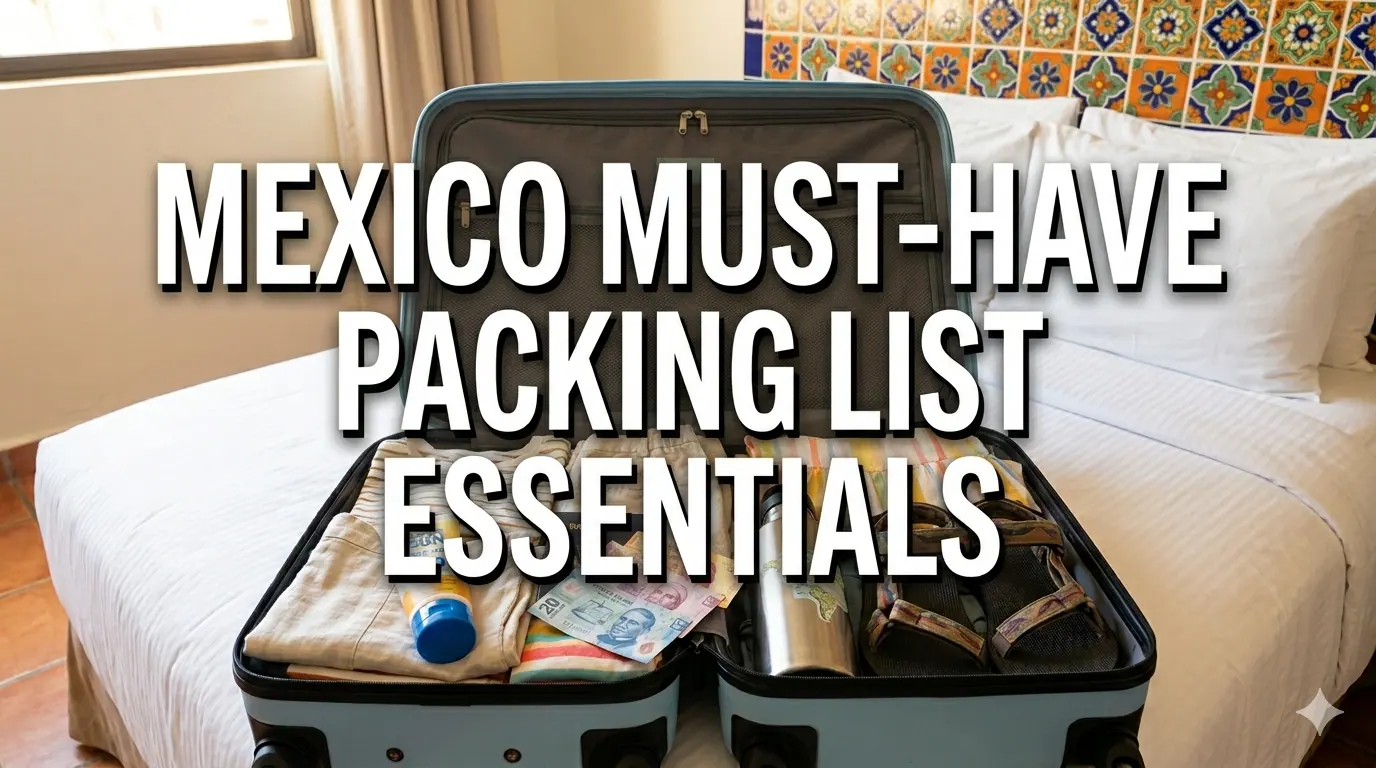
Quick Answer: Mexico Packing Essentials for Two Weeks
For a two-week Mexico trip, pack lightweight breathable clothing for coastal areas, layers for highland cities like Mexico City, reef-safe sunscreen SPF 50, insect repellent with DEET or picaridin, a universal power adapter, copies of your passport and travel insurance, and a reusable water bottle with filtration. Budget approximately 150 to 400 USD for essential gear depending on what you already own. Focus on versatile items that work across beach resorts, colonial cities, and jungle destinations while respecting local customs and climate variations.
Understanding Mexico's Diverse Climates and Regions

Mexico's geographic diversity demands strategic packing that accounts for dramatically different conditions within a single trip. Coastal destinations like Cancun, Cabo San Lucas, and Puerto Vallarta feature tropical heat with temperatures of 80 to 95°F year-round and high humidity that requires moisture-wicking fabrics and quick-dry clothing.
Highland cities including Mexico City, Guanajuato, and Oaxaca sit at elevations of 1500 to 2500 meters, creating cooler temperatures of 60 to 75°F during the day and dropping to 45 to 55°F at night. Packing layers becomes essential for comfort in these destinations, even when visiting during summer months.
Jungle and archaeological sites like Chichen Itza, Palenque, and Calakmul combine heat, humidity, and insect exposure with uneven terrain requiring sturdy footwear. Rainy season from May through October adds afternoon downpours that demand waterproof gear and quick-dry clothing strategies.
Understanding your specific itinerary allows targeted packing that avoids overpacking while ensuring preparedness. Travelers visiting multiple regions should prioritize versatile items that layer effectively and transition between casual beach settings and more formal urban environments.
Documentation and Travel Essentials

Proper documentation represents the most critical packing category, as missing items can prevent entry or create significant travel disruptions. Organize these items in a dedicated travel wallet or document holder for easy access during border crossings and hotel check-ins.
Passport and Visa Requirements
United States, Canadian, United Kingdom, and European Union citizens receive automatic 180-day tourist visas upon arrival in Mexico with a valid passport. Ensure your passport has at least six months remaining validity beyond your planned departure date, as airlines may deny boarding without this buffer.
Complete the FMM tourist card form provided during your flight or at border entry. This document typically costs approximately 35 USD and may be included in your airline ticket price. Keep this card with your passport throughout your stay, as authorities may request it at checkpoints or when exiting Mexico.
Make two photocopies of your passport information page and FMM card. Store one copy separately from your originals and leave one copy with a trusted contact at home. Digital scans saved to secure cloud storage provide additional backup if physical documents are lost or stolen.
Travel Insurance Documentation
Comprehensive travel insurance covering medical emergencies, evacuation, and trip interruption provides valuable protection for international travel. Policies typically cost 4 to 8 percent of total trip expense and cover scenarios like illness, injury, or unexpected cancellations.
Print your insurance policy details including coverage limits, emergency contact numbers, and claim procedures. Save digital copies to your phone and email for offline access. Verify your policy covers activities you plan to pursue, as some standard policies exclude adventure sports or high-altitude hiking.
Include your insurance provider's 24-hour assistance number in your phone contacts and on a physical card in your wallet. Quick access to this information proves critical during medical emergencies when language barriers or stress may complicate communication.
Payment Methods and Financial Preparation
Carry a mix of payment options for flexibility across Mexico's diverse economy. Major credit cards like Visa and Mastercard work widely in tourist areas, hotels, and restaurants, while smaller establishments, markets, and rural locations often prefer cash in Mexican pesos.
Notify your bank and credit card issuers of your travel dates and destinations before departure to prevent fraud alerts and transaction declines. Some issuers allow travel notifications through mobile apps or websites for convenient pre-trip setup.
Bring approximately 200 to 400 USD in small denomination US bills as emergency backup currency. US dollars are accepted in many tourist areas though exchange rates may be unfavorable compared to banks or ATMs. Avoid exchanging large amounts at airport kiosks which typically offer poor rates.
Clothing Recommendations by Destination and Season

Strategic clothing selection maximizes comfort while minimizing luggage weight. Focus on versatile pieces that layer effectively, resist wrinkles, and transition between activities without requiring complete outfit changes.
Coastal and Beach Destinations
Pack lightweight, breathable fabrics like cotton, linen, and moisture-wicking synthetics for hot, humid coastal environments. Include 5 to 7 short-sleeve shirts, 3 to 4 pairs of shorts or lightweight pants, and 2 to 3 sundresses or casual outfits for evening dining.
Swimwear requires special consideration for saltwater exposure and frequent use. Bring two to three swimsuits to allow rotation while others dry. Rash guards provide sun protection during extended water activities and reduce sunscreen reapplication needs.
Footwear for beach destinations should include waterproof sandals for wet environments, comfortable walking shoes for town exploration, and one pair of dressier sandals or shoes for upscale restaurants. Avoid packing heavy boots unless your itinerary includes specific hiking activities.
Highland Cities and Cultural Destinations
Layering systems prove essential for destinations like Mexico City, Puebla, and San Miguel de Allende where temperatures fluctuate significantly between day and night. Pack lightweight long-sleeve shirts, cardigans or fleece jackets, and a packable windproof layer for variable conditions.
Include one to two pairs of long pants in versatile colors like navy, black, or khaki that work for both daytime sightseeing and evening dining. Women may add one dressier outfit for special occasions or cultural performances requiring more formal attire.
Comfortable walking shoes with good support are non-negotiable for exploring cobblestone streets and archaeological sites. Break in new footwear before your trip to prevent blisters that can derail sightseeing plans.
Seasonal Adjustments and Rainy Season Prep
Dry season from November through April features minimal rainfall and comfortable temperatures across most destinations. Pack accordingly with emphasis on sun protection and breathable fabrics without extensive rain gear.
Rainy season from May through October brings afternoon thunderstorms, particularly in southern and jungle regions. Include a compact, packable rain jacket or poncho, quick-dry clothing that won't stay wet for hours, and waterproof bags or dry sacks for protecting electronics and documents.
Hurricane season from June through November primarily affects Caribbean and Pacific coasts. Monitor weather forecasts closely if traveling during this period and consider travel insurance with trip interruption coverage for storm-related disruptions.
Health and Safety Packing Essentials

Proactive health preparation prevents minor issues from becoming major trip disruptions. Pack a compact, organized first aid kit tailored to Mexico travel risks and your personal health needs.
Sun Protection and Skin Care
Mexico's intense sun, particularly at high altitudes and coastal locations, demands comprehensive sun protection. Pack reef-safe sunscreen SPF 50 or higher for face and body, as many beach destinations restrict chemical sunscreens that harm coral ecosystems.
Include lip balm with SPF 30 plus, a wide-brimmed hat for face and neck coverage, and UV-blocking sunglasses. Reapply sunscreen every two hours during outdoor activities and after swimming, even on cloudy days when UV penetration remains significant.
After-sun care like aloe vera gel provides relief for unexpected sun exposure. Pack travel-sized versions to conserve luggage space while maintaining accessibility during your trip.
Insect Protection and Disease Prevention
Mosquito-borne illnesses like dengue and Zika occur in tropical regions of Mexico, particularly during rainy season. Pack insect repellent containing DEET 20 to 30 percent, picaridin, or oil of lemon eucalyptus for effective protection.
Apply repellent to exposed skin and clothing, particularly during dawn and dusk when mosquitoes are most active. Consider treating clothing with permethrin before travel for extended protection in high-risk areas like jungle destinations or rural communities.
Consult your physician about recommended vaccinations before travel. Hepatitis A, typhoid, and routine vaccines like tetanus may be advised depending on your itinerary and activities. Allow 4 to 6 weeks before departure for vaccines requiring multiple doses.
Medications and First Aid Supplies
Bring an adequate supply of prescription medications in original labeled containers, plus copies of prescriptions in case of loss or customs questions. Pack medications in carry-on luggage to ensure access if checked bags are delayed.
Include over-the-counter remedies for common travel issues: anti-diarrheal medication, antihistamines for allergies, pain relievers, antacids, and motion sickness tablets if planning boat trips or winding mountain roads.
Basic first aid supplies should include adhesive bandages, antiseptic wipes, blister treatment like moleskin or hydrocolloid pads, and oral rehydration salts for managing mild dehydration or stomach upset.
Electronics and Connectivity Essentials

Modern travel relies on technology for navigation, communication, and documentation. Pack electronics strategically to balance functionality with weight and security considerations.
Power Adapters and Charging Solutions
Mexico uses Type A and B electrical outlets with 127V voltage, compatible with US and Canadian plugs. Travelers from Europe, UK, or other regions with different plug types need a universal power adapter for charging devices.
Bring a compact multi-port USB charger to power multiple devices simultaneously from limited hotel outlets. Consider a portable power bank with 10000 to 20000 mAh capacity for all-day excursions without reliable charging access.
Protect electronics from humidity and sand with waterproof cases or dry bags, particularly for beach and jungle destinations. Silica gel packets in camera bags help absorb moisture that can damage sensitive equipment.
Communication and Navigation Tools
Download offline maps on Google Maps or Maps.me before departure for navigation without cellular data. This proves invaluable in areas with spotty coverage like rural roads, archaeological sites, or mountain regions.
Consider purchasing a local Mexican SIM card or eSIM for affordable data during your stay. Major carriers like Telcel and Movistar offer tourist plans with reasonable rates for navigation, translation, and communication apps.
Translation apps like Google Translate work offline with downloaded language packs, helping bridge language gaps in markets, restaurants, and rural areas. Practice basic Spanish phrases before travel to enhance interactions and demonstrate cultural respect.
Luggage and Packing Strategy

Choosing appropriate luggage and packing efficiently reduces travel stress and maximizes mobility across Mexico's diverse transportation options.
Luggage Type Recommendations
Soft-sided carry-on suitcases with spinner wheels offer maneuverability on cobblestone streets and airport terminals while meeting most airline size restrictions. Hard-shell cases provide better protection for fragile items but may be heavier and less flexible for tight spaces.
Backpacks with 40 to 50 liter capacity suit adventurous itineraries involving multiple destinations, public transportation, or walking long distances. Look for packs with padded shoulder straps, hip belts for weight distribution, and lockable zippers for security.
Include a compact daypack or foldable tote for daily excursions, beach trips, and market visits. This secondary bag keeps essentials accessible while leaving your main luggage secured at accommodations.
Packing Techniques and Organization
Roll clothing instead of folding to minimize wrinkles and maximize suitcase space. Use packing cubes to categorize items by type or outfit, simplifying unpacking and repacking during multi-destination trips.
Place heavier items at the bottom of your suitcase near the wheels for better balance and easier rolling. Keep frequently needed items like travel documents, medications, and a change of clothes in your carry-on for accessibility during transit.
Leave 15 to 20 percent of your luggage capacity empty for souvenirs, purchases, or unexpected items acquired during your trip. Overpacked bags become difficult to manage and may exceed airline weight limits on return flights.
Regional Packing Variations and Special Considerations

Mexico's diversity demands destination-specific adjustments to your packing list. Understanding regional nuances prevents overpacking while ensuring preparedness for local conditions.
| Destination Type | Key Packing Additions | Items to Minimize |
| Caribbean Coast Cancun Tulum | Reef-safe sunscreen, water shoes, lightweight cover-ups, insect repellent | Heavy jackets, formal wear, excessive electronics |
| Pacific Coast Cabo Puerto Vallarta | Sun hat, sunglasses, casual evening wear, windbreaker for ocean breezes | Bulky winter gear, high heels for sandy areas |
| Highland Cities Mexico City Oaxaca | Layers for temperature swings, comfortable walking shoes, light jacket | Excessive swimwear, beach-only items |
| Jungle and Archaeological Sites | Long sleeves and pants for insects, sturdy hiking shoes, rain gear | Delicate fabrics, white clothing that shows dirt |
Budget Breakdown for Packing Essentials

Understanding realistic costs helps prioritize purchases and avoid overspending on items you may already own. The following table breaks down typical expenses across different budget approaches.
| Category | Budget Approach USD | Mid-Range Approach USD | Premium Approach USD |
| Sun Protection | 15-25 basic sunscreen hat | 30-50 reef-safe SPF 50 quality hat | 60-90 premium brands UV clothing |
| Insect Protection | 8-12 generic repellent | 15-25 name brand permethrin treatment | 30-45 premium natural options |
| First Aid and Medications | 20-35 basic OTC supplies | 40-65 comprehensive travel kit | 75-120 premium brands prescriptions |
| Electronics and Adapters | 10-20 basic adapter | 30-50 multi-port charger power bank | 60-100 premium accessories cases |
| Clothing Additions | 30-60 thrift or existing wardrobe | 80-150 versatile travel-specific pieces | 200-400 premium technical fabrics |
| Total Estimated Cost | 83-152 USD | 195-340 USD | 425-695 USD |
USD conversions reflect approximate retail pricing and may vary by location and sales. Many travelers already own items in multiple categories, significantly reducing out-of-pocket expenses. Prioritize purchases based on your specific itinerary and existing gear inventory.
What Not to Pack: Common Mistakes to Avoid

Efficient packing requires knowing what to leave behind as much as what to bring. Avoiding common mistakes reduces luggage weight and prevents travel frustrations.
Leave expensive jewelry and unnecessary valuables at home. Mexico is generally safe for tourists, but displaying wealth attracts unwanted attention and increases theft risk. Wear modest accessories and rely on travel insurance for valuable items you must bring.
Avoid overpacking formal wear unless your itinerary includes specific upscale events. Most Mexican restaurants and cultural venues accept smart casual attire. One versatile dress or collared shirt suffices for occasions requiring elevated presentation.
Don't pack excessive toiletries that can be purchased locally. Mexico offers quality personal care products at reasonable prices in pharmacies and supermarkets. Bring travel-sized samples of preferred brands and replenish as needed during your trip.
Resist the urge to pack "just in case" items for unlikely scenarios. Each unnecessary item adds weight, consumes space, and complicates organization. Focus on versatile essentials that serve multiple purposes across your itinerary.
Sustainable and Responsible Packing Practices

Thoughtful packing choices support environmental conservation and cultural respect during your Mexico travels. Small adjustments create meaningful positive impact.
Choose reef-safe sunscreen to protect marine ecosystems in coastal destinations. Chemicals like oxybenzone and octinoxate harm coral reefs and aquatic life. Look for mineral-based formulas with zinc oxide or titanium dioxide labeled as reef-friendly.
Bring a reusable water bottle with filtration capability to reduce single-use plastic consumption. Mexico's tap water isn't recommended for drinking, but filtered bottles allow safe refilling from treated sources while minimizing plastic waste.
Pack a reusable shopping bag for market visits and souvenir purchases. Many Mexican vendors appreciate customers who bring their own bags, and this practice reduces plastic pollution in communities you visit.
Respect local customs by packing modest clothing for religious sites and rural communities. Covering shoulders and knees demonstrates cultural sensitivity and may be required for entry to churches and indigenous villages.
Final Pre-Departure Packing Checklist

Use this streamlined checklist to verify essentials before closing your luggage. Customize based on your specific itinerary and personal needs.
Documents: Passport with six months validity, FMM tourist card, travel insurance details, credit cards and cash, photocopies of important documents stored separately.
Clothing: 5-7 tops, 3-4 bottoms, 2-3 swimwear items, 1-2 layers for cool evenings, comfortable walking shoes, sandals, one dressier outfit if desired.
Health and Safety: Reef-safe sunscreen SPF 50, insect repellent, prescription medications with copies of prescriptions, basic first aid supplies, hand sanitizer.
Electronics: Phone and charger, universal adapter if needed, portable power bank, offline maps downloaded, translation app prepared.
Extras: Reusable water bottle, compact daypack, sunglasses and hat, small Spanish phrase guide, packing cubes for organization.
Review your itinerary one final time to confirm destination-specific needs. Check weather forecasts for your travel dates and adjust layers accordingly. Leave yourself 30 minutes of buffer time before departure for last-minute additions or adjustments.
0 Comments