.webp)
.webp)
Alcochete Airport Project: Everything you need to know about the new Lisbon aviation hub.
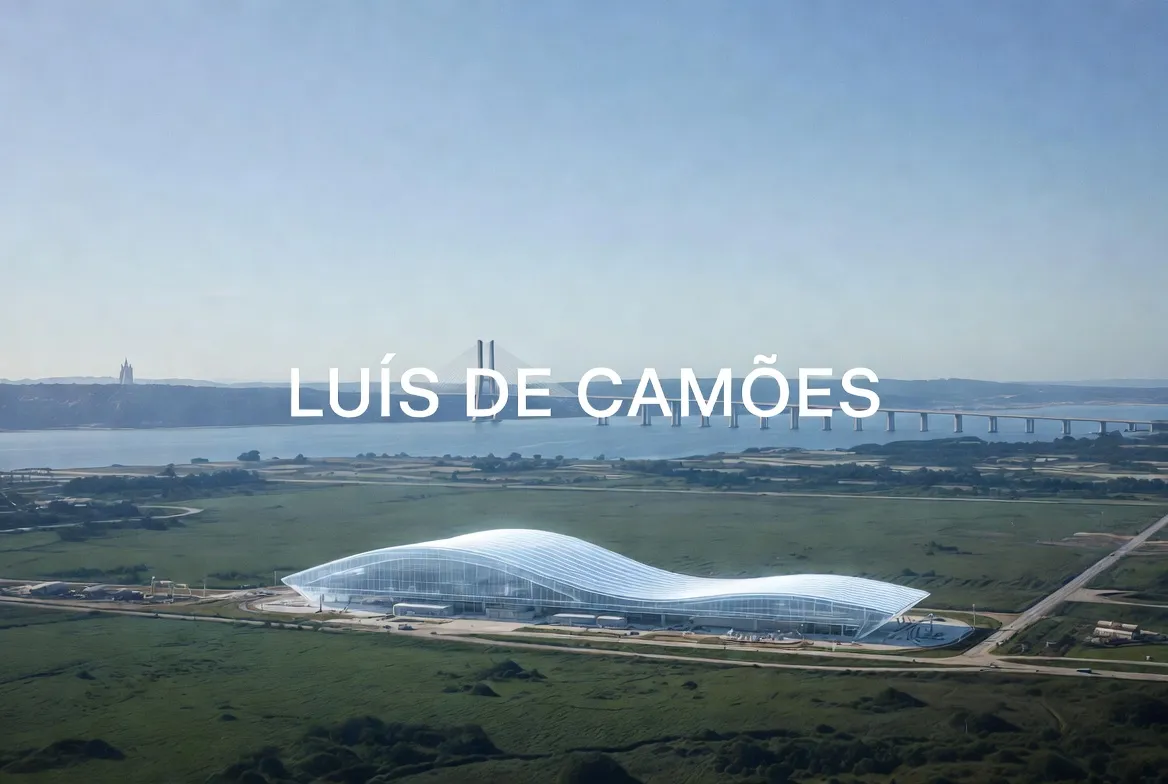
Alcochete Airport Project: Everything You Need to Know About the New Lisbon Aviation Hub
Portugal is embarking on one of the most ambitious infrastructure projects in its modern history: the construction of a new international airport at Alcochete, designed to replace the aging Humberto Delgado Airport (Lisbon Portela) and serve as the country's primary aviation gateway. After decades of planning, debates, and false starts, the Alcochete Airport project has finally gained momentum, with construction timelines now targeting 2030-2034 for the first phase of operations. This comprehensive guide provides everything you need to know about this transformative project that will reshape Portugal's aviation landscape and boost the country's connectivity to the world.
Located approximately 40 kilometers east of Lisbon on the south bank of the Tagus River, the Alcochete site has been selected after extensive studies evaluating multiple locations. The new airport will initially feature two runways with the capacity to handle up to 7.4 million passengers annually in its first phase, with expansion plans to accommodate up to four runways and significantly higher passenger volumes in the future. The project represents an investment of approximately €3.2-3.5 billion for the initial phase, making it one of Portugal's largest infrastructure undertakings.
This master guide explores every aspect of the Alcochete Airport project: from the site selection process and environmental considerations to construction timelines, transportation connections, and the airport's potential impact on Portugal's economy and tourism sector. Whether you're a traveler planning future visits to Lisbon, a business professional monitoring infrastructure developments, or simply curious about this landmark project, this guide will provide you with comprehensive, up-to-date information about Portugal's aviation future.
Why Portugal Needs a New Lisbon Airport
The urgency for a new Lisbon airport stems from the severe capacity constraints facing the current Humberto Delgado Airport (Lisbon Portela), which has been operating beyond its designed capacity for years.
Current Airport Limitations:
- Capacity Issues: Lisbon Portela handles approximately 31-33 million passengers annually despite being designed for around 22 million, creating chronic congestion and operational challenges.
- Single Runway: The airport operates with a single runway, severely limiting flight capacity and creating delays, especially during peak hours.
- Urban Encroachment: The airport is surrounded by urban development, making expansion impossible and creating noise pollution issues for nearby residents.
- 24-Hour Operations: The current airport cannot operate 24/7 due to noise restrictions, limiting Portugal's ability to attract long-haul international flights.
- Economic Impact: Capacity constraints limit Portugal's ability to attract new airlines and routes, hindering tourism growth and economic development.
- 👉 The 2026 Belarus e-Visa Update: Step-by-Step Guide for Online Application.
- 👉 Netherlands EES April 2026: Mandatory Biometric Entry from April 10
- 👉 Quietcations Dubrovnik 2026: Escape the City Walls
Strategic Importance:
As Portugal's primary international gateway, Lisbon Airport plays a crucial role in the country's tourism industry (which contributes approximately 15% to GDP), business connectivity, and international trade. A modern, high-capacity airport is essential for maintaining Portugal's competitiveness as a European destination and hub.
Site Selection: Why Alcochete Was Chosen
The selection of Alcochete as the site for Lisbon's new airport followed decades of studies, political debates, and evaluations of multiple locations.
Historical Context:
- Previous Attempts: Portugal has been trying to solve the Lisbon airport question since the 1960s, with various sites proposed including Ota, Rio Frio, and Alcochete itself.
- 2007 Decision: Alcochete was initially selected in 2007, but the project was suspended due to the 2008 financial crisis and subsequent political changes.
- 2019 Revival: The project was revived in 2019 with renewed government commitment and updated studies.
- 👉 The 2026 Belarus e-Visa Update: Step-by-Step Guide for Online Application.
- 👉 Netherlands EES April 2026: Mandatory Biometric Entry from April 10
- 👉 Quietcations Dubrovnik 2026: Escape the City Walls
Why Alcochete Won:
- Available Land: The site is located on the Tagus Estuary Natural Reserve (Campo de Tiro de Alcochete), a former military firing range with minimal residential development, avoiding massive expropriations.
- Proximity to Lisbon: At 40km from central Lisbon, it's close enough for convenient access while being far enough to allow 24/7 operations without noise restrictions.
- Expansion Potential: The site offers space for up to four runways, providing long-term capacity growth potential.
- Technical Feasibility: Studies showed favorable geological conditions, wind patterns, and airspace configuration.
- Cost Efficiency: Compared to alternatives like Ota, Alcochete requires less land acquisition and infrastructure development.
- 👉 The 2026 Belarus e-Visa Update: Step-by-Step Guide for Online Application.
- 👉 Netherlands EES April 2026: Mandatory Biometric Entry from April 10
- 👉 Quietcations Dubrovnik 2026: Escape the City Walls
Location Details:
- Coordinates: Approximately 38°45'N, 8°55'W
- Municipality: Alcochete, Setúbal District
- Area: Approximately 6,000 hectares
- Distance to Lisbon: 40km east of city center
- Distance to Setúbal: 25km south
- 👉 The 2026 Belarus e-Visa Update: Step-by-Step Guide for Online Application.
- 👉 Netherlands EES April 2026: Mandatory Biometric Entry from April 10
- 👉 Quietcations Dubrovnik 2026: Escape the City Walls
Project Timeline and Construction Phases
The Alcochete Airport project follows an ambitious but realistic timeline designed to balance urgency with proper planning and execution.
Key Milestones:
- 2019-2020: Project reactivation and updated feasibility studies
- 2021-2022: Environmental Impact Assessment (EIA) process initiated
- 2023: Public consultation and environmental licensing
- 2024: Final approvals and tender preparations
- 2025: Land acquisition completion and infrastructure preparation
- 2026-2027: Main construction begins (first runway and terminal)
- 2028-2029: Second runway construction and terminal expansion
- 2030: Target opening date for first phase
- 2031-2034: Full operational capacity with both runways
- 👉 The 2026 Belarus e-Visa Update: Step-by-Step Guide for Online Application.
- 👉 Netherlands EES April 2026: Mandatory Biometric Entry from April 10
- 👉 Quietcations Dubrovnik 2026: Escape the City Walls
Construction Phases:
Phase 1 (2026-2030): First Runway and Initial Terminal
- Construction of first 4,000-meter runway
- Initial passenger terminal (capacity: 7.4 million passengers/year)
- Basic infrastructure: roads, utilities, air traffic control
- Cargo facilities and maintenance areas
- 👉 The 2026 Belarus e-Visa Update: Step-by-Step Guide for Online Application.
- 👉 Netherlands EES April 2026: Mandatory Biometric Entry from April 10
- 👉 Quietcations Dubrovnik 2026: Escape the City Walls
Phase 2 (2028-2032): Second Runway and Terminal Expansion
- Construction of second parallel 4,000-meter runway
- Terminal expansion to 15-20 million passengers/year capacity
- Enhanced cargo and logistics facilities
- Additional parking and ground transportation infrastructure
- 👉 The 2026 Belarus e-Visa Update: Step-by-Step Guide for Online Application.
- 👉 Netherlands EES April 2026: Mandatory Biometric Entry from April 10
- 👉 Quietcations Dubrovnik 2026: Escape the City Walls
Phase 3 (2033-2040): Long-Term Expansion
- Potential third and fourth runways (based on demand)
- Terminal capacity expansion to 30+ million passengers
- Integration with high-speed rail connections
- Advanced sustainability and smart airport technologies
- 👉 The 2026 Belarus e-Visa Update: Step-by-Step Guide for Online Application.
- 👉 Netherlands EES April 2026: Mandatory Biometric Entry from April 10
- 👉 Quietcations Dubrovnik 2026: Escape the City Walls
Airport Design and Infrastructure
The Alcochete Airport is being designed as a modern, efficient, and sustainable aviation hub that meets international standards while incorporating Portuguese architectural identity.
Runway Configuration:
- Initial: Two parallel runways, each 4,000 meters (13,123 feet) long and 60 meters wide
- Capacity: Capable of handling all aircraft types including A380 and B747-8
- Orientation: Optimized for prevailing wind patterns in the Tagus estuary
- Future: Space reserved for two additional runways
- 👉 The 2026 Belarus e-Visa Update: Step-by-Step Guide for Online Application.
- 👉 Netherlands EES April 2026: Mandatory Biometric Entry from April 10
- 👉 Quietcations Dubrovnik 2026: Escape the City Walls
Terminal Design:
- Architecture: Modern design incorporating natural light, energy efficiency, and Portuguese cultural elements
- Initial Capacity: 7.4 million passengers annually (Phase 1)
- Expanded Capacity: 15-20 million passengers (Phase 2)
- Layout: Modular design allowing flexible expansion
- Gates: Initial 30-40 gates, expandable to 80+ gates
- Facilities: Duty-free shopping, restaurants, lounges, business centers, and passenger amenities
- 👉 The 2026 Belarus e-Visa Update: Step-by-Step Guide for Online Application.
- 👉 Netherlands EES April 2026: Mandatory Biometric Entry from April 10
- 👉 Quietcations Dubrovnik 2026: Escape the City Walls
Supporting Infrastructure:
- Air Traffic Control: State-of-the-art control tower and navigation systems
- Cargo Facilities: Dedicated cargo terminal with cold storage and express cargo handling
- Maintenance: Aircraft maintenance hangars and technical facilities
- Ground Transportation: Multi-modal transport hub integrating road, rail, and potential river connections
- Parking: Short and long-term parking for 5,000+ vehicles
- 👉 The 2026 Belarus e-Visa Update: Step-by-Step Guide for Online Application.
- 👉 Netherlands EES April 2026: Mandatory Biometric Entry from April 10
- 👉 Quietcations Dubrovnik 2026: Escape the City Walls
Sustainability Features:
- Solar Energy: Extensive solar panel installations for renewable energy generation
- Energy Efficiency: LEED-certified buildings with advanced climate control
- Water Management: Rainwater harvesting and wastewater treatment systems
- Electric Vehicles: Infrastructure for electric ground vehicles and charging stations
- Carbon Neutral: Target to achieve carbon neutrality by 2040
- 👉 The 2026 Belarus e-Visa Update: Step-by-Step Guide for Online Application.
- 👉 Netherlands EES April 2026: Mandatory Biometric Entry from April 10
- 👉 Quietcations Dubrovnik 2026: Escape the City Walls
Transportation Connections: Getting to Alcochete Airport
One of the critical success factors for the Alcochete Airport is its connectivity to Lisbon and the broader region. Multiple transportation modes are being planned to ensure seamless access.
Road Connections:
- Highway Access: Direct connection to A12 and A13 highways via new dedicated airport access roads
- Travel Time: Approximately 30-40 minutes to central Lisbon by car (depending on traffic)
- Distance: 40km to Lisbon city center, 25km to Setúbal
- Infrastructure: €500 million investment in road improvements and new access routes
- 👉 The 2026 Belarus e-Visa Update: Step-by-Step Guide for Online Application.
- 👉 Netherlands EES April 2026: Mandatory Biometric Entry from April 10
- 👉 Quietcations Dubrovnik 2026: Escape the City Walls
Rail Connections:
- Airport Rail Link: Dedicated rail connection planned to integrate with Portugal's rail network
- Travel Time: Target of 25-30 minutes to Lisbon's Oriente Station
- Connections: Integration with Lisbon Metro, suburban trains, and high-speed rail (when available)
- Timeline: Rail connection may open 1-2 years after airport opening (2031-2032)
- 👉 The 2026 Belarus e-Visa Update: Step-by-Step Guide for Online Application.
- 👉 Netherlands EES April 2026: Mandatory Biometric Entry from April 10
- 👉 Quietcations Dubrovnik 2026: Escape the City Walls
Public Transport:
- Bus Services: Express bus services to Lisbon, Setúbal, and surrounding areas
- Shuttle Services: Hotel and car rental shuttles
- Taxi/Ride-Share: Dedicated taxi ranks and ride-share pickup zones
- 👉 The 2026 Belarus e-Visa Update: Step-by-Step Guide for Online Application.
- 👉 Netherlands EES April 2026: Mandatory Biometric Entry from April 10
- 👉 Quietcations Dubrovnik 2026: Escape the City Walls
River Transport (Potential):
- Ferry Service: Potential ferry connection across the Tagus River to central Lisbon
- Travel Time: Could reduce travel time to 20 minutes by water
- Status: Under consideration but not confirmed
- 👉 The 2026 Belarus e-Visa Update: Step-by-Step Guide for Online Application.
- 👉 Netherlands EES April 2026: Mandatory Biometric Entry from April 10
- 👉 Quietcations Dubrovnik 2026: Escape the City Walls
Car Rental and Parking:
- Rental Facilities: Major international and local car rental companies on-site
- Parking Capacity: 5,000+ spaces in multi-level parking structures
- Long-Term Parking: Economical long-term parking options with shuttle service
- 👉 The 2026 Belarus e-Visa Update: Step-by-Step Guide for Online Application.
- 👉 Netherlands EES April 2026: Mandatory Biometric Entry from April 10
- 👉 Quietcations Dubrovnik 2026: Escape the City Walls
Environmental Impact and Sustainability
The Alcochete Airport project has undergone rigorous environmental assessment to minimize its impact on the sensitive Tagus Estuary ecosystem while incorporating sustainable practices.
Environmental Impact Assessment (EIA):
- Process: Comprehensive EIA conducted from 2021-2024
- Key Concerns: Impact on Tagus Estuary Natural Reserve, bird populations, water quality, and noise pollution
- Approvals: Environmental license granted with strict conditions and mitigation measures
- Monitoring: Ongoing environmental monitoring program throughout construction and operation
- 👉 The 2026 Belarus e-Visa Update: Step-by-Step Guide for Online Application.
- 👉 Netherlands EES April 2026: Mandatory Biometric Entry from April 10
- 👉 Quietcations Dubrovnik 2026: Escape the City Walls
Key Environmental Concerns:
- Bird Strike Risk: The Tagus Estuary is an important area for migratory birds. Studies and mitigation measures are being implemented to minimize bird-aircraft collision risks.
- Water Quality: Protection of Tagus River water quality through advanced wastewater treatment and runoff management systems.
- Noise Pollution: Despite being away from residential areas, noise mitigation measures include flight path optimization and noise insulation for nearby communities.
- Habitat Impact: Minimization of impact on wetland habitats through careful site planning and ecological compensation measures.
- 👉 The 2026 Belarus e-Visa Update: Step-by-Step Guide for Online Application.
- 👉 Netherlands EES April 2026: Mandatory Biometric Entry from April 10
- 👉 Quietcations Dubrovnik 2026: Escape the City Walls
Mitigation Measures:
- Wildlife Management: Active wildlife management program to deter birds from airport vicinity
- Green Building: LEED certification targets for all terminal buildings
- Renewable Energy: Solar farms and renewable energy sources to power airport operations
- Water Conservation: Rainwater harvesting, greywater recycling, and water-efficient systems
- Carbon Offset: Carbon offset programs and targets for carbon neutrality
- 👉 The 2026 Belarus e-Visa Update: Step-by-Step Guide for Online Application.
- 👉 Netherlands EES April 2026: Mandatory Biometric Entry from April 10
- 👉 Quietcations Dubrovnik 2026: Escape the City Walls
Sustainability Goals:
- Carbon Neutral: Target to achieve carbon neutrality by 2040
- Renewable Energy: 100% renewable energy for airport operations by 2035
- Waste Reduction: Zero waste to landfill target by 2035
- Sustainable Transport: Incentives for public transport use and electric vehicle infrastructure
- 👉 The 2026 Belarus e-Visa Update: Step-by-Step Guide for Online Application.
- 👉 Netherlands EES April 2026: Mandatory Biometric Entry from April 10
- 👉 Quietcations Dubrovnik 2026: Escape the City Walls
Economic Impact and Benefits
The Alcochete Airport project is expected to deliver significant economic benefits to Portugal, the Lisbon region, and the country as a whole.
Direct Economic Impact:
- Construction Jobs: 5,000-7,000 jobs during construction phase (2026-2030)
- Permanent Jobs: 8,000-10,000 permanent jobs in airport operations, airlines, retail, and services
- Indirect Jobs: 20,000+ indirect jobs in supporting industries and services
- GDP Contribution: Estimated €1-1.5 billion annual contribution to Portuguese GDP once fully operational
- 👉 The 2026 Belarus e-Visa Update: Step-by-Step Guide for Online Application.
- 👉 Netherlands EES April 2026: Mandatory Biometric Entry from April 10
- 👉 Quietcations Dubrovnik 2026: Escape the City Walls
Tourism Impact:
- Increased Capacity: Ability to handle 30+ million passengers annually (vs. current 31-33 million at capacity-constrained Portela)
- New Routes: Attraction of new airlines and routes, particularly long-haul international flights
- Tourism Growth: Support for Portugal's goal of sustainable tourism growth
- Regional Development: Economic development in Setúbal district and south bank of Tagus
- 👉 The 2026 Belarus e-Visa Update: Step-by-Step Guide for Online Application.
- 👉 Netherlands EES April 2026: Mandatory Biometric Entry from April 10
- 👉 Quietcations Dubrovnik 2026: Escape the City Walls
Business and Trade:
- Cargo Capacity: Enhanced cargo facilities to support international trade
- Business Connectivity: Improved connectivity for Portuguese businesses
- Investment Attraction: Improved infrastructure to attract foreign investment
- Hub Potential: Potential to develop Lisbon as a European and Atlantic hub
- 👉 The 2026 Belarus e-Visa Update: Step-by-Step Guide for Online Application.
- 👉 Netherlands EES April 2026: Mandatory Biometric Entry from April 10
- 👉 Quietcations Dubrovnik 2026: Escape the City Walls
Infrastructure Investment:
- Total Investment: €3.2-3.5 billion for initial phase
- Road Infrastructure: €500 million in road improvements
- Rail Connection: €300-500 million for rail link
- Regional Development: Catalyst for development in Alcochete and surrounding areas
- 👉 The 2026 Belarus e-Visa Update: Step-by-Step Guide for Online Application.
- 👉 Netherlands EES April 2026: Mandatory Biometric Entry from April 10
- 👉 Quietcations Dubrovnik 2026: Escape the City Walls
Current Status and Recent Developments (2026)
As of 2026, the Alcochete Airport project has progressed through several critical milestones and continues to move forward despite various challenges.
2024-2025 Achievements:
- Environmental Approval: Environmental Impact Assessment completed and approved with conditions
- Land Acquisition: Majority of land acquisition completed for first phase
- Tender Process: Main construction tenders prepared and some contracts awarded
- Infrastructure Planning: Detailed planning for road and rail connections finalized
- 👉 The 2026 Belarus e-Visa Update: Step-by-Step Guide for Online Application.
- 👉 Netherlands EES April 2026: Mandatory Biometric Entry from April 10
- 👉 Quietcations Dubrovnik 2026: Escape the City Walls
2026 Status:
- Construction Readiness: Site preparation and initial infrastructure work beginning
- Funding Secured: Government funding committed and EU funding applications in progress
- Stakeholder Engagement: Ongoing consultations with local communities and stakeholders
- Timeline: Construction on track for 2026-2027 start, with 2030 target opening
- 👉 The 2026 Belarus e-Visa Update: Step-by-Step Guide for Online Application.
- 👉 Netherlands EES April 2026: Mandatory Biometric Entry from April 10
- 👉 Quietcations Dubrovnik 2026: Escape the City Walls
Challenges and Concerns:
- Cost Overruns: Initial estimates of €3.2 billion have risen to €3.5-4 billion due to inflation and design enhancements
- Environmental Concerns: Ongoing monitoring and mitigation of environmental impacts
- Local Opposition: Some local community concerns about noise and development impact
- Timeline Pressure: Pressure to complete on time as Lisbon Portela reaches critical capacity
- 👉 The 2026 Belarus e-Visa Update: Step-by-Step Guide for Online Application.
- 👉 Netherlands EES April 2026: Mandatory Biometric Entry from April 10
- 👉 Quietcations Dubrovnik 2026: Escape the City Walls
Next Milestones (2026-2027):
- Final construction contracts award
- Major earthworks and runway construction begins
- Rail connection construction starts
- Terminal building construction begins
- 👉 The 2026 Belarus e-Visa Update: Step-by-Step Guide for Online Application.
- 👉 Netherlands EES April 2026: Mandatory Biometric Entry from April 10
- 👉 Quietcations Dubrovnik 2026: Escape the City Walls
Comparison: Alcochete vs. Lisbon Portela Airport
Understanding the differences between the new Alcochete Airport and the current Lisbon Portela Airport highlights why the new airport is necessary.
Capacity Comparison:
- Lisbon Portela: 22 million designed capacity, currently handling 31-33 million (severely overloaded)
- Alcochete Phase 1: 7.4 million capacity (expandable)
- Alcochete Full: 30+ million capacity with room for further expansion
- 👉 The 2026 Belarus e-Visa Update: Step-by-Step Guide for Online Application.
- 👉 Netherlands EES April 2026: Mandatory Biometric Entry from April 10
- 👉 Quietcations Dubrovnik 2026: Escape the City Walls
Runway Configuration:
- Lisbon Portela: Single runway (2,400m), severe capacity constraints
- Alcochete: Two 4,000m runways initially, expandable to four runways
- 👉 The 2026 Belarus e-Visa Update: Step-by-Step Guide for Online Application.
- 👉 Netherlands EES April 2026: Mandatory Biometric Entry from April 10
- 👉 Quietcations Dubrovnik 2026: Escape the City Walls
Operating Hours:
- Lisbon Portela: Restricted hours (approximately 6:00-24:00) due to noise restrictions
- Alcochete: 24/7 operations possible due to distance from residential areas
- 👉 The 2026 Belarus e-Visa Update: Step-by-Step Guide for Online Application.
- 👉 Netherlands EES April 2026: Mandatory Biometric Entry from April 10
- 👉 Quietcations Dubrovnik 2026: Escape the City Walls
Location:
- Lisbon Portela: 7km north of Lisbon city center (urban location)
- Alcochete: 40km east of Lisbon (rural/estuary location)
- 👉 The 2026 Belarus e-Visa Update: Step-by-Step Guide for Online Application.
- 👉 Netherlands EES April 2026: Mandatory Biometric Entry from April 10
- 👉 Quietcations Dubrovnik 2026: Escape the City Walls
Expansion Potential:
- Lisbon Portela: No expansion possible due to urban encroachment
- Alcochete: Significant expansion potential with space for additional runways and terminals
- 👉 The 2026 Belarus e-Visa Update: Step-by-Step Guide for Online Application.
- 👉 Netherlands EES April 2026: Mandatory Biometric Entry from April 10
- 👉 Quietcations Dubrovnik 2026: Escape the City Walls
Future Role:
- Lisbon Portela: Expected to close or convert to general aviation/cargo after Alcochete opens
- Alcochete: Will become Lisbon's primary international airport
- 👉 The 2026 Belarus e-Visa Update: Step-by-Step Guide for Online Application.
- 👉 Netherlands EES April 2026: Mandatory Biometric Entry from April 10
- 👉 Quietcations Dubrovnik 2026: Escape the City Walls
Travel Planning: What This Means for Visitors
For travelers planning visits to Lisbon and Portugal, the Alcochete Airport project has several implications.
Before 2030 (Current Situation):
- Use Lisbon Portela: All flights continue to use Humberto Delgado Airport (Lisbon Portela)
- Expect Crowds: Airport is operating beyond capacity; allow extra time for check-in and security
- Limited Slots: Flight availability may be limited, especially in peak season
- Book Early: Book flights and accommodations well in advance
- 👉 The 2026 Belarus e-Visa Update: Step-by-Step Guide for Online Application.
- 👉 Netherlands EES April 2026: Mandatory Biometric Entry from April 10
- 👉 Quietcations Dubrovnik 2026: Escape the City Walls
During Construction (2026-2030):
- No Impact on Travel: Construction will not affect current airport operations
- Future Planning: Consider that your future visits (post-2030) will use a different airport
- 👉 The 2026 Belarus e-Visa Update: Step-by-Step Guide for Online Application.
- 👉 Netherlands EES April 2026: Mandatory Biometric Entry from April 10
- 👉 Quietcations Dubrovnik 2026: Escape the City Walls
After Opening (2030+):
- New Airport: All commercial flights will transition to Alcochete Airport
- Longer Transfer: Allow 40-60 minutes for transfer between airport and Lisbon city center
- Better Experience: Modern facilities, less congestion, 24/7 operations
- More Flight Options: Expect new routes and airlines as capacity increases
- 👉 The 2026 Belarus e-Visa Update: Step-by-Step Guide for Online Application.
- 👉 Netherlands EES April 2026: Mandatory Biometric Entry from April 10
- 👉 Quietcations Dubrovnik 2026: Escape the City Walls
Transportation Planning:
- By Car: Rent a car or use taxi/ride-share; budget 40-60 minutes travel time
- By Rail: Once rail connection opens (2031-2032), expect 25-30 minute journey to central Lisbon
- By Bus: Express bus services will connect airport to Lisbon and surrounding areas
- Accommodation: Consider staying in Setúbal or Alcochete area for potentially lower costs
- 👉 The 2026 Belarus e-Visa Update: Step-by-Step Guide for Online Application.
- 👉 Netherlands EES April 2026: Mandatory Biometric Entry from April 10
- 👉 Quietcations Dubrovnik 2026: Escape the City Walls
Frequently Asked Questions
Q: When will Alcochete Airport open?
A: The target opening date is 2030 for the first phase (first runway and initial terminal), with full two-runway operations expected by 2032-2034.
Q: What will happen to Lisbon Portela Airport?
A: Lisbon Portela is expected to close to commercial traffic once Alcochete becomes operational. The site may be redeveloped for urban use, general aviation, or cargo operations.
Q: How much will the airport cost?
A: The initial phase is estimated at €3.2-3.5 billion, with total project costs potentially reaching €4-5 billion including infrastructure connections.
Q: How far is Alcochete from Lisbon?
A: Approximately 40 kilometers (25 miles) east of central Lisbon, across the Tagus River.
Q: How will I get to the airport?
A: By car (40-60 minutes), by rail (25-30 minutes once rail link opens), or by express bus services.
Q: Will flights be more expensive?
A: Airport fees may be slightly higher initially, but increased capacity and competition should keep fares competitive.
Q: What airlines will operate from Alcochete?
A: All current airlines operating from Lisbon Portela will transition to Alcochete, with expectations of new carriers and routes.
Q: Will the airport be environmentally sustainable?
A: Yes, the airport is designed with sustainability goals including carbon neutrality by 2040, renewable energy, and strict environmental protections.
Conclusion: A New Era for Portuguese Aviation
The Alcochete Airport project represents a transformative moment for Portugal's aviation infrastructure and economic future. After decades of delays and debates, the project is finally moving forward with a clear timeline, committed funding, and comprehensive planning.
For travelers, the new airport promises a modern, efficient, and less congested travel experience with the potential for more flight options and better connectivity. For Portugal, it represents the infrastructure needed to support sustainable tourism growth, enhance business connectivity, and maintain competitiveness as a European destination.
The project's success will depend on careful execution, environmental stewardship, and integration with regional development. With construction beginning in earnest in 2026-2027 and a target opening in 2030, Portugal is embarking on an ambitious journey to create an aviation hub that will serve the country for decades to come.
As you plan your future visits to Lisbon and Portugal, keep an eye on the Alcochete Airport's progress. When it opens, it will mark not just a new airport, but a new chapter in Portugal's connection to the world.
Alcochete Airport: Building Portugal's gateway to the future, one runway at a time.
0 Comments