.webp)
.webp)
Burj Khalifa: Standing at the Top of the World’s Tallest Building
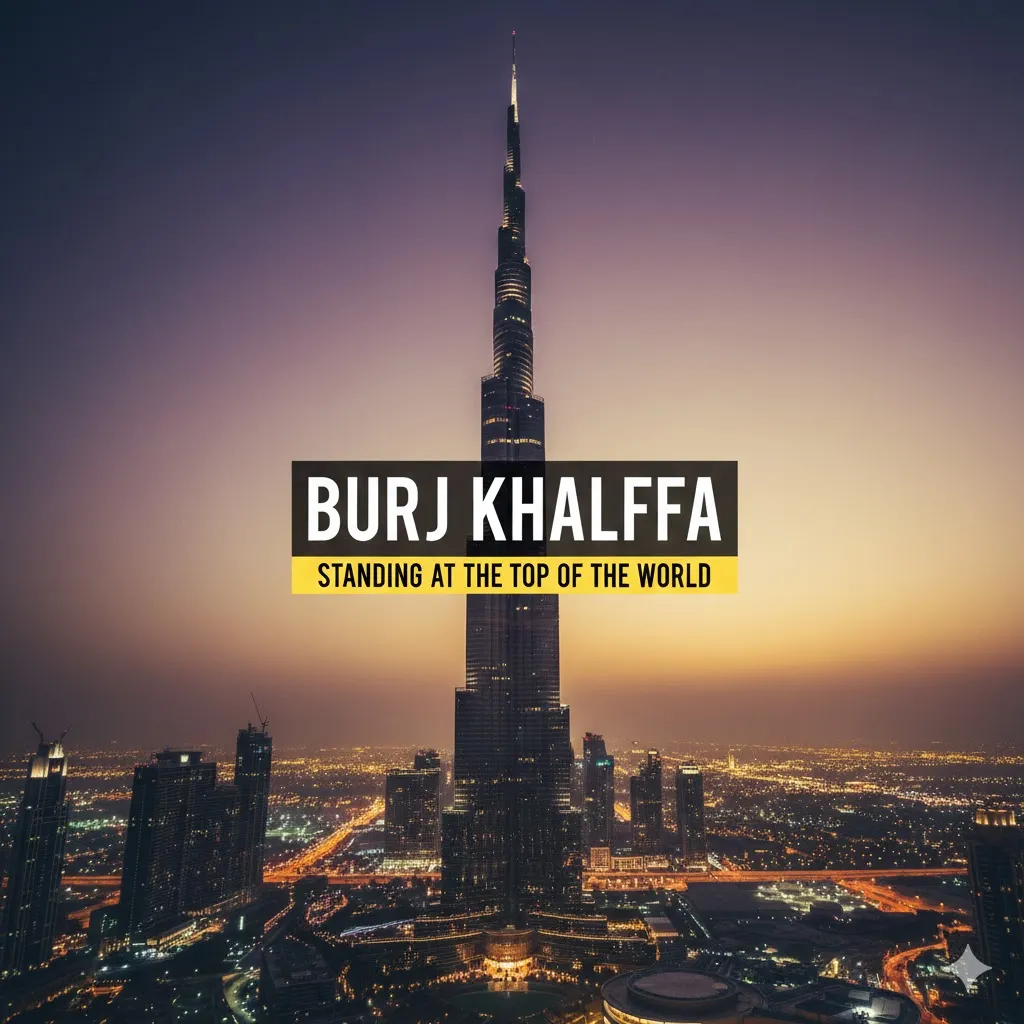
BURJ KHALIFA: STANDING AT THE TOP OF THE WORLD'S TALLEST BUILDING
Rising 828 meters (2,717 feet) above the desert sands of Dubai, the Burj Khalifa stands not just as the world's tallest building but as a testament to human ambition, engineering excellence, and visionary design. Since its completion in 2010, this architectural marvel has redefined what is possible in skyscraper construction, offering visitors an unparalleled opportunity to experience the world from a perspective few have ever known. Standing on its observation decks, with Dubai's futuristic skyline stretching to the horizon, the Arabian Gulf sparkling in the distance, and the golden desert beyond, visitors gain not just spectacular views but a profound sense of human achievement and possibility.
This comprehensive guide invites you to explore the Burj Khalifa experience with deeper understanding and greater appreciation. We will examine the architectural and engineering innovations that made this extraordinary structure possible, decode the visitor experiences available from the ground to the sky, provide practical information for planning your visit in 2026, and reflect on the cultural and symbolic significance of this iconic landmark. Whether you are an architecture enthusiast fascinated by engineering marvels, a photography lover seeking the perfect skyline shot, a traveler collecting world records, or simply a curious visitor inspired by human achievement, this guide will help you prepare for an unforgettable encounter with the top of the world.
Understanding the Burj Khalifa requires more than admiring its height; it demands engaging with the vision that conceived it, the innovation that built it, and the experience that awaits those who ascend to its heights. By approaching the Burj Khalifa with curiosity and respect, you will discover not just a record-breaking structure but a living dialogue between human ambition and architectural possibility, between desert heritage and global ambition, between local identity and international recognition.
HISTORICAL CONTEXT: FROM VISION TO REALITY
The story of the Burj Khalifa begins not with steel and glass but with a vision: to create a landmark that would put Dubai on the global map and symbolize the emirate's transformation from a modest trading port to a world-class metropolis.
Conception and Design:
In the early 2000s, as Dubai embarked on an ambitious development strategy, the idea of building the world's tallest structure emerged as a powerful symbol of the emirate's aspirations. The project was led by Emaar Properties, with architectural design by the Chicago-based firm Skidmore, Owings & Merrill (SOM), led by architect Adrian Smith.
Design Inspiration:
- The tower's distinctive Y-shaped floor plan was inspired by the Hymenocallis flower (spider lily), a regional desert flower
- The triple-lobed footprint provides structural stability while maximizing views and floor space
- The tiered, spiraling design reduces wind forces on the building—a critical consideration for a structure of this height
- Islamic architectural influences are evident in the geometric patterns and the building's overall form
Engineering Challenges:
Building the world's tallest structure presented extraordinary engineering challenges:
Wind Engineering:
- At extreme heights, wind forces become the dominant structural consideration
- The tower's tapered, spiraling form disrupts wind vortices that could cause dangerous oscillations
- Wind tunnel testing involved over 40 models and 50 wind tunnel tests to optimize the design
Foundation and Structure:
- The foundation consists of a 3.7-meter-thick concrete raft supported by 192 piles driven more than 50 meters into the ground
- The structural system uses a "buttressed core" design, with a central hexagonal core reinforced by three buttresses that provide exceptional stability
- High-strength concrete was specially formulated to withstand Dubai's extreme temperatures and be pumped to unprecedented heights
Vertical Transportation:
- The tower features 57 elevators and 8 escalators, including some of the world's fastest elevators traveling at 10 meters per second (36 km/h or 22 mph)
- Double-decker elevators increase capacity while reducing the number of shafts required
- Advanced destination dispatch systems optimize elevator efficiency for the building's 163 floors
Construction Timeline:
- January 2004: Excavation begins
- February 2007: Burj Khalifa surpasses the CN Tower to become the world's tallest free-standing structure
- July 2007: Surpasses Taipei 101 to become the world's tallest building
- January 2010: Official opening ceremony with fireworks and light show
- The entire project was completed in approximately 6 years—a remarkable achievement for a structure of this complexity
Naming and Symbolism:
Originally named Burj Dubai during construction, the tower was renamed Burj Khalifa at its opening in honor of Sheikh Khalifa bin Zayed Al Nahyan, President of the UAE and ruler of Abu Dhabi, whose financial support was crucial during the global financial crisis. This renaming symbolized the unity and cooperation among the emirates that enabled Dubai's ambitious development.
ARCHITECTURAL AND ENGINEERING INNOVATIONS: PUSHING THE BOUNDARIES
The Burj Khalifa represents a convergence of architectural vision, engineering innovation, and construction technology that redefined what is possible in tall building design.
Structural Design:
The tower's structural system is a masterpiece of engineering ingenuity:
Buttressed Core System:
- A central hexagonal core is reinforced by three buttresses that extend outward, creating the tower's distinctive Y-shaped footprint
- This system provides exceptional torsional resistance, critical for a building of this height
- The buttresses also create natural boundaries for residential, hotel, and corporate spaces
Tapered Form:
- The tower's profile tapers in a series of setbacks as it rises, reducing wind loads and creating a distinctive silhouette
- Each setback creates outdoor terraces for residential and hotel units
- The spiraling form disrupts wind vortices that could cause dangerous building oscillations
Materials and Construction:
The Burj Khalifa required innovative materials and construction techniques:
High-Strength Concrete:
- Specially formulated concrete with compressive strength up to 80 MPa was used for the lower levels
- Concrete was pumped to unprecedented heights using specialized equipment and techniques
- The concrete mix was designed to withstand Dubai's extreme temperatures (up to 50°C / 122°F) and high humidity
Steel and Cladding:
- Over 31,400 metric tons of steel rebar were used in construction
- The exterior cladding consists of over 26,000 glass panels, each hand-cut and installed
- The reflective glazing reduces solar heat gain while providing spectacular views
Sustainability Features:
Despite its scale, the Burj Khalifa incorporates numerous sustainable design elements:
Condensate Recovery System:
- The building's cooling system produces approximately 15 million gallons of condensate water annually
- This water is collected and used for irrigation of the tower's landscaping and the Dubai Fountain
Energy Efficiency:
- High-performance glazing reduces solar heat gain, lowering cooling loads
- The building's form and orientation optimize natural light while minimizing heat gain
- Advanced building management systems optimize energy use for lighting, HVAC, and vertical transportation
Water Conservation:
- Low-flow fixtures and water-efficient landscaping reduce water consumption
- The condensate recovery system significantly reduces demand on municipal water supplies
VISITOR EXPERIENCES: FROM GROUND TO SKY
The Burj Khalifa offers multiple visitor experiences that cater to different interests, budgets, and accessibility needs. Understanding these options helps you choose the experience that best matches your expectations.
At the Top (Levels 124 and 125):
The standard observation deck experience offers spectacular views and accessible pricing:
What to Expect:
- Location: Levels 124 (452 meters / 1,483 feet) and 125 (456 meters / 1,496 feet)
- Views: 360-degree panoramic views of Dubai's skyline, the Arabian Gulf, and the desert beyond
- Features:
- Floor-to-ceiling glass walls for unobstructed views
- Interactive telescopes providing information about landmarks
- Multimedia presentations about Dubai's history and development
- Outdoor terrace on level 124 (weather permitting)
- Duration: Allow 1-2 hours for the full experience
- Accessibility: Wheelchair accessible; elevators and facilities designed for visitors with mobility needs
At the Top SKY (Level 148):
The premium observation deck experience offers exclusivity, personalized service, and the world's highest observation deck:
What to Expect:
- Location: Level 148 (555 meters / 1,821 feet), the world's highest observation deck
- Exclusive Access: Dedicated elevators and entrance for SKY visitors
- Premium Amenities:
- Personalized service from dedicated hosts
- Complimentary refreshments and light refreshments
- Comfortable seating areas with premium furnishings
- Access to levels 124 and 125 included in the experience
- Views: Even more spectacular panoramic views from the highest publicly accessible point in the world
- Duration: Allow 2-3 hours for the full premium experience
- Accessibility: Wheelchair accessible with advance notice
The Lounge (Levels 152, 153, and 154):
For the ultimate luxury experience, The Lounge offers an exclusive setting above the observation decks:
What to Expect:
- Location: Levels 152-154 (585-587 meters / 1,919-1,926 feet)
- Experience:
- Intimate, sophisticated atmosphere with premium furnishings
- Gourmet refreshments and premium beverages
- Personalized service from dedicated hosts
- Access to all observation levels included
- Views: Unparalleled panoramic views from the highest lounge in the world
- Duration: Allow 2-3 hours for a relaxed, luxurious experience
- Booking: Advance reservation essential; limited capacity
Practical Comparison:
| Feature | At the Top (124/125) | At the Top SKY (148) | The Lounge (152-154) |
|---------|---------------------|---------------------|---------------------|
| Height | 452-456m | 555m | 585-587m |
| Price Range | $40-60 USD | $130-160 USD | $200-250 USD |
| Duration | 1-2 hours | 2-3 hours | 2-3 hours |
| Crowds | Moderate to high | Low to moderate | Very low |
| Amenities | Basic | Premium refreshments | Gourmet refreshments |
| Best For | First-time visitors, budget-conscious | Photography, special occasions | Luxury seekers, proposals |
PRACTICAL VISITOR INFORMATION FOR 2026
Planning a visit to the Burj Khalifa requires consideration of timing, tickets, and logistics. This section provides essential information for a smooth and rewarding experience.
Ticket Options and Booking:
Types of Tickets:
- Standard Admission (At the Top): Access to levels 124 and 125
- Prime Hours Admission: Same access but for sunset/evening time slots (higher price)
- At the Top SKY: Access to level 148 plus levels 124/125
- The Lounge: Premium lounge experience on levels 152-154
- Combined Tickets: Options that include Dubai Fountain shows, Dubai Aquarium, or other Downtown Dubai attractions
Booking Strategies:
- Advance Booking: Essential for sunset and prime time slots; book 2-4 weeks in advance for peak season
- Official Channels: Book through the official Burj Khalifa website or authorized partners to avoid scams
- Flexible Dates: Consider weekday visits for lower prices and fewer crowds
- Cancellation Policy: Most tickets offer free cancellation up to 24-48 hours before the visit; verify when booking
Pricing Guide (Approximate, subject to change):
- At the Top (Standard): $40-60 USD
- At the Top (Prime Hours): $60-80 USD
- At the Top SKY: $130-160 USD
- The Lounge: $200-250 USD
- Children (4-12 years): Typically 25-50% discount
- Infants (under 4): Usually free
Best Times to Visit:
Timing significantly impacts your experience in terms of views, crowds, and photography opportunities:
Sunset Visits (Most Popular):
- Pros: Spectacular views as the city transitions from day to night; Dubai Fountain shows begin in the evening; golden hour lighting for photography
- Cons: Highest demand and prices; book well in advance; can be crowded
- Recommendation: Book sunset time slots 3-4 weeks in advance for peak season
Sunrise/Early Morning Visits:
- Pros: Fewer crowds; clear visibility; soft morning light for photography; cooler temperatures
- Cons: Dubai Fountain shows not operating; some visitors prefer evening atmosphere
- Recommendation: Ideal for photographers and those seeking a more peaceful experience
Evening/Night Visits:
- Pros: Spectacular illuminated cityscape; Dubai Fountain shows; cooler temperatures
- Cons: Can be crowded; photography requires good low-light capability
- Recommendation: Book evening slots that include fountain show times
Midday Visits:
- Pros: Lower prices; fewer crowds than sunset; clear visibility on clear days
- Cons: Harsh overhead light for photography; can be hot on outdoor terrace
- Recommendation: Good option for budget-conscious travelers or those with flexible schedules
Seasonal Considerations:
- November-March (Peak Season): Pleasant weather; highest demand; book earliest
- April-October (Off-Peak): Hot weather; lower prices; fewer crowds; indoor experience unaffected
Getting to the Burj Khalifa:
Location: Downtown Dubai, adjacent to The Dubai Mall and Dubai Fountain
Transportation Options:
- Dubai Metro: Red Line to Burj Khalifa/Dubai Mall Station; follow signs to The Dubai Mall and Burj Khalifa entrance
- Taxi/Ride-Hailing: Careem or Uber to "Burj Khalifa" or "The Dubai Mall"; drop-off at designated entrance
- Walking: From nearby hotels in Downtown Dubai; pleasant in cooler months
- Parking: The Dubai Mall offers extensive parking; validate parking with Burj Khalifa ticket for discounts
Entrance and Security:
- Location: Entrance is through The Dubai Mall; follow signs for "Burj Khalifa" or "At the Top"
- Security Screening: All visitors pass through airport-style security; allow extra time
- Ticket Collection: E-tickets can be scanned from your phone; will-call tickets available at ticket counter
- Elevator Experience: High-speed elevators travel to observation decks in approximately 60 seconds; multimedia presentation during ascent
What to Bring:
- Valid ID: Passport or government-issued ID may be required for ticket verification
- Camera: For photography; tripods may require special permission (check current policy)
- Light Jacket: Observation decks can be cool due to air conditioning and high altitude
- Comfortable Shoes: You will be standing and walking during the experience
- Phone with E-Ticket: Most tickets are digital; ensure your phone is charged
Photography Guidelines:
The Burj Khalifa offers exceptional photography opportunities, but certain guidelines apply:
Permitted:
- Handheld cameras and smartphones for personal use
- Photos and videos of views and the observation deck experience
- Photos of other visitors with their permission
Restricted:
- Tripods and monopods: Generally not permitted on observation decks without special permission; contact management in advance for professional photography requests
- Commercial photography/videography: Requires advance permission and may incur fees
- Flash photography: Discouraged as it can disturb other visitors and affect the experience
- Drones: Strictly prohibited
Photography Tips:
- Golden Hour: Sunset visits provide spectacular lighting for cityscape photography
- Wide-Angle Lens: Captures the expansive views; a 16-35mm lens is ideal
- Low-Light Capability: Evening visits require good low-light performance or a fast lens
- Polarizing Filter: Reduces glare on glass and enhances sky contrast
- Composition: Include the Dubai Fountain below for context; frame landmarks like Palm Jumeirah or the desert horizon
Accessibility and Special Needs:
The Burj Khalifa is committed to providing an accessible experience for all visitors:
Wheelchair Accessibility:
- All observation levels are wheelchair accessible
- Dedicated elevators and pathways accommodate wheelchairs and mobility devices
- Accessible restrooms available on observation levels
- Wheelchairs available for loan at the entrance (subject to availability)
Visual and Hearing Impairments:
- Tactile models and braille information available upon request
- Staff trained to assist visitors with visual or hearing impairments
- Multimedia presentations include visual and audio elements
Advance Planning:
- Contact Burj Khalifa guest services in advance to arrange specific accommodations
- Allow extra time for security screening and elevator access
- Consider weekday visits for a less crowded, more manageable experience
COMBINED EXPERIENCES: MAXIMIZING YOUR DUBAI VISIT
The Burj Khalifa is located in the heart of Downtown Dubai, surrounded by world-class attractions that can be combined for a comprehensive experience.
Dubai Fountain:
Located at the base of the Burj Khalifa, the Dubai Fountain is the world's largest choreographed fountain system:
Experience:
- Shows: Performances every 30 minutes in the evening (6 PM-11 PM), set to music ranging from classical to contemporary
- Views: Best viewed from the Burj Khalifa observation decks, The Dubai Mall waterfront promenade, or from a traditional abra boat on the Burj Khalifa Lake
- Combined Tickets: Some Burj Khalifa tickets include fountain show viewing areas or boat rides
Tips:
- Timing: Plan your Burj Khalifa visit to coincide with fountain shows for a complete experience
- Photography: Fountain shows are spectacular from the observation decks; use a fast shutter speed to freeze water droplets
The Dubai Mall:
Adjacent to the Burj Khalifa, The Dubai Mall is one of the world's largest shopping and entertainment destinations:
Attractions:
- Dubai Aquarium & Underwater Zoo: One of the world's largest suspended aquariums
- VR Park: Virtual reality experiences and gaming
- KidZania: Educational entertainment for children
- Dubai Ice Rink: Olympic-sized ice skating
- Fashion Avenue: Luxury shopping district
Dining:
- Over 200 restaurants and cafes ranging from fast food to Michelin-starred fine dining
- Many restaurants offer views of the Burj Khalifa or Dubai Fountain
Tips:
- Allow Time: The mall is massive; plan at least 2-3 hours if combining with your Burj Khalifa visit
- Combined Tickets: Look for packages that include Burj Khalifa admission plus mall attractions for savings
Downtown Dubai Exploration:
The Downtown Dubai district offers additional experiences within walking distance:
- Dubai Opera: World-class performances in a stunning dhow-inspired venue
- Souk Al Bahar: Traditional-style market with dining and shopping
- Mohammed Bin Rashid Boulevard: Elegant promenade with Burj Khalifa views
- Public Art: Sculptures and installations throughout the district
Tips:
- Walking Tour: Explore Downtown Dubai on foot to appreciate the urban design and architecture
- Evening Ambiance: The area is particularly beautiful in the evening when buildings are illuminated
CULTURAL AND SYMBOLIC SIGNIFICANCE: MORE THAN A BUILDING
The Burj Khalifa represents more than architectural achievement; it embodies Dubai's transformation, ambition, and vision for the future.
Symbol of Dubai's Transformation:
From Pearl Diving to Global Hub:
- Dubai's economy was historically based on pearl diving and trade
- The discovery of oil in the 1960s accelerated development, but leaders recognized the need to diversify
- The Burj Khalifa symbolizes Dubai's successful transition to a global hub for tourism, business, and innovation
Vision and Leadership:
- The tower reflects the visionary leadership of Sheikh Mohammed bin Rashid Al Maktoum, Vice President and Prime Minister of the UAE and Ruler of Dubai
- It embodies the emirate's commitment to excellence, innovation, and global competitiveness
Architectural and Cultural Dialogue:
Islamic Influences in Modern Design:
- The tower's geometric patterns and spiraling form draw inspiration from Islamic architecture
- The Y-shaped footprint echoes the Hymenocallis flower, connecting modern engineering to regional natural heritage
- This dialogue between tradition and innovation reflects Dubai's broader cultural identity
Global Recognition:
- The Burj Khalifa has become an iconic symbol recognized worldwide
- It appears in films, media, and popular culture as a representation of human achievement and ambition
- For Dubai, it serves as a powerful tool for place branding and global positioning
Inspiration for Future Development:
Engineering Legacy:
- The innovations developed for the Burj Khalifa have influenced tall building design worldwide
- Lessons learned about wind engineering, vertical transportation, and sustainable design benefit future projects
Sustainable Urban Development:
- The tower's sustainable features demonstrate that even the most ambitious projects can incorporate environmental responsibility
- It inspires future developments to balance ambition with sustainability
PRACTICAL TIPS FOR AN UNFORGETTABLE EXPERIENCE
Maximize your Burj Khalifa visit with these practical tips:
Before Your Visit:
- Book in Advance: Essential for sunset and prime time slots; book 2-4 weeks ahead for peak season
- Check Weather: Clear days offer the best visibility; avoid visiting during sandstorms or heavy fog
- Dress Comfortably: Modest, comfortable clothing is appropriate; bring a light jacket for air-conditioned decks
- Charge Devices: Ensure your phone/camera is fully charged for photos and e-ticket access
During Your Visit:
- Arrive Early: Allow time for security screening and ticket collection; arrive 15-20 minutes before your time slot
- Start at the Top: If visiting multiple levels, start at the highest deck and work your way down to avoid backtracking
- Take Your Time: Allow 1-3 hours depending on your ticket type; don't rush the experience
- Engage with Staff: Knowledgeable hosts can share insights about landmarks and photography tips
Photography Strategy:
- Scout Locations: Upon arrival, quickly identify the best viewing spots for your preferred landmarks
- Golden Hour: If visiting at sunset, be ready with your camera as light changes rapidly
- Include Context: Frame shots with the Dubai Fountain below or desert horizon beyond for compelling compositions
- Respect Others: Be mindful of other visitors when taking photos; avoid blocking views
Maximizing Value:
- Combine Experiences: Look for combined tickets that include Dubai Fountain shows or Dubai Mall attractions
- Off-Peak Savings: Consider weekday or off-peak season visits for lower prices and fewer crowds
- Dining Packages: Some restaurants in The Dubai Mall offer Burj Khalifa view dining; consider combining for a complete experience
SUSTAINABLE AND RESPONSIBLE VISITING
Visiting the Burj Khalifa carries responsibility to respect this extraordinary achievement and support sustainable practices.
Respect the Experience:
- Follow Guidelines: Adhere to photography policies, safety instructions, and staff guidance
- Be Considerate: Keep voices at a moderate volume; avoid behaviors that disturb other visitors
- Protect the Structure: Do not touch glass panels or structural elements; oils from skin can damage surfaces
Support Sustainability:
- Condensate Awareness: Learn about the tower's condensate recovery system; this innovative feature recycles 15 million gallons of water annually for irrigation
- Energy Consciousness: The tower's design minimizes energy use; support these efforts by being mindful of your own resource use during your visit
- Waste Reduction: Use recycling bins provided; carry reusable water bottles when possible
Cultural Respect:
- Learn About Context: Understanding the Burj Khalifa's role in Dubai's development enhances appreciation for the experience
- Respect Local Norms: Dress modestly and behave respectfully in this iconic public space
- Share Responsibly: When sharing your experience on social media, promote accurate information and cultural respect
CONCLUSION: A PERSPECTIVE THAT TRANSFORMS
Standing at the top of the Burj Khalifa is an experience that transcends ordinary tourism. As you gaze upon Dubai's futuristic skyline stretching to the horizon, as you contemplate the engineering ingenuity that made this structure possible, and as you reflect on the vision that transformed a desert landscape into a global metropolis, you encounter something profound: the power of human ambition to reshape our world.
The Burj Khalifa is not just a record-breaking building; it is a symbol of what is possible when vision, innovation, and determination converge. For Dubai, it represents the emirate's remarkable journey from pearl diving to global hub. For visitors, it offers a perspective that transforms how we see cities, technology, and human potential.
In 2026, as travelers seek meaningful connections to human achievement and cultural innovation, the Burj Khalifa offers an unparalleled opportunity to engage with one of humanity's greatest architectural accomplishments. Whether you photograph the sunset over the Arabian Gulf, contemplate the engineering marvels that keep this tower standing, or simply stand in awe of the view from the world's highest observation deck, the Burj Khalifa invites reflection on questions that have animated human existence across the ages: What can we build? What should we build? How do we balance ambition with responsibility?
As you plan your visit to the Burj Khalifa, approach this extraordinary experience with curiosity, humility, and respect. Listen to the stories of the visionaries who conceived it, the engineers who built it, and the visitors who have stood where you stand. Allow the perspective from the top of the world to inspire your own appreciation for human potential and enduring questions.
May your encounter with the Burj Khalifa deepen your appreciation for the achievements of human ingenuity and inspire your commitment to building a future that balances ambition with sustainability, innovation with tradition, and local identity with global connection. As the architects and engineers who created this marvel understood, true greatness lies not just in reaching new heights but in the values, vision, and responsibility that guide our ascent. May you carry that understanding forward, wherever your journey leads.
Useful resources include the official Burj Khalifa website at burjkhalifa.ae for ticketing and visitor information, Emaar Properties at emaardubai.ae for Downtown Dubai attractions, and your country's travel advisory service for safety updates. Emergency services in Dubai can be reached at 999 for police, 998 for ambulance, and 997 for fire. Disclaimer: Information is accurate as of early 2026. Ticket prices, hours, and policies may change; verify details through official channels before travel. This guide is for informational purposes only and does not constitute professional travel advice.
0 Comments