.webp)
.webp)
Quick Summary and Core 3 Day Itinerary
Lyon, officially recognized as the gastronomy capital of France, offers an unforgettable three-day culinary journey through traditional bouchons, Michelin-starred innovation, vibrant markets, and hands-on cooking experiences. This itinerary balances iconic dishes like quenelle de brochet and coq au vin with modern interpretations, market visits to Les Halles de Lyon, and cultural exploration of Vieux Lyon and Presqu'île districts. You will discover where to eat, what to order, how much to budget, and how to secure reservations at sought-after establishments.
The primary user intent centers on maximizing limited time in Lyon through strategic food-focused planning. You need verified pricing in USD, exact restaurant recommendations across budget tiers, booking windows for popular experiences, transportation logistics from Paris or other European cities, and realistic daily schedules that account for French dining hours. This guide delivers comprehensive details for budget, mid-range, and luxury travelers, with actionable reservation tips and cultural etiquette guidance.
Average visitors report that Lyon exceeds expectations for food quality, value, and authenticity compared to Paris. You can enjoy exceptional three-course meals for USD 30 to 50 at traditional bouchons, while Michelin-starred experiences range from USD 120 to 300 per person. The compact city center enables walking between most culinary highlights, reducing transportation costs and time. Most travelers allocate USD 150 to 350 daily for food and experiences, excluding accommodation and flights.
Essential Lyon Culinary Travel Data
| Distance from Paris to Lyon | 460 kilometers, 2 hours by TGV train |
| Average Bouchon Meal Cost | USD 30 to 50 per person |
| Michelin Star Dining Range | USD 120 to 300 per person |
| Cooking Class Pricing | USD 85 to 180 per person |
| Les Halles Market Visit Time | 2 to 3 hours recommended |
| Best Reservation Window | 2 to 4 weeks in advance |
| Optimal Daily Food Budget | USD 80 to 200 per person |
Why Lyon Ranks as France's Gastronomy Capital

Lyon's culinary reputation stems from centuries of tradition, geographic advantage, and cultural dedication to food excellence. Located at the confluence of the Rhône and Saône rivers, the city historically served as a trade hub connecting Mediterranean ingredients with Alpine and Burgundian products. This convergence created a unique cuisine blending rich sauces, freshwater fish, charcuterie, and regional wines into distinctive dishes found nowhere else in France.
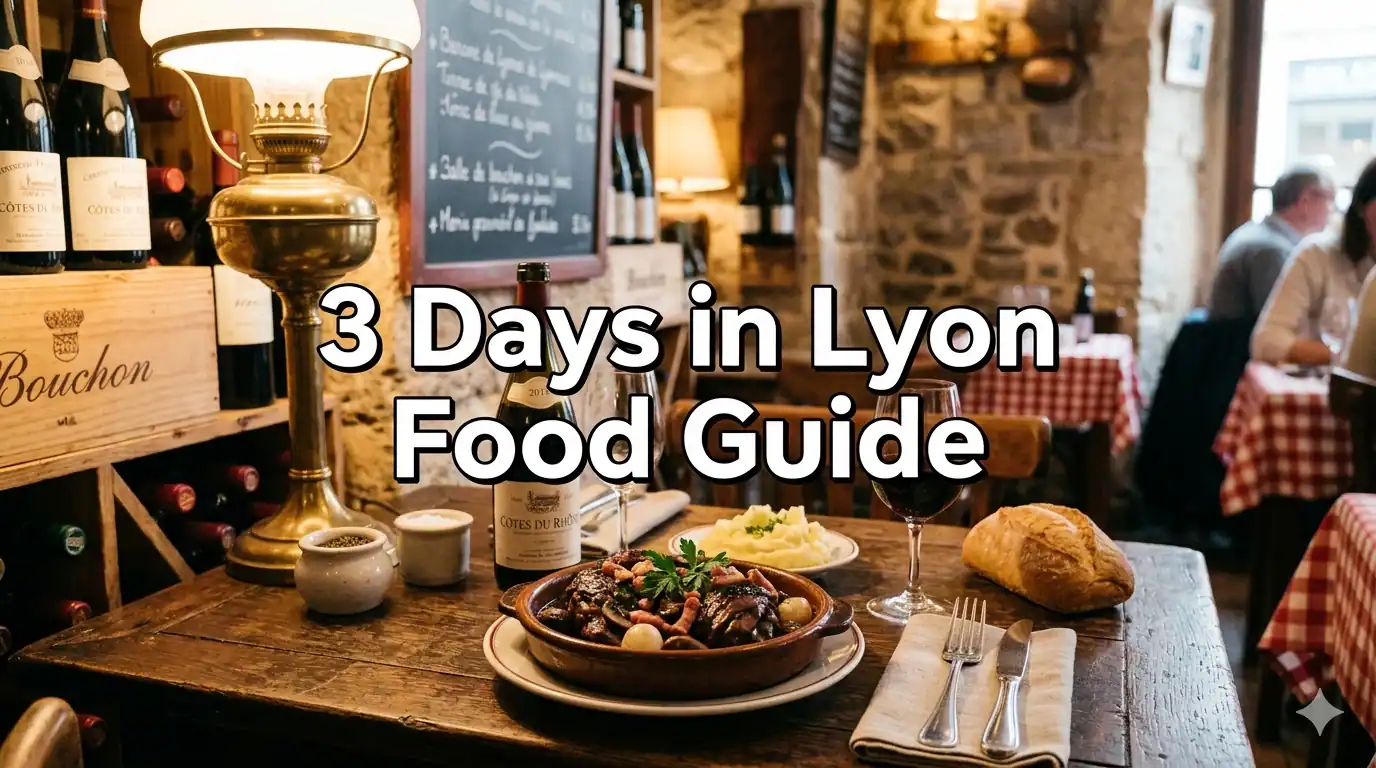
The bouchon tradition defines Lyon's culinary identity. These small, family-run restaurants serve hearty, affordable Lyonnais specialties in convivial atmospheres with checkered tablecloths, zinc bars, and handwritten menus. Authentic bouchons hold the "Authentique Bouchon Lyonnais" certification, guaranteeing traditional recipes, local sourcing, and reasonable prices. You experience genuine Lyonnais culture while enjoying dishes like salade lyonnaise, tablier de sapeur, and tarte aux pralines.
Modern gastronomy thrives alongside tradition in Lyon. The city boasts over 20 Michelin-starred restaurants, including three-star establishments like Paul Bocuse's historic Auberge du Pont de Collonges. Young chefs reinterpret classic techniques with seasonal ingredients and global influences, creating innovative tasting menus that compete with Parisian excellence. You can experience both worlds within a single visit, enjoying traditional lunch at a bouchon and avant-garde dinner at a contemporary venue.
Market culture enhances Lyon's food scene dramatically. Les Halles de Lyon Paul Bocuse, an indoor food hall featuring 50+ artisan vendors, offers fresh produce, cheeses, charcuterie, pastries, and prepared foods under one roof. Outdoor markets operate in neighborhood squares throughout the week, providing direct access to local farmers and producers. You can assemble gourmet picnics, purchase cooking ingredients, or simply sample regional specialties while observing daily Lyonnais life.
Accessibility and value distinguish Lyon from other French culinary destinations. Restaurant prices average 30 to 40 percent below Paris for comparable quality, while portion sizes often prove more generous. The compact city center enables walking between most culinary highlights, reducing transportation costs and time. You experience world-class gastronomy without Parisian crowds or pretension, creating a more relaxed and authentic dining journey.
How to Reach Lyon from Major International Cities

Lyon's central location in southeastern France provides excellent connectivity from European and international hubs. Lyon-Saint Exupéry Airport handles direct flights from major cities, while high-speed TGV trains connect Paris in just two hours. Understanding arrival logistics enables smooth trip initiation and efficient time allocation for your culinary itinerary.
Flight Routes and Airfare Expectations
Travelers from the United States typically connect through Paris, Amsterdam, or Frankfurt before reaching Lyon. Direct flights from New York, Atlanta, or seasonal routes from other US hubs operate with total journey times of 10 to 14 hours. Round-trip airfare ranges from USD 700 to 1,400 for economy class depending on departure city and booking timing. Booking 8 to 12 weeks in advance secures optimal pricing.
United Kingdom travelers benefit from direct flights from London Heathrow and Gatwick to Lyon, lasting approximately 2 hours with fares between USD 120 and 350. Canadian visitors usually connect through Paris or Montreal, paying USD 800 to 1,600 round-trip. European travelers enjoy extensive connectivity with budget carriers offering fares as low as USD 60 to 200 from major cities including Amsterdam, Berlin, Rome, and Barcelona.
Ground transportation from Lyon-Saint Exupéry Airport to the city center takes 30 to 45 minutes via Rhônexpress tram-train (USD 17 one-way), taxi (USD 55 to 75 fixed rate), or pre-booked shuttle. The tram arrives at Lyon Part-Dieu station, connecting to metro lines serving Presqu'île and Vieux Lyon districts. Most culinary-focused accommodations cluster near Place Bellecour or Vieux Lyon for walkable access to restaurants and markets.
Train Travel from Paris and European Cities
High-speed TGV trains connect Paris Gare de Lyon to Lyon Part-Dieu in 1 hour 55 minutes to 2 hours 10 minutes, with departures every 30 to 60 minutes throughout the day. Fares range from USD 35 to 100 depending on booking timing and flexibility. You can secure best prices by reserving 2 to 4 weeks in advance through official SNCF platforms. First-class upgrades cost an additional USD 20 to 40 and include complimentary beverages and wider seating.
Direct TGV connections also link Lyon to Geneva (2 hours), Marseille (1 hour 40 minutes), and Barcelona (5 hours via connection). European rail pass holders can utilize Lyon as a central hub for multi-country itineraries. Train stations sit within walking distance or short metro rides of major culinary districts, eliminating airport transfer time and stress.
Alternative transportation includes rental cars or organized tours. Car rental costs approximately USD 40 to 75 per day plus fuel and parking. This option provides flexibility for day trips to Beaujolais vineyards or Bresse countryside but proves unnecessary for Lyon's compact culinary itinerary. Parking in central Lyon costs USD 20 to 35 daily and requires navigation of narrow historic streets.
Visa Rules and Entry Requirements for France

France maintains Schengen Area visa policies applicable to Lyon visitors. Citizens from the United States, Canada, United Kingdom, Australia, and most European nations enjoy visa-free tourism access for up to 90 days within any 180-day period. You must present a passport valid for at least three months beyond your planned departure date from the Schengen Area. Border officials may request proof of onward travel, sufficient funds, and accommodation reservations.
Starting in 2025, visa-exempt travelers must obtain ETIAS (European Travel Information and Authorization System) approval before departure. This online authorization costs USD 8, remains valid for three years, and requires basic biographical information and travel details. Processing typically completes within minutes, though some applications require up to 96 hours. You should apply at least one week before travel to accommodate potential delays.
Travel insurance, while not mandatory for visa-exempt visitors, proves highly recommended for Lyon visits. Medical emergencies in France can generate substantial costs for uninsured travelers. Comprehensive policies covering medical treatment, evacuation, and trip interruption typically cost USD 45 to 110 for week-long trips depending on coverage limits and age. You should verify coverage includes dining-related incidents and cooking class participation.
Non-Schengen citizens requiring visas must apply at French consulates or visa centers in their home countries. Tourist visa applications require proof of accommodation, financial means (approximately USD 70 per day), travel insurance, and round-trip flight reservations. Processing times range from 15 to 30 days, requiring advance planning. Visa fees total approximately USD 85 for short-stay tourist visas.
Best Time to Visit Lyon for Optimal Culinary Experiences

Seasonal timing significantly impacts Lyon's food scene, affecting ingredient availability, restaurant schedules, market offerings, and crowd levels. The continental climate brings warm summers, cool winters, and moderate rainfall year-round, with distinct advantages across seasons for culinary travelers.
Peak season spans June through August when weather proves most reliable with temperatures averaging 22 to 28 degrees Celsius and long daylight hours. Outdoor terraces flourish, markets brim with summer produce including tomatoes, peaches, and herbs, and festivals like Les Nuits de Fourvière add cultural vibrancy. However, these months bring tourist crowds, with popular bouchons requiring reservations 2 to 3 weeks ahead. Some traditional restaurants close for summer vacations in August, requiring verification before visiting.
Shoulder seasons of April to May and September to October deliver optimal balance for most culinary travelers. Temperatures remain comfortable at 14 to 22 degrees, crowds diminish significantly, and accommodation prices drop 20 to 35 percent. Spring features asparagus, morels, and young lamb, while autumn showcases truffles, game meats, and Beaujolais Nouveau releases. You can secure same-week reservations at sought-after bouchons and enjoy markets without jostling crowds.
Winter months from November through March present quietest conditions with minimal tourist traffic and lowest accommodation prices. Christmas markets in December create magical atmospheres, while January and February offer intimate dining experiences and chef interactions. However, some restaurants reduce hours or close for annual vacations in January. Weather proves cool and damp with temperatures averaging 3 to 10 degrees, requiring warm clothing for market visits and terrace dining.
Market schedules vary seasonally, with summer featuring extended hours and additional specialty vendors. You should research specific market days for your intended visits: Les Halles de Lyon operates Tuesday through Sunday 7 AM to 1 PM and 3 PM to 7:30 PM, while neighborhood outdoor markets rotate schedules throughout the week. Festival calendars include the Fête des Lumières in December, gastronomy events in autumn, and wine festivals in Beaujolais during November.
Complete Cost Breakdown and Budget Planning

Lyon accommodates various budget levels through strategic choices in dining, accommodation, and experiences. Understanding all cost components enables realistic planning and prevents unexpected expenses. You can experience exceptional Lyonnais cuisine on moderate budgets while luxury options abound for special occasions.
Budget travelers spending USD 70 to 120 per day utilize affordable bouchons, market picnics, and free walking exploration. Traditional bouchon lunches cost USD 20 to 35 for plat du jour including wine. You purchase bread, cheese, charcuterie, and produce from markets for USD 15 to 25 daily for picnics. Many attractions including Vieux Lyon walking tours and cathedral visits cost nothing. This approach requires planning but delivers authentic culinary experiences without premium pricing.
Mid-range budgets of USD 150 to 280 per person per day enable comfortable dining at certified bouchons, one Michelin-starred meal, cooking classes, and quality accommodation. Bouchon dinners with wine cost USD 40 to 65 per person. Michelin one-star tasting menus range from USD 90 to 150. Cooking classes charge USD 85 to 140 for half-day experiences. Accommodation in 3-star hotels or charming B&Bs costs USD 110 to 190 per night. This tier represents the sweet spot for most culinary travelers seeking quality without extravagance.
Premium experiences costing USD 350 to 600 per person per day include Michelin two or three-star dining, luxury hotel accommodation, private food tours, and exclusive wine tastings. Three-star tasting menus with wine pairings cost USD 250 to 450 per person. Luxury hotels in Presqu'île charge USD 280 to 500 per night. Private guides charge USD 200 to 400 for customized food-focused tours. This tier suits special occasions or travelers prioritizing exceptional service and unique access.
| Expense Category | Budget Option | Mid Range | Premium |
| Bouchon Meal Per Person | USD 20 to 35 | USD 40 to 65 | USD 70 to 95 |
| Michelin Dining Experience | N/A | USD 90 to 150 | USD 250 to 450 |
| Accommodation Per Night | USD 70 to 110 | USD 110 to 190 | USD 280 to 500 |
| Cooking Class or Food Tour | N/A | USD 85 to 140 | USD 200 to 400 |
| Daily Market and Snacks | USD 15 to 25 | USD 30 to 50 | USD 60 to 100 |
| Travel Insurance Coverage | USD 40 to 60 | USD 60 to 100 | USD 100 to 180 |
Day 1: Old Lyon and Traditional Bouchon Immersion

Your culinary journey begins in Vieux Lyon, the UNESCO-listed Renaissance district where narrow traboules (hidden passageways) connect cobblestone streets lined with authentic bouchons. This area preserves Lyonnais culinary traditions in their most genuine form, offering an ideal introduction to regional specialties and convivial dining culture.
Morning exploration starts at Place Saint-Jean, the heart of Vieux Lyon, where you can admire the Cathédrale Saint-Jean and browse artisan shops. Walk through traboules to discover hidden courtyards and photographic perspectives. Stop at a traditional boulangerie for pain au chocolat or lyonnaise praline tart, costing USD 3 to 5. Coffee at a sidewalk café provides people-watching opportunities while planning your bouchon lunch.
Lunch at a certified Authentique Bouchon Lyonnais delivers essential Lyonnais flavors. Recommended establishments include Le Bouchon des Filles, Café Comptoir Abel, or Daniel et Denise, all holding official certification. Order salade lyonnaise with poached egg and lardons (USD 14 to 18), followed by quenelle de brochet in Nantua sauce (USD 22 to 28) or tablier de sapeur breaded tripe (USD 19 to 24). Complete the meal with tarte aux pralines rose dessert (USD 8 to 12) and local Beaujolais or Côtes-du-Rhône wine (USD 6 to 10 per glass).
Afternoon activities include visiting the Musée des Confluences for cultural context or exploring Presqu'île's shopping streets. Alternatively, join a guided Vieux Lyon food walk costing USD 45 to 75 per person, featuring tastings at multiple establishments and historical commentary. These tours provide efficient introductions to Lyonnais cuisine while revealing hidden gems you might miss independently.
Evening dining offers flexibility based on budget and preferences. Return to a different bouchon for dinner, or elevate the experience at a one-Michelin-star restaurant like Les Apothicaires or Têtedoie. Reserve 2 to 3 weeks in advance for popular venues. Dinner at upscale establishments typically costs USD 90 to 150 per person including wine. Conclude the day with a digestif at a traditional café or evening stroll along the Saône riverbanks.
Day 2: Presqu'île and Modern Gastronomy Exploration

Day two focuses on Presqu'île, the peninsula between Rhône and Saône rivers where Lyon's modern culinary innovation thrives alongside historic architecture. This district balances Michelin-starred excellence, contemporary bistros, and vibrant market culture, offering diverse experiences for every palate and budget.
Morning begins at Les Halles de Lyon Paul Bocuse, the iconic indoor food hall featuring 50+ artisan vendors. Arrive by 9 AM to observe vendors setting up and avoid peak crowds. Sample regional specialties including Mère Richard's famous quenelles, Fromagerie Mons cheeses, and Pralus pralines. Purchase ingredients for picnic lunch or gourmet souvenirs. Budget USD 25 to 45 for tastings and purchases. The market operates Tuesday through Sunday, closing Monday.
Lunch options range from market counter meals to upscale brasseries. Les Halles vendors offer prepared dishes like quiche, salads, and charcuterie plates for USD 12 to 22. Alternatively, dine at brasseries like Brasserie Georges, Lyon's oldest restaurant established in 1836, serving classic French cuisine in grand Art Deco surroundings. Plat du jour options cost USD 24 to 38 including wine. Reserve ahead for weekend lunches.
Afternoon exploration includes visiting Place Bellecour, one of Europe's largest pedestrian squares, and browsing upscale food shops along Rue de la République. Consider a cooking class experience, with options ranging from half-day market-to-table sessions (USD 85 to 140) to full-day masterclasses with professional chefs (USD 180 to 250). Classes typically include market visit, hands-on preparation of 3 to 4 dishes, and communal dining with wine pairings.
Evening dining showcases Lyon's Michelin-starred excellence. Reserve well in advance for establishments like Paul Bocuse's Auberge du Pont de Collonges (three stars, USD 350 to 500 per person), Guy Lassausaie (two stars, USD 220 to 320), or newer talents like Takao Takano (one star, USD 140 to 200). Tasting menus typically include 6 to 10 courses with optional wine pairings adding USD 60 to 150. Dress codes range from smart casual to formal depending on venue.
Post-dinner options include digestifs at sophisticated bars like Le Sucre on rooftop terraces with city views, or traditional liqueurs at historic cafés. Many Michelin restaurants offer curated after-dinner experiences featuring rare spirits or artisanal chocolates for additional USD 25 to 50 per person.
Day 3: Markets, Cooking Classes, and Culinary Departure

Your final day maximizes hands-on culinary experiences and market immersion before departure, creating lasting memories and practical skills to recreate Lyonnais flavors at home. Strategic planning ensures efficient use of time while accommodating travel schedules.
Morning market visits depend on your departure timing and accommodation location. If staying near Vieux Lyon, explore the Tuesday, Thursday, or Saturday morning market at Place Saint-Antoine featuring fresh produce, flowers, and regional specialties. Presqu'île visitors can visit the Wednesday or Sunday market at Place Carnot. Budget USD 15 to 30 for market purchases and tastings. Vendors often offer samples and appreciate attempts at French greetings.
Cooking class experiences provide memorable culminating activities. Recommended providers include Cook'in Lyon, Lyon Cooking Class, or L'Atelier des Chefs, offering half-day sessions focusing on bouchon classics, pastry techniques, or seasonal specialties. Classes typically accommodate 8 to 12 participants, providing personalized instruction and communal dining. Reserve 2 to 3 weeks in advance, particularly for weekend sessions. Classes run 9 AM to 2 PM or 2 PM to 7 PM, allowing flexibility around travel schedules.
Lunch options after morning activities include casual bouchon meals or gourmet sandwiches from Les Halles vendors. If time permits, visit the Musée des Beaux-Arts or Basilique Notre-Dame de Fourvière for cultural context before departure. Many museums offer combined tickets or free admission on first Sunday of each month.
Departure logistics require planning around meal timing and transportation. Lyon-Saint Exupéry Airport recommends arriving 2 hours before international flights, with Rhônexpress tram departing every 15 minutes from Part-Dieu station. If departing by train, allow 30 minutes to reach Part-Dieu from central Lyon. Pack market purchases in insulated bags for transport, noting that cheeses and charcuterie may require declaration at international borders.
Pre-departure souvenir shopping includes food items like pralines roses, Beaujolais wine, Dijon mustard, or artisanal chocolates. Many shops offer gift packaging and international shipping for additional fees. Allow extra time for airport or train station security procedures, particularly when carrying liquids or food items.
Essential Food Experiences and Restaurant Recommendations

Lyon's culinary landscape offers diverse experiences across price points and styles. This curated selection highlights essential establishments for first-time visitors, balancing authenticity, quality, and accessibility.
Authentic Bouchons
Certified Authentique Bouchon Lyonnais establishments guarantee traditional recipes, local sourcing, and reasonable prices. Recommended venues include Le Bouchon des Filles (creative female-led interpretations, USD 35 to 50 per person), Café Comptoir Abel (historic ambiance since 1928, USD 30 to 45), and Daniel et Denise (multiple locations, consistent quality, USD 32 to 48). Reserve 1 to 2 weeks ahead for dinner, particularly Thursday through Saturday.
Michelin-Starred Excellence
Lyon's Michelin-starred restaurants showcase culinary innovation alongside tradition. Paul Bocuse's Auberge du Pont de Collonges (three stars, USD 350 to 500) offers historic grandeur and classic French technique. Guy Lassausaie (two stars, USD 220 to 320) emphasizes seasonal ingredients and artistic presentation. Newer talents like Takao Takano (one star, USD 140 to 200) blend Japanese precision with French foundations. Reserve 3 to 6 weeks in advance for weekend dining.
Market and Casual Dining
Les Halles de Lyon Paul Bocuse vendors provide exceptional quality at accessible prices. Fromagerie Mons offers artisanal cheeses (USD 8 to 20 per portion), Mère Richard serves legendary quenelles (USD 16 to 24), and Pralus provides praline specialties (USD 5 to 15). Outdoor market stalls feature seasonal produce, prepared salads, and regional wines at USD 10 to 25 per meal. These options suit budget travelers and spontaneous dining.
Cooking Classes and Food Tours
Hands-on experiences deepen culinary understanding. Cook'in Lyon offers market-to-table classes (USD 120 to 160) focusing on bouchon classics. Lyon Food Tour provides guided walking tastings (USD 75 to 95) covering 6 to 8 stops. L'Atelier des Chefs features technique-focused workshops (USD 85 to 140) suitable for various skill levels. Reserve 2 to 4 weeks ahead, particularly for weekend sessions.
Practical Tips for Culinary Travelers in Lyon

Successful Lyon dining requires attention to local customs and logistical details that enhance comfort and enjoyment. First-time visitors benefit from understanding French dining culture before arrival.
Reservation protocols differ significantly from casual dining norms. Popular bouchons and all Michelin-starred restaurants require advance booking, typically 2 to 4 weeks ahead for weekend evenings. Online reservation platforms like La Fourchette or direct restaurant websites prove most reliable. Confirm reservations 24 to 48 hours before dining via email or phone. Cancellation policies typically require 24 to 48 hours notice to avoid charges.
Dining schedules follow traditional French patterns. Lunch service runs from 12 PM to 2 PM, with dinner beginning at 7:30 PM and peaking around 8:30 PM. Many restaurants close between lunch and dinner service. Arriving precisely at reservation time demonstrates respect; arriving more than 15 minutes late may forfeit your table. Dress codes range from casual at bouchons to smart casual or formal at Michelin venues.
Menu navigation benefits from basic French culinary vocabulary. Plat du jour indicates daily special, often excellent value. Formule lunch menus (USD 20 to 35) typically include starter, main, and sometimes dessert or coffee. Carte refers to full à la menu pricing. Wine lists often feature local Beaujolais, Côtes-du-Rhône, and Mâconnais selections at reasonable markups.
Payment methods vary by establishment size. Hotels, larger restaurants, and Michelin venues accept major credit cards, though some prefer Visa or Mastercard over American Express. Small bouchons and market vendors often require cash for purchases under USD 20. Carry EUR 50 to 100 in small denominations for daily expenses. ATMs exist throughout central Lyon but prove scarce in some market areas.
Tipping customs differ from North American expectations. Service charges are included in all restaurant bills by law, so additional tipping remains optional. You can leave small change or round up for good service, or add 5 to 10 percent for exceptional experiences. Hotel porters, tour guides, and taxi drivers appreciate small tips of EUR 2 to 5, but no one expects lavish gratuities.
Safety and Dining Etiquette for Lyon Visitors

Lyon maintains high safety standards for visitors, but basic precautions enhance peace of mind during culinary exploration. Understanding local etiquette prevents cultural misunderstandings and ensures positive interactions.
Food safety standards in France rank among the world's highest. Restaurants undergo regular inspections, and market vendors maintain strict hygiene protocols. You can confidently enjoy raw preparations like steak tartare or oysters at established establishments. If you have specific allergies, communicate clearly using written French translations or translation apps, as staff may have limited English proficiency regarding ingredient details.
Personal security in tourist areas requires standard precautions. Keep valuables secure in crowded markets and restaurants. Use hotel safes for passports and excess cash. Lyon's central districts remain safe for evening walking, but stick to well-lit streets and avoid isolated areas late at night. Emergency services respond to 112 or 18 for medical or police assistance.
Dining etiquette enhances interactions with restaurant staff. Greet servers with "Bonjour" upon entering and "Merci, au revoir" when departing. Wait to be seated rather than choosing tables independently in traditional establishments. Bread belongs directly on the tablecloth, not on plates. Keep hands visible on the table during meals, not in laps. These customs demonstrate cultural respect and often elicit warmer service.
Wine consumption requires responsible practices. French dining culture emphasizes moderate, food-paired consumption rather than excessive drinking. You can request carafes d'eau (tap water) free of charge with meals. If you prefer not to drink alcohol, order jus de raisin (grape juice) or other non-alcoholic options without embarrassment. Servers respect personal preferences when communicated politely.
0 Comments