.webp)
.webp)
Why "Rangamati’s Kaptai Lake" is the best place for a 3-day kayak adventure.
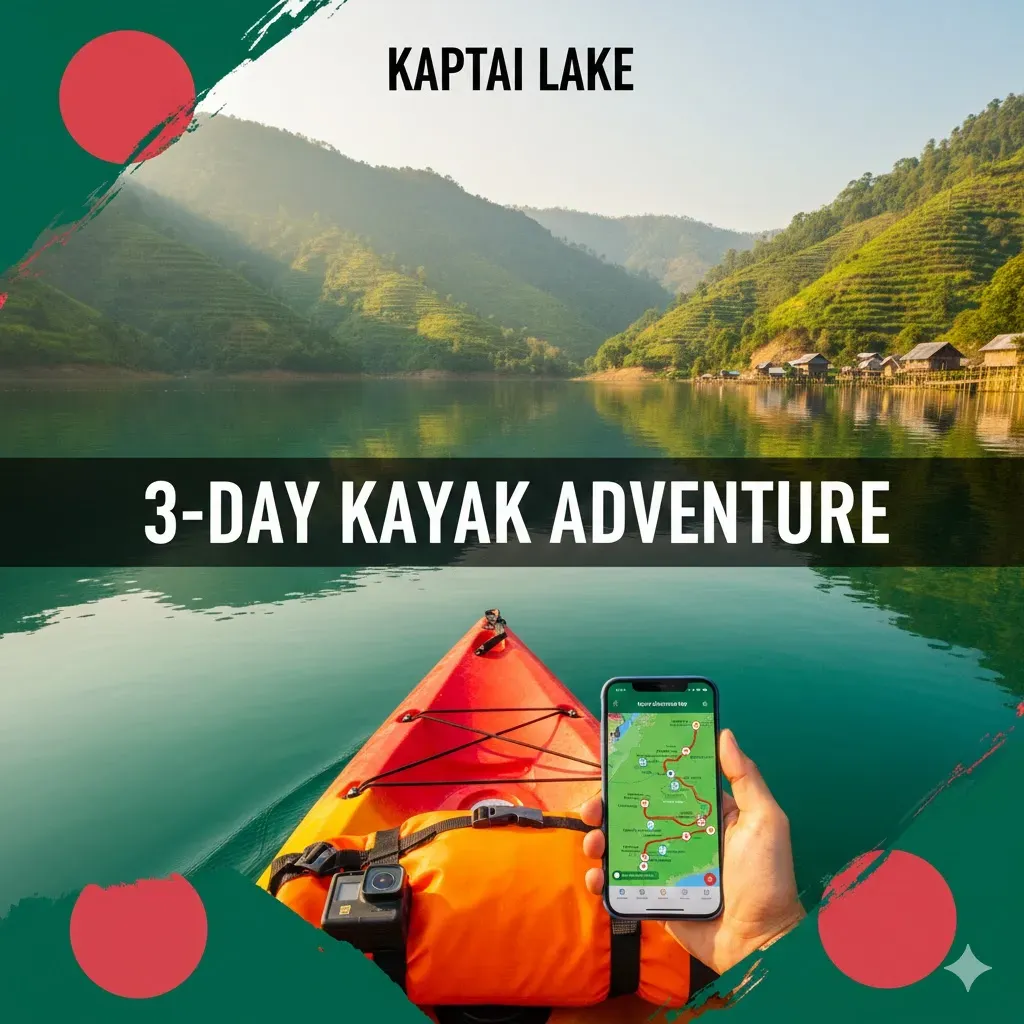
Discovering Bangladesh's Premier Kayaking Paradise
Nestled in the heart of the Chittagong Hill Tracts, Kaptai Lake stands as Bangladesh's largest freshwater body and an undisputed gem for adventure seekers. This expansive reservoir, created in 1960 by damming the Karnaphuli River, stretches across approximately 688 square kilometers, creating a mesmerizing landscape of emerald waters interspersed with over 1,000 islands and surrounded by rolling green hills. For outdoor enthusiasts seeking an authentic wilderness experience, a 3-day kayak adventure on Kaptai Lake offers an unparalleled combination of natural beauty, cultural immersion, and accessible adventure that few destinations in South Asia can match.
While Bangladesh may not immediately come to mind as a kayaking destination, Kaptai Lake has quietly emerged as one of the region's most rewarding paddle sports locations. The lake's calm waters, protected from strong currents and ocean waves, provide ideal conditions for kayakers of all skill levels. From complete beginners taking their first strokes to experienced paddlers seeking multi-day expeditions, the lake accommodates diverse abilities while maintaining an atmosphere of genuine adventure.
The unique geography of Kaptai Lake creates endless exploration opportunities. Hidden coves reveal secluded beaches, narrow channels wind through dense jungle-covered islands, and traditional villages dot the shoreline where indigenous communities maintain centuries-old ways of life. This diversity ensures that no two days on the water feel the same, making a 3-day itinerary the perfect duration to experience the lake's varied character without feeling rushed.
Beyond the physical beauty, kayaking Kaptai Lake offers something increasingly rare in our connected world: genuine disconnection and immersion in nature. As you paddle away from the main tourist areas, the sounds of civilization fade, replaced by the rhythmic dip of your paddle, the calls of exotic birds, and the gentle lapping of water against your kayak. This therapeutic quality, combined with moderate physical activity and stunning scenery, creates an experience that rejuvenates both body and mind.
The Perfect Duration: Why Three Days Hits the Sweet Spot

Choosing the right trip duration is crucial for maximizing your Kaptai Lake experience, and three days emerges as the ideal timeframe for several compelling reasons. This length strikes a perfect balance between adventure and accessibility, allowing sufficient time to explore the lake's diverse features while remaining manageable for travelers with limited vacation time.
Day One: Acclimatization and Discovery
The first day serves multiple purposes beyond simply covering distance. It allows your body to adjust to the physical demands of kayaking, helping you find your rhythm and build confidence on the water. Starting from Rangamati town, you'll paddle through the busier central areas where houseboats cluster and local fishermen cast their nets, providing an introduction to lake life and culture.
As you venture further from town, the landscape transforms dramatically. The water widens, hills rise more steeply, and human presence diminishes. This gradual transition helps beginners build skills progressively while experienced paddlers can focus on technique and observation. By day's end, you'll have covered 10-15 kilometers, found your sea legs, and established camp at a secluded beach or designated camping area.
Day Two: Deep Exploration and Adventure
With confidence established and muscles warmed up, day two opens possibilities for more ambitious exploration. This is when you can tackle longer distances, navigate through narrow island channels, or venture to remote areas rarely visited by tourists. The middle day typically offers the most diverse experiences, from wildlife spotting to cultural encounters with indigenous communities living on isolated islands.
The extended time on water allows for spontaneous discoveries – an inviting cove perfect for swimming, a viewpoint demanding a short hike, or a local fisherman willing to share stories and fresh catch. This flexibility, impossible on rushed day trips, creates the memorable moments that define great adventures.
Day Three: Reflection and Return
The final day balances continued exploration with the practical need to return to civilization. Morning paddling in the cool hours offers some of the trip's best photography opportunities as mist rises from the water and wildlife becomes active. The return journey provides time to reflect on the experience, process the landscapes you've witnessed, and appreciate the lake from a new perspective having gained familiarity with its character.
Three days proves long enough to escape routine completely and form a genuine connection with the place, yet short enough to remain accessible for working professionals and families. It's substantial enough to feel like a real adventure without requiring extensive preparation or time off work, making it achievable for most travelers.
Unmatched Natural Beauty and Diverse Landscapes

Kaptai Lake's visual splendor forms the foundation of its appeal as a kayaking destination. The reservoir's creation flooded a river valley system, creating a complex shoreline with countless inlets, peninsulas, and islands that provide endless variety for exploration. Unlike linear rivers or open oceans, the lake's labyrinthine geography ensures constant visual interest and navigation challenges that keep paddlers engaged.
The Emerald Waters and Hill Country
The lake's distinctive green-blue color results from mineral content and algae, creating waters that appear almost tropical despite Bangladesh's monsoon climate. This color intensifies in shallow bays where sunlight penetrates to sandy bottoms, while deeper channels display darker, more mysterious tones. The contrast between water and the surrounding hills creates dramatic vistas that change with light and weather conditions.
Surrounding the lake, the Chittagong Hill Tracts rise in gentle to moderate elevations, their slopes covered in mixed evergreen and deciduous forest. These hills, part of the same range extending into Myanmar and India's Tripura state, create a natural amphitheater around the lake, providing shelter from strong winds and contributing to the generally calm water conditions ideal for kayaking.
Island Diversity
With over 1,000 islands ranging from tiny rocky outcrops to substantial landmasses supporting villages, Kaptai Lake offers island-hopping opportunities that rival famous archipelagos. Each island possesses distinct character – some feature sandy beaches perfect for camping, others rise steeply from the water with dense vegetation, while a few support small agricultural communities practicing traditional farming methods.
Larger islands like Rajak Char and Shuvolong Char offer opportunities for exploration beyond the shoreline, with hiking trails leading to viewpoints and small waterfalls. Smaller uninhabited islands provide solitude and pristine beaches where you can camp under the stars, listening to water lap the shore and calls of night birds.
Seasonal Transformations
Kaptai Lake transforms dramatically with seasons, offering different experiences throughout the year. During the dry season (November to March), water levels drop, revealing new beaches and making some channels too shallow for boats but perfect for kayaks to access. The monsoon season (June to September) brings higher water levels, submerging some islands while creating new waterways through previously inaccessible areas.
This seasonal variation means repeat visits always offer something new, and the choice of when to visit depends on your preferences. Winter offers cooler temperatures and clearer skies ideal for photography, while the post-monsoon period showcases the landscape at its most lush and vibrant.
Cultural Encounters and Indigenous Heritage

Beyond natural beauty, Kaptai Lake serves as home to diverse indigenous communities whose presence adds profound cultural depth to the kayaking experience. The Chittagong Hill Tracts host at least eleven distinct ethnic groups, including the Chakma, Marma, Tripura, and Tanchangya peoples, each maintaining unique languages, traditions, and relationships with the land and water.
Village Life on the Water's Edge
Many lakeside villages remain accessible only by boat, preserving traditional ways of life largely unchanged by modern development. Paddling up to a village beach, you'll be greeted by children who rarely see tourists, women washing clothes at the water's edge, and fishermen mending nets under stilt houses. These encounters, when approached with respect and cultural sensitivity, provide authentic glimpses into lives governed by different rhythms and values than urban existence.
Some communities welcome visitors, offering opportunities to purchase handwoven textiles, bamboo crafts, or share a meal of traditional cuisine. The Chakma people, the largest ethnic group in the region, practice a form of Theravada Buddhism, and their temples often feature distinctive architecture blending Bengali and Southeast Asian influences.
Learning from Local Knowledge
Indigenous residents possess intimate knowledge of the lake accumulated over generations. They understand weather patterns, know which islands offer the best camping spots, can identify edible plants and medicinal herbs, and recognize animal signs invisible to outsiders. Engaging with local guides or villagers willing to share knowledge enriches the kayaking experience immeasurably, transforming a physical journey into a cultural and educational one.
Some villages have developed community-based tourism initiatives where visitors can stay in traditional homes, participate in daily activities, and learn about sustainable fishing and farming practices. These programs provide economic benefits to communities while preserving cultural heritage and promoting cross-cultural understanding.
Historical Context
The lake's creation in 1960 displaced approximately 100,000 people, mostly indigenous communities whose ancestral lands were flooded. This history adds poignancy to the landscape, and understanding it provides context for the region's complex social dynamics. Some submerged Buddhist temples occasionally become visible during dry seasons when water levels drop, serving as haunting reminders of what was lost and the resilience of communities who adapted to dramatic change.
Ideal Conditions for Kayakers of All Levels

Kaptai Lake's physical characteristics create near-perfect conditions for kayaking, accommodating everyone from first-time paddlers to experienced expedition kayakers. Understanding these conditions helps explain why the lake has emerged as Bangladesh's premier paddling destination.
Calm Waters and Protected Environment
Unlike coastal kayaking that contends with tides, waves, and unpredictable weather, Kaptai Lake's inland location provides consistent, manageable conditions. The surrounding hills shield the water from strong winds, while the reservoir's size prevents dangerous wave formation. Water temperatures remain comfortable year-round, reducing risks associated with cold water immersion.
The absence of strong currents means paddlers can focus on enjoyment rather than fighting the water. You can stop wherever you like, explore side channels without worrying about being swept away, and camp on beaches without concern for rising tides. This predictability makes trip planning straightforward and reduces anxiety for beginners.
Flexible Route Options
The lake's geography supports routes of varying difficulty and length. Beginners can stick to protected bays and short island hops, gradually building confidence and skills. Intermediate paddlers can tackle longer crossings between islands and navigate through narrower channels. Advanced kayakers can plan multi-day expeditions covering 50+ kilometers, camping wild on remote beaches and exploring the lake's furthest reaches.
This flexibility means groups with mixed abilities can paddle together while choosing challenges appropriate to individual skill levels. Families with children can enjoy safe, calm waters, while solo adventurers can push themselves with ambitious itineraries.
Minimal Hazards
Compared to white-water rivers or ocean kayaking, Kaptai Lake presents relatively few hazards. The main risks – capsizing, sun exposure, and dehydration – are easily managed with proper preparation and common sense. There are no dangerous marine animals, minimal boat traffic in remote areas, and rescue is never more than a paddle away from inhabited shores.
The lake's freshwater environment eliminates concerns about salt water corrosion of equipment and makes accidental immersion less dangerous than in cold ocean waters. This safety profile makes it an ideal location for introducing newcomers to kayaking and building foundational skills.
Wildlife Encounters and Biodiversity
Kaptai Lake supports rich biodiversity that rewards patient observers with memorable wildlife encounters. While not a traditional safari destination, the lake and surrounding forests host numerous species that add excitement and educational value to kayaking expeditions.
Aquatic Life
The lake's waters teem with fish species, some endemic to the region. While paddling, you'll frequently spot fishermen using traditional methods – cast nets, bamboo traps, and hand lines – practices unchanged for generations. In shallow areas, you might see fish jumping or spot the distinctive V-shaped wake of larger species moving beneath the surface.
Freshwater dolphins, though rare, occasionally venture into the lake from the Karnaphuli River, creating magical moments for fortunate observers. Water monitors, large lizards that can reach two meters in length, sun themselves on logs and beaches, sliding silently into the water as you approach.
Bird Watching Paradise
For bird enthusiasts, Kaptai Lake offers exceptional diversity with over 200 species recorded in the area. Kingfishers dominate the shoreline, with five different species – Common, White-throated, Collared, Pied, and Stork-billed – each occupying different niches. Their brilliant blue and orange plumage provides spectacular photo opportunities as they dive for fish.
Egrets and herons stalk shallow waters, while Brahminy Kites and Black Kites circle overhead on thermal currents. During winter months, migratory species arrive from northern latitudes, including various ducks, waders, and raptors. Early morning and evening paddling coincides with peak bird activity, when the air fills with calls and movement.
Forest Wildlife
The hills surrounding the lake support mammals including rhesus macaques, wild boar, barking deer, and various civet species. While these animals generally avoid human contact, attentive observers might spot them along the shoreline at dawn or dusk. The forest canopy shelters numerous primate species whose calls echo across the water, though seeing them requires patience and luck.
Reptiles including various snake species and the endangered Estuarine Crocodile inhabit the lake, though crocodile populations remain small and encounters are rare. Understanding which species inhabit the area and how to behave around them enhances safety while adding educational value to the experience.
Practical Considerations for Your 3-Day Adventure
Planning a successful Kaptai Lake kayaking trip requires attention to practical details. Understanding logistics, costs, and preparation requirements ensures your adventure proceeds smoothly and safely.
Getting to Rangamati
Rangamati town serves as the gateway to Kaptai Lake kayaking adventures. Located approximately 77 kilometers from Chittagong city, it's accessible by road or water. Most travelers reach Chittagong by bus, train, or flight from Dhaka, then continue to Rangamati by bus or private vehicle.
The journey from Chittagong to Rangamati takes 2-3 hours by bus, passing through scenic hill country that builds anticipation for the lake ahead. Private vehicles offer flexibility and comfort but cost more. Some tour operators include transportation from Chittagong or Dhaka as part of package deals.
Kayak Rental and Equipment
Several outlets in Rangamati offer kayak rentals, with prices ranging from 800-1,500 BDT per day for basic single or tandem kayaks. Higher-quality sea kayaks with better storage capacity and tracking cost more but significantly improve the multi-day experience. Always inspect equipment carefully before accepting it, checking for cracks, proper seat adjustment, and functional hatches.
Essential equipment includes:
- Kayak appropriate for touring (12+ feet length recommended)
- Paddle plus spare paddle
- Personal flotation device (PFD/life jacket)
- Dry bags for gear protection
- Bilge pump or sponge
- Paddle float for self-rescue
- Repair kit with duct tape and multi-tool
- 👉 Best Time to See Flamingo Migration Sabkhat al-Jabbul Syria Guide 2026
- 👉 Uzbekistan Transportation Guide Yandex Go App and Shared Taxis
- 👉 INDONESIA VISA REQUIREMENTS 2026: OFFICIAL E-VOA AND TOURIST GUIDE
Camping and Accommodation
Wild camping is permitted on most uninhabited islands and many shoreline locations, though it's courteous to ask permission if camping near villages. Choose campsites above the high water line, away from dead trees that might fall, and consider wind direction. Some organized tour operators have established campsites with basic facilities.
Alternatively, several lakeside resorts and guesthouses offer accommodation if you prefer not to camp. This hybrid approach allows combining kayaking with comfortable lodging, though it limits where you can end each day's paddle.
Food and Water
For a 3-day trip, you'll need to carry all food and water or plan resupply points. Lightweight, non-perishable foods work best – rice, lentils, canned fish, nuts, dried fruit, and energy bars. Many kayakers bring a small stove for hot meals, though cooking fires are possible on beaches with proper care.
Water requirements average 3-4 liters per person daily, more in hot weather. Carrying this volume for three days adds significant weight, so plan to refill from villages or treat lake water using filters or purification tablets. Never drink untreated lake water due to potential contamination.
Cost Considerations
A self-guided 3-day kayaking trip costs approximately 8,000-15,000 BDT per person, including:
- Kayak rental: 2,400-4,500 BDT (3 days)
- Camping equipment: 1,500-3,000 BDT (if needed)
- Food and water: 2,000-3,000 BDT
- Transportation to/from Rangamati: 1,000-2,000 BDT
- Miscellaneous and permits: 1,000-2,000 BDT
- 👉 Best Time to See Flamingo Migration Sabkhat al-Jabbul Syria Guide 2026
- 👉 Uzbekistan Transportation Guide Yandex Go App and Shared Taxis
- 👉 INDONESIA VISA REQUIREMENTS 2026: OFFICIAL E-VOA AND TOURIST GUIDE
Guided tours with equipment, meals, and support cost 20,000-35,000 BDT but provide convenience, local knowledge, and enhanced safety.
Safety and Environmental Responsibility
Enjoying Kaptai Lake responsibly requires attention to both personal safety and environmental protection. Following best practices ensures your adventure remains safe while preserving the lake's beauty for future visitors.
Essential Safety Practices
Always wear your PFD while on the water, regardless of swimming ability. Sudden weather changes, boat wakes, or accidental capsizes can create dangerous situations where a life jacket proves essential. Check weather forecasts before departure and be prepared to postpone if storms are predicted.
File a float plan with someone reliable, detailing your intended route, campsites, and expected return. Check in regularly if possible. Carry a whistle, signal mirror, and fully charged mobile phone in a waterproof case, though coverage is spotty in remote areas.
Stay hydrated and protect yourself from sun exposure with hats, sunglasses, and sunscreen. The tropical sun reflects off water, increasing UV exposure. Paddle during cooler morning and evening hours, resting during midday heat.
Leave No Trace Principles
Kaptai Lake's beauty depends on visitors minimizing their impact. Pack out all trash, including food scraps and biodegradable items. Use biodegradable soap if washing in the lake, and do so at least 50 meters from shore.
Camp on durable surfaces like sand or rock rather than vegetation. Keep fires small and use existing fire rings when available. Never cut living trees for firewood – collect only deadfall. Respect wildlife by observing from a distance and never feeding animals.
When visiting villages, ask permission before photographing people, dress modestly, and respect local customs. Purchase goods and services from local vendors to support the community economy.
Weather Awareness
The monsoon season (June-September) brings heavy rain and potential thunderstorms that can create dangerous conditions on the water. While kayaking is possible during this period, it requires extra caution and flexibility. Winter (November-February) offers the most stable weather and comfortable temperatures, making it the ideal season for multi-day trips.
Learn to read weather signs – building cumulus clouds, dropping temperatures, and changing wind patterns often precede storms. When in doubt, get off the water and wait for conditions to improve.
Creating Unforgettable Memories
A 3-day kayaking adventure on Kaptai Lake offers more than physical exercise and scenic beauty – it provides opportunities for personal growth, cultural exchange, and connection with nature that resonate long after the trip ends. The combination of moderate physical challenge, stunning landscapes, cultural encounters, and genuine wilderness experience creates memories that endure.
Whether you're watching sunrise paint the hills in shades of gold and pink, sharing a meal with a village family who welcomed you despite language barriers, or simply floating silently as twilight descends and stars emerge, Kaptai Lake offers moments of pure presence and wonder. These experiences remind us of what travel can be – not just sightseeing, but transformation through engagement with place and people.
The lake's accessibility makes it achievable for most travelers, while its wild character ensures authentic adventure. In an era of overtourism and commercialized experiences, Kaptai Lake remains refreshingly genuine, welcoming visitors without compromising its essential character. For these reasons and countless others, it stands as Bangladesh's premier destination for a 3-day kayak adventure, offering an experience that balances challenge and comfort, adventure and culture, wilderness and hospitality in perfect proportion.
0 Comments