.webp)
.webp)
The United Kingdom: A Journey Through Royal History and Modern Culture
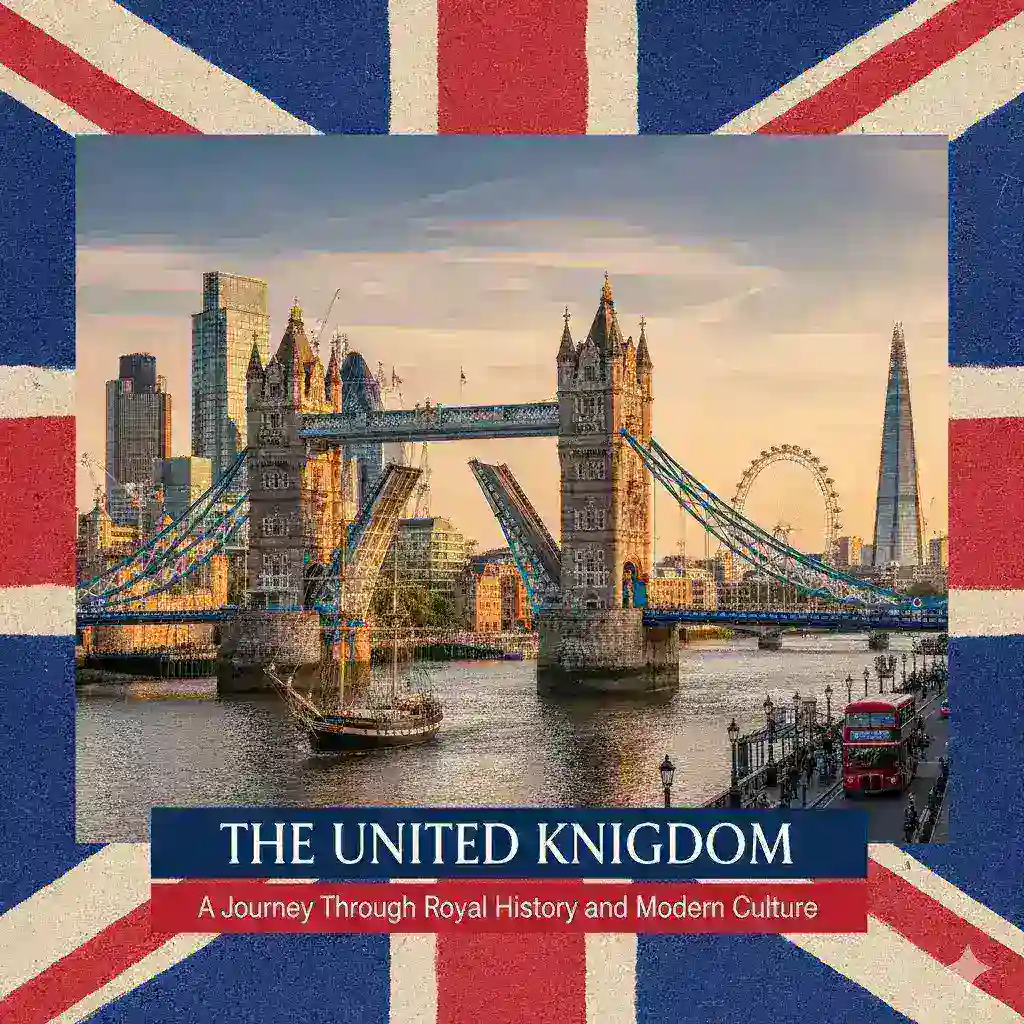
The United Kingdom: A Journey Through Royal History and Modern Culture
The United Kingdom stands as one of the world's most fascinating destinations, where centuries of royal tradition intertwine with vibrant contemporary culture to create an experience unlike any other. From the ceremonial grandeur of Buckingham Palace to the cutting-edge art scenes of London's Shoreditch, from the ancient stone circles of Stonehenge to the pulsing music venues of Manchester, the UK offers travelers a rich tapestry of history, innovation, and enduring charm. As we explore this remarkable nation in 2026, the United Kingdom continues to captivate visitors with its unique ability to honor its storied past while embracing the dynamic energy of the present.
Comprising four distinct nations—England, Scotland, Wales, and Northern Ireland—the UK is a study in contrasts. Each country contributes its own language, traditions, landscapes, and cultural identity to the union, creating a destination of extraordinary diversity within a relatively compact geography. Whether you're wandering the cobbled streets of Edinburgh's Old Town, marveling at the prehistoric mystery of Orkney's Neolithic sites, experiencing the industrial renaissance of Birmingham, or soaking in the coastal beauty of Cornwall, the United Kingdom rewards curious travelers with endless discovery.
This comprehensive master guide invites you on a journey through the UK's royal heritage and modern cultural landscape. We'll explore the monarchy's enduring influence, uncover hidden gems beyond the typical tourist trail, and provide practical insights for experiencing the best of British life. Whether you're planning your first visit to these shores or returning to deepen your connection with this remarkable nation, this guide will help you navigate the United Kingdom with confidence and appreciation for all it has to offer.
The Crown and the Nation: Understanding British Royal History
To truly appreciate the United Kingdom, one must understand the central role of the monarchy in shaping its history, culture, and national identity. The British royal family is the oldest continuous monarchy in the world, with roots tracing back over a thousand years. This enduring institution has witnessed revolutions, wars, social transformations, and the rise and fall of empires, yet it remains a powerful symbol of continuity and national unity.
Key Historical Milestones:
- 1066 - Norman Conquest: William the Conqueror's victory at the Battle of Hastings established a new royal dynasty and transformed English society, language, and architecture.
- 1215 - Magna Carta: King John's agreement to limit royal power laid foundational principles for constitutional government and individual rights that influence democracies worldwide.
- 1509-1547 - Henry VIII: The Tudor monarch's break with Rome and establishment of the Church of England reshaped British religious and political life forever.
- 1558-1603 - Elizabeth I: The "Golden Age" of English culture, exploration, and naval power, with figures like Shakespeare and Drake defining an era.
- 1837-1901 - Queen Victoria: The Victorian era saw unprecedented industrial growth, imperial expansion, and social change that shaped the modern world.
- 1952-Present - Elizabeth II and Charles III: The longest-reigning monarch in British history oversaw decolonization, social transformation, and the monarchy's adaptation to modern media and public expectations.
- 👉 Turku Music Hall Fuuga 2026: Aura River Cultural Jewel
- 👉 Stalinist Architecture Minsk: 10 Shocks for Americans 2026
- 👉 The Best Time to Visit Spain from the USA: Your 2026 Planning Guide
Today, under King Charles III, the monarchy continues to evolve while maintaining its ceremonial and symbolic functions. Royal residences like Windsor Castle, Holyrood Palace, and Balmoral remain active homes and working palaces, offering visitors glimpses into royal life through carefully curated tours and exhibitions.
Royal Traditions That Endure: The UK's royal heritage is visible in living traditions that continue to captivate visitors:
- Changing of the Guard: The colorful ceremony at Buckingham Palace, with scarlet tunics, bearskin hats, and military precision, draws crowds daily and embodies pageantry that has entertained spectators for centuries.
- Royal Weddings and Coronations: These grand state occasions blend ancient ritual with modern spectacle, broadcast to billions worldwide and reinforcing the monarchy's cultural significance.
- Trooping the Colour: The sovereign's official birthday celebration features military parade, flypasts, and royal appearances on the Buckingham Palace balcony—a tradition dating to the 17th century.
- State Openings of Parliament: The monarch's annual address to Parliament, complete with royal procession and ceremonial regalia, demonstrates the constitutional relationship between crown and government.
- 👉 Turku Music Hall Fuuga 2026: Aura River Cultural Jewel
- 👉 Stalinist Architecture Minsk: 10 Shocks for Americans 2026
- 👉 The Best Time to Visit Spain from the USA: Your 2026 Planning Guide
Understanding these traditions enriches your experience of the UK, transforming sightseeing into meaningful engagement with living history.
Royal Palaces and Historic Landmarks: Walking Through Centuries
The United Kingdom's royal heritage is physically embodied in its magnificent palaces, castles, and historic sites. These landmarks offer tangible connections to the past while showcasing architectural mastery spanning nearly a millennium.
Buckingham Palace, London: The official London residence of the monarch since Queen Victoria's reign, Buckingham Palace is the epicenter of royal ceremonial life. During summer months, visitors can tour the State Rooms, opulent spaces used for official entertaining, adorned with masterpieces from the Royal Collection including works by Rembrandt, Rubens, and Canaletto. The palace's Royal Mews house historic carriages and the famous Gold State Coach used for coronations, while the Queen's Gallery features rotating exhibitions of royal art and treasures.
Windsor Castle: The oldest and largest occupied castle in the world, Windsor has been a royal residence for over 900 years. Its St. George's Chapel, a masterpiece of Gothic architecture, is the burial place of ten monarchs and the site of Prince Harry and Meghan Markle's wedding. The castle's State Apartments display extraordinary art and furnishings, while the Semi-State Rooms, privately used by the sovereign, offer rare glimpses into royal domestic life.
Tower of London: This iconic fortress has served as royal palace, prison, armory, and treasury over its 1,000-year history. Today, it houses the Crown Jewels, including the Imperial State Crown and the Koh-i-Noor diamond, while Yeoman Warders (Beefeaters) share stories of intrigue, execution, and royal drama. The resident ravens, protected by legend, add mystique to this UNESCO World Heritage Site.
Edinburgh Castle, Scotland: Perched atop an extinct volcano, Edinburgh Castle dominates Scotland's capital and embodies Scottish royal history. The castle houses the Honours of Scotland (the Scottish Crown Jewels), the Stone of Destiny used in coronations, and the National War Museum. The daily firing of the One O'Clock Gun is a tradition dating to 1861, while the Military Tattoo each August transforms the esplanade into a spectacular celebration of music and pageantry.
Other Essential Royal Sites:
- Palace of Holyroodhouse, Edinburgh: The monarch's official residence in Scotland, with connections to Mary, Queen of Scots.
- Hampton Court Palace: Henry VIII's magnificent riverside palace, featuring Tudor kitchens, the famous maze, and Baroque additions by William and Mary.
- Blenheim Palace: Birthplace of Winston Churchill and a masterpiece of English Baroque architecture, set in landscape gardens by Capability Brown.
- Royal Pavilion, Brighton: An exotic seaside palace blending Indian and Chinese architectural styles, reflecting the Regency era's flamboyance.
- 👉 Turku Music Hall Fuuga 2026: Aura River Cultural Jewel
- 👉 Stalinist Architecture Minsk: 10 Shocks for Americans 2026
- 👉 The Best Time to Visit Spain from the USA: Your 2026 Planning Guide
Visiting these sites offers more than architectural appreciation; it provides context for understanding how royal power, culture, and society have evolved across centuries of British history.
Modern British Culture: Innovation, Creativity, and Contemporary Life
While royal history defines much of the UK's global image, the nation's contemporary culture is equally compelling. Modern Britain is a dynamic, multicultural society where tradition and innovation coexist, producing world-leading contributions to music, art, literature, fashion, food, and technology.
Music and Entertainment: The UK's influence on global popular music is immeasurable. From The Beatles and The Rolling Stones to Adele, Ed Sheeran, and Stormzy, British artists have shaped soundtracks for generations. Live music thrives in venues ranging from London's Royal Albert Hall to Glasgow's Barrowland Ballroom and Manchester's Albert Hall. Major festivals like Glastonbury, Edinburgh Fringe, and Latitude showcase diverse talent and attract international audiences.
Visual Arts and Museums: The UK boasts some of the world's finest cultural institutions, many offering free admission. London's Tate Modern and Tate Britain span centuries of artistic achievement, while the British Museum and Victoria and Albert Museum house collections of global significance. Beyond the capital, cities like Liverpool (Tate Liverpool), Birmingham (Birmingham Museum and Art Gallery), and Edinburgh (National Galleries of Scotland) offer exceptional artistic experiences.
Literary Heritage and Contemporary Writing: The UK is the birthplace of Shakespeare, Austen, Dickens, and countless other literary giants. Today, authors like Kazuo Ishiguro, Zadie Smith, and Sally Rooney continue this tradition. Literary tourism flourishes at sites like Shakespeare's Globe Theatre, the Brontë Parsonage in Haworth, and Edinburgh's Writer's Museum, while book festivals in Hay-on-Wye and Edinburgh celebrate the written word.
Food and Drink Revolution: British cuisine has undergone a remarkable renaissance. Once stereotyped as bland, UK food now celebrates local ingredients, multicultural influences, and culinary innovation. Michelin-starred restaurants like The Fat Duck and Restaurant Gordon Ramsau compete with vibrant street food markets in London's Borough Market and Manchester's Mackie Mayor. Traditional pub culture endures alongside craft breweries, artisan distilleries, and specialty coffee roasters.
Fashion and Design: London remains a global fashion capital, with London Fashion Week showcasing emerging and established designers. The city's neighborhoods—from Carnaby Street's mod heritage to Shoreditch's streetwear scene—reflect Britain's creative energy. British design excellence extends to architecture (Zaha Hadid, Norman Foster), product design, and digital innovation.
Nations Within a Nation: Exploring England, Scotland, Wales, and Northern Ireland
The United Kingdom's richness lies in its diversity. Each constituent nation offers distinct landscapes, cultures, and experiences that reward exploration beyond London.
England: Beyond London, England reveals remarkable variety. The Lake District's poetic landscapes inspired Wordsworth and Beatrix Potter. York's medieval walls and Viking heritage offer tangible history. Bath's Roman baths and Georgian architecture showcase different eras of elegance. Cornwall's dramatic coastline and artistic communities attract visitors seeking natural beauty and creative inspiration.
Scotland: Scotland's rugged Highlands, lochs, and islands offer wilderness experiences rare in Western Europe. Edinburgh blends medieval Old Town with Georgian New Town, both UNESCO World Heritage Sites. Glasgow pulses with contemporary culture, music, and Victorian architecture. The Isle of Skye, Orkney, and the Outer Hebrides provide remote beauty and ancient archaeological sites.
Wales: Wales combines dramatic coastlines, mountainous national parks, and a living Celtic culture. Snowdonia National Park offers hiking and adventure. Cardiff, the capital, features a regenerated waterfront and Cardiff Castle. The Pembrokeshire Coast and Gower Peninsula boast stunning beaches. Welsh language and traditions remain vibrant, enriching the visitor experience.
Northern Ireland: Often overlooked, Northern Ireland rewards visitors with the Giant's Causeway's geological wonder, Belfast's maritime history and Titanic heritage, and the Causeway Coastal Route's scenic beauty. The region's complex history is thoughtfully presented at sites like Crumlin Road Gaol and peace walls in Belfast, offering important perspectives on reconciliation and identity.
Practical Guide: Planning Your UK Journey in 2026
Visiting the United Kingdom requires some preparation to maximize your experience. These practical tips will help you navigate logistics, culture, and travel efficiently.
Visa Requirements: Many nationalities can visit the UK visa-free for tourism for up to six months. However, starting in 2026, the Electronic Travel Authorisation (ETA) system will require visa-exempt travelers to obtain online authorization before arrival. Check the official UK government website for current requirements based on your passport.
Getting Around: The UK's transportation network is extensive and efficient:
- Trains: National Rail connects cities and towns across Great Britain. Book in advance for significant savings, especially for long-distance journeys. Consider a Railpass for extensive travel.
- London Underground: The Tube is the fastest way to navigate London. Use an Oyster card or contactless payment for convenience.
- Buses and Coaches: National Express and Megabus offer affordable intercity travel. Local buses serve regional areas.
- Car Rental: Useful for exploring rural areas, but remember the UK drives on the left. Consider congestion charges in London and parking costs in cities.
- Domestic Flights: Generally unnecessary given efficient rail connections, but may save time for reaching Northern Ireland or remote Scottish islands.
- 👉 Turku Music Hall Fuuga 2026: Aura River Cultural Jewel
- 👉 Stalinist Architecture Minsk: 10 Shocks for Americans 2026
- 👉 The Best Time to Visit Spain from the USA: Your 2026 Planning Guide
Accommodation: The UK offers diverse lodging options:
- Hotels: Range from luxury chains to boutique properties and budget options.
- Bed and Breakfasts: Traditional B&Bs offer personal hospitality and local insight, particularly in rural areas.
- Self-Catering: Cottages and apartments provide flexibility for families or longer stays.
- Hostels: YHA and independent hostels offer affordable accommodation, especially for younger travelers.
- 👉 Turku Music Hall Fuuga 2026: Aura River Cultural Jewel
- 👉 Stalinist Architecture Minsk: 10 Shocks for Americans 2026
- 👉 The Best Time to Visit Spain from the USA: Your 2026 Planning Guide
Money and Payments: The UK uses the Pound Sterling (£). Credit and debit cards are widely accepted, including contactless payments. Inform your bank of travel plans to avoid card blocks. ATMs are plentiful, but carry some cash for small purchases in rural areas.
Weather Preparedness: UK weather is famously changeable. Pack layers, a waterproof jacket, and comfortable walking shoes regardless of season. Summer (June-August) offers longest days and warmest temperatures; spring and autumn provide milder weather with fewer crowds; winter brings festive atmosphere but shorter days.
Cultural Etiquette and Social Norms
Understanding British social conventions enhances your interactions and shows respect for local customs.
Politeness and Queueing: The British value politeness, understatement, and orderly behavior. Queueing (waiting in line) is taken seriously—never cut in line. Saying "please," "thank you," and "sorry" frequently is expected and appreciated.
Pub Culture: Pubs are social institutions, not just drinking establishments. It's customary to order and pay at the bar rather than waiting for table service. Buying a "round" of drinks for your group is a common social practice.
Tipping: Tipping is appreciated but not as obligatory as in some countries. In restaurants, 10-12.5% is standard if service charge isn't included. Tipping taxi drivers and hotel staff is discretionary.
Conversation Topics: Weather is a safe, universal icebreaker. Avoid assumptions about politics, particularly regarding Scottish independence, Northern Ireland, or Brexit, unless your conversation partner raises these topics. Sports, culture, and travel are generally welcome subjects.
Royal Respect: While the monarchy is a frequent topic of public discussion, visitors should approach royal subjects with respectful curiosity rather than criticism, particularly in formal settings or when speaking with older generations.
Sustainable and Responsible Tourism in the UK
As tourism grows, responsible travel practices help preserve the UK's heritage and environment for future generations.
Protecting Historic Sites: Follow posted guidelines at castles, palaces, and archaeological sites. Don't touch fragile artifacts or climb on ancient structures. Support preservation by paying entry fees and donating to heritage organizations like the National Trust or English Heritage.
Environmental Considerations: The UK's natural landscapes are precious. Stick to marked paths in national parks, dispose of waste properly, and respect wildlife. Consider using public transportation to reduce carbon footprint, especially for intercity travel.
Supporting Local Communities: Choose locally-owned accommodations, restaurants, and shops to ensure tourism spending benefits residents. Buy authentic crafts and products made by local artisans rather than mass-produced imports.
Cultural Sensitivity: The UK is multicultural and diverse. Approach different communities with openness and respect. Learn about local histories, including difficult chapters like colonialism and industrial change, to deepen your understanding of contemporary Britain.
Seasonal Highlights and Special Events
The UK's calendar is filled with events that showcase its culture, history, and community spirit.
Spring (March-May): Gardens burst into bloom at Kew Gardens and Blenheim Palace. Cheltenham Festival celebrates horse racing and literature. St. George's Day (April 23) features parades and cultural events across England.
Summer (June-August): Royal Ascot combines horse racing with high society and fashion. Wimbledon tennis championships draw global attention. Edinburgh Festival Fringe (August) transforms Scotland's capital into the world's largest arts festival. Long days allow extended sightseeing.
Autumn (September-November): Oktoberfest celebrations in cities like London and Manchester. Remembrance Sunday (November) honors military sacrifice with ceremonies nationwide. Autumn foliage enhances countryside walks and garden visits.
Winter (December-February): Christmas markets in Bath, Manchester, and Edinburgh offer festive shopping and food. New Year's Eve celebrations in London feature fireworks along the Thames. Winter theater seasons and museum exhibitions provide indoor cultural enrichment.
Year-Round Traditions: Weekly markets, pub quizzes, village fetes, and local festivals offer authentic glimpses into British community life regardless of season.
Conclusion: A Timeless Destination for Curious Travelers
The United Kingdom offers a journey unlike any other—a seamless blend of royal pageantry and contemporary creativity, ancient landscapes and modern cities, tradition and innovation. From the ceremonial splendor of royal palaces to the cutting-edge galleries of London's East End, from the wild beauty of the Scottish Highlands to the vibrant multicultural neighborhoods of Birmingham and Manchester, the UK rewards travelers who approach it with curiosity and respect.
Understanding the monarchy's historical role provides context for appreciating British culture, while engaging with contemporary life reveals a nation continually reinventing itself. The UK's four nations contribute distinct voices to a rich national conversation, creating a destination of remarkable diversity within a compact geography.
As you plan your journey to the United Kingdom in 2026, remember that the most rewarding experiences often come from slowing down, talking to locals, and allowing yourself to be surprised. Wander beyond guidebook highlights. Strike up conversations in pubs. Attend a local festival. Take a train to a town you've never heard of. These spontaneous moments often become the memories you cherish most.
The United Kingdom has welcomed travelers for centuries, sharing its history, culture, and hospitality with visitors from around the world. Today, as always, it invites you to discover its stories, savor its creativity, and find your own connection to this remarkable nation. Whether you're tracing royal footsteps through Windsor's corridors, losing yourself in Edinburgh's closes, or simply enjoying a pint in a village pub, the UK offers experiences that enrich the mind and touch the heart.
Welcome to the United Kingdom. Your journey through royal history and modern culture begins now.
0 Comments