.webp)
.webp)
The reality of "Nijhum Dwip": Wildlife photography tips for seeing wild spotted deer.
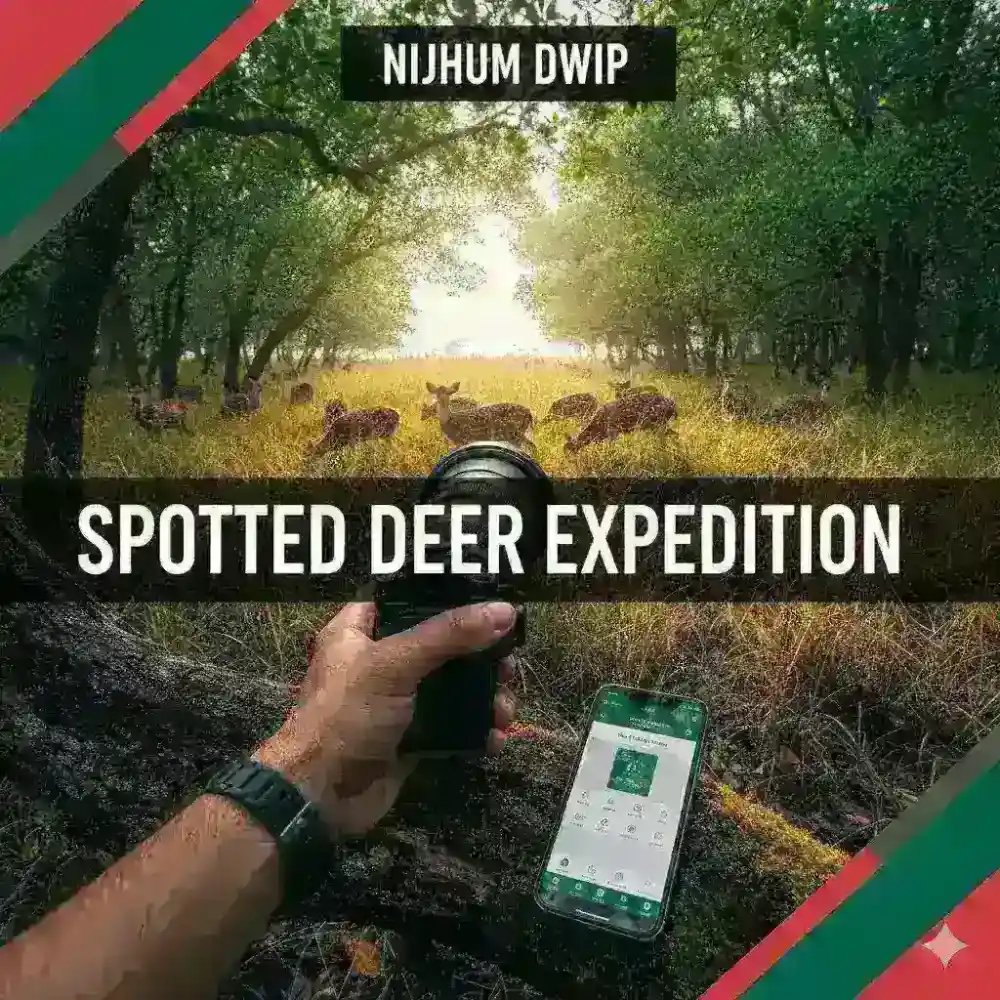
Discovering Bangladesh's Hidden Wildlife Paradise: Nijhum Dwip's Spotted Deer
Off the southern coast of Bangladesh, where the Bay of Bengal meets the deltaic plains of Noakhali, lies a small but remarkable island that has become a haven for wildlife photographers and nature enthusiasts. Nijhum Dwip, meaning "Silent Island" in Bengali, is home to one of the country's most accessible and photographed wildlife populations – the graceful spotted deer, or chital. This 7,640-hectare island represents a rare success story in Bangladesh's conservation efforts, offering photographers an extraordinary opportunity to capture wild deer in their natural habitat without the challenges of dense jungle tracking.
Unlike the famous Sundarbans, where spotting wildlife requires days of patient searching through impenetrable mangroves, Nijhum Dwip offers a different reality. Here, herds of spotted deer roam relatively openly across grasslands and coastal forests, making it one of the most rewarding wildlife photography destinations in South Asia. However, capturing stunning images of these elegant creatures requires more than just showing up with a camera – it demands understanding of deer behavior, knowledge of the island's rhythms, proper equipment, and realistic expectations about what this unique ecosystem can offer.
This comprehensive guide reveals the reality of wildlife photography at Nijhum Dwip, providing practical tips for spotting and photographing wild spotted deer, from technical camera settings to behavioral insights that will dramatically improve your success rate. Whether you're a professional wildlife photographer or an enthusiastic amateur, understanding the nuances of this remarkable island will help you capture images that truly reflect the beauty and spirit of Bangladesh's chital population.
Understanding Nijhum Dwip: Geography, History, and Wildlife

Before diving into photography techniques, it's essential to understand what makes Nijhum Dwip unique and why it has become such an important habitat for spotted deer.
The Island's Formation and Geography
Nijhum Dwip is a relatively young island, formed through sediment deposition from the Meghna River system over the past several decades. Located approximately 60 kilometers south of Noakhali town and about 10 kilometers inland from the open Bay of Bengal, the island sits at the dynamic interface between river and sea. This location creates a unique ecosystem characterized by:
- Coastal grasslands: Expansive open areas where deer graze, providing excellent photography opportunities with clean backgrounds
- Mangrove forests: Patches of salt-tolerant trees that provide shelter and diverse shooting environments
- Mudflats and beaches: Intertidal zones that attract various bird species and create dramatic landscapes
- Freshwater ponds: Artificial and natural water sources where deer congregate, especially during dry seasons
- 👉 Best Photography Spots for Sunrise and Sunset in North Malé Atoll
- 👉 How to find the "Bara Guria" waterfall: A secret trek in the Bandarban hills.
- 👉 Why 2026 is the "Turning Point" for Syria’s Global Tourism Industry.
The island's topography is remarkably flat, with elevation rarely exceeding 2-3 meters above sea level. This flatness means deer can be spotted from considerable distances, but it also means photographers must use the limited vegetation and terrain features strategically for concealment.
Conservation History and Deer Population
Nijhum Dwip's transformation into a wildlife sanctuary is a relatively recent phenomenon. In the 1970s and 1980s, the island was primarily used for fishing and occasional grazing. However, recognizing the ecological importance of the area, the Bangladesh government declared it an eco-park and wildlife sanctuary in the early 2000s.
The spotted deer population was established through deliberate introduction programs, with deer brought from other parts of Bangladesh to create a breeding population. Today, the island is home to an estimated 300-500 spotted deer, making it one of the densest populations of chital in the country. This high density is precisely what makes Nijhum Dwip so attractive to wildlife photographers – your chances of encountering deer are exceptionally high compared to most other locations.
Beyond Spotted Deer: Other Wildlife
While spotted deer are the star attraction, Nijhum Dwip supports diverse wildlife that can enhance your photography portfolio:
- Rhesus macaques: Troops of monkeys are commonly seen and can provide interesting behavioral shots
- Migratory birds: During winter months (November-March), the island hosts numerous migratory species
- Resident birds: Kingfishers, egrets, herons, and various coastal species are year-round residents
- Marine life: Dolphins are occasionally spotted in surrounding waters
- Reptiles: Monitor lizards and various snake species inhabit the island
- 👉 Best Photography Spots for Sunrise and Sunset in North Malé Atoll
- 👉 How to find the "Bara Guria" waterfall: A secret trek in the Bandarban hills.
- 👉 Why 2026 is the "Turning Point" for Syria’s Global Tourism Industry.
Understanding this broader ecosystem context helps photographers anticipate deer behavior, as they interact with and respond to other species in their environment.
The Reality of Deer Sightings: What to Expect

One of the most important aspects of wildlife photography at Nijhum Dwip is having realistic expectations. While the island offers excellent deer sighting opportunities, understanding the patterns and variables will significantly improve your success rate.
Daily Activity Patterns
Spotted deer are crepuscular animals, meaning they're most active during dawn and dusk. This pattern has significant implications for photographers:
Early Morning (5:30 AM - 8:30 AM): This is prime time for deer photography. As the sun rises, deer emerge from dense vegetation where they've spent the night and move to open grasslands to graze. The soft morning light creates beautiful photography conditions, and deer tend to be more relaxed and less skittish during these hours. You'll often see entire herds feeding together, providing opportunities for group shots as well as individual portraits.
Midday (9:00 AM - 3:00 PM): During hot hours, deer typically retreat to shaded areas under trees or in dense vegetation. Sightings become more challenging, though not impossible. Deer may visit water sources during this time, creating opportunities for photography if you know where to look. The harsh midday light is also less flattering for photography, making this a good time to scout locations, rest, or focus on other subjects like birds.
Late Afternoon/Evening (3:30 PM - 6:30 PM): As temperatures cool, deer become active again. This second peak activity period offers another excellent photography window. The warm, golden light of late afternoon creates stunning images, and you'll often see social behaviors like grooming, play, and interaction between herd members.
Night: While deer remain active after dark, photography becomes extremely challenging without specialized equipment. Night safaris are not commonly offered on Nijhum Dwip, and flash photography would disturb the animals.
Seasonal Variations
The time of year significantly affects both deer behavior and photography conditions:
Winter (November-February): This is widely considered the best season for wildlife photography at Nijhum Dwip. The weather is cool and comfortable, deer are active throughout the day, and the dry conditions make movement around the island easier. Morning fog can add atmospheric quality to images. This is also peak tourist season, so expect more visitors.
Summer (March-May): Temperatures rise significantly, and deer become more nocturnal to avoid heat. Early morning and late evening become even more critical for photography. The advantage is fewer tourists and dramatic stormy skies that can create powerful images. However, afternoon thunderstorms are common and can disrupt photography plans.
Monsoon (June-October): This is the most challenging season for wildlife photography. Heavy rains, high humidity, and difficult travel conditions make access to the island problematic. Boat services may be suspended during severe weather. However, the island transforms into a lush green paradise, and deer are still present. If you can handle the challenges, monsoon photography offers unique opportunities with dramatic skies, reflections in puddles, and vibrant vegetation.
Deer Behavior and Social Structure
Understanding spotted deer behavior is crucial for anticipating shots and capturing natural moments:
Herd Dynamics: Spotted deer live in herds typically consisting of females (does) and their young, led by a dominant female. Adult males (bucks) often form separate bachelor groups or live solitarily, joining female herds only during mating season. Understanding this helps you predict group compositions and behaviors.
Vigilance Patterns: Deer are prey animals and maintain constant vigilance. In a herd, while some individuals graze, others stand alert. When photographing, watch for the alert individuals – when they raise their heads or freeze, something has caught their attention. This can signal an interesting behavior about to unfold or warn you that the herd may bolt soon.
Grazing Behavior: Deer typically graze in cycles – periods of feeding interspersed with periods of rest and rumination. During grazing, they move slowly and predictably, making them easier to photograph. During rest periods, they may lie down, offering opportunities for portrait-style images.
Social Interactions: Look for grooming behavior (allogrooming), play behavior among fawns, and dominance displays between males. These interactions make for compelling photographs that tell stories beyond simple documentation.
Essential Photography Equipment for Nijhum Dwip

Having the right equipment can make the difference between good photos and great ones. Here's what you'll need for successful wildlife photography at Nijhum Dwip:
Camera Bodies
DSLR or Mirrorless: A camera with good autofocus performance is essential. Look for models with:
- Fast continuous shooting (at least 5-7 frames per second)
- Good low-light performance (ISO capability up to 3200-6400 with acceptable noise)
- Reliable autofocus tracking for moving subjects
- Weather sealing (helpful in humid, coastal conditions)
- 👉 Best Photography Spots for Sunrise and Sunset in North Malé Atoll
- 👉 How to find the "Bara Guria" waterfall: A secret trek in the Bandarban hills.
- 👉 Why 2026 is the "Turning Point" for Syria’s Global Tourism Industry.
Popular choices among wildlife photographers include Canon EOS R5/R6, Nikon Z6/Z7, Sony A7 IV, or their DSLR equivalents. However, you don't need the most expensive camera – many excellent images have been captured with mid-range bodies.
Lenses: The Critical Component
Lens choice is arguably more important than camera body for wildlife photography:
Telephoto Lens (Essential): A lens in the 200-600mm range is ideal for deer photography. Specific recommendations:
- 100-400mm or 150-600mm: Excellent versatility, allowing both wider environmental shots and tight portraits
- 70-200mm f/2.8: Good for closer encounters and low-light situations, though you may find it limiting for distant subjects
- 500mm or 600mm prime: Maximum reach and image quality, but less flexible and heavier
- 👉 Best Photography Spots for Sunrise and Sunset in North Malé Atoll
- 👉 How to find the "Bara Guria" waterfall: A secret trek in the Bandarban hills.
- 👉 Why 2026 is the "Turning Point" for Syria’s Global Tourism Industry.
For most photographers visiting Nijhum Dwip, a 150-600mm lens offers the best balance of reach, versatility, and portability.
Wide-Angle Lens (Optional): A 16-35mm or 24-70mm lens is useful for:
- Landscape shots of the island
- Environmental portraits showing deer in context
- Behind-the-scenes and travel photography
- 👉 Best Photography Spots for Sunrise and Sunset in North Malé Atoll
- 👉 How to find the "Bara Guria" waterfall: A secret trek in the Bandarban hills.
- 👉 Why 2026 is the "Turning Point" for Syria’s Global Tourism Industry.
Tripods and Support
Sturdy Tripod: Essential for telephoto work, especially in low light. Look for:
- Carbon fiber construction (lighter for travel)
- Ball head or gimbal head for smooth tracking
- Ability to extend to eye level when standing
- Stability in windy coastal conditions
- 👉 Best Photography Spots for Sunrise and Sunset in North Malé Atoll
- 👉 How to find the "Bara Guria" waterfall: A secret trek in the Bandarban hills.
- 👉 Why 2026 is the "Turning Point" for Syria’s Global Tourism Industry.
Monopod: A lighter alternative that provides some stability while allowing quick repositioning. Good for photographers who need to move frequently.
Bean Bag: Useful if you're shooting from a vehicle or boat, providing stable support on uneven surfaces.
Accessories
- Extra Batteries: At least 2-3 spare batteries. Cold mornings and extensive LCD use drain batteries quickly.
- Memory Cards: Multiple high-speed, high-capacity cards (64GB minimum, 128GB recommended). Shoot in RAW format for maximum quality.
- Lens Cleaning Kit: Salt air and humidity can fog lenses. Bring microfiber cloths, lens cleaning solution, and a blower.
- Rain Cover: Protect your equipment from sudden rain showers and sea spray.
- Camera Bag: A weather-resistant bag that can protect equipment during boat rides and island exploration.
- Remote Shutter Release: Useful for long exposures and minimizing camera shake.
- 👉 Best Photography Spots for Sunrise and Sunset in North Malé Atoll
- 👉 How to find the "Bara Guria" waterfall: A secret trek in the Bandarban hills.
- 👉 Why 2026 is the "Turning Point" for Syria’s Global Tourism Industry.
Technical Camera Settings for Deer Photography

Understanding and applying the right camera settings will dramatically improve your success rate. Here are recommended settings for various scenarios:
Shooting Mode
Aperture Priority (Av/A): Good for general photography when light is consistent. Set your desired aperture and let the camera choose shutter speed.
Shutter Priority (Tv/S): Useful when you need to guarantee a minimum shutter speed to freeze motion.
Manual Mode (M): Best for experienced photographers who want complete control, especially in changing light conditions.
Aperture Settings
f/5.6 - f/8: Ideal for most deer photography. This range provides:
- Good subject isolation with background blur
- Sufficient depth of field to keep the entire deer sharp
- Optimal lens sharpness (most lenses are sharpest 2-3 stops down from wide open)
- 👉 Best Photography Spots for Sunrise and Sunset in North Malé Atoll
- 👉 How to find the "Bara Guria" waterfall: A secret trek in the Bandarban hills.
- 👉 Why 2026 is the "Turning Point" for Syria’s Global Tourism Industry.
f/2.8 - f/4: Use for maximum background blur and low-light situations, but be aware that depth of field will be very shallow – critical focus is essential.
f/11 - f/16: Useful for environmental shots where you want both the deer and background in focus, or for group shots of multiple deer at different distances.
Shutter Speed
1/500s or faster: Minimum for handheld telephoto work. This freezes most deer movement and compensates for camera shake.
1/1000s - 1/2000s: Ideal for active deer – running, playing, or alert movements.
1/250s - 1/500s: Acceptable for stationary or slow-moving deer when using a tripod.
Reciprocal Rule: As a general guideline, your shutter speed should be at least 1/(focal length). So with a 400mm lens, use at least 1/400s.
ISO Settings
ISO 100-400: Ideal range for bright daylight. Provides cleanest images with minimal noise.
ISO 800-1600: Necessary for early morning and late evening shooting. Modern cameras handle this range well.
ISO 3200-6400: Use when light is very low. Accept some noise rather than miss the shot – noise can be reduced in post-processing.
Auto ISO: Many photographers find Auto ISO with an upper limit (e.g., ISO 6400) to be a good compromise, allowing the camera to adjust while preventing excessive noise.
Autofocus Settings
AF Mode:
- AI Servo (Canon) / AF-C (Nikon/Sony): Continuous autofocus for moving subjects. Essential for active deer.
- One Shot (Canon) / AF-S (Nikon/Sony): Single autofocus for stationary subjects.
- 👉 Best Photography Spots for Sunrise and Sunset in North Malé Atoll
- 👉 How to find the "Bara Guria" waterfall: A secret trek in the Bandarban hills.
- 👉 Why 2026 is the "Turning Point" for Syria’s Global Tourism Industry.
AF Area Mode:
- Dynamic Area AF / Zone AF: Good balance of precision and flexibility
- Animal Eye AF: If your camera has this feature, use it – it's remarkably effective for wildlife
- Single Point AF: Maximum precision for stationary subjects
- 👉 Best Photography Spots for Sunrise and Sunset in North Malé Atoll
- 👉 How to find the "Bara Guria" waterfall: A secret trek in the Bandarban hills.
- 👉 Why 2026 is the "Turning Point" for Syria’s Global Tourism Industry.
Drive Mode
Continuous High: Set your camera to shoot at maximum frame rate. Deer behavior can change in an instant, and burst shooting increases your chances of capturing the perfect moment.
File Format
RAW: Always shoot in RAW format if possible. This gives you maximum flexibility in post-processing, especially important for adjusting exposure and white balance in challenging lighting conditions.
Practical Field Techniques for Better Deer Photography

Technical knowledge is only part of the equation. Field craft and practical techniques are equally important for success at Nijhum Dwip.
Getting Close: The Art of Approach
Move Slowly and Deliberately: Deer have excellent hearing and a good sense of smell. Move slowly, avoid sudden gestures, and try to approach at an angle rather than head-on.
Use Available Cover: Utilize trees, bushes, and terrain features to break up your silhouette. Even in open grasslands, small vegetation can provide enough concealment.
Watch the Wind: Deer will smell you before they see you. Always try to approach with the wind in your face, so your scent carries away from the deer.
Respect Flight Distance: Every deer has a personal space boundary. Push too close and they'll bolt. Learn to read body language – raised heads, stiff posture, and direct staring indicate increasing alertness.
Composition and Framing
Eye Level: Get down to the deer's eye level whenever possible. This creates more intimate, engaging images and avoids the detached "looking down on subject" perspective.
Rule of Thirds: Position the deer's eyes along the upper third line of your frame. Leave space in the direction the deer is looking or moving.
Background Management: Pay attention to what's behind your subject. A clean, uncluttered background makes the deer stand out. Use aperture control to blur distracting elements.
Environmental Context: While tight portraits are great, don't forget wider shots that show the deer in their habitat. These images tell a more complete story.
Capturing Behavior
Patience is Key: The best behavioral shots come to those who wait. Set up in a good location and observe. Deer will eventually exhibit interesting behaviors – grooming, play, social interaction.
Anticipate Action: Watch for signs that something is about to happen. A deer raising its head suddenly, ears swiveling, or muscles tensing often precedes movement.
Focus on Interactions: Images showing relationships between deer – mother and fawn, males sparring, group grooming – are more compelling than simple portraits.
Working with Light
Golden Hour Priority: The hour after sunrise and before sunset provides the most flattering light. Plan your photography sessions around these times.
Backlighting: Don't avoid shooting toward the sun. Backlit deer with rim lighting can create stunning, ethereal images, especially with morning mist or dust.
Overcast Days: Cloudy conditions provide soft, even light that's actually excellent for wildlife photography. Colors appear more saturated, and there are no harsh shadows.
Harsh Midday Light: If you must shoot in bright sun, look for deer in shade or use the light creatively for high-contrast images.
How to Reach Nijhum Dwip and Practical Travel Tips

Getting to Nijhum Dwip requires planning, as it's an island accessible only by boat.
Route from Dhaka
Step 1: Dhaka to Noakhali
- By Bus: Multiple AC and non-AC buses operate daily from Dhaka to Noakhali. Journey time: 6-8 hours. Cost: BDT 600-1,200. Recommended operators: Green Line, Shohag, S. Alam.
- By Train: Trains connect Dhaka to Noakhali. Journey time: 7-9 hours. Cost: BDT 400-1,000.
- 👉 Best Photography Spots for Sunrise and Sunset in North Malé Atoll
- 👉 How to find the "Bara Guria" waterfall: A secret trek in the Bandarban hills.
- 👉 Why 2026 is the "Turning Point" for Syria’s Global Tourism Industry.
Step 2: Noakhali to Char Jabbar Jetty
- From Noakhali town, take a CNG or local transport to Char Jabbar jetty (approximately 40 km)
- Journey time: 1.5-2 hours
- Cost: BDT 300-500 (shared), BDT 2,500-3,500 (private)
- 👉 Best Photography Spots for Sunrise and Sunset in North Malé Atoll
- 👉 How to find the "Bara Guria" waterfall: A secret trek in the Bandarban hills.
- 👉 Why 2026 is the "Turning Point" for Syria’s Global Tourism Industry.
Step 3: Boat to Nijhum Dwip
- Regular boats depart from Char Jabbar to Nijhum Dwip
- Journey time: 1-2 hours depending on boat type and weather
- Cost: BDT 200-500 per person
- Boat schedule: Typically morning departures (8-10 AM), but confirm locally as schedules vary with tides and weather
- Important: During monsoon season, boat service may be irregular or suspended
- 👉 Best Photography Spots for Sunrise and Sunset in North Malé Atoll
- 👉 How to find the "Bara Guria" waterfall: A secret trek in the Bandarban hills.
- 👉 Why 2026 is the "Turning Point" for Syria’s Global Tourism Industry.
Alternative Route via Hatiya
Some travelers prefer to go via Hatiya Island, which can be more scenic but takes longer. This route involves additional boat transfers but offers opportunities to explore another beautiful island.
Accommodation on Nijhum Dwip
Accommodation options are basic but adequate:
- Forest Rest House: Government-operated, requires advance booking. Cost: BDT 1,000-2,000 per night.
- Local Guesthouses: Simple accommodations run by locals. Cost: BDT 500-1,500 per night.
- Camping: Some visitors bring tents and camp, though facilities are minimal.
- 👉 Best Photography Spots for Sunrise and Sunset in North Malé Atoll
- 👉 How to find the "Bara Guria" waterfall: A secret trek in the Bandarban hills.
- 👉 Why 2026 is the "Turning Point" for Syria’s Global Tourism Industry.
Important: Book accommodation in advance, especially during peak season (November-February). Facilities are basic – don't expect luxury amenities.
Food and Supplies
- Limited food options available on the island
- Simple local meals (rice, fish, vegetables) at guesthouses: BDT 200-400 per meal
- Bring snacks, water, and any specific dietary requirements from the mainland
- No ATMs on the island – bring sufficient cash
- 👉 Best Photography Spots for Sunrise and Sunset in North Malé Atoll
- 👉 How to find the "Bara Guria" waterfall: A secret trek in the Bandarban hills.
- 👉 Why 2026 is the "Turning Point" for Syria’s Global Tourism Industry.
Permits and Regulations
- Nijhum Dwip is a protected eco-park
- Entry fee: BDT 200-500 for foreigners, BDT 50-100 for Bangladeshi citizens
- Photography permit may be required for professional/commercial work
- Register with local forest office upon arrival
- Follow all park regulations – no littering, no disturbing wildlife, no venturing into restricted areas
- 👉 Best Photography Spots for Sunrise and Sunset in North Malé Atoll
- 👉 How to find the "Bara Guria" waterfall: A secret trek in the Bandarban hills.
- 👉 Why 2026 is the "Turning Point" for Syria’s Global Tourism Industry.
Best Time to Visit for Wildlife Photography

Timing your visit correctly can make a huge difference in your photography success:
Optimal Season: November to February
Advantages:
- Pleasant weather (15-25°C)
- Deer active throughout the day
- Dry conditions for easy movement
- Clear skies and good light
- Migratory birds add to photography opportunities
- 👉 Best Photography Spots for Sunrise and Sunset in North Malé Atoll
- 👉 How to find the "Bara Guria" waterfall: A secret trek in the Bandarban hills.
- 👉 Why 2026 is the "Turning Point" for Syria’s Global Tourism Industry.
Disadvantages:
- Peak tourist season – more visitors
- Higher accommodation prices
- Need to book well in advance
- 👉 Best Photography Spots for Sunrise and Sunset in North Malé Atoll
- 👉 How to find the "Bara Guria" waterfall: A secret trek in the Bandarban hills.
- 👉 Why 2026 is the "Turning Point" for Syria’s Global Tourism Industry.
Shoulder Season: March and October
Good compromise with fewer tourists and still decent weather, though temperatures start rising in March and monsoon approaches in late October.
Challenging Season: June to September (Monsoon)
Only recommended for experienced photographers who can handle difficult conditions. Boat service unreliable, heavy rain, high humidity, but dramatic skies and lush landscapes.
Conservation Ethics and Responsible Photography

As wildlife photographers, we have a responsibility to protect the subjects we photograph:
Do's
- Maintain safe distances from deer (at least 20-30 meters)
- Stay on designated paths and trails
- Respect restricted areas
- Use quiet shutter modes when available
- Support local economy by hiring local guides and staying in local accommodations
- Follow your guide's instructions
- Report any illegal activities to authorities
- 👉 Best Photography Spots for Sunrise and Sunset in North Malé Atoll
- 👉 How to find the "Bara Guria" waterfall: A secret trek in the Bandarban hills.
- 👉 Why 2026 is the "Turning Point" for Syria’s Global Tourism Industry.
Don'ts
- Never chase or harass wildlife for a photo
- Don't use flash photography on deer
- Don't feed the animals
- Don't leave trash or litter
- Don't play recorded animal calls to attract wildlife
- Don't trample vegetation to get a better angle
- Don't disturb nesting birds or other wildlife
- 👉 Best Photography Spots for Sunrise and Sunset in North Malé Atoll
- 👉 How to find the "Bara Guria" waterfall: A secret trek in the Bandarban hills.
- 👉 Why 2026 is the "Turning Point" for Syria’s Global Tourism Industry.
Common Mistakes to Avoid

Learn from others' errors to improve your own success rate:
Technical Mistakes
- Shutter speed too slow: Results in blurry images. Always use fast enough shutter speeds.
- Poor focus: Not using continuous AF for moving subjects, or focusing on the body instead of the eyes.
- Wrong white balance: Forgetting to adjust for different lighting conditions.
- Shooting only in JPEG: Limiting post-processing flexibility.
- 👉 Best Photography Spots for Sunrise and Sunset in North Malé Atoll
- 👉 How to find the "Bara Guria" waterfall: A secret trek in the Bandarban hills.
- 👉 Why 2026 is the "Turning Point" for Syria’s Global Tourism Industry.
Field Craft Mistakes
- Arriving late: Missing the golden hour morning activity.
- Making too much noise: Talking loudly, rustling clothing, dropping equipment.
- Wearing bright colors: Deer notice movement and color. Wear muted, earth-toned clothing.
- Only shooting from standing height: Missing the impact of eye-level perspectives.
- Giving up too soon: Wildlife photography requires patience. Stay in position and wait for behavior.
- 👉 Best Photography Spots for Sunrise and Sunset in North Malé Atoll
- 👉 How to find the "Bara Guria" waterfall: A secret trek in the Bandarban hills.
- 👉 Why 2026 is the "Turning Point" for Syria’s Global Tourism Industry.
Post-Processing Tips for Deer Photography

Capture is only half the battle. Proper post-processing enhances your images:
- Shoot in RAW: Gives you maximum editing flexibility
- Adjust exposure carefully: Recover shadow detail without introducing excessive noise
- Enhance eyes: Slightly brighten and sharpen the eyes – they're the focal point
- Crop thoughtfully: Improve composition but don't over-crop and lose resolution
- Noise reduction: Use selectively to maintain detail while reducing grain
- Color correction: Ensure natural-looking colors, especially in fur tones
- Sharpening: Apply appropriate sharpening for your output medium
- 👉 Best Photography Spots for Sunrise and Sunset in North Malé Atoll
- 👉 How to find the "Bara Guria" waterfall: A secret trek in the Bandarban hills.
- 👉 Why 2026 is the "Turning Point" for Syria’s Global Tourism Industry.
The Reality Check: Managing Expectations
While Nijhum Dwip offers excellent wildlife photography opportunities, it's important to maintain realistic expectations:
It's Not a Zoo: These are wild animals in a natural environment. They may be more visible than in dense forests, but they're still unpredictable. Some days you'll get amazing shots; other days, conditions or deer behavior may not cooperate.
Infrastructure is Basic: This isn't a luxury wildlife destination. Accommodations are simple, food options limited, and medical facilities minimal. Come prepared for rustic conditions.
Weather is Unpredictable: Coastal weather can change rapidly. Have backup plans and be flexible with your schedule.
Success Requires Effort: Great wildlife photography doesn't happen by accident. It requires early mornings, patience, preparation, and persistence.
Conclusion: Why Nijhum Dwip Deserves Your Visit
Despite the challenges and the need for realistic expectations, Nijhum Dwip remains one of Bangladesh's most rewarding wildlife photography destinations. The combination of accessible deer populations, beautiful coastal landscapes, and the opportunity to contribute to conservation through responsible tourism makes it a unique destination.
The reality of photographing wild spotted deer at Nijhum Dwip is that it requires preparation, patience, and respect for nature. But when you capture that perfect moment – a deer alert in morning mist, a fawn playing in golden light, or a herd moving gracefully across grasslands – the effort becomes completely worthwhile.
Nijhum Dwip offers more than just photography opportunities; it provides a chance to connect with nature, support conservation efforts, and experience the wild beauty of Bangladesh's coastal ecosystems. For wildlife photographers willing to embrace both the rewards and the realities, this silent island speaks volumes through the images it helps create.
Pack your gear, plan your trip carefully, respect the wildlife, and prepare for an unforgettable photography adventure at Nijhum Dwip.
0 Comments