.webp)
.webp)
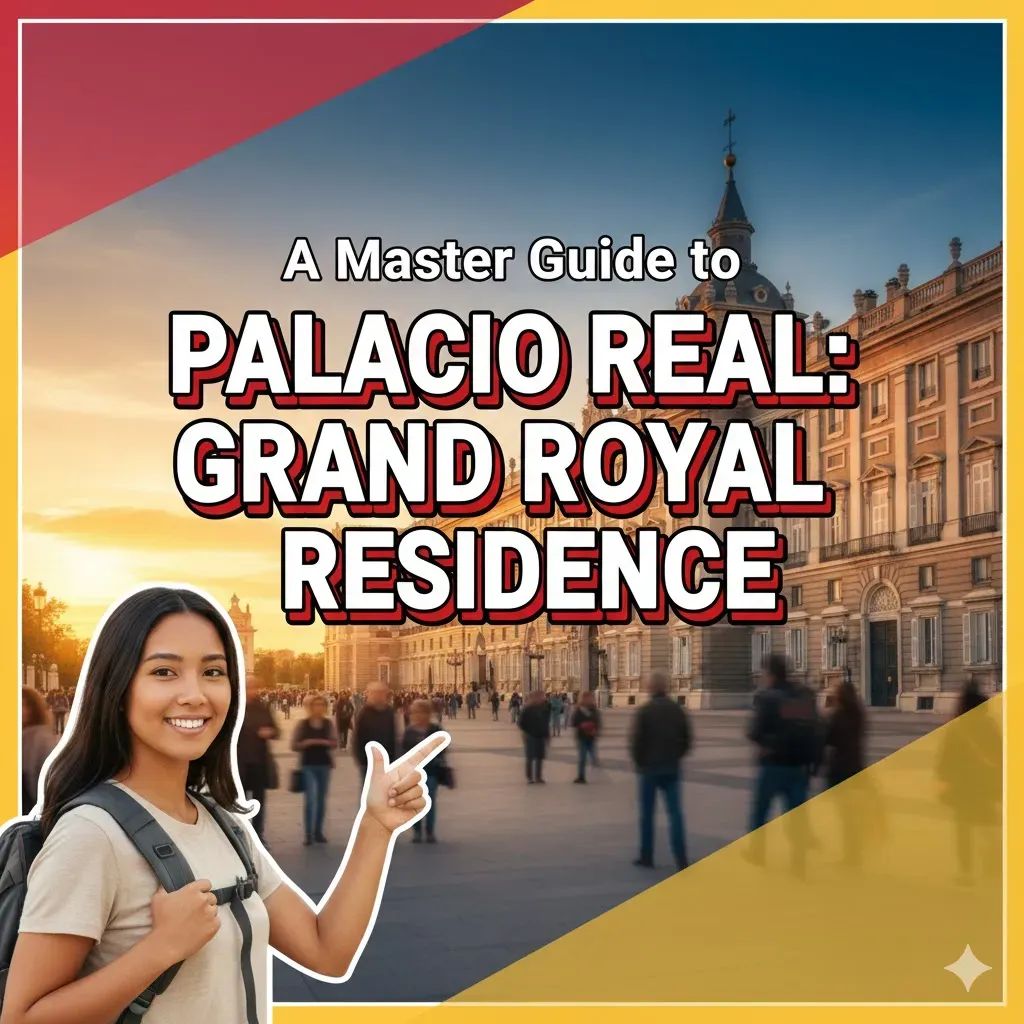
The Palacio Real: Stepping Into the Grandeur of Europe's Largest Royal Residence
Rising majestically above the heart of Madrid, the Palacio Real de Madrid (Royal Palace of Madrid) stands as one of Europe's most magnificent royal residences—a breathtaking testament to baroque grandeur, artistic mastery, and the enduring legacy of the Spanish monarchy. With over 135,000 square meters of floor space and more than 3,418 rooms, it is the largest functioning royal palace in Western Europe by floor area, surpassing even Versailles in sheer scale. As we explore this extraordinary landmark in 2026, the Palacio Real continues to captivate millions of visitors annually with its opulent state rooms, priceless royal collections, architectural splendor, and the living traditions of Spanish royal heritage.
Although the Spanish royal family no longer resides here—preferring the more intimate Palacio de la Zarzuela on Madrid's outskirts—the Palacio Real remains the official residence of the King of Spain and the ceremonial heart of the monarchy. It hosts state banquets, diplomatic receptions, royal investitures, and national ceremonies, while opening its doors to the public for most of the year. This remarkable duality—both a working symbol of constitutional monarchy and a meticulously curated museum of royal history—makes the Palacio Real a uniquely compelling destination for travelers seeking to understand Spain's past and present.
This comprehensive master guide invites you to explore the Palacio Real not merely as a checklist of ornate rooms, but as a portal to understanding Spanish royal heritage, baroque artistry, and the complex interplay of power, faith, and culture that has shaped a nation. We'll delve into the palace's fascinating history, highlight must-see masterpieces across its diverse collections, provide practical insights for navigating this vast institution efficiently, and reveal lesser-known stories that bring this iconic residence to life. Whether you're planning your first visit to Madrid or seeking to deepen your appreciation for European royal heritage, this guide will help you experience the Palacio Real with curiosity, context, and wonder.
A Palace Born from Ashes: History and Architectural Vision
The story of the Palacio Real begins with tragedy and ambition. On Christmas Eve, 1734, a devastating fire consumed the old Alcázar of Madrid, the medieval fortress-palace that had served as the royal residence since the 9th century. The blaze, which raged for four days, destroyed centuries of art, archives, and royal treasures. Yet from these ashes emerged an opportunity: King Philip V, the first Bourbon monarch of Spain, envisioned a palace that would rival the grandeur of Versailles and proclaim the power and sophistication of the new dynasty.
Construction began in 1738 under the direction of Italian architects Filippo Juvarra and Giovanni Battista Sacchetti, who brought continental baroque sensibilities to the Spanish capital. The project employed thousands of workers and consumed vast resources over nearly three decades. The palace was finally completed in 1755 during the reign of Charles III, who became its first royal resident.
Key Architectural Features:
- Exterior Design: The palace's facade combines baroque grandeur with neoclassical restraint. Constructed from granite and Colmenar stone, its symmetrical design features rusticated lower levels, ornate window surrounds, and a central courtyard that creates a sense of monumental scale.
- Layout: The palace is organized around a vast central courtyard (the Patio de Armas), with wings extending to form a near-square plan. This layout facilitates both ceremonial processions and practical royal life.
- Interior Scale: With 3,418 rooms—including state apartments, private chambers, chapels, libraries, and service areas—the palace is a city within a city. Only a fraction is open to the public, yet the accessible rooms represent some of Europe's finest royal interiors.
- Decorative Arts: The palace showcases the finest craftsmanship of 18th-century Europe: frescoed ceilings by Giovanni Battista Tiepolo, gilded stuccowork, marble floors, crystal chandeliers, and furniture by master cabinetmakers.
- 👉 The Golden Circle: Iceland’s Most Popular Sightseeing Route
- 👉 10 Day Italy Itinerary 2026: The Perfect Rome, Florence, Venice Route
- 👉 Slovenia Digital Nomad Visa 2026: €3,200 Income Rule Guide
Understanding this history enriches your visit: every stone, fresco, and furnishing reflects the Bourbon ambition to establish Spain as a cultural and political powerhouse in Enlightenment Europe. The Palacio Real is not merely a building but a statement of royal ideology, artistic patronage, and national identity.
The State Rooms: Opulence and Artistic Mastery
The Palacio Real's State Rooms (Salones de Protocolo) represent the pinnacle of royal ceremonial space, designed to impress dignitaries, host grand events, and display the monarchy's wealth and taste. These opulent chambers are the highlight of any visit.
The Throne Room (Salón del Trono): The palace's most spectacular space, the Throne Room was designed for the most solemn royal ceremonies. Key features include:
- Thrones: The current thrones, commissioned for King Alfonso XII in the 19th century, feature gilded wood, red velvet upholstery, and the royal coat of arms.
- Frescoed Ceiling: Giovanni Battista Tiepolo's masterpiece, The Apotheosis of the Spanish Monarchy, depicts the monarchy's divine right and glory, with allegorical figures representing virtues, continents, and arts.
- Crystal Chandeliers: Massive Venetian glass chandeliers illuminate the room, reflecting light off gilded surfaces and marble floors.
- Wall Decor: Red velvet hangings, gilt-bronze sconces, and portraits of Bourbon monarchs create an atmosphere of regal splendor.
- 👉 The Golden Circle: Iceland’s Most Popular Sightseeing Route
- 👉 10 Day Italy Itinerary 2026: The Perfect Rome, Florence, Venice Route
- 👉 Slovenia Digital Nomad Visa 2026: €3,200 Income Rule Guide
The Hall of Columns (Salón de Columnas): Once the palace's grand ballroom, this vast chamber features:
- Marble Columns: Twenty-four marble columns support a coffered ceiling adorned with frescoes.
- Ceremonial Use: Historically used for banquets, dances, and state receptions; today it hosts official ceremonies and exhibitions.
- Acoustic Design: The room's proportions and materials create exceptional acoustics, making it ideal for musical performances.
- 👉 The Golden Circle: Iceland’s Most Popular Sightseeing Route
- 👉 10 Day Italy Itinerary 2026: The Perfect Rome, Florence, Venice Route
- 👉 Slovenia Digital Nomad Visa 2026: €3,200 Income Rule Guide
The Porcelain Room (Salón de Porcelana): A unique chamber entirely lined with porcelain panels produced by the Royal Factory of Buen Retiro. Key highlights:
- Porcelain Panels: Over 300 panels depicting hunting scenes, pastoral landscapes, and mythological subjects, created between 1760-1765.
- Technical Mastery: The panels were fired in sections and assembled like a puzzle—a remarkable feat of 18th-century ceramic engineering.
- Preservation: The room survived the palace's later history remarkably intact, offering a rare glimpse into royal decorative taste.
- 👉 The Golden Circle: Iceland’s Most Popular Sightseeing Route
- 👉 10 Day Italy Itinerary 2026: The Perfect Rome, Florence, Venice Route
- 👉 Slovenia Digital Nomad Visa 2026: €3,200 Income Rule Guide
The Gasparini Room (Salón de Gasparini): Named after the Italian decorator who designed it, this intimate chamber showcases rococo extravagance:
- Silk Wall Hangings: Embroidered silk panels in gold and crimson create a rich, textured backdrop.
- Ornate Furnishings: Gilded furniture, mirrors, and decorative objects reflect the room's function as a private royal retreat.
- Attention to Detail: Every surface—walls, ceiling, furniture—features intricate decoration, demonstrating the era's commitment to artistic unity.
- 👉 The Golden Circle: Iceland’s Most Popular Sightseeing Route
- 👉 10 Day Italy Itinerary 2026: The Perfect Rome, Florence, Venice Route
- 👉 Slovenia Digital Nomad Visa 2026: €3,200 Income Rule Guide
The Royal Chapel (Capilla Real): The palace's sacred space, designed for royal worship and ceremonies:
- Architecture: A circular design inspired by the Pantheon, with a dome frescoed by Corrado Giaquinto.
- Altar and Organ: A magnificent baroque altar and historic organ remain in use for royal religious services.
- Acoustics: The chapel's design creates exceptional sound quality, making it a venue for sacred concerts.
- 👉 The Golden Circle: Iceland’s Most Popular Sightseeing Route
- 👉 10 Day Italy Itinerary 2026: The Perfect Rome, Florence, Venice Route
- 👉 Slovenia Digital Nomad Visa 2026: €3,200 Income Rule Guide
The Royal Collections: Treasures Beyond the State Rooms
Beyond the ceremonial spaces, the Palacio Real houses extraordinary collections that reflect centuries of royal patronage, collecting, and artistic appreciation.
The Royal Armory (Real Armería): One of the world's finest collections of armor and weapons, the Royal Armory showcases:
- Imperial Armor: Suits of armor belonging to Emperor Charles V and King Philip II, crafted by master armorers in Augsburg and Milan.
- Ceremonial Weapons: Ornate swords, daggers, and firearms used in royal processions and ceremonies.
- Battlefield Relics: Armor and weapons from historic battles, including pieces from the conquest of Granada and campaigns in the Americas.
- Equestrian Equipment: Elaborate saddles, bridles, and trappings that demonstrate the importance of horsemanship in royal life.
- 👉 The Golden Circle: Iceland’s Most Popular Sightseeing Route
- 👉 10 Day Italy Itinerary 2026: The Perfect Rome, Florence, Venice Route
- 👉 Slovenia Digital Nomad Visa 2026: €3,200 Income Rule Guide
Stradivarius Collection: The palace houses one of the world's most important collections of string instruments by Antonio Stradivari, the legendary Cremonese luthier:
- Five String Instruments: Including violins, violas, and a cello, crafted between 1680-1720.
- Royal Patronage: These instruments were acquired by Spanish monarchs for the royal chapel and private musical enjoyment.
- Preservation and Use: While rarely played publicly to preserve their condition, these instruments represent the pinnacle of violin-making artistry.
- 👉 The Golden Circle: Iceland’s Most Popular Sightseeing Route
- 👉 10 Day Italy Itinerary 2026: The Perfect Rome, Florence, Venice Route
- 👉 Slovenia Digital Nomad Visa 2026: €3,200 Income Rule Guide
Royal Library and Archives: Though not fully open to the public, the palace's library contains:
- Historic Manuscripts: Illuminated codices, royal correspondence, and historical documents spanning centuries.
- Printed Books: Early editions of literary, scientific, and religious works collected by Spanish monarchs.
- Research Access: Scholars may request access to specific materials through formal application, supporting ongoing historical research.
- 👉 The Golden Circle: Iceland’s Most Popular Sightseeing Route
- 👉 10 Day Italy Itinerary 2026: The Perfect Rome, Florence, Venice Route
- 👉 Slovenia Digital Nomad Visa 2026: €3,200 Income Rule Guide
Decorative Arts: Throughout the palace, visitors encounter exceptional examples of royal decorative arts:
- Tapestries: Woven scenes from mythology, history, and daily life, produced in royal workshops.
- Furniture: Masterpieces by cabinetmakers like André-Charles Boulle, featuring intricate marquetry and gilded bronze mounts.
- Clock Collection: Ornate timepieces that served both practical and decorative functions in royal life.
- Porcelain and Silver: Tableware and decorative objects from European manufactories, reflecting royal taste and international connections.
- 👉 The Golden Circle: Iceland’s Most Popular Sightseeing Route
- 👉 10 Day Italy Itinerary 2026: The Perfect Rome, Florence, Venice Route
- 👉 Slovenia Digital Nomad Visa 2026: €3,200 Income Rule Guide
Gardens and Exterior Spaces: Nature and Architecture in Harmony
The Palacio Real's exterior spaces offer peaceful respite from the opulent interiors while showcasing the integration of architecture and landscape design.
Sabatini Gardens: Located on the palace's north side, these neoclassical gardens were designed in the 1930s by architect Fernando García Mercadal, inspired by 18th-century plans by Francesco Sabatini. Features include:
- Geometric Design: Symmetrical parterres, fountains, and statues create a formal, elegant atmosphere.
- Palace Views: The gardens offer some of the best photographic perspectives of the palace's north facade.
- Public Access: Free entry makes this a popular spot for locals and visitors alike, especially at sunset.
- 👉 The Golden Circle: Iceland’s Most Popular Sightseeing Route
- 👉 10 Day Italy Itinerary 2026: The Perfect Rome, Florence, Venice Route
- 👉 Slovenia Digital Nomad Visa 2026: €3,200 Income Rule Guide
Campo del Moro: The palace's larger, more romantic gardens to the west, named for a legendary Moorish encampment:
- Landscape Style: English-style romantic landscaping with winding paths, ponds, and mature trees.
- Historical Layers: The gardens incorporate elements from different periods, reflecting changing tastes in landscape design.
- Limited Access: Open to the public only on select days; check the official schedule for visiting opportunities.
- 👉 The Golden Circle: Iceland’s Most Popular Sightseeing Route
- 👉 10 Day Italy Itinerary 2026: The Perfect Rome, Florence, Venice Route
- 👉 Slovenia Digital Nomad Visa 2026: €3,200 Income Rule Guide
Plaza de la Armería: The grand square facing the palace's main entrance:
- Ceremonial Space: Used for royal arrivals, military parades, and public gatherings.
- Architectural Context: The plaza frames the palace facade and provides space for appreciating the building's monumental scale.
- Changing of the Guard: While less elaborate than Buckingham Palace's ceremony, the Palacio Real hosts a weekly changing of the guard (Wednesdays and Saturdays, 11 AM-12 PM, October-July) that offers a glimpse of royal tradition.
- 👉 The Golden Circle: Iceland’s Most Popular Sightseeing Route
- 👉 10 Day Italy Itinerary 2026: The Perfect Rome, Florence, Venice Route
- 👉 Slovenia Digital Nomad Visa 2026: €3,200 Income Rule Guide
Practical Guide: Visiting the Palacio Real in 2026
Thoughtful planning ensures you make the most of this extraordinary royal experience.
Opening Hours:
- October-March: Monday-Saturday 10:00 AM to 6:00 PM; Sunday 10:00 AM to 4:00 PM
- April-September: Monday-Saturday 10:00 AM to 8:00 PM; Sunday 10:00 AM to 4:00 PM
- Closed: During official royal ceremonies; check the official website for closure dates
- Last Admission: One hour before closing time
- 👉 The Golden Circle: Iceland’s Most Popular Sightseeing Route
- 👉 10 Day Italy Itinerary 2026: The Perfect Rome, Florence, Venice Route
- 👉 Slovenia Digital Nomad Visa 2026: €3,200 Income Rule Guide
Ticket Prices (2026):
- General Admission: €14
- Reduced Admission: €7 (students, seniors 65+, large families)
- Free Admission: EU citizens with proof of residency; children under 5; visitors with disabilities and one companion
- Combined Tickets: Palacio Real + Almudena Cathedral €18; Palacio Real + Royal Monastery of La Encarnación €20
- Audio Guide: €4 (available in multiple languages)
- 👉 The Golden Circle: Iceland’s Most Popular Sightseeing Route
- 👉 10 Day Italy Itinerary 2026: The Perfect Rome, Florence, Venice Route
- 👉 Slovenia Digital Nomad Visa 2026: €3,200 Income Rule Guide
Booking Tips:
- Book Online: Advance booking through the official Patrimonio Nacional website guarantees entry and allows timed slots to manage crowds.
- Free Entry Times: EU residents can access free entry during the last two hours of opening; arrive early to secure a spot.
- Guided Tours: Consider official guided tours for deeper historical context and access to areas not included in standard admission.
- 👉 The Golden Circle: Iceland’s Most Popular Sightseeing Route
- 👉 10 Day Italy Itinerary 2026: The Perfect Rome, Florence, Venice Route
- 👉 Slovenia Digital Nomad Visa 2026: €3,200 Income Rule Guide
Getting There:
- Metro: Ópera station (Lines 2, 5, Ramal) is a 3-minute walk; Plaza de España (Lines 3, 10) is 5 minutes
- Bus: Routes 3, 25, 39, 46, 75, 138, 148 serve the palace area
- Walking: Easily reached on foot from Plaza Mayor, Puerta del Sol, or the Royal Theater
- 👉 The Golden Circle: Iceland’s Most Popular Sightseeing Route
- 👉 10 Day Italy Itinerary 2026: The Perfect Rome, Florence, Venice Route
- 👉 Slovenia Digital Nomad Visa 2026: €3,200 Income Rule Guide
Best Time to Visit:
- Early Morning: Arrive at opening (10:00 AM) to experience the State Rooms with minimal crowds.
- Weekdays: Tuesday-Thursday typically see fewer visitors than weekends.
- Off-Peak Seasons: November-February (excluding holidays) offer shorter queues and atmospheric winter light.
- Avoid: Royal ceremony days, school holidays, and summer peak (July-August) when crowds are heaviest.
- 👉 The Golden Circle: Iceland’s Most Popular Sightseeing Route
- 👉 10 Day Italy Itinerary 2026: The Perfect Rome, Florence, Venice Route
- 👉 Slovenia Digital Nomad Visa 2026: €3,200 Income Rule Guide
Accessibility: The Palacio Real is committed to accessibility for all visitors:
- Wheelchair Access: Lifts provide access to most public floors; wheelchairs available to borrow free of charge.
- Visual and Hearing Support: Large-print guides, hearing loops, and sign-language interpreted tours available by advance request.
- Service Animals: Welcome throughout the palace.
- 👉 The Golden Circle: Iceland’s Most Popular Sightseeing Route
- 👉 10 Day Italy Itinerary 2026: The Perfect Rome, Florence, Venice Route
- 👉 Slovenia Digital Nomad Visa 2026: €3,200 Income Rule Guide
Check the official website for detailed accessibility information and to arrange specific support before your visit.
Photography and Viewing Etiquette
The Palacio Real welcomes photography for personal, non-commercial use in most areas, with important exceptions.
Photography Policy:
- Allowed: Photography without flash or tripods is permitted in most State Rooms and public areas.
- Prohibited: Flash photography, video recording, and tripods are not allowed to protect light-sensitive artworks and ensure visitor safety. Some temporary exhibitions and specific objects may have additional restrictions—always check signage.
- Throne Room and Sensitive Areas: Due to high visitor density and the fragility of historic furnishings, photography may be managed to ensure everyone can view respectfully.
- 👉 The Golden Circle: Iceland’s Most Popular Sightseeing Route
- 👉 10 Day Italy Itinerary 2026: The Perfect Rome, Florence, Venice Route
- 👉 Slovenia Digital Nomad Visa 2026: €3,200 Income Rule Guide
Best Photography Spots:
- Patio de Armas: The central courtyard offers dramatic perspectives of the palace's architecture and sky.
- Sabatini Gardens: Frame the palace facade with formal gardens and fountains for classic postcard shots.
- Plaza de la Armería: Capture the grand entrance facade with the cathedral in the background.
- Interior Details: Focus on ornate ceilings, gilded frames, and decorative objects for compelling close-ups.
- 👉 The Golden Circle: Iceland’s Most Popular Sightseeing Route
- 👉 10 Day Italy Itinerary 2026: The Perfect Rome, Florence, Venice Route
- 👉 Slovenia Digital Nomad Visa 2026: €3,200 Income Rule Guide
Etiquette: Be mindful of other visitors when taking photos. Avoid blocking pathways or exhibits. Respect the contemplative atmosphere of the palace—speak quietly and move thoughtfully through rooms.
Family-Friendly Experiences and Educational Resources
The Palacio Real offers engaging activities for visitors of all ages, making it an ideal destination for families and school groups.
Family Activities:
- Interactive Guides: Family-friendly audio guide content and activity sheets make royal history accessible to children.
- Scavenger Hunts: Themed trails encourage children to spot details like royal monograms, heraldic symbols, and historical artifacts.
- Hands-On Learning: Educational stations in select rooms allow children to explore replica artifacts or try period crafts.
- 👉 The Golden Circle: Iceland’s Most Popular Sightseeing Route
- 👉 10 Day Italy Itinerary 2026: The Perfect Rome, Florence, Venice Route
- 👉 Slovenia Digital Nomad Visa 2026: €3,200 Income Rule Guide
Educational Resources:
- Online Collections: Patrimonio Nacional's database provides high-resolution images and detailed information on palace objects, freely accessible for research and learning.
- Curriculum Resources: Teachers can access lesson plans and object-based activities aligned with educational standards.
- Virtual Tours: Explore select rooms remotely via the official website, ideal for pre-visit preparation or remote learning.
- 👉 The Golden Circle: Iceland’s Most Popular Sightseeing Route
- 👉 10 Day Italy Itinerary 2026: The Perfect Rome, Florence, Venice Route
- 👉 Slovenia Digital Nomad Visa 2026: €3,200 Income Rule Guide
Facilities for Families: Baby changing facilities, family-friendly dining options nearby, and stroller-accessible routes make visiting with young children manageable. The palace's self-guided format allows families to proceed at their own pace.
Cultural Significance and Modern Royal Life
The Palacio Real exists within important contemporary conversations about monarchy, heritage, and national identity in modern Spain.
Constitutional Monarchy: Since Spain's transition to democracy in 1978, the monarchy has served as a symbolic, unifying institution within a parliamentary system. The Palacio Real embodies this role: a working palace for state ceremonies while remaining accessible to the public as a cultural institution.
Heritage Preservation: Managed by Patrimonio Nacional, a public agency dedicated to preserving Spain's royal heritage, the palace undergoes continuous conservation. Skilled artisans maintain historic furnishings, restore frescoes, and care for collections using traditional techniques alongside modern science.
Public Access and Education: By opening the palace to visitors, Patrimonio Nacional fulfills a democratic mission: making royal heritage accessible to all citizens. Educational programs, exhibitions, and digital initiatives extend this mission beyond physical visits.
Visitor Reflection: As you explore the collections, consider: How has the role of monarchy evolved in Spain? What does royal heritage mean in a modern democracy? How can historic institutions remain relevant while honoring the past? These questions don't have simple answers, but engaging with them deepens your appreciation for the palace's role as a site of ongoing conversation about history, culture, and identity.
Sustainable and Responsible Tourism
Visiting the Palacio Real responsibly helps preserve this irreplaceable heritage for future generations.
Protecting the Collection: Follow posted guidelines: don't touch furnishings or artifacts (oils from skin can damage surfaces), stay on designated paths, and respect barriers protecting sensitive objects. The palace's climate control systems maintain precise conditions to preserve fragile materials—doors and cases are sealed for a reason.
Environmental Considerations: Use public transportation to reach the palace. Dispose of waste properly and recycle where facilities exist. Patrimonio Nacional is working to reduce its environmental impact through energy-efficient lighting, sustainable sourcing, and waste reduction initiatives.
Supporting Preservation: Consider purchasing official guidebooks or merchandise, with proceeds supporting conservation and education. Membership programs and donations to Patrimonio Nacional directly fund preservation work and public engagement.
Cultural Respect: Approach the palace's history with curiosity and empathy. Recognize that royal heritage carries complex meanings for different communities. Listen to multiple perspectives as you engage with Spanish history and identity.
Conclusion: A Living Monument to Royal Grandeur
The Palacio Real de Madrid is far more than a building filled with ornate rooms—it is a profound testament to artistic achievement, royal ambition, and the enduring power of cultural heritage. From its baroque facades to its frescoed ceilings, from the gleaming armor of emperors to the delicate strings of Stradivarius instruments, the palace invites visitors to engage with centuries of history, art, and tradition that continue to shape Spanish identity.
As you walk through the Throne Room, stand beneath Tiepolo's celestial frescoes, or marvel at the porcelain panels of the Gasparini Room, you're not merely observing history—you're connecting with the rituals, values, and artistic achievements that have defined a nation. The Palacio Real reminds us that tradition and modernity can coexist, that beauty crafted with care can endure as a source of inspiration, and that heritage institutions can serve both preservation and public education.
Whether you're fascinated by the choreography of royal ceremony, moved by the masterpieces of the Royal Collection, or simply awed by the grandeur of a working palace, the Palacio Real offers experiences that enrich the mind and touch the soul. It invites us to reflect on the role of monarchy in contemporary society, the power of art to transcend time, and the human stories behind the symbols we admire.
As you plan your visit to Madrid in 2026, make time to experience the Palacio Real not as a checklist item, but as a journey through royal heritage and living history. Allow its stories to unfold at their own pace. Marvel at the craftsmanship. Stand where kings and queens have welcomed the world. These moments of connection transform a visit into a memory, and a memory into a deeper appreciation for the traditions that bind past and present.
The Palacio Real awaits. Step into European grandeur. Discover the treasures. Uncover the stories. Your journey through Spanish royal heritage begins now.
0 Comments