.webp)
.webp)
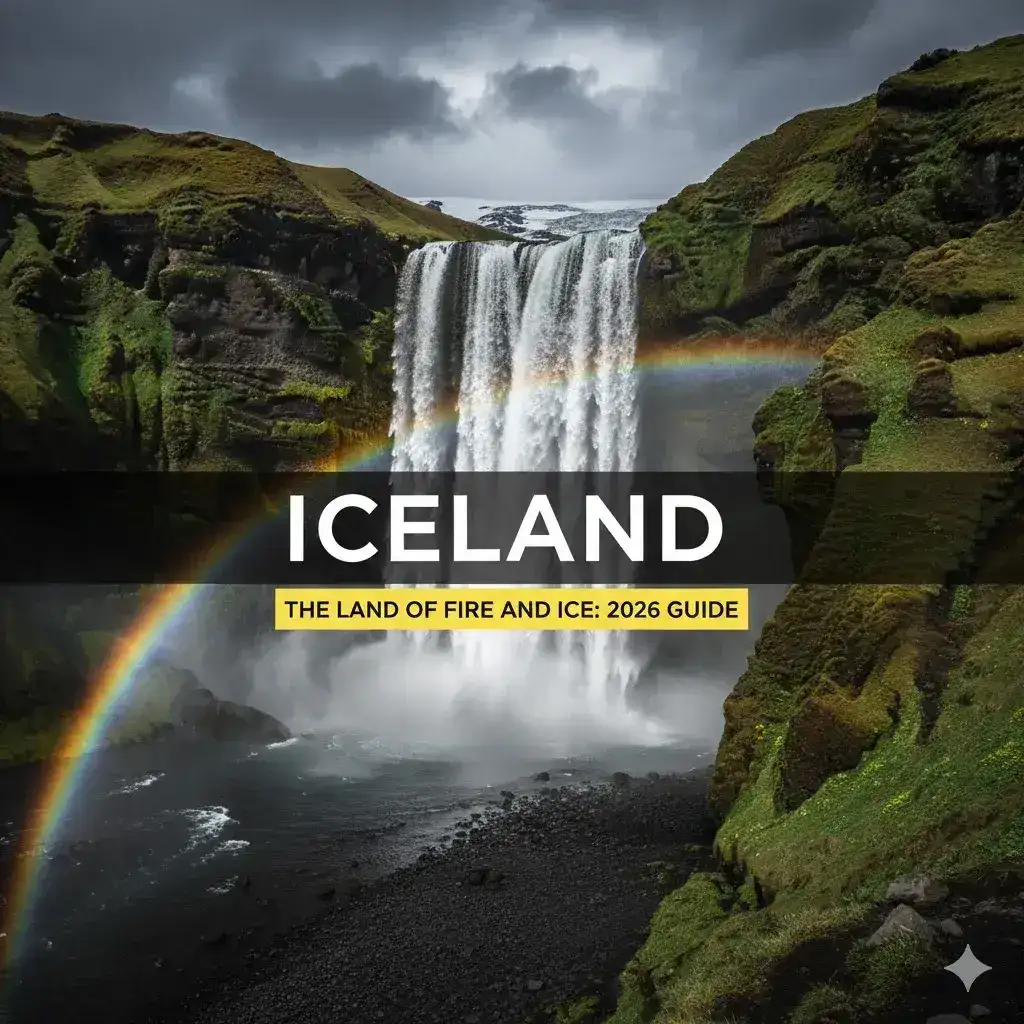
ICELAND: THE LAND OF FIRE AND ICE AND NATURAL WONDERS
Iceland stands as one of Earth's most extraordinary destinations, a land where elemental forces collide in spectacular display—where active volcanoes spew molten lava alongside ancient glaciers that have sculpted the landscape for millennia, where geysers erupt in steaming columns and waterfalls cascade with thunderous power, where the Aurora Borealis dances across Arctic skies and geothermal hot springs offer natural warmth in the sub-Arctic climate. This island nation of dramatic contrasts, positioned on the Mid-Atlantic Ridge between Europe and North America, offers travelers an unparalleled opportunity to witness the raw power of geological forces while experiencing a culture deeply connected to nature, Norse heritage, and modern sustainability.
In 2026, as travelers seek destinations that combine otherworldly landscapes, adventure opportunities, and authentic cultural experiences, Iceland continues to captivate with its unique position as a living laboratory of geological activity, a photographer's paradise of dramatic light and landscape, and a society that balances ancient traditions with progressive values. Whether you are a nature enthusiast drawn by volcanic eruptions and glacier hikes, a photography lover chasing the Northern Lights and midnight sun, an adventure seeker eager for ice climbing and hot spring soaking, a culture enthusiast inspired by Viking sagas and modern Icelandic creativity, or simply a curious traveler awed by landscapes that seem almost alien in their beauty, this comprehensive guide will help you prepare for an unforgettable encounter with this remarkable island nation.
Understanding Iceland requires more than visiting famous waterfalls and hot springs; it demands engaging with the geological forces that continue to shape this dynamic landscape, respecting the fragile Arctic environment, and appreciating a culture that has thrived for over a millennium in one of Earth's most challenging environments. By approaching Iceland with curiosity and respect, you will discover not just spectacular sights but a living dialogue between fire and ice, between ancient sagas and modern innovation, between isolation and global connection.
GEOLOGICAL WONDERS: WHERE FIRE MEETS ICE
Iceland's dramatic landscape is the result of its unique geological position on the Mid-Atlantic Ridge, where the North American and Eurasian tectonic plates diverge, combined with a mantle hotspot that creates intense volcanic activity beneath the island.
Volcanic Activity:
Iceland is one of the most volcanically active regions on Earth:
Active Volcanic Systems:
- Fagradalsfjall: Recent eruptions (2021-2023) on Reykjanes Peninsula created spectacular lava flows accessible to visitors; ongoing volcanic activity makes this a dynamic destination
- Eyjafjallajökull: Famous 2010 eruption that disrupted global air travel; glacier-covered volcano demonstrating the fire-and-ice dynamic
- Katla: Powerful subglacial volcano beneath Mýrdalsjökull glacier; monitored closely for activity
- Hekla: One of Iceland's most active volcanoes, known as "Gateway to Hell" in medieval times
- Askja: Remote highland volcano with dramatic caldera and geothermal areas
Volcanic Landscapes to Explore:
- Reykjanes Peninsula: Geothermal areas, lava fields, and recent eruption sites near Keflavík Airport
- Landmannalaugar: Colorful rhyolite mountains, hot springs, and hiking trails in the highlands
- Krafla and Mývatn: Geothermal area in North Iceland with lava fields, craters, and volcanic formations
- Vestmannaeyjar (Westman Islands): Volcanic archipelago with Eldfell volcano and recent eruption history
Glacial Wonders:
Iceland contains Europe's largest glaciers by volume, covering approximately 11% of the island:
Major Glaciers:
- Vatnajökull: Europe's largest glacier by volume, covering 8% of Iceland; contains numerous outlet glaciers and subglacial volcanoes
- Langjökull: Second-largest glacier, accessible for ice cave tours and snowmobiling
- Mýrdalsjökull: Glacier covering Katla volcano; accessible for ice cave exploration
- Snæfellsjökull: Glacier-capped volcano on Snæfellsnes Peninsula, featured in Jules Verne's "Journey to the Center of the Earth"
- Hofsjökull and Tungnafellsjökull: Remote highland glaciers
Glacier Experiences:
- Ice Cave Tours: Natural ice caves form annually within glaciers; guided tours available November-March
- Glacier Hiking: Guided hikes on outlet glaciers like Svínafellsjökull and Sólheimajökull
- Ice Climbing: Technical climbing experiences on glacier ice formations
- Snowmobiling: Motorized tours across glacier surfaces (primarily Langjökull)
- Glacier Lagoons: Jökulsárlón and Fjallsárlón glacial lagoons with floating icebergs
Geothermal Activity:
Iceland's volcanic activity creates extensive geothermal features:
Geysers and Hot Springs:
- Geysir Geothermal Area: Home to Strokkur geyser, which erupts every 5-10 minutes to heights of 15-40 meters; original Geysir (now mostly dormant) gave its name to all geysers worldwide
- Hverir/Námafjall: High-temperature geothermal area near Mývatn with boiling mud pools, fumaroles, and sulfur deposits
- Reykjanes Peninsula: Geothermal fields with hot springs, mud pots, and volcanic features
- Landmannalaugar: Natural hot springs in colorful highland mountains
Geothermal Pools and Spas:
- Blue Lagoon: World-famous geothermal spa with mineral-rich milky-blue waters; advanced booking essential
- Mývatn Nature Baths: "Blue Lagoon of the North" with geothermal waters in volcanic landscape
- Secret Lagoon (Gamla Laugin): Iceland's oldest natural swimming pool in Flúðir
- Local Pools: Community geothermal pools in towns throughout Iceland; authentic local experience
SEASONAL PHENOMENA: NORTHERN LIGHTS AND MIDNIGHT SUN
Iceland's high latitude creates extraordinary seasonal light phenomena that define the visitor experience.
Northern Lights (Aurora Borealis):
Winter's most spectacular natural display:
Aurora Season:
- Timing: Late August through mid-April, when nights are sufficiently dark
- Peak Season: September-October and February-March offer best combination of darkness and weather
- Solar Activity: Aurora intensity depends on solar wind activity; check aurora forecasts (KP index)
Best Viewing Locations:
- Away from Light Pollution: Rural areas away from Reykjavík and other towns
- Popular Spots: Þingvellir National Park, Jökulsárlón glacier lagoon, Mývatn region, Westfjords
- Guided Tours: Aurora hunting tours with experienced guides who track weather and aurora forecasts
- Photography: Long exposure photography captures aurora; bring tripod and wide-angle lens
Viewing Tips:
- Darkness Required: Best viewing between 10 PM and 2 AM on clear, dark nights
- Weather Dependent: Clear skies essential; Iceland's weather is unpredictable
- Patience Required: Aurora viewing may require multiple nights of waiting
- Warm Clothing: Dress in layers for extended outdoor waiting in cold conditions
Midnight Sun:
Summer's continuous daylight phenomenon:
Timing and Experience:
- Season: Mid-May through late July, with peak around summer solstice (June 21)
- 24-Hour Daylight: Sun remains visible throughout the night in northern regions
- Golden Hour: Extended periods of soft, golden light ideal for photography
- Activities: Hiking, sightseeing, and outdoor activities possible at any hour
Experiencing Midnight Sun:
- North Iceland: Akureyri and surrounding areas experience most dramatic midnight sun
- Westfjords: Remote peninsula with spectacular midnight sun views over fjords
- Photography: Unique lighting conditions create surreal landscapes
- Sleep Adjustment: Bring eye masks and blackout curtains for sleeping during continuous daylight
MAJOR ATTRACTIONS: ICONIC LANDSCAPES AND EXPERIENCES
Iceland offers numerous world-class attractions that showcase the island's geological and natural diversity.
The Golden Circle:
Iceland's most popular tourist route, easily accessible from Reykjavík:
Þingvellir National Park:
- Historical Significance: Site of Iceland's parliament (Alþingi) established in 930 CE; UNESCO World Heritage Site
- Geological Features: Visible rift valley where North American and Eurasian tectonic plates diverge
- Activities: Walking trails between continental plates, Öxarárfoss waterfall, Silfra fissure diving/snorkeling
- Cultural Importance: Birthplace of Icelandic democracy and national identity
Geysir Geothermal Area:
- Strokkur Geyser: Erupts every 5-10 minutes to heights of 15-40 meters
- Geysir: Original geyser (now mostly dormant) that gave its name to all geysers worldwide
- Hot Springs: Numerous colorful hot springs and geothermal features
- Visitor Center: Facilities and educational displays about geothermal activity
Gullfoss Waterfall:
- "Golden Falls": Powerful two-tiered waterfall where Hvítá River plunges 32 meters into a canyon
- Viewing Platforms: Multiple vantage points for different perspectives
- Power and Beauty: One of Iceland's most iconic waterfalls with tremendous water volume
- Winter Ice: Frozen formations create spectacular ice sculptures in winter
South Coast Wonders:
Iceland's dramatic southern coastline features numerous natural attractions:
Seljalandsfoss Waterfall:
- Unique Feature: Waterfall you can walk behind; path leads behind the 60-meter cascade
- Photography: Unique perspective from behind the water curtain
- Access: Easy walk from parking area; waterproof clothing recommended
- Nearby: Gljúfrabúi waterfall hidden in canyon
Skógafoss Waterfall:
- Power and Scale: 60-meter waterfall with tremendous water volume
- Staircase: 527 steps to top for panoramic coastal views
- Rainbow Formation: Frequent rainbows in mist on sunny days
- Camping: Campground at base popular with visitors
Reynisfjara Black Sand Beach:
- Dramatic Landscape: Black volcanic sand beach with basalt column cliffs
- Reynisdrangar: Iconic sea stacks rising from the ocean
- Basalt Columns: Hexagonal basalt formations in cliff face
- Safety Warning: Dangerous sneaker waves; never turn your back on the ocean
Jökulsárlón Glacier Lagoon:
- Glacial Beauty: Lagoon filled with icebergs calving from Breiðamerkurjökull glacier
- Boat Tours: Amphibian and Zodiac boat tours among icebergs (summer season)
- Photography: Stunning ice formations and reflections
- Diamond Beach: Nearby beach where icebergs wash ashore on black sand
Vatnajökull National Park:
Europe's largest national park encompasses vast glacial and volcanic landscapes:
Skaftafell Area:
- Glacier Hiking: Guided hikes on Svínafellsjökull outlet glacier
- Waterfalls: Svartifoss waterfall surrounded by basalt columns
- Hiking Trails: Extensive trail network through diverse landscapes
- Visitor Center: Information and guided tour bookings
Askja Caldera:
- Remote Highland: Remote volcanic caldera in central highlands
- Víti Crater: Geothermal crater lake with warm blue water for bathing
- Access: Requires 4WD vehicle and highland driving experience
- Season: Accessible only in summer (July-September)
Dettifoss Waterfall:
- Europe's Most Powerful: Most powerful waterfall in Europe by water volume
- Raw Power: 44-meter waterfall with tremendous force and mist
- Access: Two viewing sides (east and west); both offer dramatic perspectives
- Sound and Sensation: Feel the power through ground vibrations
North Iceland Highlights:
Mývatn Region:
- Geothermal Diversity: Diverse geothermal features including Hverir mud pools and Námafjall geothermal area
- Mývatn Nature Baths: Geothermal spa with mineral-rich waters
- Dimmuborgir: Dramatic lava formations and rock pillars
- Bird Watching: Mývatn lake area is premier bird watching location
Akureyri:
- Capital of the North: Iceland's second-largest urban area
- Whale Watching: Premier whale watching destination (humpback whales, dolphins)
- Botanical Garden: Arctic botanical garden with diverse plant collections
- Cultural Hub: Museums, galleries, and restaurants
Westfjords:
Dynjandi Waterfall:
- Cascading Beauty: Series of waterfalls totaling 200 meters in height
- Remote Location: Spectacular waterfall in remote Westfjords peninsula
- Photography: Tiered cascade creates stunning photographic subject
- Journey: Requires dedicated travel to remote region
Látrabjarg Cliffs:
- Bird Cliffs: Europe's largest bird cliff with millions of seabirds
- Puffin Watching: Best location for puffin viewing (May-August)
- Dramatic Landscape: 440-meter vertical cliffs dropping to the ocean
- Remote Beauty: Westernmost point of Europe
CULTURAL HERITAGE: VIKING LEGACY AND MODERN ICELAND
Iceland's culture reflects its Viking heritage, literary traditions, and modern progressive values.
Viking Heritage and Sagas:
Medieval Literature:
- Icelandic Sagas: Medieval prose narratives recounting Viking Age history and legends
- Njáls Saga, Egil's Saga, Laxdæla Saga: Famous sagas available in translation
- Manuscript Preservation: Arni Magnússon Institute preserves medieval manuscripts
- Saga Sites: Historical locations throughout Iceland connected to saga events
Viking Age Sites:
- Settlement Exhibition (Reykjavík): Archaeological remains of Viking Age longhouse
- Þingvellir: Site of Viking Age parliament and national assembly
- Stöng: Reconstructed Viking Age farm in Þjórsárdalur valley
- Eiríksstaðir: Reconstruction of Erik the Red's birthplace
Modern Icelandic Culture:
Contemporary Arts:
- Music Scene: Björk, Sigur Rós, Of Monsters and Men, and vibrant contemporary music scene
- Reykjavík Arts Festival: Annual celebration of music, visual arts, and performance
- Harpa Concert Hall: Stunning modern concert hall and conference center in Reykjavík
- Literary Culture: Strong tradition of writing and reading; highest per-capita book publication rate
Icelandic Language:
- Old Norse Roots: Icelandic has changed little since Viking Age; modern Icelanders can read medieval sagas
- Language Preservation: Active efforts to preserve pure Icelandic and resist foreign loanwords
- Learning Icelandic: Language classes available for visitors interested in deeper cultural connection
Contemporary Society:
- Progressive Values: Gender equality, LGBTQ+ rights, and environmental consciousness
- Renewable Energy: Nearly 100% renewable electricity from geothermal and hydroelectric sources
- Work-Life Balance: Strong emphasis on quality of life and work-life balance
- Community: Small population (approximately 370,000) creates close-knit communities
PRACTICAL TRAVEL INFORMATION FOR ICELAND IN 2026
Planning a trip to Iceland requires consideration of logistics, timing, and the unique challenges of Arctic travel.
Best Times to Visit:
Iceland's seasons offer dramatically different experiences:
Summer (June-August):
- Weather: Mildest temperatures (10-15°C / 50-59°F average); long daylight hours
- Midnight Sun: Continuous daylight from mid-May to late July
- Accessibility: All roads open, including highland F-roads; full access to remote areas
- Activities: Hiking, camping, glacier tours, whale watching, and outdoor activities in full swing
- Crowds: Peak tourist season; book accommodations and tours well in advance
- Prices: Highest prices for accommodations, car rentals, and tours
Shoulder Seasons (May and September-October):
- Weather: Variable conditions; temperatures 5-10°C (41-50°F)
- Northern Lights: Possible from late August; increasing chances through autumn
- Crowds: Fewer tourists than summer; better availability and prices
- Accessibility: Most roads open; some highland roads may close in late autumn
- Balance: Good compromise between weather, daylight, and crowds
Winter (November-April):
- Weather: Cold temperatures (-5 to 5°C / 23-41°F); limited daylight (4-7 hours in December-January)
- Northern Lights: Best aurora viewing conditions with long, dark nights
- Ice Caves: Natural ice caves accessible only in winter months
- Winter Activities: Ice caving, glacier hiking, snowmobiling, and winter photography
- Road Conditions: Challenging driving conditions; 4WD essential; some roads closed
- Crowds: Fewest tourists; lowest prices (except holiday periods)
Getting Around Iceland:
Transportation options for exploring the island:
Ring Road (Route 1):
- Description: 1,332-kilometer (828-mile) circular route around Iceland
- Conditions: Paved road; generally well-maintained but can be challenging in winter
- Time Needed: Minimum 7-10 days to complete comfortably; 2 weeks ideal for thorough exploration
- Stops: Major attractions along or near the route; plan daily driving distances carefully
Car Rental:
- Requirements: Valid driver's license; credit card; minimum age typically 20-23 (varies by vehicle type)
- Vehicle Type: 2WD sufficient for Ring Road in summer; 4WD essential for highland F-roads and winter travel
- Insurance: Comprehensive insurance strongly recommended; gravel protection essential
- Booking: Book well in advance, especially for summer travel and 4WD vehicles
- Cost: Varies significantly by season; summer 4WD can cost €100-200+ per day
Domestic Flights:
- Airlines: Icelandair and other carriers connect Reykjavík to Akureyri, Egilsstaðir, and other towns
- Usefulness: Saves time for reaching distant regions; useful for multi-destination itineraries
- Cost: More expensive than driving but saves time
Buses and Tours:
- Public Buses: Limited public bus network; not practical for comprehensive touring
- Tour Buses: Organized tours available for major attractions; good option for those not driving
- Hop-On Hop-Off: Bus pass systems available for Ring Road travel
Accommodation:
Iceland offers diverse lodging options:
Hotels and Guesthouses:
- Reykjavík: Full range from budget to luxury hotels
- Rural Areas: Guesthouses, farm stays, and small hotels in towns and rural areas
- Booking: Book well in advance for summer; last-minute bookings difficult in peak season
- Cost: Generally expensive; budget €100-300+ per night for double room
Hostels:
- Availability: Hostels in Reykjavík and major towns along Ring Road
- Cost: Budget option at €30-60 per night for dorm bed
- Atmosphere: Social atmosphere; good for meeting other travelers
Camping:
- Campgrounds: Numerous campgrounds throughout Iceland; facilities vary from basic to full-service
- Season: Most campgrounds open May-September; limited winter camping
- Equipment: Bring quality camping gear; weather can be harsh even in summer
- Cost: €10-25 per person per night
Unique Stays:
- Glacier Hotels: Hotels near glaciers for ice cave and glacier tour access
- Geothermal Hotels: Hotels with geothermal pools or hot tubs
- Farm Stays: Authentic Icelandic farm experiences
- Cabins and Cottages: Self-catering cabins throughout the country
Budgeting:
Iceland is one of Europe's more expensive destinations:
Daily Budget Estimates:
- Budget Travelers: €80-150 per day for hostels, self-catering, public transport or budget car rental
- Mid-Range Travelers: €150-300 per day for guesthouses/hotels, restaurant meals, car rental, and activities
- Luxury Travelers: €300+ per day for upscale hotels, fine dining, private tours, and premium experiences
Money-Saving Tips:
- Self-Catering: Buy groceries at Bonus or Krónan supermarkets; prepare your own meals
- Free Attractions: Many natural attractions (waterfalls, hot springs, hiking) are free
- Off-Peak Travel: Visit shoulder seasons for lower prices and fewer crowds
- Group Tours: Join group tours rather than private tours for better value
- Camping: Camping significantly reduces accommodation costs
Currency and Payments:
Icelandic Króna (ISK):
- Currency Code: ISK; symbol: kr
- Exchange: Exchange currency at banks or ATMs; avoid airport exchange for better rates
- ATMs: Widely available in towns; notify your bank of travel plans
- Credit Cards: Widely accepted everywhere; PIN-and-chip cards preferred
- Cash: Not essential but useful for small purchases; most places accept cards
Tipping Customs:
- Not Expected: Tipping is not customary in Iceland
- Service Included: Service charges included in prices
- Rounding Up: Rounding up or small tip appreciated for exceptional service but not expected
Health and Safety:
Health Considerations:
- Healthcare: High-quality medical facilities in Reykjavík and larger towns; travel insurance essential
- Tap Water: Safe to drink everywhere; some areas have sulfur smell but water is safe
- Food Safety: High standards; no special precautions needed
- Travel Insurance: Essential; ensure coverage for adventure activities and medical evacuation
Safety Tips:
- Weather: Iceland's weather is unpredictable and can change rapidly; check forecasts frequently
- Road Conditions: Winter driving requires experience and 4WD; check road.is for conditions
- Natural Hazards: Respect warning signs at waterfalls, glaciers, and geothermal areas
- Ocean Safety: Never turn your back on the ocean; dangerous sneaker waves at black sand beaches
- Emergency Number: 112 for all emergencies (police, ambulance, fire, search and rescue)
Cultural Etiquette:
Icelandic culture values equality, environmental consciousness, and respect:
Social Interaction:
- Friendliness: Icelanders are generally friendly and helpful; don't hesitate to ask for assistance
- Punctuality: Punctuality valued; arrive on time for tours and appointments
- Personal Space: Respect personal space; Icelanders value privacy
- Tipping: Not expected; service charges included
Environmental Respect:
- Leave No Trace: Pack out all trash; respect fragile Arctic environment
- Stay on Paths: Remain on marked trails to protect fragile vegetation
- Geothermal Areas: Stay on marked paths in geothermal areas; ground can be unstable and scalding
- Wildlife: Observe wildlife from safe distance; don't disturb nesting birds
Photography Etiquette:
- Private Property: Ask permission before photographing private property or people
- Drones: Drone use restricted in many areas; check regulations and obtain permits if required
- Respect: Be respectful when photographing; don't disrupt others' enjoyment of natural sites
SUSTAINABLE AND RESPONSIBLE TOURISM
Iceland's fragile Arctic environment and growing tourism industry require mindful travel practices.
Environmental Challenges:
Iceland faces several environmental pressures from tourism:
Erosion and Vegetation Damage:
- Fragile Ecosystems: Arctic vegetation grows slowly and is easily damaged
- Trail Erosion: Heavy foot traffic causes erosion on popular hiking trails
- Off-Road Driving: Illegal and causes severe, long-lasting damage to fragile landscapes
Overtourism:
- Popular Sites: Famous attractions experience crowding, especially in summer
- Infrastructure Strain: Small communities struggle with tourism infrastructure
- Local Impact: Rising costs and housing pressures in tourist areas
Sustainable Tourism Practices:
How visitors can minimize their impact:
Transportation Choices:
- Efficient Routing: Plan efficient routes to minimize driving distances and fuel consumption
- Group Tours: Join group tours rather than individual car rentals when possible
- Electric Vehicles: Consider electric or hybrid rental vehicles when available
- Public Transport: Use public transport in Reykjavík and between towns when feasible
Responsible Behavior:
- Stay on Marked Paths: Protect fragile vegetation by remaining on designated trails
- Respect Closures: Obey trail closures and restricted areas
- Pack Out Trash: Carry out all trash; use designated waste facilities
- Water Conservation: Iceland has abundant freshwater but conserve where possible
Supporting Local Communities:
- Local Businesses: Stay in locally-owned accommodations and eat at local restaurants
- Local Guides: Hire local guides who understand the environment and culture
- Local Products: Purchase locally-made products and crafts
- Fair Wages: Support businesses that pay fair wages to workers
Cultural Respect:
- Learn About Iceland: Understand Icelandic history, culture, and environmental challenges
- Respect Privacy: Icelanders value privacy; be respectful when photographing people or private property
- Support Conservation: Contribute to conservation organizations or pay entrance fees that support preservation
CONCLUSION: A JOURNEY THROUGH ELEMENTAL BEAUTY
Iceland offers an extraordinary journey through landscapes shaped by fire and ice, where volcanic forces continue to create new land while ancient glaciers slowly sculpt the terrain, where waterfalls thunder with glacial meltwater and geysers erupt with geothermal power, where the Aurora Borealis paints the winter sky and the midnight sun illuminates endless summer days. This island nation invites travelers to witness the raw power of geological forces, to experience the profound beauty of Arctic landscapes, and to connect with a culture that has thrived for over a millennium in one of Earth's most challenging environments.
In 2026, as travelers seek meaningful connections to nature, authentic cultural experiences, and destinations that challenge and inspire, Iceland stands ready to welcome you with dramatic landscapes, warm hospitality, and endless opportunities for discovery. Whether you stand before a thundering waterfall, walk on ancient glacier ice, soak in geothermal waters under the Northern Lights, or simply gaze across a landscape that seems almost otherworldly in its beauty, Iceland invites you to slow down, observe, and appreciate the elemental forces that continue to shape our planet.
May your journey through Iceland deepen your appreciation for the power and beauty of the natural world, and inspire your commitment to protecting these fragile Arctic landscapes for future generations. As the Vikings who first settled this island, the sagas that preserved their stories, and the modern Icelanders who steward this land understand, true legacy lies not just in the landscapes we visit but in the respect, wonder, and responsibility we carry forward. May you carry that understanding with you, wherever your journey leads.
Useful Resources:
- Visit Iceland: visiticeland.com for official tourism information and trip planning
- Icelandic Meteorological Office: en.vedur.is for weather forecasts, aurora forecasts, and volcanic activity
- Road.is: road.is for current road conditions and closures
- Safe Travel Iceland: safetravel.is for safety information and travel advisories
- Emergency Services: 112 for all emergencies in Iceland
Disclaimer: Information is accurate as of early 2026. Weather conditions, road closures, volcanic activity, and tourism policies may change; verify current details through official channels before your visit. Iceland's weather and geological conditions can be unpredictable; always prioritize safety and follow local guidance. This guide is for informational purposes only and does not constitute professional travel advice.
0 Comments