.webp)
.webp)
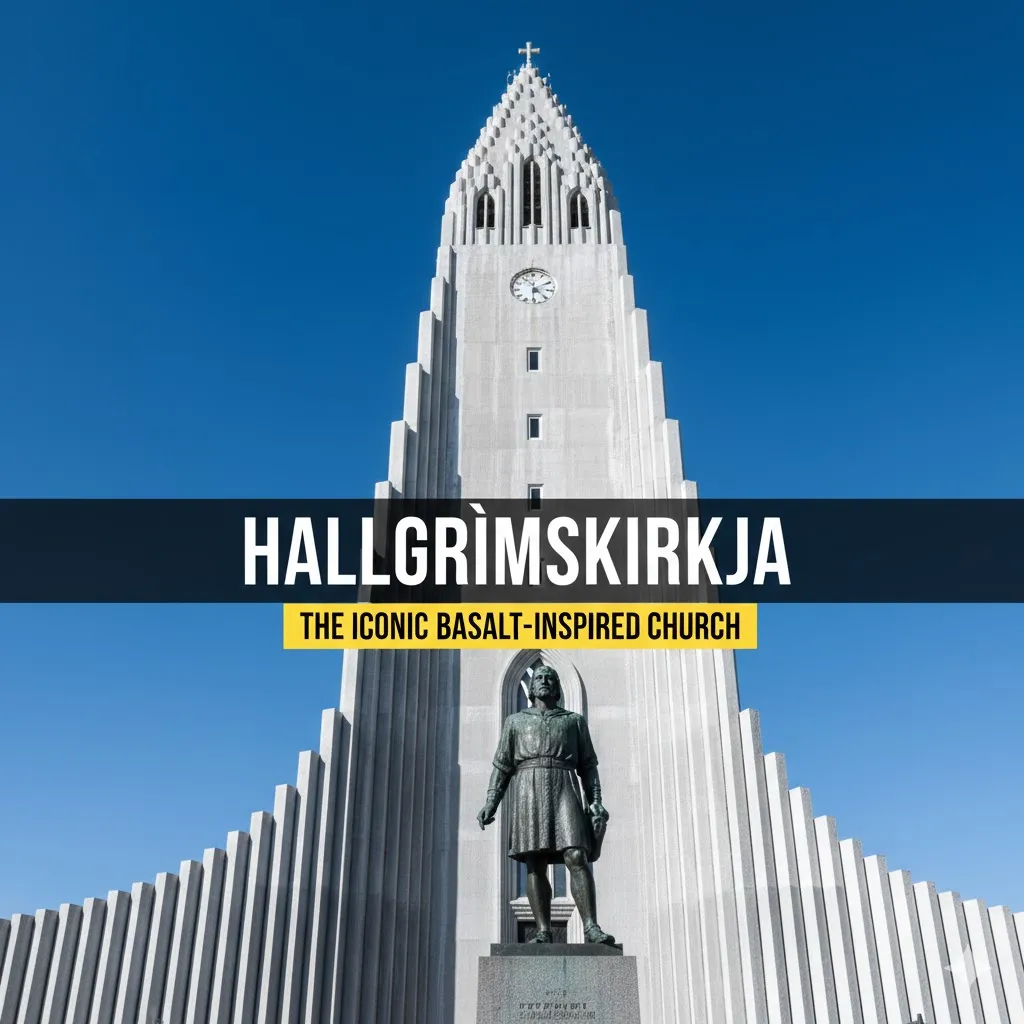
HALLGRÍMSKIRKJA: THE ICONIC BASALT-INSPIRED CHURCH OF REYKJAVIK
Hallgrímskirkja stands as Reykjavik's most recognizable landmark and one of Iceland's most striking architectural achievements—a towering expressionist church whose distinctive concrete columns evoke the basalt formations that shape Iceland's dramatic landscape. Named after the 17th-century Icelandic poet and clergyman Hallgrímur Pétursson, this monumental structure dominates Reykjavik's skyline, visible from nearly every vantage point in the city, and serves as both an active Lutheran parish church and a beloved symbol of Icelandic identity, creativity, and connection to the natural world.
In 2026, as travelers seek destinations that combine architectural innovation, cultural significance, and breathtaking views, Hallgrímskirkja remains an essential Reykjavik experience. Whether you are an architecture enthusiast fascinated by expressionist design inspired by geological forms, a photography lover chasing golden light on concrete columns and panoramic city views, a culture seeker drawn by Icelandic literary heritage and Lutheran traditions, or simply a curious traveler inspired by a church that seems to grow organically from the Icelandic landscape itself, this comprehensive guide will help you understand and appreciate one of the world's most unique sacred spaces.
Understanding Hallgrímskirkja requires more than admiring its dramatic silhouette; it demands engaging with the geological inspiration behind its design, the decades-long construction process that spanned Iceland's transformation into a modern nation, and the cultural significance of a church that embodies Icelandic values of creativity, resilience, and harmony with nature. By approaching Hallgrímskirkja with curiosity and respect, you will discover not just a beautiful building but a living dialogue between Iceland's volcanic landscape and human artistic expression, between Lutheran faith and national identity, between local heritage and global architectural innovation.
HISTORICAL CONTEXT: FROM CONCEPTION TO ICONIC LANDMARK
The story of Hallgrímskirkja spans nearly a century, reflecting Iceland's journey from Danish dependency to independent nationhood and cultural confidence.
Conception and Design Competition (1930s):
The church's origins trace to the early 20th century, when Reykjavik's growth demanded a new central church:
Architectural Competition:
- 1937: National architecture competition held to design a new Lutheran church for Reykjavik
- Winner: Guðjón Samúelsson, Iceland's first state architect, whose expressionist design drew inspiration from Icelandic nature
- Design Philosophy: Samúelsson sought to create architecture that reflected Iceland's unique landscape rather than copying European church styles
- Basalt Inspiration: The church's distinctive columnar facade was explicitly inspired by basalt columns found throughout Iceland, particularly the hexagonal formations at Svartifoss waterfall and Reynisdrangar sea stacks
Guðjón Samúelsson's Vision:
- National Architect: Samúelsson (1887-1950) designed many of Iceland's most important public buildings, always seeking to express Icelandic identity through architecture
- Natural Forms: His designs frequently incorporated motifs from Iceland's geology—glaciers, volcanoes, basalt columns, and waterfalls
- Modernist Approach: While respecting traditional church functions, Samúelsson embraced modernist principles of simplicity, functionality, and honest expression of materials
Construction Timeline (1945-1986):
Building Hallgrímskirkja was a monumental undertaking that spanned four decades:
Early Construction (1945-1950s):
- Foundation Work: Began in 1945, shortly after Iceland gained full independence from Denmark (1944)
- Symbolic Timing: Construction of a national church coincided with Iceland's emergence as a sovereign nation
- Challenges: Post-war material shortages and Iceland's harsh climate slowed progress
Mid-Century Progress (1960s-1970s):
- Tower Construction: The distinctive tower, Hallgrímskirkja's most recognizable feature, rose gradually through the 1960s
- Interior Development: Work on the nave, organ, and interior spaces continued alongside exterior construction
- Community Effort: The extended construction period meant multiple generations of Icelanders contributed to and witnessed the church's emergence
Completion and Consecration (1986):
- Final Completion: Hallgrímskirkja was finally completed and consecrated in 1986, 41 years after construction began
- National Celebration: The completion was celebrated as a milestone in Icelandic cultural development
- Immediate Icon: The church immediately became Reykjavik's most recognizable landmark and a symbol of modern Iceland
ARCHITECTURAL MARVEL: BASALT COLUMNS AND EXPRESSIONIST DESIGN
Hallgrímskirkja represents a masterpiece of expressionist architecture that uniquely translates Iceland's geological heritage into built form.
Exterior Architecture:
Basalt Column Inspiration:
- Geological Reference: Iceland's landscape is defined by basalt columns formed when lava cools and contracts, creating hexagonal prisms
- Architectural Translation: Samúelsson abstracted these natural forms into the church's towering concrete columns that flank the facade and tower
- Vertical Emphasis: The columns draw the eye upward, echoing both basalt formations and traditional church spires while creating a distinctly Icelandic aesthetic
Facade Design:
- Material: Reinforced concrete, chosen for durability in Iceland's harsh climate and ability to be molded into organic forms
- Texture: The concrete columns feature subtle texturing that enhances the basalt comparison and creates dramatic light-and-shadow effects
- Symmetry and Asymmetry: While the overall composition is symmetrical, subtle variations in column spacing and detailing reflect the irregularity of natural basalt formations
Tower and Spire:
- Height: 74.5 meters (244 feet), making it Iceland's tallest church and one of Reykjavik's tallest structures
- Form: The tower tapers gracefully upward, with columns continuing the basalt motif to the pinnacle
- Function: Houses the observation deck and church bells; serves as a navigational landmark for the city
Interior Architecture:
Nave and Worship Space:
- Minimalist Aesthetic: The interior embraces Lutheran simplicity with clean lines, natural light, and unadorned surfaces
- Scale: The nave's soaring height and longitudinal plan create a sense of grandeur while maintaining intimacy
- Light: Large windows along the sides and at the altar end flood the space with natural light, changing throughout the day and seasons
Pipe Organ:
- Builder: Johannes Klais Orgelbau of Bonn, Germany
- Specifications: 5,275 pipes, 15 meters (49 feet) tall, one of the largest organs in Iceland
- Placement: Prominently positioned at the rear of the nave, visible from throughout the church
- Acoustics: The church's concrete construction and high ceilings create exceptional acoustics for organ music and choral performances
Altar and Liturgical Elements:
- Altar Design: Simple, modern altar focusing attention on the Eucharist rather than ornate decoration
- Baptismal Font: Contemporary design in keeping with the church's overall aesthetic
- Stained Glass: Limited use of stained glass, with emphasis on clear glass to maximize natural light
Structural Innovation:
Engineering Challenges:
- Seismic Considerations: Iceland's volcanic activity required careful structural engineering to ensure stability
- Climate Adaptation: Design accounts for extreme weather, including high winds, heavy snow, and temperature fluctuations
- Material Performance: Concrete was selected for its durability and ability to withstand Iceland's freeze-thaw cycles
Construction Techniques:
- Formwork: Complex wooden formwork was required to create the distinctive columnar shapes
- Reinforcement: Steel reinforcement within concrete columns ensures structural integrity
- Finishing: Post-construction finishing enhanced the basalt-like texture of the concrete surfaces
VISITING HALLGRÍMSKIRKJA: PRACTICAL INFORMATION FOR 2026
Planning your visit to Hallgrímskirkja requires understanding current policies, hours, and protocols to make the most of your experience.
Opening Hours and Service Schedule:
Church Access:
- Daily Worship: Regular Lutheran services; visitors welcome to observe respectfully
- General Visiting Hours: Typically 9:00 AM - 5:00 PM (varies by season and service schedule)
- Service Times: Sunday services typically 11:00 AM; weekday services vary; check current schedule
- Closures: May close briefly during services, funerals, or special events
Tower Access:
- Observation Deck Hours: Typically 9:00 AM - 4:30 PM (last entry); extended hours in summer
- Elevator Operation: Elevator to tower operates continuously during visiting hours
- Weather Considerations: Tower may close temporarily during extreme weather (high winds, storms)
Checking Current Hours:
- Official Website: Check hallgrimskirkja.is for current hours and service schedule
- Visitor Information: Reykjavik tourist information centers provide current visiting information
- On-Site Signage: Hours posted at church entrance and tower elevator
Admission and Tickets:
Church Entry:
- Main Church: Free admission to worship space; donations appreciated
- Respectful Conduct: Visitors expected to maintain quiet, respectful behavior during worship and prayer
Tower Admission:
- Adult Ticket: Approximately €10-12 (ISK 1,500-2,000)
- Reduced Rate: Approximately €5-7 for seniors (67+), students, and groups
- Children: Free admission for children under 12
- Combined Tickets: Sometimes available with other Reykjavik attractions; inquire at visitor centers
Ticket Purchase:
- On-Site Purchase: Tickets available at tower elevator entrance; cash and card accepted
- Advance Booking: Generally not required; tower access operates on first-come basis
- Group Visits: Large groups may benefit from advance arrangement; contact church office
Best Time to Visit:
Timing significantly impacts your experience in terms of crowds, lighting, and atmosphere:
Avoiding Crowds:
- Early Morning: Arrive at opening (9:00 AM) for fewer crowds and peaceful atmosphere
- Late Afternoon: Visit 1-2 hours before closing for softer light and fewer visitors
- Weekdays: Tuesday-Thursday typically less crowded than weekends
- Off-Peak Season: November-March sees fewer tourists; more comfortable for exploration
Optimal Lighting for Photography:
- Morning Light (9-11 AM): Eastern facade beautifully illuminated; interior light fills nave from side windows
- Golden Hour (season-dependent): Warm light on concrete columns creates dramatic exterior shots
- Interior Light: Mid-morning to early afternoon provides best natural light for interior photography
Duration of Visit:
Recommended Time:
- Minimum: 30-45 minutes for church interior and brief tower visit
- Ideal: 1-1.5 hours for comprehensive exploration of interior, tower views, and exterior photography
- Photography Enthusiasts: Allow 2 hours for multiple angles, different lighting conditions, and detailed architectural shots
- Concert Attendance: Add 1-2 hours if attending organ concert or choral performance
WHAT TO SEE: INTERIOR AND TOWER HIGHLIGHTS
Hallgrímskirkja contains numerous architectural and artistic treasures worth discovering.
Interior Highlights:
The Nave:
- Spatial Experience: Soaring height and longitudinal plan create sense of grandeur and spiritual focus
- Material Honesty: Exposed concrete surfaces express the building's structure and materials without ornamentation
- Light and Shadow: Large windows create dynamic patterns of light that change throughout the day
Pipe Organ:
- Visual Impact: Massive organ structure dominates the rear of the nave; a work of art in itself
- Acoustic Experience: Attend an organ recital if possible to experience the instrument's full sonic potential
- Craftsmanship: Examine the intricate pipe work and mechanical details up close
Altar and Liturgical Space:
- Simplicity: Unadorned altar focuses attention on worship rather than decoration
- Natural Light: Windows behind altar create luminous backdrop for services
- Contemporary Art: Modern religious art and liturgical objects in keeping with church's aesthetic
Tower Experience:
Elevator Ascent:
- Journey: Short elevator ride to observation deck; views of church interior during ascent
- Anticipation: Build-up to panoramic reveal enhances the experience
Observation Deck Views:
- 360-Degree Panorama: Spectacular views of Reykjavik's colorful rooftops, harbor, and surrounding mountains
- Landmark Identification: Panoramic signage helps identify key landmarks (Harpa, Perlan, Mount Esja, Faxaflói Bay)
- Photographic Opportunities: Unparalleled vantage point for cityscape photography
Architectural Details from Above:
- Roof Structure: Unique perspective on church's roof design and tower construction
- City Context: Understand Hallgrímskirkja's relationship to Reykjavik's urban fabric and natural setting
Exterior Photography Opportunities:
Iconic Angles:
- Skólavörðustígur Street: Classic approach up the hill with church facade filling the frame
- Base of Tower: Low-angle shots emphasizing the monumentality of the basalt-inspired columns
- Side Perspectives: Views that capture the interplay of columns and light
Detail Shots:
- Column Textures: Close-ups of concrete surfaces that evoke basalt formations
- Architectural Junctions: Where columns meet roofline or tower; intricate concrete work
- Light and Shadow: Dramatic contrasts created by Iceland's low-angle sunlight
PHOTOGRAPHY TIPS: CAPTURING ARCHITECTURAL GRANDEUR
Hallgrímskirkja offers exceptional photography opportunities, with dramatic architecture, dynamic light, and panoramic views.
Best Photography Locations:
Exterior Shots:
- Skólavörðustígur Approach: Classic foreground leading to church facade; colorful houses add context
- Tower Base: Low-angle perspective emphasizing verticality and basalt column motif
- Side Angles: Capture interplay of columns, windows, and roofline; dramatic in sidelight
Interior Photography:
- Nave Longitudinal View: From rear looking toward altar; emphasizes spatial grandeur
- Organ Details: Close-ups of pipe work and mechanical elements
- Light Patterns: Windows creating patterns of light on concrete surfaces
Tower Views:
- Panoramic Cityscapes: 360-degree views of Reykjavik; wide-angle lens essential
- Landmark Compositions: Frame Harpa, harbor, or Mount Esja with city rooftops in foreground
- Abstract Patterns: Rooftops, streets, and harbor create graphic compositions from above
Technical Considerations:
Equipment:
- Wide-Angle Lens (16-35mm): Essential for interior nave shots and tower panoramas
- Standard Zoom (24-70mm): Versatile for exterior architectural details and street-level compositions
- Tripod: Helpful for interior low-light shots and tower panoramas; check current policies as tripods may be restricted in crowded areas
- Polarizing Filter: Reduces glare on concrete surfaces and enhances sky contrast
Settings and Techniques:
- Aperture: f/8-f/11 for sharp architectural details and good depth of field
- Shutter Speed: Fast enough for handheld shots (1/125 or faster); slower speeds with tripod for interior or tower shots
- ISO: Keep low (100-400) for best image quality; increase as needed for low-light interior shots
- Composition: Include foreground elements (colorful houses, people, sky) for scale and context; use leading lines of columns and streets
Best Times for Photography:
Golden Hour Magic:
- Sunrise (season-dependent): Soft, directional light illuminates eastern facade; few crowds
- Sunset (season-dependent): Warm light on concrete creates dramatic atmosphere; popular but rewarding
Blue Hour and Interior Light:
- Blue Hour: Period just after sunset offers soft, even light with illuminated church against twilight sky
- Interior Light: Mid-morning to early afternoon provides best natural light for interior photography without harsh shadows
Crowd Management for Photography:
- Early Arrival: Arrive at opening for unobstructed shots of popular exterior angles
- Weekday Visits: Tuesday-Thursday typically less crowded than weekends
- Off-Peak Season: November-March sees fewer tourists; more comfortable for photography setup
CULTURAL SIGNIFICANCE: SYMBOL OF ICELANDIC IDENTITY
Hallgrímskirkja is more than an architectural landmark; it embodies Icelandic cultural values and national identity.
Architectural Nationalism:
Expressing Icelandic Identity Through Design:
- Rejection of European Models: Samúelsson deliberately avoided copying Gothic, Romanesque, or other European church styles
- Nature as Inspiration: By drawing from Iceland's geology, the church expresses a uniquely Icelandic aesthetic
- Modernist Confidence: The bold, uncompromising design reflects Iceland's confidence as a newly independent nation
Cultural Heritage:
Literary Connection:
- Hallgrímur Pétursson: The church's namesake was a 17th-century poet and clergyman famous for his Passion Hymns (Passíusálmar), still beloved in Icelandic culture
- Lutheran Tradition: The church serves as the central Lutheran parish in Reykjavik, continuing Iceland's Protestant heritage
- National Ceremonies: Hallgrímskirkja hosts significant national events, funerals of notable Icelanders, and cultural ceremonies
Contemporary Relevance:
Living Church and Cultural Hub:
- Active Worship: Regular services, weddings, funerals, and community events maintain the church's primary religious function
- Concert Venue: Exceptional acoustics make it a premier venue for organ recitals, choral performances, and classical concerts
- Tourist Destination: Welcomes visitors from around the world, serving as an introduction to Icelandic culture and architecture
NEARBY ATTRACTIONS: EXTENDING YOUR REYKJAVIK EXPLORATION
Hallgrímskirkja is centrally located in Reykjavik, surrounded by other significant attractions within easy walking distance.
Within 5-Minute Walk:
Skólavörðuholt and Observation Point:
- Distance: Adjacent to church; small hill with additional city views
- Significance: Historic beacon site; complements church tower views
- Experience: Quick detour for alternative photographic perspectives
Reykjavik Art Museum (Hafnarhús):
- Distance: 400 meters (5-minute walk) downhill toward harbor
- Significance: Contemporary art in historic harbor-side building
- Visiting: Allow 1-1.5 hours; check current exhibitions
Old Town (Miðborg):
- Character: Colorful houses, narrow streets, and local shops
- Exploration: Wander Skólavörðustígur, Laufásvegur, and surrounding streets for authentic Reykjavik atmosphere
- Photography: Iconic colorful houses with church in background
Within 10-Minute Walk:
Harpa Concert Hall:
- Distance: 800 meters (10-minute walk) down to harbor
- Significance: Architectural masterpiece with geometric glass facade inspired by basalt columns
- Experience: Guided tours, performances, and harbor views; free to explore public spaces
Sun Voyager (Sólfar):
- Distance: 1 kilometer (12-minute walk) along waterfront
- Significance: Iconic stainless steel sculpture symbolizing hope and exploration
- Photography: Dramatic sculpture with mountain and ocean backdrop; excellent at sunrise/sunset
Laugavegur Shopping Street:
- Distance: 500 meters (6-minute walk) from church
- Character: Reykjavik's main pedestrian shopping street with boutiques, cafes, and local design
- Experience: Icelandic wool sweaters (lopapeysa), design stores, and local cuisine
Suggested Reykjavik Itineraries:
Half-Day Central Reykjavik (4 hours):
1. Hallgrímskirkja visit and tower ascent (1 hour)
2. Walk through Old Town; photograph colorful houses (45 minutes)
3. Harpa Concert Hall exploration and harbor views (45 minutes)
4. Sun Voyager sculpture and waterfront walk (30 minutes)
5. Coffee and pastry on Laugavegur (30 minutes)
Full-Day Reykjavik Cultural Experience (8 hours):
1. Morning: Hallgrímskirkja comprehensive visit (1.5 hours)
2. Old Town exploration and photography (1 hour)
3. Lunch on Laugavegur or at Old Harbor (1 hour)
4. Harpa Concert Hall tour and Reykjavik Art Museum (2 hours)
5. Sun Voyager and waterfront walk (1 hour)
6. Evening: Dinner in downtown Reykjavik; optional concert or cultural event (1.5 hours)
PRACTICAL VISITOR INFORMATION FOR 2026
Essential information for planning your Hallgrímskirkja visit.
Getting to Hallgrímskirkja:
Walking from Downtown:
- From Laugavegur: 5-10 minute uphill walk; scenic route through colorful neighborhoods
- From Harbor/Harpa: 10-15 minute uphill walk; rewarding approach with church appearing above rooftops
- Footwear: Comfortable shoes recommended; Skólavörðustígur is steep but paved
By Public Transport:
- Bus Routes: Multiple Strætó bus routes stop near church; check straeto.is for current routes
- Hop-On Hop-Off: Tourist bus routes include Hallgrímskirkja as a major stop
- Accessibility: Buses equipped for wheelchair access; church entrance has ramp access
By Taxi/Ride-Hailing:
- Drop-off: Request drop-off at church entrance to minimize uphill walking
- Cost: Approximately €5-10 from downtown Reykjavik; confirm approximate fare before starting journey
- Convenience: Direct access; helpful if carrying bags or with mobility considerations
Accessibility Considerations:
Mobility Access:
- Church Entrance: Ramp access to main worship space; accessible restrooms available
- Tower Elevator: Elevator provides access to observation deck for visitors with mobility challenges
- Interior Navigation: Level floors in nave; minimal steps within worship space
Sensory Considerations:
- Acoustics: Church's concrete construction creates reverberant acoustics; may be overwhelming for some visitors
- Lighting: Interior relies on natural light; may be dim on overcast days
- Quiet Spaces: Side chapels and prayer areas offer quieter spaces for reflection
Safety and Practical Tips:
General Safety:
- Tower Height: Observation deck has protective railings; supervise children closely
- Weather: Reykjavik weather changes rapidly; dress in layers even in summer
- Footwear: Non-slip shoes recommended for tower elevator area and exterior steps
Practical Tips:
- Restrooms: Available near church entrance and tower elevator area
- Coat Check: Seasonal coat check available during winter months
- Gift Shop: Small shop near entrance with religious items, books, and Icelandic crafts
- Donations: Donation boxes support church maintenance and community programs; contributions appreciated
CULTURAL ETIQUETTE AND RESPECTFUL VISITING
Hallgrímskirkja is both a tourist attraction and an active place of worship; respectful behavior enhances everyone's experience.
Respecting Worship and Prayer:
During Services:
- Quiet Conduct: Maintain silence during worship services, prayers, or musical performances
- Seating: Visitors welcome to sit in rear pews during services; avoid front sections reserved for congregation
- Photography: Flash photography prohibited during services; be discreet with camera use
General Visiting:
- Modest Attire: While no strict dress code, modest clothing shows respect for sacred space
- Voice Levels: Keep conversations at moderate volume; avoid loud tourist behavior
- Mobile Devices: Silence phones; avoid taking calls inside worship space
Photography Etiquette:
- Worshipers: Avoid photographing people engaged in prayer or worship without permission
- Services: Refrain from photography during active services unless explicitly permitted
- Respectful Angles: Focus on architecture and art rather than intrusive shots of individuals
Cultural Sensitivity:
Understanding Context:
- Lutheran Tradition: Hallgrímskirkja is part of the Evangelical Lutheran Church of Iceland; familiarize yourself with basic Lutheran practices if attending service
- National Symbol: Recognize the church's significance to Icelanders as a symbol of cultural identity and resilience
- Contemporary Relevance: The church serves a living community; respect its ongoing religious and social functions
SUSTAINABLE AND RESPONSIBLE TOURISM
As a major tourist destination, Hallgrímskirkja benefits from mindful visitor practices.
Environmental Responsibility:
Reduce Your Impact:
- Walking: Hallgrímskirkja is easily accessible on foot from downtown; choose walking over taxis when possible
- Waste Reduction: Carry reusable water bottles; use designated recycling bins in and around church
- Energy Conservation: Respect lighting and climate control systems in historic building
Supporting Preservation:
- Admission Fees: Tower ticket revenue supports church maintenance and conservation
- Donations: Consider voluntary donations to support ongoing preservation efforts
- Responsible Tours: Choose licensed guides who emphasize architectural significance and respectful visiting
Cultural Preservation:
Respect Heritage:
- Follow Guidelines: Adhere to all posted rules and staff instructions regarding photography and behavior
- No Touching: Avoid touching historic concrete surfaces; oils from skin can accelerate deterioration
- Report Issues: Notify staff if you observe damage or inappropriate behavior
- Educate Others: Share proper visiting etiquette and cultural sensitivity with fellow travelers
CONCLUSION: A MONUMENT TO NATURE, FAITH, AND ICELANDIC IDENTITY
Hallgrímskirkja stands as more than just a beautiful church; it is a testament to the power of architecture to express cultural identity, to translate natural forms into built space, and to create sacred spaces that resonate with both local community and global visitors. For nearly four decades of construction and nearly four decades since completion, this remarkable building has watched over Reykjavik, welcoming worshippers, inspiring architects, and offering visitors a tangible connection to Iceland's geological heritage and spiritual traditions.
In 2026, as you stand beneath its soaring nave, gaze upon the basalt-inspired columns, listen to the majestic pipe organ, or ascend the tower to panoramic views of Reykjavik and the North Atlantic beyond, you participate in a continuum of human experience that spans centuries. Whether you come as a student of architecture, an admirer of Icelandic culture, a seeker of spiritual reflection, or simply a curious traveler, Hallgrímskirkja offers something profound: a reminder that the most powerful architecture grows from deep engagement with place, nature, and community.
May your visit to Hallgrímskirkja deepen your appreciation for Iceland's rich cultural heritage and architectural innovation, and inspire your commitment to preserving cultural treasures for future generations. As Guðjón Samúelsson and the generations of Icelanders who built and sustain this church understood, true legacy lies not just in concrete and stone but in the meanings, connections, and inspiration that endure across time. May you carry that understanding forward, wherever your journey leads.
Useful Resources:
- Hallgrímskirkja Official Website: hallgrimskirkja.is for current hours, service schedule, and visitor information
- Visit Reykjavik: visitreykjavik.is for trip planning and attraction information
- Reykjavik Art Museum: artmuseum.is for contemporary art exhibitions in Hafnarhús
- Emergency Services: 112 for all emergencies in Iceland
Disclaimer: Information is accurate as of early 2026. Opening hours, ticket prices, and policies may change; verify current details through official channels before your visit. This guide is for informational purposes only and does not constitute professional travel advice.
0 Comments