.webp)
.webp)
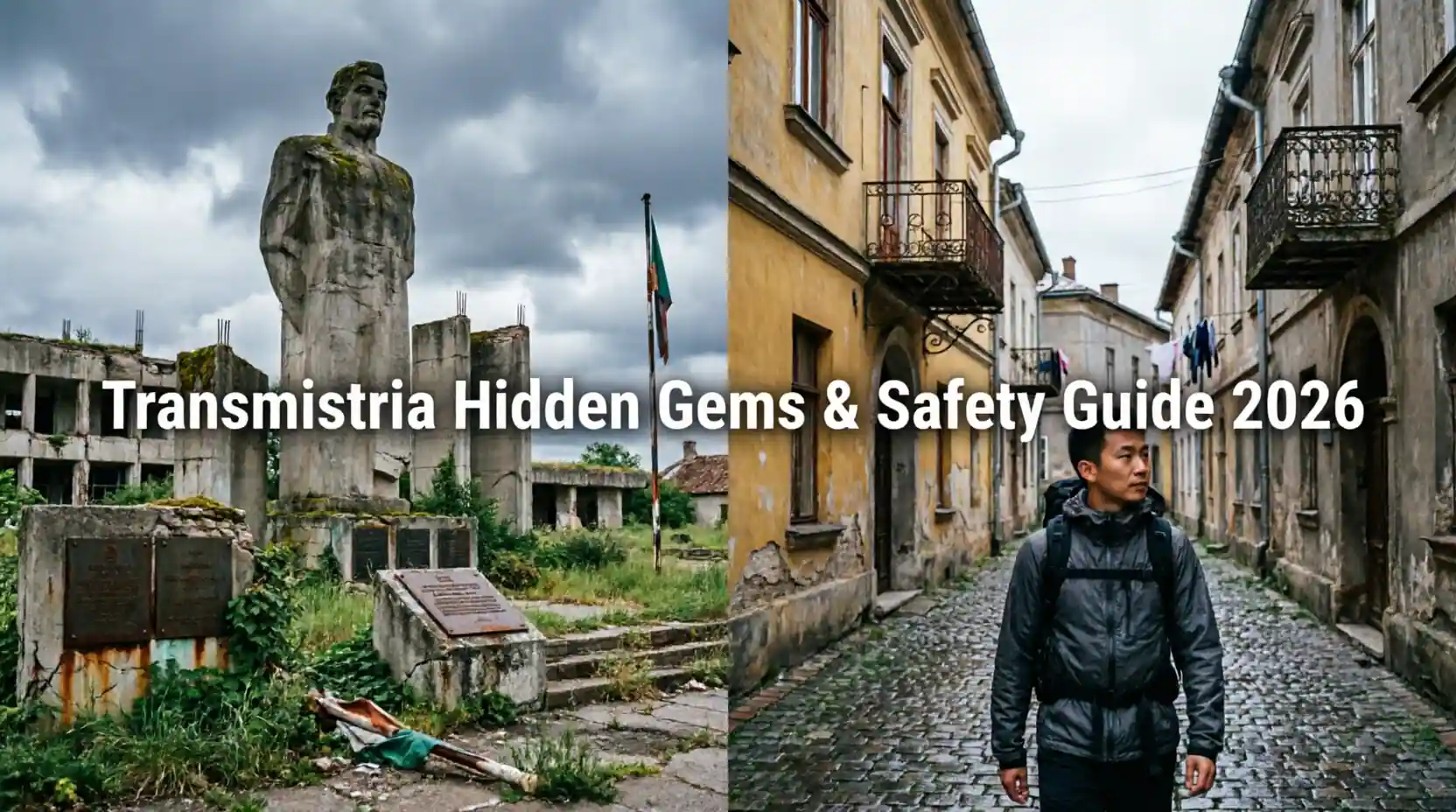
Exploring the Hidden Gems of Transnistria: A First-Time Traveler's Safety Guide
Transnistria, officially known as the Pridnestrovian Moldavian Republic (PMR), remains one of Europe's last hidden frontiers—a breakaway state nestled between Moldova and Ukraine that has maintained de facto independence since 1990. For adventurous travelers seeking off-the-beaten-path destinations, this unrecognized country offers a fascinating time capsule of Soviet-era architecture, monuments, and culture, combined with stunning natural beauty along the Dniester River and a unique blend of Russian, Ukrainian, and Moldovan influences.
Despite its political complexity and ongoing frozen conflict status, Transnistria is surprisingly safe and welcoming to tourists. The region's capital, Tiraspol, boasts the second-largest Lenin statue in the former Soviet Union, while the ancient Bender Fortress offers breathtaking views and centuries of history. From abandoned Soviet military bases to pristine monasteries, from world-class cognac distilleries to charming riverside villages, Transnistria rewards curious travelers with unforgettable experiences that can't be found anywhere else in Europe.
This comprehensive guide covers everything first-time visitors need to know: entry requirements, safety considerations, must-see attractions, transportation options, accommodation recommendations, cultural etiquette, and practical tips for navigating this unique destination. Whether you're a history buff fascinated by Soviet legacy, an urban explorer seeking abandoned sites, or simply an adventurous traveler looking for something completely different, Transnistria offers an extraordinary journey into a place where time seems to have stood still.
Is Transnistria safe for tourists in 2026?
Yes, Transnistria is generally safe for tourists. The region has low crime rates, and visitors are rarely targeted. The ongoing political situation is stable, and the "frozen conflict" has remained unchanged for decades. However, travelers should exercise normal precautions: avoid photographing military installations, respect local laws, register with authorities if staying over 24 hours, stay informed about current political developments, and avoid large political gatherings. Most tourists visit Tiraspol and Bender without any issues. The main risks are bureaucratic (entry/exit procedures) rather than safety-related.
Understanding Transnistria: History and Current Status

Before visiting, understanding Transnistria's complex history and political status is essential for respectful and informed travel.
Historical Background:
• 1990 Declaration: Transnistria declared independence from Moldova amid rising nationalist sentiments
• 1992 Conflict: Brief but intense war between Transnistrian forces (backed by Russia) and Moldova
• Casualties: Approximately 1,000 deaths during the conflict
• Ceasefire: July 1992 ceasefire agreement established current boundaries
• Peacekeeping: Russian, Moldovan, and Transnistrian peacekeepers maintain buffer zone
• Current Status:
- Not recognized by any UN member state
- Maintains own government, currency, military, and border controls
- Approximately 500,000 residents (mostly Russian and Ukrainian speakers)
- Capital: Tiraspol (population ~130,000)
- Official languages: Russian, Ukrainian, Moldovan (Cyrillic script)
- Currency: Transnistrian ruble (not convertible outside region)
Why Visit Transnistria?
• Unique Experience: Only place in Europe where Soviet-era symbols and monuments remain prominent
• Affordable: Significantly cheaper than Moldova or Western Europe
• Compact: Easy to explore in 1-3 days
• Welcoming: Locals are generally friendly to tourists
• Off-the-Beaten-Path: Very few Western tourists visit
• Historical Significance: Living museum of post-Soviet transition
Important Considerations:
• Legal Status: Moldova considers Transnistria part of its territory; entering from Ukraine without passing through Moldovan control is illegal under Moldovan law
• International Recognition: No country officially recognizes Transnistria's independence
• Travel Insurance: Most international policies don't cover Transnistria
• Banking: Transnistrian rubles can't be exchanged outside the region
• Communication: Limited English spoken outside tourist areas
Do I need a visa to visit Transnistria?
No visa is required for most tourists visiting Transnistria for up to 24 hours. For stays longer than 24 hours, you must register with the local authorities (OVIR office) in Tiraspol, which is a simple, free process. US, EU, and most other passport holders can enter with just a valid passport. The registration takes about 15-30 minutes and allows stays up to 45 days. Always keep your registration document with you, as you may be asked to show it when exiting or at police checkpoints.
Entry Requirements and Border Crossing Procedures

Crossing into Transnistria requires understanding the specific procedures and documentation needed.
Entry Points:
• From Moldova (Recommended Route):
- Chișinău to Tiraspol: 2-hour marshrutka (minibus) or taxi
- Border crossing at Varnița/Bender or Cocieri
- Most straightforward and legal entry method
- Marshrutka cost: $4-6 USD
- Private taxi: $40-60 USD
• From Ukraine:
- Kuchurhan/Pervomaisc border crossing
- More complex; requires passing through Moldovan control first to avoid legal issues
- Not recommended for first-time visitors
• Important: Always enter from Moldova to comply with Moldovan law. Entering from Ukraine without Moldovan border stamp is considered illegal entry by Moldova.
Border Crossing Procedure:
1. Arrive at Border: Present passport to Transnistrian border guards
2. Migration Card: Fill out simple migration card (provided at border)
- State purpose of visit (tourism)
- Provide accommodation address (hotel or host address)
- Keep the card; you'll need it to exit
3. Registration (if staying >24 hours):
- Visit OVIR office in Tiraspol (Str. 25 Octombrie 102)
- Bring: passport, migration card, hotel confirmation or invitation letter
- Processing time: 15-30 minutes
- Fee: Free
- Receive registration certificate (keep with passport)
4. Exit Procedure:
- Present passport and migration card at border
- Return registration certificate if issued
- Allow 30-60 minutes for border processing
Required Documents:
• Valid passport (must be valid for at least 6 months)
• Proof of accommodation (hotel booking or invitation letter)
• Migration card (filled at border)
• Registration certificate (if staying >24 hours)
• Travel insurance (recommended, though not always checked)
• Return ticket or proof of onward travel (occasionally requested)
Customs Regulations:
• Currency: Declare amounts over $10,000 USD equivalent
• Alcohol: Up to 3 liters duty-free
• Cigarettes: Up to 200 cigarettes (1 carton)
• Prohibited: Weapons, drugs, propaganda materials
• Electronics: Laptops, cameras generally no issue
• Photography: Avoid photographing military installations, border guards, or government buildings
Practical Tips:
• Language: Russian is primary language; learn basic phrases
• Time: Border crossing can take 30 minutes to 2 hours
• Patience: Procedures may seem bureaucratic; remain polite
• Honesty: Always state tourism as purpose of visit
• Documentation: Keep all papers organized and accessible
• Photography: Don't photograph the border crossing process
How do I cross the border into Transnistria from Moldova?
Take a marshrutka (minibus) from Chișinău's Central Bus Station (Gara de Nord) to Tiraspol. Buses depart every 1-2 hours, cost $4-6 USD, and take about 2 hours. The marshrutka will stop at the border where you'll present your passport, fill out a migration card, and proceed through customs. The entire process takes 30-90 minutes. Alternatively, hire a private taxi for $40-60 USD for more comfort and flexibility. Always keep your migration card safe—you'll need it to exit. If staying over 24 hours, register at the OVIR office in Tiraspol (free, 15-30 minutes).
Top Hidden Gems and Must-See Attractions

Transnistria offers a unique blend of Soviet heritage, natural beauty, and historical sites that reward curious travelers.
1. Tiraspol: The Soviet Time Capsule
Highlights:
• Lenin Statue: Second-largest Lenin statue in former USSR (13 meters tall)
- Location: Soviet Square (Ploshchad Sovetskaya)
- Photo opportunity with iconic Soviet monument
- Best visited: Morning or late afternoon for best light
• Government Buildings: Soviet-era architecture along Soviet Square
- Supreme Soviet building
- Ministry of Foreign Affairs
- Impressive neoclassical Soviet architecture
• Suvorov Square: Historic center with monuments
- Suvorov monument (Russian general)
- Eternal Flame memorial
- Local market nearby
• Time to Explore: Half day (3-4 hours)
• Best For: Soviet history enthusiasts, photographers, urban explorers
2. Bender Fortress (Tighina)
Highlights:
• Ancient Fortress: 15th-century Ottoman fortress with stunning views
- Built 1408, expanded by Ottomans in 16th century
- Strategic location on Dniester River
- Well-preserved walls and towers
• Museum: Historical exhibits on fortress and regional history
- Artifacts from various periods
- Soviet-era military exhibits
- Entry fee: $2-3 USD
• Panoramic Views: Climb towers for breathtaking Dniester River views
- Best photography spot in region
- Sunset views particularly spectacular
• Time to Explore: 2-3 hours
• Best For: History buffs, photographers, architecture lovers
• Getting There: 15-minute marshrutka from Tiraspol ($1)
3. Kvint Cognac Factory (Tiraspol)
Highlights:
• World-Class Cognac: One of Europe's oldest and best cognac producers
- Founded 1897
- Produces award-winning brandies and cognacs
- Exported worldwide but cheaper locally
• Factory Tour: Guided tour of production facilities
- See aging cellars with thousands of oak barrels
- Learn distillation process
- Tasting session included
- Cost: $10-15 USD
- Duration: 1.5 hours
- Languages: Russian (English possible with advance booking)
• Shop: Purchase cognac at local prices ($10-50/bottle)
- Significantly cheaper than international prices
- Wide selection of ages and varieties
• Time Needed: 2 hours
• Best For: Spirits enthusiasts, foodies, souvenir shoppers
• Booking: Reserve in advance, especially for English tours
4. Saharna Monastery and Nature Reserve
Highlights:
• Orthodox Monastery: 18th-century monastery carved into cliffside
- Stunning location in forested gorge
- Active religious site
- Free entry (donations welcome)
• Natural Beauty: Hiking trails through pristine forest
- Waterfalls and scenic viewpoints
- "Devil's Footprint" rock formation
- Dniester River views
• Hiking: Various trails from easy to moderate
- 2-4 hour hikes possible
- Bring water and snacks
- Wear sturdy shoes
• Getting There: 1-hour drive from Tiraspol
- Hire taxi: $40-60 round-trip
- Join guided tour: $30-50
• Time Needed: Half to full day
• Best For: Nature lovers, hikers, spiritual travelers, photographers
5. Capriana Monastery
Highlights:
• Ancient Monastery: One of Moldova's oldest monasteries (1429)
- Beautiful architecture and peaceful grounds
- Active religious community
- Free entry
• Location: Near village of Capriana
- Scenic rural setting
- Traditional Moldovan village atmosphere
• Getting There: 45 minutes from Tiraspol
- Taxi or join tour
• Time Needed: 1-2 hours
• Best For: Religious heritage, architecture, peaceful atmosphere
6. Park of Soviet Sculptures (Tiraspol)
Highlights:
• Open-Air Museum: Collection of Soviet-era statues and monuments
- Lenin, Stalin, and other Soviet figures
- Unique photo opportunities
- Free to visit
• Location: Outskirts of Tiraspol
- Ask locals for directions
• Time Needed: 30-60 minutes
• Best For: Soviet history enthusiasts, photographers, urban explorers
7. Dniester River
Highlights:
• Scenic Beauty: Beautiful river views throughout region
- Boat tours available (seasonal)
- Fishing opportunities
- Riverside walks
• Activities:
- Kayaking (rental available)
- Riverside picnics
- Photography
• Best Spots: Bender Fortress area, Saharna, various riverside villages
• Best For: Nature lovers, photographers, outdoor enthusiasts
Recommended 2-3 Day Itinerary:
Day 1: Tiraspol
• Morning: Arrive from Chișinău, check into hotel
• Afternoon: Explore Soviet Square, Lenin statue, government buildings
• Evening: Kvint cognac factory tour and tasting
• Overnight: Tiraspol
Day 2: Bender & Surroundings
• Morning: Bender Fortress (15 min from Tiraspol)
• Afternoon: Park of Soviet Sculptures, local market
• Evening: Return to Tiraspol or continue to Moldova
Day 3 (Optional): Nature
• Full day: Saharna Monastery and hiking
• Or: Capriana Monastery visit
• Evening: Return to Tiraspol or cross back to Moldova
What are the must-see attractions in Transnistria?
The top attractions are: Tiraspol's Soviet Square with its massive Lenin statue (iconic Soviet monument), Bender Fortress (15th-century Ottoman fortress with stunning views), Kvint Cognac Factory (world-class cognac producer with tours and tastings), Saharna Monastery (cliffside monastery with hiking trails), and the Park of Soviet Sculptures (outdoor museum of Soviet statues). For a 2-3 day visit, focus on Tiraspol (half day), Bender Fortress (2-3 hours), and Kvint Factory (2 hours). Add Saharna Monastery if you have extra time and enjoy hiking.
Safety Considerations and Practical Tips

While Transnistria is generally safe, understanding potential risks and taking precautions ensures a smooth visit.
General Safety:
• Crime Rate: Very low; violent crime against tourists is extremely rare
• Petty Crime: Occasional pickpocketing in crowded areas; use common sense
• Police Presence: Visible but generally helpful to tourists
• Night Safety: Tiraspol is safe at night; stick to well-lit areas
• Scams: Rare; standard tourist scams uncommon
• Safety Tips:
- Keep passport and registration documents with you
- Don't flash expensive electronics or jewelry
- Use official taxis or marshrutkas
- Avoid political discussions or demonstrations
- Respect local customs and laws
- Learn basic Russian phrases
Political Sensitivities:
• Avoid:
- Photographing military installations, checkpoints, or soldiers
- Discussing politics or the conflict
- Making comparisons favorable to Moldova or Ukraine
- Criticizing local government or Russian presence
• Do:
- Be respectful of local identity and culture
- State you're a tourist if questioned
- Follow instructions from authorities
- Keep a low profile
• Important: While the situation is stable, avoid large political gatherings or demonstrations
Health and Medical:
• Medical Facilities: Basic healthcare available in Tiraspol
- Serious conditions require evacuation to Chișinău or Ukraine
- Travel insurance essential (though may not cover Transnistria)
• Water: Tap water generally safe in cities; bottled water recommended
• Food: Generally safe; eat at established restaurants
• Medications: Bring supply of prescription medications
• Emergency Number: 112 (general emergency)
Money and Banking:
• Currency: Transnistrian ruble (PRB)
- Not convertible outside Transnistria
- Exchange USD or EUR at banks or exchange offices
- Rates generally fair
• Credit Cards: Limited acceptance
- Major hotels and some restaurants accept cards
- Cash essential for most transactions
- ATMs available in Tiraspol (may not work with foreign cards)
• Budget: Very affordable
- Meals: $5-15
- Accommodation: $20-60/night
- Attractions: $2-15
- Daily budget: $40-80 comfortable
Communication:
• Languages: Russian primary; Ukrainian and Moldovan also spoken
- Very limited English outside tourist areas
- Learn basic Russian phrases
• Mobile Phones:
- Moldovan SIM cards may work near border
- Transnistrian mobile operators available
- WiFi available at hotels and some cafés
• Internet: Generally reliable in Tiraspol
- Slower in rural areas
Cultural Etiquette:
• Dress: Modest dress at religious sites
• Greetings: Handshake common; use formal titles
• Photography: Ask permission before photographing people
• Tipping: 10% appreciated but not expected
• Behavior: Polite, respectful demeanor appreciated
Is it safe to travel to Transnistria as an American?
Yes, Transnistria is generally safe for American tourists. The region has low crime rates, and Americans are rarely targeted. The political situation is stable despite the unresolved conflict. However, exercise normal precautions: don't photograph military sites, avoid political discussions, register if staying over 24 hours, and keep your passport and registration documents with you. The US State Department doesn't specifically warn against Transnistria travel, though it notes the unresolved conflict. Most American visitors have positive, trouble-free experiences. The main challenges are bureaucratic (entry/exit procedures) rather than safety-related.
Accommodation and Dining Recommendations

Finding comfortable accommodation and enjoying local cuisine enhances your Transnistria experience.
Where to Stay:
• Tiraspol Hotels:
- Hotel Dniester: Mid-range option, central location, $40-60/night
• Clean rooms, Russian-speaking staff
• Walking distance to Soviet Square
• Breakfast included
- Hotel Tiraspol: Budget-friendly, $20-35/night
• Basic but clean
• Good for budget travelers
- Guesthouses: Local options, $15-30/night
• More authentic experience
• Book through local contacts or Moldovan agencies
• Booking:
- Limited online booking options
- Contact hotels directly via phone or email
- Some Moldovan booking sites list Transnistria hotels
- Walk-in usually possible but advance booking recommended
• Alternative: Stay in Chișinău and day-trip to Transnistria
- More accommodation options
- Avoids registration if staying
0 Comments