.webp)
.webp)
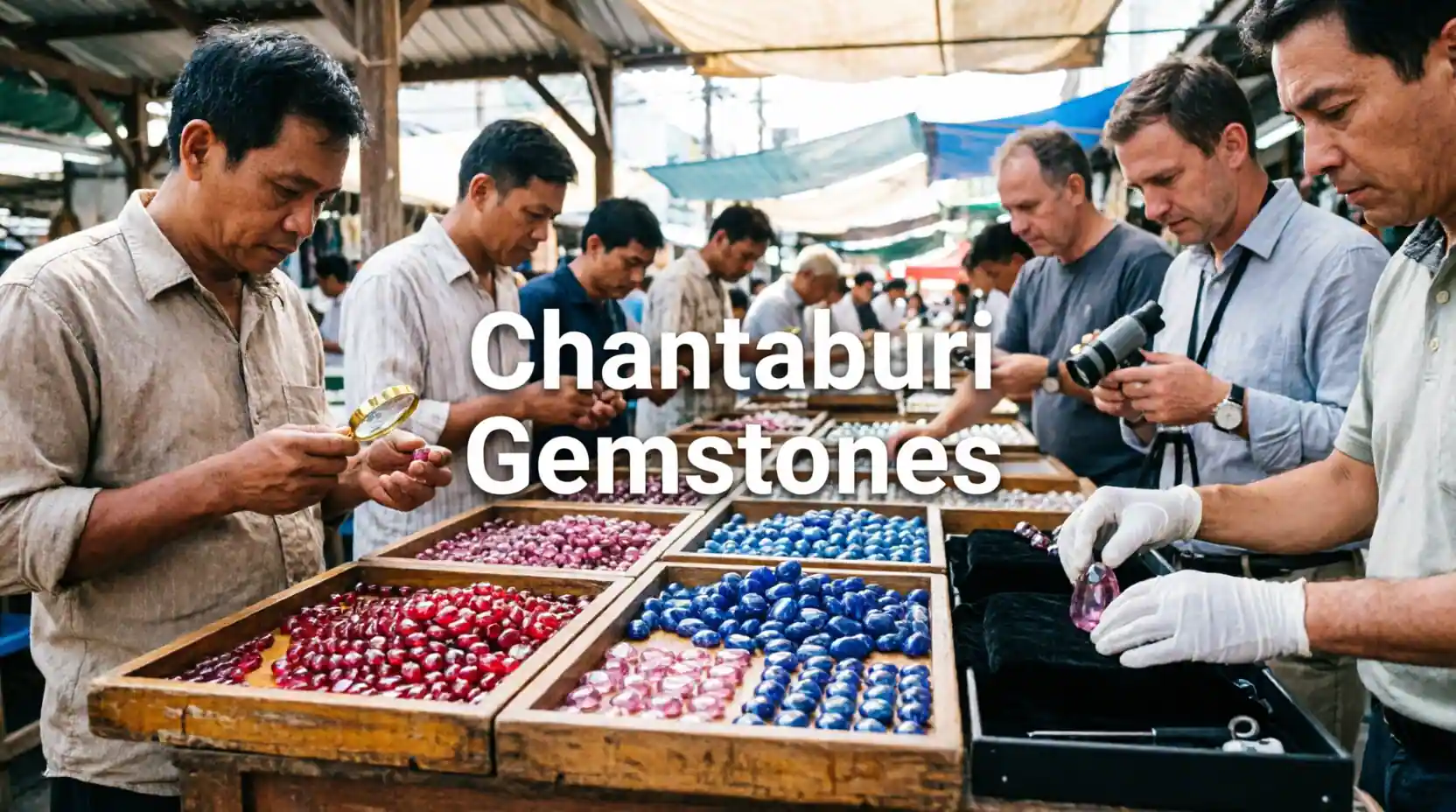
Discovering Chanthaburi Thailand's Untapped Gemstone Paradise
Chanthaburi, a charming province in eastern Thailand, holds a prestigious yet underappreciated title as one of the world's most important gemstone trading centers. While Bangkok and Phuket dominate tourist itineraries, this hidden gem capital has been quietly supplying rubies, sapphires, and other precious stones to international markets for over two centuries. For gem collectors, jewelry enthusiasts, and culturally curious travelers, Chanthaburi offers an authentic experience that combines rich mining heritage, bustling gem markets, and the chance to witness traditional gemstone trading practices rarely seen elsewhere in Southeast Asia.
Located approximately 245 kilometers east of Bangkok, Chanthaburi is easily accessible yet remains refreshingly uncrowded. The province's gemstone industry dates back to the 1700s when Burmese miners first discovered ruby deposits in the region's mountains. Today, Chanthaburi handles an estimated 40-50% of the world's colored gemstone trade, making it a critical hub for dealers from Europe, Asia, and the Americas. Whether you're a serious collector seeking investment-grade stones or a curious traveler fascinated by geological treasures, Chanthaburi delivers an unforgettable journey into the heart of Thailand's gemstone legacy.
The Rich History of Chanthaburi's Gemstone Industry
Chanthaburi's transformation into a global gemstone capital began in the late 18th century when ruby deposits were discovered in the Khao Soi Dao mountain range. The region's unique geological formation, created by ancient volcanic activity and metamorphic processes, produced exceptional quality rubies and sapphires with distinctive characteristics prized by connoisseurs worldwide.
During the 19th and early 20th centuries, Chanthaburi experienced a gemstone boom that attracted miners and traders from Myanmar, Cambodia, and China. The province's strategic location near the Cambodian border facilitated cross-border trade, while its access to the Gulf of Thailand enabled export shipments to Europe and beyond. By the 1970s and 1980s, Chanthaburi had established itself as the epicenter of Southeast Asia's colored gemstone industry, processing stones not only from local mines but also from neighboring Cambodia and Myanmar.
Today, while local mining has decreased due to resource depletion, Chanthaburi remains vital as a trading, cutting, and polishing center. The province's skilled artisans have perfected gemstone treatment and enhancement techniques passed down through generations, maintaining Thailand's reputation for exceptional craftsmanship in the global gem market.
Exploring Chanthaburi's Famous Gem Markets
The heart of Chanthaburi's gemstone culture lies in its vibrant markets, where dealers, collectors, and curious visitors converge daily. The Chanthaburi Gem Market (also known as Talat Plubplern) operates primarily on weekends, transforming the city center into a bustling bazaar of colorful stones, expert negotiators, and fascinating transactions.
Unlike sterile jewelry stores in tourist areas, Chanthaburi's markets offer an authentic trading experience. You'll find vendors displaying rough and polished gemstones on traditional wooden trays, using loupes and specialized lighting to showcase each stone's unique characteristics. The atmosphere is electric with multilingual negotiations, as Thai, Chinese, Indian, and Middle Eastern dealers conduct business in a time-honored tradition of gem trading.
Market Hours and Best Times to Visit:
- Weekend Markets: Saturday-Sunday, 8:00 AM - 5:00 PM (peak activity)
- Weekday Trading: Monday-Friday, smaller scale but serious dealers present
- Best Season: November-February (cool season, comfortable exploration)
- Avoid: April-May (extremely hot, reduced market activity)
For travelers planning their Thailand itinerary, allocating 2-3 days in Chanthaburi provides ample time to explore markets, visit cutting workshops, and perhaps make a meaningful purchase. The province serves as an excellent stopover between Bangkok and Cambodia's border towns, making it logistically convenient for extended Southeast Asian journeys.
What Gemstones Can You Find in Chanthaburi
Chanthaburi's markets showcase an impressive variety of gemstones, ranging from affordable semi-precious stones to investment-grade collector pieces. Understanding what's available helps set realistic expectations and guides your exploration.
| Gemstone Type | Availability | Price Range (USD) | Best For |
| Rubies | High | $50-$5,000+ per carat | Collectors, investors |
| Sapphires (Blue) | High | $30-$3,000+ per carat | Jewelry, collectors |
| Sapphires (Fancy Colors) | Medium | $100-$10,000+ per carat | Rare stone enthusiasts |
| Spinel | High | $20-$500 per carat | Alternative to ruby |
| Garnet | Very High | $5-$100 per carat | Budget collectors |
| Peridot | Medium | $10-$200 per carat | Green stone lovers |
| Zircon | Medium | $15-$300 per carat | Diamond alternative |
| Tourmaline | Medium | $25-$800 per carat | Color variety seekers |
Rubies and Sapphires: These remain Chanthaburi's crown jewels. Thai rubies typically exhibit a distinctive purplish-red hue, while sapphires range from deep royal blue to lighter cornflower shades. Quality varies dramatically, with prices reflecting color saturation, clarity, cut, and carat weight.
Semi-Precious Stones: Garnets, spinels, and tourmalines offer excellent value for collectors on a budget. These stones often display exceptional clarity and color at a fraction of ruby or sapphire prices, making them perfect for jewelry projects or building a diverse collection.
Treated vs. Natural Stones: Be aware that many gemstones in Chanthaburi undergo heat treatment or other enhancements to improve color and clarity. Reputable dealers will disclose treatments, but always ask questions and request certification for significant purchases. Natural, untreated stones command premium prices but offer better long-term value.
How to Buy Gemstones Safely in Chanthaburi
Navigating Chanthaburi's gem markets requires knowledge, caution, and cultural sensitivity. Following these guidelines ensures a positive experience and helps you avoid common pitfalls.
Essential Buying Tips:
- Do Your Research: Before visiting, study gemology basics including the 4Cs (color, clarity, cut, carat), common treatments, and current market prices. Understanding what you're looking at prevents overpayment and disappointment.
- Bring a Loupe: A 10x jeweler's loupe is essential for examining stones. Most dealers expect serious buyers to inspect merchandise carefully. If you don't own one, purchase a basic loupe in Bangkok before traveling to Chanthaburi.
- Start Small: First-time buyers should begin with modest purchases ($50-$200) to build relationships with dealers and gain confidence. Established collectors can negotiate better deals on larger transactions.
- Request Certification: For purchases exceeding $500, insist on a gemological certificate from a reputable laboratory (GIA, AIGS, or Thai Gem Institute). Certification costs $30-$100 but provides peace of mind and resale value.
- Negotiate Respectfully: Haggling is expected, but maintain courtesy. Start at 60-70% of the asking price and work toward mutual agreement. Aggressive bargaining insults dealers and closes doors.
- Verify Payment Methods: Cash (Thai Baht or USD) is preferred. Credit cards incur 3-5% surcharges. For large purchases, bank transfers offer security but require time to process.
Red Flags to Avoid:
- Dealers who refuse to provide receipts or documentation
- Stones sold as "investment grade" without certification
- Pressure tactics or "today only" pricing
- Unrealistic discounts (if it seems too good to be true, it is)
- Synthetic stones sold as natural without disclosure
For travelers unfamiliar with gem trading, consider hiring a local guide or consultant. Many hotels in Chanthaburi can recommend English-speaking gemologists who accompany buyers for a fee ($50-$100/day). This investment often saves money and prevents costly mistakes.
Beyond the Markets: Gemstone Workshops and Museums
Chanthaburi offers more than just shopping—the province provides educational experiences that deepen appreciation for gemstone craftsmanship and geological history.
Gem Cutting and Polishing Workshops
Several family-owned workshops welcome visitors to observe traditional Thai gem cutting techniques. These demonstrations reveal the skill and patience required to transform rough stones into faceted gems. You'll witness:
- Pre-forming: Shaping rough stones using diamond saws and grinding wheels
- Faceting: Creating precise angles that maximize brilliance and fire
- Polishing: Achieving mirror-like finishes using specialized compounds
- Quality Control: Final inspection under various lighting conditions
Workshop visits typically cost $10-$20 per person and last 1-2 hours. Some facilities offer hands-on experiences where you can try basic faceting under expert supervision—an unforgettable activity for gem enthusiasts.
Chanthaburi Gem and Jewelry Museum
Located in the city center, this museum showcases the province's gemstone heritage through interactive exhibits, historical artifacts, and impressive mineral specimens. Highlights include:
- A 5,000-carat rough sapphire crystal (one of the world's largest)
- Historical mining equipment and photographs
- Educational displays on gem formation and identification
- Cultural exhibits on Chanthaburi's multicultural trading heritage
Admission costs approximately $3-$5, making it an affordable addition to your itinerary. The museum shop sells books, mineral specimens, and ethically sourced gemstones at fixed prices—ideal for those uncomfortable with market negotiations.
Accommodation and Logistics for Gem Hunters
Chanthaburi offers comfortable accommodations at reasonable prices, catering to both budget backpackers and luxury travelers. Choosing the right base enhances your gem-hunting experience.
Where to Stay:
Budget Options ($20-$40/night):
- Guesthouses near the gem market offer convenience and local atmosphere
- Basic amenities include air conditioning, WiFi, and breakfast
- Recommended: Chantaburi City Guesthouse, Gem House Hostel
Mid-Range Hotels ($50-$100/night):
- Comfortable rooms with modern amenities
- Often include pools, restaurants, and gem market shuttle service
- Recommended: Mayflower Grande Hotel, Chanthaburi Hotel
Luxury Resorts ($120-$250/night):
- Riverside properties with scenic views and spa services
- Concierge can arrange private gem market tours and gemologist consultations
- Recommended: Baan Rim Nam Boutique Hotel, The Charm Resort
Getting to Chanthaburi:
From Bangkok:
- Bus: Eastern Bus Terminal (Ekkamai) to Chanthaburi, 4-5 hours, $8-$15
- Private Taxi: Door-to-door service, 3.5-4 hours, $80-$120
- Rental Car: Self-drive option, scenic coastal route, $40-$60/day plus fuel
From Cambodia:
- Cross at Hat Lek/Cham Yeam border, then taxi to Chanthaburi (1 hour, $20-$30)
- Ideal for travelers combining Thai gem markets with Cambodian ruby sources
For those planning comprehensive Thailand travel experiences, Chanthaburi fits seamlessly into eastern Thailand circuits that include Trat, Koh Chang, and the Cambodian border region.
Cultural Etiquette and Local Customs
Respecting Thai culture enhances your Chanthaburi experience and builds rapport with local dealers. Understanding basic etiquette demonstrates sincerity and often results in better treatment and pricing.
Cultural Guidelines:
- Dress Modestly: Shoulders and knees should be covered when visiting markets and workshops. Lightweight, breathable fabrics work well in Thailand's tropical climate.
- Wai Greeting: The traditional Thai greeting (palms pressed together at chest level) shows respect. Dealers appreciate foreigners who make this effort.
- Remove Shoes: When entering homes, workshops, or certain shops, remove shoes as a sign of respect.
- Avoid Touching Heads: The head is considered sacred in Thai culture. Never touch someone's head, even playfully.
- Respect Buddhist Images: Chanthaburi has numerous temples. Dress appropriately and behave reverently in religious spaces.
- Learn Basic Thai: Simple phrases like "sawasdee" (hello), "khob khun" (thank you), and "tao rai" (how much) go a long way.
Gem Trading Etiquette:
- Examine stones carefully but handle them gently
- Don't touch another dealer's merchandise without permission
- Speak softly—loud negotiations are considered rude
- Accept offered tea or water as a gesture of hospitality
- Build relationships rather than treating transactions as purely commercial
Budget Planning for Your Chanthaburi Gem Adventure
Understanding costs helps you plan effectively and avoid financial surprises. Here's a realistic budget breakdown for a 3-day Chanthaburi gem-hunting trip.
| Expense Category | Budget Traveler | Mid-Range Traveler | Luxury Traveler |
| Accommodation (3 nights) | $60-$90 | $150-$250 | $360-$600 |
| Meals (3 days) | $30-$45 | $75-$120 | $150-$250 |
| Transportation | $20-$30 | $50-$80 | $120-$200 |
| Market/Gem Activities | $20-$50 | $50-$100 | $100-$200 |
| Gem Purchases (optional) | $100-$300 | $300-$1,000 | $1,000-$5,000+ |
| Total (excluding gems) | $130-$215 | $325-$550 | $730-$1,250 |
Money-Saving Tips:
- Visit during weekday markets for less competition and better prices
- Eat at local food courts and street stalls ($2-$4 per meal)
- Use public buses instead of private taxis
- Share gemologist consultant fees with fellow travelers
- Negotiate hotel rates for extended stays (3+ nights)
Best Time to Visit Chanthaburi for Gem Shopping
Timing your visit affects both comfort and market activity. Chanthaburi experiences three distinct seasons, each with advantages and drawbacks.
Seasonal Breakdown:
Cool Season (November-February): Highly Recommended
- Temperature: 68-86°F (20-30°C)
- Low humidity, comfortable for outdoor market exploration
- Peak tourist season—markets bustling with international dealers
- Best overall experience but slightly higher accommodation prices
Hot Season (March-May): Moderate
- Temperature: 82-97°F (28-36°C)
- High humidity, challenging for extended outdoor activities
- Markets less crowded—potential for better negotiations
- Lower hotel rates, but heat can be exhausting
Rainy Season (June-October): Acceptable
- Temperature: 75-88°F (24-31°C)
- Frequent afternoon showers, morning market visits recommended
- Lowest prices, minimal tourist crowds
- Lush scenery, but some outdoor activities may be limited
For travelers interested in Thailand's seasonal patterns, Chanthaburi follows similar weather cycles to the rest of the country, making it easy to incorporate into broader travel plans.
Combining Chanthaburi with Other Eastern Thailand Destinations
Maximize your eastern Thailand adventure by combining Chanthaburi's gem markets with nearby attractions. This region offers diverse experiences from beaches to waterfalls to border crossings.
Suggested 7-Day Eastern Thailand Itinerary:
Days 1-2: Bangkok to Chanthaburi
- Travel from Bangkok to Chanthaburi (morning bus)
- Afternoon: Explore gem markets and workshops
- Evening: Riverside dining and night market
- Day 2: Gem museum, cutting workshops, additional shopping
Days 3-4: Trat and Koh Chang
- Travel Chanthaburi to Trat (1.5 hours by bus)
- Ferry to Koh Chang, Thailand's second-largest island
- Beach relaxation, snorkeling, jungle trekking
- Contrast urban gem trading with island paradise
Days 5-6: Cambodian Border and Return
- Visit Hat Lek border crossing
- Optional day trip to Koh Kong, Cambodia
- Return to Chanthaburi or continue to Bangkok
Day 7: Bangkok Exploration
- Return to Bangkok
- Visit Chatuchak Market or MBK Center for additional gem shopping
- Compare Bangkok's commercial gem district with Chanthaburi's authentic markets
This itinerary balances gem hunting with cultural exploration and natural beauty, creating a well-rounded Thailand travel experience that appeals to diverse interests.
Gemstone Export Regulations and Customs
Before purchasing significant quantities of gemstones, understand Thailand's export regulations and your home country's import requirements.
Thailand Export Rules:
- Personal Use: Reasonable quantities for personal use or gifts typically face no restrictions
- Commercial Quantities: Large volumes may require export permits and business registration
- Documentation: Always request receipts and certificates for customs declarations
- Protected Species: Coral, ivory, and certain shells are illegal to export—avoid these entirely
US Customs Regulations:
- Duty-Free Allowance: $800 per person for returning US residents
- Declaration Required: All purchases exceeding $800 must be declared
- Duty Rates: Gemstones typically incur 5-6% duty on value exceeding allowance
- Certification: Keep all receipts and gemological certificates for customs inspection
EU Customs Regulations:
- Duty-Free Allowance: €430 for air travelers
- VAT: Value-added tax may apply on imports exceeding allowances
- Documentation: Maintain detailed records of all purchases
For high-value purchases ($5,000+), consider shipping gemstones via insured courier rather than carrying them personally. This reduces theft risk and simplifies customs procedures.
Conclusion: Why Chanthaburi Deserves a Spot on Your Travel List
Chanthaburi represents more than just a gemstone shopping destination—it's a window into Thailand's rich trading heritage, a showcase of geological wonders, and an opportunity to engage with skilled artisans who have perfected their craft over generations. Whether you're a serious collector seeking investment-grade rubies, a jewelry designer searching for unique stones, or simply a curious traveler fascinated by Earth's natural treasures, Chanthaburi delivers an authentic, educational, and potentially profitable experience.
Unlike Thailand's heavily touristed destinations, Chanthaburi maintains its genuine character. The province welcomes visitors without overwhelming them, offers world-class gemstones without inflated prices, and provides cultural immersion without commercialization. For travelers seeking meaningful travel experiences that combine education, adventure, and authentic local interaction, Chanthaburi stands out as eastern Thailand's hidden treasure.
Plan your visit during the cool season, arm yourself with knowledge and a loupe, approach transactions with respect and patience, and you'll discover why Chanthaburi has captivated gem lovers for over two centuries. Your perfect stone awaits in Thailand's gemstone capital.
Ready to explore Chanthaburi's gem markets? Start planning your eastern Thailand adventure today and uncover the region's sparkling secrets.
0 Comments